9 Small Trees Perfect For Tiny Alabama Backyards
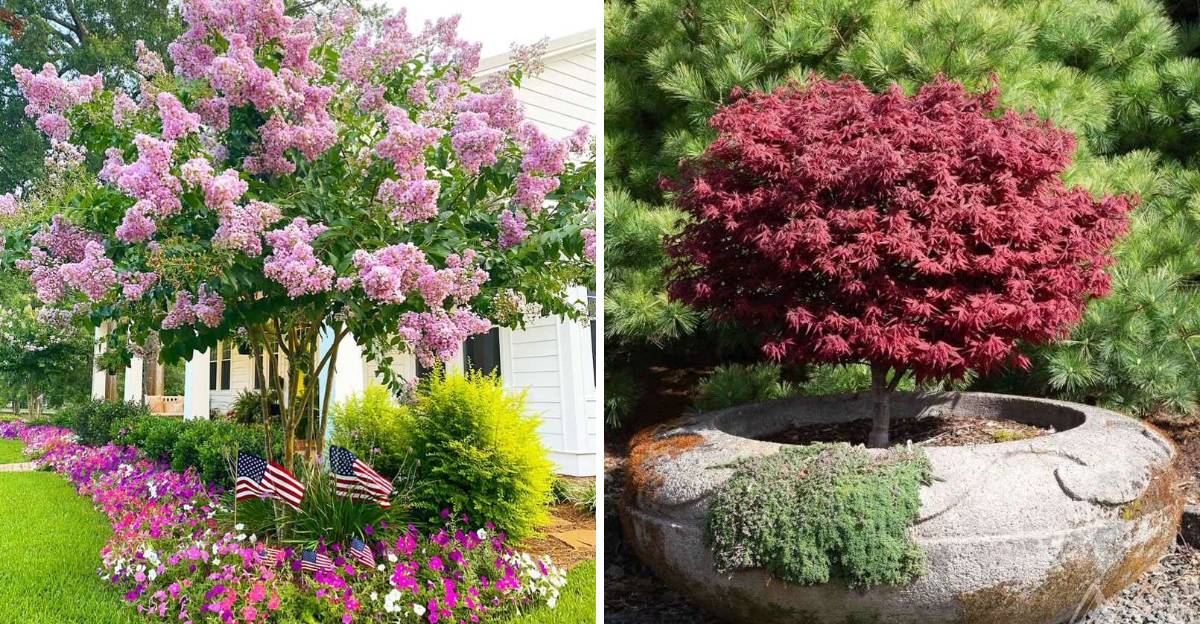
You don’t need a sprawling Southern estate to grow something beautiful. In Alabama, even the smallest backyard has the potential to feel lush, shaded, and full of life.
Oversized trees like oaks may steal the spotlight, but smaller trees can deliver just as much charm without overwhelming your space.
The right one can frame your yard, soften hard edges, and create that calm, tucked-away feeling every outdoor space deserves.
Warm climate and long growing season make it easy to grow varieties that bloom in spring, offer shade in summer, and keep their structure year-round with very little effort.
Some bring colors, others add texture and greenery, and a few even offer fruit or fragrance. It’s less about size and more about placement and intention.
Make your backyard feel like a private escape. One well-chosen tree, planted in the right spot, can completely shift the atmosphere and turn even the smallest space into something that feels alive.
1. Serviceberry (Amelanchier)
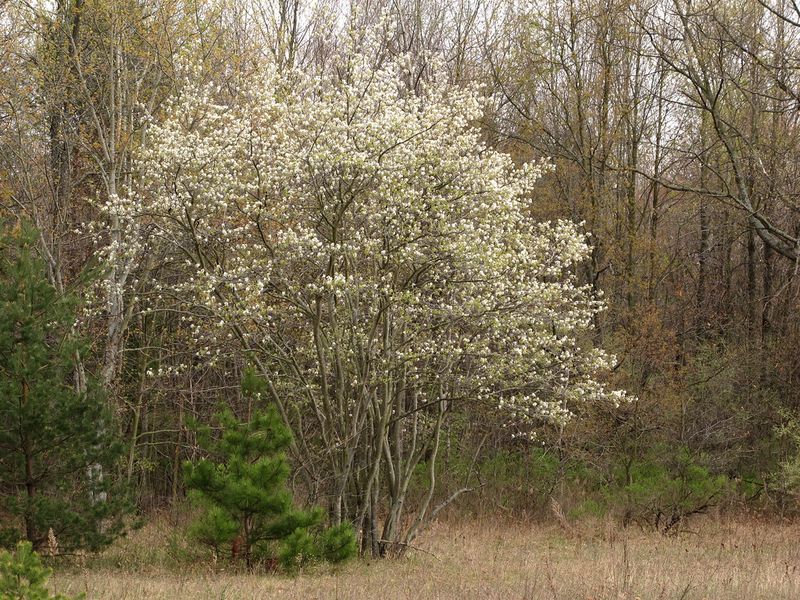
Few trees put on a show quite like the Serviceberry, which erupts in clouds of white blossoms before most other trees even wake up from winter. This small tree is a true early-spring superstar, and Alabama gardeners absolutely love it for that reason.
It tops out at around 15 to 25 feet, making it a perfect fit for tight spaces.
After the flowers fade, the Serviceberry produces small berries that look a lot like blueberries. Birds go absolutely wild for them, so if you enjoy backyard wildlife, this tree is a wonderful choice.
The berries are also edible for humans and taste sweet with a hint of almond flavor.
Come fall, the leaves turn brilliant shades of orange and red, giving you a second season of color. The Serviceberry thrives in Alabama’s climate, handling both heat and occasional cold snaps with ease.
It grows well in full sun to partial shade and does not need a lot of special care once it gets established. Plant it near a window or patio where you can enjoy the show up close every season.
2. Redbud (Cercis Canadensis)
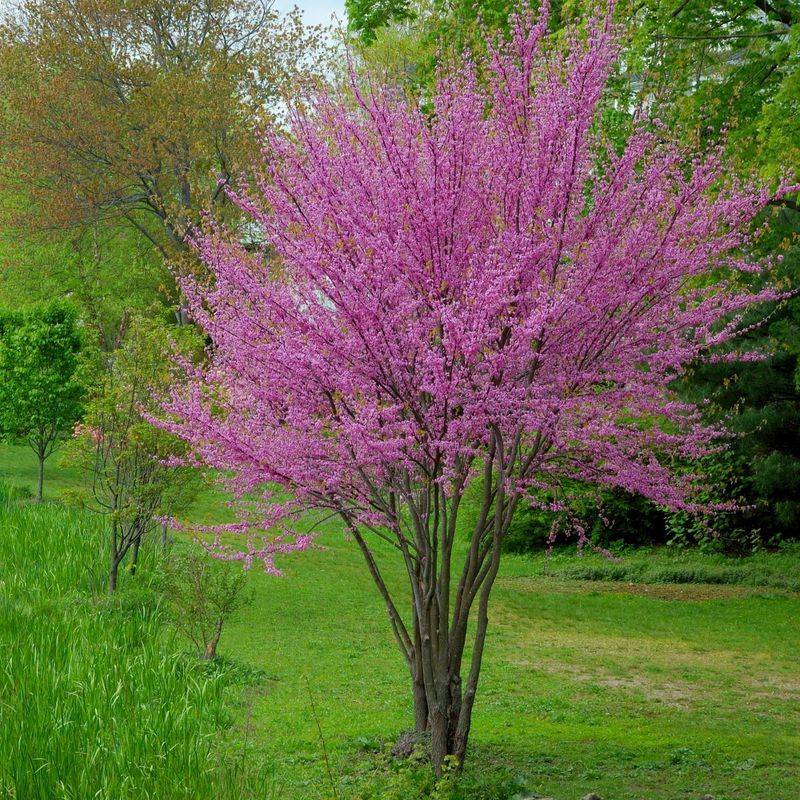
Early spring showstopper!
You’ll notice redbuds right away, covered in rosy pink-purple blooms. This native tree is one of the most beloved small trees across the entire southeastern United States.
It usually grows between 20 and 30 feet tall, which makes it a natural fit for smaller yards.
What makes the Redbud extra special is that its flowers bloom directly on the branches and trunk, not just at the tips. That creates a dramatic, full-body color effect that stops people in their tracks.
After the blooms fade, heart-shaped leaves take over and keep the tree looking attractive through summer and into fall.
The Redbud is incredibly tough and adaptable, growing well in both full sun and partial shade. It handles Alabama’s hot summers better than many other flowering trees, and it does not need a lot of watering once it is established.
Deer tend to leave it alone, which is a nice bonus if you live near wooded areas. For pure visual impact with very little effort, the Redbud is hard to beat in any small backyard.
3. Crape Myrtle (Lagerstroemia)
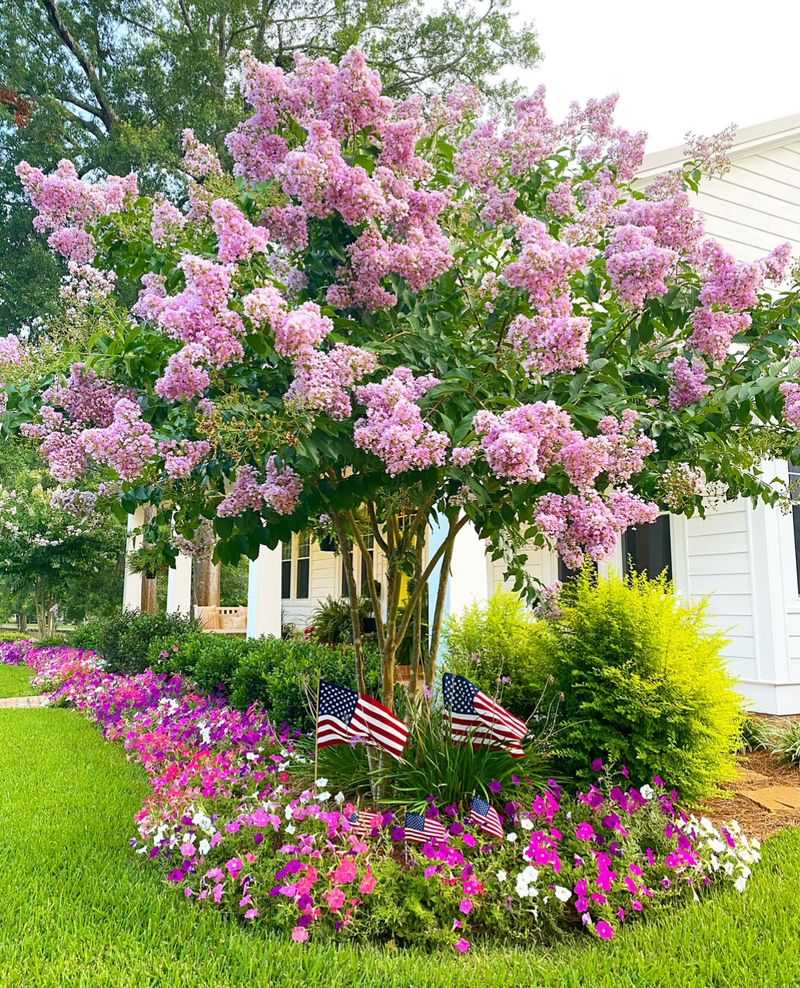
If there is one tree that practically screams “Alabama summer,” it is the Crape Myrtle. These trees are everywhere across the state, and for good reason.
They bloom heavily from late spring all the way through summer, producing massive clusters of flowers in shades of white, pink, red, and purple that last for weeks on end.
The dwarf and semi-dwarf varieties are perfect for small backyards, staying between 4 and 15 feet tall depending on the type you choose. That means you can enjoy all the drama of a Crape Myrtle without worrying about it outgrowing your space.
The smooth, peeling bark also adds visual interest during the winter months when the tree is bare.
Crape Myrtles love the heat, which makes Alabama’s long, hot summers an absolute paradise for them. They thrive in full sun and are very drought-tolerant once established, so they will not run up your water bill.
One important tip: avoid heavy pruning, which many people call “crape murder.” Let the tree grow naturally into its graceful shape and it will reward you with an incredible display year after year.
4. Dogwood (Cornus Florida)
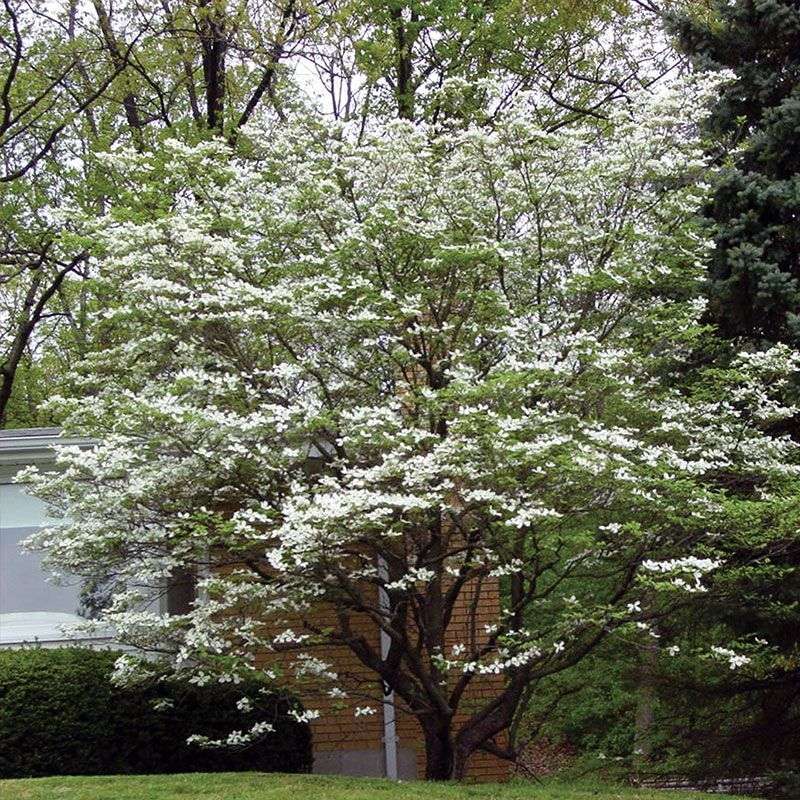
There is something almost magical about a Dogwood tree in full bloom, its wide, layered branches spread out like a canopy of white or pink flowers floating in the air. The Flowering Dogwood is a native Alabama tree and one of the most graceful small trees you can plant in a compact yard.
It typically grows between 15 and 30 feet tall and wide, fitting comfortably into tighter spaces.
Dogwoods prefer a spot with morning sun and afternoon shade, which is easy to find in most Alabama backyards. They do not do well in harsh, direct afternoon sun, so planting them near a fence or under the canopy of a larger tree can help them thrive.
Once settled in, they are fairly low-maintenance and reward you with stunning blooms every spring.
In the fall, the Dogwood’s leaves turn a rich burgundy-red and small clusters of bright red berries appear, which birds love to snack on. The horizontal branching pattern of this tree gives it a graceful, artistic look even when it is not in bloom.
For gardeners who want year-round beauty in a small footprint, the Dogwood is one of the smartest picks you can make.
5. Japanese Maple (Acer Palmatum)
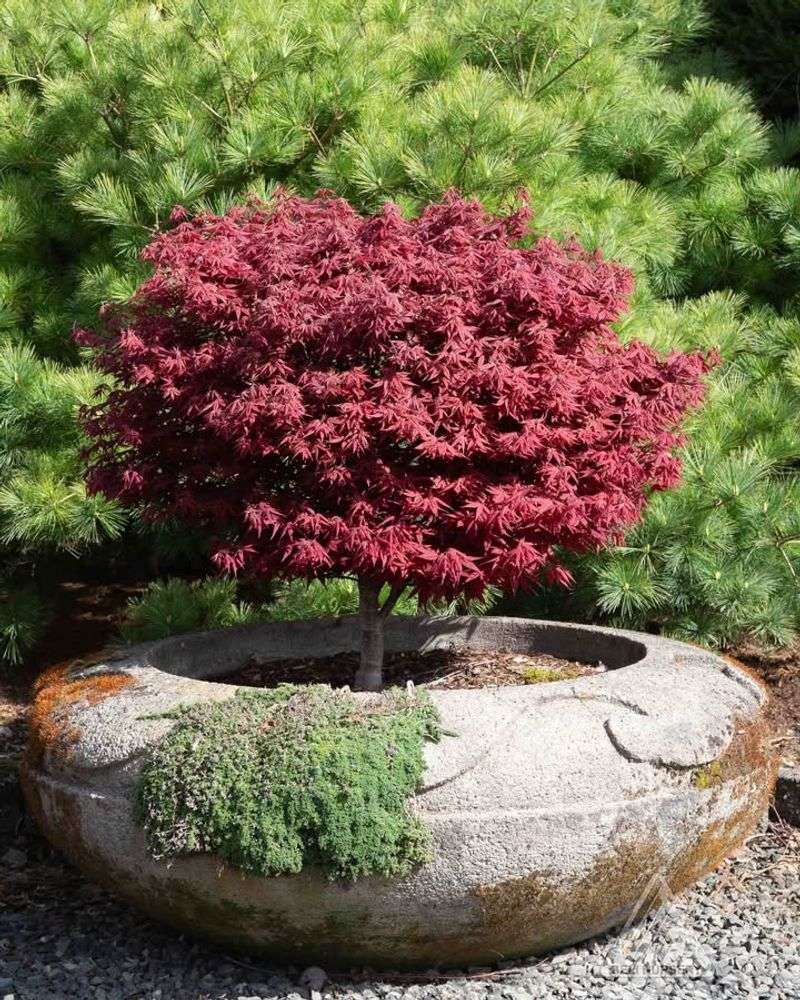
Bold, dramatic, and undeniably gorgeous, the Japanese Maple is the kind of tree that makes visitors stop and ask, “What is that?” With its deeply cut, feathery leaves in shades of deep red, burgundy, orange, or green, this tree is basically living art for your backyard.
Most varieties stay well under 15 feet tall, making them ideal for small Alabama yards.
Japanese Maples prefer partial shade, especially where summer heat can be intense. A spot that gets morning sun and afternoon shade is the sweet spot for keeping the leaves looking their best.
Without some protection from the hot afternoon sun, the delicate leaves can scorch during peak summer months.
One of the best things about Japanese Maples is how many varieties exist. You can find weeping types, upright types, dwarf types, and everything in between.
The fall color show is extraordinary, with leaves turning fiery shades of orange, red, and gold before dropping. They grow slowly, which actually works in your favor in a small yard because you will not need to prune them often.
With a little attention to placement and watering during dry spells, a Japanese Maple can thrive beautifully in Alabama’s climate for many decades.
6. American Fringe Tree (Chionanthus Virginicus)
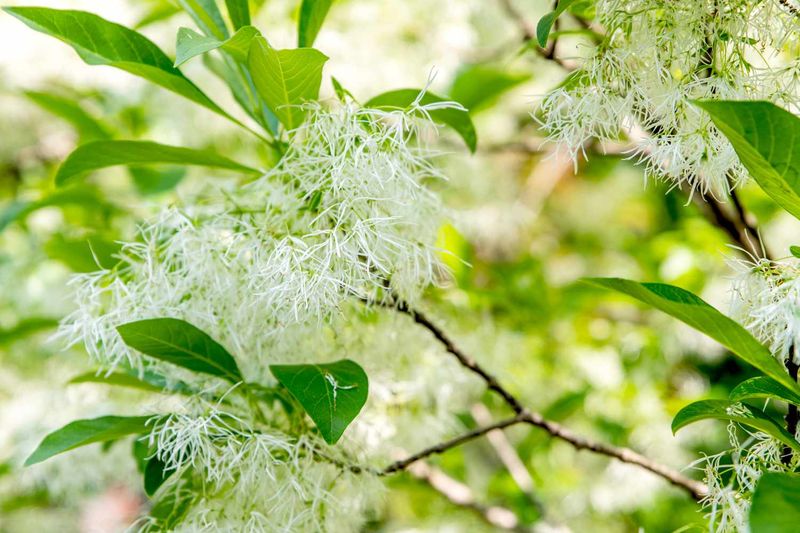
It’s underrated and seriously beautiful. The American Fringe Tree is one of the most stunning small trees you can grow.
In late spring, it explodes with long, wispy white flower clusters that look almost like soft white fringe hanging from every branch. The sweet fragrance it releases can fill an entire backyard with a lovely scent.
Growing between 12 and 20 feet tall, the Fringe Tree fits perfectly into smaller yards without crowding fences or neighboring plants. It is one of the last trees to leaf out in spring, so do not panic if yours looks bare while everything else is greening up.
That delayed start is completely normal and part of its character.
Female trees produce small, dark blue fruits in late summer that birds find irresistible, adding another layer of wildlife appeal to your yard. The Fringe Tree is adaptable to a range of soil types and handles Alabama’s humidity and heat with no complaints.
It grows well in full sun to partial shade and is relatively pest-free, making it an easy-care choice for busy gardeners. If you want a tree that feels a little unexpected and special, this one should absolutely be on your list.
7. Saucer Magnolia (Magnolia X Soulangeana)
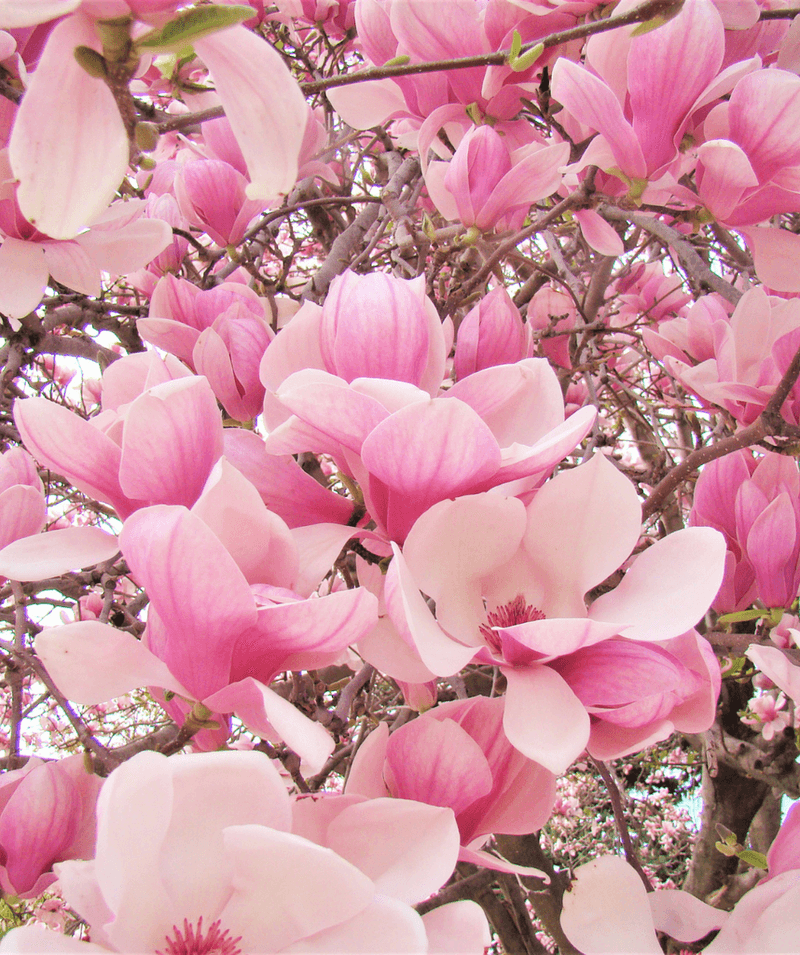
Seeing a Saucer Magnolia in full bloom is one of those jaw-dropping moments that reminds you why gardening is so rewarding. Before a single leaf appears, this tree covers itself in enormous tulip-shaped flowers in shades of deep pink, soft lavender, and creamy white.
The display lasts a couple of weeks and is absolutely unforgettable every single year.
Saucer Magnolias typically grow 20–25 feet tall and just as wide, making them a great fit for small to medium Alabama backyards with enough room to spread. They prefer full sun and well-drained soil, and they respond well to Alabama’s mild winters followed by warm springs.
One thing to keep in mind is that a late frost can sometimes nip the early blooms, so planting in a spot with a little wind protection helps.
Outside of bloom season, the Saucer Magnolia is still an attractive tree with a rounded, spreading shape and large, glossy leaves. In late summer, interesting cone-like seed pods develop and add a bit of texture to the tree’s appearance.
Maintenance is minimal once the tree is established, needing only occasional pruning to shape it up. For homeowners who want a showstopper tree, the Saucer Magnolia delivers one of the most breathtaking spring performances of any tree on this list.
8. Dwarf Southern Magnolia (Magnolia Grandiflora ‘Little Gem’)
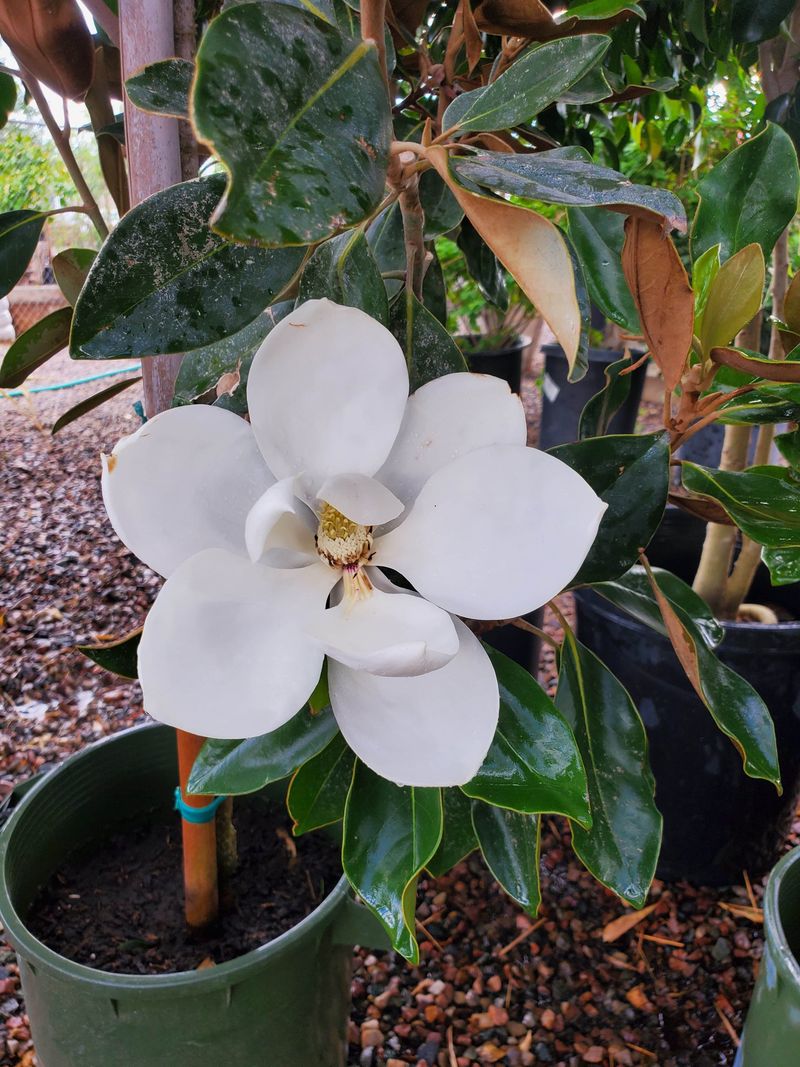
Alabama and the Southern Magnolia go together like sweet tea and summer porches. Full-sized Southern Magnolias can hit 80 feet, too big for small yards.
That is where the Little Gem Dwarf Southern Magnolia steps in and saves the day. This compact cultivar grows only 15 to 20 feet tall and keeps all the charm of its giant cousin in a much more manageable size.
The glossy, dark green leaves with rusty-brown undersides look stunning year-round, and the creamy white flowers are enormous and fragrant.
Unlike the standard Magnolia that blooms once in spring, the Little Gem produces flowers repeatedly from late spring all the way through summer and into early fall.
That extended bloom time is one of the biggest reasons Alabama gardeners have fallen in love with this variety.
Little Gem thrives in full sun and is well-suited to Alabama’s heat and humidity. It is also more tolerant of different soil types than many other trees, making it a flexible choice for yards with less-than-perfect soil conditions.
The evergreen foliage means your yard stays looking lush and green even in the middle of winter when other trees are bare. For a small yard that needs a big personality, the Little Gem is a genuinely perfect fit.
9. Possumhaw Holly (Ilex Decidua)
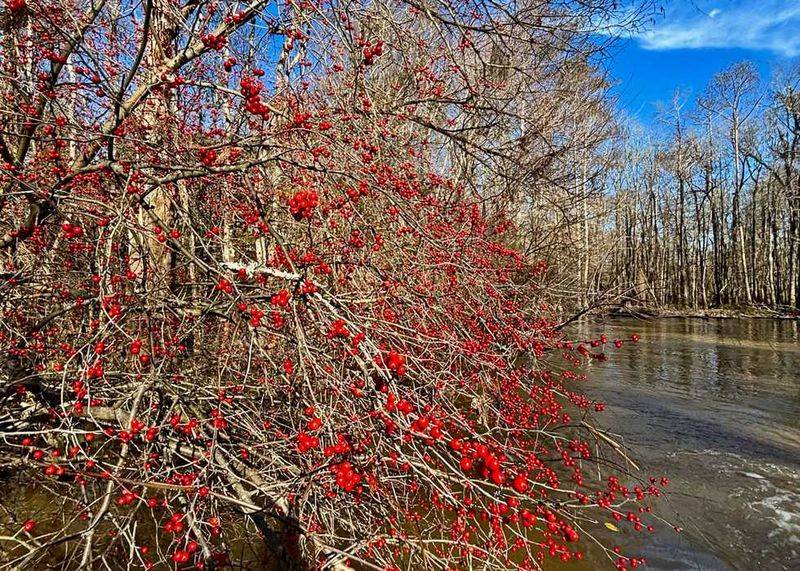
When winter rolls around and most trees have gone bare and gray, the Possumhaw Holly puts on a spectacular show that makes the whole yard feel alive.
This native Alabama shrub-tree is covered from top to bottom in bright red or orange berries that cling to the branches all winter long, creating a stunning natural display right when you need it most.
It grows between 7 and 15 feet tall, making it a natural fit for tight backyard spaces.
The Possumhaw is deciduous, meaning it drops its leaves in fall, but that is actually what makes the berry display so dramatic. Without the leaves in the way, those vivid clusters of berries become the main attraction, standing out brilliantly against the winter sky.
Birds like cedar waxwings and mockingbirds absolutely flock to the berries, turning your backyard into a lively wildlife hotspot during the coldest months.
Growing Possumhaw Holly in Alabama is straightforward since it is native to the region and adapted to local soils and weather patterns. It handles both wet and dry conditions better than most ornamental trees and thrives in full sun to partial shade.
For best berry production, plant a male pollinator nearby. If you want a tree that earns its place in your small Alabama backyard by being useful, beautiful, and wildlife-friendly all at once, Possumhaw Holly checks every single box.