9 Small Trees That Add Beauty To Tiny Georgia Backyards
Not every Georgia yard has space for towering shade trees, but that does not mean smaller landscapes have to miss out on the beauty trees bring.
In many cases, compact trees are actually the better choice for smaller backyards, patios, and narrow planting areas where large trees would quickly outgrow the space.
Small trees can still offer everything gardeners love, from seasonal flowers and colorful foliage to interesting shapes that give the landscape more character. Many of them also provide light shade without overwhelming nearby plants or structures.
Georgia’s climate supports a wide range of smaller trees that stay manageable while still creating a strong visual impact in the garden.
With the right choice, even a modest backyard can gain height, color, and structure without feeling crowded or difficult to maintain.
Eastern Redbud Brings A Burst Of Pink Flowers In Early Spring
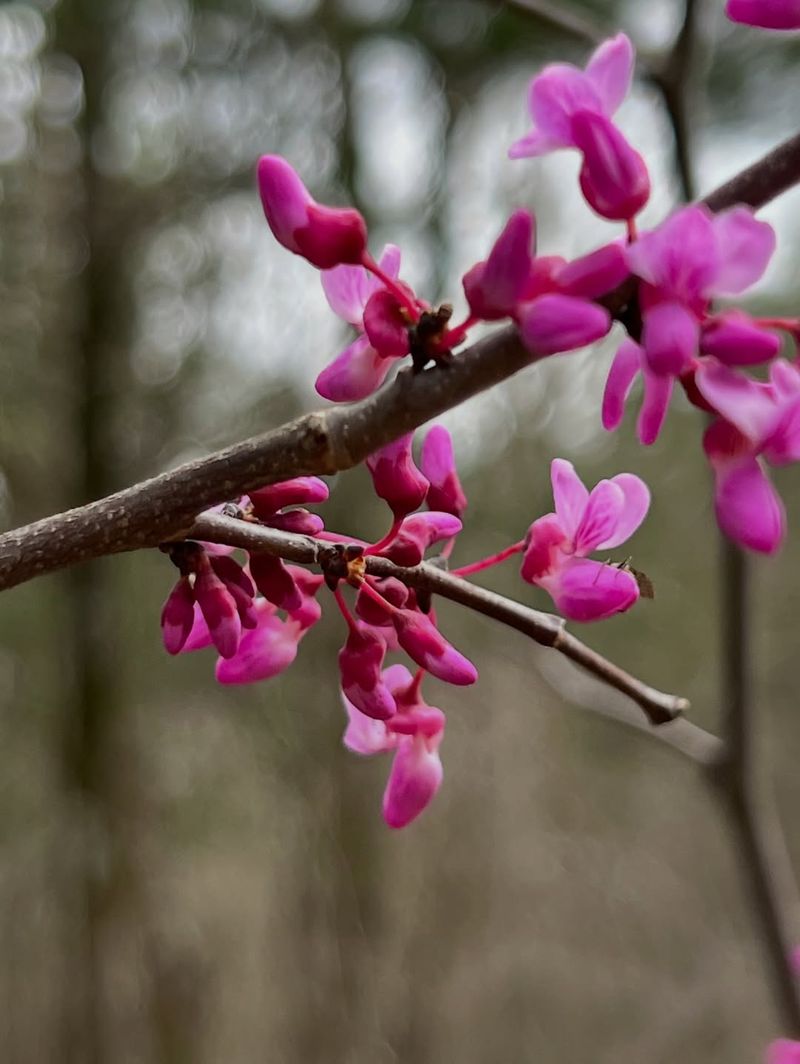
Before a single leaf appears, the Eastern Redbud puts on one of the most dramatic shows in any Georgia backyard. Tiny magenta-pink flowers coat every branch from tip to trunk, turning the whole tree into a cloud of color in late February or March.
Most Redbuds stay between 15 and 25 feet tall, which makes them a natural fit for smaller lots. Plant one near a patio or along a fence line and you will have a front-row seat to the whole spring performance every year.
Summer brings heart-shaped leaves that give the tree a soft, rounded look. In fall, those leaves turn a warm yellow before dropping.
Birds, especially hummingbirds passing through Georgia, are drawn to the flowers early in the season when not much else is blooming yet.
Redbuds prefer well-drained soil and do fine in partial shade, which makes them useful under taller trees. Give one a good spot and it will reward you with color for weeks each spring without needing a lot of attention from you.
After the blooms fade, slender seed pods form and often remain on the branches well into winter, adding a bit of texture to the tree.
Flowering Dogwood Creates A Classic Spring Display
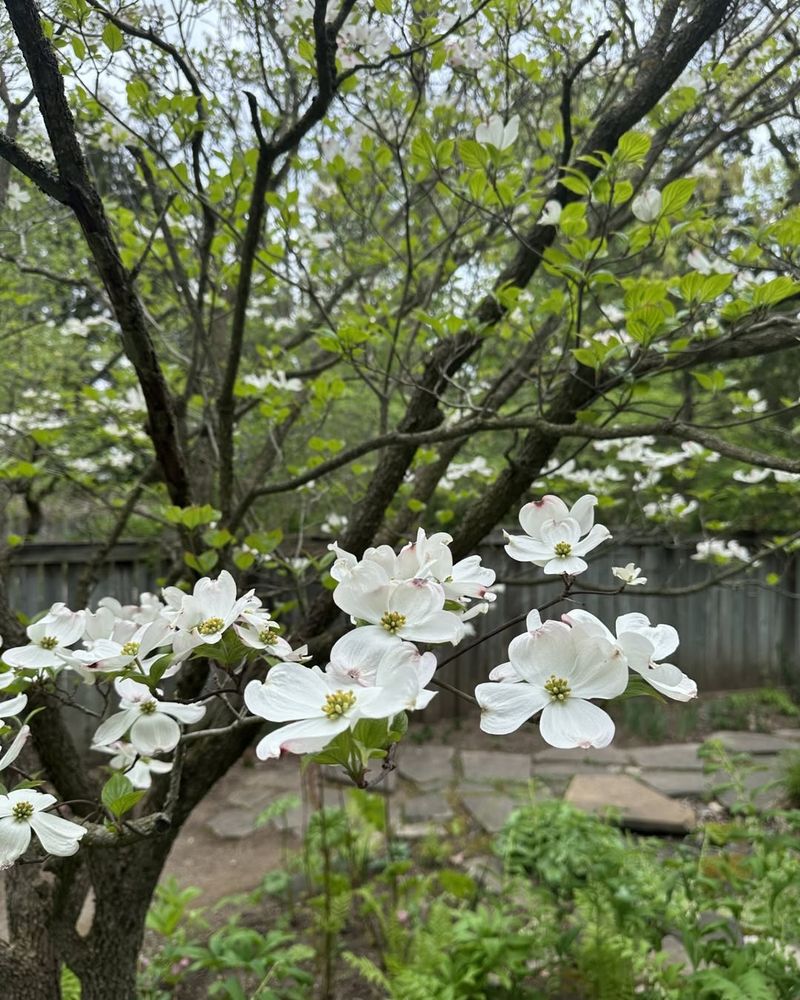
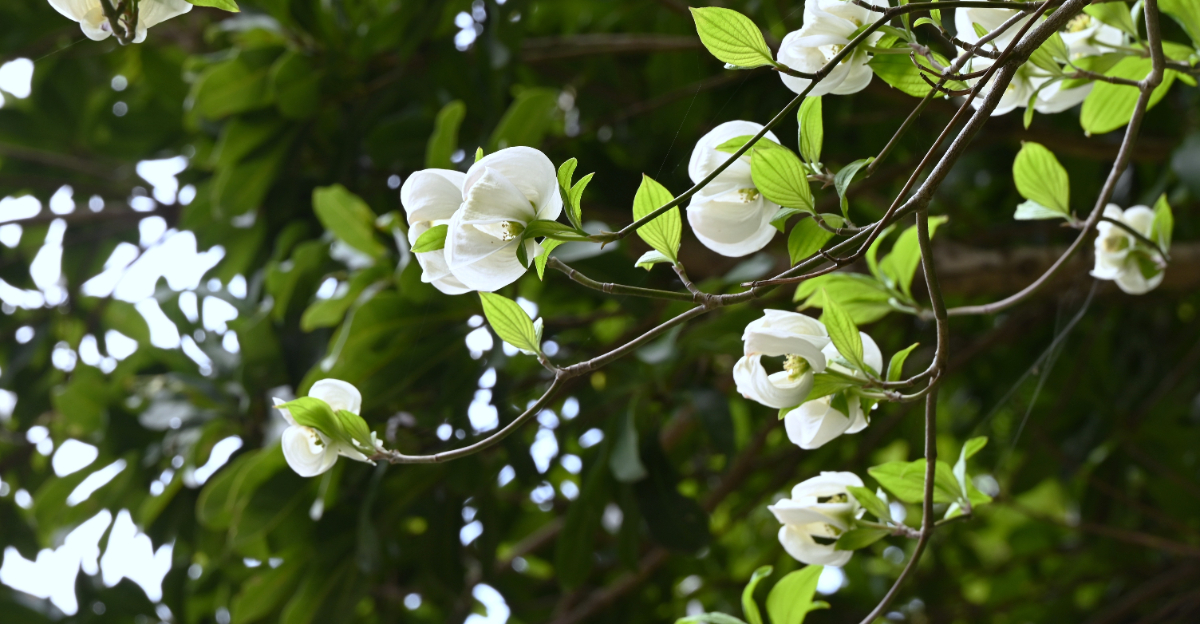
Ask any longtime Georgia gardener what tree they would plant first, and Flowering Dogwood comes up almost every time. White or pink bracts open up in April, spreading wide and flat like something out of a painting.
Dogwoods naturally stay small, usually topping out around 20 to 25 feet. That compact size means even a modest backyard in Augusta or Columbus has room for one without it taking over the whole space.
Red berries follow the flowers in fall and attract birds like robins and cedar waxwings right to your yard. The horizontal branching pattern gives the tree an elegant, layered look year-round, even when it is not in bloom.
Dogwoods do best with some afternoon shade in Georgia summers. Too much direct sun and heat can stress the foliage, so tucking one under the canopy of a larger tree or near the east side of a fence works well.
Rich, slightly acidic soil keeps them happy and growing steadily over the years.
With the right conditions, a flowering dogwood can live for decades and become one of the most recognizable trees in the yard each spring.
American Fringe Tree Produces Unique Cloud Like White Blooms
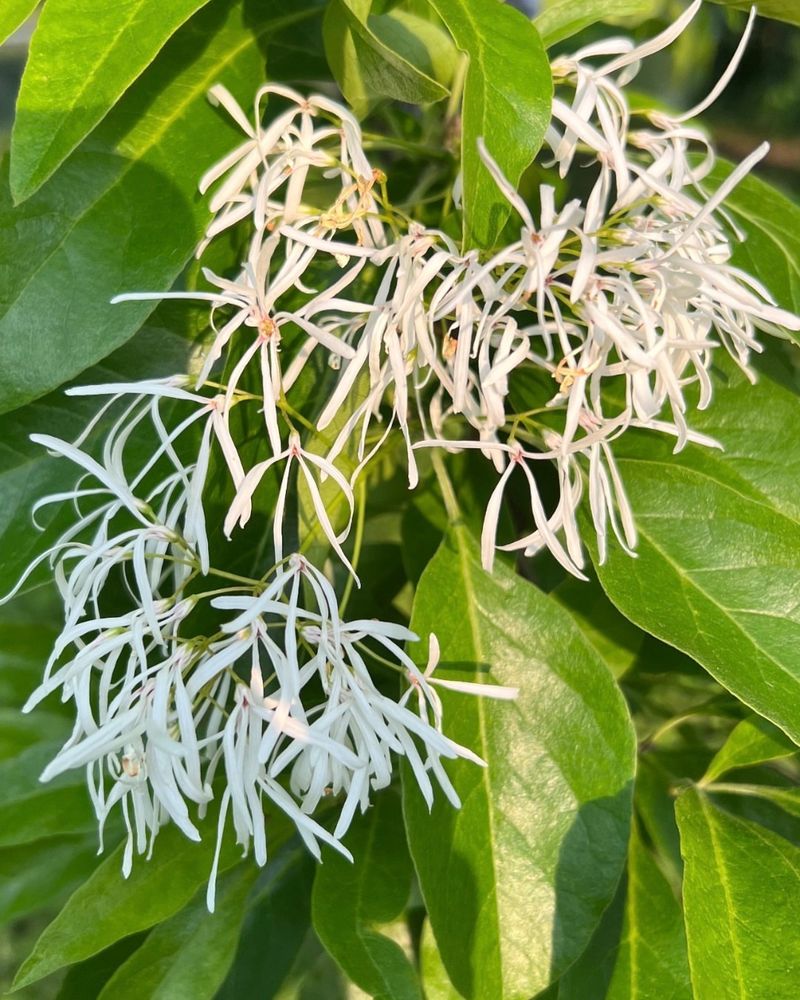
Nobody expects it, and that is exactly what makes the American Fringe Tree so satisfying to grow. In late April or May, the whole canopy fills with drooping clusters of white, strap-like petals that look almost like floating white fringe in the breeze.
Fringe Trees are slow growers but worth every year of patience. Most reach 12 to 20 feet over time, keeping them well-suited for tight Georgia backyards where you cannot afford a tree that spreads too wide or grows too tall.
Female trees produce small, dark blue fruits in late summer that mockingbirds and other songbirds go after quickly. Even without fruit, the foliage holds a clean, deep green through the summer months before turning yellow in fall.
One thing many people do not realize is that Fringe Trees handle wet or poorly drained spots better than most flowering trees. If you have a low area in your Georgia yard that stays soggy after rain, this might be exactly the right fit.
Full sun to partial shade both work well, giving you flexible planting options in smaller spaces.
Once established, American Fringe Tree is also known for having very few pest or disease problems, which makes it a dependable choice for Georgia gardens that need beauty without constant upkeep.
Japanese Maple Adds Elegant Shape And Color
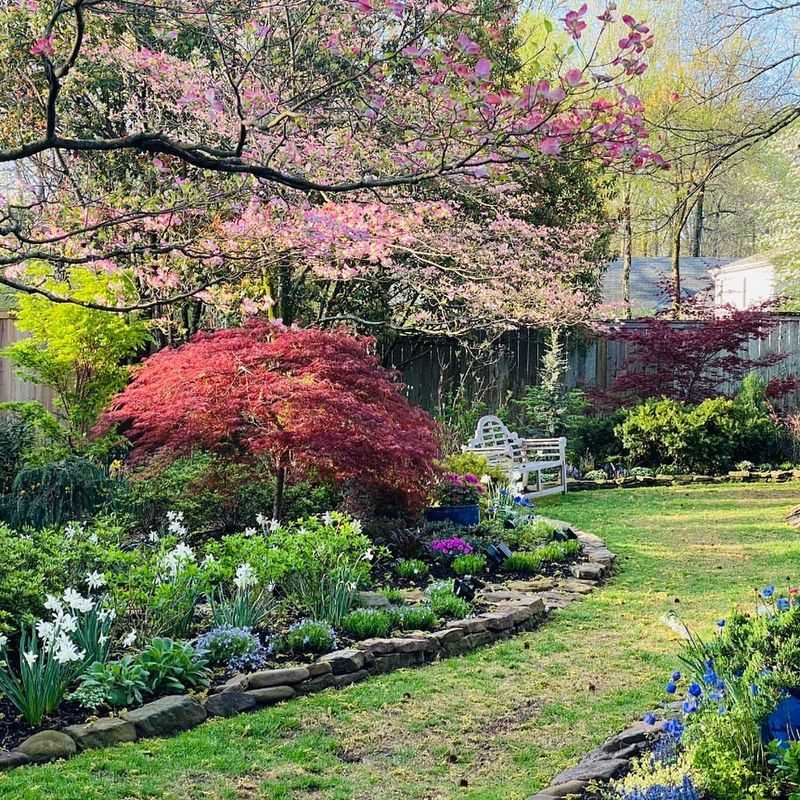
Few trees can match the year-round visual interest of a Japanese Maple. From the moment new leaves emerge in spring through the fiery fall color show, this tree earns its spot in even the smallest Georgia backyard.
Dozens of varieties exist, ranging from upright forms to weeping types that drape gracefully toward the ground. Leaf colors run from bright green to deep burgundy to almost black-red, so you can pick one that fits your existing garden palette.
Most Japanese Maples stay between 6 and 20 feet depending on the variety, giving you real flexibility in tight spaces.
A weeping variety planted near a corner or beside a water feature can anchor a whole garden design without crowding anything else.
Georgia summers can be tough on Japanese Maples, especially the more delicate lacy-leaf types. Afternoon shade is genuinely helpful here, not just optional.
Rich, well-drained soil with consistent moisture through hot spells keeps the foliage looking clean rather than scorched at the edges. Mulching around the base helps hold moisture and keeps roots from baking in the summer heat across Georgia.
Many Georgia gardeners plant Japanese Maples where they can be seen up close, like near a patio or walkway, because the delicate leaves and branching structure are worth admiring throughout the year.
Dwarf Crape Myrtle Delivers Long Lasting Summer Flowers
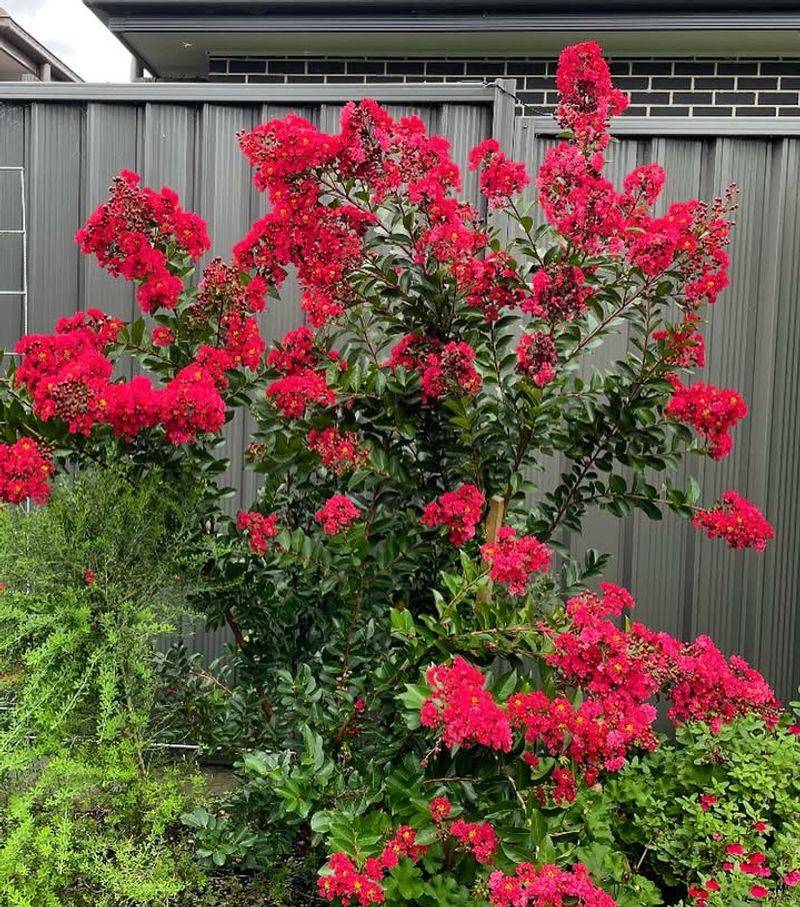
Crape Myrtles are everywhere in Georgia, but the full-size versions can quickly outgrow a small yard. Dwarf varieties solve that problem completely, topping out between 3 and 10 feet while delivering the same bold summer flower show in a much more manageable package.
Bloom colors range from white and soft pink to deep red and vivid purple. Flowers open in June and can keep going all the way into September if you deadhead spent blooms or let the plant push new growth.
That is months of color during a season when most other flowering trees have already finished.
Peeling bark adds winter interest even after the leaves drop, giving the tree something to offer in every season. Hummingbirds visit the flowers regularly, and bees work the blooms throughout the long flowering period.
Plant Dwarf Crape Myrtles in full sun for the best flower production. Shady spots reduce blooming noticeably.
Georgia heat actually suits them well, and they handle dry stretches better than many flowering trees once they have had a season or two to settle in. Avoid heavy pruning that cuts back to stubs, which ruins the natural shape and reduces flowering.
With so many compact cultivars available, dwarf crape myrtles make it easy to enjoy the classic Georgia summer look without letting a tree take over the entire yard.
Serviceberry Offers Spring Flowers And Edible Berries
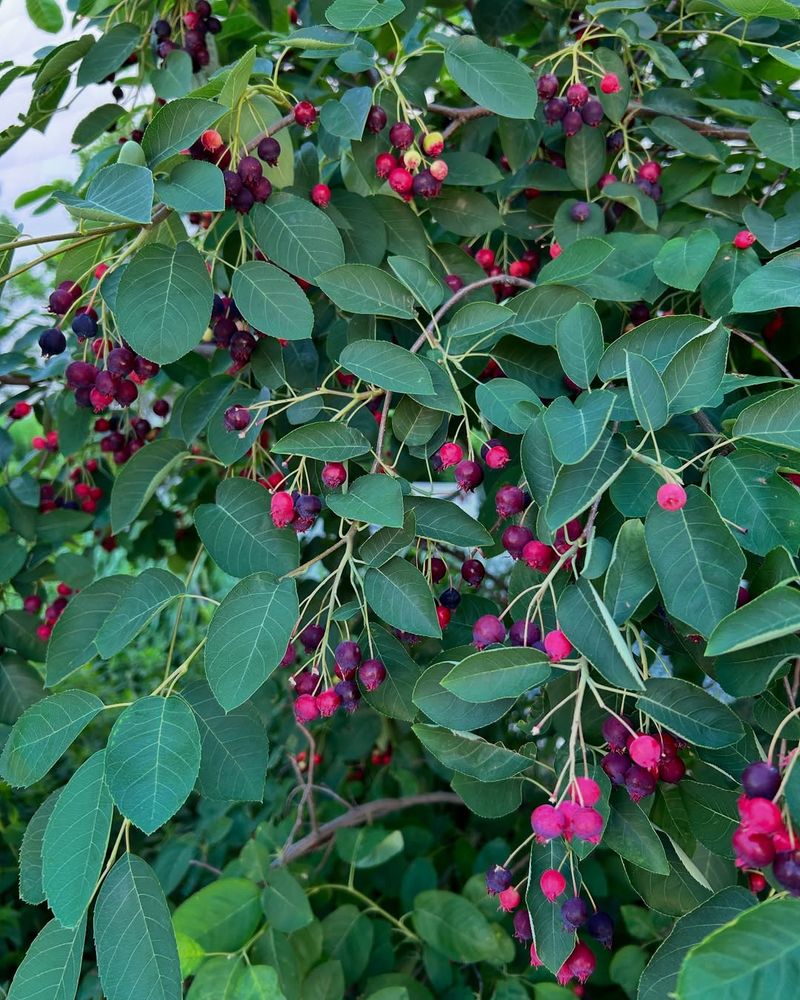
Serviceberry might be the most underused small tree in Georgia yards, and that is a real shame because it delivers more across the seasons than almost anything else its size.
White flowers open in early spring, often before most other trees have woken up from winter.
By early summer, small berries ripen from red to dark purple, and they are genuinely edible with a mild, sweet flavor somewhere between a blueberry and a mild cherry.
Birds compete with you for the harvest, so if you want any for yourself, pick them as soon as they turn fully dark.
Fall color can be surprisingly vivid, with leaves turning shades of orange, red, and gold before dropping. Most Serviceberries stay between 15 and 25 feet, fitting comfortably into smaller Georgia backyards without crowding the space.
Partial shade is tolerated well, making Serviceberry a smart choice for yards with existing trees. Moist, well-drained soil suits it best, though it adapts reasonably well to average garden conditions.
Planting one near a patio or window means you get a front-row seat to both the spring flower show and the bird activity that follows when berries ripen.
Sweetbay Magnolia Brings Fragrant White Blooms
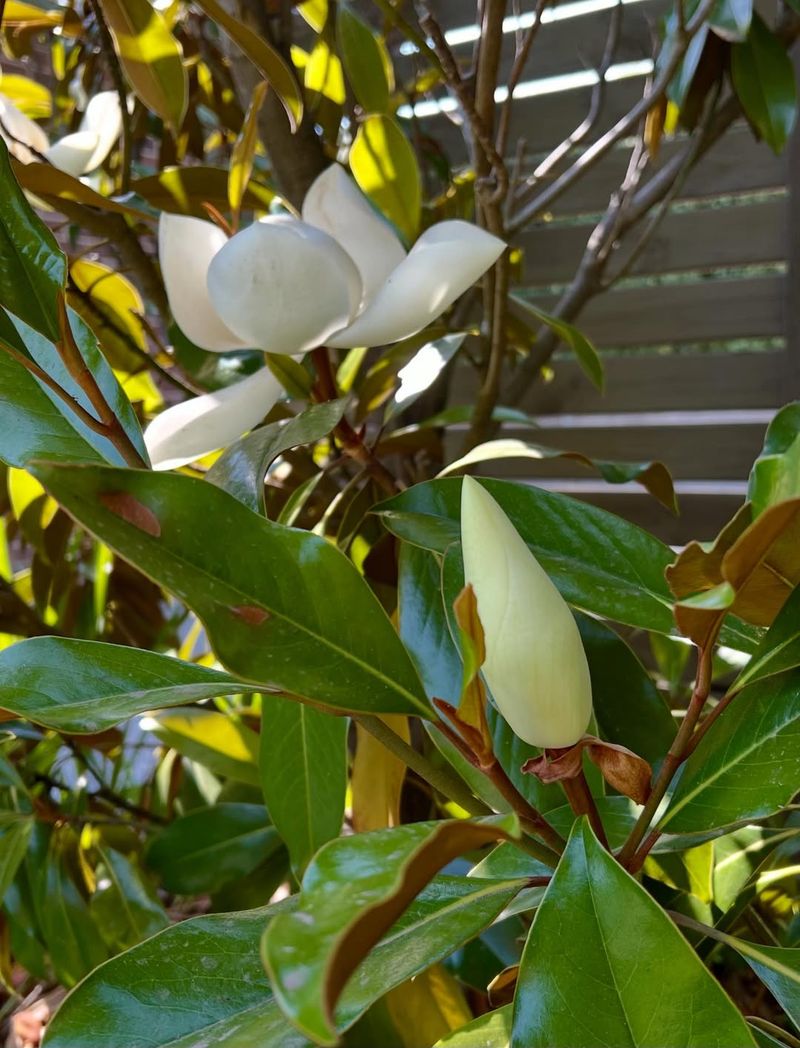
Walk past a Sweetbay Magnolia in bloom and the scent stops you in your tracks.
Creamy white flowers with a strong lemon-vanilla fragrance open from late spring through summer, making this one of the most sensory-rich trees you can put in a small Georgia backyard.
Unlike the giant Southern Magnolia, Sweetbay stays manageable.
Most reach 10 to 20 feet in Georgia, and in the northern parts of the state they tend to be more shrub-like and multi-stemmed, while in the warmer southern areas they grow into a tidy single-trunk tree.
Blooms come and go in waves across the season rather than all at once, which keeps the show going longer. Red seeds follow the flowers and attract birds, adding another layer of wildlife value to the yard.
Sweetbay handles wet soil far better than most trees, making it a practical solution for low spots or areas near downspouts that stay damp after rain. It also tolerates partial shade, which gives you more planting flexibility in smaller Georgia yards with existing structure.
The foliage is semi-evergreen in warmer parts of Georgia, meaning you keep some green through the winter months too.
Chaste Tree Stands Out With Lavender Summer Flower Spikes
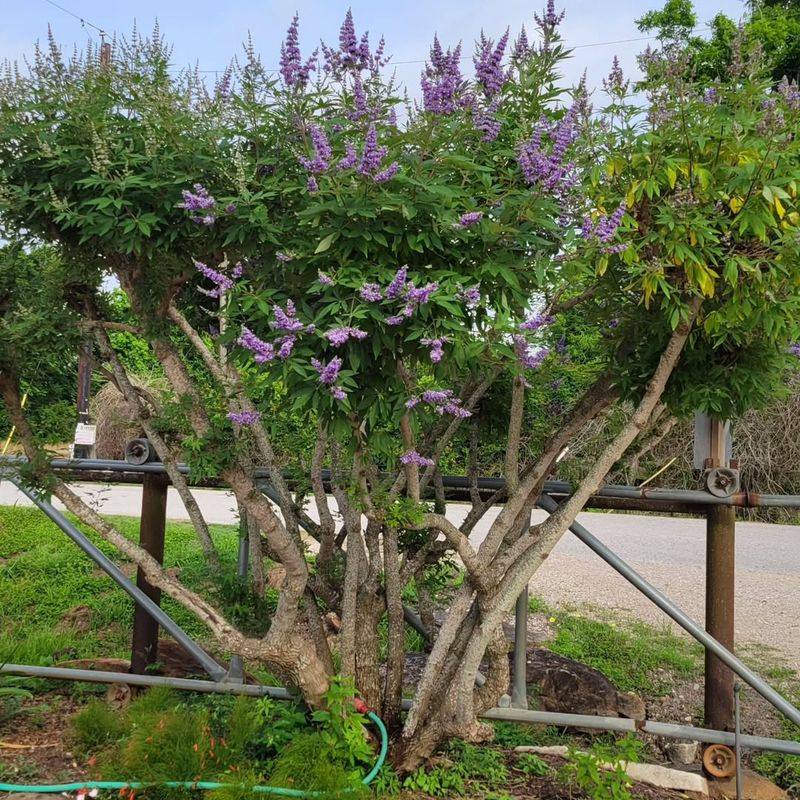
Midsummer is when most flowering trees have already finished, which is exactly when the Chaste Tree steps up.
Long, upright spikes of lavender-purple flowers open in July and August, bringing color to Georgia backyards during the hottest and driest stretch of the year.
Chaste Trees grow fast and can reach 10 to 20 feet, but they respond well to pruning in late winter if you want to keep them smaller or more shrub-like.
The aromatic foliage has a spicy, herbal scent that many people find pleasant, and the whole plant has a slightly tropical feel that suits Georgia summers well.
Pollinators absolutely work these flowers hard. Bees and butterflies cover the spikes throughout the bloom period, making a Chaste Tree a genuine wildlife asset in a small yard.
Full sun and well-drained soil are the main requirements here. Poor or rocky soil does not slow a Chaste Tree down much, and it handles drought with more resilience than most flowering trees.
If you want repeat blooming, cut off the spent flower spikes and the tree will often push a second flush of color later in the season, extending the show into early fall across Georgia.
Little Gem Magnolia Gives Southern Magnolia Beauty In A Smaller Tree
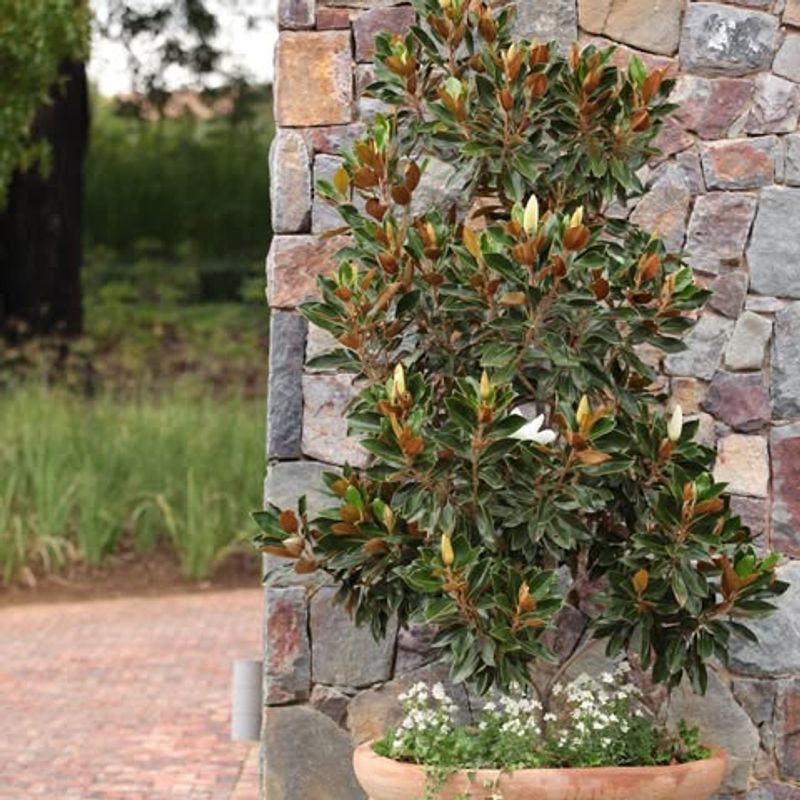
Southern Magnolia is iconic in Georgia, but a standard specimen can reach 80 feet and spread just as wide, which is completely impractical for a small yard.
Little Gem solves that by delivering the same glossy leaves and massive white flowers in a tree that stays between 15 and 25 feet tall.
Flowers open from late spring all the way through summer and sometimes into fall, which is far longer than most magnolias bloom. Each flower can be 6 to 8 inches across, and the fragrance carries well across a small outdoor space.
The evergreen foliage is a genuine asset in Georgia winters when most trees are bare. Leaves are dark, waxy green on top with a rusty-brown underside that adds subtle color even when the tree is not in bloom.
Little Gem grows in a naturally narrow, columnar shape, which makes it especially useful in tight spots along fences, walls, or property lines where you need height without a lot of spread.
Full sun gives the best bloom production, though partial shade is tolerated.
Rich, well-drained acidic soil keeps the foliage looking its best and supports steady growth in Georgia backyards year after year.