11 Small Trees That Fit Perfectly In California Yards
Not every California yard has space for a towering tree, but that doesn’t mean you have to miss out on shade, structure, and seasonal beauty.
Small trees are the perfect solution, bringing height and interest without overwhelming your space or creating constant upkeep.
With California’s mix of climates, from coastal breezes to inland heat, the best small trees are the ones that stay manageable while still handling sun, dry conditions, and occasional temperature swings.
The right choice can frame your yard, highlight entryways, or add privacy without taking over.
These trees prove you don’t need something massive to make an impact. Pick the right ones and you’ll get color, texture, and even a bit of shade, all in a size that actually works for your space.
1. Japanese Maple
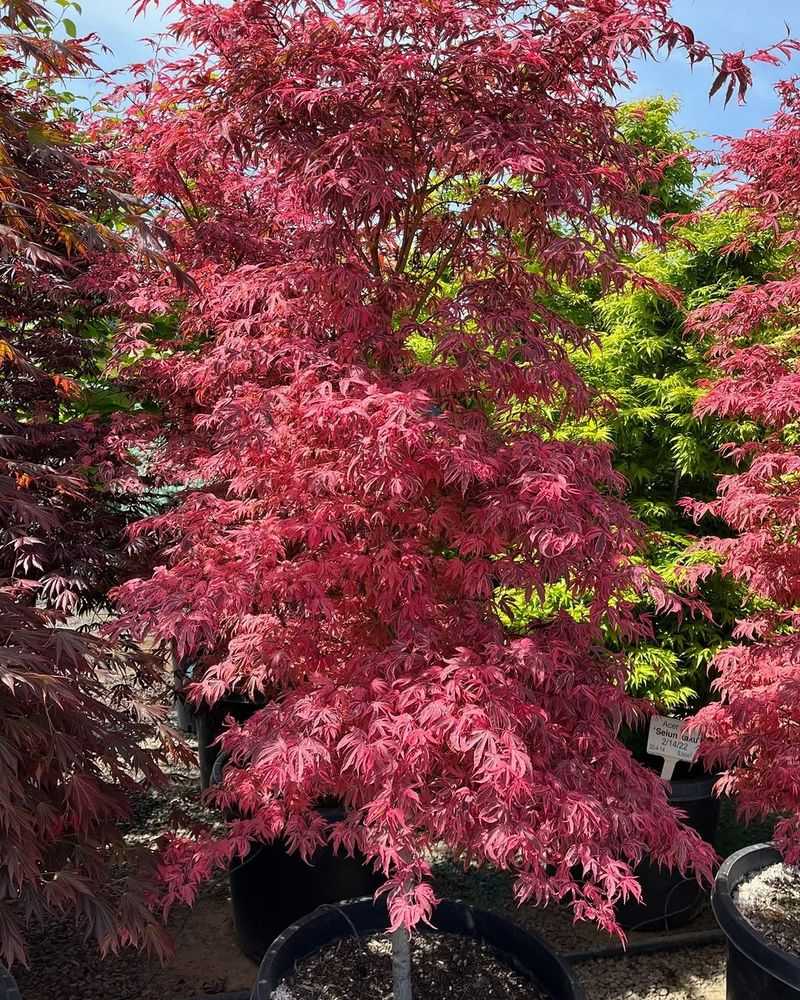
Few trees can stop people in their tracks quite like a Japanese Maple. With its feathery, deeply cut leaves and stunning fall color, this tree turns any California yard into a work of art.
It’s the kind of tree neighbors will ask you about.
Japanese Maples typically grow between 6 and 25 feet tall, depending on the variety. That makes them incredibly flexible for yards of all sizes.
Compact cultivars like ‘Crimson Queen’ or ‘Waterfall’ are especially popular in California gardens because they stay small and look incredible year-round.
In California, these trees do best with some afternoon shade, especially in hotter inland areas like the San Fernando Valley or Sacramento. Too much direct sun can scorch the delicate leaves.
Morning sun with dappled afternoon shade is the sweet spot.
They prefer well-drained, slightly acidic soil and regular watering during the dry summer months. Mulching around the base helps keep the roots cool and moist.
Once established, they’re surprisingly low-maintenance. Plant one near a patio or garden path, and it becomes an instant focal point that gets more beautiful with each passing year.
2. Crape Myrtle
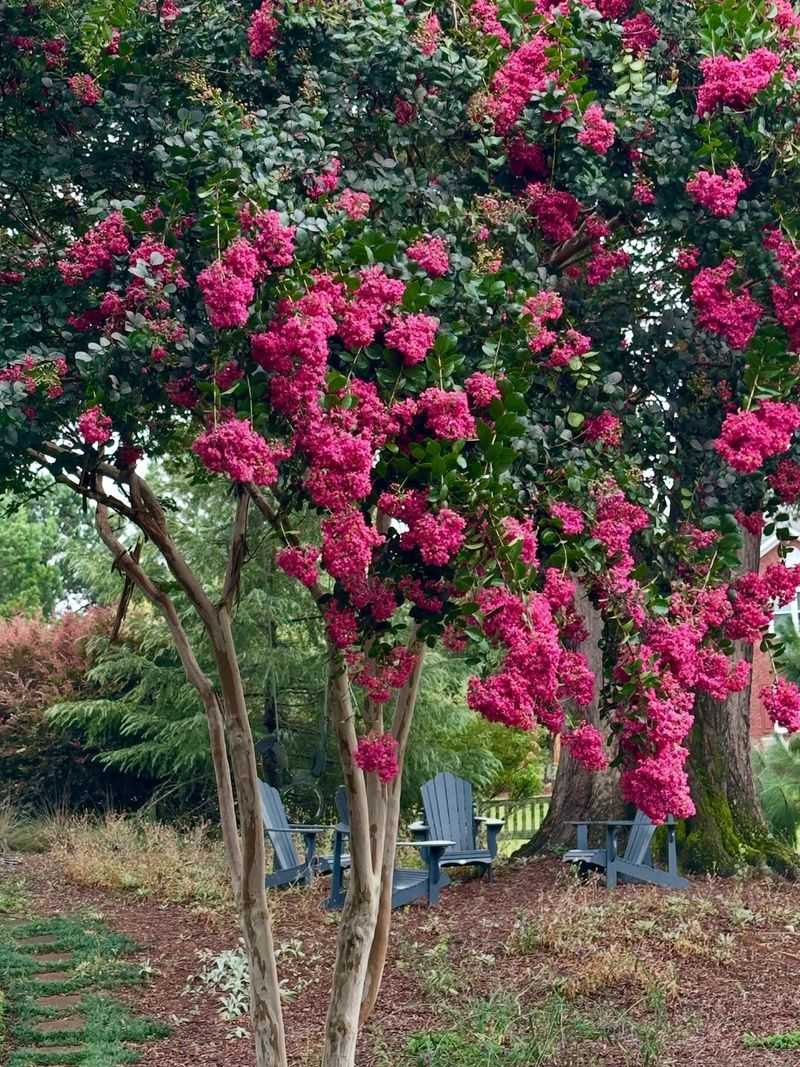
Walk through almost any Southern California neighborhood in summer and you’ll spot them immediately. Crape Myrtles burst into color from June through September, putting on one of the most dazzling floral shows of any small tree.
They’re basically summer’s favorite tree in California.
Most varieties grow between 10 and 20 feet tall, making them a great fit for small to medium yards. Dwarf varieties like ‘Pocomoke’ or ‘Chickasaw’ stay even smaller and work beautifully in tight spaces or raised planters.
The smooth, peeling bark adds visual interest even in winter when the leaves are gone.
Crape Myrtles love heat and full sun, which makes them perfectly suited to California’s long, hot summers. They’re also impressively drought-tolerant once established, which is a big deal in a state that’s always watching its water use carefully.
Avoid the common mistake of heavy pruning, sometimes called “crape murder.” Light shaping is all they need to stay healthy and attractive. Plant them in well-drained soil and give them regular water during the first couple of growing seasons.
After that, they practically take care of themselves while delivering season after season of breathtaking blooms.
3. Olive Tree
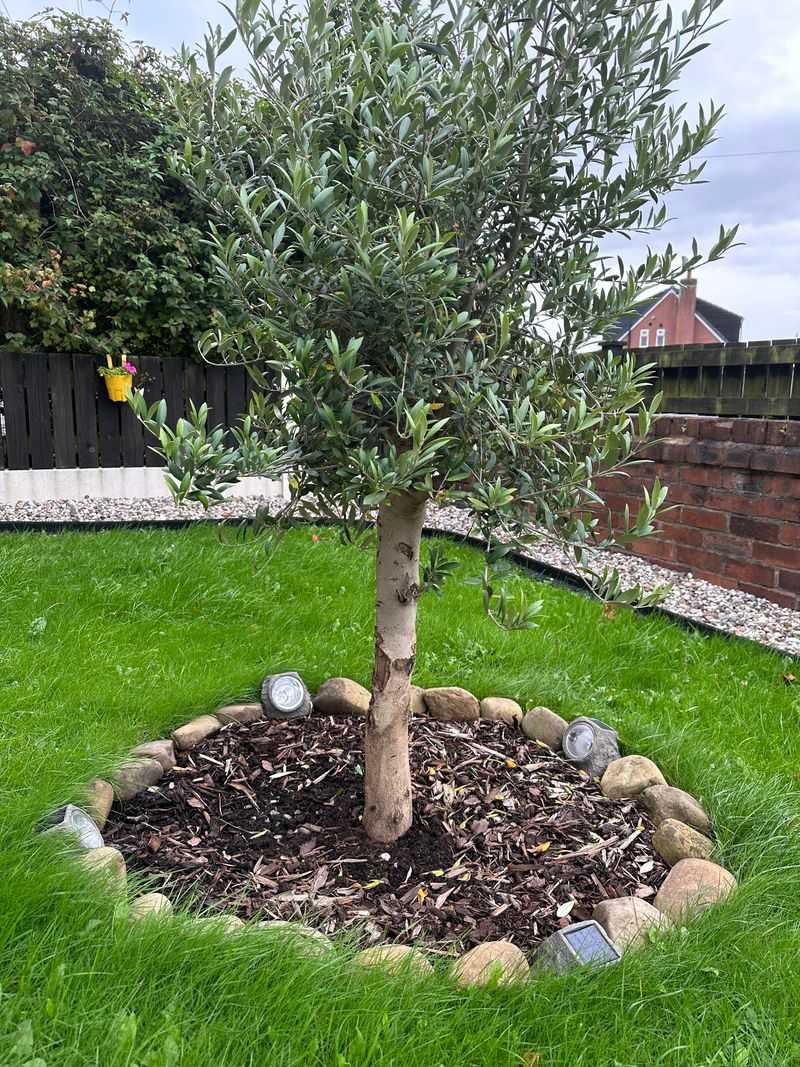
There’s something timeless about an Olive tree. These ancient trees have been grown for thousands of years, and they bring a Mediterranean elegance to California yards that few other trees can match.
Their silvery-green leaves shimmer beautifully in the California sunshine.
Ornamental varieties like ‘Swan Hill’ or ‘Wilsonii’ are popular choices because they produce little to no fruit, which means no messy cleanup on your driveway or patio. They typically grow between 15 and 25 feet tall, with a graceful, spreading canopy that provides lovely dappled shade.
Olive trees are incredibly tough. They thrive in California’s hot, dry summers and can handle poor, rocky soils without complaint.
Once established, they need very little supplemental watering, making them one of the most water-wise choices for drought-conscious California homeowners.
They grow slowly, which is actually a good thing for small yards. You won’t be worrying about them outgrowing their space anytime soon.
Plant them in full sun with well-draining soil, and they’ll reward you for decades. Whether you’re in coastal San Diego or the warmer parts of the Central Valley, an Olive tree adds undeniable character and a sense of deep-rooted beauty to any outdoor space.
4. Dwarf Citrus
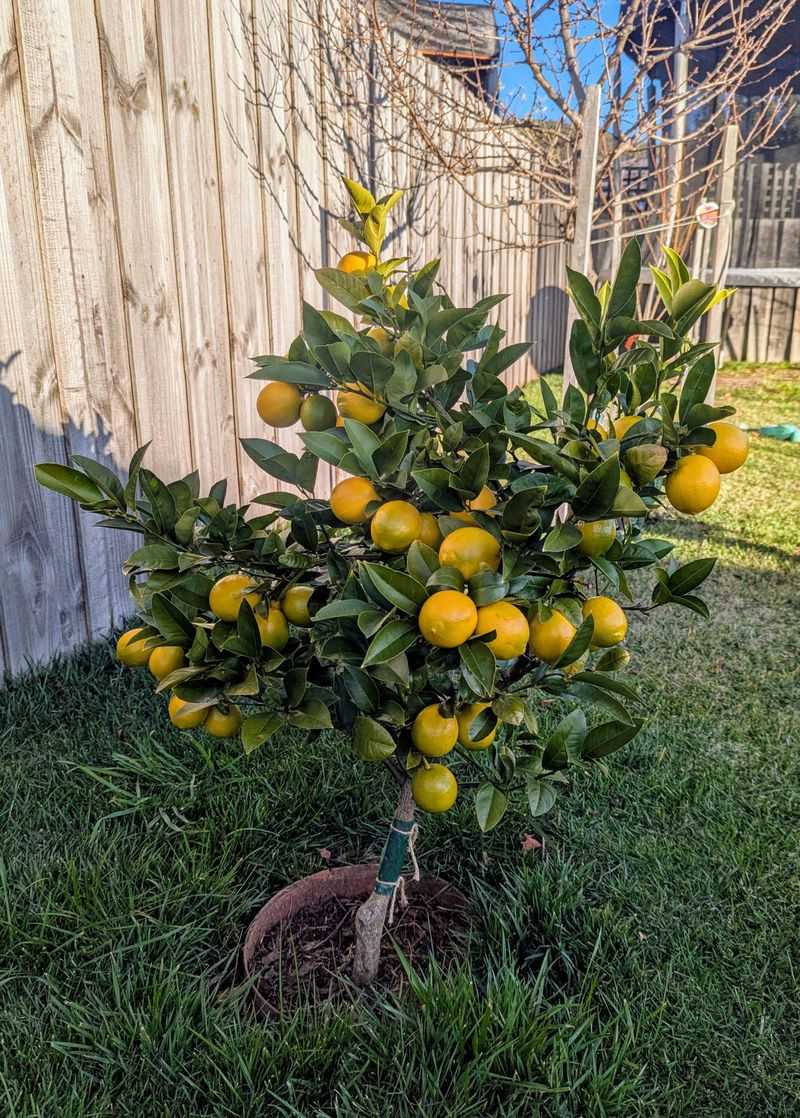
Imagine stepping outside your back door and picking a fresh lemon, orange, or tangerine right off your own tree. That’s exactly what a Dwarf Citrus tree makes possible, even in the smallest California yards.
It’s functional, beautiful, and incredibly rewarding to grow.
Dwarf citrus trees typically reach 6 to 10 feet tall, making them perfect for compact spaces, raised beds, or large containers on patios and balconies. Popular varieties include Dwarf Meyer Lemon, Dwarf Navel Orange, and Dwarf Clementine.
Each one produces full-sized, delicious fruit on a conveniently small tree.
California’s warm, sunny climate is basically paradise for citrus trees. They love full sun and well-draining soil.
In coastal areas, they may need a slightly warmer, sheltered spot to fruit well. In inland areas like Riverside or Fresno, they thrive with ease.
Water consistently, especially during the summer heat, and feed them with a citrus-specific fertilizer a few times a year. Watch for common pests like aphids or scale insects, and address them early.
With a little regular care, a Dwarf Citrus tree will produce fruit for many years. It’s one of the most practical and cheerful additions you can make to any California yard.
5. Eastern Redbud
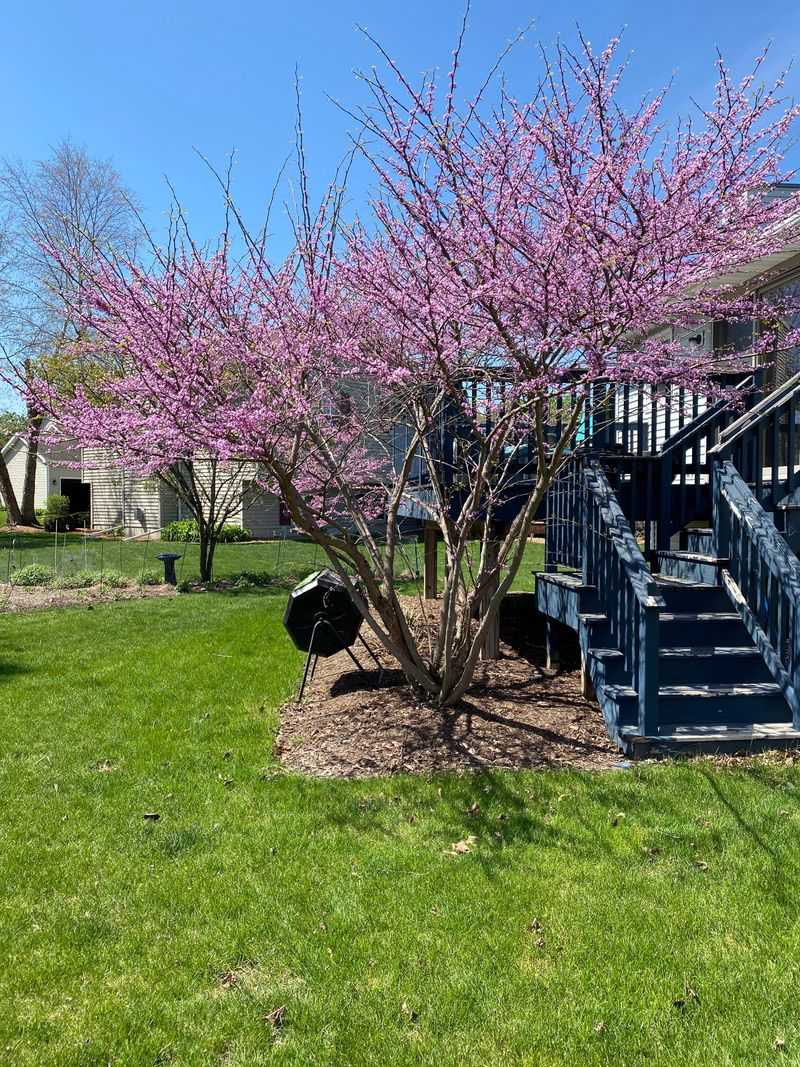
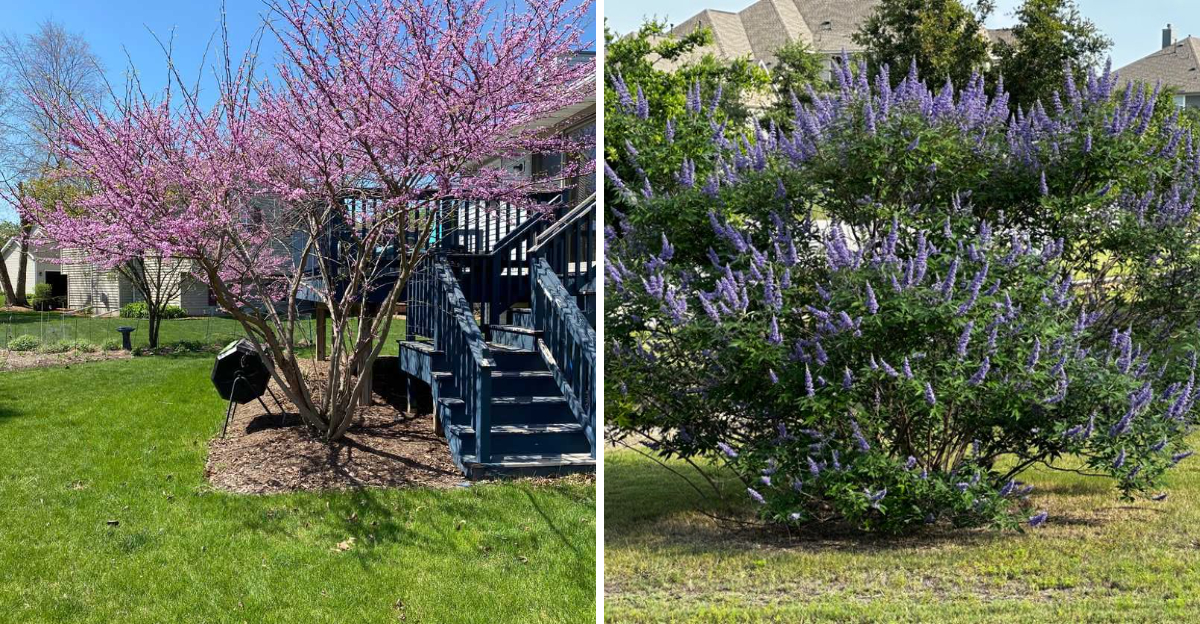
Every spring, the Eastern Redbud puts on a show that feels almost magical. Before a single leaf appears, the entire tree explodes in clusters of bright pink or magenta flowers that cover every branch.
It’s one of the most striking early-spring displays you’ll ever see in a California yard.
Eastern Redbuds are compact trees, usually growing 20 to 30 feet tall with a spread of similar width. However, many cultivars stay much smaller, around 12 to 15 feet, making them excellent choices for suburban yards.
The heart-shaped leaves that emerge after the flowers add a charming, decorative touch all season long.
While native to the eastern United States, Eastern Redbuds adapt well to many parts of California. They prefer full sun to partial shade and do best with well-drained soil.
In hotter inland areas, afternoon shade helps them stay comfortable during peak summer heat.
They’re moderately drought-tolerant once established, though regular watering during the first few years helps them settle in strongly. Pair them with spring-blooming bulbs or ground covers for a layered, colorful look.
Few small trees create as much visual excitement in such a short window of time, and the Eastern Redbud absolutely delivers every single year.
6. Strawberry Tree
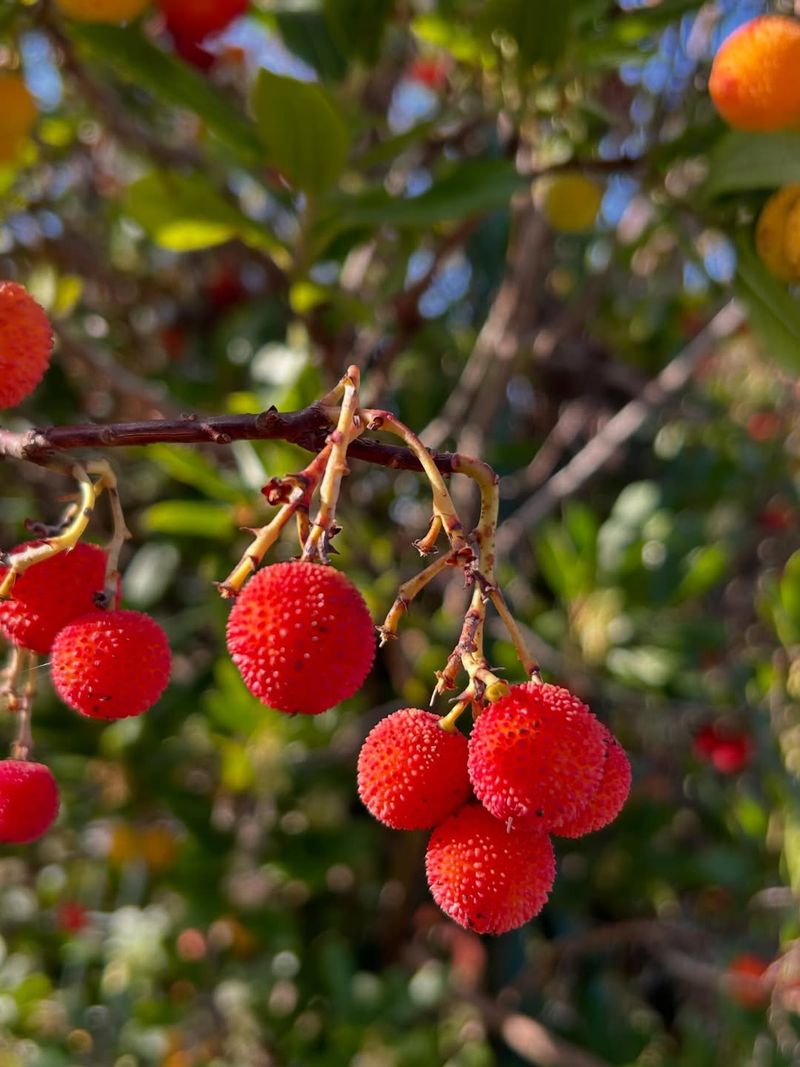
Here’s a fun fact: the Strawberry Tree blooms and fruits at the same time, which almost never happens in the plant world. White, bell-shaped flowers and round, red fruits appear together in fall and winter, creating a festive, colorful display just when most other trees are looking bare.
It’s genuinely one of a kind.
Known scientifically as Arbutus unedo, the Strawberry Tree grows 10 to 15 feet tall and wide. Its dark, glossy evergreen leaves stay attractive all year long.
The reddish, peeling bark adds another layer of texture and interest, making this tree a multi-season standout in any California landscape.
It’s a fantastic choice for California because it handles drought, coastal winds, and poor soils with ease. Once established, it needs very little supplemental water, which makes it a responsible choice in a state where water conservation is always a priority.
It thrives from coastal areas like Marin County all the way to warmer inland valleys.
The fruits are edible but have a gritty texture, so most people leave them for the birds, who absolutely love them. Plant it in full sun to partial shade with good drainage.
The Strawberry Tree is low-maintenance, long-lived, and full of personality throughout the entire year.
7. Desert Willow
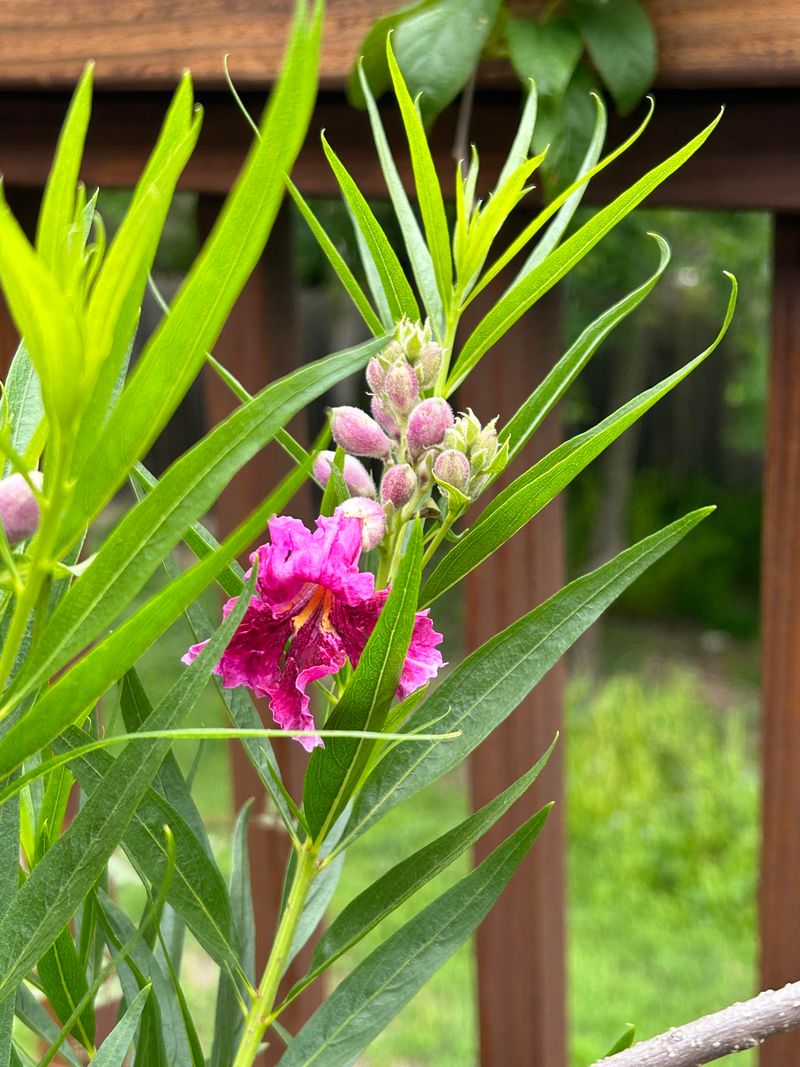
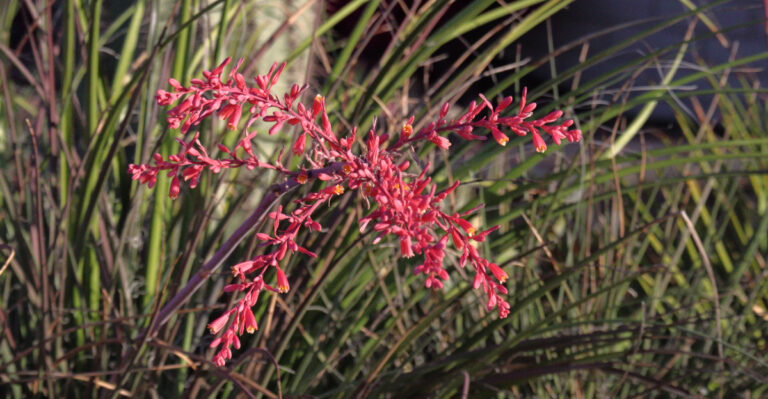
Don’t let the name fool you. The Desert Willow isn’t a true willow at all, but it’s one of the most beautiful and toughest small trees you can grow in a California yard.
Its long, narrow leaves give it a graceful, airy look, and its trumpet-shaped flowers are absolutely stunning.
Blooms come in shades of pink, purple, lavender, and white, depending on the variety. The flowers appear from late spring all the way through summer, attracting hummingbirds and butterflies in impressive numbers.
If you want a yard full of life and color, this tree delivers on both counts.
Desert Willow thrives in hot, dry conditions, making it a natural fit for Southern California, the Mojave Desert region, and other warm, arid parts of the state. It grows 15 to 25 feet tall and is extremely drought-tolerant once established.
It actually performs better with less water, so overwatering is the one thing to avoid.
Plant it in full sun with fast-draining soil. It handles heat, reflected light, and poor soil without missing a beat.
Varieties like ‘Bubba’ and ‘Lucretia Hamilton’ are especially popular for their rich flower colors. It’s a low-fuss, high-reward tree that proves California gardening doesn’t have to be complicated.
8. Palo Verde
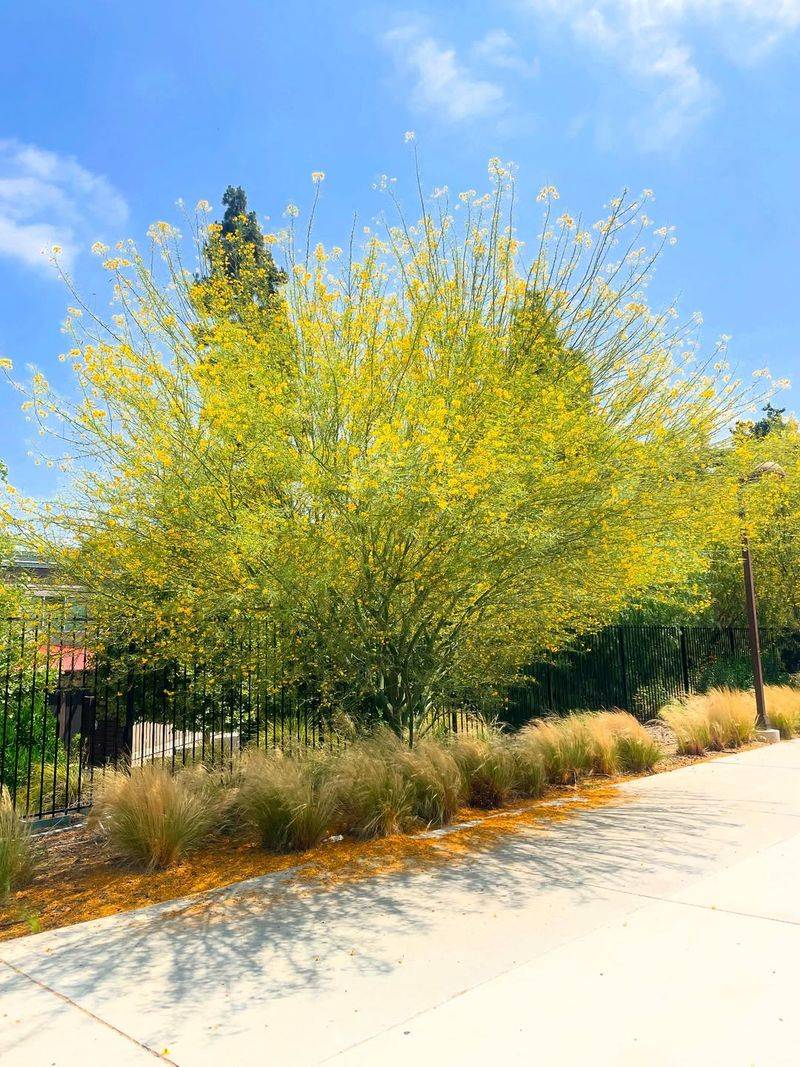
You can spot a Palo Verde from a mile away, and once you see it in bloom, you’ll never forget it. In spring, the entire tree transforms into a cloud of brilliant yellow flowers.
Even the bark and branches are green, which means it can photosynthesize even after dropping its tiny leaves during dry spells.
Palo Verde is a true desert native that grows naturally in the Sonoran Desert, which extends into parts of Southern California. It typically reaches 15 to 25 feet tall with an open, airy canopy that casts light, dappled shade.
The sculptural branching structure is beautiful even when the tree isn’t in bloom.
For California homeowners in dry, hot areas like the Coachella Valley, Palm Springs, or the Antelope Valley, Palo Verde is one of the smartest tree choices available. It’s incredibly drought-tolerant, needs almost no supplemental irrigation once established, and thrives in full sun and well-draining sandy or rocky soil.
It’s also a magnet for pollinators during its spring bloom. Bees absolutely love it.
Growth is moderate, and the tree rarely needs pruning beyond removing any crossing or damaged branches. If you want a tree that looks like it was made for California’s desert climate, this is the one to plant.
9. Western Redbud
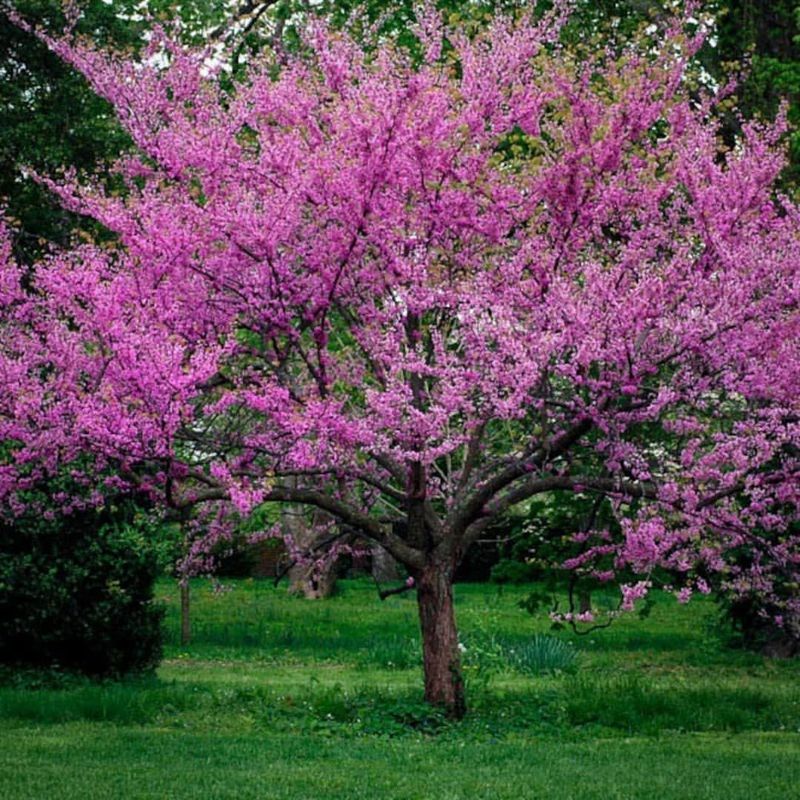
California has its very own native Redbud, and it’s spectacular. The Western Redbud grows naturally in the foothills and canyons of California, which means it’s perfectly adapted to the state’s climate without needing a lot of extra help from you.
It’s tough, beautiful, and deeply connected to California’s wild landscapes.
In early spring, before the leaves emerge, branches become completely covered in brilliant magenta-pink flowers. It’s one of the most vivid floral displays of any native California tree.
After the flowers fade, attractive seed pods form and stay on the branches through fall and winter, adding another season of interest.
Western Redbud grows 10 to 18 feet tall and wide, with a multi-stemmed, shrubby form. It’s perfect for naturalistic gardens, wildlife-friendly landscapes, and water-wise plantings throughout California.
It thrives in full sun to light shade and prefers well-drained soil. Once established, it needs very little supplemental watering.
This tree is also a California native plant, so it supports local wildlife beautifully. Bees, butterflies, and birds all benefit from it.
It’s an excellent choice for homeowners in the Sierra Nevada foothills, Central Valley edges, or even parts of the Bay Area who want a low-maintenance tree with maximum visual impact.
10. Toyon
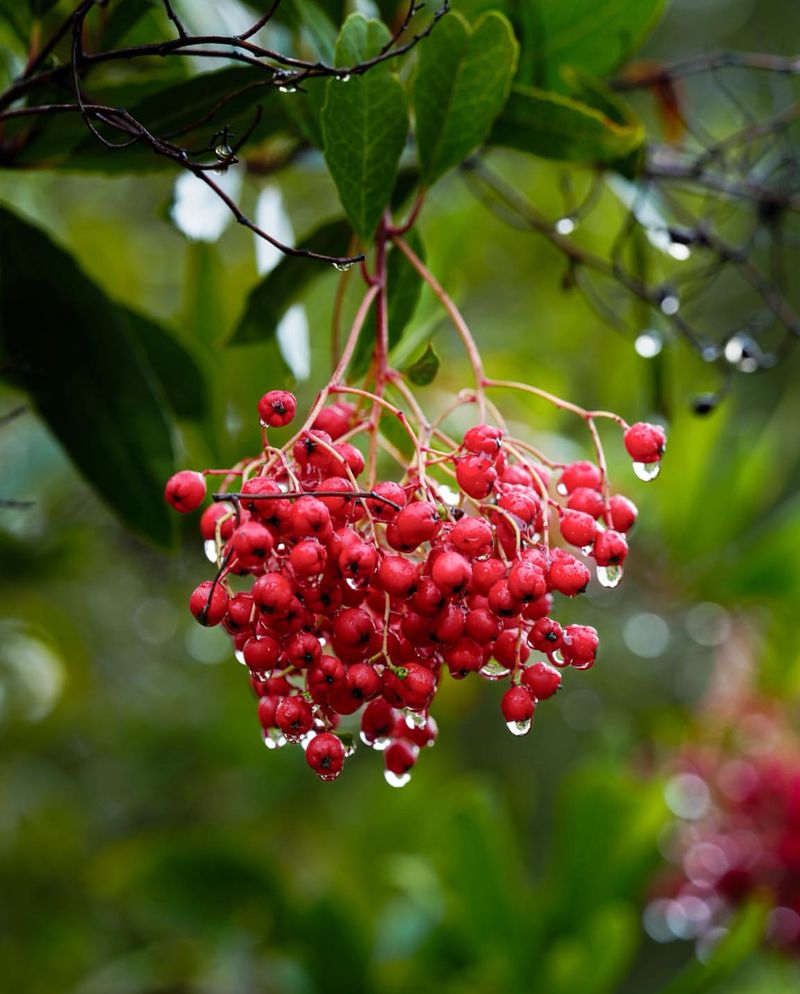
Toyon is one of California’s most iconic native plants, and it even has a Hollywood connection. Some historians believe the name “Hollywood” was inspired by the abundance of Toyon, also called California Holly, growing on the hills above Los Angeles.
That’s a pretty impressive backstory for a backyard tree.
Growing 6 to 15 feet tall, Toyon works beautifully as either a large shrub or a small tree, depending on how you train it. Its dark, glossy leaves stay green all year, and in winter it produces generous clusters of bright red berries that light up the landscape during the quietest gardening season.
Those berries are a favorite food source for many California birds, including cedar waxwings and American robins. Planting a Toyon is like setting up a free bird feeder that refills itself every year.
White flower clusters appear in summer before the berries develop, so there’s always something happening on this plant.
Toyon is extremely drought-tolerant and thrives in California’s dry summers with little to no supplemental watering once established. It prefers well-drained soil and full sun to partial shade.
It’s an ideal choice for fire-prone areas since it has some natural fire resistance. For a native, wildlife-friendly, and low-water tree, Toyon is a top-tier pick for any California yard.
11. Chaste Tree
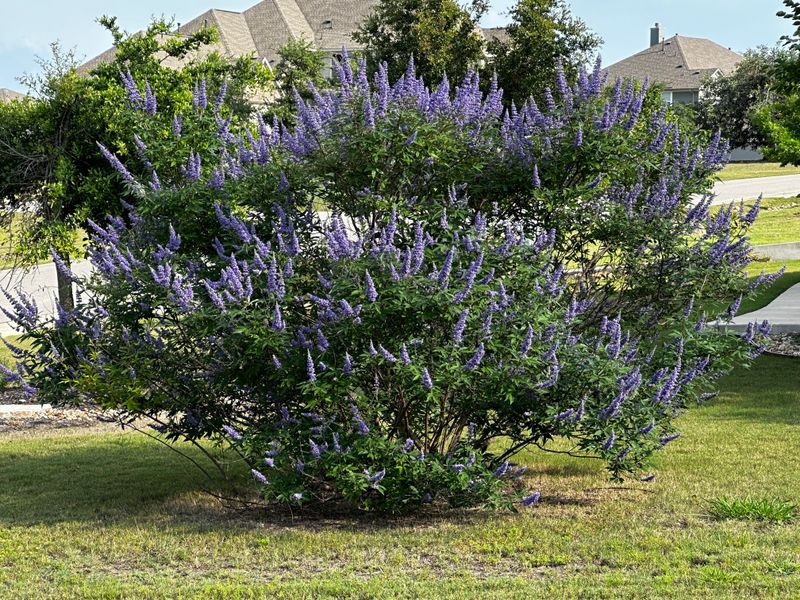
If you’ve ever wanted a tree that smells amazing and looks like it belongs in a Mediterranean garden, the Chaste Tree is exactly what you’re looking for.
Its long spikes of purple, blue, or white flowers rise up like candles above the gray-green, aromatic foliage, creating a look that’s both elegant and wildly eye-catching.
Vitex agnus-castus, as it’s formally known, blooms from late spring through summer, which is precisely when many other trees have finished their floral display. That makes it a valuable source of color and interest during the hottest months.
It typically grows 10 to 25 feet tall, though regular pruning can keep it much more compact.
In California, the Chaste Tree thrives in full sun and well-drained soil. It handles heat, drought, and coastal conditions well, making it a flexible option for many parts of the state.
It’s also notably resistant to oak root fungus, which is a genuine advantage in areas where that soil disease is a concern.
Pollinators go absolutely wild for the flowers. Bees and butterflies flock to it throughout the blooming season.
Prune it back hard in late winter to keep the shape tidy and encourage the most vigorous flowering. It’s a stunning, practical, and pollinator-friendly small tree that earns its place in any California yard.