9 Small Trees You Can Successfully Grow In Containers In Arizona
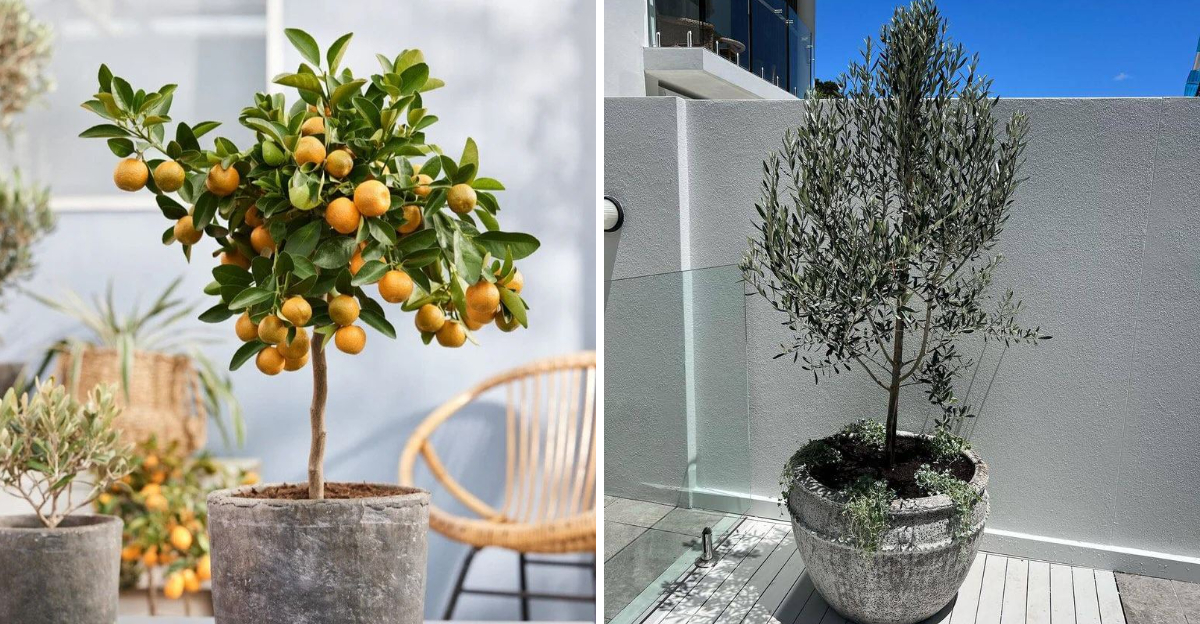
Can a small tree really survive in a container under Arizona’s brutal summer sun?
It absolutely can, but only if you choose the right one. The problem is rarely the pot.
It is usually the plant. Containers heat up fast, soil dries quickly, and weak varieties begin to struggle as soon as temperatures rise.
Leaves curl, growth slows, and frustration follows.
Some small trees are built for intense sun, warm nights, and reflected heat.
When you match the right tree with proper placement and consistent watering, containers stop feeling risky and start becoming one of the most reliable and beautiful features in an Arizona garden.
1. Texas Olive Thrives In Full Sun And Desert Conditions
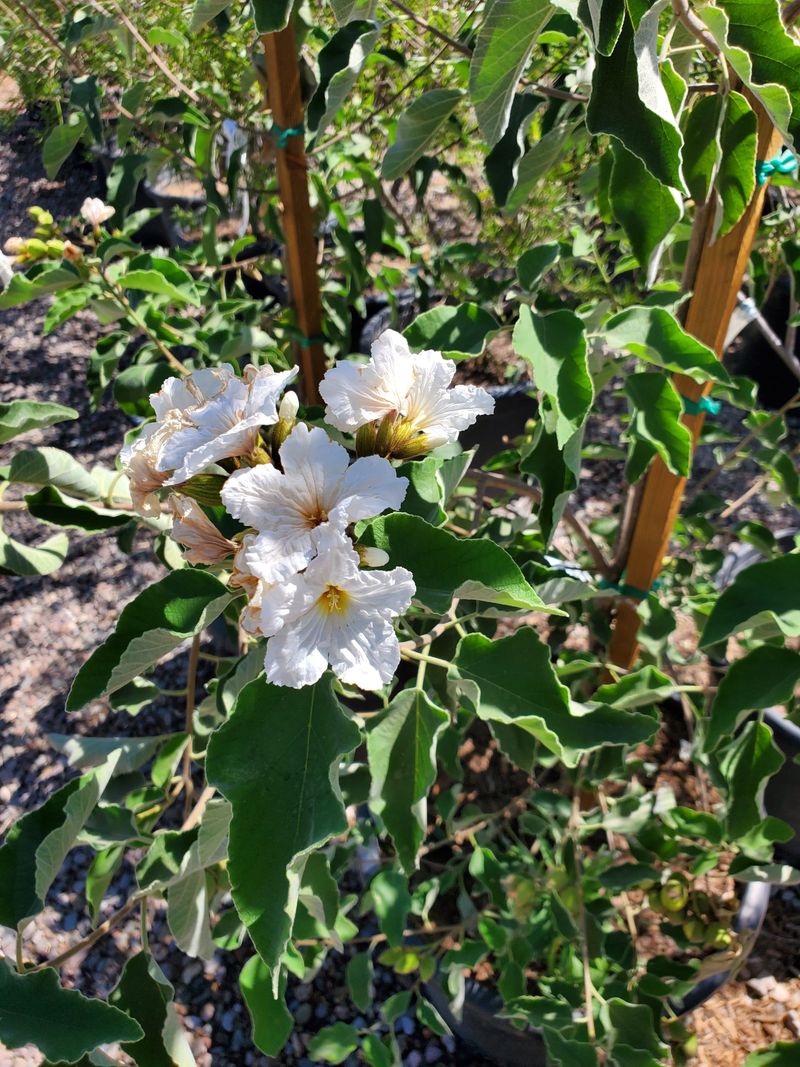
Bold, drought-tough, and covered in creamy white flowers for months at a time, Texas olive is one of the most underrated container trees for Arizona landscapes.
Botanically known as Cordia boissieri, it is native to the Chihuahuan Desert and built for exactly the kind of relentless heat Arizona dishes out all summer long.
Grow it in a large container, at least 20 gallons, using a well-draining cactus and palm mix. Once established, Texas olive needs very little water, making it a smart choice for water-conscious gardeners in Tucson or the Phoenix metro area.
Overwatering is the most common mistake people make with this tree, so hold back more than you think you need to.
Expect blooms from late spring through fall, and sometimes even during mild winters. Hummingbirds and butterflies are frequent visitors, which adds even more life to your outdoor space.
Prune lightly to maintain a clean, tree-like shape in the container. Texas olive stays naturally compact, usually topping out around eight to ten feet even in the ground, so container growing keeps it perfectly manageable for patios across Arizona.
2. Desert Willow Brings Color And Hummingbirds To Patio Spaces
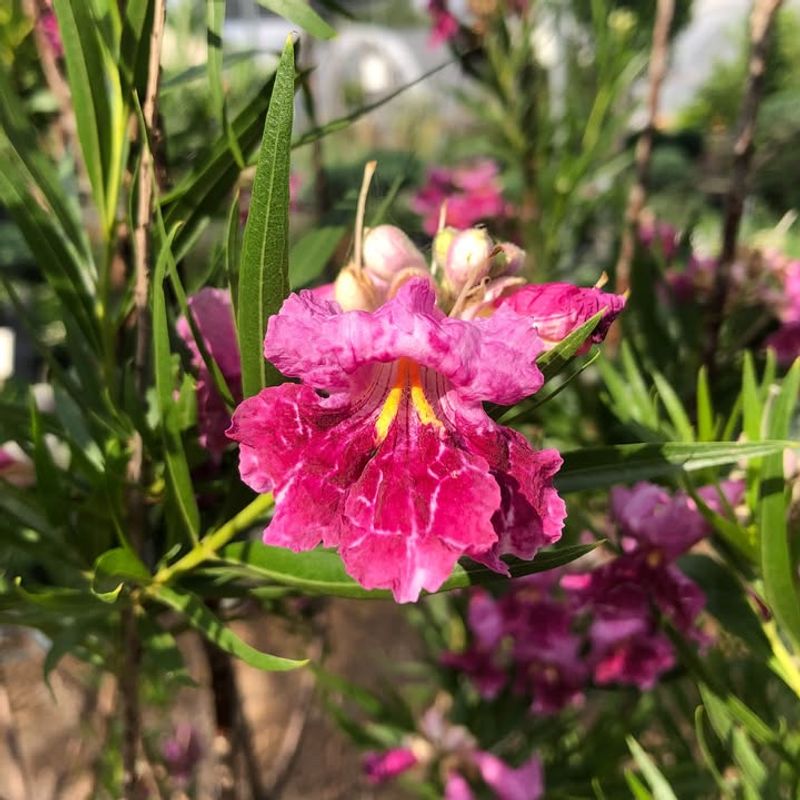
Covered in trumpet-shaped flowers that hummingbirds cannot resist, desert willow earns its spot on any Arizona patio.
Despite the name, it is not a true willow but a member of the Bignonia family, and it handles drought conditions far better than any willow ever could.
Chilopsis linearis is its botanical name, and it is native to the American Southwest.
Plant desert willow in a large container, at least 25 gallons, and place it somewhere it gets six or more hours of direct sun daily. Water regularly during the first growing season to help roots establish, then cut back significantly once the tree settles in.
Arizona heat is actually what pushes this tree to bloom most aggressively, so do not be afraid of placing it in a full-sun western exposure.
Flowers range from white to deep purple-pink depending on the variety, with options like Bubba, Burgundy, and Lois Adams available at most Arizona nurseries. After blooming slows, long bean-like seed pods appear and add interesting texture.
Prune hard in late winter to keep the canopy shaped and the container size manageable. Few trees deliver this much wildlife activity and color on a patio anywhere in Arizona.
3. Dwarf Citrus Trees Handle Arizona Heat And Stay Productive In Containers
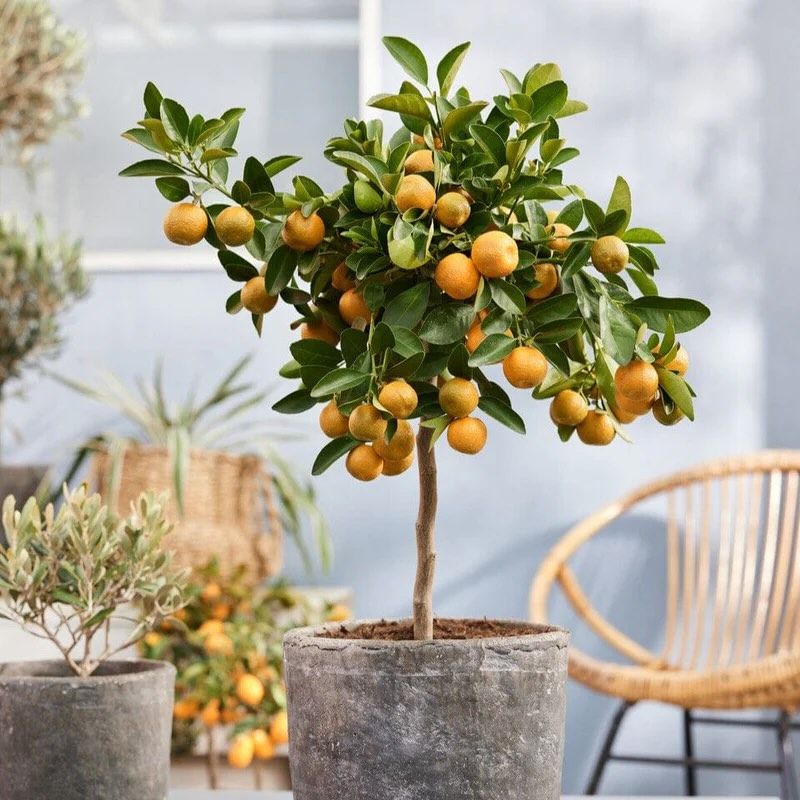
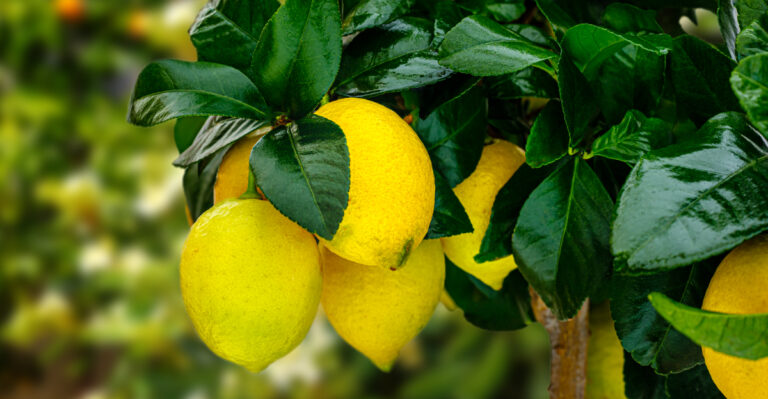
Few things beat walking out your back door and picking fresh fruit from your own tree. Dwarf citrus varieties like Satsuma mandarin, Meyer lemon, and Calamondin orange are perfectly sized for containers and absolutely thrive in Arizona’s sunny climate.
These trees love heat, and Arizona delivers plenty of it.
Plant your dwarf citrus in a 15 to 25-gallon pot filled with a fast-draining citrus mix. Good drainage is non-negotiable because soggy roots lead to weak, struggling trees.
Water deeply but let the top inch of soil dry out between waterings, especially during the scorching Phoenix summers.
Fertilize every six to eight weeks during the growing season using a citrus-specific fertilizer that includes iron and zinc, since Arizona’s alkaline soil often causes deficiencies. Place the pot in a south or west-facing spot to maximize sun exposure.
During rare freezes in northern Arizona cities, simply roll the container indoors or into a garage overnight.
Container-grown citrus can produce fruit for decades when cared for properly, making them one of the most rewarding trees you can grow in a pot anywhere in the state.
In much of Arizona, dwarf citrus benefit from light afternoon shade during extreme heat waves above 110°F to prevent leaf scorch and sunburned fruit. Using a rolling plant caddy makes it easier to shift heavy containers when needed.
Prune lightly in late winter to maintain shape and remove crossing branches, but avoid heavy cutting since citrus fruit forms on newer growth.
With consistent care, container trees can flower and set fruit multiple times a year in warm desert climates.
4. Dwarf Pomegranate Stays Compact And Fruits Well In Pots
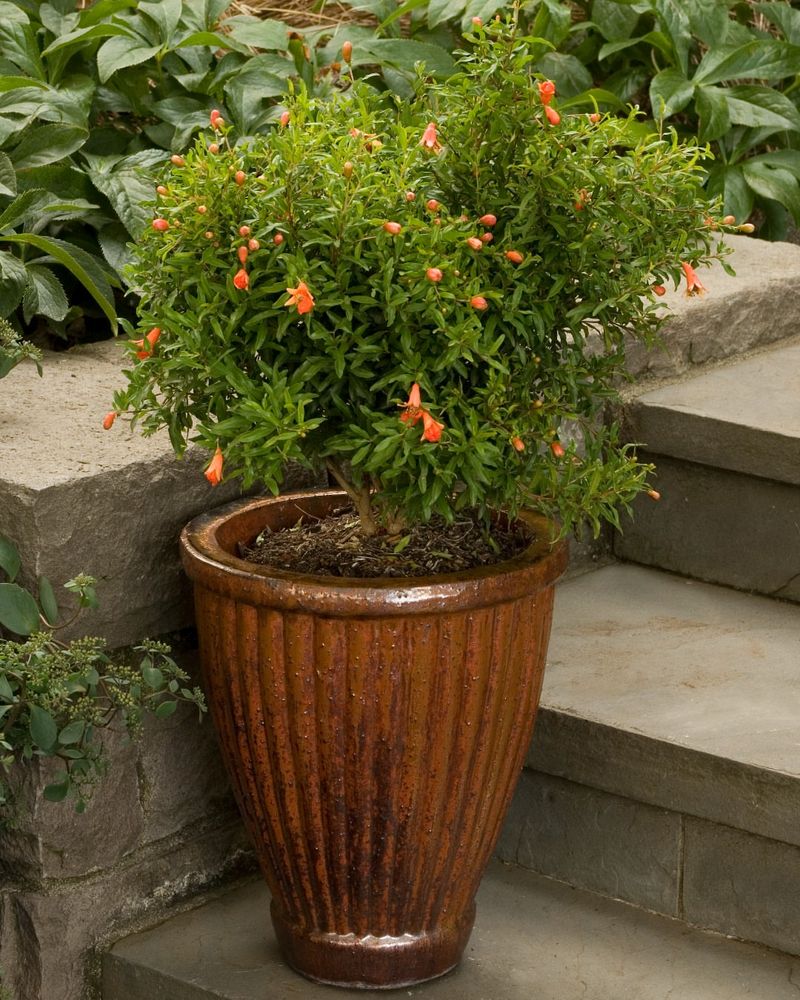
Pomegranates have been grown in desert climates for thousands of years, so it should surprise no one that they absolutely love Arizona conditions.
Dwarf varieties like Nana and State Fair stay small enough to thrive in a 15 to 20-gallon container while still producing real, edible fruit every season.
Orange-red flowers appear first in spring, followed by small but flavorful pomegranates by late summer.
Full sun is a must for fruiting, so position the pot where it gets at least eight hours of direct sunlight daily. Water consistently during the growing season but allow the soil to dry slightly between sessions.
Arizona gardeners should watch for iron chlorosis, which shows up as yellowing leaves with green veins, and treat with chelated iron if needed.
Fertilize lightly in spring and again in midsummer with a balanced fertilizer. Avoid heavy nitrogen applications because too much promotes leafy growth at the expense of fruit production.
In colder parts of Arizona like Flagstaff, bring the container into a sheltered garage during hard freezes since pomegranates prefer mild winters.
Dwarf pomegranates are also visually striking year-round thanks to their glossy leaves, bright blooms, and jewel-toned fruit clusters.
5. Hop Bush Can Be Trained Into A Tough Evergreen Patio Tree
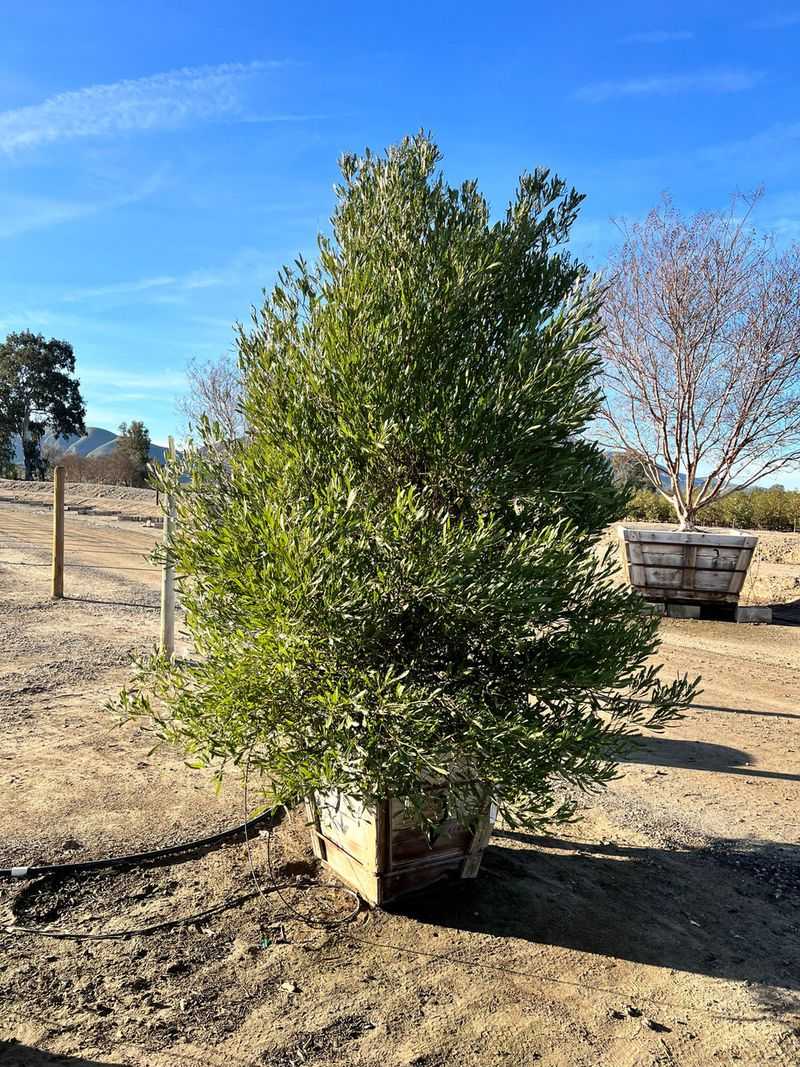
Most people grow hop bush as a shrub, but with a little patience and pruning, it transforms into a stunning single-trunk patio tree that holds its own against Arizona’s toughest conditions.
Dodonaea viscosa is drought-tolerant, evergreen, and nearly bulletproof once established, making it a favorite among low-water landscapers across the Phoenix and Tucson areas.
Choose a large container, at least 20 gallons, and use a fast-draining soil mix. Start shaping early by selecting one strong central leader and removing lower branches gradually over one to two growing seasons.
Stake the trunk lightly if needed to encourage upright growth as the canopy fills out above.
Purple-leafed varieties like Purpurea add a dramatic, almost moody color to patio spaces and look especially striking against adobe walls or light-colored pavers.
Papery, winged seed clusters called samaras appear in summer and add ornamental texture without making a huge mess.
Water deeply but infrequently once established, and skip fertilizer unless growth seems unusually slow.
Hop bush handles reflected heat from walls and pavement without flinching, which is a major advantage for container placement in Arizona’s hottest urban environments where other plants quickly struggle.
6. Young Palo Verde Trees Grow Well In Large Containers
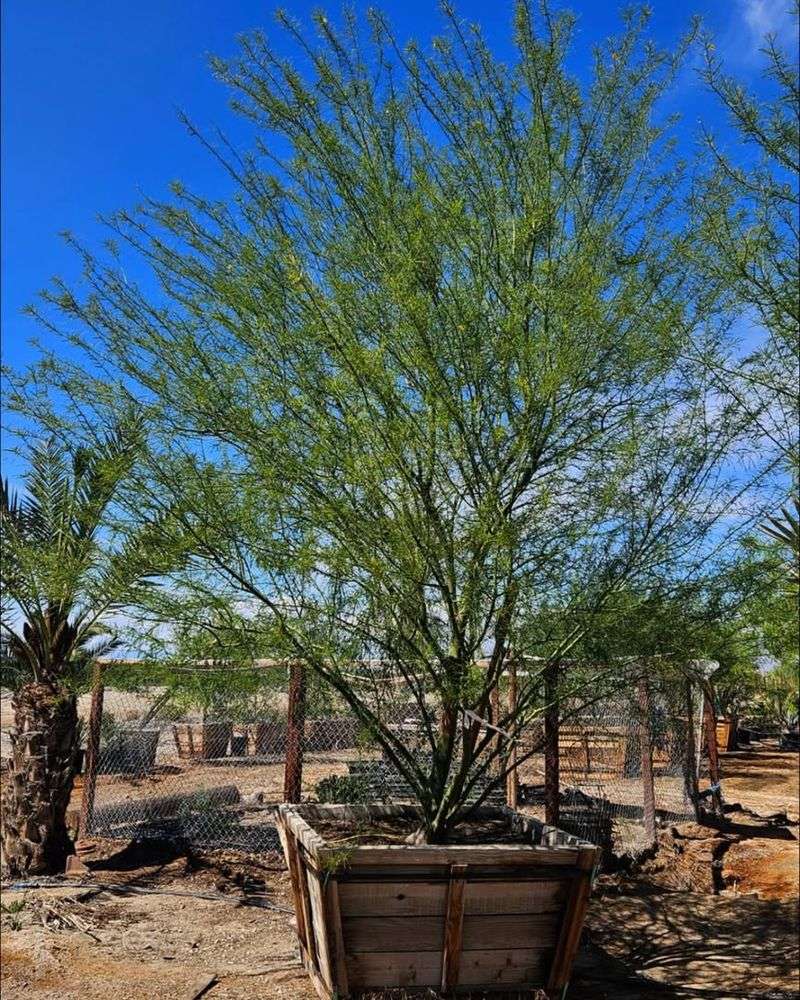
Arizona’s official state tree is a container candidate that most gardeners never consider, but young palo verde trees adapt remarkably well to large pots.
Their naturally shallow root systems and extreme drought tolerance make them less demanding than you might expect for a native tree.
Green bark means palo verde trees photosynthesize through their trunks, so they stay productive even when they drop leaves during dry spells.
Use the largest container you can manage, ideally 30 gallons or more, with a coarse, fast-draining mix. Blue palo verde tends to grow faster and larger, so Desert Museum hybrid or Foothill palo verde are better choices for long-term container growing.
Water young trees weekly during summer heat, then reduce frequency as the tree matures and roots settle deeper into the pot.
Expect a burst of golden-yellow flowers in spring that completely covers the canopy, which is genuinely one of the most spectacular sights in Arizona gardening.
Palo verde grows quickly when watered regularly, so monitor pot size and be prepared to repot every two to three years.
Minimal fertilizer is needed since native trees are adapted to lean desert soils. Placing the pot near a wall helps protect the trunk from cold snaps in higher-elevation Arizona communities.
7. Olive Trees Adapt Easily To Large Desert Containers
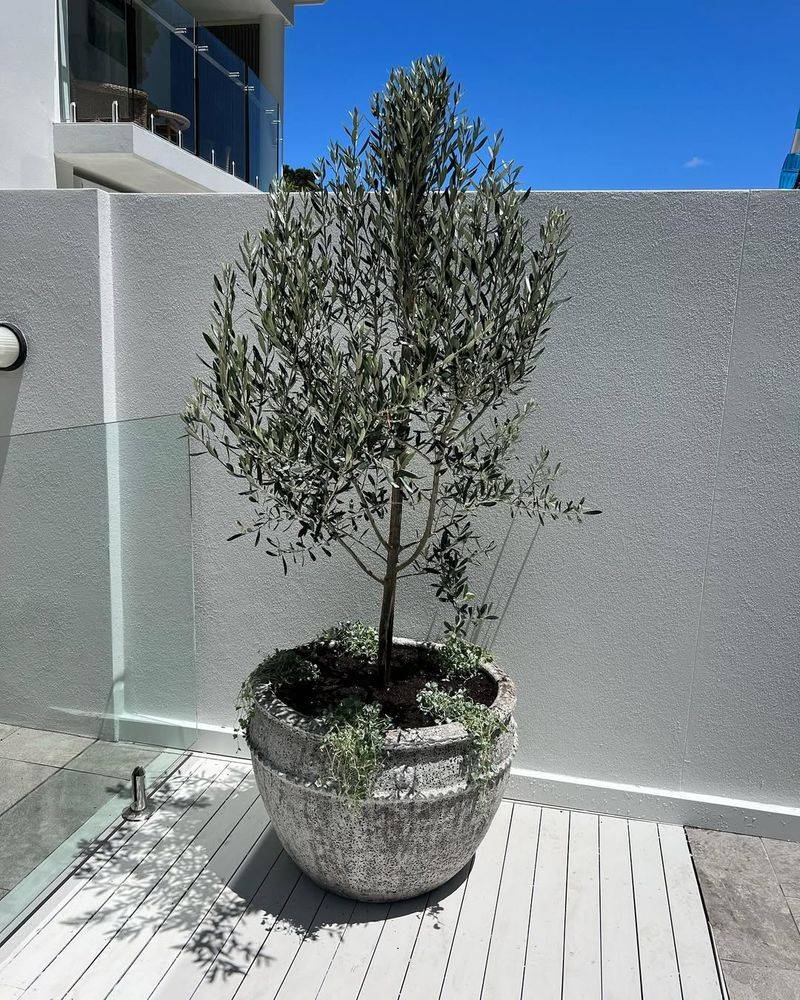
Silvery leaves, gnarled trunks, and centuries of history make olive trees one of the most atmospheric trees you can grow in a container.
Arizona’s hot, dry climate closely mirrors the Mediterranean conditions olives evolved in, which is exactly why they perform so well across the state.
Both fruiting and fruitless varieties work in containers, though fruitless types like Swan Hill eliminate the mess of fallen olives on patios.
Plant in a 25 to 30-gallon container with very well-draining soil. Olives are extremely drought-tolerant once established, but young container trees still need consistent watering during Arizona’s summer heat to prevent stress.
Reduce watering significantly in fall and winter when the tree slows its growth.
Full sun placement is essential, and south or west-facing patios in Arizona cities are ideal spots. Fertilize once in early spring with a balanced slow-release fertilizer, and skip additional feeding unless the tree shows signs of nutrient deficiency.
Prune lightly each year to maintain a clean canopy shape and encourage airflow through the branches.
Olive trees are long-lived and can remain in the same large container for many years, gradually developing that beautiful, characterful trunk texture that makes them a true focal point on any Arizona patio or courtyard space.
8. Red Push Pistache Handles Arizona Heat In Oversized Pots
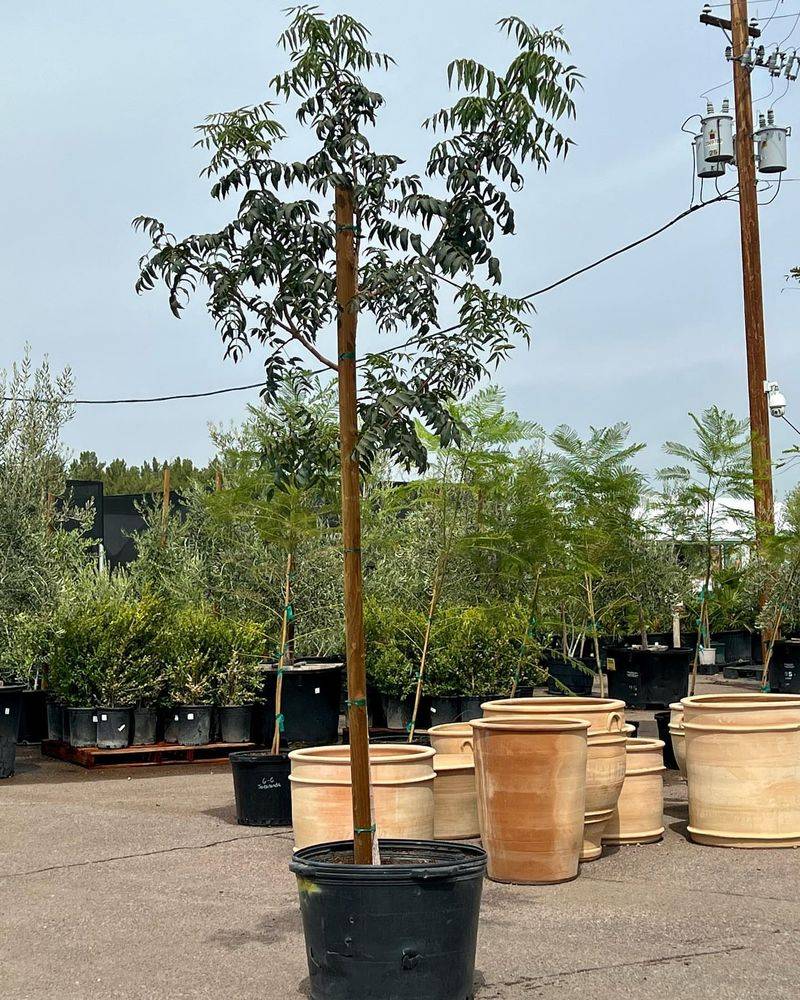
Spectacular fall color is not something most people associate with Arizona, but Red Push pistache changes that perception completely.
Pistacia x Red Push is a hybrid that delivers fiery orange, red, and gold foliage in autumn while shrugging off the extreme summer heat that stops so many other shade trees in their tracks.
It is one of the best-performing deciduous trees for Arizona container gardening.
An oversized container of at least 30 gallons is necessary to support healthy root development and stable growth.
Use a rich but well-draining soil blend, and water deeply during the summer months when temperatures regularly exceed 110 degrees Fahrenheit in the Phoenix valley.
Mulching the soil surface inside the pot helps retain moisture and keeps roots slightly cooler.
Red Push pistache is relatively fast-growing, so expect to repot or root prune every three to four years to keep the tree healthy and the container manageable. Fertilize in early spring with a slow-release balanced formula.
Light pruning in late winter shapes the canopy and encourages strong branch structure.
Placing the pot against a north or east-facing wall in the hottest Arizona locations can moderate afternoon heat exposure while still giving the tree enough sun to develop strong fall color each season.
9. Bay Laurel Grows Well In Containers With Afternoon Protection
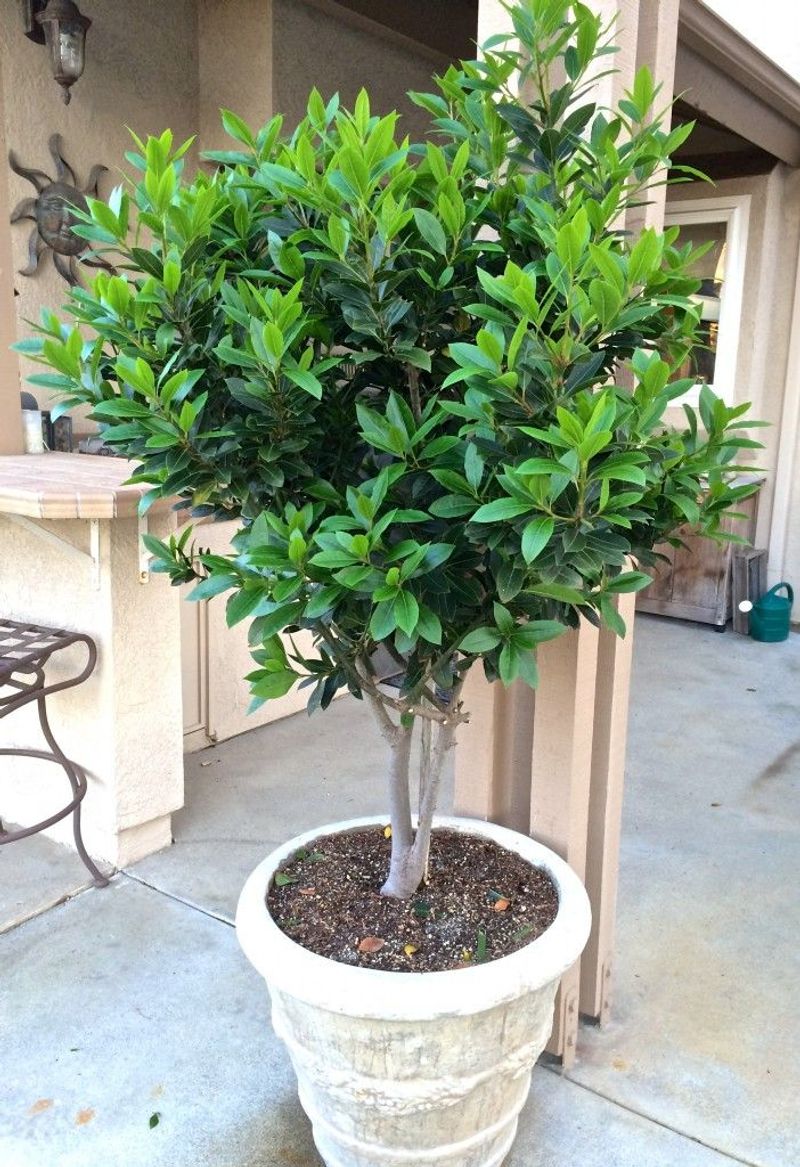
Cooking enthusiasts, take note: bay laurel is both a beautiful patio tree and a living herb garden rolled into one.
Laurus nobilis produces the same aromatic leaves sold dried in grocery stores, and fresh bay leaves are dramatically more flavorful than anything from a spice jar.
Growing it in a container in Arizona makes perfect sense because you can control sun exposure and move it as seasons shift.
Unlike the other trees on this list, bay laurel genuinely benefits from afternoon shade in Arizona, particularly during July and August when temperatures regularly scorch exposed foliage.
An east-facing patio or a spot with a shade cloth overhead during peak summer keeps leaves from burning.
Plant in a 15 to 20-gallon container with rich, moisture-retentive but well-draining soil.
Water regularly and never let the pot dry out completely, especially during hot stretches. Bay laurel responds well to shaping, so pruning into a neat lollipop or cone form adds a formal, elegant look to patios and entryways across Arizona homes.
Fertilize monthly from spring through early fall with a balanced liquid fertilizer. Harvest leaves as needed throughout the year, and the tree will reward you with fresh, fragrant growth that keeps the canopy full and lush all season long.