Small Yard? These 7 Fruit Trees Grow Surprisingly Well In Pots In Oregon
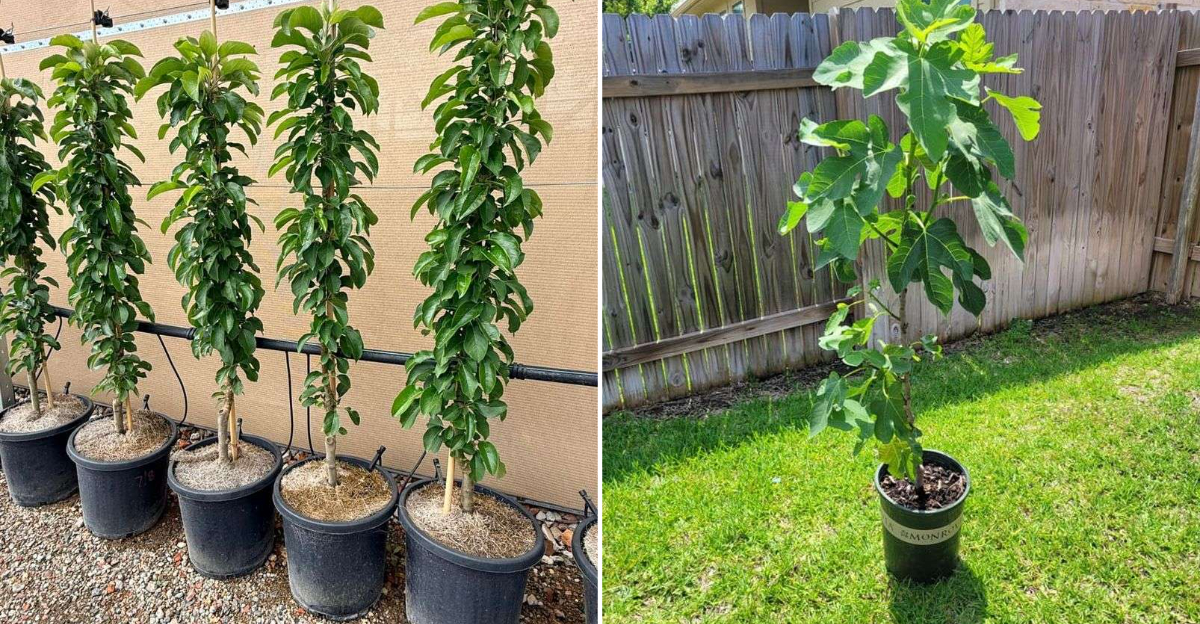
Even the smallest yards in Oregon don’t have to miss out on fresh, homegrown fruit. With the right approach, many fruit trees can thrive in pots, turning patios, balconies, or tiny garden corners into productive, colorful spaces.
It’s a great way to enjoy the taste of summer without needing a full orchard.
Container fruit trees are surprisingly versatile. With careful selection, proper soil, and consistent watering, they can stay healthy, bloom beautifully, and produce fruit year after year.
Plus, they add charm to small spaces, imagine a dwarf peach or apple tree in a sunny corner, or a citrus tree on a deck that fills the air with fragrance.
Choosing the right variety is key, and knowing how to care for potted trees in Oregon’s climate makes a big difference.
From pruning to fertilizing and even moving containers to protect them from cold snaps, a little attention goes a long way in helping fruit trees flourish in pots.
For gardeners short on space but big on flavor, these seven fruit trees are perfect candidates for container gardening.
With a few simple strategies and some care, it’s possible to enjoy fresh, homegrown fruit straight from a pot, all while making the most of a small outdoor area.
1. Columnar Apple Trees
Walk onto any Oregon patio in late spring and you might spot a tall, narrow tree covered in white blossoms standing in a large ceramic pot.
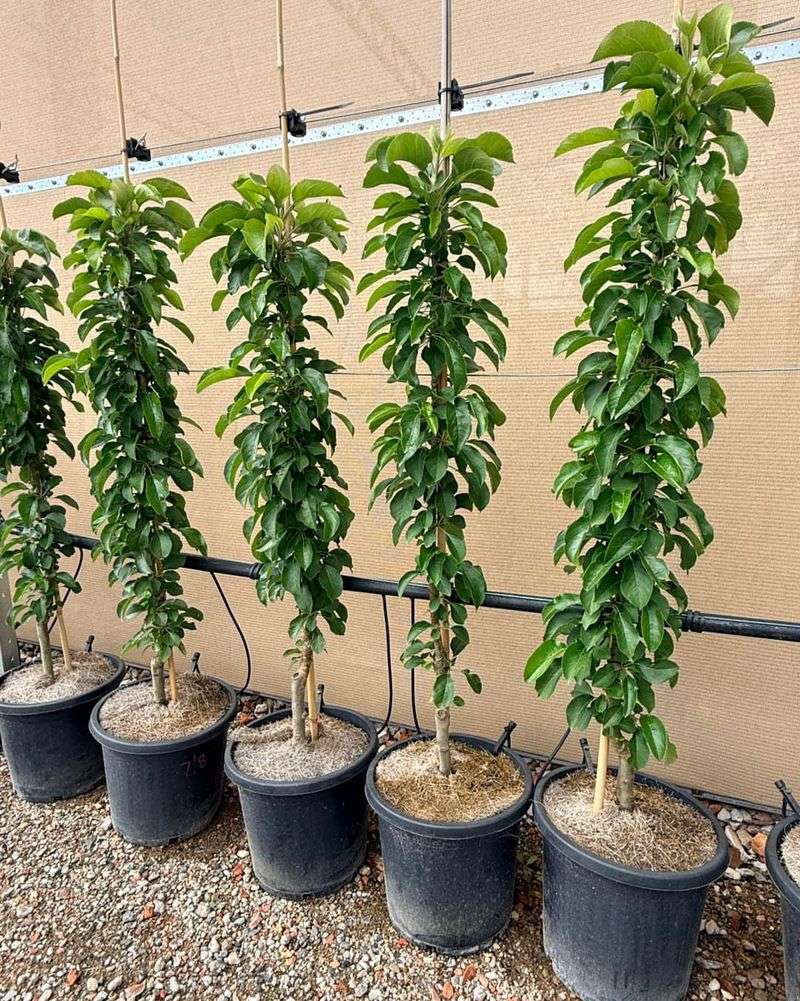
Columnar apples grow upright instead of spreading wide, which makes them absolutely perfect for tight spaces where traditional apple trees would never fit.
Most varieties reach about six to eight feet tall but stay less than two feet wide, so you can tuck one next to a fence or along a sunny wall without worrying about branches overtaking your deck furniture.
These trees produce real, full-sized apples despite their compact shape. You’ll find varieties like ‘Scarlet Sentinel’ and ‘Northpole’ that ripen beautifully in Oregon’s climate, even through our cool, drizzly springs.
Watering becomes your main routine during summer since containers dry out faster than garden beds, especially when temperatures climb and rainfall disappears.
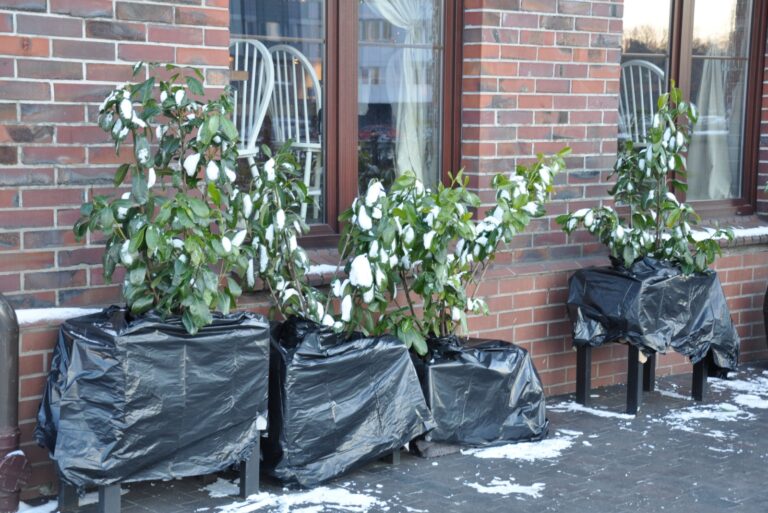
Winter protection isn’t usually a big concern in milder Oregon zones, but if you live where temperatures regularly drop below 20 degrees, moving your pot closer to the house or wrapping the container with burlap helps protect roots from freezing solid.
Watching your first apple swell and ripen on a tree you can move around feels surprisingly satisfying, almost like you’ve outsmarted the limits of small-space gardening.
2. Fig Trees
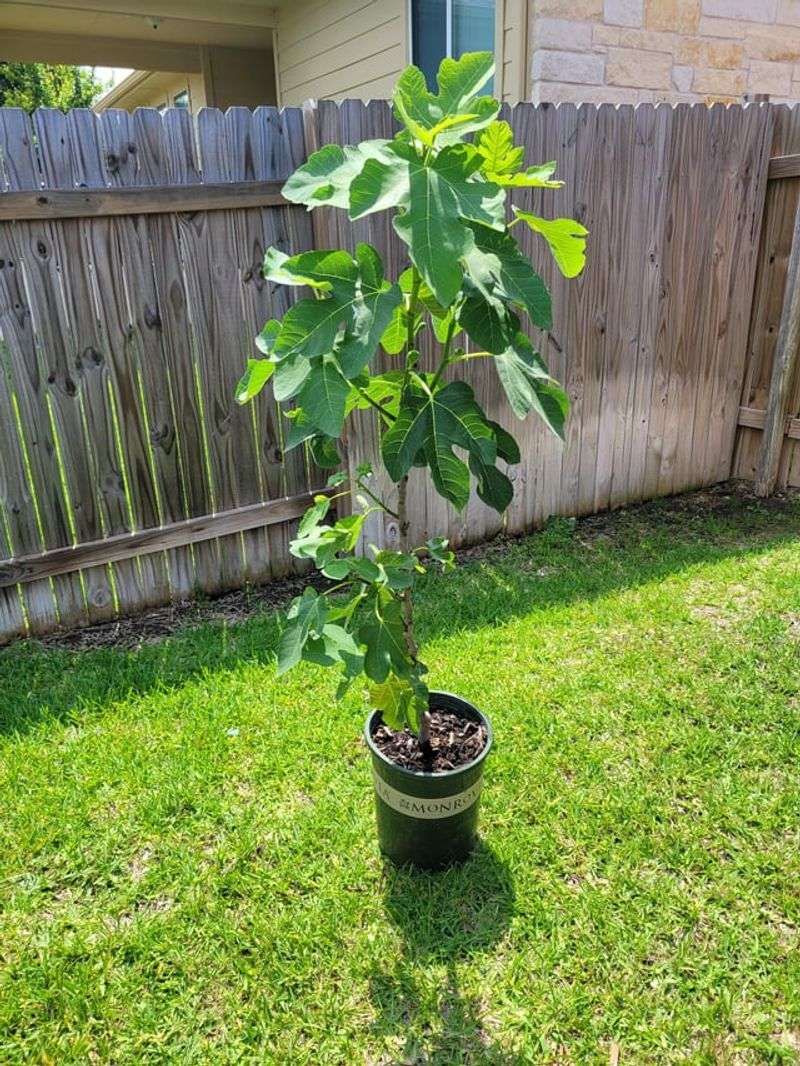
Figs bring a touch of Mediterranean warmth to Oregon patios, and they adapt surprisingly well to container life.
Varieties like ‘Brown Turkey’ and ‘Chicago Hardy’ handle our wet winters better than you’d expect, especially when you give them a sheltered spot during the coldest months.
The broad, lobed leaves add instant visual interest to any outdoor space, and by midsummer, small green fruits start swelling along the branches.
One of the best parts about growing figs in pots is how easy they are to move. When autumn arrives and frost warnings start appearing, you can roll your fig tree into a garage or unheated sunroom where it will go dormant until spring.
Some Oregon gardeners leave their figs outside year-round under eaves or against south-facing walls, and the trees bounce back even after losing leaves to cold snaps.
Watering figs requires a light touch since they don’t appreciate constantly soggy soil, which is helpful given Oregon’s rainy springs.
Once summer heat arrives, though, you’ll need to check moisture levels regularly because containerized figs dry out faster than in-ground plantings.
Picking your first ripe fig, still warm from the sun, makes every bit of seasonal shuffling worthwhile.
3. Dwarf Cherry Trees
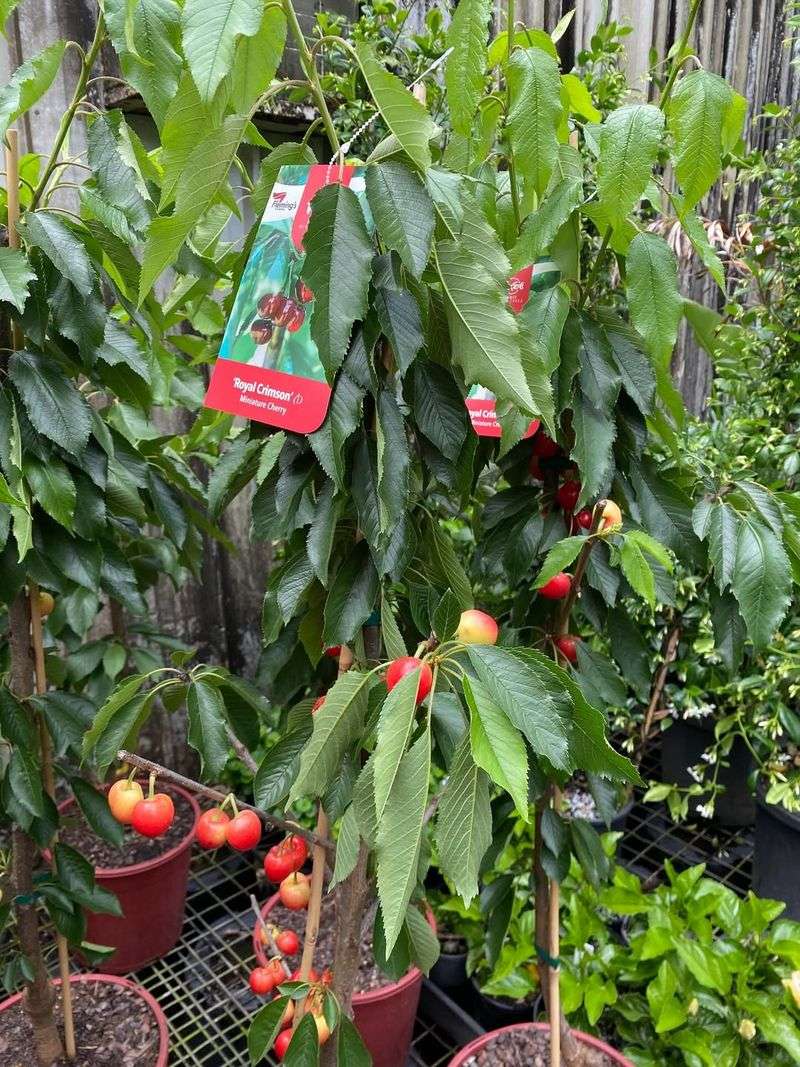
Cherry blossoms in spring followed by sweet fruit in summer sounds like a dream, and dwarf cherry trees make it possible even on a small Oregon balcony.
Varieties grafted onto dwarfing rootstock stay manageable in size, usually reaching four to six feet tall in containers, and they produce genuine cherries that ripen beautifully in our climate.
‘Stella’ and ‘Compact Stella’ are popular choices because they’re self-fertile, meaning you only need one tree to get fruit.
Oregon’s rainy springs can sometimes challenge cherry trees since too much moisture during bloom can reduce fruit set, but container growing actually gives you an advantage. You can move your potted cherry under an overhang or porch roof during heavy downpours to protect the delicate flowers.
Once cherries start forming, birds become your biggest competition, so draping netting over the tree becomes part of the routine.
Winter chill isn’t a problem for cherries in Oregon since most varieties need cold hours to set fruit properly, and our winters provide plenty. Watering consistently through summer keeps the fruit plump and prevents stress that can cause cherries to split.
The first time you harvest a handful of sun-warmed cherries from your own patio tree, you’ll understand why so many Oregon gardeners make room for at least one dwarf cherry.
4. Dwarf Peach Or Nectarine Trees
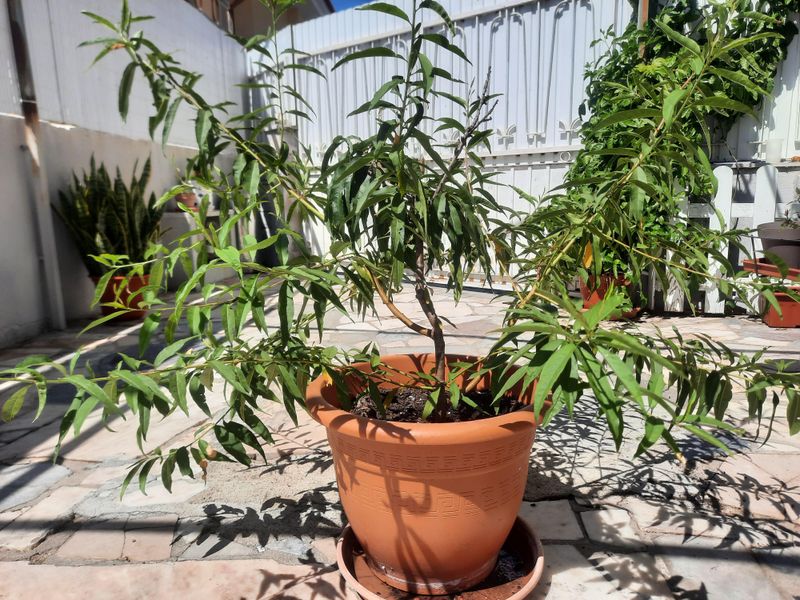
Biting into a perfectly ripe peach or nectarine grown on your own patio feels almost magical, especially in Oregon where stone fruits aren’t always easy to grow in the ground.
Dwarf varieties like ‘Bonanza’ peach or ‘Nectarina’ nectarine thrive in containers and stay compact enough to fit on a sunny deck or beside a garage wall.
These trees need full sun to ripen their fruit properly, so choosing the brightest spot you have makes a big difference.
Oregon’s cool, wet springs can sometimes delay bloom and reduce fruit set, but container growing lets you position your tree in a protected microclimate where warmth lingers a little longer.
Peaches and nectarines are also susceptible to a fungal disease called peach leaf curl, which thrives in our damp spring weather.
Keeping your potted tree under an overhang or moving it to a covered spot during heavy rains helps prevent the disease from taking hold.
Watering becomes critical once fruit starts sizing up in summer since inconsistent moisture can cause splitting and poor flavor.
Winter protection is usually unnecessary in milder Oregon zones, but wrapping the pot or moving it closer to the house during hard freezes protects the roots.
Watching fuzzy peaches or smooth nectarines ripen from green to golden orange brings a little taste of summer sunshine to even the smallest outdoor space.
5. Patio Plum Trees
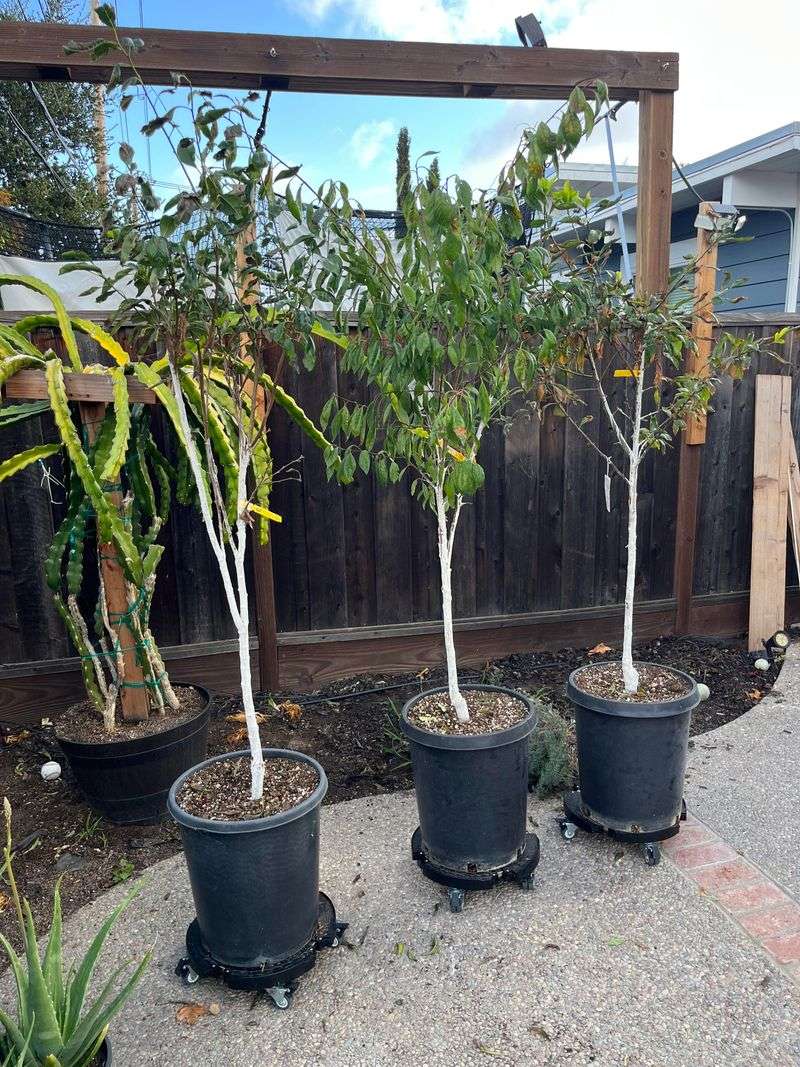
Plums are one of the most rewarding fruits to grow in Oregon containers because they adapt so well to our climate and don’t demand constant fussing.
Compact varieties like ‘Methley’ or genetic dwarf plums stay small enough to manage in pots while still producing generous crops of sweet, juicy fruit.
The trees bloom early in spring with delicate white or pink flowers that brighten up patios right when you’re craving signs of warmer weather.
One of the nicest surprises about growing plums in containers is how forgiving they are with watering.
They tolerate Oregon’s rainy springs without complaint and don’t require as much summer irrigation as some other fruit trees, though you’ll still need to check soil moisture regularly once the fruit starts ripening.
Plums also handle our winter cold well, so you won’t need to move them indoors or wrap them unless you’re in a particularly harsh microclimate.
Harvesting plums from a patio tree feels like a small victory every time because the fruit ripens over several weeks, giving you fresh pickings throughout late summer.
Some years, the crop is so heavy that branches need propping up to prevent breaking, which is a problem most Oregon gardeners are happy to solve.
The combination of easy care, reliable fruiting, and beautiful spring blooms makes patio plums a top choice for anyone starting out with container fruit gardening.
6. Dwarf Citrus Trees
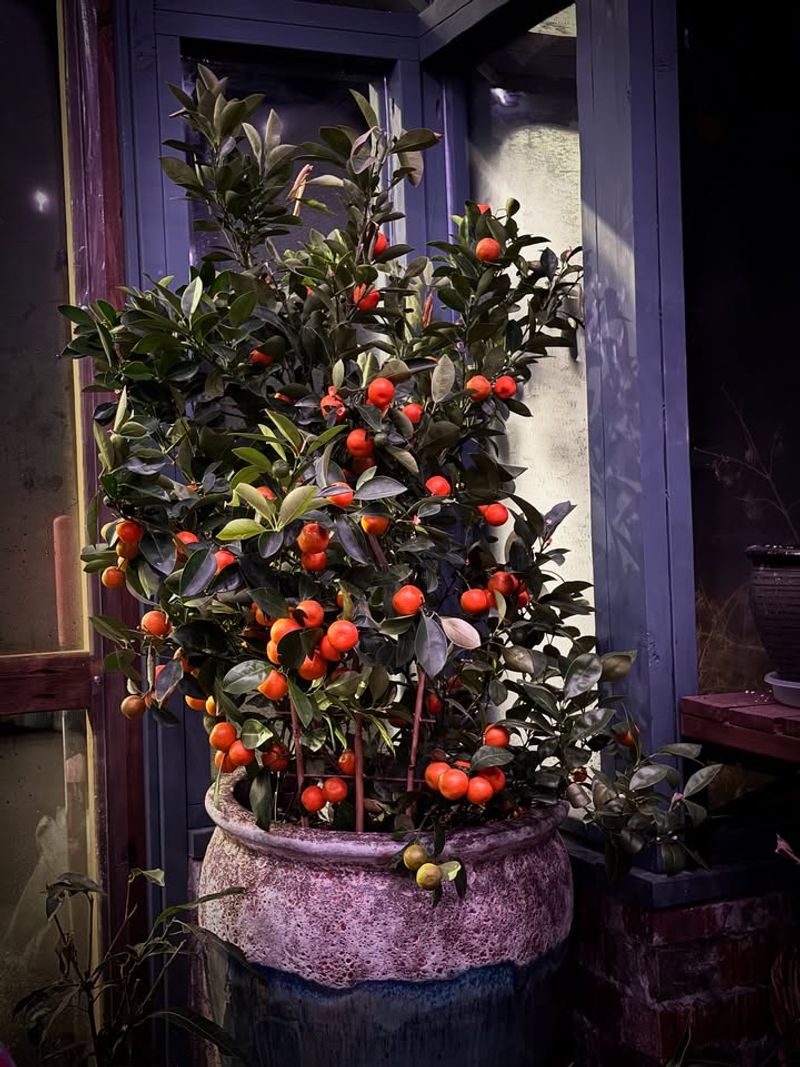
Growing citrus in Oregon sounds impossible until you realize that dwarf varieties thrive in containers as long as you bring them indoors before frost arrives.
Meyer lemons, Calamondin oranges, and Key limes all grow beautifully in pots and produce fragrant flowers followed by real fruit, even when they spend half the year inside.
The glossy green leaves and bright fruit add a tropical touch to any patio during summer, and the indoor fragrance during winter bloom is an unexpected bonus.
Oregon’s outdoor season for citrus runs roughly from late spring through early fall, depending on your location and how much risk you’re willing to take with cool nights.
Once temperatures start dipping toward freezing, it’s time to move your citrus tree into a bright room, sunroom, or near a south-facing window where it can continue growing slowly through winter.
Indoor air tends to be dry, so misting the leaves or setting the pot on a tray of pebbles and water helps maintain humidity.
Watering citrus requires a bit of attention since they prefer soil that stays evenly moist but never waterlogged, which can be tricky in Oregon’s rainy springs. Fertilizing regularly with a citrus-specific formula keeps the leaves dark green and supports fruiting.
Picking your first homegrown lemon or lime, even in the middle of an Oregon winter, feels like a small miracle that makes the seasonal shuffling completely worthwhile.
7. Dwarf Blueberry Plants
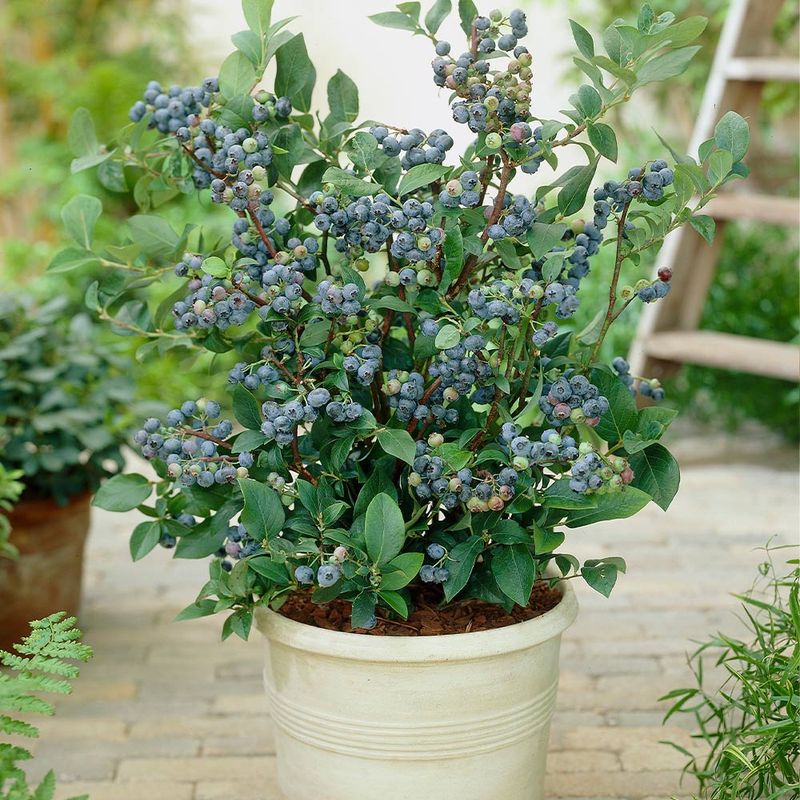
Blueberries might not technically be trees, but dwarf varieties grow so well in Oregon containers that they deserve a spot on any small-space fruit list.
Compact cultivars like ‘Top Hat’ or ‘Peach Sorbet’ stay under three feet tall and produce surprising amounts of berries despite their size.
Oregon’s naturally acidic soil conditions translate beautifully to container growing when you use an acidic potting mix designed for blueberries, azaleas, or rhododendrons.
One of the best parts about growing blueberries in pots is how they handle our climate almost effortlessly.
They love Oregon’s cool, wet springs and don’t mind the occasional late frost since they bloom later than many fruit trees.
Summer watering becomes your main task, especially during dry stretches, because blueberries have shallow root systems that dry out quickly in containers. Using mulch on top of the soil helps retain moisture and keeps roots cool.
Blueberry plants also offer beautiful seasonal interest beyond just fruit.
Spring brings clusters of delicate white or pink bell-shaped flowers, summer delivers waves of ripe berries, and fall foliage often turns brilliant shades of red and orange.
Picking fresh blueberries right off the plant while standing on your patio or balcony feels incredibly satisfying, and the plants keep producing for years with minimal care beyond watering and occasional pruning.