Smart And Safe Steps Illinois Residents Can Take When A Fox Shows Up Outside
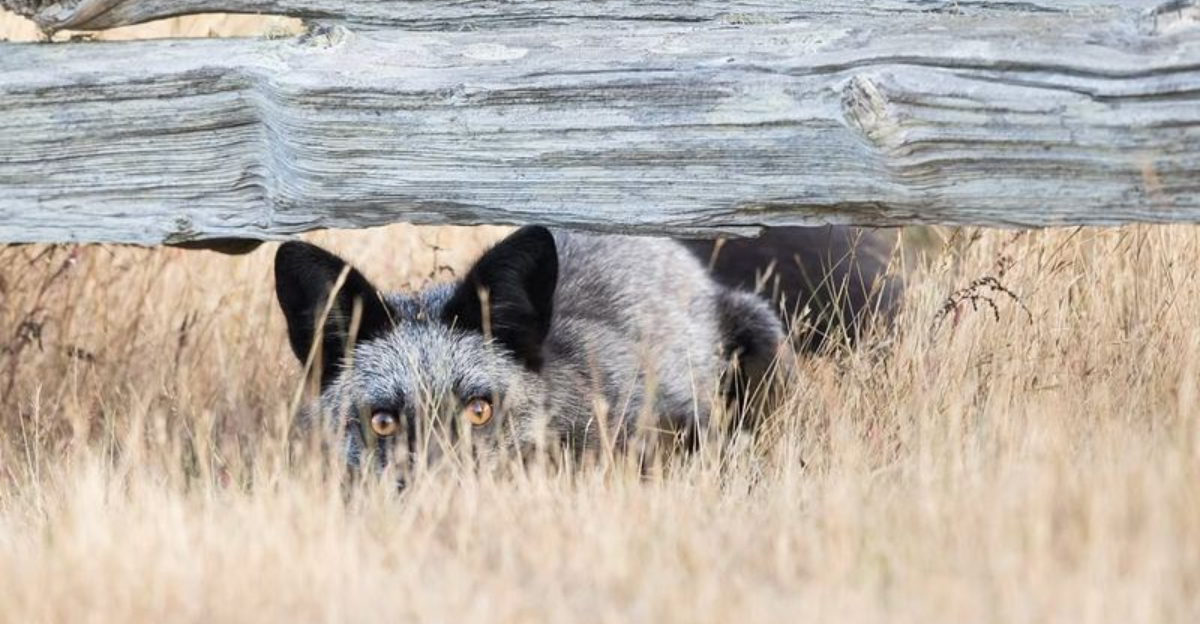
In Illinois, foxes frequently travel through residential areas, especially during colder months or breeding season.
These visits can raise concerns for residents unfamiliar with wildlife behavior, yet foxes are typically shy, non-aggressive animals.
The key to a positive outcome lies in knowing how to respond safely and legally.
Overreacting by chasing, feeding, or attempting to remove a fox often creates bigger problems than the original sighting.
Illinois residents should understand what attracts foxes to yards, what behaviors signal potential concerns, and what steps are discouraged by state wildlife regulations.
Learning how to secure outdoor food sources, supervise pets, and recognize when professional help is needed ensures safety without unnecessary harm.
A well-informed approach allows residents to handle wildlife encounters responsibly while maintaining a safe outdoor environment.
Education replaces fear and prevents repeat visits by discouraging behaviors that unintentionally invite wildlife closer to homes.
Stay Calm And Observe From A Distance

Seeing a fox outside your home doesn’t mean danger is lurking around the corner.
Most foxes are naturally shy and prefer avoiding human contact whenever possible.
Your first reaction should be to simply stop and watch from a safe spot, like inside your house or from a porch.
Panicking or making sudden movements can startle the animal, which might cause it to behave unpredictably.
Instead, take a moment to appreciate this rare wildlife encounter.
Foxes are beautiful creatures with bushy tails and intelligent eyes, and seeing one up close is actually quite special.
Keep your distance—at least 50 feet if you’re outside—and avoid approaching the fox.
If you’re indoors, grab your camera or phone to capture the moment from behind the glass.
This way, you can enjoy the experience without disturbing the animal.
Remember, foxes are more afraid of you than you are of them.
They’re typically just passing through your yard looking for food or a safe route to their den.
By staying calm and giving them space, you allow the fox to move along naturally without any stress or conflict.
Secure Your Pets Indoors Immediately

Your furry friends need to come inside right away when a fox appears in your yard.
Small dogs and cats are especially vulnerable because foxes might see them as competition or, in rare cases, as prey.
Even larger dogs can get into scuffles with foxes if they feel territorial.
Call your pets calmly but firmly, and guide them inside without creating a commotion.
If your dog or cat is already outside and hasn’t noticed the fox yet, try to get their attention quietly.
The last thing you want is for your pet to charge at the fox, which could lead to an unpleasant encounter for everyone involved.
Once your pets are safely indoors, keep them there until the fox has left the area completely.
Check your yard thoroughly before letting them back out.
Foxes usually don’t stick around long, especially in daylight hours when they feel more exposed.
Consider installing motion-sensor lights or keeping your pets on a leash during dawn and dusk, which are peak fox activity times.
These simple precautions help prevent surprise meetings between your pets and local wildlife.
Your pets’ safety is your responsibility, and a little vigilance goes a long way in keeping them protected.
Remove Food Sources From Your Yard

Foxes are opportunistic eaters, which means they’ll snack on whatever is easiest to find.
If your yard offers a buffet of tasty treats, you’re essentially inviting them to stick around.
Pet food left outside, unsecured garbage cans, fallen fruit from trees, and even bird feeders can all attract hungry foxes.
Start by bringing pet food bowls inside after feeding times.
Never leave food out overnight, as this is prime hunting time for foxes.
Make sure your garbage cans have tight-fitting lids, or store them in a garage or shed until collection day.
If you have fruit trees, pick up fallen apples, pears, or berries regularly.
While foxes are carnivores, they’ll eat fruit when it’s available, especially in late summer and fall.
Bird feeders can also be problematic because they attract rodents, which in turn attract foxes hunting those rodents.
By eliminating these food sources, you make your property less appealing to foxes.
They’ll naturally move on to areas where food is more plentiful.
This approach is humane and effective, helping both you and the fox coexist peacefully without encouraging unwanted visits to your yard.
Check For Den Sites Around Your Property
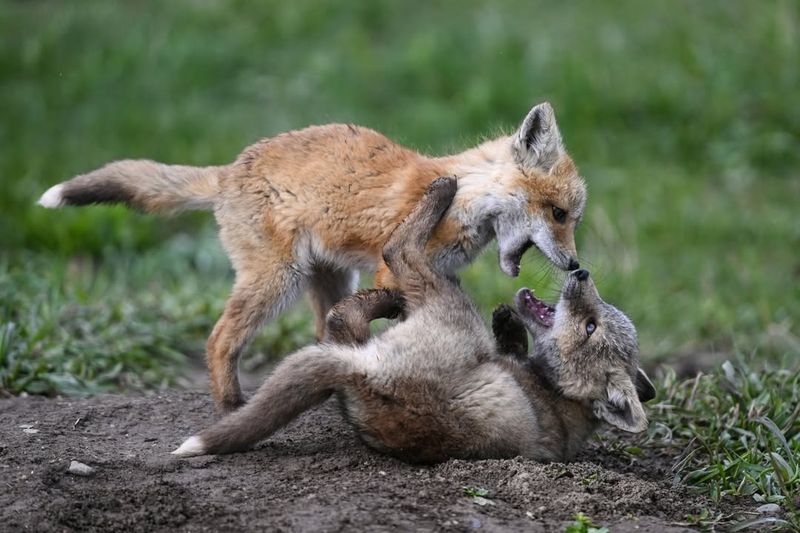
Foxes love cozy, protected spaces for raising their young, and your property might offer the perfect real estate.
Common den locations include spaces under sheds, decks, porches, and even in thick brush piles.
If a fox keeps returning to your yard, there’s a good chance it has established a den nearby.
Walk around your property and look for telltale signs of fox activity.
Fresh digging, worn paths through vegetation, and a musky smell are all indicators that foxes might be denning close by.
You might also notice scattered food remains or droppings near the entrance.
If you discover a den, don’t panic or try to block it immediately, especially during spring when fox kits might be inside.
Trapping a mother away from her babies or sealing kits inside can create serious problems.
Instead, wait until you’re sure the den is empty, typically by late summer when young foxes are mobile.
Once the den is vacant, you can humanely discourage future use by installing barriers like hardware cloth or lattice around vulnerable areas.
Make sure these barriers extend at least a foot underground to prevent digging.
By fox-proofing these spaces, you prevent future denning attempts while giving any current residents time to relocate safely.
Make Noise To Encourage The Fox To Leave
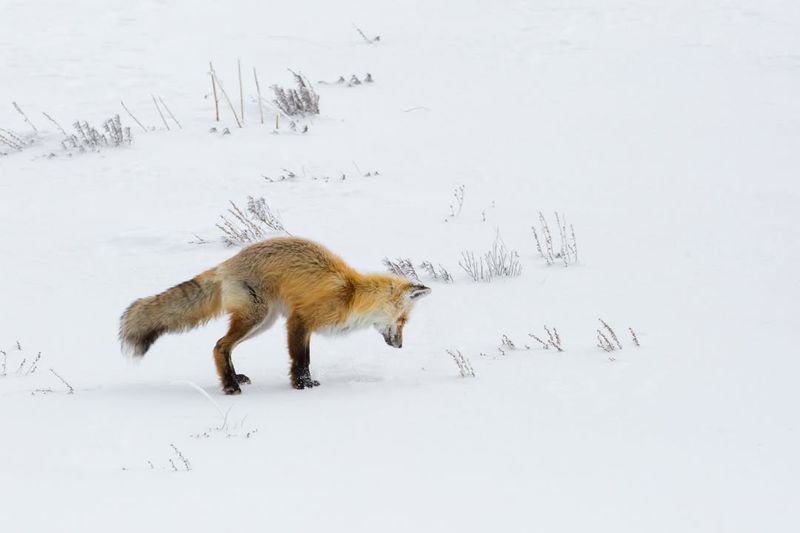
Sometimes a fox needs a little encouragement to move along, and making noise is a safe, effective method.
This technique, called hazing, helps reinforce the fox’s natural wariness of humans without causing harm.
Clapping your hands loudly, banging pots and pans together, or using a whistle can all work well.
Stand tall and make yourself appear larger by raising your arms or opening a jacket.
While making noise, take a step or two toward the fox, but don’t chase it.
The goal is to make the fox uncomfortable enough to leave on its own, not to terrify it into a corner.
Most foxes will trot away quickly when confronted with loud sounds and assertive human behavior.
If the fox doesn’t leave immediately, give it a clear escape route and continue making noise.
Never corner a fox or block all its exits, as this can cause it to act defensively.
Repeat this hazing process every time you see the fox to teach it that your yard isn’t a safe or welcoming place.
Consistency is key—if you haze the fox one day but ignore it the next, the animal won’t learn the lesson.
This approach respects the fox while establishing healthy boundaries between wildlife and your home.
Keep Your Yard Well-Lit At Night

Foxes are primarily nocturnal, meaning they do most of their hunting and traveling after dark.
Bright lights make them feel exposed and vulnerable, which naturally discourages them from spending time in your yard.
Installing motion-activated lights around your property is an excellent deterrent.
Focus on areas where foxes are most likely to enter or explore, such as along fence lines, near sheds, or around garbage storage areas.
Motion sensors ensure the lights only activate when something moves, saving energy while still providing protection.
The sudden brightness startles foxes and reminds them that humans are nearby.
You don’t need expensive or complicated lighting systems.
Solar-powered motion lights are affordable, easy to install, and environmentally friendly.
Position them at a height where they’ll detect movement at ground level, typically about six to eight feet up.
Besides deterring foxes, well-lit yards also discourage other nocturnal visitors like raccoons and opossums.
You’ll also improve your home’s security and make it safer for you to move around outside after dark.
This simple addition to your property creates an environment where foxes feel uncomfortable while making your space more pleasant and secure for your family.
Contact Local Wildlife Authorities If Needed
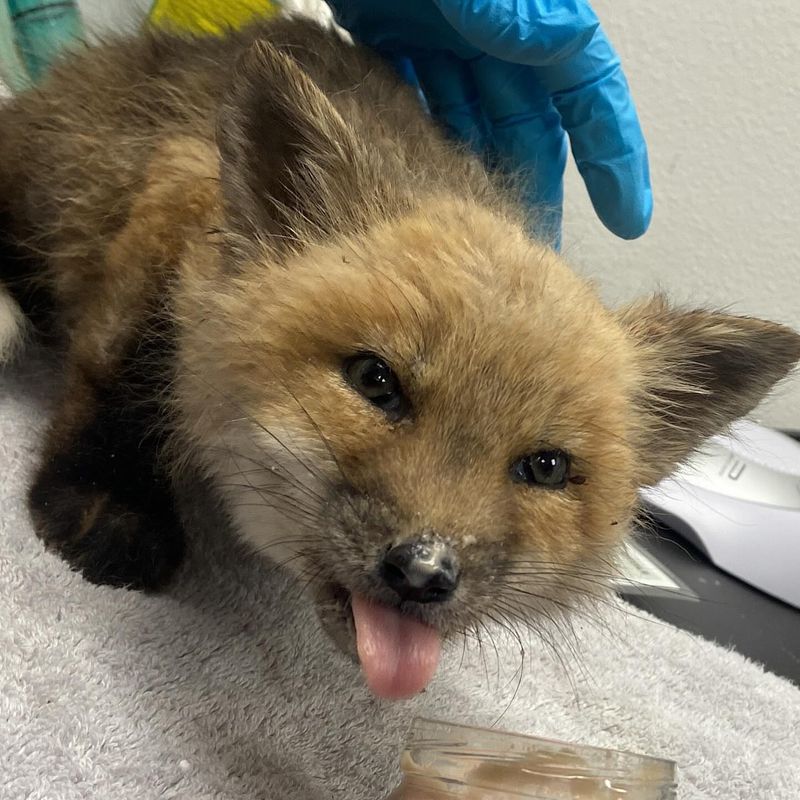
Most fox encounters don’t require professional intervention, but sometimes expert help is necessary.
If a fox appears sick, injured, or behaves aggressively, contacting local wildlife authorities is the right move.
In Illinois, you can reach out to the Department of Natural Resources or local animal control for guidance.
Signs that a fox might need professional attention include stumbling, appearing disoriented, showing no fear of humans, or acting aggressively without provocation.
These behaviors could indicate illness, and trained professionals know how to handle such situations safely.
Never attempt to capture or treat a sick fox yourself.
Wildlife authorities can also provide advice if a fox has denned on your property and you’re unsure how to proceed.
They may offer humane removal services or walk you through the process of encouraging the fox to relocate naturally.
Their expertise ensures both your safety and the animal’s welfare.
Keep emergency wildlife contact numbers handy, especially if you live in an area with frequent wildlife activity.
Many communities have dedicated wildlife hotlines that operate 24/7.
By knowing who to call before an emergency arises, you can respond quickly and appropriately when unusual situations occur with foxes or other wild animals in your neighborhood.
Educate Your Family And Neighbors
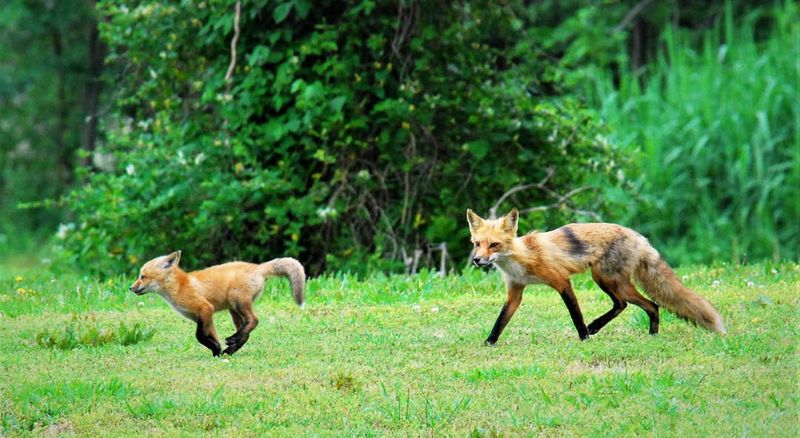
Knowledge is power when it comes to coexisting peacefully with urban wildlife.
Make sure everyone in your household understands how to respond if they encounter a fox.
Children especially need clear instructions about not approaching, feeding, or attempting to touch wild animals.
Explain that foxes are wild creatures, not friendly dogs, even though they might look cute and cuddly.
Teach kids to come inside immediately and tell an adult if they see a fox.
Role-playing different scenarios can help younger children remember what to do in the moment.
Sharing information with neighbors creates a community-wide approach to fox management.
If everyone on your block follows the same guidelines—securing trash, removing attractants, and using appropriate hazing techniques—foxes are less likely to settle in the area.
One household feeding foxes can undermine everyone else’s efforts.
Consider organizing a neighborhood meeting or sharing informational flyers about fox safety.
Many Illinois communities have social media groups where you can post helpful tips and resources.
When everyone works together, you create an environment that’s safe for humans and wildlife alike.
Education prevents fear-based reactions and promotes understanding, which ultimately leads to better outcomes for both people and the foxes sharing our spaces.
Install Fencing With Underground Barriers
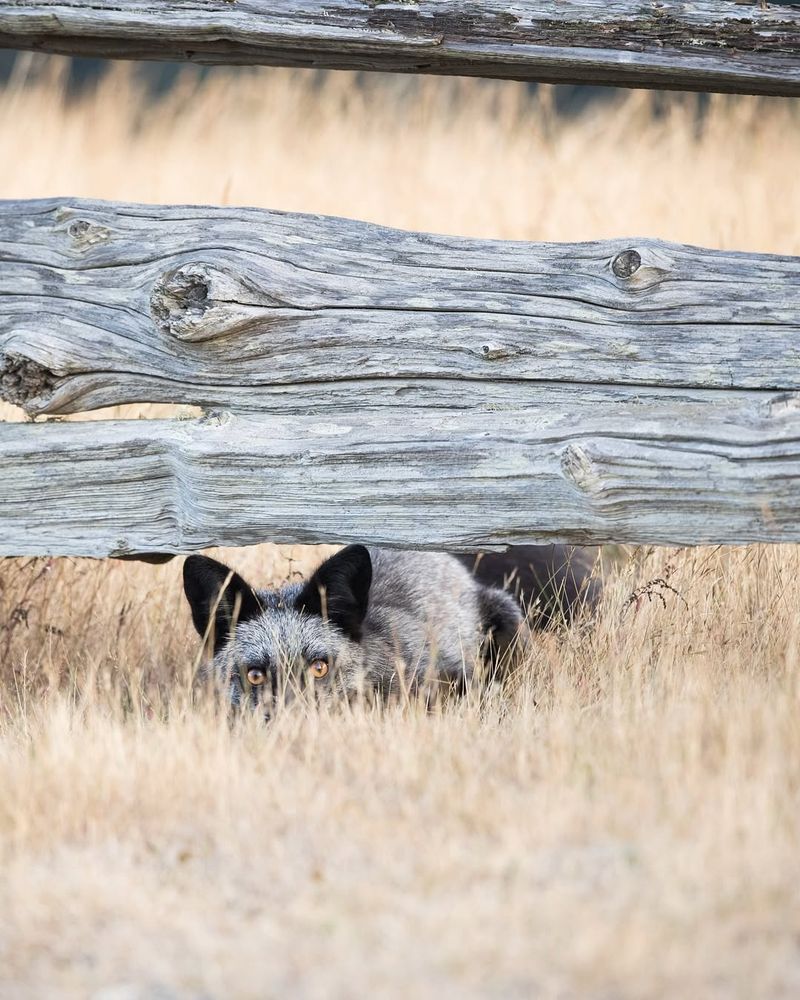
Foxes are surprisingly good diggers and can squeeze through spaces that seem impossibly small.
If you want to keep them out of specific areas like chicken coops, gardens, or play areas, proper fencing is essential.
Standard fencing alone won’t cut it—you need underground barriers too.
Choose fencing that’s at least four to six feet tall with openings no larger than three inches.
Chain link or welded wire works well for this purpose.
The critical part is extending the fence underground by burying it 12 to 18 inches deep, or by attaching an L-shaped footer that extends outward from the base.
This underground barrier prevents foxes from digging underneath, which is their preferred entry method.
The L-shaped footer should extend about 12 inches out from the fence at a 90-degree angle, just below the soil surface.
When a fox tries to dig at the fence line, it hits this barrier and usually gives up.
Check your fencing regularly for damage or weak spots.
Foxes are persistent and will exploit any gaps they find.
Pay special attention to corners and gates, which are common weak points.
While fencing requires an initial investment of time and money, it provides long-term protection for your property and gives you peace of mind knowing vulnerable areas are secure.
Document The Fox’s Behavior And Patterns

Keeping track of when and where you see foxes can provide valuable insights into their habits.
Grab a notebook or use your phone to record the date, time, location, and what the fox was doing each time you spot one.
Was it just passing through, or did it seem to be searching for something specific?
Patterns often emerge from this documentation.
You might notice the fox appears at the same time each evening, or that it follows the same path through your yard.
This information helps you predict future visits and take preventive measures during high-activity times.
Photos and videos are also incredibly useful, especially if you need to consult with wildlife professionals.
Visual documentation can help experts identify individual foxes and assess whether the animal appears healthy.
Just remember to photograph from a safe distance without disturbing the fox.
If multiple neighbors are seeing foxes, comparing notes can reveal whether it’s the same fox visiting multiple properties or several different animals in the area.
This bigger picture helps your community develop coordinated responses.
Your observations might also contribute to local wildlife studies or help animal control understand fox populations in Illinois neighborhoods.
Simple documentation turns random encounters into useful data that benefits everyone.
Never Attempt To Feed The Fox
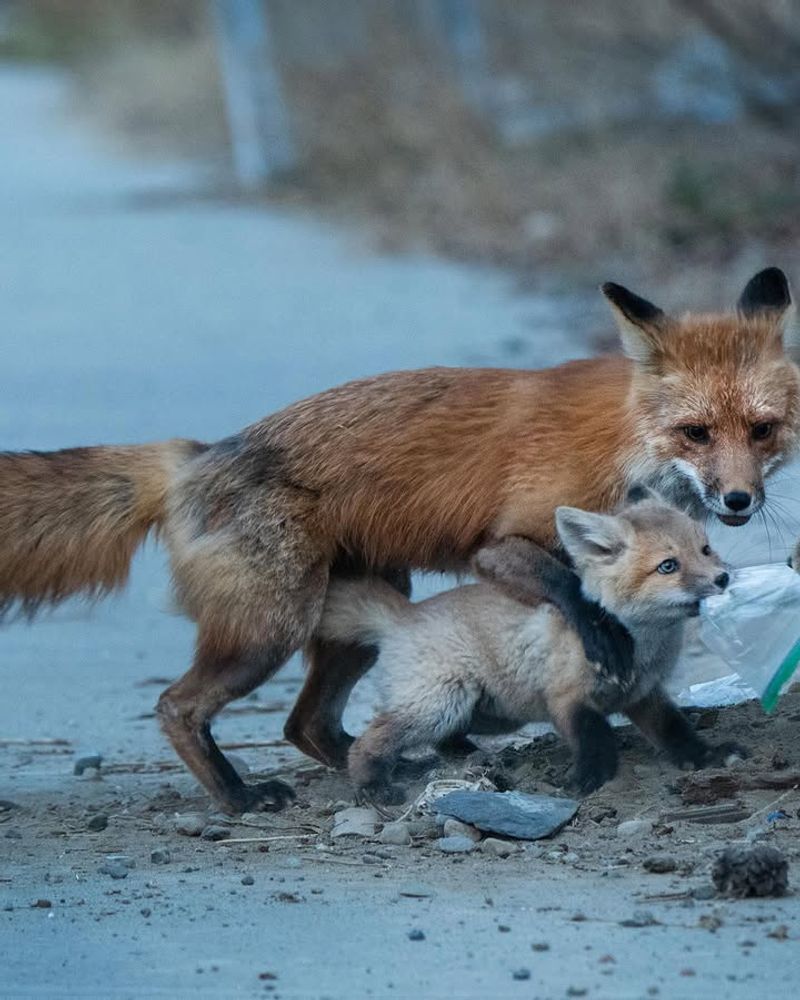
Feeding wild foxes might seem kind, but it’s actually one of the worst things you can do for both the animal and your community.
When foxes learn to associate humans with food, they lose their natural wariness and become bolder.
This behavior creates dangerous situations where foxes approach people expecting meals, which can lead to conflicts.
Fed foxes also stop hunting and foraging naturally, making them dependent on handouts.
If the food source suddenly disappears, these animals struggle to survive because they’ve forgotten how to find food on their own.
You’re not helping them—you’re setting them up for future problems.
Human food is also nutritionally inappropriate for foxes.
They need a varied diet of small prey, insects, and occasional plant matter.
Table scraps, processed foods, and other human fare can cause health issues and don’t provide the nutrition foxes require to thrive.
Feeding foxes can also attract other unwanted wildlife to your property and create tension with neighbors who don’t appreciate increased animal activity.
In some Illinois communities, feeding wild animals may even violate local ordinances.
If you truly care about the fox’s wellbeing, the best thing you can do is let it remain wild and self-sufficient, finding its own food in natural ways.
Don’t Try To Touch Or Catch The Fox
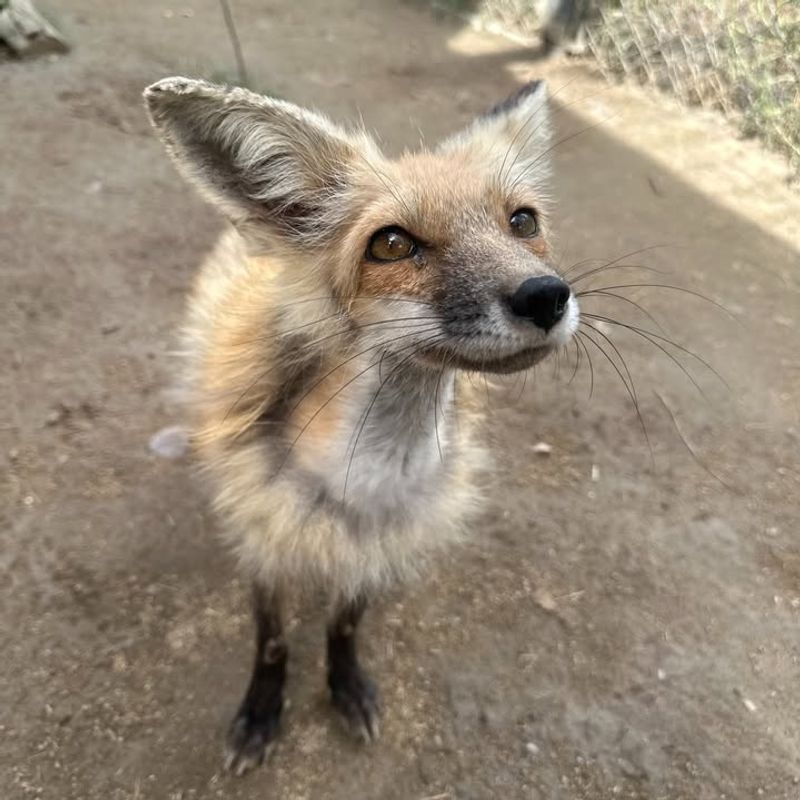
No matter how cute or friendly a fox appears, attempting to touch or catch it is extremely dangerous.
Foxes are wild animals with sharp teeth and claws, and they will defend themselves if they feel threatened.
Even a fox that seems calm can bite or scratch when someone gets too close.
Wild foxes can carry diseases like rabies, which is transmitted through bites and scratches.
While rabies is relatively rare in Illinois foxes, the risk exists and the consequences are serious.
Other diseases and parasites like mange, fleas, and ticks can also transfer from foxes to humans or pets through direct contact.
Some people mistakenly believe that a fox appearing during daylight hours must be sick or injured and needs rescue.
Actually, foxes are often active during the day, especially when they’re feeding young or when food is scarce.
Daytime activity alone doesn’t indicate illness.
If a fox truly appears injured or sick, contact wildlife professionals rather than attempting a rescue yourself.
They have the training, equipment, and legal authority to handle wild animals safely.
Your good intentions could result in injury to yourself and additional stress to the animal.
Keeping a respectful distance protects everyone involved and allows the fox to go about its business naturally without human interference.
Don’t Use Harmful Deterrents Or Poisons

When frustrated by persistent fox visits, some people consider using poisons, harmful traps, or dangerous deterrents.
These methods are not only cruel but also illegal in many cases and can have unintended consequences for other animals, pets, and even children.
Poisons never discriminate—they can harm any creature that encounters them.
Leg-hold traps, snares, and similar devices cause immense suffering and may catch non-target animals like neighborhood cats or dogs.
Illinois has specific regulations about trapping, and improper use can result in legal penalties.
These methods also don’t address why foxes are visiting your property in the first place.
Chemical repellents marketed for fox control often have questionable effectiveness and may contain ingredients harmful to the environment.
Some homemade deterrents people suggest, like mothballs or ammonia-soaked rags, are ineffective and potentially toxic.
They can contaminate soil and water without actually discouraging foxes.
Humane methods like those described in the earlier sections are just as effective without causing harm.
Removing attractants, using lights and noise, and proper fencing all work better than cruel or dangerous approaches.
By choosing ethical solutions, you protect all wildlife in your area while still addressing your concerns.
Remember, foxes are part of Illinois’s natural ecosystem and deserve treatment that respects their role in our environment.
Don’t Let Children Or Pets Chase The Fox

Kids and dogs might think chasing a fox looks like fun, but this behavior is dangerous for everyone involved.
A cornered or frightened fox may turn defensive, especially if it feels escape routes are blocked.
What starts as playful pursuit can quickly escalate into a situation where someone gets bitten or scratched.
Children don’t understand the risks of approaching wild animals and may see the fox as a potential playmate.
It’s your job as a parent or guardian to intervene immediately if you see a child moving toward a fox.
Firmly call them back and explain why keeping distance is important, using language they can understand.
Dogs have strong prey drives, and many will instinctively chase anything that runs.
A dog-fox encounter can result in injuries to both animals.
Even if your dog is larger, foxes are quick and have sharp teeth that can cause serious wounds.
The fox might also lead your dog away from your property, creating additional dangers.
Teach everyone in your household that foxes should be observed only from a safe distance.
Make it a house rule that no one approaches, follows, or attempts to interact with wild animals.
Reinforce this rule consistently so it becomes second nature.
By preventing chase situations, you maintain a safe environment where humans, pets, and wildlife can coexist without conflict or injury.
Don’t Ignore Signs Of Illness In The Fox
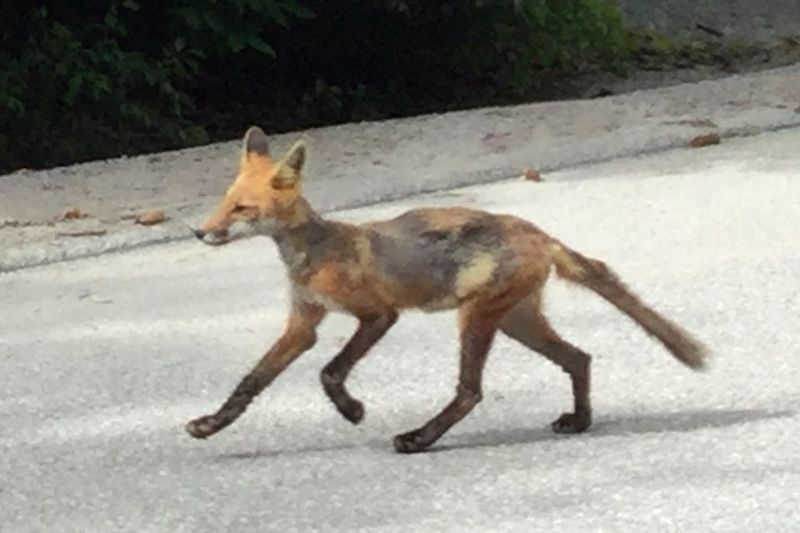
While most foxes you encounter will be healthy, occasionally you might spot one showing signs of illness.
Recognizing these symptoms and taking appropriate action protects both your family and the broader community.
Never dismiss unusual behavior as something that will resolve on its own.
Warning signs include stumbling or appearing uncoordinated, excessive drooling, visible injuries, hair loss from mange, or acting aggressively without provocation.
A fox that shows no fear of humans, approaches people directly, or seems confused may be sick.
Rabies, distemper, and mange are the most common illnesses affecting Illinois foxes.
If you observe these symptoms, don’t approach the animal under any circumstances.
Keep family members and pets inside, and contact local animal control or the Illinois Department of Natural Resources immediately.
Provide them with a detailed description of what you’ve observed and the fox’s location.
Authorities will assess the situation and determine the appropriate response, which might include capturing the animal for testing or humanely addressing the problem.
Your report could prevent the spread of disease to other wildlife or domestic animals in your neighborhood.
Ignoring a sick fox puts everyone at risk, while prompt reporting allows professionals to handle the situation properly.
Staying alert and knowing when to call for help is an important part of responsible wildlife coexistence.