8 Smart Indoor Propagation Ideas For Cold January Days In New York
Cold January days in New York have a way of slowing everything down, yet indoors there’s still plenty of quiet momentum waiting to happen.
When outdoor gardens are frozen and daylight feels short, propagation becomes a small way to stay connected to growing things.
There’s something grounding about working with cuttings, water, soil, and patience while winter moves slowly outside the window.
Indoor propagation turns spare moments into progress, even when the weather makes stepping outside unappealing.
Many gardeners find this time of year perfect for experimenting, observing, and learning how plants respond up close.
Warm rooms and steady temperatures create conditions that feel surprisingly productive during the coldest stretch of the year.
January often reveals which plants are eager to grow and which ones simply need a little encouragement.
These quiet projects bring a sense of purpose to winter days that otherwise blur together.
Watching new roots form feels especially satisfying when snow and ice still dominate the outdoors.
In New York homes, indoor propagation during January keeps the growing season alive long before spring officially arrives.
1. Water Propagation in Glass Jars
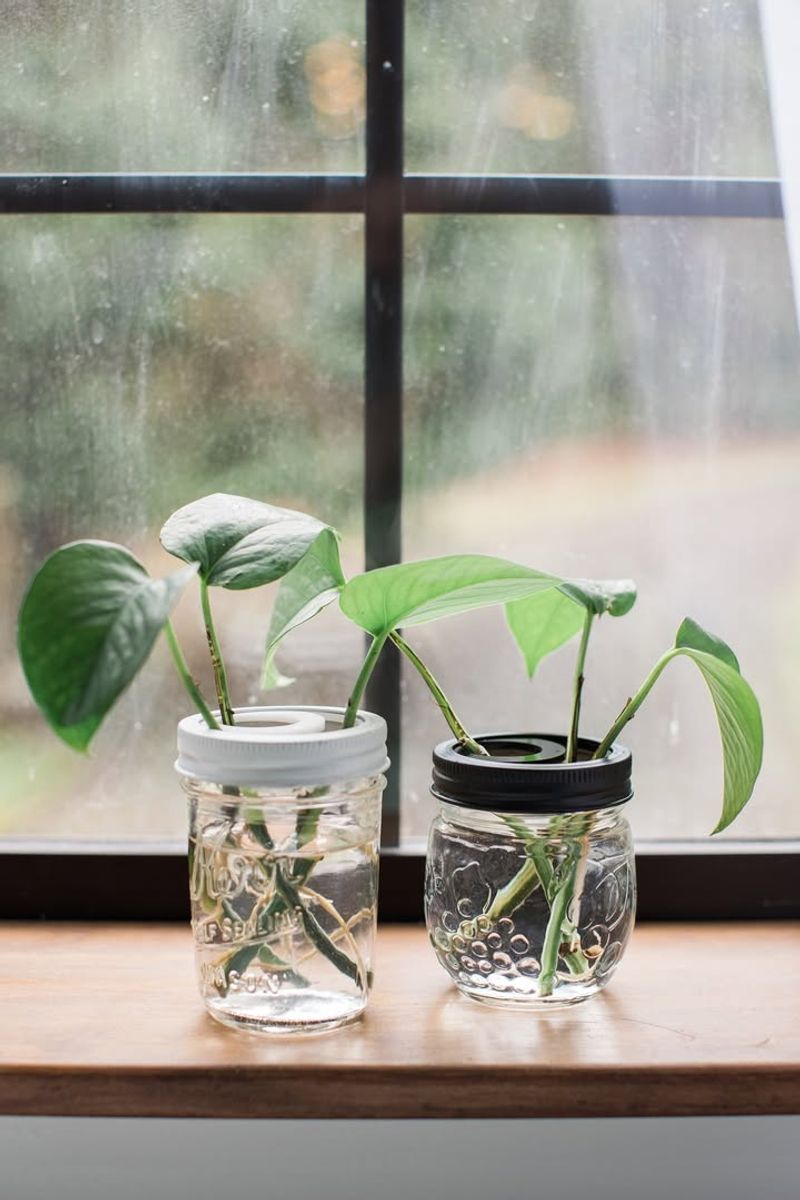
Clear glass containers let you watch roots develop from stem cuttings in a way that feels almost magical for New York gardeners.
Pothos, philodendron, and spider plant cuttings thrive when placed in clean water with nodes submerged below the surface for growth.
Change the water every few days to prevent bacterial buildup that could slow down root development or harm your delicate cuttings.
Position your jars near a bright window but away from direct sunlight that might overheat the water or damage tender leaves.
Once roots reach about two inches long, you can transplant your cuttings into soil-filled pots for continued growth and development.
This method works beautifully for beginners because you can observe every stage of root formation without guessing what happens underground.
Mason jars, recycled pasta sauce containers, or decorative vases all work perfectly for this simple yet effective propagation technique in January.
Label each jar with the plant name and cutting date to track progress and learn which varieties root fastest indoors.
Water propagation keeps your New York home looking fresh and green even when snow piles up high outside your apartment windows.
Cool indoor temperatures common in New York winters actually slow evaporation, helping water levels stay stable longer between changes for busy indoor gardeners.
Watching tiny white roots appear day by day makes winter propagation feel rewarding and keeps plant care interesting during long January evenings.
Grouping several jars together creates an easy indoor display that doubles as living decor while your cuttings quietly prepare for potting.
This simple setup turns ordinary houseplants into an ongoing winter project that feels productive even when outdoor gardening is completely paused.
2. Soil Propagation with Rooting Hormone
Rooting hormone powder accelerates root development when applied to freshly cut stems before planting them directly into moist potting mix.
Succulents, herbs, and woody plants often respond better to soil propagation than water methods because they prefer drier conditions for rooting.
Cut stems at a diagonal angle using clean, sharp scissors to maximize the surface area available for root growth and development.
Dip the cut end into rooting hormone powder, then gently tap off excess before inserting it into pre-moistened soil.
Cover your pots with clear plastic bags to create a humid microclimate that encourages faster rooting during dry New York winter months.
Place containers in warm spots with indirect light, checking soil moisture regularly to keep it damp but never waterlogged or soggy.
Remove the plastic covering once new growth appears, indicating that roots have established themselves successfully in the potting medium below.
This technique works especially well for plants that rot easily in water or prefer immediate soil contact for healthy development.
Many New York gardeners find soil propagation more reliable for certain species that struggle with water-based methods during cold January days.
Using a heating mat beneath the pots can gently warm the soil, which often speeds up root formation for stubborn cuttings in chilly apartments.
Firm the soil lightly around each stem to eliminate air pockets that could dry out the cutting before roots have a chance to form.
Patience matters with soil propagation, since roots develop out of sight and steady care often pays off after several quiet weeks indoors.
3. Division of Overgrown Houseplants

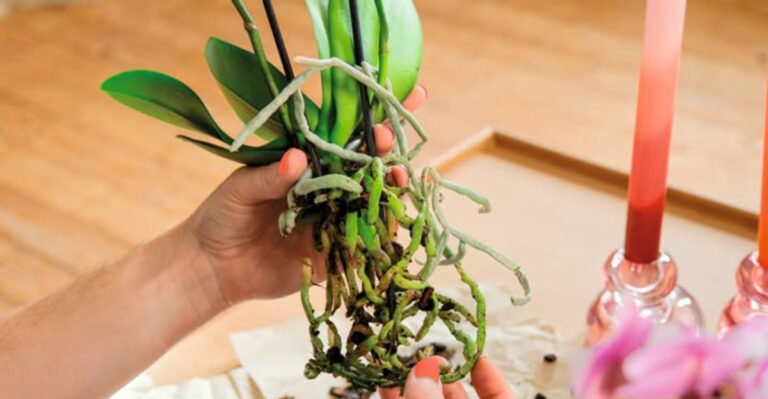
Separating root-bound plants into multiple sections gives you instant new plants while refreshing the health of your overcrowded original specimens.
Snake plants, peace lilies, and ferns often develop dense root systems that benefit from division every few years for vigor.
Carefully remove the plant from its pot and gently shake off excess soil to reveal the root structure and natural separation points.
Use your hands or a clean knife to separate sections, ensuring each division has healthy roots and several stems or leaves.
Replant each section in fresh potting mix at the same depth it grew before, watering thoroughly to settle soil around roots.
Division works best for plants that produce multiple crowns or offsets, making it perfect for expanding your New York indoor collection quickly.
January is ideal for this task because plants are often semi-dormant, reducing transplant shock and stress on divided sections.
Within weeks, each division will establish itself independently, giving you multiple plants from one original specimen without purchasing new ones.
This money-saving method fills empty spots on shelves and windowsills throughout your New York home while improving the health of parent plants.
Allow newly divided plants a short recovery period by keeping them out of harsh light and avoiding fertilizer until fresh growth appears.
Slight wilting after division is normal, so consistent moisture and stable temperatures help roots settle into their new containers faster.
Over time, divided plants often grow stronger and fuller than before, rewarding New York gardeners with healthier houseplants and steady indoor growth.
4. Leaf Cuttings for Succulents
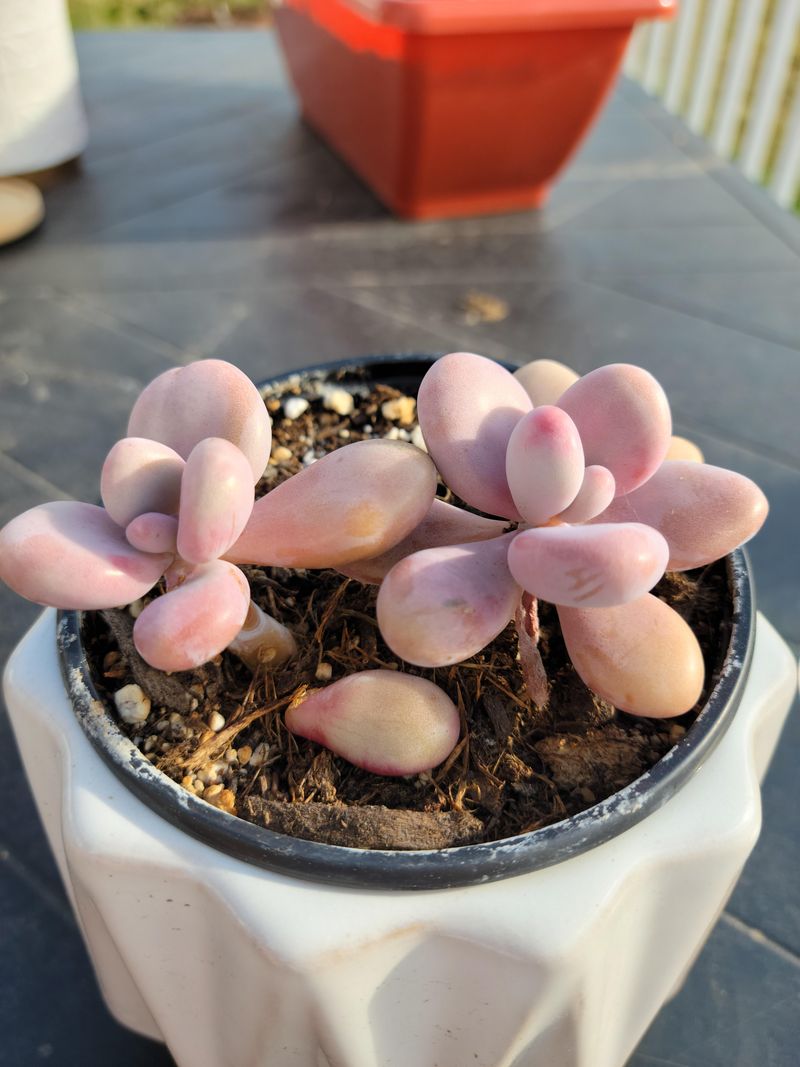
Succulents like jade plants, echeveria, and sedum can generate entirely new plants from single leaves placed on top of soil.
Gently twist a healthy leaf from the stem, ensuring the entire base comes off cleanly without tearing for successful propagation.
Let the leaf sit on a dry surface for one to three days until the cut end calluses over, preventing rot.
Place callused leaves on top of cactus mix or well-draining soil without burying them, allowing contact with the soil surface.
Mist the soil lightly every few days to provide moisture without soaking the leaves, which could cause them to rot.
Tiny roots and baby plants will emerge from the leaf base within two to six weeks, depending on the variety and conditions.
Once the mother leaf shrivels completely, the new plantlet has absorbed all its nutrients and can be potted up individually.
This fascinating process entertains New York plant lovers during long January days when outdoor activities are limited by freezing temperatures outside.
Leaf propagation costs nothing and produces multiple new succulents from a single parent plant, making it incredibly economical and rewarding.
Keep trays in a warm area with bright, indirect light to encourage steady development without stressing delicate new growth.
Avoid moving or disturbing the leaves too often, since early roots are fragile and benefit from stable conditions during establishment.
Watching dozens of tiny succulents form at once makes leaf propagation feel especially satisfying for New York gardeners waiting out winter indoors.
5. Layering with Climbing Plants
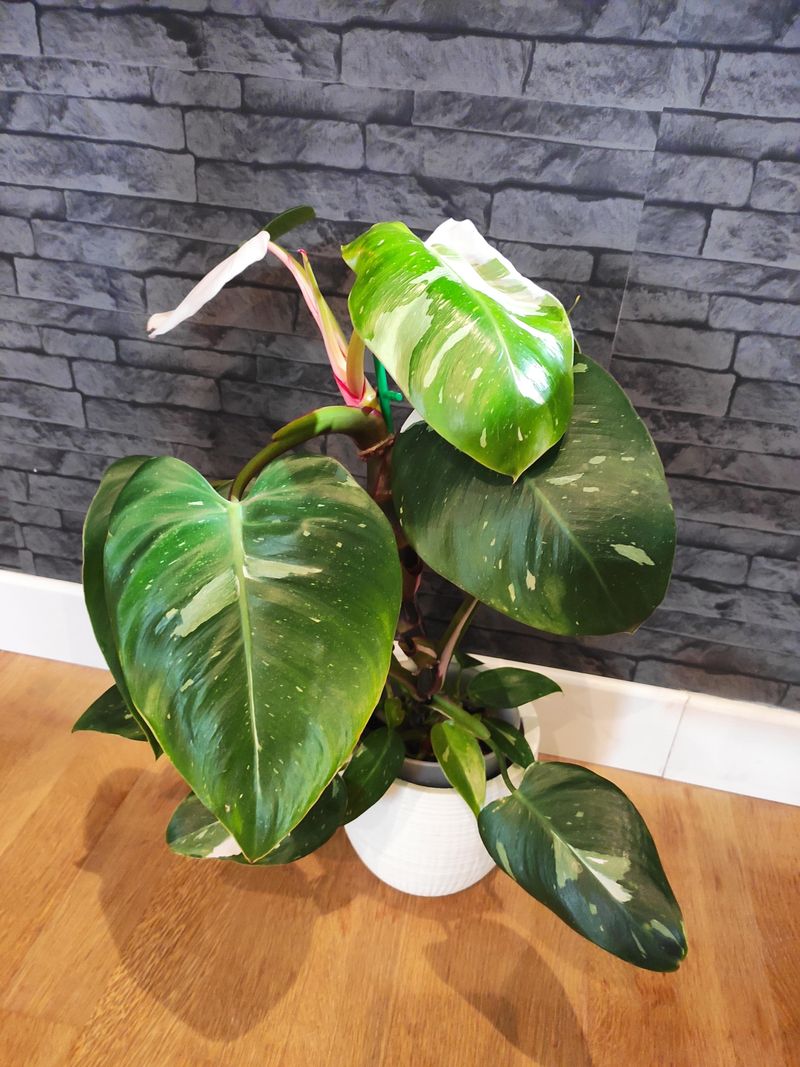
Air layering and simple layering techniques encourage roots to form on stems while they remain attached to the parent plant.
Pothos, philodendron, and ivy naturally produce aerial roots along their stems, making them perfect candidates for this propagation method indoors.
Pin a section of stem to soil in an adjacent pot using a bent paperclip or hairpin, keeping the stem attached.
Cover the pinned section with a thin layer of soil and keep it consistently moist to encourage root development at nodes.
Within a few weeks, roots will grow into the new pot while the stem continues receiving nutrients from the mother plant.
Once roots establish firmly, cut the connection between the two plants to create an independent specimen with an established root system.
Layering reduces transplant shock because the new plant develops roots before separation, ensuring better survival rates than traditional cutting methods sometimes offer.
This technique works wonderfully for New York apartment dwellers with long, trailing plants that need pruning or reshaping during cold winter months.
You end up with fuller, healthier plants in both pots while keeping your indoor garden thriving throughout the chilly January weather.
Choose flexible, healthy stems for layering, since older woody growth bends poorly and roots more slowly under indoor conditions.
This low-effort method lets New York gardeners multiply favorite trailing plants without extra equipment, making winter propagation feel simple and satisfying.
6. Offset Separation from Spider Plants
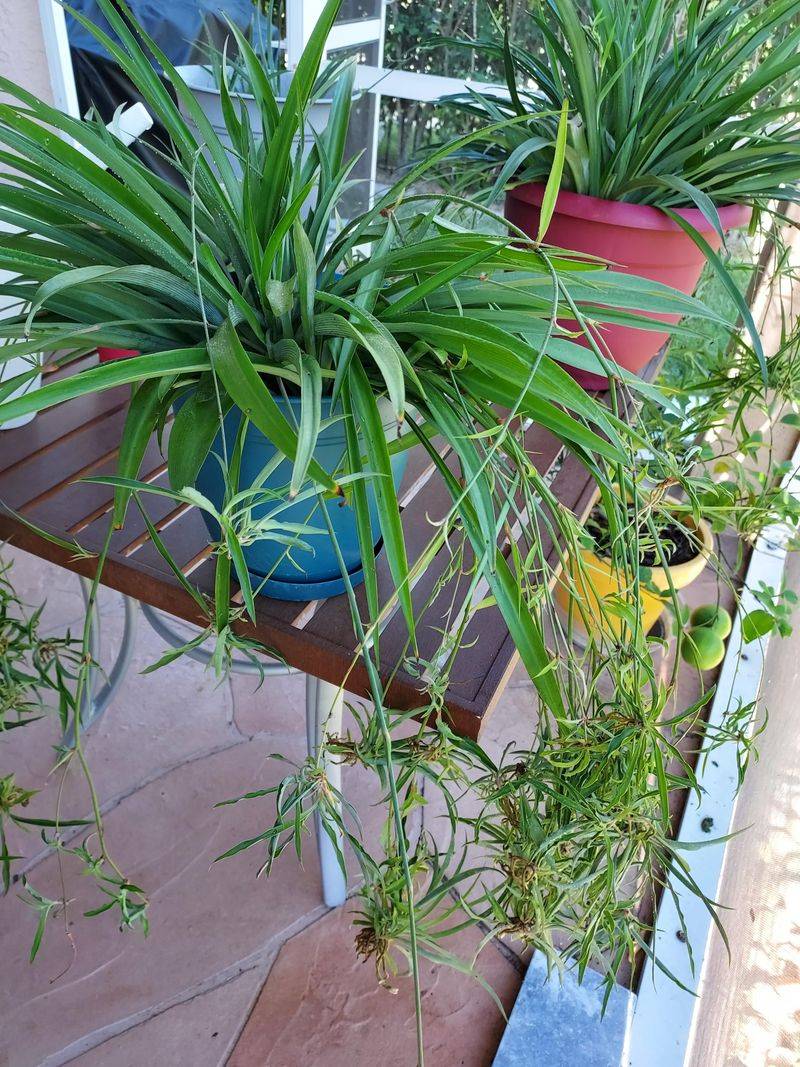
Spider plants produce adorable baby plantlets called offsets or pups that dangle from long stems and root easily when separated properly.
Wait until offsets develop small root nubs before removing them, which usually happens when they reach two to three inches across.
Snip the connecting stem with clean scissors, then plant the offset directly into moist potting soil in a small container.
Alternatively, place the offset in water for a week or two to encourage more extensive root development before transitioning to soil.
Spider plant babies adapt quickly to their new homes and grow rapidly, filling out into full-sized plants within several months.
This propagation method requires minimal effort and produces nearly instant results, making it perfect for busy New York residents with limited gardening time.
One mature spider plant can produce dozens of offsets throughout the year, giving you endless plants to share with friends or neighbors.
January is an excellent time to propagate these offsets indoors, as they thrive in the warm, controlled environment of heated apartments.
Display your new spider plants on shelves or in hanging baskets to brighten up your New York home during the darkest winter days.
Keep newly potted offsets slightly snug in their containers, since spider plants root faster when they are not surrounded by too much empty soil.
Avoid fertilizing for the first few weeks, allowing young roots to settle and strengthen before pushing new growth indoors.
7. Stem Cuttings in Perlite or Vermiculite
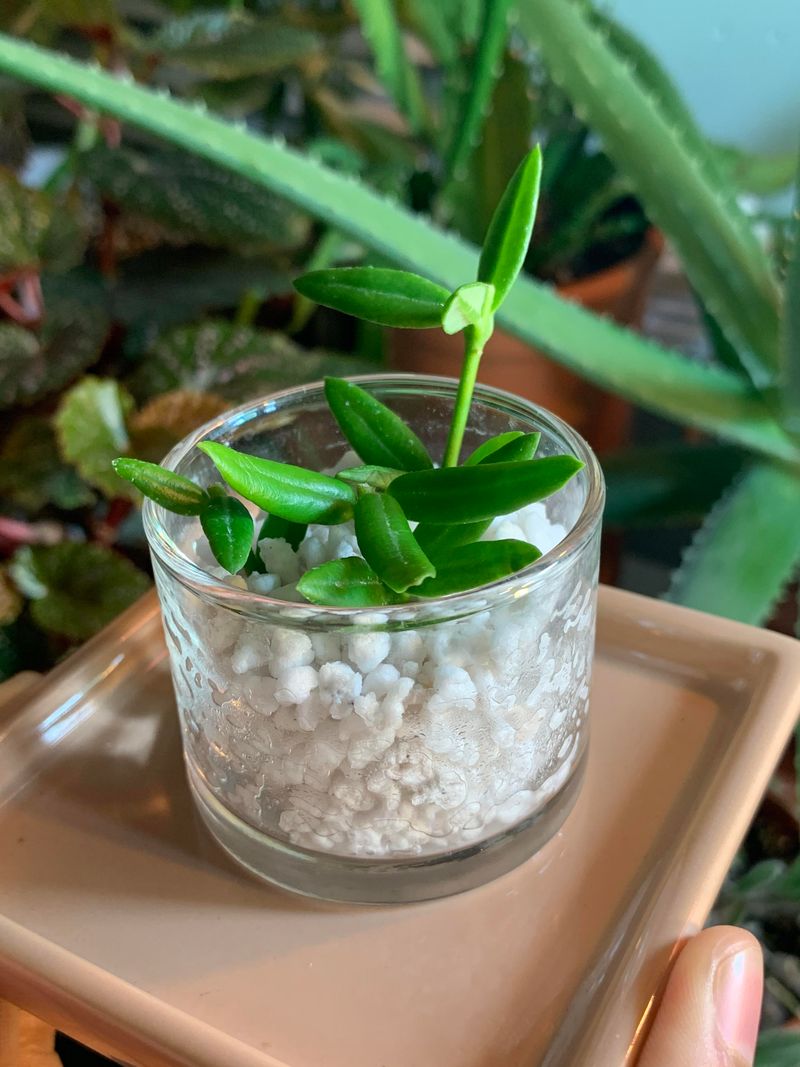
Lightweight growing mediums like perlite and vermiculite provide excellent drainage and aeration for stem cuttings that might rot in regular soil.
These sterile materials reduce the risk of fungal infections and disease while supporting delicate new roots during their critical development phase.
Fill small pots with moistened perlite or vermiculite, then insert stem cuttings just deep enough to stand upright without support.
Keep the medium consistently damp but not soggy, as excess moisture can still cause problems even in these well-draining materials.
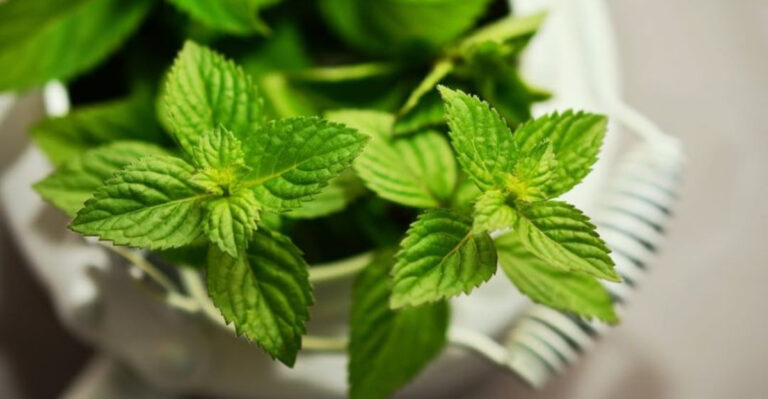
Cuttings from herbs like basil, mint, and rosemary root especially well in perlite during the dry winter months in New York homes.
Once roots develop to about an inch long, carefully transplant cuttings into regular potting mix for long-term growth and nutrient access.
The neutral pH and light texture of these mediums make them ideal for beginners who struggle with overwatering or heavy soil.
Many experienced New York gardeners keep bags of perlite and vermiculite on hand specifically for propagation projects throughout the cold season.
This method bridges the gap between water and soil propagation, offering benefits of both techniques while minimizing common problems that frustrate beginners.
Place containers on trays to catch excess moisture and make winter watering easier in small New York apartments with limited space.
Clear pots help you monitor root progress, giving confidence that cuttings are ready for soil before any transplanting mistakes happen.
Labeling each pot with the plant name and start date helps track progress and compare which cuttings root fastest in these lightweight mediums.
Allow cuttings a brief adjustment period after transplanting into soil, keeping light gentle while roots transition from perlite or vermiculite to richer mix.
8. Propagation Station with Grow Lights
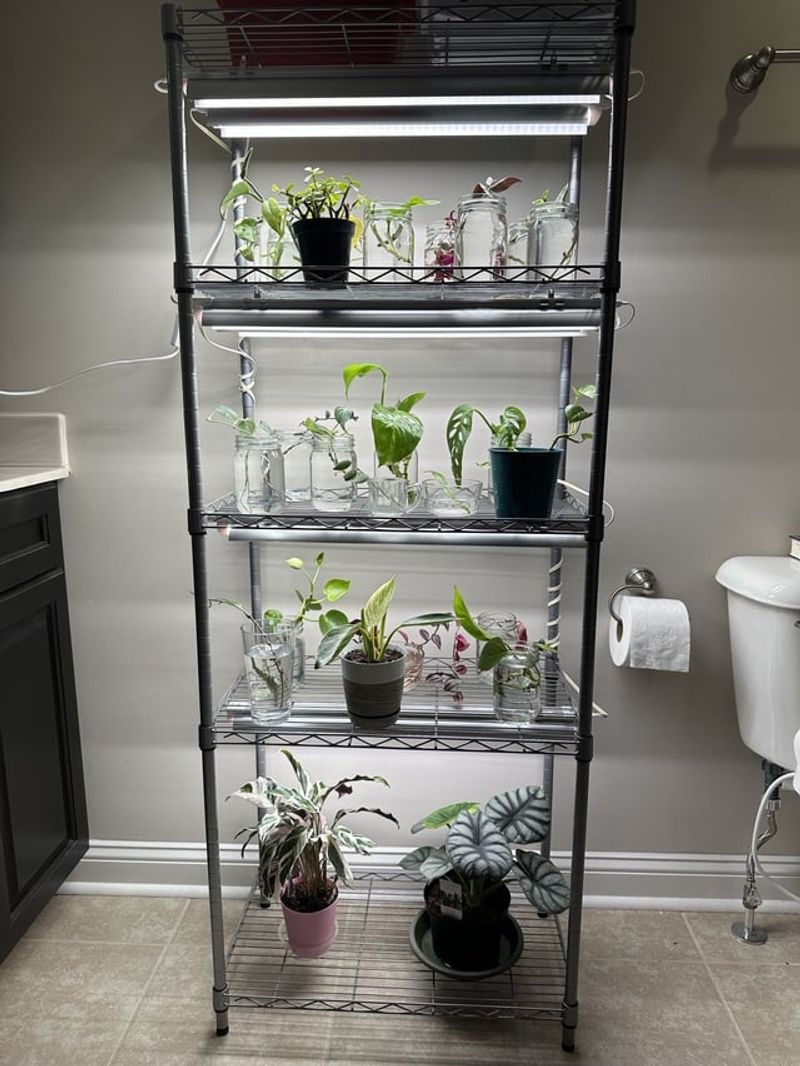
Limited winter sunlight in New York apartments can slow down propagation, but artificial grow lights solve this problem by extending light exposure.
LED grow lights provide the full spectrum of light that plants need for photosynthesis and root development without generating excessive heat.
Set up a dedicated propagation station on a shelf or countertop with grow lights positioned about six to twelve inches above cuttings.
Run the lights for twelve to sixteen hours daily to mimic longer spring days that naturally encourage faster growth and rooting.
Combine grow lights with any propagation method, from water jars to soil pots, to dramatically improve your success rate during January.
Temperature consistency near your propagation station also matters, so keep it away from cold drafts or heating vents that cause fluctuations.
Monitor your cuttings daily for signs of growth, adjusting light distance if you notice leaf burn or stretching toward the light source.
A well-organized propagation station transforms a corner of your New York home into a productive mini greenhouse during the coldest winter months.
This investment pays off quickly as you successfully root more cuttings and expand your indoor plant collection without spending money on new plants.
Using a simple timer keeps lighting consistent each day, removing guesswork and helping cuttings settle into a steady growth rhythm indoors.
Reflective surfaces behind shelves can bounce extra light onto plants, maximizing output without adding more fixtures to your setup.
Keep lights clean and dust free, since buildup can reduce brightness and limit how much usable light actually reaches your cuttings.
Rotating trays occasionally ensures even exposure, preventing one side of your propagation setup from lagging behind during winter growth.