9 Smart Moves To Make When A Coyote Is In Your Oklahoma Yard
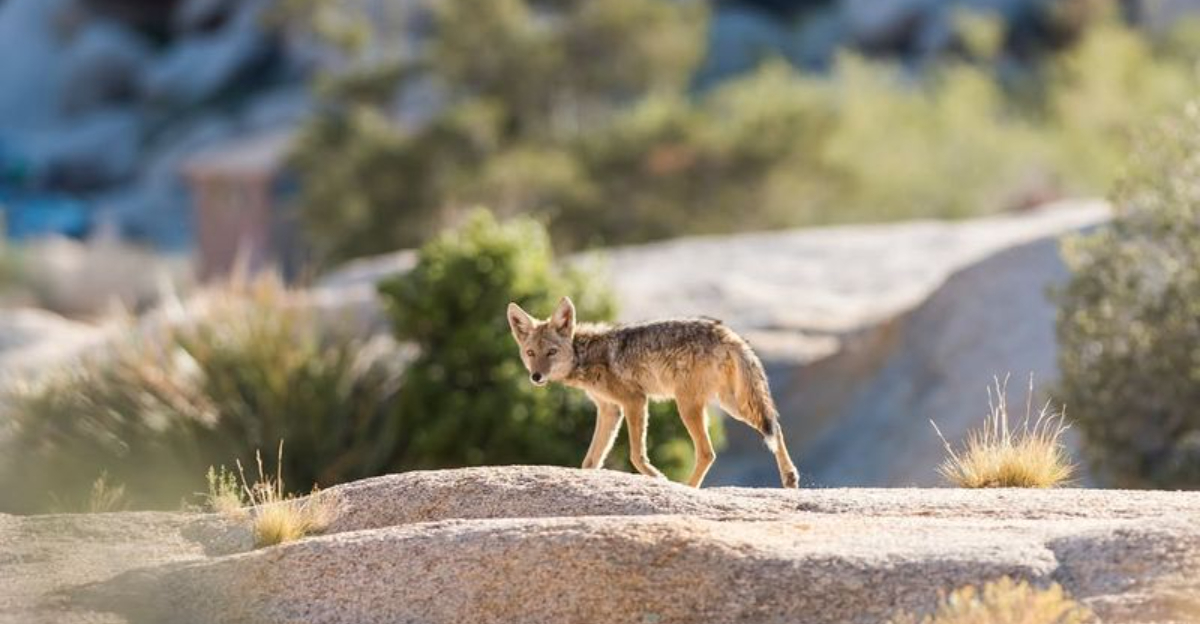
Coyotes showing up close to home can feel unsettling, especially when they appear in broad daylight.
In Oklahoma, these adaptable animals are common across rural land and growing cities alike.
While sightings can be alarming, most yard visits happen because coyotes are drawn in by easy meals, water, or shelter.
The wrong reaction can teach them to linger, while the right one sends a clear message that your yard is off limits.
Many homeowners do not realize how quickly coyotes learn from human behavior.
Feed left out for pets, unsecured trash, or silence when one appears can all make matters worse.
By understanding what to do in the moment and how to prevent repeat visits, you can stay one step ahead.
A few smart moves today can keep your home from becoming a regular stop on a coyote’s nightly route.
1. Stay Calm And Watch From A Distance
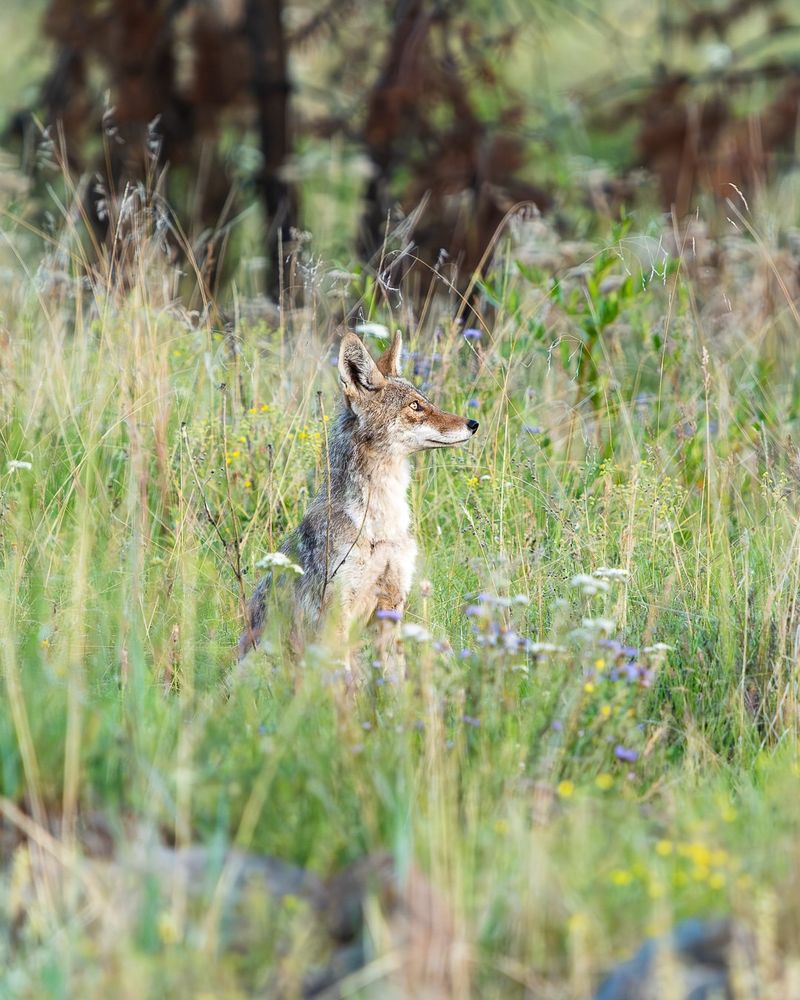
Seeing a coyote near your home doesn’t mean immediate danger is on the way.
Most coyotes are naturally wary of humans and prefer to avoid contact whenever possible.
Your first instinct might be to panic, but staying composed helps you make better decisions and keeps the situation from escalating unnecessarily.
Observe the animal from a safe spot, preferably behind a window or fence.
This allows you to monitor its behavior without putting yourself at risk.
Coyotes usually wander through yards searching for food or water, and they often move on quickly if they don’t find anything interesting.
Watching from indoors also gives you time to assess whether the coyote appears healthy or if it’s behaving strangely.
Unusual behavior might include stumbling, excessive drooling, or approaching people without fear.
If the coyote seems calm and is simply passing through, there’s no need for alarm.
Keep a respectful distance and avoid making sudden movements that might startle it.
Remember that coyotes are wild animals, and they deserve space just as much as you do.
By staying calm and observing from afar, you’re setting the stage for a peaceful resolution that protects everyone involved.
2. Bring Pets And Children Inside Right Away
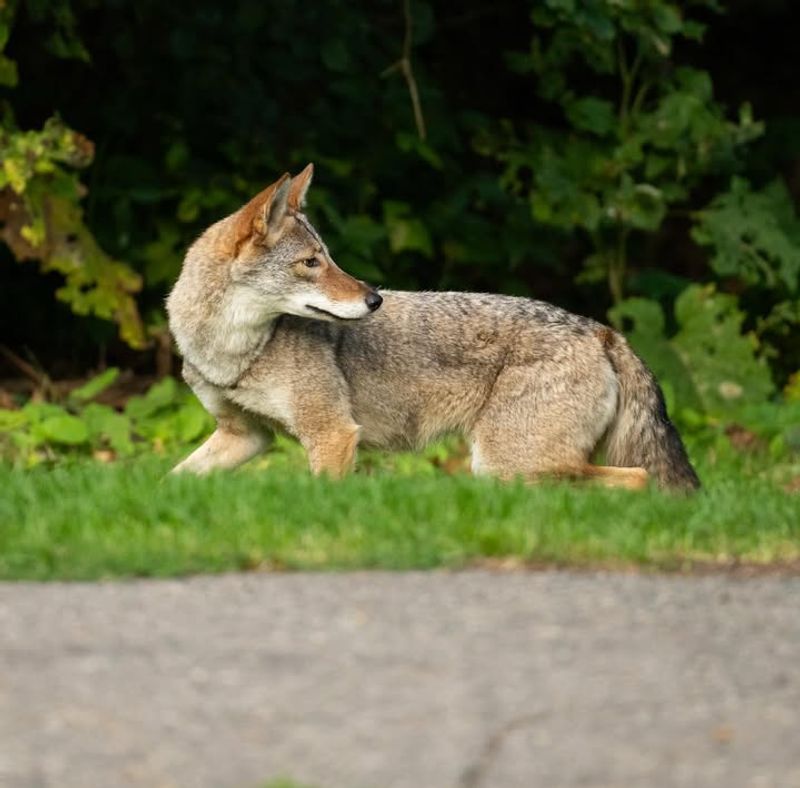
Small animals and young children can trigger a coyote’s natural chase instincts, even if the coyote wasn’t initially interested in approaching.
Dogs, cats, and even pet rabbits look like prey to a hungry coyote, making them vulnerable if left outside unsupervised.
Children playing in the yard might also attract attention, especially if they’re making noise or moving quickly.
As soon as you spot a coyote, calmly call your pets and kids indoors without shouting or creating chaos.
Use a firm but gentle voice to avoid startling the coyote or causing your pets to run, which could trigger pursuit behavior.
Once everyone is safely inside, keep them there until the coyote has moved on completely.
It’s tempting to let your dog bark at the coyote through the window, but this can escalate tension and make the coyote feel threatened or defensive.
Keeping your family and pets indoors also prevents any accidental encounters if the coyote decides to explore further.
Even friendly dogs can become targets if a coyote feels cornered or protective of its territory.
Never assume your pet is too large or too tough to be at risk.
Coyotes are clever and opportunistic, and they’ll take advantage of any situation that seems favorable.
Prioritizing safety by bringing everyone inside is the smartest move you can make in those first critical moments.
3. Make Loud Noise To Scare It Off
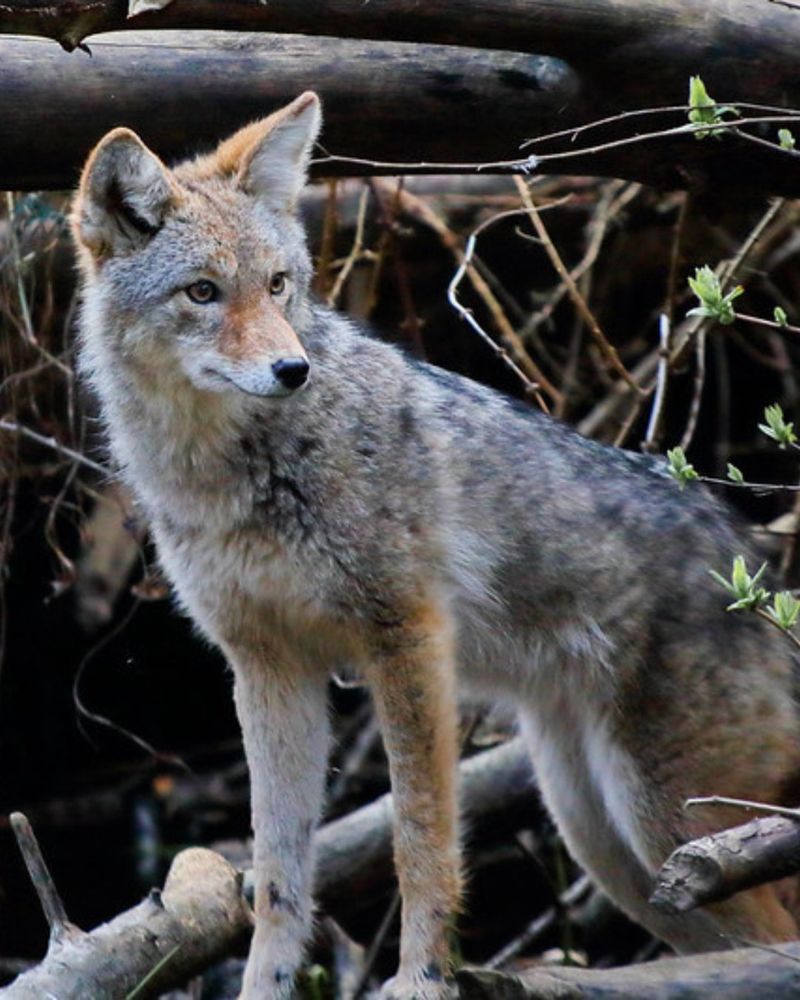
Coyotes thrive when they feel comfortable around humans, so it’s important to remind them that people are not to be trusted.
Making loud, sudden noises is one of the most effective ways to frighten a coyote and encourage it to leave your property quickly.
Clap your hands sharply, yell in a deep and commanding voice, or blow a whistle if you have one handy.
Banging pots and pans together also works well and creates a jarring sound that most coyotes find unpleasant.
The goal is to break the coyote’s sense of security and make it associate your yard with discomfort rather than safety.
Don’t be shy about making as much noise as possible, even if it feels awkward or excessive at first.
Coyotes have excellent hearing, so even moderate noise levels can be enough to send them running.
If the coyote doesn’t leave immediately, continue making noise while slowly advancing toward it, maintaining a safe distance of at least 20 feet.
Never corner the animal or block its escape route, as this could cause it to react defensively.
Consistent noise-making teaches coyotes that your yard is not a safe or welcoming place.
Over time, this conditioning helps reduce the likelihood of future visits.
Keep a whistle or air horn near your back door so you’re always prepared to act quickly whenever a coyote appears.
4. Stand Tall And Make Yourself Look Bigger
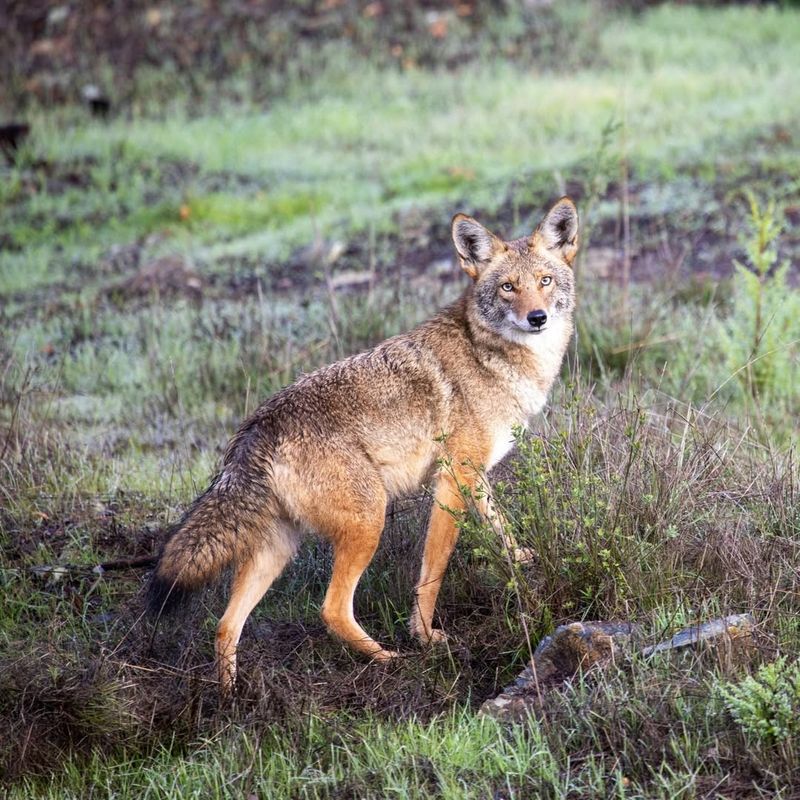
Wild animals respect size and confidence, and coyotes are no exception to this rule.
When a coyote sees you as large and assertive, it’s more likely to retreat rather than investigate further.
Stand up straight, raise your arms above your head, and spread your jacket or hold an object like a broom to increase your visual size.
This simple act can make you appear far more intimidating than you actually are.
Coyotes have evolved to avoid larger predators, and by mimicking that presence, you tap into their instinctive fear response.
If you’re with someone else, stand side by side to create an even larger silhouette.
Wave your arms slowly and deliberately while maintaining eye contact with the coyote, which signals dominance and confidence.
Avoid crouching, bending down, or making yourself smaller, as this can make you seem less threatening or even vulnerable.
Children should be picked up if possible, both to protect them and to add to your overall height and presence.
This technique works best when combined with loud noises and assertive movement.
The more confident and imposing you appear, the faster the coyote will decide that sticking around isn’t worth the risk.
Practicing this behavior ahead of time can help you react quickly and effectively when a real encounter happens.
5. Do Not Turn Your Back Or Run
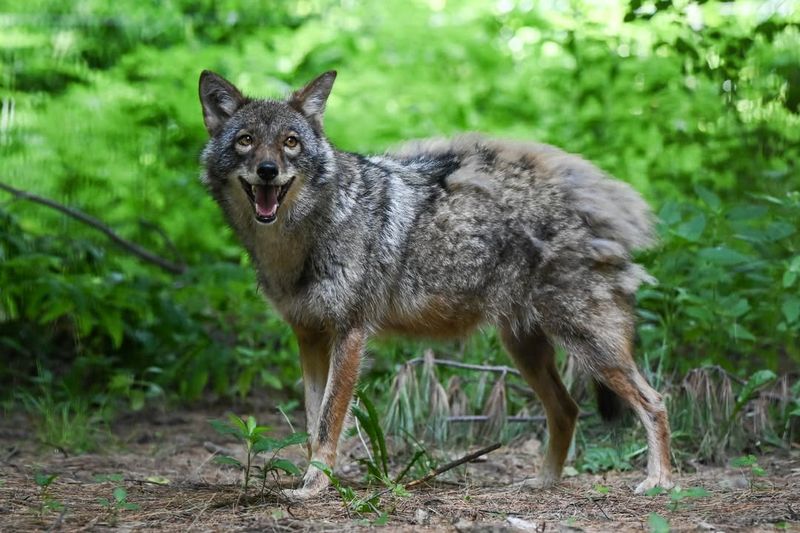
Running away from a coyote might seem like the safest option, but it can actually trigger the animal’s chase instinct.
Coyotes are natural hunters, and fast movement signals prey behavior, which can quickly turn a calm situation into a dangerous one.
Even if you’re scared, resist the urge to sprint toward your house or vehicle.
Instead, back away slowly while keeping your eyes on the coyote at all times.
Maintaining eye contact shows the coyote that you’re aware of its presence and not an easy target.
Turning your back can make you appear weak or vulnerable, which might embolden the coyote to approach closer.
Move deliberately and confidently, taking small steps backward without stumbling or losing your balance.
If the coyote starts to follow you, stop moving and begin making loud noises or throwing objects in its direction to break its focus.
Never crouch down to pick something up, as this makes you look smaller and less threatening.
Keep your body oriented toward the coyote until you’ve reached a safe location like your home or car.
Teaching children this rule is especially important, since their natural reaction might be to run when frightened.
By staying calm and moving strategically, you reduce the risk of provoking aggressive behavior and ensure a safer outcome for everyone involved.
6. Remove Food And Water Sources
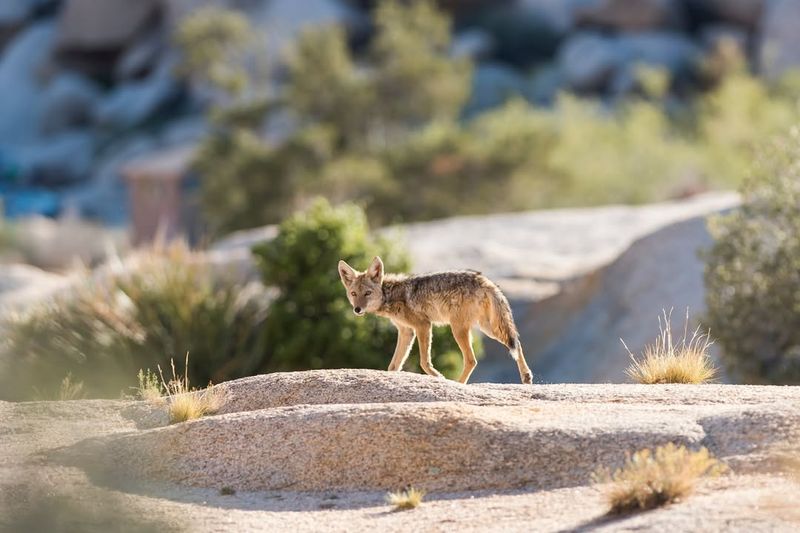
Coyotes are opportunistic feeders, meaning they’ll take advantage of any easy meal they can find in your yard.
Pet food left outside, bird feeders spilling seeds, and fallen fruit from trees are all open invitations for hungry wildlife.
Once a coyote discovers a reliable food source, it will return again and again, increasing the chances of unwanted encounters.
After the coyote leaves your yard, take immediate steps to eliminate anything that might attract it back.
Bring pet food and water bowls inside as soon as your animals finish eating, and never leave them out overnight.
Bird feeders should be placed high enough that seeds don’t scatter on the ground, or consider removing them temporarily if coyote sightings become frequent.
Rake up fallen fruit regularly and dispose of it in sealed bags rather than leaving it to rot on the grass.
Coyotes also drink from pet water dishes, fountains, and even puddles, so minimizing accessible water sources helps discourage visits.
Inspect your yard for other attractants like open garbage bags, compost piles, or outdoor grills with leftover food residue.
Keeping your property clean and unappealing to wildlife is one of the most effective long-term strategies for preventing coyote problems.
When food and water are scarce, coyotes will naturally move on to more promising locations.
7. Secure Trash Compost And Livestock Feed
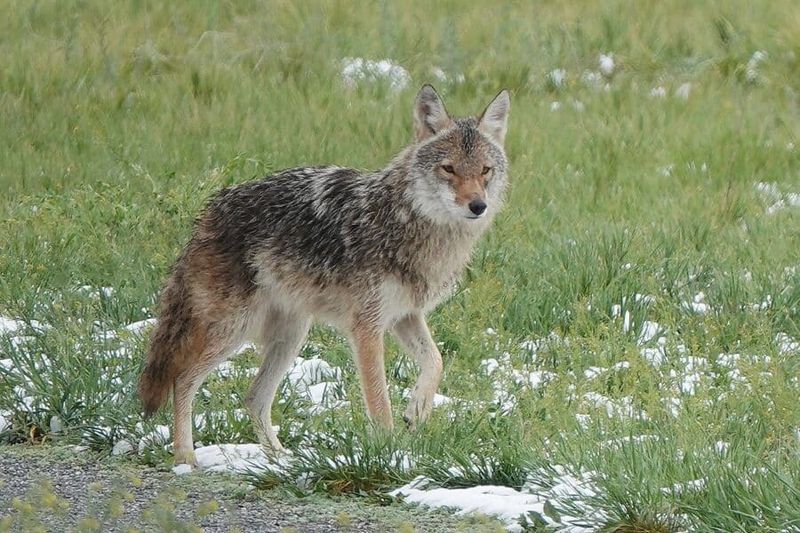
Garbage cans, compost bins, and livestock feed are like buffets for coyotes, offering a variety of smells and flavors that draw them in from miles away.
If these items are left unsecured, coyotes will quickly learn that your property is a convenient place to find their next meal.
Invest in trash cans with locking lids or bungee cords that keep the contents sealed tight, even if the can is tipped over.
Store trash bins inside your garage or shed until collection day, rather than leaving them out on the curb overnight.
Compost piles should be enclosed in sturdy bins with secure covers, and avoid adding meat, dairy, or oily foods that create strong odors.
If you keep chickens, goats, or other small livestock, make sure their feed is stored in sealed containers inside a locked building.
Scattered feed on the ground is especially tempting to coyotes, so clean up spills immediately and feed animals only what they can finish in one sitting.
Coyotes are persistent and intelligent, so even small gaps or weak latches can become entry points.
Regularly inspect your storage areas for signs of tampering or damage, and repair any vulnerabilities right away.
By securing these attractants, you’re removing the incentive for coyotes to visit your property in the first place.
Consistency is key, so make these practices part of your daily routine to keep your yard coyote-free over the long term.
8. Report Bold Daytime Behavior
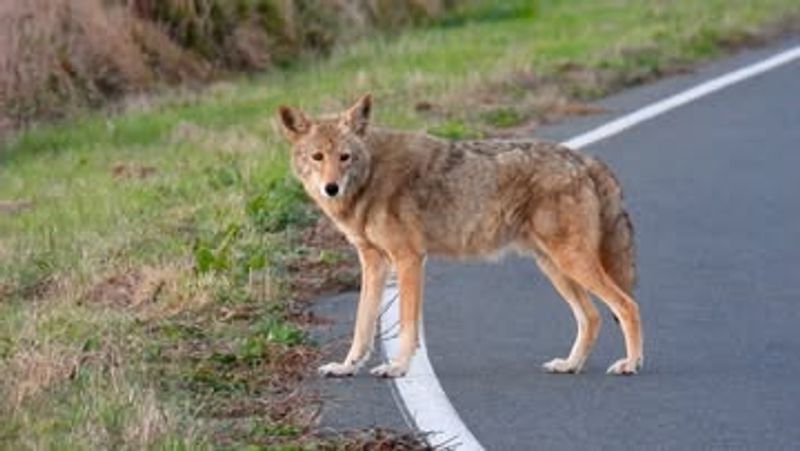
Coyotes are typically most active during dawn and dusk, so seeing one in broad daylight might indicate unusual behavior.
While daytime sightings aren’t always cause for alarm, a coyote that approaches people without fear or acts aggressively should be reported immediately.
Contact your local animal control office, wildlife management agency, or Oklahoma Department of Wildlife Conservation to document the incident.
Provide as much detail as possible, including the time of day, location, and a description of the coyote’s behavior.
Let officials know if the coyote appeared healthy or if it showed signs of illness like stumbling, disorientation, or excessive salivation.
Bold behavior can sometimes indicate that a coyote has become habituated to humans, meaning it no longer fears people and may pose a risk.
In rare cases, unusual behavior could signal rabies or other diseases, which require professional intervention.
Reporting helps authorities track coyote activity in your area and determine whether additional measures like trapping or relocation are necessary.
Don’t hesitate to call even if you’re unsure whether the behavior warrants concern, as it’s always better to err on the side of caution.
Wildlife officials are trained to assess these situations and can provide guidance on how to stay safe.
Keeping a record of sightings also helps your community stay informed and prepared.
Your report could prevent future problems and protect other families in your neighborhood from potentially dangerous encounters.
9. Educate Neighbors And Stay Consistent
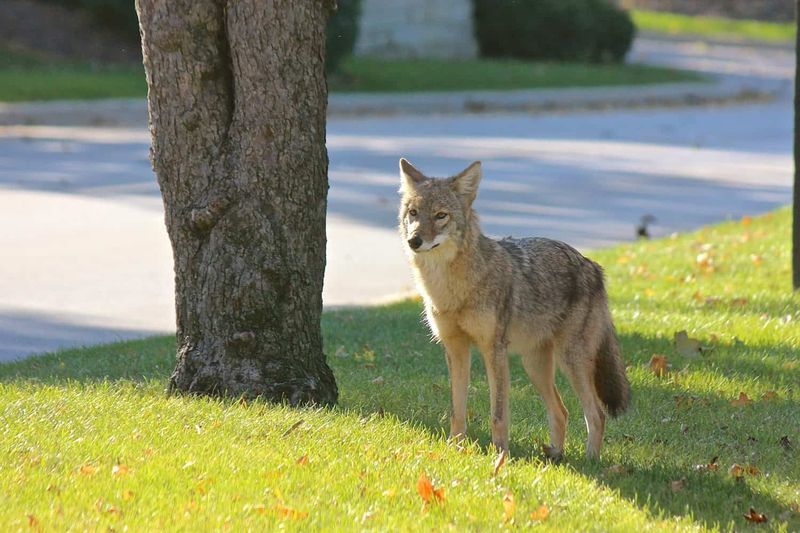
Coyotes don’t respect property lines, so a problem in one yard can quickly become a problem for the entire neighborhood.
Talking with your neighbors about coyote sightings and safety strategies creates a unified approach that’s far more effective than individual efforts.
Share what you’ve learned about removing attractants, making noise, and reporting bold behavior, and encourage everyone to adopt the same practices.
When multiple households work together, coyotes receive a consistent message that the area is not a safe or welcoming place.
Organize a neighborhood meeting or start a group chat where residents can share updates and coordinate their responses.
Some communities have even created phone trees or social media groups specifically for wildlife alerts.
Consistency is crucial because if one household leaves food out while others take precautions, the coyote will simply shift its focus to the easiest target.
Educating children is equally important, as they need to understand how to react safely if they encounter a coyote while playing outside.
Teach them never to approach, feed, or try to pet a coyote, no matter how friendly it seems.
By fostering a community-wide commitment to coyote safety, you reduce the likelihood of repeat visits and create a safer environment for everyone.
Working together also builds stronger neighborhood bonds and ensures that no one feels alone in dealing with wildlife challenges.