Smart Moves To Make When A Coyote Shows Up In Your Michigan Yard And Mistakes To Avoid
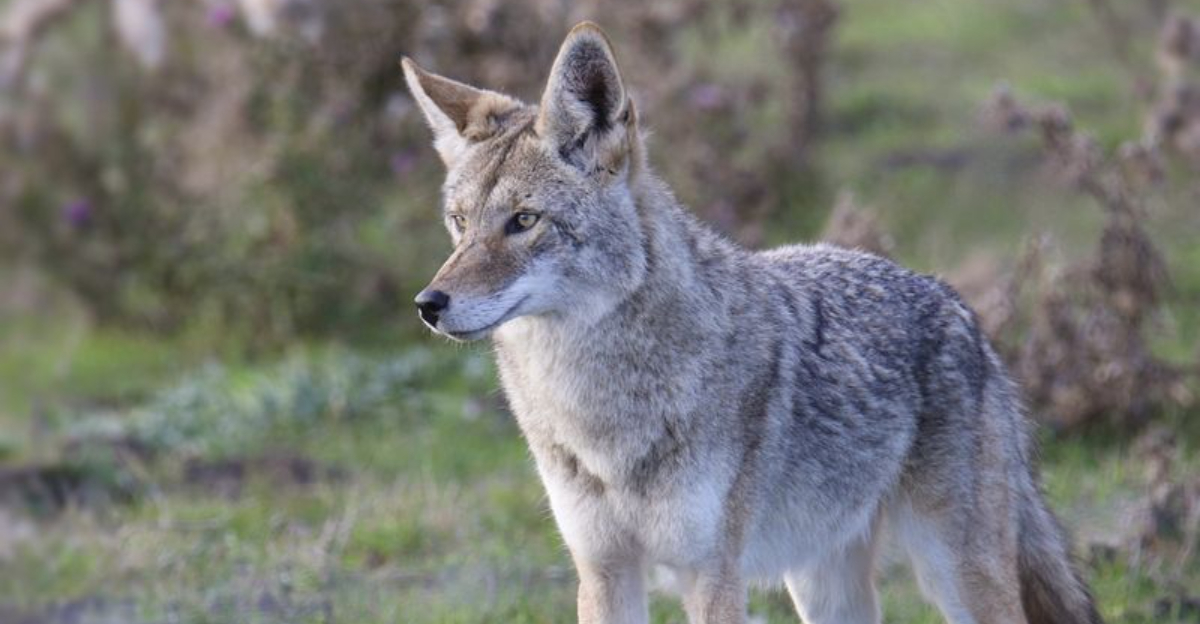
Coyotes have become increasingly common across Michigan, appearing in wooded edges, subdivisions, and even busy neighborhoods.
These adaptable animals often move quietly through yards, searching for food or following natural pathways.
When a homeowner spots one, the right response can prevent problems and maintain a healthy boundary between humans and wildlife.
Simple actions like making noise, securing attractants, and bringing pets indoors encourage coyotes to keep their distance.
At the same time, well-meaning mistakes—such as feeding wildlife or trying to chase a coyote—can cause them to lose their natural fear of people.
Michigan’s wildlife experts emphasize the importance of respectful, informed interactions to ensure safety for both homeowners and coyotes.
Knowing what to do, and what not to do, helps keep neighborhoods peaceful and reduces the chances of unwanted return visits.
Stay Calm And Give The Coyote Space
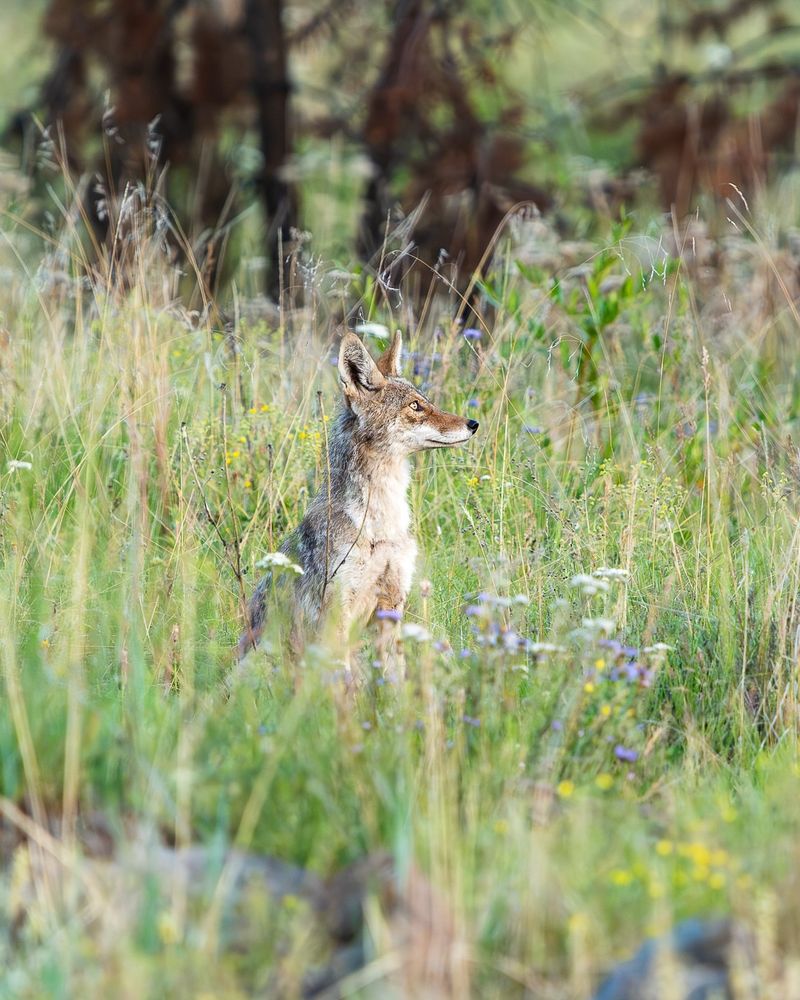
Spotting a coyote can trigger instant worry, but keeping your cool is the first step toward a safe outcome.
Most coyotes passing through Michigan yards are simply traveling from one area to another and have no interest in confrontation.
They usually move on quickly when left alone.
Standing still and giving the animal plenty of room allows it to feel unthreatened and continue on its way.
Panicking or making sudden movements might confuse the coyote or make it feel cornered.
Instead, take a few slow steps backward if you need to increase distance.
Coyotes are naturally wary of humans and prefer to avoid us.
By staying calm, you signal that you are not a threat, and the coyote will likely respond by keeping its distance or leaving.
This quiet, patient approach often resolves the situation without any need for further action.
Remaining composed also helps you think clearly about your next steps.
Whether that means moving indoors, calling pets inside, or simply observing from a safe spot, a calm mindset leads to better decisions.
Respect the animal’s space, and it will usually respect yours in return.
Make Yourself Look Bigger To Encourage It To Leave
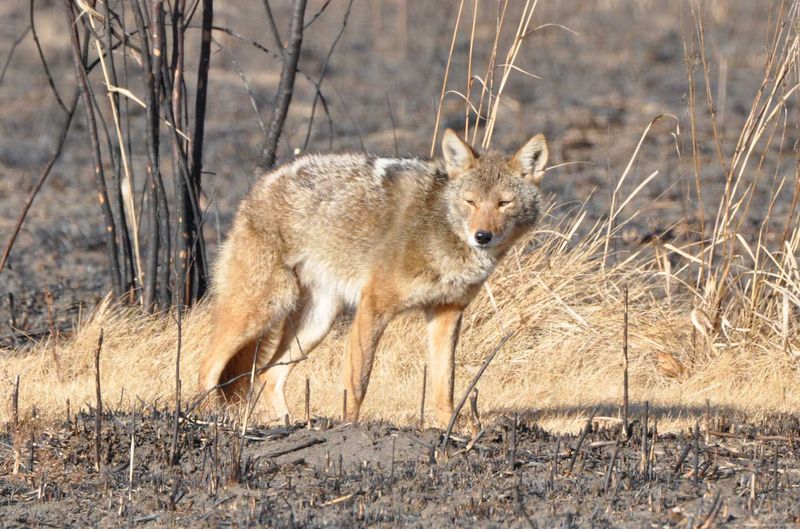
When a coyote lingers too long or seems curious, making yourself appear larger can prompt it to move along.
This technique, called hazing, uses visual intimidation to remind the coyote that humans are not to be approached.
Raising your arms above your head, spreading out a jacket, or standing on a higher surface all work well.
Coyotes rely on body language to assess threats, and a larger silhouette suggests danger.
This simple action can be enough to send the animal trotting away without any physical contact.
It works especially well when combined with noise or movement.
Hazing is recommended by wildlife experts across Michigan as a humane and effective way to discourage bold behavior.
It reinforces the natural fear coyotes should have of humans and helps keep them wild.
Repeated hazing by multiple people in a neighborhood can reduce coyote visits over time.
You do not need to be aggressive or threatening, just assertive.
The goal is to make the coyote uncomfortable enough to leave, not to provoke it into defending itself.
With a few seconds of confident posture, most coyotes will retreat and avoid returning to your yard.
Use Firm Noise To Scare The Coyote Off

Sound is one of the most effective tools for encouraging a coyote to leave your property.
Clapping your hands loudly, shouting in a firm voice, or using a whistle can startle the animal and make it uncomfortable.
Coyotes associate loud noises with danger and will often retreat quickly when they hear them.
Carrying a small air horn or shaking a can filled with coins can also work well.
These tools are easy to keep near your back door or in your pocket during evening walks.
The key is to be consistent and immediate with your response.
Experts suggest using noise every time you see a coyote to reinforce the message that your yard is not a safe place for them.
Over time, this conditioning can reduce the likelihood of repeat visits.
It is especially important if the coyote seems unbothered by your presence at first.
Avoid screaming in a high-pitched or panicked tone, as this can sound like prey and may confuse the animal.
Instead, use a deep, commanding voice that conveys authority.
Pairing noise with movement, like stomping your feet or waving your arms, increases effectiveness and sends a clear signal that the coyote should move on.
Bring Pets And Small Animals Indoors Immediately

Cats, small dogs, and backyard chickens can look like easy prey to a hungry coyote.
If you spot a coyote in your yard, the first thing you should do is bring any vulnerable animals inside right away.
Even medium-sized dogs can be at risk if a coyote feels threatened or is protecting territory.
Coyotes are opportunistic hunters and will take advantage of an easy meal when they see one.
Leaving pets outside unsupervised, especially at dawn or dusk, increases the chance of an encounter.
Even a fenced yard may not be enough protection if the coyote is determined.
Small animals should always be supervised when outside in areas where coyotes are known to roam.
Consider installing motion-sensor lights or keeping pets on a leash during outdoor time.
Indoor safety is the most reliable way to prevent tragedy.
Chickens, rabbits, and other livestock should be housed in secure enclosures with strong fencing and covered tops.
Coyotes are clever and can dig under or jump over weak barriers.
Taking these precautions seriously protects your animals and reduces the attraction your yard holds for wildlife.
Quick action and consistent habits can make all the difference.
Turn On Outdoor Lights To Break The Coyote’s Comfort Zone
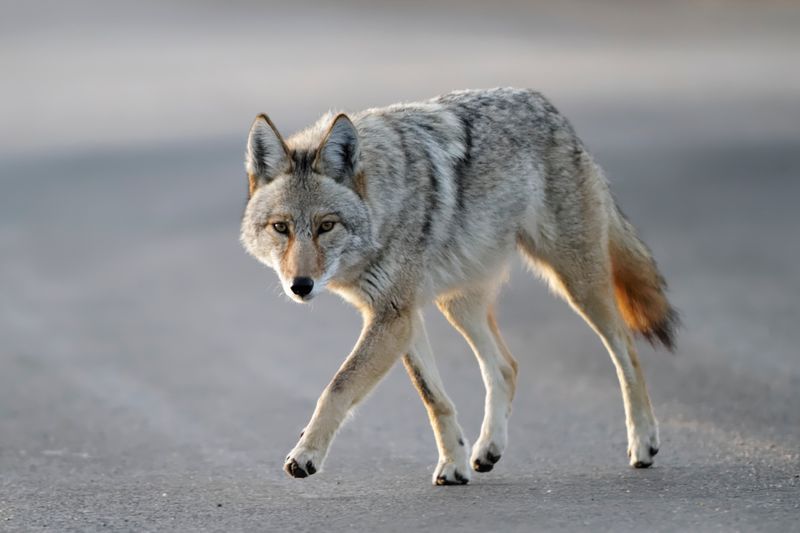
Coyotes prefer to move under the cover of darkness, and bright lights can disrupt their sense of security.
Flipping on your porch light, garage light, or motion-activated floodlights often causes them to retreat quickly.
Sudden illumination makes them feel exposed and vulnerable.
Motion-sensor lights are especially useful because they activate automatically when movement is detected.
This surprise factor can startle a coyote and discourage it from lingering.
Installing these lights around your yard creates a protective barrier that works even when you are asleep.
Lighting also helps you see the coyote clearly and assess its behavior from a safe distance.
If the animal appears sick, injured, or unusually bold, you will be able to notice and report it.
Good visibility gives you more control over the situation.
Some homeowners leave outdoor lights on throughout the night in areas where coyotes are frequently spotted.
While this uses more energy, it can be worth it for peace of mind and added safety.
Pairing lights with other deterrents, like noise or scent repellents, creates a multi-layered defense that keeps coyotes away and protects your property effectively.
Remove Food Sources Like Pet Food, Birdseed, Or Fallen Fruit
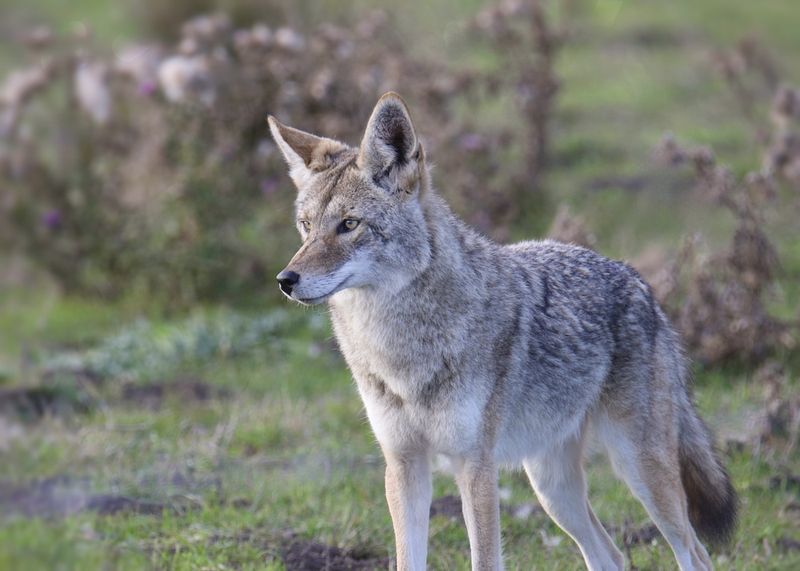
Coyotes are drawn to yards where food is easy to find, and even small amounts can be enough to attract them.
Pet food left outside, birdseed scattered under feeders, or fruit that has fallen from trees all serve as invitations.
Once a coyote finds a reliable food source, it will return again and again.
Feeding pets indoors or removing bowls immediately after meals eliminates one major attractant.
Bird feeders should be placed high and cleaned regularly to prevent seed buildup on the ground.
Fallen fruit should be picked up promptly, especially in late summer and fall.
Coyotes have an excellent sense of smell and can detect food from far away.
Even compost piles or garden vegetables can draw them in if not properly managed.
Keeping your yard clean and free of edible temptations is one of the most effective long-term strategies for preventing visits.
Michigan wildlife experts emphasize that removing food sources reduces human-wildlife conflict and keeps coyotes wild.
When animals learn to associate people with food, they lose their natural wariness and become bolder.
A tidy yard benefits everyone and helps maintain the healthy balance between humans and nature.
Secure Garbage Cans And Close Compost Bins
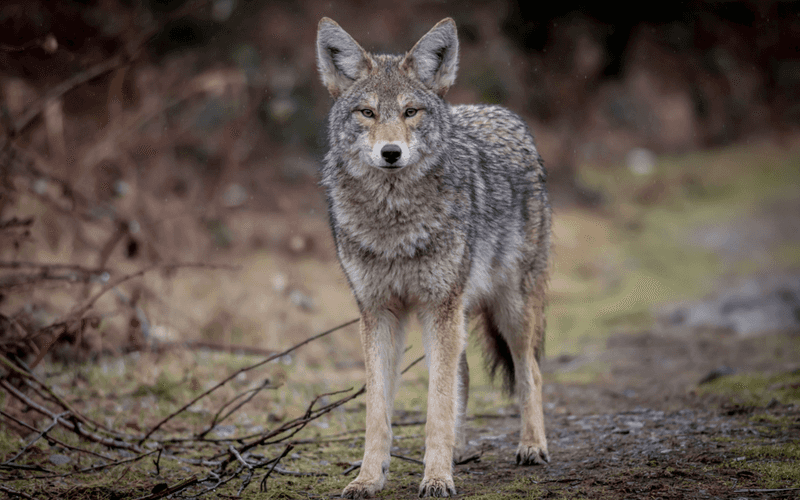
Garbage cans and compost bins are common targets for hungry coyotes searching for an easy meal.
Open or loosely covered containers give off strong odors that attract wildlife from far away.
Michigan DNR identifies unsecured trash as one of the leading reasons coyotes visit residential areas.
Investing in wildlife-proof garbage cans with locking lids can make a significant difference.
These containers are designed to resist tipping and prevent animals from prying them open.
They are widely available at hardware stores and are worth the investment for long-term protection.
Compost bins should also be closed tightly and positioned away from the house if possible.
Avoid composting meat, dairy, or oily foods, as these smells are especially appealing to coyotes.
Turning compost regularly and covering fresh scraps with leaves or soil can help reduce odors.
Taking out trash on the morning of pickup rather than the night before limits the time it sits outside.
This small habit reduces exposure and makes your property less attractive to scavengers.
Keeping garbage and compost secure is a simple, practical step that protects your yard and supports responsible coexistence with wildlife in Michigan neighborhoods.
Report Bold Or Sick Behavior To Michigan DNR Or Local Wildlife Control
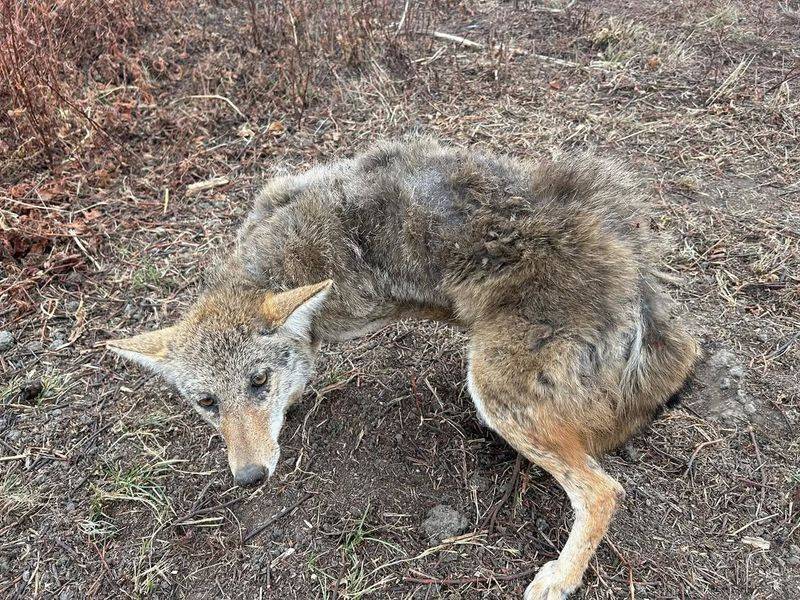
Most coyotes avoid humans and move through yards without incident, but unusual behavior should never be ignored.
If a coyote stumbles, appears disoriented, approaches people directly, or refuses to leave when hazed, it may be sick or habituated.
These signs can indicate rabies, distemper, or other serious issues.
Contacting Michigan DNR or a local wildlife control professional ensures the situation is handled safely and appropriately.
Trained experts can assess the animal’s behavior and determine whether intervention is needed.
Reporting also helps officials track coyote activity and respond to patterns in specific neighborhoods.
Bold behavior, such as following people or entering garages, suggests the coyote has lost its natural fear of humans.
This can happen when animals are fed, either intentionally or unintentionally, and it poses a risk to public safety.
Early reporting allows authorities to address the problem before it escalates.
Keep a safe distance and do not attempt to approach, capture, or handle the coyote yourself.
Observe from indoors if possible and take note of the animal’s appearance and actions.
Providing clear details helps wildlife professionals respond effectively and protects both people and animals in your community.
Do Not Approach Or Try To Pet The Coyote
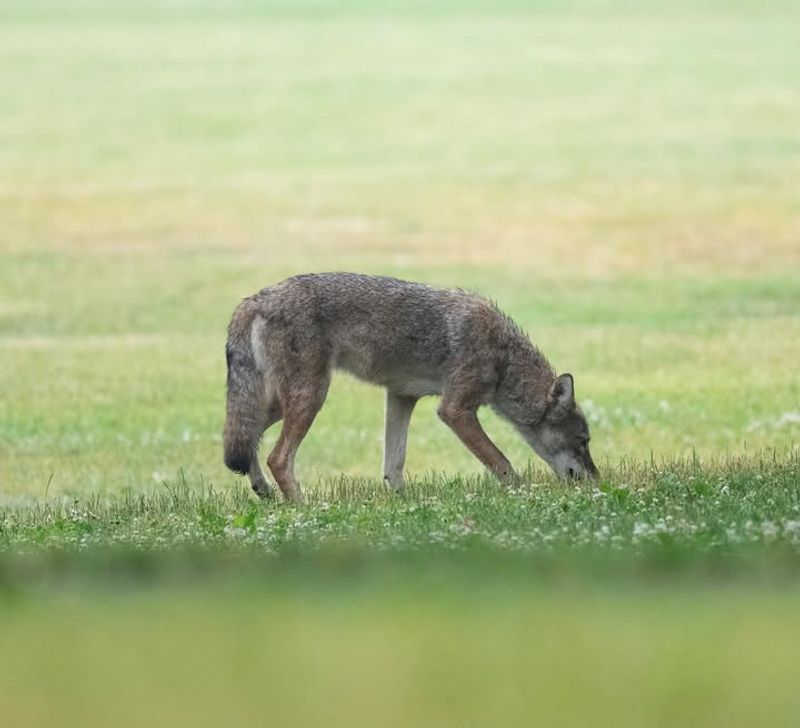
It might seem tempting to get a closer look or even interact with a coyote, especially if it appears calm or curious.
However, approaching a wild animal is never safe and can lead to unpredictable and dangerous outcomes.
Coyotes are not domesticated and may react aggressively if they feel threatened or cornered.
Even a coyote that seems friendly or unbothered by your presence is still a wild predator with strong instincts.
Getting too close increases the risk of a bite or scratch, which can lead to serious injury or disease transmission.
It also teaches the coyote that humans are not a threat, which encourages bolder behavior in the future.
Children should be taught early that wild animals are to be admired from a distance, not approached or touched.
Curiosity is natural, but safety must always come first.
Explaining the risks in simple terms helps kids understand why keeping space is important.
Photographing or observing coyotes from inside your home or vehicle is a much safer option.
Use binoculars or a camera with a zoom lens to get a better view without putting yourself at risk.
Respecting wildlife means appreciating them from afar and allowing them to remain wild and wary of human contact.
Never Feed The Coyote Or Leave Food Out Intentionally
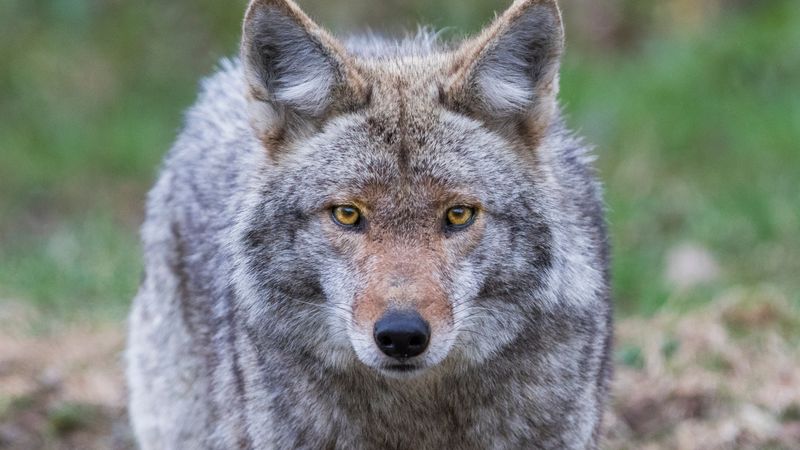
Feeding wild animals might seem kind, but it creates serious problems for both people and wildlife.
When coyotes are fed by humans, they quickly lose their natural fear and begin to associate neighborhoods with easy meals.
This habituation leads to bolder behavior, more frequent visits, and increased risk of conflict.
Intentionally feeding coyotes is illegal in many areas and strongly discouraged by wildlife experts everywhere.
It disrupts the animal’s natural foraging patterns and can make them dependent on human-provided food.
Once a coyote becomes accustomed to being fed, it may become aggressive or demanding when food is not available.
Even leaving food out unintentionally, such as pet bowls or unsecured trash, sends the wrong message.
Coyotes are intelligent and will remember where food was found, returning repeatedly in hopes of finding more.
This behavior puts pets, children, and the coyote itself at risk.
Educating neighbors and family members about the dangers of feeding wildlife helps protect the entire community.
Everyone must work together to keep coyotes wild and wary.
Responsible coexistence means enjoying wildlife from a distance and never offering food, no matter how harmless it might seem at the time.
Do Not Let Pets Confront The Coyote
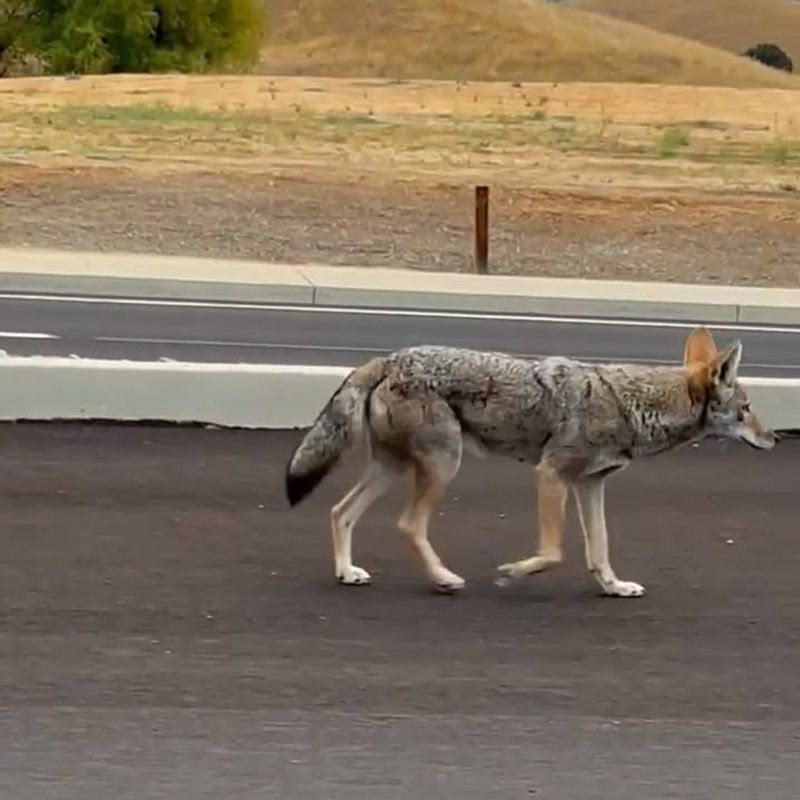
Dogs and coyotes can be a dangerous combination, especially when a pet feels territorial or protective.
Allowing your dog to bark at, chase, or confront a coyote can quickly escalate into a physical fight.
Injuries can happen fast, and even larger dogs are at risk when facing a wild animal.
Coyotes are agile, strong, and experienced fighters, and they may defend themselves aggressively if cornered or challenged.
Some coyotes may also try to lure a dog away from its owner, especially during breeding season when they are more protective of their territory.
Keeping your pet on a leash and under control prevents these dangerous interactions.
Cats should always be kept indoors in areas where coyotes are present.
Even confident outdoor cats are vulnerable to attacks, especially at night.
Indoor living protects cats from coyotes, cars, disease, and other hazards.
If your dog does encounter a coyote, call it back immediately and move in the opposite direction.
Do not let the situation escalate into a standoff.
Keeping pets close and supervised is the best way to avoid conflict and ensure everyone stays safe during a coyote sighting in your Michigan yard.
Avoid Running Away, Which Can Trigger Chase Behavior
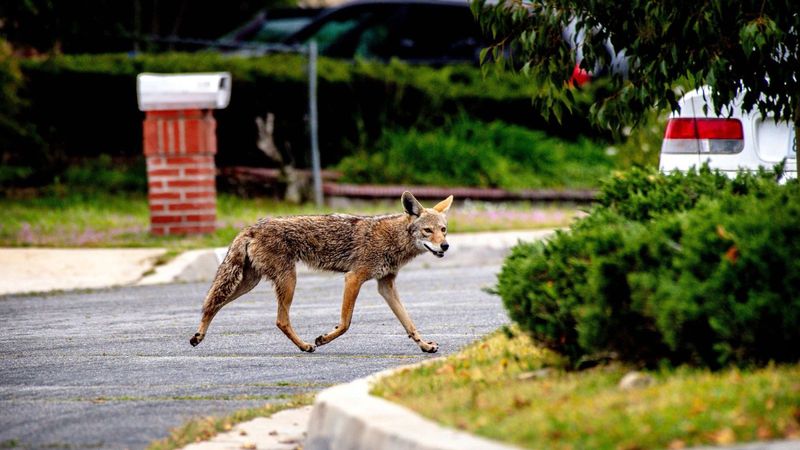
Running away from a coyote might seem like the natural response, but it can actually make the situation worse.
Coyotes have strong predatory instincts, and fast movement can trigger a chase response.
This is especially true if the coyote is curious or testing boundaries.
Instead of running, back away slowly while keeping your eyes on the animal.
Moving calmly and deliberately shows the coyote that you are not prey and that you are not afraid.
This approach is far more effective and keeps you in control of the encounter.
If the coyote follows you, stop and make yourself appear larger, use noise, or throw something in its direction without hitting it.
These actions reinforce that you are not an easy target and encourage the coyote to leave.
Standing your ground is safer than turning your back and fleeing.
Children should also be taught not to run from wildlife.
Practice calm responses at home so everyone knows what to do if a coyote appears.
Running can turn a neutral encounter into a dangerous one, so staying composed and moving slowly is always the smarter choice when dealing with wild animals in your Michigan yard.