10 Smart Reasons Arkansas Homeowners May Want To Let Possums Stay Nearby
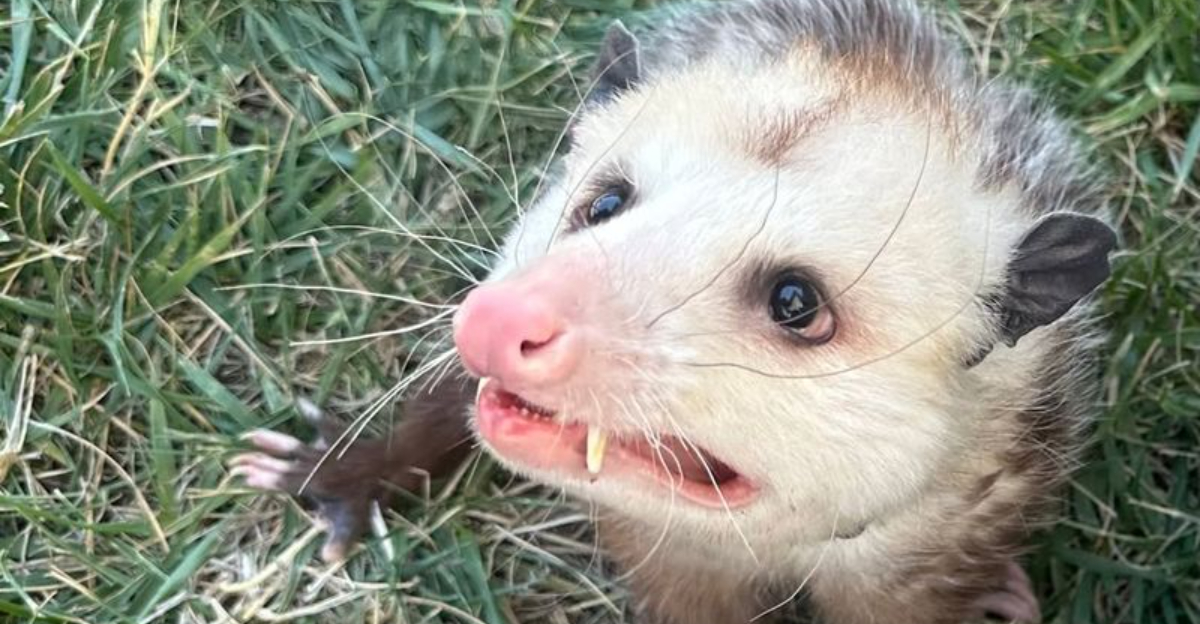
In Arkansas, possums often get a bad rap, but these quiet nighttime visitors are more helpful than most people realize.
While they may look a little rough around the edges, possums tend to mind their own business and play a behind-the-scenes role that benefits yards and neighborhoods.
Many homeowners are surprised to learn that having a possum pass through isn’t always a problem to solve, but sometimes a balance worth keeping.
Like an unseen janitor working the night shift, possums help clean up what’s left behind, often without anyone noticing.
Arkansas yards, with their trees, gardens, and natural spaces, create the perfect environment for these shy animals to do what they do best.
Instead of rushing to push them out, some homeowners are starting to look at the bigger picture.
A little understanding can go a long way, especially when the benefits outweigh the inconvenience.
When you peel back the myths and look at the facts, possums may turn out to be quieter neighbors than expected, fitting right into the rhythm of local wildlife and backyard life.
1. Natural Help With Insects
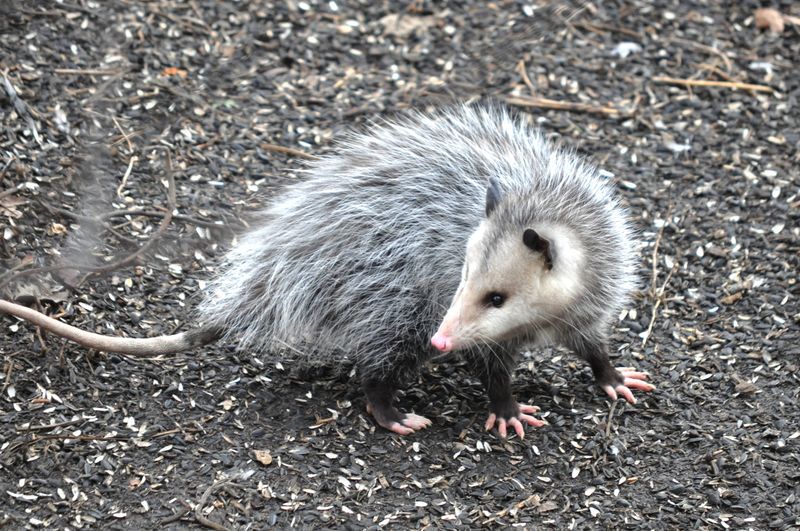
Tick populations across Arkansas have homeowners worried about Lyme disease and other health concerns, but possums offer a natural solution that works around the clock.
These marsupials consume thousands of ticks each season simply by grooming themselves as they move through yards and wooded areas.
Their meticulous self-care habits mean they eat nearly every tick that latches onto their fur during nightly travels.
Research shows a single possum can eliminate up to 5,000 ticks in one season, making them more effective than chemical treatments in some cases.
They also snack on beetles, cockroaches, and other unwanted insects that invade gardens and crawl spaces.
Unlike pesticides that require repeated applications and can harm beneficial insects, possums target problem bugs without affecting pollinators like butterflies and bees.
Their appetite for creepy crawlies means fewer pests bothering your family during outdoor activities.
Arkansas summers bring mosquitoes, but possums help control the larvae by eating insects at various life stages.
Homeowners who embrace these nighttime helpers often notice fewer bug bites and reduced need for chemical interventions.
Encouraging possums to visit your property creates a sustainable pest management system that costs nothing and works naturally with your local ecosystem.
2. A Quiet And Shy Visitor

Many Arkansas residents fear wildlife encounters, but possums rank among the most timid creatures you will find near your home.
Their first instinct when startled involves freezing in place or slowly backing away rather than charging or acting aggressively.
This defensive strategy keeps interactions peaceful and reduces stress for both homeowners and animals.
Possums typically forage after dark when most families have gone indoors, meaning you might never even see the helpful visitor working through your yard.
Their nocturnal schedule naturally minimizes human wildlife conflicts that occur with daytime animals.
When threatened, possums may hiss or show their teeth, but this display rarely leads to actual confrontation.
They prefer escaping to safety over fighting, making them far less confrontational than many domestic cats.
The famous playing possum behavior demonstrates their peaceful nature perfectly.
Rather than attacking when cornered, they enter an involuntary catatonic state that discourages predators.
Homeowners with young children appreciate knowing that possums will avoid contact rather than approach curiously like raccoons or squirrels might.
Their reclusive personality means they conduct their beneficial activities without demanding attention or creating disturbances that wake sleeping families.
Property owners can rest easy knowing these gentle marsupials want nothing more than to quietly search for food and move along.
3. Helpful Cleanup In The Yard
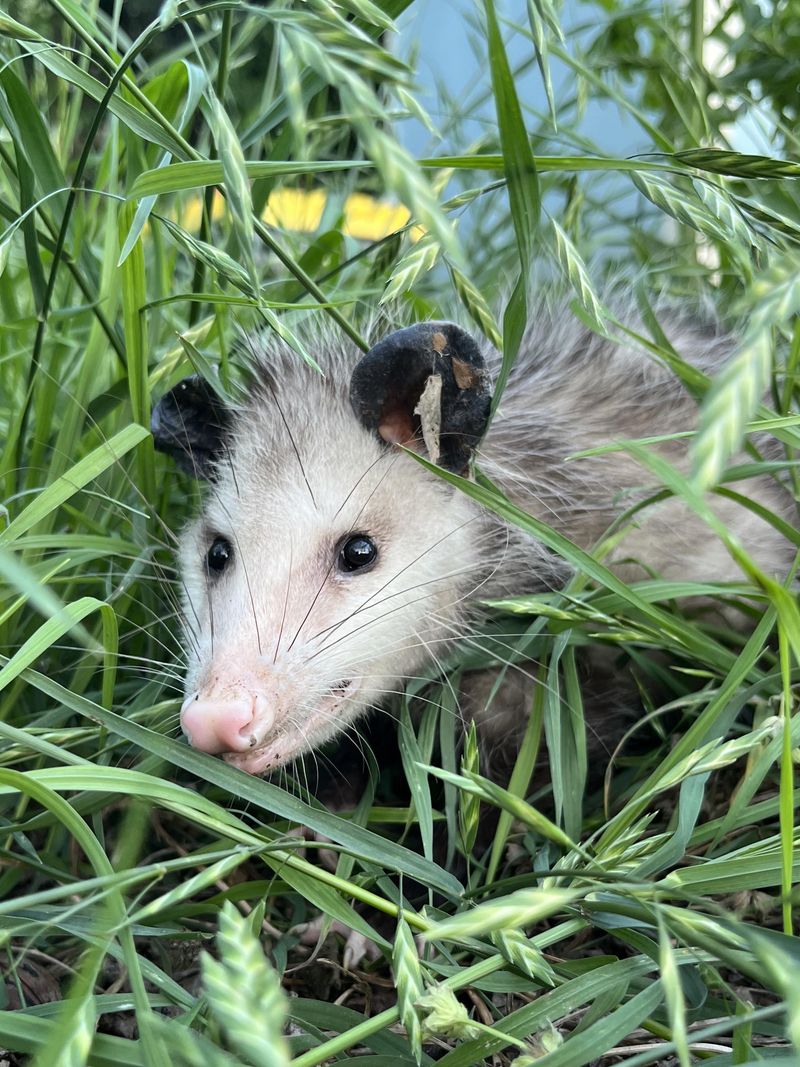
Fallen fruit from Arkansas peach trees and berry bushes creates messy yards that attract wasps and rot on the ground, but possums provide free cleanup services.
These opportunistic eaters consume overripe produce before it becomes a slimy problem or draws swarms of yellow jackets to your outdoor living spaces.
Their scavenging habits keep yards tidier without requiring homeowners to constantly rake and bag organic waste.
Possums also consume pet food accidentally left outside, preventing it from spoiling or attracting more problematic animals like aggressive raccoons.
They eat carrion and roadside remains that might otherwise smell unpleasant near residential areas.
Garden scraps tossed into compost piles become possum snacks, speeding decomposition and reducing waste volume.
Their diverse diet means almost nothing goes to waste when these efficient recyclers patrol your property.
Arkansas homeowners with fruit trees particularly benefit from possums eating windfalls that would otherwise ferment and create slippery hazards on walkways.
This natural sanitation service prevents mold growth and reduces fly populations around homes.
Rather than spending weekend hours cleaning up yard debris, property owners can let possums handle much of this work overnight.
Their appetite for decaying matter makes them nature’s cleanup crew, working tirelessly to keep outdoor spaces fresher and more pleasant for human enjoyment.
4. Low Risk To Pets
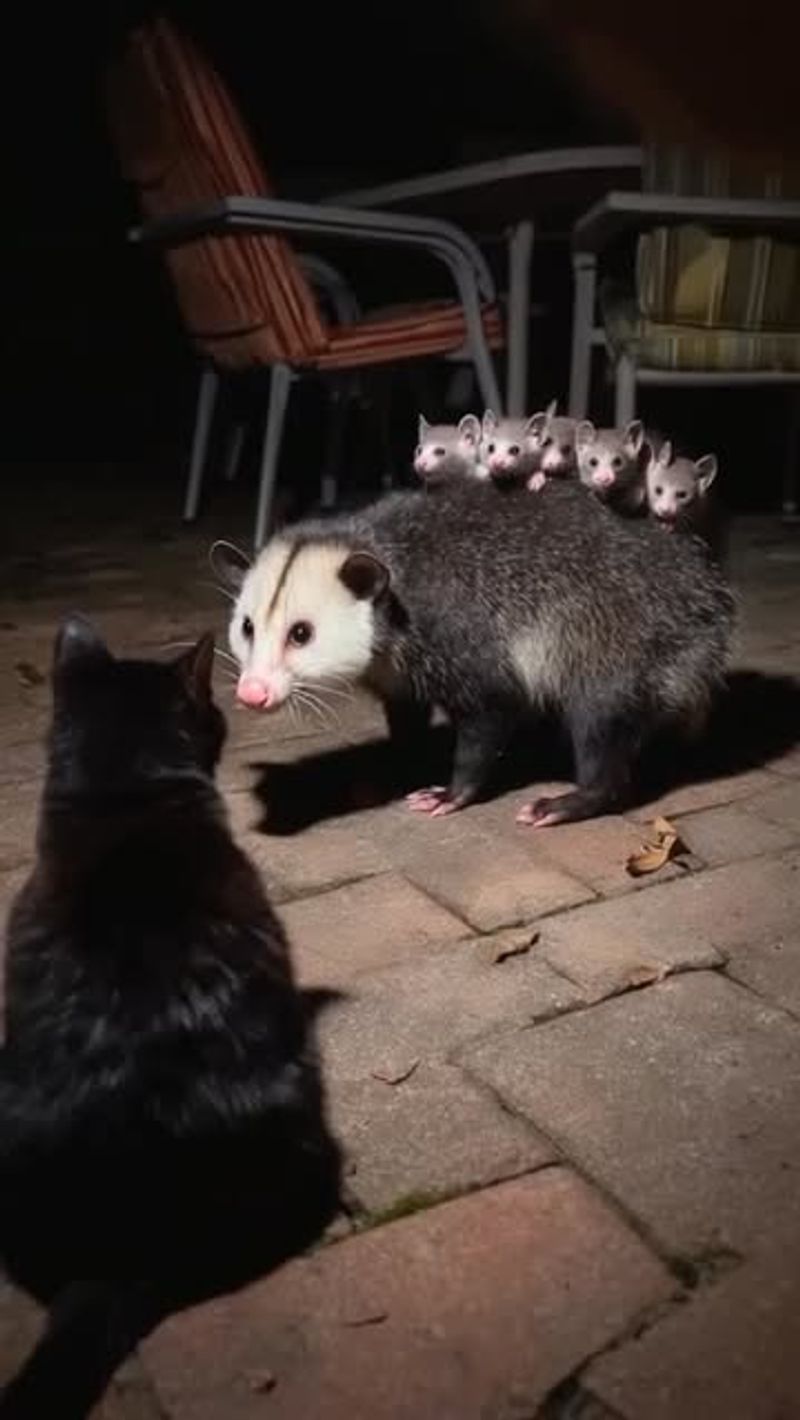
Pet owners throughout Arkansas worry about wildlife threatening their beloved dogs and cats, but possums present minimal danger compared to other backyard visitors.
These marsupials lack the aggressive territorial instincts that make raccoons and foxes risky around domestic animals.
When encountering pets, possums typically retreat or play possum rather than engaging in fights that could injure your furry family members.
Their mouths contain 50 teeth, yet possums rarely bite unless severely provoked and unable to escape.
Most pet interactions involve curious sniffing followed by the possum slowly wandering away to continue foraging.
Possums carry fewer diseases transmissible to pets than many people assume.
Their lower body temperature makes them resistant to rabies, though routine pet vaccinations remain important for overall health protection.
Dogs may bark at possums initially, but these encounters usually end peacefully once the novelty wears off.
Cats and possums often ignore each other completely, as neither species views the other as prey or threat.
Homeowners can supervise initial pet possum meetings to ensure everyone stays calm, but most Arkansas families find their animals quickly learn to coexist with these harmless neighbors.
Keeping pet food indoors prevents competition over resources that might create tension between species during nighttime hours.
5. Part Of The Local Ecosystem
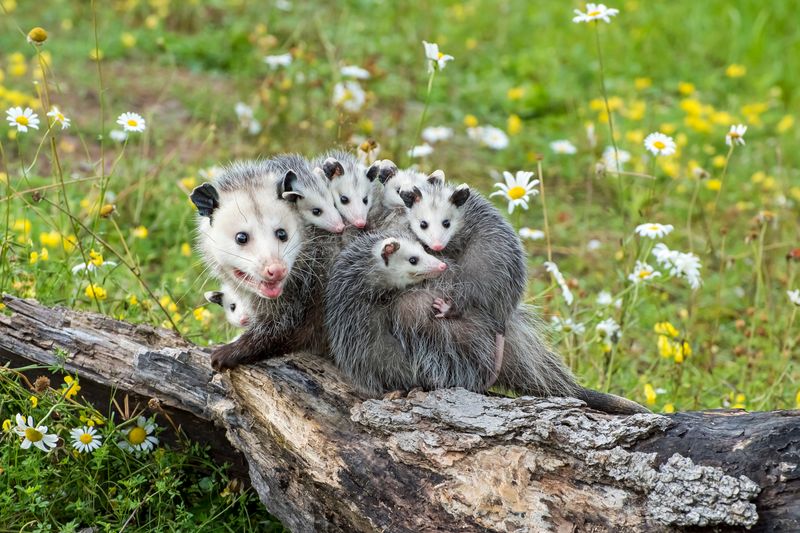
Arkansas ecosystems evolved over thousands of years with possums playing essential roles that keep natural systems functioning smoothly.
These marsupials serve as prey for larger predators like owls and coyotes, supporting healthy populations of species that control other animal numbers.
Removing possums disrupts food chains and creates imbalances that ripple through entire habitats.
Their seed dispersal activities help native Arkansas plants spread to new areas, maintaining forest diversity and regeneration.
Seeds pass through possum digestive systems and get deposited in different locations, promoting plant growth across landscapes.
Possums also control snake populations by consuming smaller serpents and snake eggs they encounter during foraging.
This natural predation keeps reptile numbers balanced without human intervention.
As omnivores, possums occupy a unique ecological niche that few other animals fill as effectively in Arkansas environments.
They connect different levels of food webs by eating both plants and animals, creating stability in biological communities.
Conservation biologists recognize possums as indicator species whose presence signals healthy functioning ecosystems.
When these marsupials thrive near homes, it demonstrates that the local environment maintains good biodiversity and natural balance.
Homeowners who support possum populations contribute to broader environmental health that benefits all Arkansas residents through cleaner air, water, and soil maintained by functioning ecosystems.
6. No Damage To Lawns Or Gardens
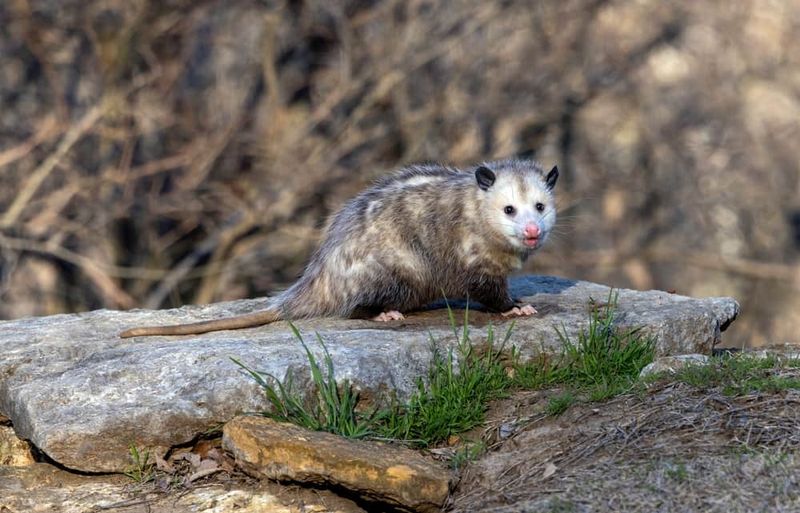
Unlike armadillos that dig destructive holes or deer that devour entire flower beds, possums move through Arkansas yards with remarkably little impact.
Their feet lack the strong claws needed for extensive digging, so lawns remain intact even after nightly possum visits.
Homeowners wake to find grass undisturbed and landscaping exactly as they left it.
Possums rarely eat healthy garden plants, preferring fallen fruit, insects, and other easy food sources over fresh vegetables.
Your tomato plants and squash vines stay safe when possums pass through looking for grubs and beetles.
These animals do not create burrows that undermine foundations or sidewalks like groundhogs and moles commonly do.
They use existing spaces under decks or in hollow trees for temporary shelter, then move along without establishing permanent dens that cause structural concerns.
Garden fences and chicken wire meant to exclude other pests work equally well for possums if homeowners prefer keeping them away from specific areas.
Their non aggressive nature means they respect barriers rather than persistently trying to break through like determined raccoons.
Arkansas property owners appreciate that possums consume garden pests without becoming pests themselves.
This balanced relationship allows homeowners to enjoy both beautiful landscaping and the benefits possums provide without constant repair work or protective measures that other wildlife require.
7. Seasonal Visitors Not Permanent Residents
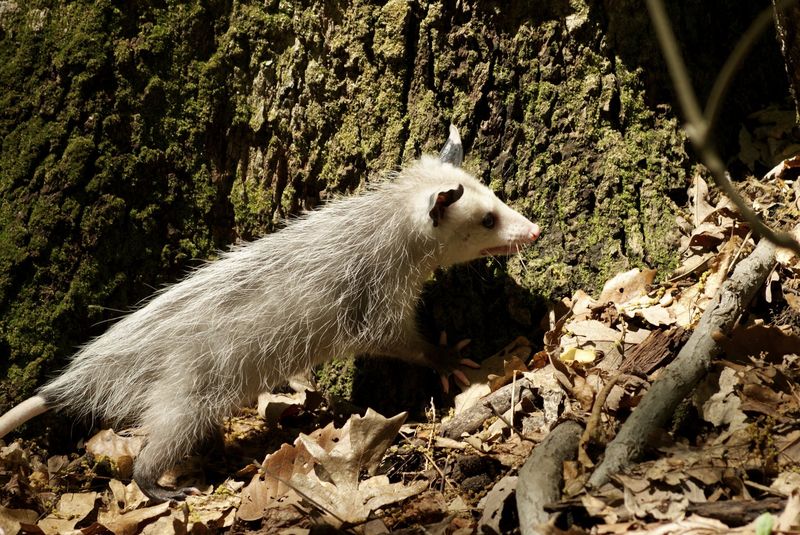
Concerns about wildlife taking up permanent residence vanish with possums, as these wandering marsupials rarely settle in one location for extended periods.
Their natural behavior involves moving through territories covering several acres, meaning the possum you see tonight will likely be somewhere else tomorrow.
This transient lifestyle prevents the overcrowding issues that occur when animals establish fixed homes on properties.
Arkansas possums adjust their ranges seasonally, following food availability and weather patterns rather than claiming specific yards as exclusive territory.
During spring and summer, they roam widely, while winter may bring temporary sheltering in protected spots before moving on.
Breeding season causes female possums to seek safe spaces for raising young, but even nursing mothers typically relocate their families within weeks.
Once babies mature enough to travel, the entire group disperses to new areas.
Homeowners who provide inadvertent food sources might see regular visitors, but eliminating attractants quickly encourages possums to expand their foraging routes elsewhere.
Simple changes like securing garbage cans send these adaptable animals toward other food opportunities.
This nomadic nature means property owners enjoy possum benefits without long term commitments or the feeling that wildlife has taken over their space.
Each visit represents a temporary arrangement that naturally resolves itself as possums continue their endless wandering through Arkansas neighborhoods and wild areas.
8. Less Aggressive Than Many Other Animals

Raccoons cause thousands of dollars in Arkansas property damage annually through aggressive behavior, but possums offer a refreshingly peaceful alternative.
Where raccoons tear open garbage bags, rip shingles from roofs, and fight viciously when cornered, possums simply freeze or retreat when encountering obstacles.
Their conflict avoidance instincts make them far easier neighbors than many wildlife species.
Possums lack the intelligence and dexterity that make raccoons such troublesome problem solvers.
They cannot open latches, unscrew lids, or figure out complex ways into secured areas, meaning your property stays protected from the clever destruction raccoons inflict.
Skunks defend themselves with noxious spray that lingers for weeks, while possums rely on playing possum and slow retreats that create no lasting unpleasantness.
Homeowners never face the nightmare of skunk odor permeating homes after possum encounters.
Even squirrels show more aggression than possums, chattering angrily and occasionally biting when protecting nests or food caches.
Possums maintain calm dispositions that prevent the territorial disputes other animals create.
Arkansas families with outdoor living spaces appreciate knowing that possums will not chase children, steal food from picnic tables, or create confrontational situations during evening gatherings.
Their docile temperament allows humans and wildlife to share spaces without constant conflict or fear of aggressive encounters that require professional removal services.
9. Protected By State Wildlife Rules
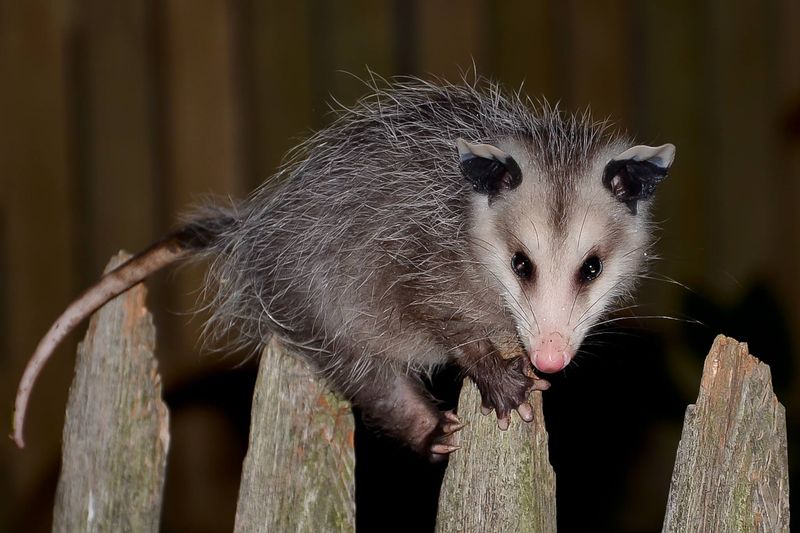
Arkansas Game and Fish Commission regulations govern wildlife interactions, and understanding possum protections helps homeowners stay compliant with state laws.
These rules exist because possums provide ecological benefits that outweigh temporary inconveniences they might cause around properties.
Regulations ensure animals receive humane treatment while allowing homeowners reasonable options for managing wildlife concerns.
Harming possums unnecessarily can result in fines and legal consequences that far exceed any problems the animals create.
State authorities recognize possums as beneficial wildlife deserving protection from casual harm or thoughtless removal.
Licensed wildlife rehabilitators throughout Arkansas stand ready to help with genuine possum conflicts, offering legal solutions that protect both property owners and animals.
These professionals understand regulations and provide guidance that keeps everyone on the right side of the law.
Homeowners who learn to coexist with possums avoid legal headaches while contributing to conservation efforts that benefit all Arkansas residents.
Working within wildlife regulations demonstrates responsible property stewardship and environmental citizenship.
Most possum situations resolve naturally without intervention, making legal concerns unnecessary for patient homeowners.
When action becomes essential, consulting Arkansas Game and Fish Commission resources ensures compliance with current regulations.
Understanding that possums enjoy legal protections encourages people to view them as valuable neighbors rather than disposable nuisances, fostering attitudes that support healthier relationships between humans and wildlife across the state.
10. Simple Changes Can Encourage Peaceful Coexistence
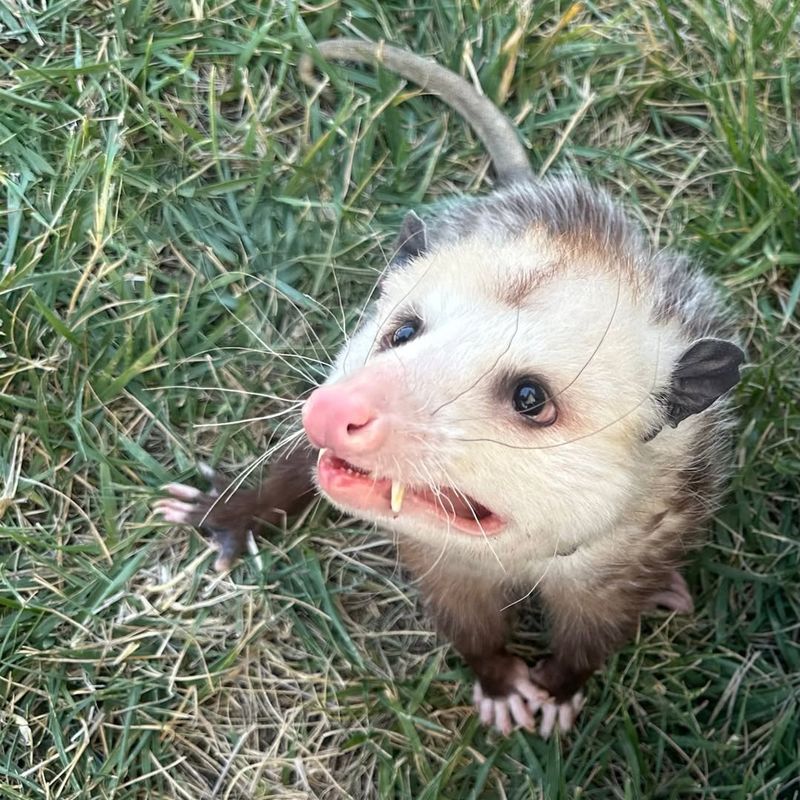
Living harmoniously with possums requires minimal effort compared to the extensive modifications needed for excluding other wildlife species.
Bringing pet food indoors before dark removes the primary attractant that draws possums close to homes, solving most concerns without conflict.
This simple habit takes seconds but dramatically reduces wildlife encounters that make some homeowners uncomfortable.
Securing garbage can lids with bungee cords or latches prevents possums from accessing trash, encouraging them to forage in natural areas instead.
Unlike raccoons that require expensive specialized containers, possums respect basic barriers that any hardware store supplies.
Trimming tree branches away from rooflines eliminates easy access to attics and crawl spaces where possums might seek temporary shelter.
This maintenance benefits homes in multiple ways beyond wildlife management, including reducing storm damage risks.
Motion activated lights gently discourage nighttime visitors without harming animals or creating ongoing expenses.
Possums prefer darkness for foraging and will naturally shift routes when lights illuminate their paths.
Homeowners who implement these straightforward strategies enjoy all the pest control and cleanup benefits possums provide while maintaining comfortable boundaries around living spaces.
Education replaces fear when people realize how easily humans and possums share Arkansas neighborhoods.
These practical solutions cost little, require minimal time, and create win win situations where wildlife thrives alongside human communities in balanced sustainable relationships.