9 Smart Reasons Ohio Gardeners Crush Eggshells For Garden Soil
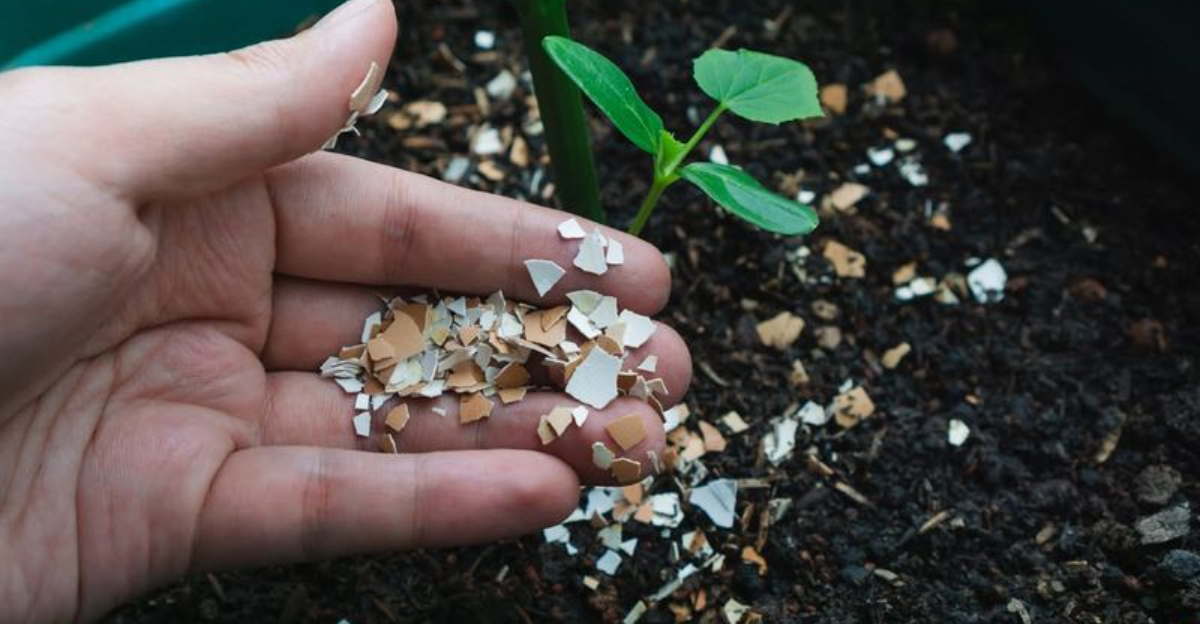
To many Ohio gardeners, eggshells are not trash, but a free soil upgrade.
Crushing them before adding them to the garden helps unlock their full potential.
Eggshells break down slowly, adding minerals while improving soil structure over time.
In Ohio’s often heavy or compacted soils, these small additions can make a noticeable difference.
Gardeners also use crushed shells as a gentle deterrent for certain pests, all without chemicals.
Like many old fashioned gardening tricks, this habit has stuck around because it works.
It costs nothing, reduces waste, and supports healthier soil.
Winter months are especially popular for saving shells, as gardeners prepare for spring planting.
What seems like a minor step adds up over time.
When it comes to soil health, small consistent efforts often produce the biggest results.
1. They Add Slow Release Calcium To Soil

Calcium stands as one of the most essential nutrients for robust plant growth, yet many Ohio soils run surprisingly low on this vital element.
Crushed eggshells contain roughly 40 percent calcium carbonate, making them an excellent natural source that feeds your plants gradually over weeks and months.
As the tiny shell fragments break down through weathering and microbial action, they release calcium ions that plant roots absorb readily.
Tomatoes, peppers, and squash especially benefit from steady calcium availability because it prevents blossom end rot, that frustrating condition where the bottom of fruits turns dark and mushy.
Strong cell walls depend on adequate calcium, which means sturdier stems that resist wind damage and support heavy fruit loads.
Unlike chemical fertilizers that can burn roots or leach away quickly, eggshells provide a gentle, sustained feeding that matches how plants naturally take up nutrients.
Ohio’s spring rains and summer storms often wash soluble nutrients deeper into the soil profile, but shell particles stay put and continue releasing calcium right where roots need it.
You can crush shells to different sizes depending on how quickly you want them to work—fine powder acts faster while coarser pieces last longer.
Either way, your plants receive consistent nourishment throughout the growing season without any risk of over-application.
2. They Improve Soil Structure
Anyone who has gardened in Ohio knows the challenge of heavy clay soil that clumps together and drains poorly after rainstorms.
This dense earth makes it tough for tender seedling roots to push through and limits oxygen flow to the root zone.
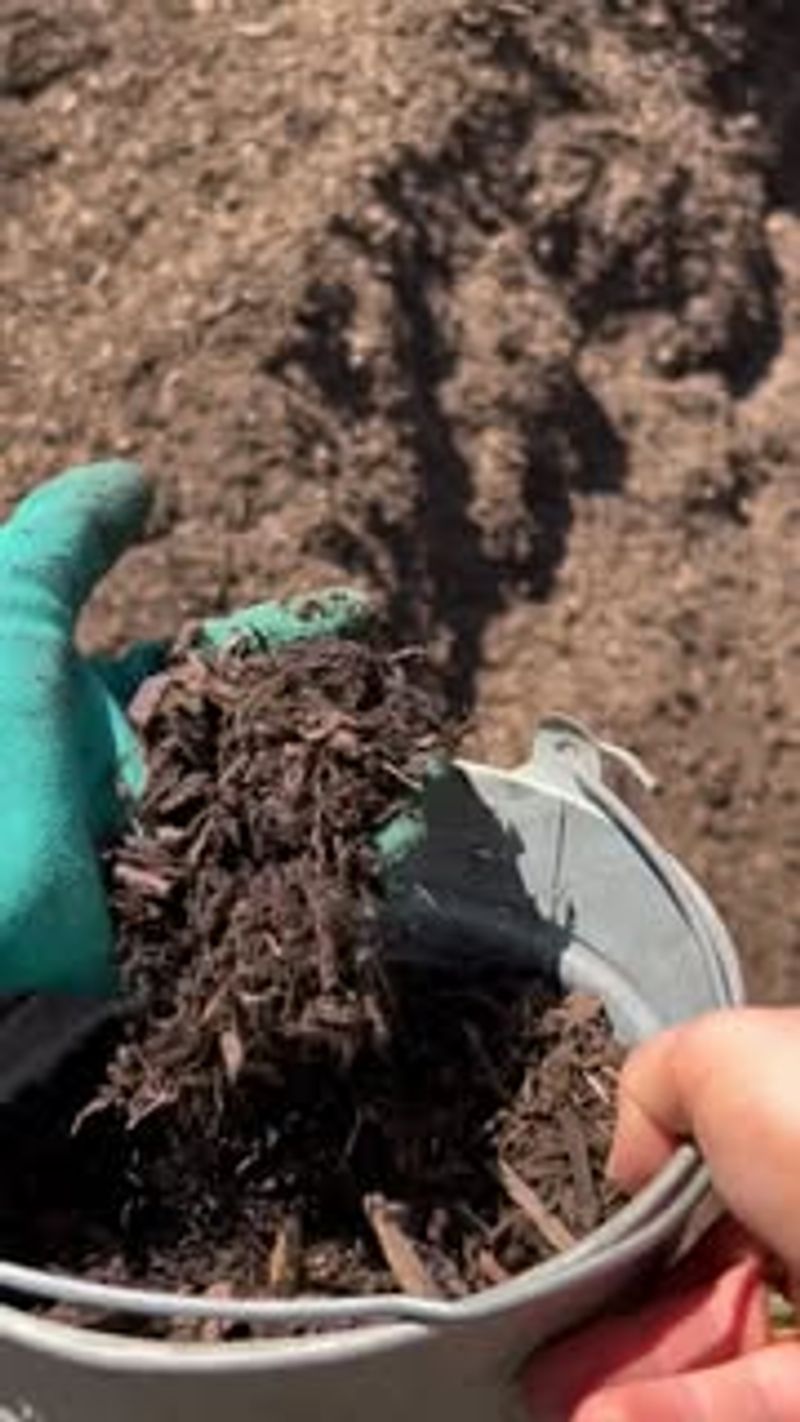
Mixing crushed eggshells into clay creates tiny air pockets and prevents soil particles from packing tightly against each other, resulting in a looser, more workable texture.
The irregular shapes and edges of shell fragments act like miniature spacers between clay platelets, maintaining pathways for air and water movement even after heavy rains compress the surface.
Better soil structure means roots spread more easily, establishing strong anchor systems that support vigorous top growth.
Improved drainage also reduces standing water problems that can stress plants and encourage root issues during our humid Ohio summers.
Adding shells works particularly well when you incorporate them during fall garden cleanup or early spring preparation, giving them time to settle in before planting.
You’ll notice the difference when you dig into amended soil—it crumbles nicely instead of forming sticky clods that stick to your tools.
Over several seasons, regular eggshell additions create lasting improvements that make every gardening task easier, from transplanting seedlings to pulling weeds.
Your back will thank you for the lighter, fluffier soil that requires less effort to work with.
3. They Support Earthworm Activity
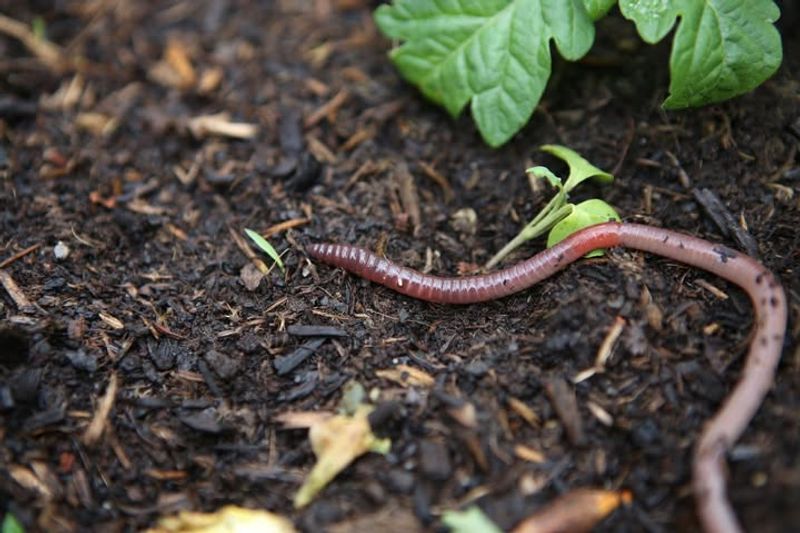
Earthworms serve as nature’s underground gardeners, tunneling through soil and leaving behind nutrient-rich castings that plants love.
These beneficial creatures actually need grit in their digestive systems to help grind up organic matter, much like birds use small stones in their gizzards.
Crushed eggshells provide exactly the kind of coarse material earthworms seek out, encouraging them to take up residence in your garden beds.
As worms consume soil and organic debris, they ingest tiny shell particles that aid their internal processing of food.
Their constant movement through the earth creates channels that improve drainage and allow plant roots to penetrate deeper for water and nutrients.
Worm tunnels also increase oxygen availability throughout the root zone, promoting healthier microbial populations that further enhance soil fertility.
Ohio gardens with active earthworm populations show noticeably better plant performance because these hardworking invertebrates essentially till and fertilize the soil continuously without any effort on your part.
The calcium from eggshells also benefits the worms themselves, supporting their reproduction and population growth.
More worms mean more natural soil conditioning happening around the clock, creating a thriving underground ecosystem that makes your garden more productive year after year.
You can often spot increased worm activity by the small castings they leave on the soil surface near where you’ve added crushed shells.
4. They Reduce Kitchen Waste
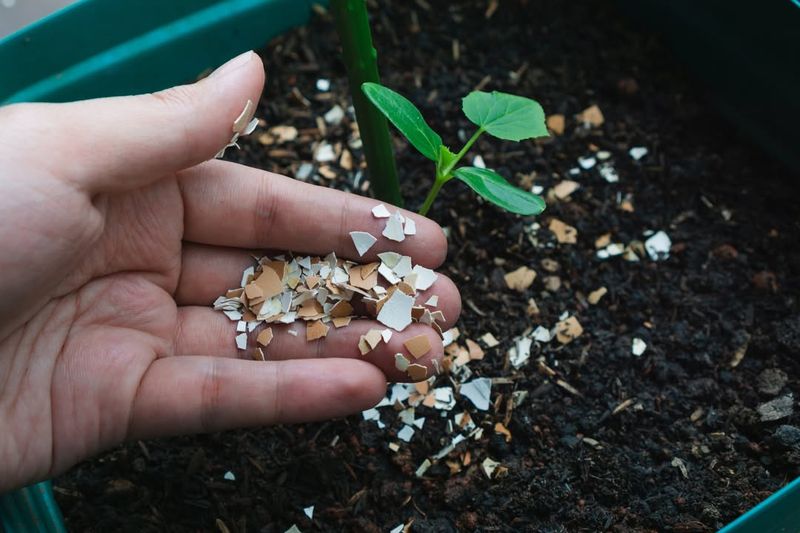
Most households toss dozens of eggshells into the trash each month without realizing they’re throwing away valuable garden resources.
Breakfast scrambles, baking projects, and homemade pasta all generate shells that could nourish your plants instead of filling up landfills.
Starting a simple collection system takes just minutes but makes a real difference in reducing the waste your family sends to the curb.
Keep a small container on your kitchen counter or under the sink where you can rinse and store shells until you have enough to crush.
Some gardeners let them air dry for a day or two, which makes them easier to pulverize into smaller pieces.
You can crush shells by hand in a bag with a rolling pin, pulse them in a food processor, or even run them through a blender for fine powder.
This practice connects your kitchen directly to your garden, creating a satisfying closed-loop system where nothing goes to waste.
Kids especially enjoy helping collect and crush shells, learning valuable lessons about recycling and where food comes from.
Instead of contributing to methane-producing landfills, your eggshells return to the earth and help grow next season’s vegetables.
The money you save on soil amendments adds up quickly too, since you’re creating free fertilizer from something you’d normally discard.
Every shell you save represents a small victory for both your garden and the environment.
5. They Help Balance Soil pH Over Time
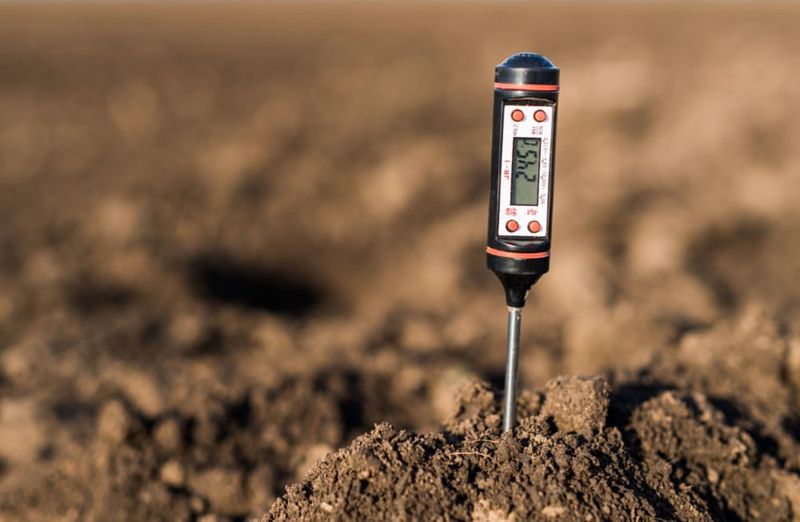
Ohio soils tend toward acidity, especially in areas with high rainfall or where pine trees drop needles year after year.
Many vegetables prefer neutral to slightly alkaline conditions, so overly acidic soil can limit nutrient availability and slow plant growth.
Eggshells contain calcium carbonate, the same compound found in agricultural lime, giving them a gentle pH-raising effect as they decompose.
Unlike harsh chemical treatments that can swing pH dramatically and shock your plants, crushed shells work slowly and steadily to nudge readings toward neutral.
This gradual adjustment gives soil organisms and plant roots time to adapt without stress.
You won’t see overnight changes, but consistent applications over several seasons create lasting improvements that benefit a wide range of crops.
Testing your soil pH annually helps you track progress and determine how much amendment your garden needs.
Shells work best for minor corrections rather than major pH overhauls, making them perfect for maintenance once you’ve established good baseline conditions.
Vegetables like cabbage, beans, and lettuce perform noticeably better when pH stays in their preferred range, producing larger yields and showing fewer nutrient deficiency symptoms.
The beauty of using eggshells lies in their forgiving nature—you’d need to add massive amounts to cause any problems, so they’re safe for gardeners at any experience level.
Your plants enjoy the gradual improvement without any risk of chemical burn or sudden environmental shifts.
6. They Add Porosity To Container Mixes
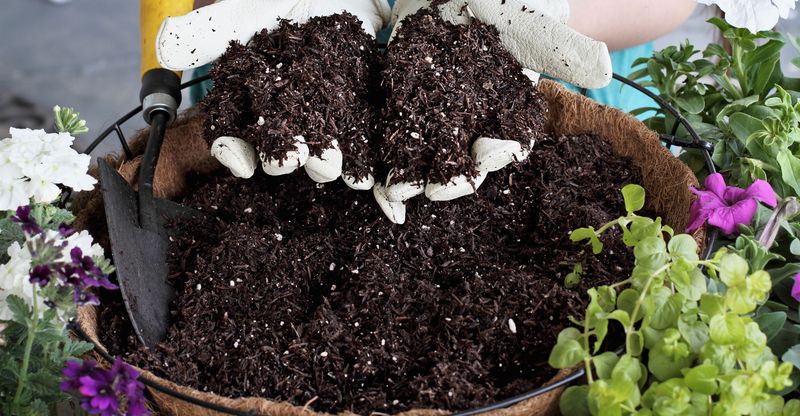
Container gardening presents unique challenges because potting soil compacts over time as you water, gradually losing the air spaces roots need to breathe.
Plants growing in pots depend entirely on the growing medium you provide, with no access to deeper earth layers like in-ground gardens enjoy.
Mixing crushed eggshells into your potting mix creates lasting air pockets that keep the medium light and fluffy throughout the growing season.
The rigid shell fragments resist compression much better than peat moss or compost alone, maintaining drainage channels even after hundreds of waterings.
Herbs like basil, oregano, and thyme particularly appreciate the improved air circulation around their roots, which helps prevent waterlogging and root issues.
Container tomatoes and peppers also benefit from the added calcium that shells provide, supporting strong fruit development in the limited soil volume.
When preparing containers for the season, aim for roughly one crushed shell per gallon of potting mix as a starting point.
You can adjust this ratio based on your specific plants and how quickly your mix tends to compact.
The shells also add a bit of weight to lightweight potting mixes, helping anchor taller plants against Ohio’s spring winds without making containers too heavy to move.
As an added bonus, the improved drainage means you can water more confidently without worrying about drowning your plants, since excess moisture escapes easily through the porous medium.
7. They Support Microbial Life
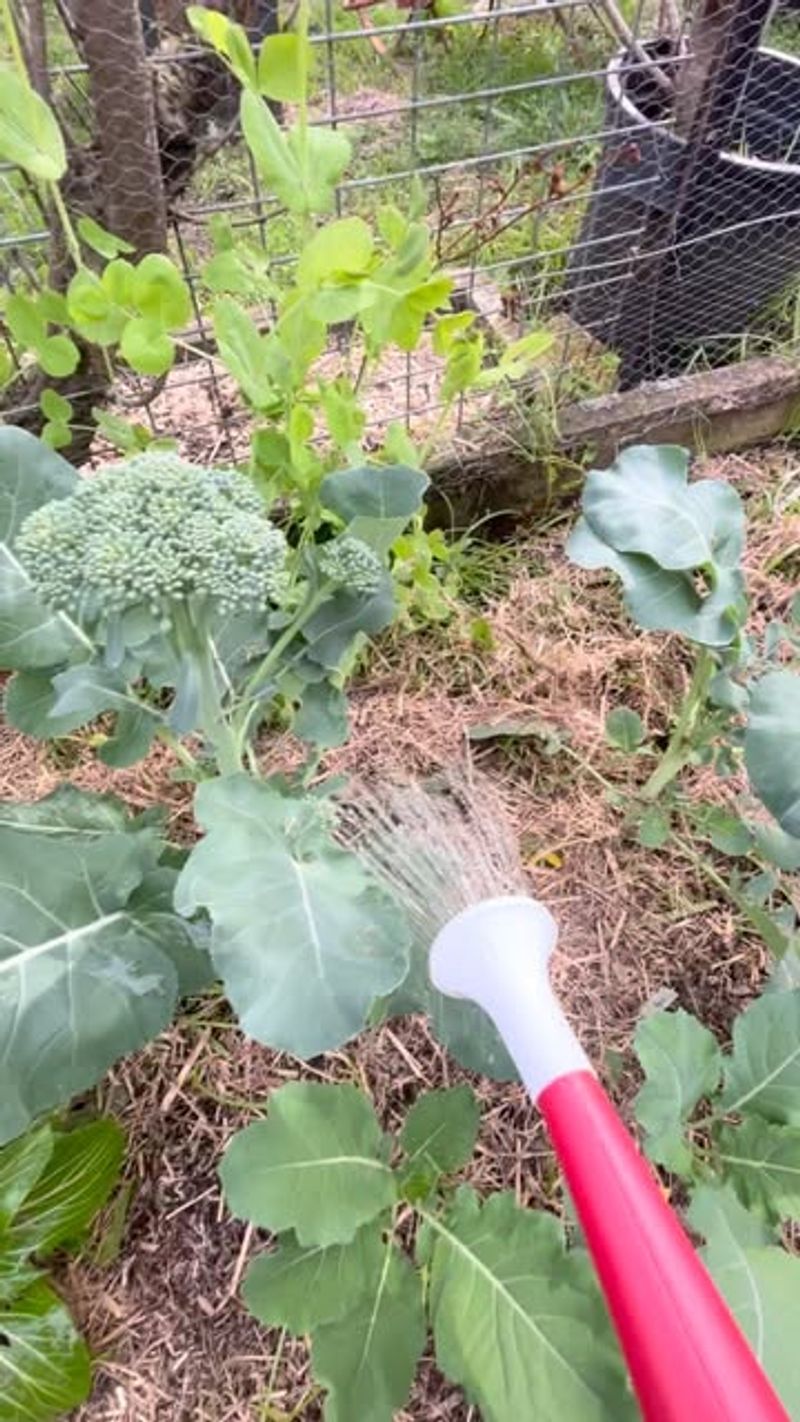
Healthy soil teems with billions of microscopic organisms that break down organic matter and make nutrients available to plants.
These bacteria, fungi, and other microbes need mineral sources to fuel their metabolic processes, and eggshells provide exactly the kind of raw materials they use.
As shells decompose, they create favorable conditions for beneficial microbe populations to expand and thrive.
The calcium carbonate in shells helps buffer soil conditions, creating stable environments where sensitive microorganisms can flourish.
Many beneficial bacteria produce enzymes that break down shell material, releasing calcium and other trace minerals in forms plants absorb easily.
This biological activity generates heat and energy that further accelerates decomposition of other organic materials in your garden beds.
Ohio’s seasonal temperature swings can stress soil microbe populations, but the steady mineral supply from eggshells helps maintain robust communities year-round.
A thriving soil food web means plants access nutrients more efficiently and develop stronger disease resistance through beneficial microbial partnerships.
You’ll notice the signs of active microbial life in the rich, earthy smell of your soil and the dark color that indicates plenty of organic matter cycling through the system.
Shells essentially feed the microscopic workers that feed your plants, creating a partnership where everyone benefits.
The healthier your soil biology becomes, the less you need to rely on external inputs like fertilizers, since the natural system handles nutrient cycling on its own.
8. They Offer Gentle Pest Deterrence
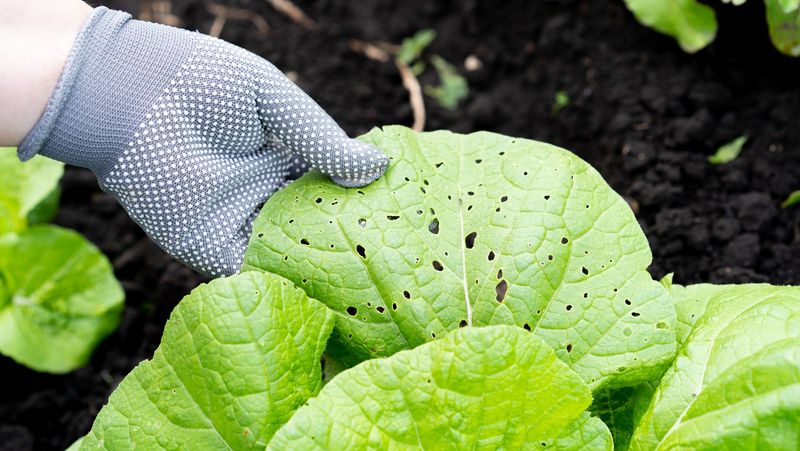
Soft-bodied slugs can devastate tender seedlings overnight, rasping holes through leaves and sometimes consuming entire young plants.
Ohio’s humid springs create perfect conditions for these moisture-loving pests, making early season protection crucial for vulnerable crops.
A ring of coarsely crushed eggshells around transplants creates an abrasive barrier that slugs prefer to avoid, encouraging them to seek easier meals elsewhere.
The sharp edges of shell fragments feel uncomfortable against their soft undersides as they attempt to cross, much like walking barefoot over gravel.
While determined slugs might eventually cross a shell barrier, many will turn back and look for unprotected plants instead.
This physical deterrent works best when you refresh it after heavy rains that can soften or displace the shells.
Combining eggshells with other organic deterrents like copper tape or diatomaceous earth creates multiple lines of defense that significantly reduce damage.
Young lettuce, cabbage seedlings, and bean sprouts especially benefit from this protection during their most vulnerable early weeks.
The shells provide pest deterrence while simultaneously feeding your plants, giving you double benefits from a single amendment.
Unlike chemical slug baits that can harm beneficial insects and wildlife, crushed eggshells present no environmental risks whatsoever.
As the shells eventually break down, they simply add their calcium to the soil, leaving no residue or negative impacts behind.
9. They Build Soil Health Over Multiple Seasons
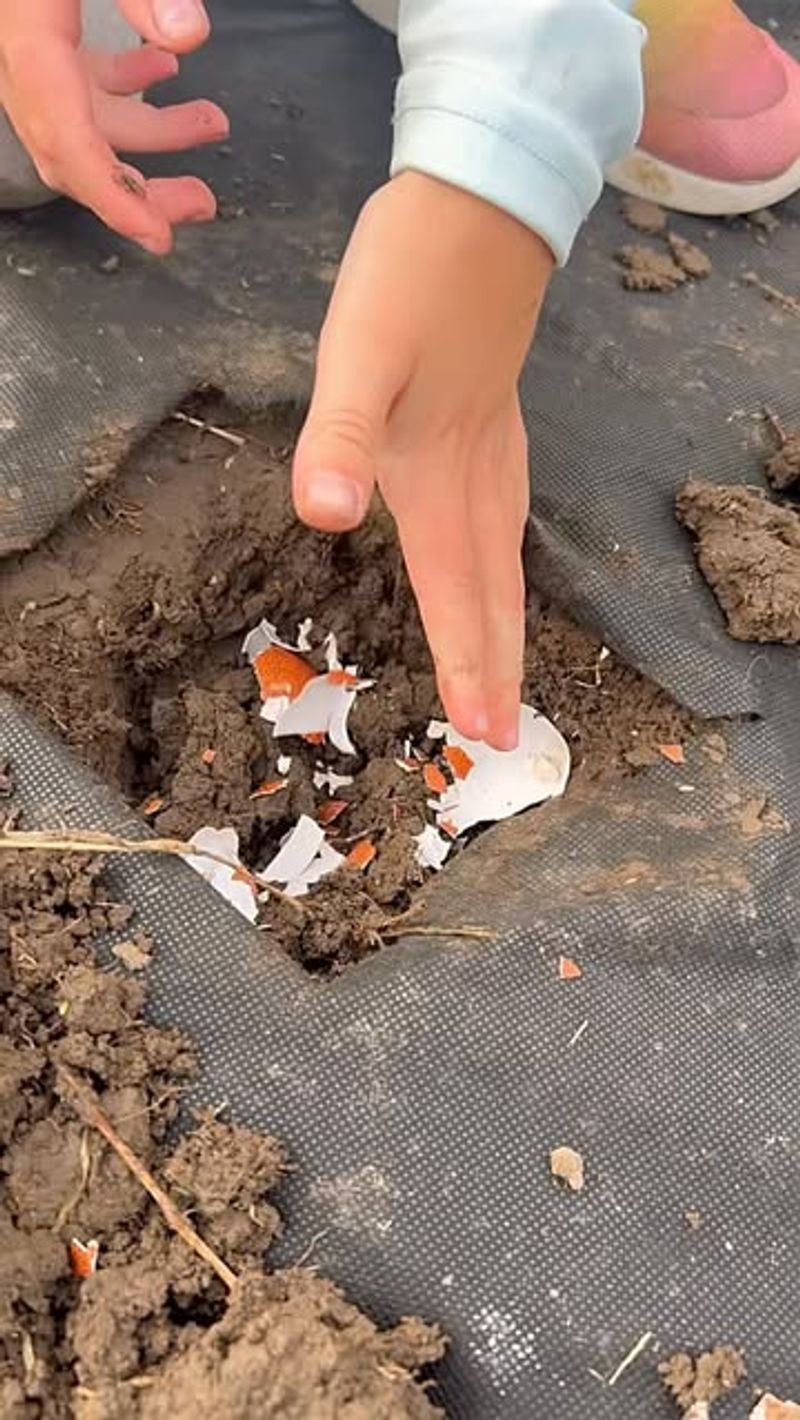
Quick fixes might deliver immediate results, but lasting garden success comes from steady improvements that compound over time.
Eggshells work on a gradual timeline, with each application adding to previous years’ contributions until your soil reaches a new level of fertility and structure.
This cumulative effect means your garden actually gets better and easier to manage as seasons pass, rather than requiring constant intervention.
The shells you add this spring will still be releasing calcium and improving texture next year, while fresh additions continue the cycle.
Patient gardeners who commit to regular eggshell applications often find they can reduce or eliminate purchased fertilizers after a few seasons.
Your investment of time in collecting and crushing shells pays dividends far into the future, creating a self-sustaining system that requires less work each year.
Veteran Ohio gardeners who’ve used eggshells for decades often have incredibly productive soil that newcomers envy, built entirely through consistent organic practices.
The beauty of this approach lies in its simplicity and sustainability—no complex formulas, no expensive products, just steady additions of a natural material that keeps giving.
Children growing up in gardens amended with eggshells learn valuable patience and stewardship, watching how small actions create big changes over time.
Your future self will appreciate the foundation you’re building now, enjoying harvests that reflect years of thoughtful soil care and accumulated improvements.