9 Smart Reasons Why Houseplants Benefit From Rice Water In December In New York
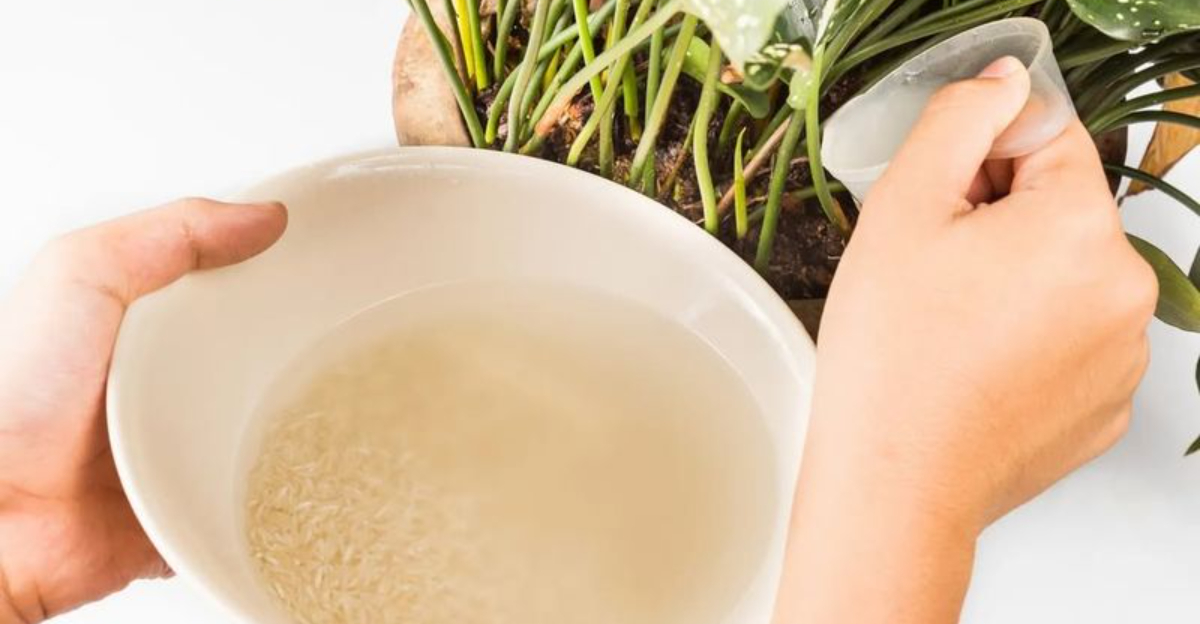
New York’s winter does more than chill the air—it challenges houseplants with dry heat, low light, and slow growth.
That’s why many plant lovers turn to a simple, nutrient-rich remedy every December: rice water.
This gentle, natural tonic offers a boost when plants need it most, feeding beneficial microbes, improving soil texture, and providing trace minerals that support steady winter growth.
Unlike commercial fertilizers, rice water won’t overwhelm resting plants or cause chemical buildup in pots.
Instead, it delivers mild nutrition that strengthens roots, improves moisture retention, and revives stressed foliage during the toughest indoor months.
Whether you’re caring for tropicals, succulents, or container herbs, rice water offers an easy and sustainable way to keep your plant collection thriving until spring.
Here’s why New Yorkers swear by this kitchen-to-plant winter ritual—and how you can use it effectively.
1. Winter Nutrition Boost When Plants Need It Most
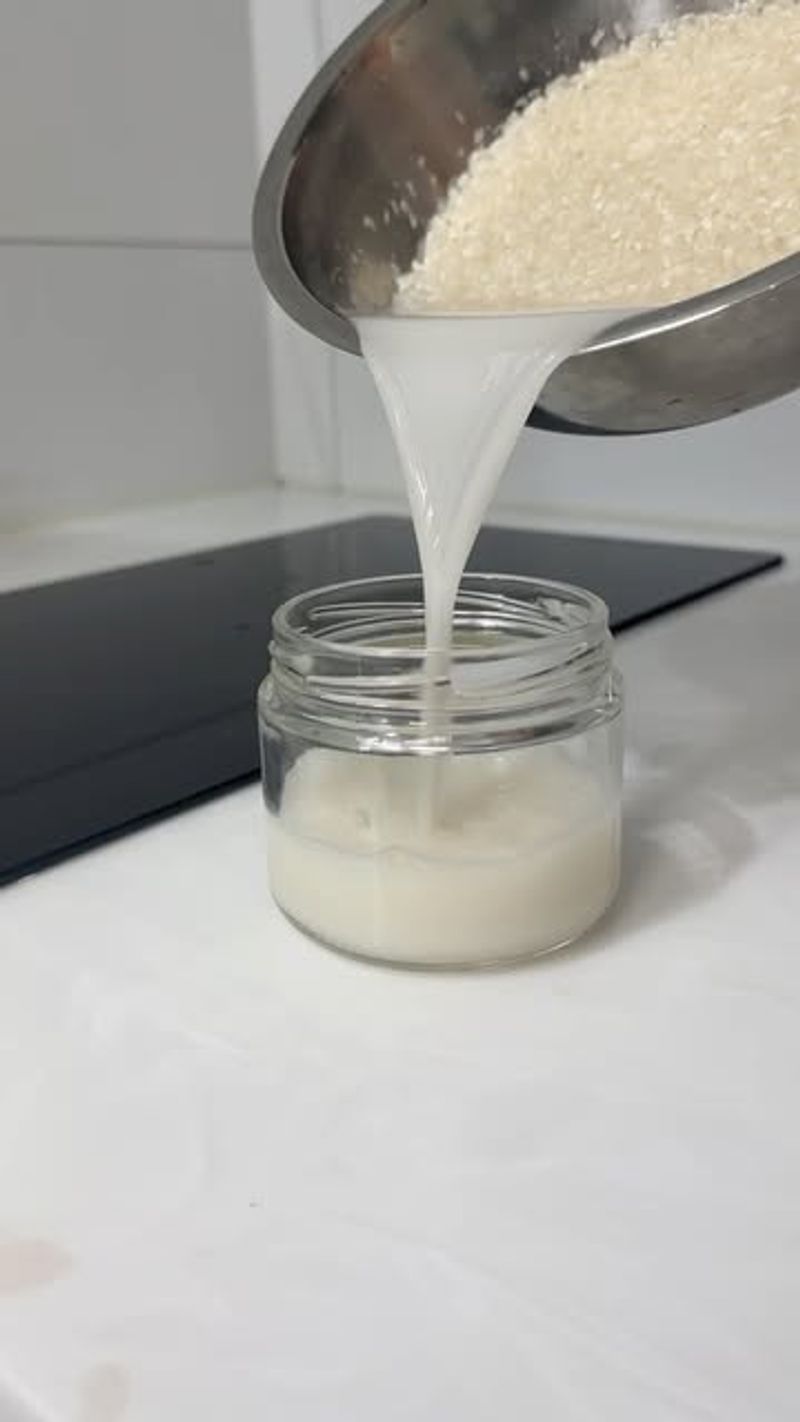
New York winters bring unique challenges that make traditional plant feeding tricky.
Low light levels mean photosynthesis slows down dramatically, and plants can’t process heavy fertilizers the way they do in summer.
Rice water steps in as a hero here, offering a mild nutritional boost that won’t overwhelm stressed plants.
The vitamins and trace minerals in rice rinse water get absorbed slowly and gently.
Think of it as a light snack rather than a heavy meal for your leafy companions.
During December’s darker days, this approach prevents nutrient lockout and keeps plants ticking along without forcing unwanted growth.
Most houseplants enter a semi-dormant state when daylight drops below ten hours.
Feeding them concentrated fertilizers during this time can actually cause more harm than good.
Rice water provides just enough support to maintain health without pushing plants beyond what the limited winter sunlight can sustain.
The beauty of this method lies in its simplicity.
You’re not adding harsh chemicals or salts that build up in pots over time.
Instead, you’re working with nature’s rhythm, giving plants exactly what they can handle when they need gentle encouragement most.
2. Keeps Soil Biology Active During Dormant Season
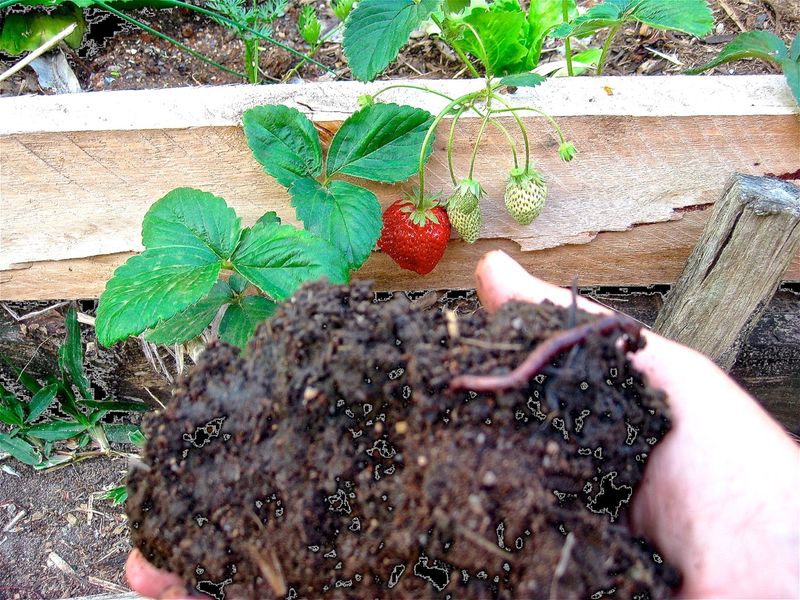
Soil isn’t just dirt—it’s a living ecosystem packed with beneficial bacteria and fungi.
These tiny helpers break down nutrients and make them available to plant roots in forms they can actually use.
Cold temperatures and dry air cause these microorganisms to slow down significantly during December.
Rice water acts as food for soil microbes, keeping them active even when conditions aren’t perfect.
The carbohydrates and organic compounds provide energy that sustains microbial populations through winter.
Active soil biology means your plants continue accessing nutrients that would otherwise remain locked away in the potting mix.
Think of it as keeping the underground workforce employed during the slow season.
When beneficial microbes stay active, they continue improving soil structure and preventing harmful organisms from taking over.
This creates a healthier root environment that pays dividends once spring arrives and growth accelerates again.
Many gardeners focus only on what’s visible above the soil line.
By feeding the soil ecosystem with rice water, you’re investing in long-term plant health.
Come spring, plants with well-maintained soil biology will outperform those that were neglected during winter dormancy.
3. A Gentle Alternative To Harsh Winter Fertilizers
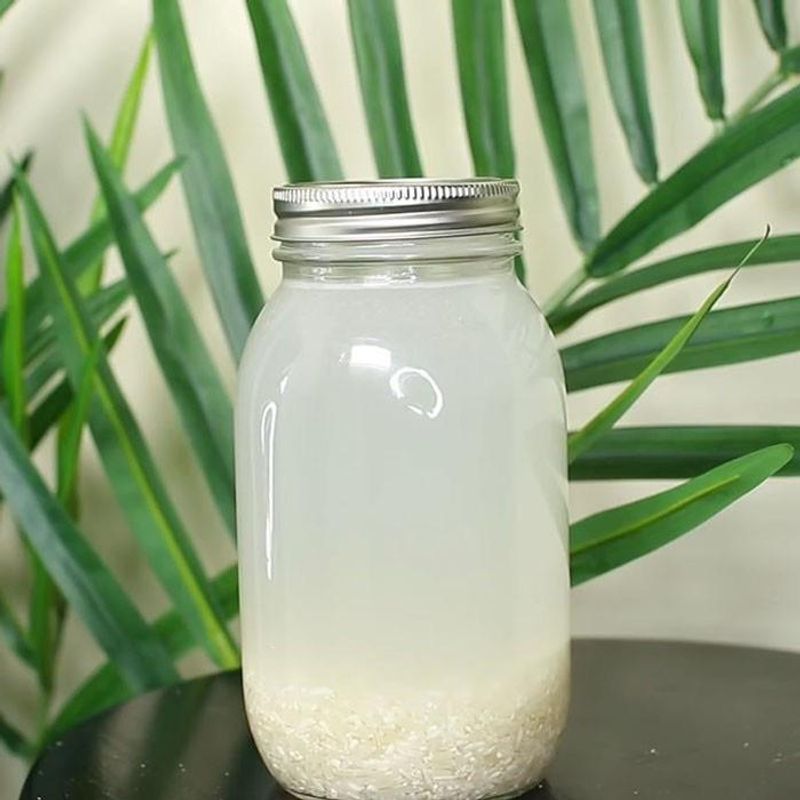
Commercial fertilizers pack a concentrated punch that works great during active growing seasons.
However, winter’s dry indoor conditions make salt buildup a serious concern for potted plants.
Every time you water with chemical fertilizers, salts accumulate in the soil, eventually reaching toxic levels for sensitive roots.
Rice water offers nutrition without the salt baggage.
It delivers vitamins, minerals, and organic compounds in forms that won’t crystallize or concentrate in your pots.
This makes it perfect for December when plants are already stressed and less able to flush excess salts through normal watering.
Root burn happens when salt concentrations get too high, causing brown leaf tips and stunted growth.
New York’s heated indoor air dries out soil faster, making this problem worse during winter months.
Switching to rice water eliminates this risk entirely while still providing gentle nutritional support.
You can use rice water weekly without worrying about overdoing it.
The mild nature means you won’t accidentally harm plants even if you’re generous with applications.
This forgiving quality makes it ideal for both experienced gardeners and beginners learning to navigate winter plant care challenges.
4. A Natural Root Strengthener For Cold-Stressed Plants
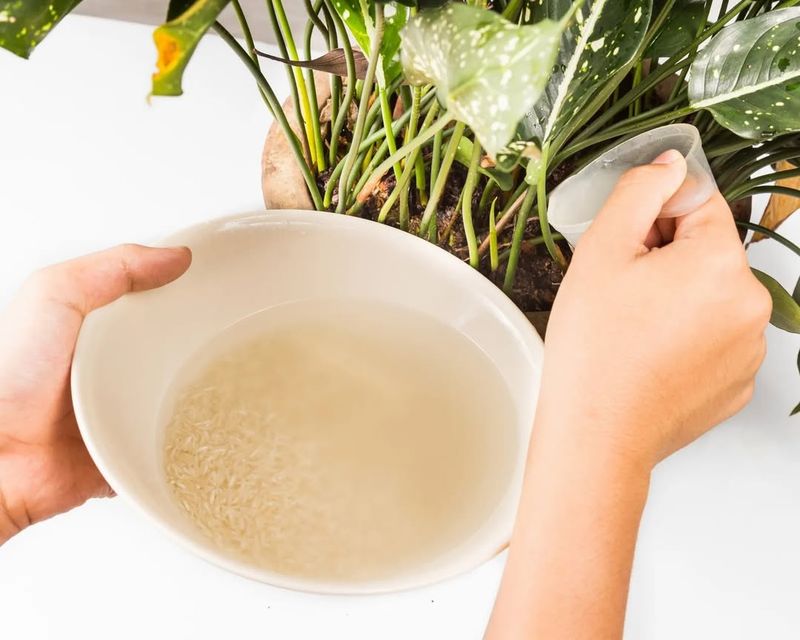
Indoor heating creates wild temperature swings that stress plant roots more than most people realize.
One minute your thermostat kicks on, blasting hot air, and the next it shuts off, leaving chilly pockets near windows.
These fluctuations weaken root structures, making plants vulnerable to all sorts of problems.
Rice water contains amino acids that act like repair agents for stressed root systems.
These compounds help roots rebuild damaged cell walls and maintain flexibility during temperature changes.
Strong roots mean better water uptake and improved overall resilience throughout the coldest months.
When you water with rice rinse, you’re essentially giving roots a protective coating.
The starches and proteins create a buffer that helps plants adapt to environmental stress more effectively.
This becomes especially valuable in New York apartments where radiators create desert-like conditions right next to freezing window glass.
Regular application throughout December keeps root systems in fighting shape.
You’ll notice plants bounce back faster from accidental cold drafts or heating mishaps.
Healthy roots translate to healthier foliage, even when winter conditions aren’t ideal for growth.
5. Improves Moisture Retention In Dry Indoor Air
Radiator heat turns New York apartments into deserts during December, with humidity levels often dropping below twenty percent.
Plants evolved in environments with much higher moisture, so they struggle when air becomes this dry.
Soil dries out faster, forcing you to water more frequently and creating stress cycles for plant roots.
The trace starches in rice water do something fascinating when mixed with potting soil.
They form weak bonds with water molecules, helping soil hold onto moisture slightly longer between waterings.
This doesn’t replace proper watering practices, but it does extend the time before soil becomes bone-dry and stressful for roots.
Think of it as adding a sponge-like quality to your potting mix.
Soil treated with rice water releases moisture more gradually, maintaining more consistent hydration levels.
This steadier moisture availability helps plants cope better with the challenging conditions created by constant indoor heating.
You’ll notice you can go a bit longer between waterings without seeing droopy leaves.
This benefit becomes especially valuable if you travel during the holidays or have a busy schedule.
Improved moisture retention means your plants forgive minor lapses in attention that might otherwise cause problems during this demanding season.
6. Encourages Subtle Winter Growth Without Overstimulating
Pushing plants to grow vigorously during December creates leggy, weak growth that struggles once conditions improve.
Limited sunlight means plants can’t support the energy demands of rapid development.
Forcing growth with heavy fertilizers during this time sets your plants up for disappointment and structural weakness.
Rice water provides just enough nutrition to support maintenance and subtle expansion.
Plants receiving this gentle boost can produce new leaves slowly and steadily without stretching desperately toward inadequate light sources.
This measured approach respects the natural rhythm of winter dormancy while keeping plants from complete stagnation.
The key difference lies in balance—rice water won’t trigger the explosive growth response that synthetic fertilizers cause.
Instead, it maintains existing foliage quality and allows for gradual development that plants can actually sustain.
Come spring, these well-maintained plants will be ready to take off when light levels increase naturally.
Many plant enthusiasts make the mistake of treating winter like summer with grow lights and heavy feeding.
While that works for some setups, most home environments can’t replicate true growing season conditions.
Rice water offers a middle path that keeps plants healthy without demanding more than December’s short days can deliver.
7. Perfect For Reviving Plants Affected By Holiday Heat Stress
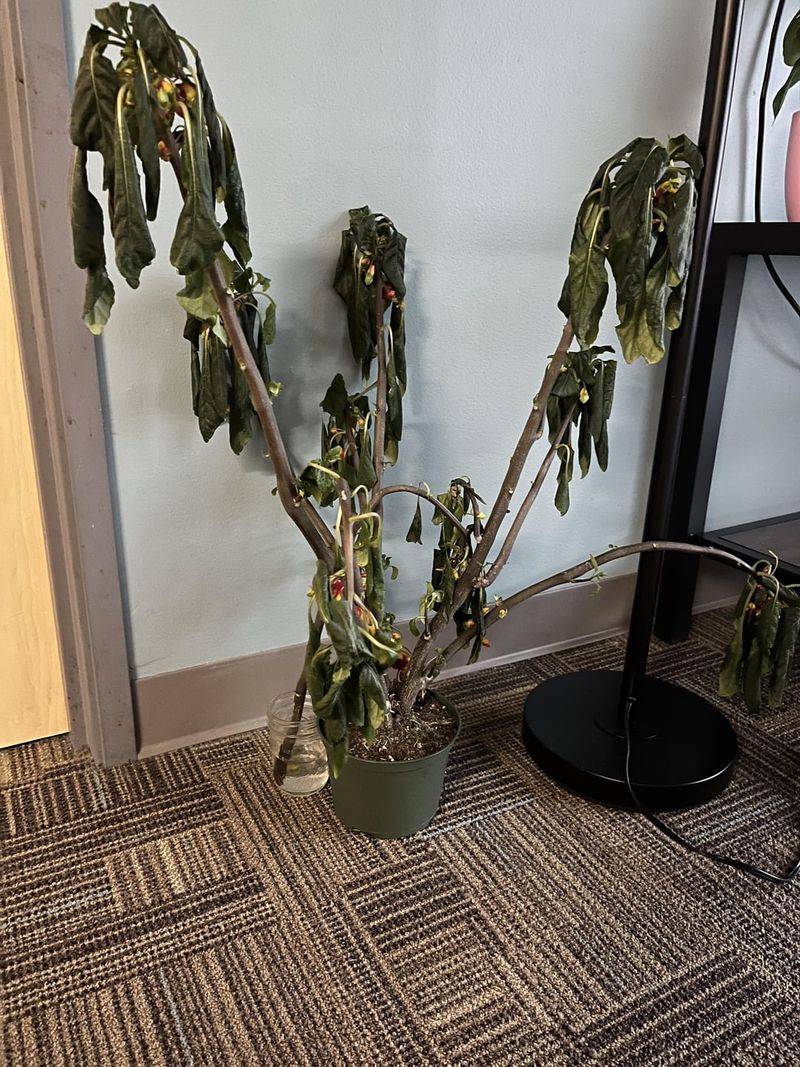
Holiday gatherings bring wonderful chaos that plants sometimes suffer through silently.
Doorways opening constantly let in cold blasts, fireplaces create hot spots, and increased foot traffic means plants get bumped or relocated.
These disruptions add up quickly, leaving your green friends looking worse for wear by New Year’s.
Rice water works wonders for plants recovering from holiday-related stress.
The amino acids and vitamins help repair cellular damage caused by temperature extremes and physical disturbances.
A good watering with rice rinse after parties or family visits gives plants the resources they need to bounce back gracefully.
Plants positioned near entryways face the worst conditions during holiday season.
Cold drafts shock foliage while dry heat from increased indoor activity stresses root systems.
Rice water’s gentle nutritional profile supports recovery without adding to the stress load that harsh fertilizers would create.
Consider giving stressed plants a rice water treatment right after major holiday events.
You’ll often see improvement within a week as leaves perk up and color returns.
This simple intervention can mean the difference between plants that struggle through winter and those that emerge ready to thrive when spring arrives.
8. Strengthens Leaf Color And Overall Plant Vigor

Pale, yellowing leaves become common during New York’s darkest weeks when sunlight barely reaches through windows.
Plants struggle to produce chlorophyll efficiently under these conditions, leading to washed-out foliage that lacks vitality.
This color loss isn’t just cosmetic—it indicates declining photosynthetic capacity and overall weakness.
Rice water’s mild mineral content includes trace amounts of iron, magnesium, and other elements crucial for chlorophyll production.
These minerals arrive in forms that plants can access easily even when metabolic processes have slowed for winter.
Regular applications help maintain richer green coloration throughout December’s challenging light conditions.
The difference becomes especially noticeable in tropical houseplants adapted to consistent light year-round.
Species like pothos, philodendrons, and ferns show marked improvement in leaf color when supported with rice water.
Healthier green leaves mean better energy production from whatever sunlight is available, creating a positive cycle of improving vigor.
You’re not trying to replicate summer growth—that’s impossible and undesirable.
Instead, rice water helps plants maintain their best possible condition given December’s limitations.
When foliage stays vibrant and strong through winter, plants emerge from dormancy in much better shape for the coming growing season.
9. A Sustainable, Zero-Waste Plant Care Trick For Winter
Every time you rinse rice before cooking, nutrient-rich water goes down the drain—unless you catch it for your plants.
This simple habit transforms kitchen waste into valuable plant food without spending a penny or adding plastic bottles to landfills.
For eco-conscious New Yorkers, it’s a perfect example of closing the loop in home resource management.
The sustainability angle extends beyond just saving water.
By using rice rinse instead of purchasing commercial fertilizers, you reduce demand for products that require manufacturing, packaging, and shipping.
Those small plastic bottles add up quickly, and their production carries an environmental cost that rice water completely avoids.
Winter in New York already challenges our environmental commitments with increased heating and energy use.
Finding ways to reduce waste and consumption during these months feels especially meaningful.
Rice water offers a tangible action that benefits your plants while aligning with values of sustainability and responsible resource use.
The practice connects you more deeply to both your cooking and gardening routines.
You start seeing potential in things that previously seemed like waste, fostering a mindset of creativity and resourcefulness.
This zero-waste approach to plant care costs nothing, requires minimal effort, and delivers real results throughout December and beyond.