11 Smart Steps To Take If A Coyote Appears In Your New Mexico Yard And 4 You Should Avoid
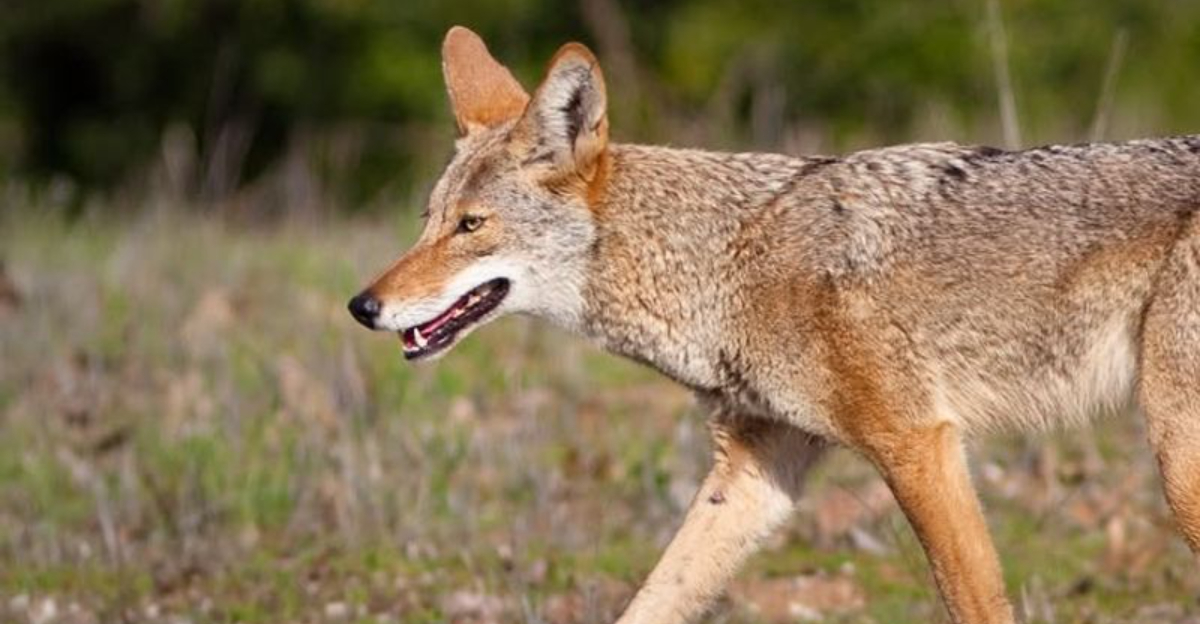
Coyotes are no strangers to New Mexico, and spotting one in a yard can catch homeowners off guard.
These adaptable animals have learned to live alongside people, often traveling quietly through neighborhoods without much notice.
While seeing a coyote can raise concerns, most encounters are brief and manageable with the right response.
The key is knowing how to act in the moment instead of reacting out of surprise.
New Mexico’s open landscapes, desert edges, and suburban growth make occasional visits more likely, especially during certain seasons.
Understanding what helps and what doesn’t can make all the difference.
Simple actions can discourage lingering and keep things calm for everyone involved.
At the same time, certain mistakes can unintentionally invite repeat visits.
By knowing which steps are helpful and which ones to avoid, homeowners gain confidence instead of worry.
It’s about staying aware, respectful, and prepared, allowing people and wildlife to share space without unnecessary tension.
With the right approach, most situations pass as quickly as they begin.
1. Stay Calm And Keep Your Distance
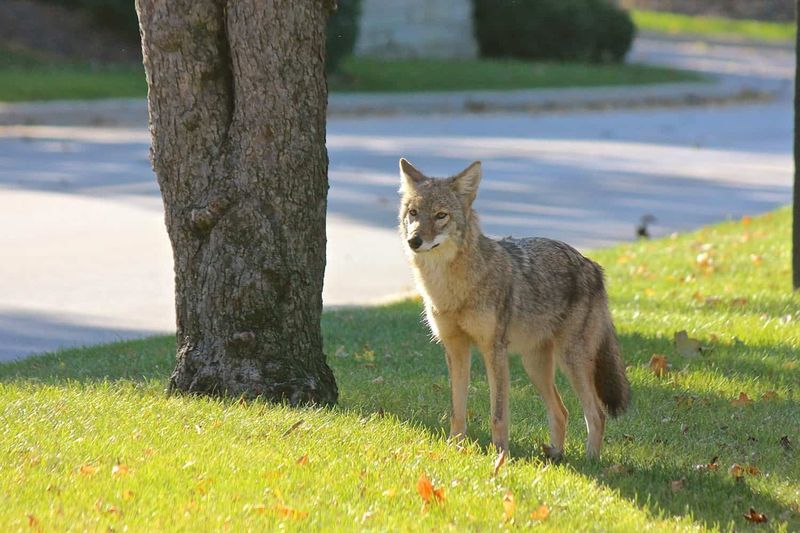
Panic rarely helps in wildlife encounters.
When you spot a coyote, your first instinct might be to run or scream, but staying composed gives you better control of the situation.
Coyotes are naturally cautious around humans and usually prefer to avoid confrontation.
Maintaining a safe distance of at least fifty feet is essential.
Never approach the animal, even if it looks calm or curious.
Quick movements or sudden advances can startle the coyote and trigger defensive behavior.
Instead, watch from where you are and assess the situation.
If the coyote hasn’t noticed you, quietly back away without turning your back.
If it has seen you, stand still and wait for it to move on.
Keeping children and pets close is equally important.
Hold onto leashes tightly and bring small pets indoors if possible.
Your calm demeanor sets the tone for everyone around you.
Remember, coyotes are not typically aggressive toward people.
They’re usually just passing through or searching for food.
Staying calm and giving space allows the animal to leave on its own terms, reducing stress for both you and the coyote.
2. Bring Pets Indoors Right Away
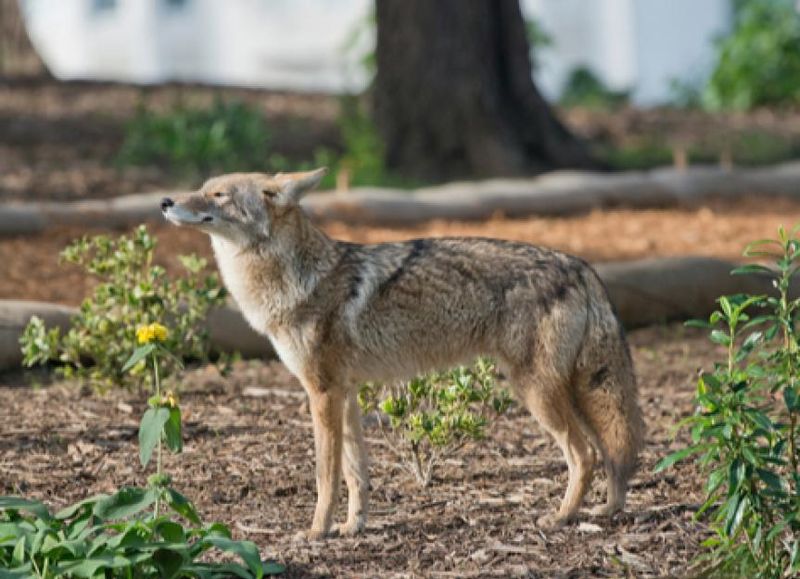
Small dogs and cats can easily be mistaken for prey by a hungry coyote.
Quick action is your best defense when wildlife appears in your yard.
The moment you see a coyote, bring your pets inside without hesitation.
Coyotes are opportunistic hunters and may view unattended pets as an easy meal.
Even medium-sized dogs can be at risk, especially if a coyote feels threatened or is protecting territory.
Outdoor cats are particularly vulnerable during dawn and dusk when coyotes are most active.
If your pet is outside and you spot a coyote, call them calmly but firmly.
Avoid yelling, which might excite your pet or provoke the coyote.
Use a leash if your dog is nearby, and carry small pets directly inside.
Never leave pets outside unattended in areas where coyotes have been spotted.
Even a fenced yard isn’t always safe, as coyotes can jump or dig under barriers.
Supervise all outdoor time, especially during early morning or evening hours.
Taking swift action protects your furry family members and prevents traumatic encounters.
Once your pets are safely indoors, you can focus on managing the coyote situation calmly and effectively.
3. Make Yourself Look Bigger
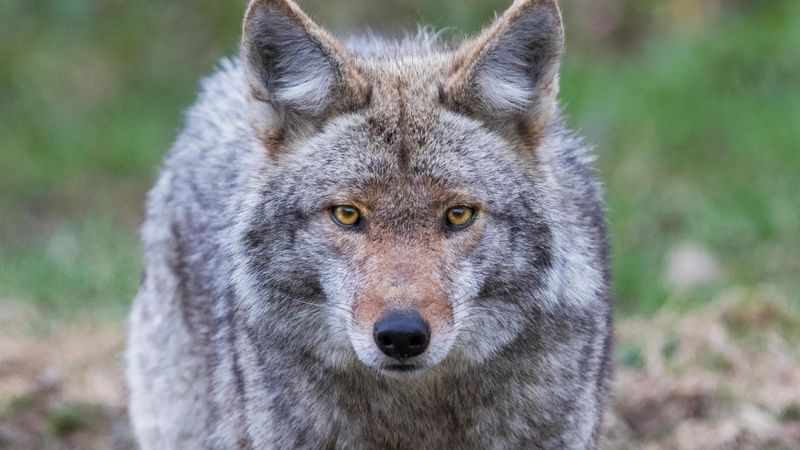
Body language speaks volumes in the animal kingdom.
When a coyote lingers in your yard, making yourself appear larger can discourage it from sticking around.
This technique, called hazing, uses visual intimidation to remind the coyote that humans are not to be trifled with.
Stand up straight and raise your arms above your head.
Wave them slowly or hold a jacket to increase your silhouette.
The goal is to look as imposing as possible without making aggressive movements.
Confident posture signals dominance and can make the coyote reconsider its presence.
Avoid crouching or turning away, as these actions can make you seem smaller and less threatening.
Face the animal directly and maintain eye contact if it looks your way.
You can also step forward slightly while maintaining distance.
This assertive movement reinforces that you’re in control of the space.
If you’re with others, stand together to create a larger group presence.
Using your body to project confidence is a non-violent way to encourage a coyote to leave.
Most coyotes will respond to these visual cues and move along, especially if they haven’t had prior negative experiences with humans.
4. Use Firm Noise To Encourage Space
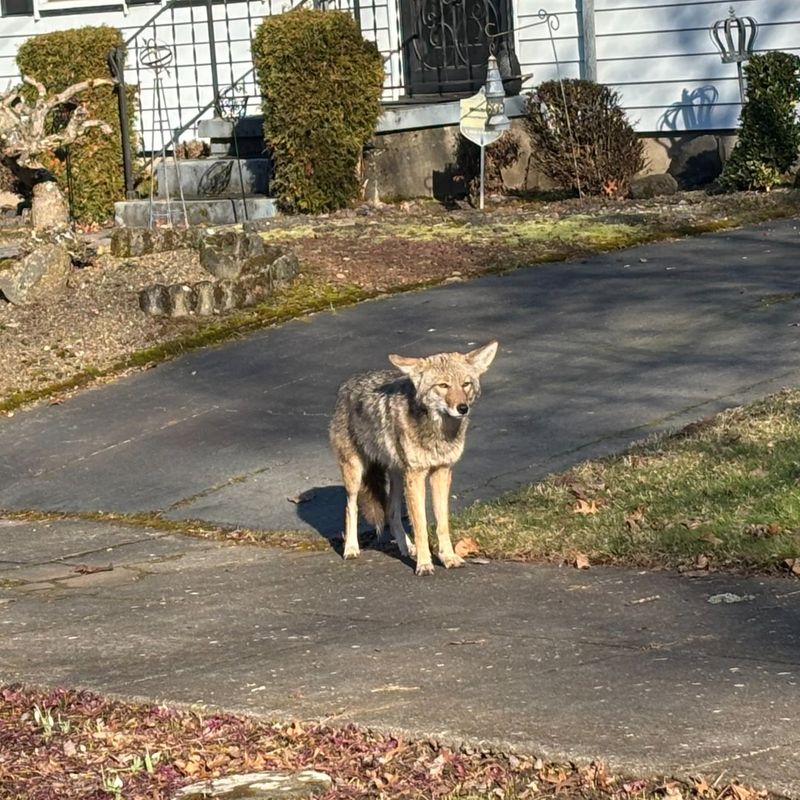
Sound can be just as effective as size when dealing with a bold coyote.
Loud, unexpected noises often startle wildlife and encourage them to retreat.
Clapping your hands sharply, shouting in a deep voice, or banging pots together creates an uncomfortable environment for the animal.
Use a firm, authoritative tone when yelling.
Words like “Go away!” or “Get out!” work well.
Avoid high-pitched sounds, which can mimic prey and may attract rather than repel the coyote.
Whistles, air horns, and even shaking a can filled with coins are excellent tools to keep handy.
These devices produce sharp, jarring sounds that coyotes dislike.
If you don’t have tools, stomp your feet or slap your hands against your thighs.
Consistency matters.
Don’t stop making noise until the coyote has clearly moved away from your property.
Repeated exposure to these deterrents teaches coyotes that your yard is not a safe or welcoming place.
Combining noise with the previous step of making yourself look bigger amplifies the effect.
Together, these actions create a powerful message that humans are not easy targets and that the coyote should find somewhere else to roam.
5. Secure All Food Sources
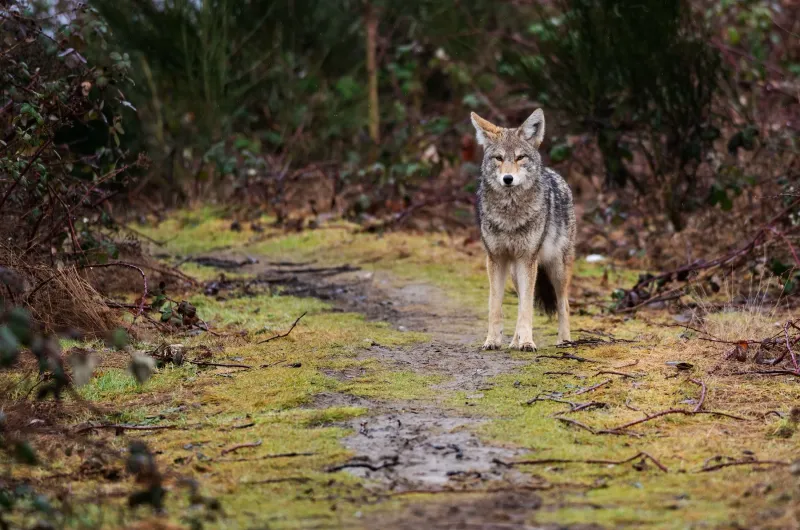
Food is the number one reason coyotes visit residential areas.
If your yard offers easy meals, you’re inviting repeat visits.
Pet food left outside, unsecured trash cans, and birdseed scattered on the ground all serve as attractants.
Store pet food indoors and only feed animals inside or under close supervision.
Even empty bowls can carry scents that lure coyotes.
Rinse dishes immediately after use and bring them inside.
Trash cans should have tight-fitting, locking lids.
Coyotes are clever and can easily tip over lightweight bins.
Consider using bungee cords or investing in wildlife-resistant containers.
Take trash out on the morning of pickup rather than the night before.
Birdseed and fallen fruit attract rodents, which in turn attract coyotes.
Clean up seed spills regularly and remove overripe fruit from trees and the ground.
Compost bins should also be secured with locking mechanisms.
Even grills can be tempting if they’re not cleaned properly.
Grease and food residue carry strong smells that travel far.
Wipe down surfaces and store grills in a garage or shed when possible.
Eliminating food sources makes your yard far less appealing.
Without the promise of a meal, coyotes are more likely to move on to other areas.
6. Check Fencing And Gates
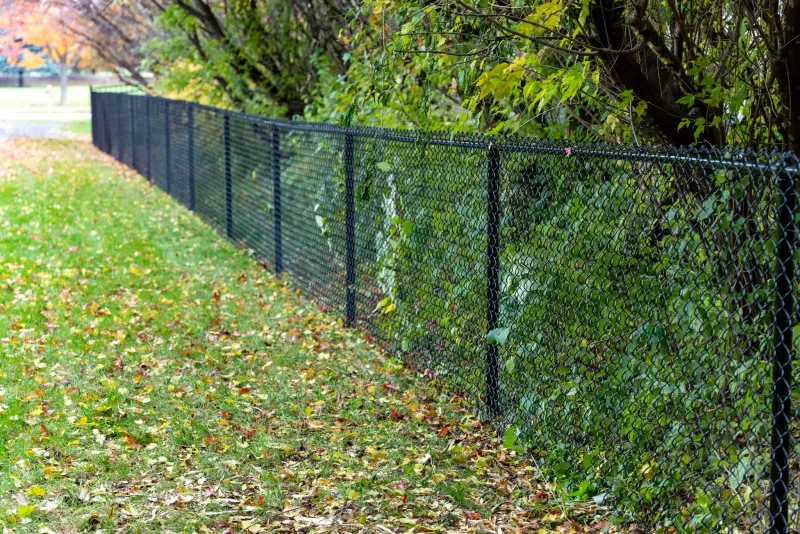
Fences are only effective if they’re properly maintained.
Coyotes are surprisingly agile and can exploit weak spots to enter your property.
Regular inspections help you identify and fix vulnerabilities before they become entry points.
Walk your fence line and look for gaps, holes, or areas where the bottom is raised.
Coyotes can squeeze through openings as small as six inches.
Repair any damage immediately using sturdy materials like wire mesh or wooden boards.
Gates should close securely and latch firmly.
A gate left slightly ajar is an open invitation.
Install self-closing hinges or spring-loaded latches to ensure gates don’t accidentally stay open.
For added protection, consider extending fencing below ground level.
Coyotes are skilled diggers and can burrow under barriers.
Burying wire mesh or installing an L-footer discourages digging attempts.
Height matters too.
A fence should be at least six feet tall to prevent coyotes from jumping over.
If your fence is shorter, consider adding a roller bar or coyote roller at the top to make climbing difficult.
In New Mexico’s varied terrain, natural features like arroyos or washes can also provide access.
Block these routes with additional fencing or barriers to keep your yard secure and wildlife out.
7. Walk The Yard During Daylight
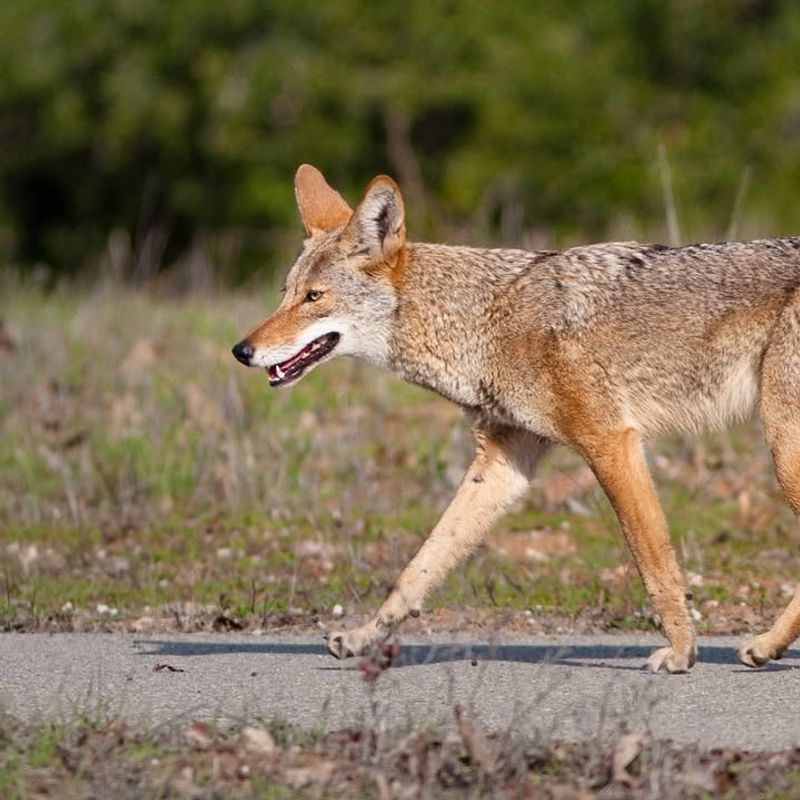
Coyotes prefer areas where they feel safe and undisturbed.
Regular human presence signals that your yard is active and occupied, which can discourage wildlife from settling in.
Walking your property during daylight hours reinforces this message.
Make it a habit to stroll through your yard at different times of the day.
Morning and late afternoon are ideal, as these are peak activity times for coyotes.
Your scent and footsteps leave behind markers that tell animals this space is claimed.
Vary your route each time.
Covering different sections ensures no corner of your yard becomes a hidden refuge.
Pay attention to shaded areas, under decks, and near sheds where coyotes might seek shelter.
Bring along a walking stick or rake to make noise as you move.
The sound of tools clanking or scraping adds another layer of deterrence.
If you have dogs, walk them around the perimeter regularly to establish their presence as well.
Consistent activity reduces the likelihood of repeat visits.
Coyotes learn quickly which areas are safe and which are not.
By maintaining a visible and active routine, you create an environment that feels less welcoming to curious or opportunistic wildlife looking for a quiet spot to explore.
8. Remove Fallen Fruit And Outdoor Scraps
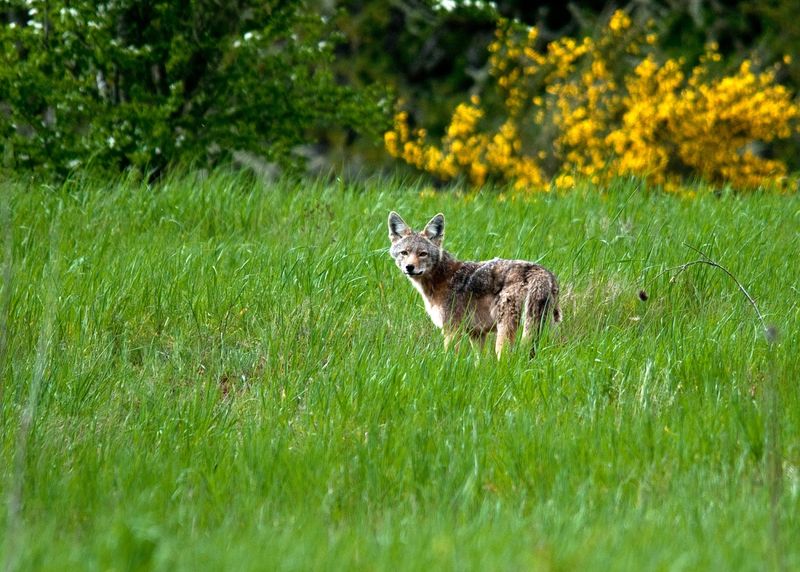
Fruit trees are beautiful additions to any yard, but fallen fruit can become a magnet for wildlife.
Coyotes don’t just eat meat; they’re omnivores and will happily snack on berries, apples, and other produce.
Keeping your yard clean reduces this temptation.
Check under trees daily during harvest season.
Even fruit that seems too rotten for human consumption is still appealing to animals.
Use a rake or your hands to gather fallen pieces and dispose of them in sealed bags.
Outdoor scraps from gardening or food prep should never be left in the yard.
Vegetable peels, eggshells, and other organic waste attract rodents, which in turn attract coyotes.
Compost bins must be secured with tight lids and proper latches.
If you feed birds, clean up spilled seed regularly.
Seed on the ground draws small mammals, which become prey for coyotes.
Use trays under feeders to catch excess and empty them frequently.
Even decorative plants can be problematic if they produce berries or seeds.
Research your landscaping choices and opt for varieties that are less attractive to wildlife.
Native plants adapted to New Mexico’s climate often require less maintenance and produce fewer edible offerings.
A tidy yard is a less inviting yard.
Removing food sources cuts off the supply chain that brings coyotes to your door.
9. Install Motion Lights If Needed

Coyotes are primarily nocturnal and prefer the cover of darkness for their activities.
Sudden bursts of bright light can startle them and make your yard feel less safe.
Motion-activated lights are an affordable and effective deterrent.
Place lights strategically around your property.
Focus on areas where coyotes are most likely to enter, such as fence lines, gates, and corners.
Lights near pet doors, trash cans, and outdoor eating areas add extra protection.
Choose lights with adjustable sensitivity settings.
You want them to trigger for larger animals like coyotes but not for every passing moth or leaf.
LED bulbs are energy-efficient and provide bright, clear illumination.
Solar-powered options work well in New Mexico’s sunny climate.
These lights charge during the day and activate automatically at night, requiring no wiring or electricity.
They’re easy to install and can be moved as needed.
Motion lights serve a dual purpose by improving home security.
Burglars and other unwanted visitors are also deterred by sudden illumination.
Your yard becomes safer for both people and pets.
Combine lighting with other deterrents for maximum effectiveness.
Coyotes learn quickly, and layered defenses make your property far less appealing.
Bright, unpredictable light disrupts their comfort zone and encourages them to seek quieter, darker spaces elsewhere.
10. Teach Children To Stay Close To Adults
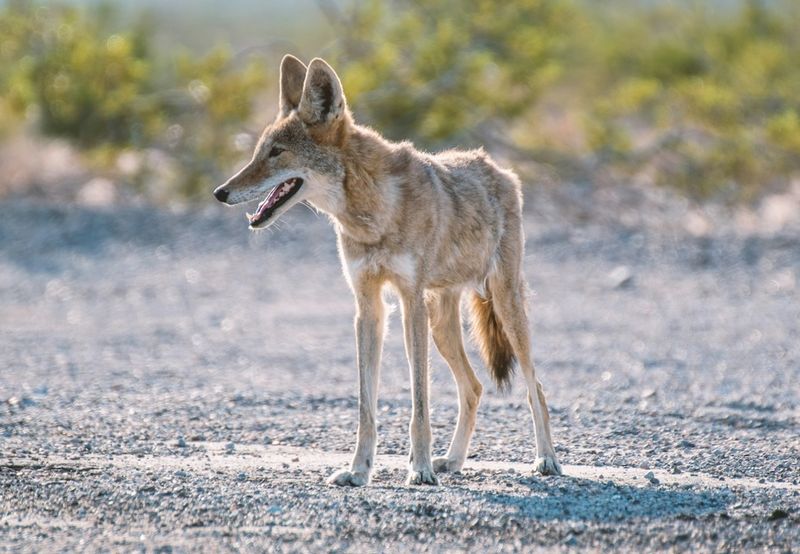
Children are naturally curious and may not understand the risks wildlife poses.
Educating them about coyotes and setting clear safety rules helps prevent dangerous encounters.
Start by explaining that coyotes are wild animals and should never be approached.
Teach kids to stay close to adults whenever they’re outside, especially during early morning or evening hours.
Establish a buddy system so no child is ever alone in the yard.
Make it a rule that playing outdoors requires adult supervision.
If a child sees a coyote, they should immediately walk calmly toward the nearest adult without running or screaming.
Running can trigger a chase response in animals.
Practice this scenario so kids know exactly what to do.
Explain the importance of not feeding wildlife, even if the animal seems friendly.
Food creates dependency and encourages coyotes to return.
Children should also know not to throw objects at animals, as this can provoke aggression.
Role-playing can make lessons stick.
Pretend a stuffed animal is a coyote and walk through the steps together.
Use simple language and positive reinforcement to build confidence without causing unnecessary fear.
Empowering children with knowledge keeps them safe while fostering respect for wildlife.
Clear rules and open communication ensure everyone in the family knows how to respond if a coyote appears in the yard.
11. Contact Local Wildlife Authorities If Sightings Continue
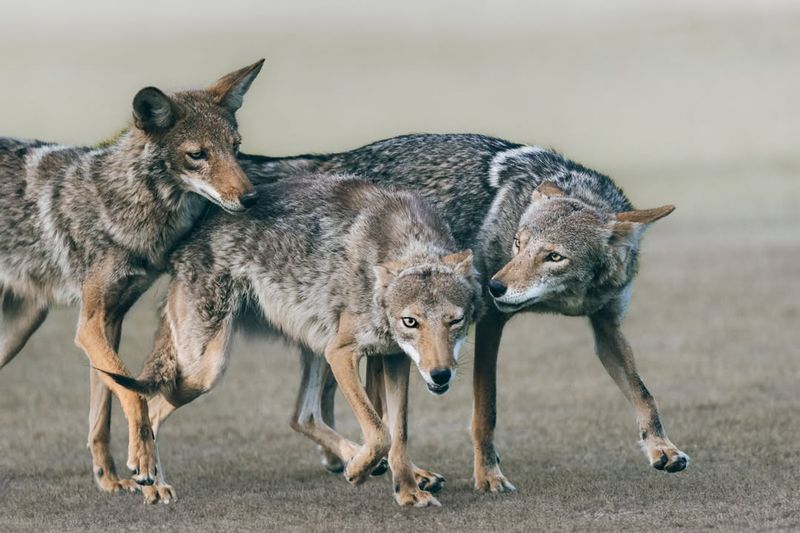
Most coyote sightings are isolated incidents, but repeated visits may indicate a larger issue.
If a coyote returns frequently or shows bold behavior like approaching people or pets, it’s time to contact local wildlife authorities.
They have the expertise and resources to assess the situation.
In New Mexico, the Department of Game and Fish handles wildlife concerns.
Keep a log of sightings, including dates, times, and behaviors.
Photos or videos are helpful if you can capture them safely.
This information helps officials determine the best course of action.
Authorities can provide guidance tailored to your specific situation.
They may recommend additional hazing techniques, habitat modifications, or in rare cases, relocation or removal of the animal.
Never attempt to trap or harm a coyote yourself, as this is illegal and dangerous.
Community-wide patterns matter too.
If neighbors are also experiencing frequent visits, a coordinated response may be necessary.
Wildlife officers can organize educational sessions or neighborhood hazing efforts to address the problem collectively.
Reporting sightings also contributes to broader wildlife management efforts.
Data helps officials track coyote populations and movement patterns, improving safety for entire communities.
Your call could prevent a more serious incident down the line.
Taking action early is always better than waiting.
Professional guidance ensures the situation is handled safely, legally, and effectively for everyone involved.
12. Do Not Feed Or Leave Food Out
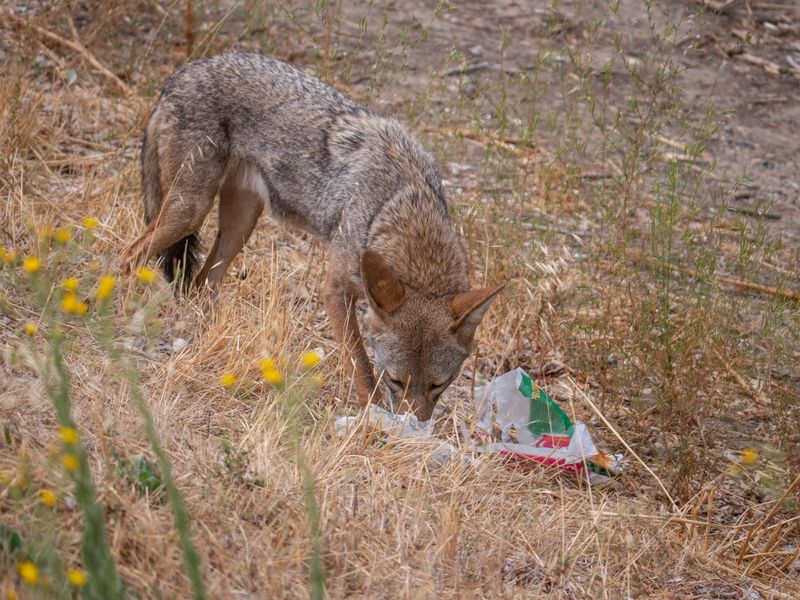
Leaving food accessible in your yard creates a dangerous habit for coyotes.
Once they associate your property with easy meals, they will return again and again, losing their natural fear of humans.
This behavior puts everyone at risk because bold coyotes become unpredictable.
Pet food bowls, birdseed, and unsecured garbage cans act like dinner invitations to hungry wildlife.
Even small amounts of leftovers can attract these opportunistic hunters.
Remove all food sources immediately after use.
Keeping your yard free of temptation helps coyotes stay wild and wary.
When they cannot find food in residential areas, they move on to natural hunting grounds where they belong.
Your vigilance protects both your household and the animal’s natural instincts.
13. Do Not Run Away
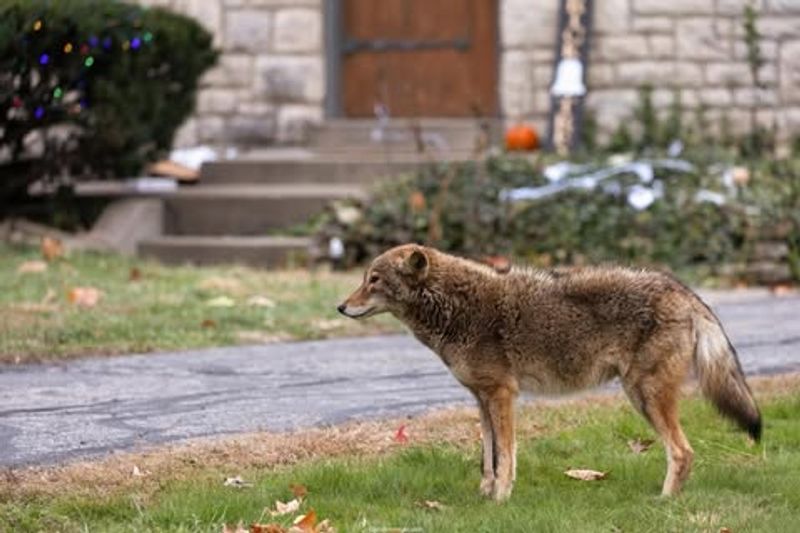
Running triggers a coyote’s chase instinct, which can turn a calm situation dangerous fast.
Sudden movement makes you look like prey, and that is exactly what you want to avoid.
Stand your ground instead of bolting toward your house.
Coyotes are naturally curious creatures, and fleeing only increases their interest in following you.
They may not intend harm, but their predatory reflexes kick in when something runs.
Staying put shows you are not afraid or vulnerable.
Keep your body language confident and assertive without making aggressive gestures.
Walk backward slowly if you need to create distance, but never sprint.
Calm, deliberate movements communicate that you are not an easy target and help the coyote lose interest.
14. Do Not Turn Your Back
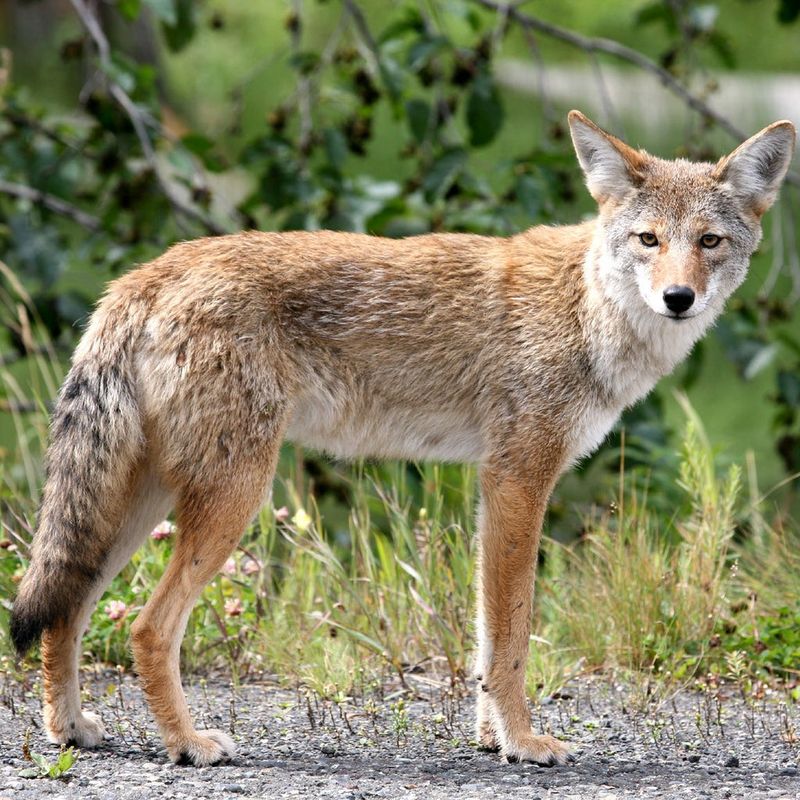
Turning away from a coyote removes your awareness of its behavior and position.
Animals interpret this as weakness or disinterest, which might encourage them to approach closer.
Always keep the coyote in your line of sight.
Watching the animal allows you to react quickly if it moves toward you or displays aggressive body language.
You need to read its signals to stay safe.
Looking away also prevents you from seeing if others join the scene.
Maintain eye contact without staring intensely, which can seem like a challenge.
Your steady gaze shows confidence and alertness.
If you must move, do so sideways or backward while keeping your face toward the coyote until you reach safety indoors.
15. Do Not Try To Interact Or Approach
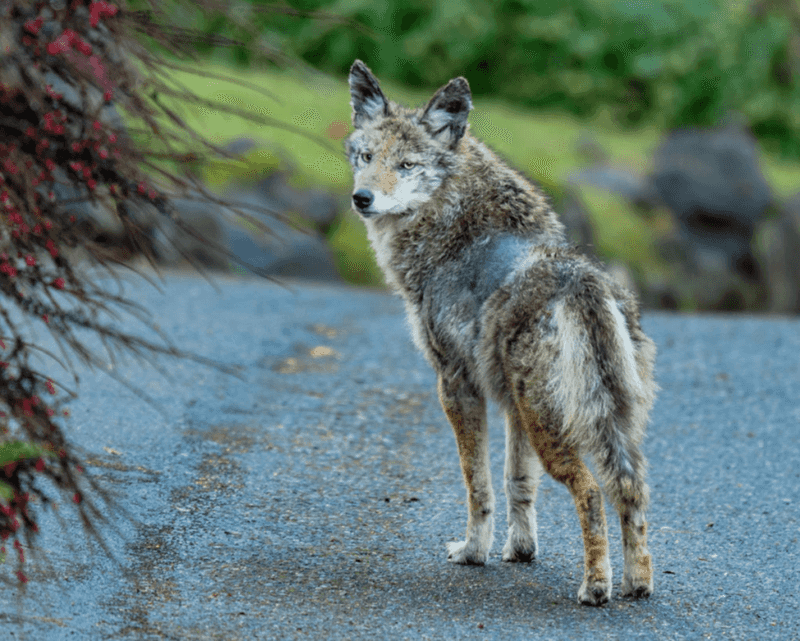
Attempting to touch, photograph up close, or interact with a coyote is extremely risky behavior.
These are wild predators, not pets, and they can bite or scratch when they feel threatened.
Respect their space and yours.
Even if the coyote seems calm or curious, approaching closes the safety gap both of you need.
Wild animals are unpredictable, and getting too close can provoke a defensive attack.
Your safety depends on maintaining distance.
Teach children and visitors never to walk toward wildlife, no matter how interesting it seems.
Admire from afar and give the animal room to leave on its own.
Creating boundaries keeps encounters peaceful and prevents injuries that require medical attention or wildlife removal.