Smart Steps To Take If A Fox Visits Your Pennsylvania Yard And What To Avoid
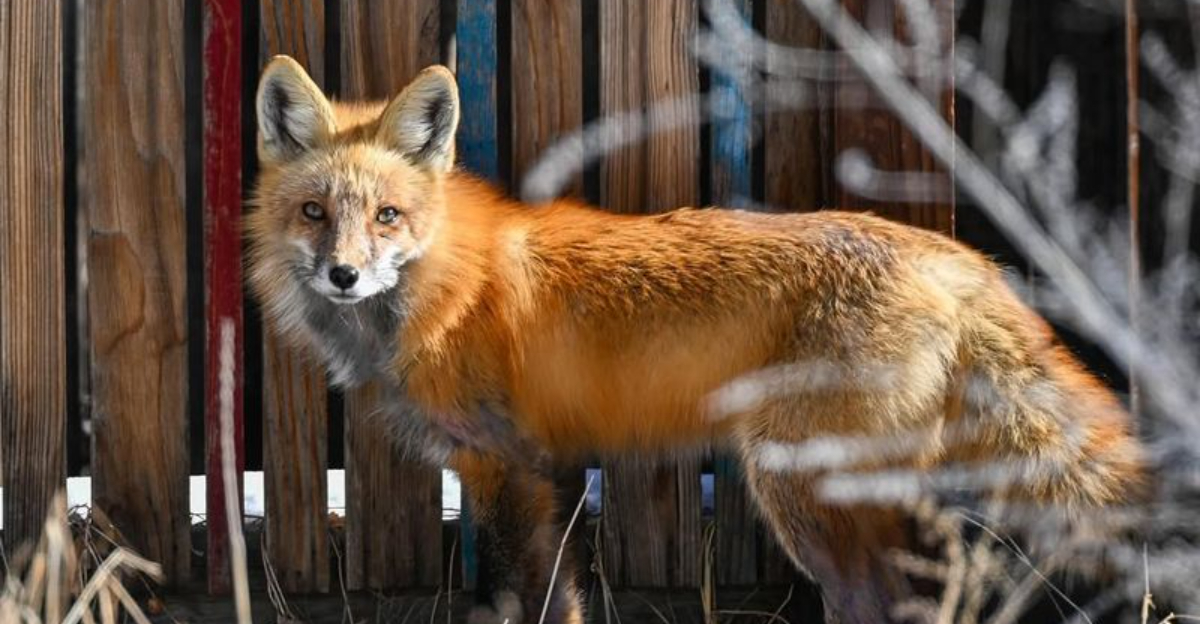
A flash of red fur at the edge of your lawn can stop you in your tracks.
One minute your Pennsylvania yard is quiet as a church mouse, the next it feels like you’ve stepped into a nature documentary.
Foxes are clever as a whip and curious by nature, and when one shows up, it’s easy to wonder if it’s bad news or just a passing guest.
Before you jump the gun or turn a blind eye, it pays to know the ropes.
A fox in your yard is not the end of the world, but it’s not something to shrug off either.
The right moves can keep the peace, protect your pets, and stop a small surprise from turning into a lingering problem.
Many homeowners make the mistake of acting on fear or old myths, which can stir up more trouble than it’s worth.
Others do nothing at all and hope the fox will pack up and leave on its own, which can be a roll of the dice.
With a bit of common sense and a level head, you can handle the situation without losing sleep or ruffling feathers.
Knowing what helps and what hurts makes all the difference when wildlife crosses your path.
1. Observe From A Safe Distance
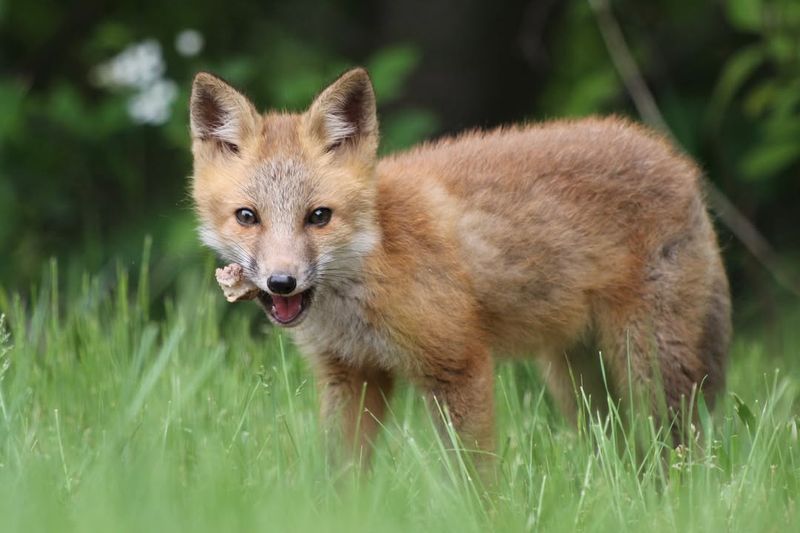
Watching wildlife from afar is always the safest choice when a fox appears in your Pennsylvania yard.
Foxes typically want nothing to do with people and will move along once they realize you’re nearby.
Keeping at least 50 feet between you and the animal gives it space to feel comfortable and leave on its own.
Stay indoors or behind a window if possible, especially if you have children or pets with you.
Binoculars or a camera with a zoom lens let you get a closer look without actually getting close.
Pennsylvania is home to red foxes and occasionally gray foxes, both of which are generally harmless when left alone.
Never approach a fox to take a selfie or get a better view, as this can stress the animal and provoke defensive behavior.
If the fox seems unafraid or approaches you, it might be habituated to humans, which is a red flag.
In such cases, making yourself appear larger and backing away slowly is your best move.
Remember that foxes are wild animals with sharp teeth and claws designed for hunting.
Even a frightened fox can lash out if it feels cornered or threatened.
Respecting their space protects you, your loved ones, and the fox itself from unnecessary conflict.
2. Secure Your Trash And Food Sources

Foxes often visit yards because they smell something tasty, and your garbage can be a major attraction.
Pennsylvania neighborhoods produce plenty of food waste, and foxes have learned that trash bins are easy meals.
Using heavy-duty containers with locking lids prevents these clever animals from accessing leftovers and scraps.
Store trash cans in a garage or shed until collection day if possible.
If you must keep them outside, consider using bungee cords or specialized locks designed for wildlife-proofing.
Compost piles should also be secured or enclosed, as decomposing fruit and vegetables attract hungry foxes.
Pet food left outside is another common reason foxes return to the same yard repeatedly.
Feed your dogs and cats indoors, or bring their bowls inside immediately after mealtime.
Even bird feeders can draw foxes, since the seeds attract rodents that foxes hunt.
Once a fox finds a reliable food source in your Pennsylvania yard, it will keep coming back.
Breaking this pattern requires removing all easy meals and keeping your property clean.
Within a few days of eliminating food access, most foxes will move on to search for dinner elsewhere.
3. Bring Pets And Small Animals Indoors
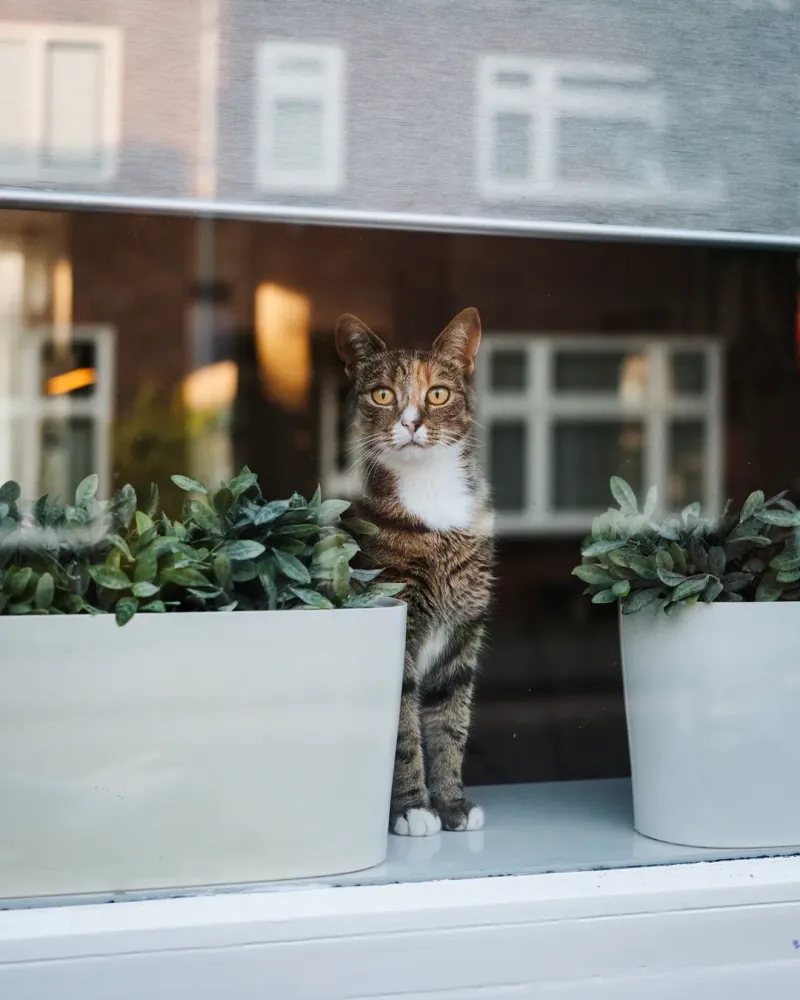
Your furry friends are precious, and foxes can view small pets as potential prey or competition.
Cats and small dogs are especially vulnerable when a fox is roaming nearby.
Bringing them inside immediately is the simplest way to prevent any dangerous encounters.
Foxes in Pennsylvania are generally not aggressive toward humans, but their hunting instincts kick in around smaller animals.
Rabbits, guinea pigs, chickens, and other outdoor pets need secure enclosures with roofs and buried fencing.
A determined fox can dig under a fence or squeeze through surprisingly small gaps.
Even larger dogs should be supervised when a fox is present, as confrontations can lead to injuries on both sides.
Foxes may carry diseases like rabies, and a bite or scratch could expose your pet to serious health risks.
Keeping pets on a leash during walks and avoiding dawn or dusk hours when foxes are most active reduces these risks.
If you keep chickens or other livestock in your Pennsylvania yard, reinforce coops with sturdy wire mesh.
Lock birds inside at night when foxes do most of their hunting.
Taking these precautions protects your animals while allowing the fox to pass through your property safely.
4. Make Noise To Encourage The Fox To Leave
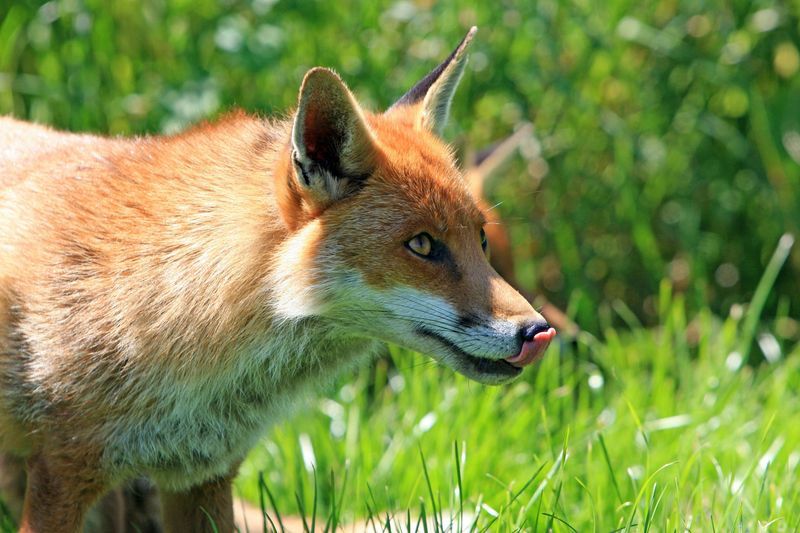
Sometimes a fox lingers longer than you’d like, and a little noise can persuade it to move along.
Clapping your hands, shouting, or banging pots together creates enough commotion to remind the fox that humans are nearby.
Most foxes prefer quiet environments and will retreat when they sense activity.
You can also use motion-activated sprinklers or alarms designed to deter wildlife.
These devices startle the fox without causing harm, teaching it that your Pennsylvania yard isn’t a safe place to hang around.
Consistency matters, if you scare the fox away every time it appears, it will eventually stop visiting.
Avoid using aggressive tactics like throwing objects or chasing the fox, as this can injure the animal or make it defensive.
The goal is to encourage the fox to leave calmly, not to terrify or hurt it.
A loud voice and confident posture are usually enough to send the message.
If the fox doesn’t respond to noise and continues to act strangely, such as stumbling, appearing disoriented, or approaching people, it may be sick.
In such cases, contact your local Pennsylvania wildlife control or animal control office for assistance.
Never attempt to handle or corner a fox that seems unwell, as this increases the risk of bites and disease transmission.
5. Contact Wildlife Professionals If Needed
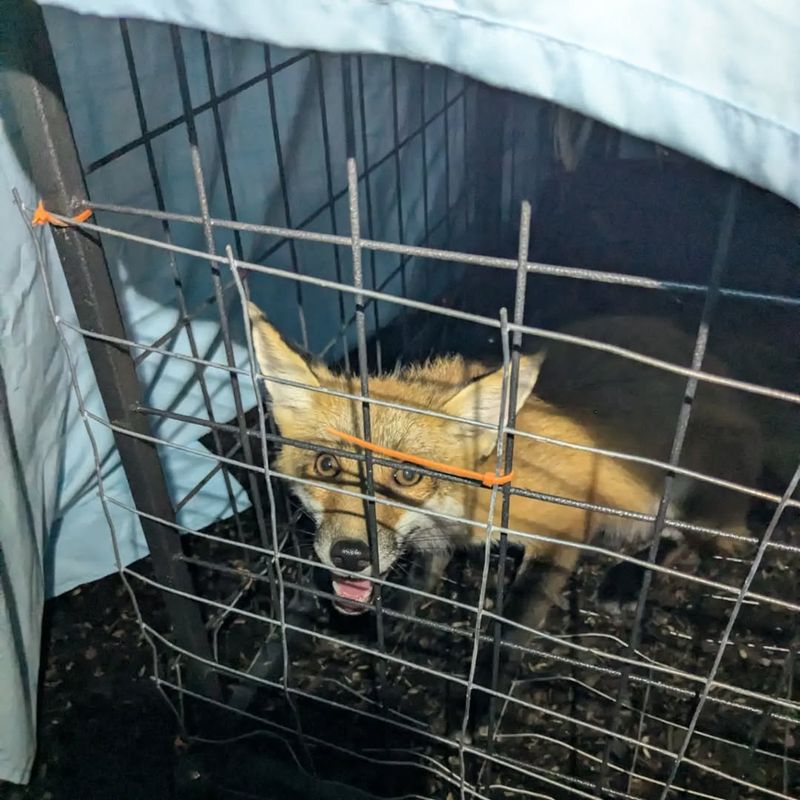
Certain situations call for expert help, and there’s no shame in reaching out to trained wildlife professionals.
If a fox has taken up residence under your deck, in your shed, or refuses to leave despite your efforts, specialists can handle the situation humanely.
Pennsylvania has licensed wildlife control operators who understand local fox behavior and legal removal methods.
Professionals can also assist if the fox appears injured, sick, or is acting aggressively.
Rabies is a concern with any wild mammal, and foxes showing unusual behavior should never be approached.
Your local animal control department or the Pennsylvania Game Commission can provide guidance and connect you with the right resources.
Attempting to trap or relocate a fox yourself is often illegal in Pennsylvania without proper permits.
Even well-meaning actions can violate wildlife protection laws and result in fines.
Licensed experts have the training and equipment to handle foxes safely while following all regulations.
If you’ve spotted a fox den with kits in your yard, professionals can advise on the best timing for exclusion.
Mother foxes are protective, and disturbing a den can lead to aggressive behavior.
Waiting until the young are old enough to leave on their own, then sealing entry points, is often the safest and most humane approach for everyone involved.
6. Don’t Feed The Fox
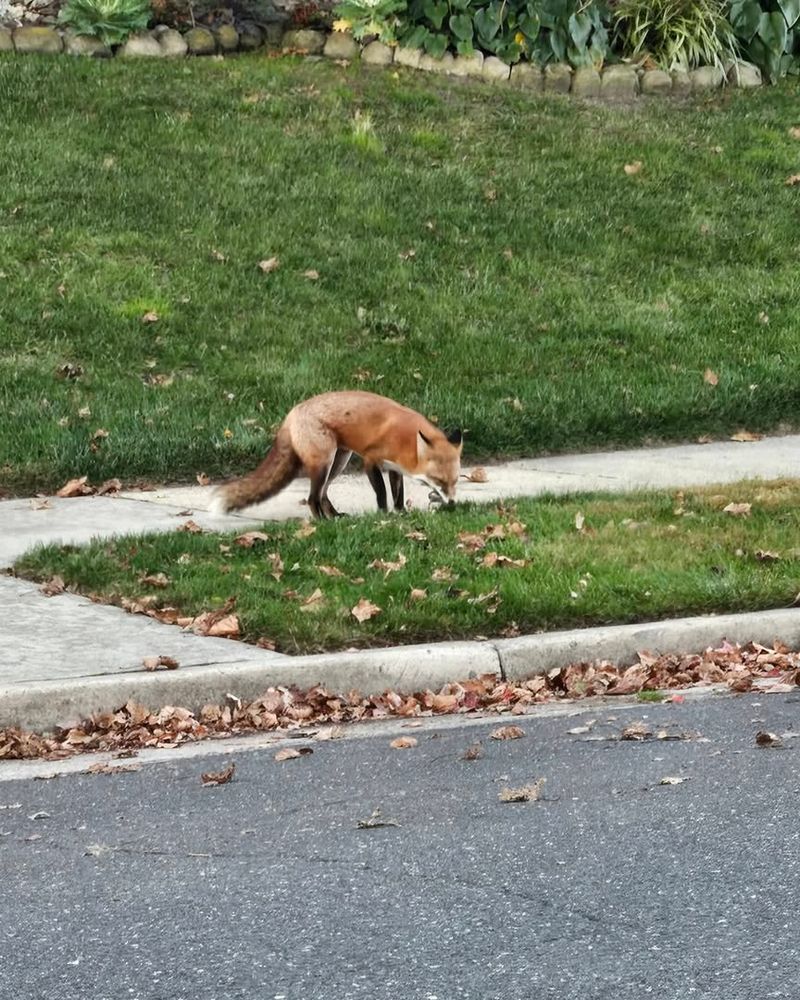
Feeding wild foxes might seem kind, but it actually creates serious problems for both the animals and your community.
When foxes learn to associate humans with food, they lose their natural wariness and become bolder.
This habituation can lead to aggressive behavior, especially if the fox expects food and doesn’t receive it.
Fed foxes also stop hunting for their natural prey, which disrupts the ecosystem in Pennsylvania.
They may begin relying entirely on handouts, making them less capable of surviving on their own.
If the food source suddenly disappears, these foxes struggle to return to their normal foraging habits.
Additionally, feeding wildlife is illegal in many Pennsylvania municipalities and can result in fines.
It attracts other animals like raccoons, skunks, and rodents, turning your yard into a wildlife hotspot.
Neighbors may also become concerned or upset when emboldened foxes wander into their properties.
Foxes are perfectly capable of finding their own meals through hunting mice, voles, rabbits, and insects.
They’re opportunistic feeders with keen senses that help them locate food without human assistance.
Allowing them to remain wild and independent is the best way to respect their nature and keep your Pennsylvania neighborhood safe for everyone.
7. Don’t Attempt To Touch Or Corner The Fox
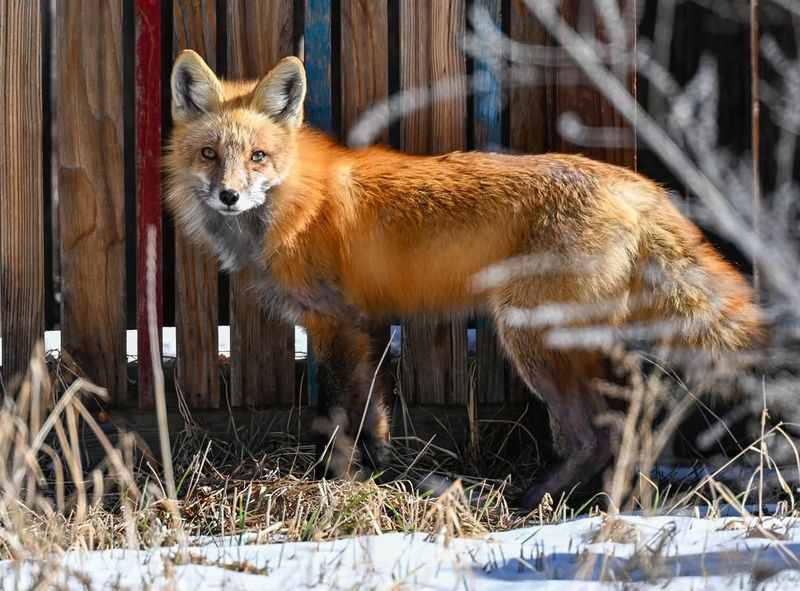
Reaching out to pet or handle a fox is one of the most dangerous mistakes you can make.
Foxes are not domesticated animals, and even the calmest-looking fox can bite or scratch when frightened.
Their teeth and claws are sharp tools designed for catching prey, and they won’t hesitate to use them in self-defense.
Cornering a fox removes its escape route, which triggers a panic response.
When trapped, a fox may lunge, snap, or attack to create an opening for escape.
Always give the animal a clear path to leave your Pennsylvania yard, even if you’re trying to encourage it to go.
Children are especially at risk because they may not understand the danger and might approach out of curiosity.
Teach kids to admire wildlife from a distance and never try to befriend wild animals.
Even a young fox can inflict painful injuries and potentially transmit diseases like rabies.
If you accidentally corner a fox, back away slowly while keeping your eyes on the animal.
Don’t turn your back or run, as sudden movements can provoke a chase instinct.
Speak calmly and give the fox space to escape on its own terms, which usually results in the animal fleeing as quickly as possible without incident.
8. Don’t Leave Doors Or Pet Entrances Open
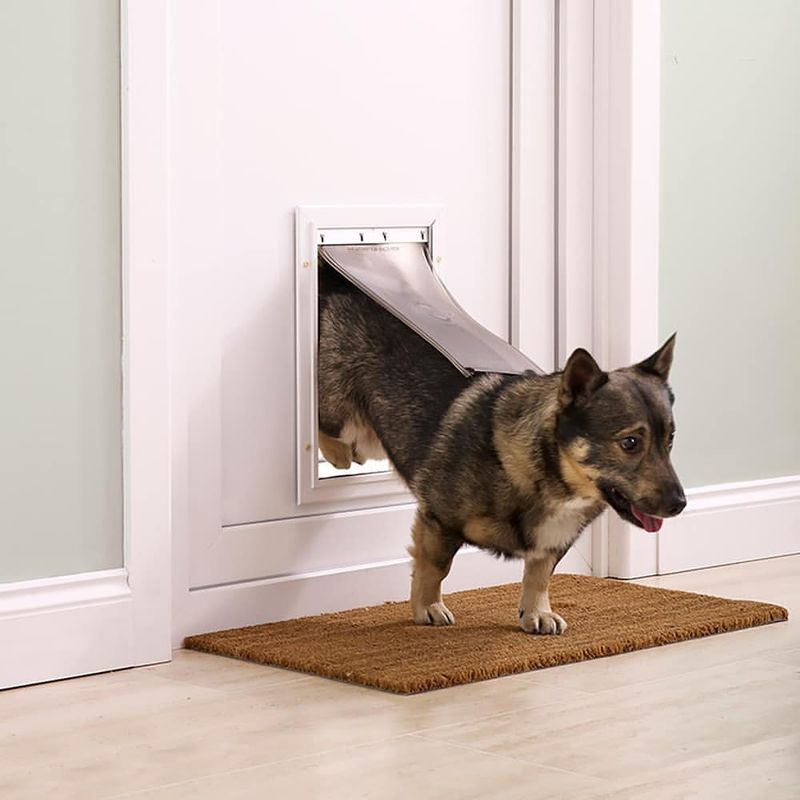
An open door or unsecured pet entrance is an invitation for curious foxes to explore inside your home.
While rare, foxes have been known to wander into houses, garages, and sheds in Pennsylvania when opportunities arise.
Once inside, a frightened fox can cause damage and become difficult to remove safely.
Pet doors are particularly risky because they’re sized perfectly for foxes to squeeze through.
If you have a doggie door, consider installing a locking mechanism or an electronic version that only opens for your pet’s microchip.
This prevents unwanted wildlife visitors while still giving your pets the freedom to go outside.
Leaving garage doors or shed entrances open overnight is another common mistake.
Foxes seek shelter in enclosed spaces, especially during harsh Pennsylvania winters or when raising young.
A warm garage can seem like the perfect den site, leading to an unwelcome houseguest situation.
Make it a habit to close and secure all entry points before dusk when foxes become most active.
Check that screens are intact and that basement windows are properly latched.
These simple precautions keep foxes where they belong, outside and wild, while protecting your home from intrusions that could endanger both your family and the fox itself.