12 Smart Steps To Take When A Coyote Wanders Into Your Louisiana Yard
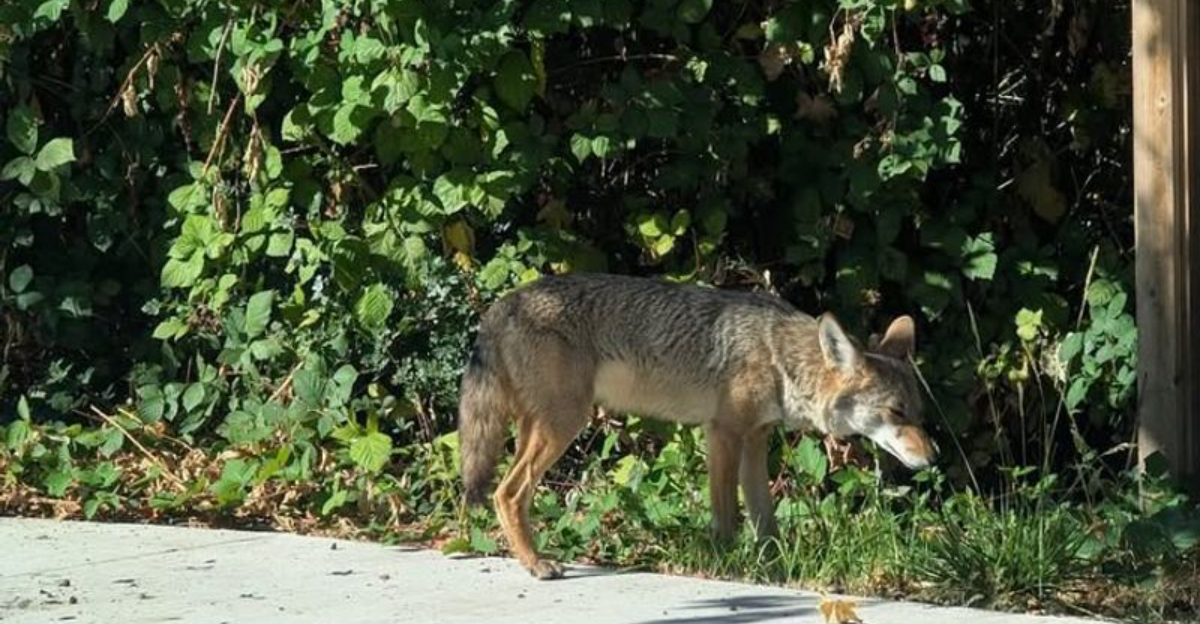
A coyote trotting through your Louisiana yard can be startling, but it doesn’t have to send you into panic mode.
These adaptable predators have become increasingly common in both rural and suburban areas, and knowing how to respond calmly is key to keeping your home, pets, and family safe.
Coyotes typically avoid humans, yet Louisiana’s abundant food sources—open trash, outdoor pet food, small animals, and livestock—can encourage them to linger.
The goal isn’t to harm or trap them, but to teach them your property is not a welcoming place.
Simple, strategic actions can discourage coyotes without escalating the situation or violating wildlife laws.
Whether you live near wetlands, forests, or farmland, understanding coyote behavior helps you react wisely when one shows up uninvited.
With the right steps, you can protect your property, prevent repeated visits, and coexist safely with these intelligent, misunderstood animals.
1. Stay Calm And Assess The Situation
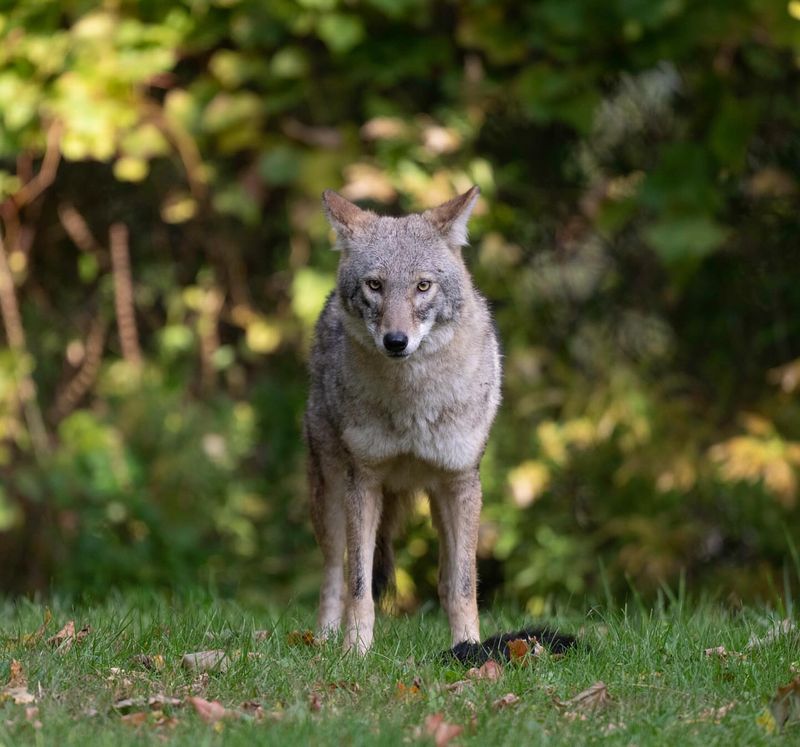
Panic never helps when wildlife appears unexpectedly in your space.
Taking a moment to breathe and observe gives you the advantage of making smart decisions rather than hasty ones that could escalate the situation.
Coyotes typically show up looking for food sources like pet bowls, garbage, or small animals, not to cause trouble with humans.
Watch the animal’s body language from a safe distance, preferably from inside your home or behind a secure barrier.
Notice whether it seems aggressive, curious, or simply passing through your property on its way somewhere else.
Most coyotes want nothing to do with people and will move along quickly once they realize you’re there.
Keeping your composure sets the tone for how the encounter unfolds.
Your calm energy prevents you from making sudden movements that might startle the animal or trigger defensive behavior.
Remember that these creatures are more afraid of you than you are of them in most cases.
Observing carefully also helps you determine whether the coyote appears sick or injured, which requires different action than a healthy animal just exploring the neighborhood.
2. Bring Your Pets Inside Immediately
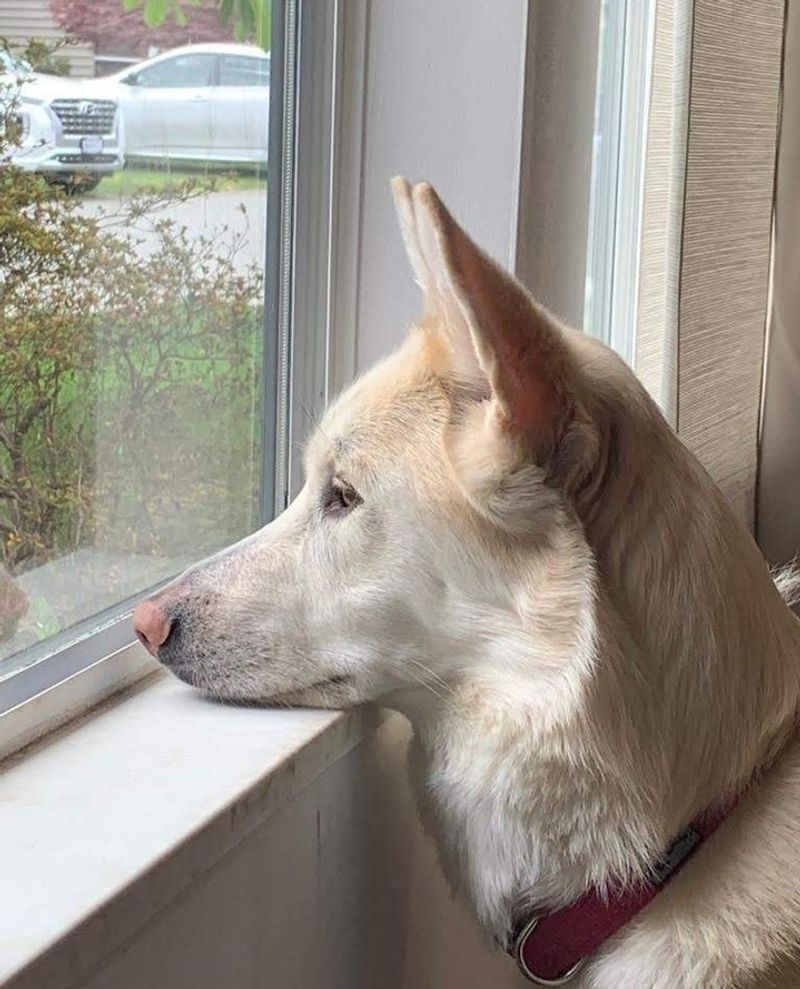
Small dogs and cats look like prey to hungry coyotes, especially during dawn and dusk when these predators are most active.
The moment you spot a coyote anywhere near your property, get your furry family members inside without delay.
Don’t call your pet from across the yard, as running toward you might trigger the coyote’s chase instinct.
Instead, walk calmly to your pet, pick them up if they’re small enough, and carry them indoors while keeping your eyes on the wild animal.
For larger dogs that can’t be carried, use a firm leash and guide them inside with confidence and control.
Never leave pet food or water bowls outside, as these act like dinner invitations for coyotes scouting the area for easy meals.
Even supervised outdoor time becomes risky when coyotes establish patterns in your neighborhood.
Consider installing motion-sensor lights around your yard to make it less appealing for nighttime visitors.
Your pets depend on you to recognize danger they might not understand until it’s too late.
Taking this step seriously protects the animals you love from potentially harmful encounters.
3. Make Yourself Look Bigger And More Intimidating
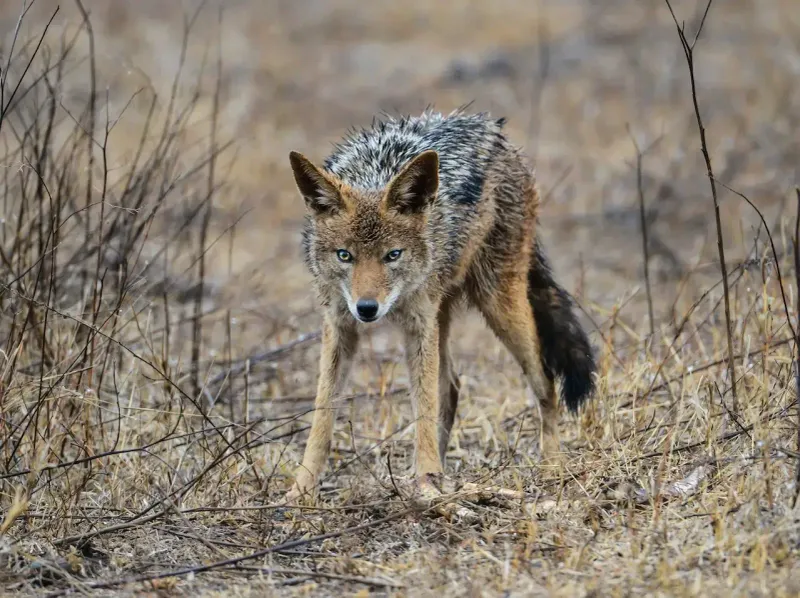
Size matters in the animal kingdom, and coyotes respect creatures that appear larger and more threatening than themselves.
If you need to go outside while a coyote is present, stand up straight and stretch your arms overhead to maximize your height.
Wave your jacket, shirt, or a blanket above your head to create the illusion of even greater size.
This simple trick taps into the coyote’s natural instinct to avoid confrontation with bigger animals that might pose a threat.
Opening an umbrella suddenly can also startle the animal and make you appear much larger than your actual size.
Never crouch down, turn your back, or run away, as these actions make you look like vulnerable prey rather than a formidable presence.
Children should be taught this technique as well, though they should always have adult supervision during any wildlife encounter.
Confidence in your movements sends a clear message that you’re not an easy target.
Most coyotes will back off when they realize you’re not intimidated by their presence.
This strategy works particularly well when combined with loud noises and aggressive posturing that reinforces your dominance in the space.
4. Create Loud Noises To Scare The Animal Away
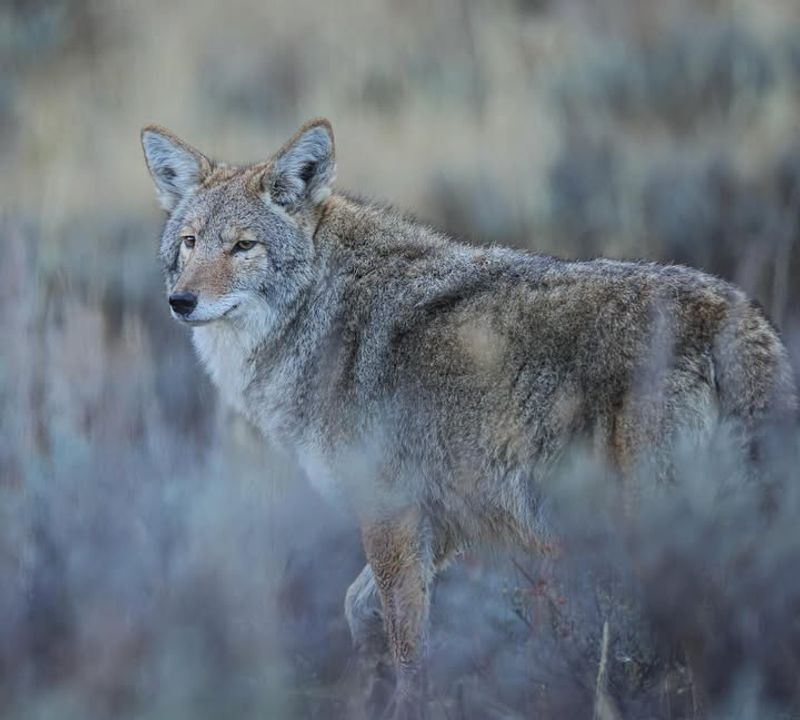
Coyotes prefer quiet environments where they can hunt and move around without drawing attention to themselves.
Disrupting that peace with sudden, jarring sounds often sends them running in the opposite direction.
Bang pots and pans together, blow a whistle, or use an air horn if you have one available.
Yelling in a deep, authoritative voice works too, especially when combined with aggressive body language and forward movement.
Don’t use high-pitched screams that might sound like a distressed animal, as this could actually attract rather than repel the coyote.
Keep making noise until the animal leaves your property completely, not just until it moves a few feet away.
Consistency matters because coyotes are smart and will test boundaries if they think you’re not serious about defending your space.
Some people keep noisemakers near their back doors specifically for wildlife encounters, which saves precious seconds during an emergency.
Teaching everyone in your household where these tools are located ensures anyone can respond effectively.
Repeated exposure to loud, unpleasant sounds teaches coyotes that your yard is not a welcoming place for their activities.
5. Never Approach Or Try To Feed The Coyote
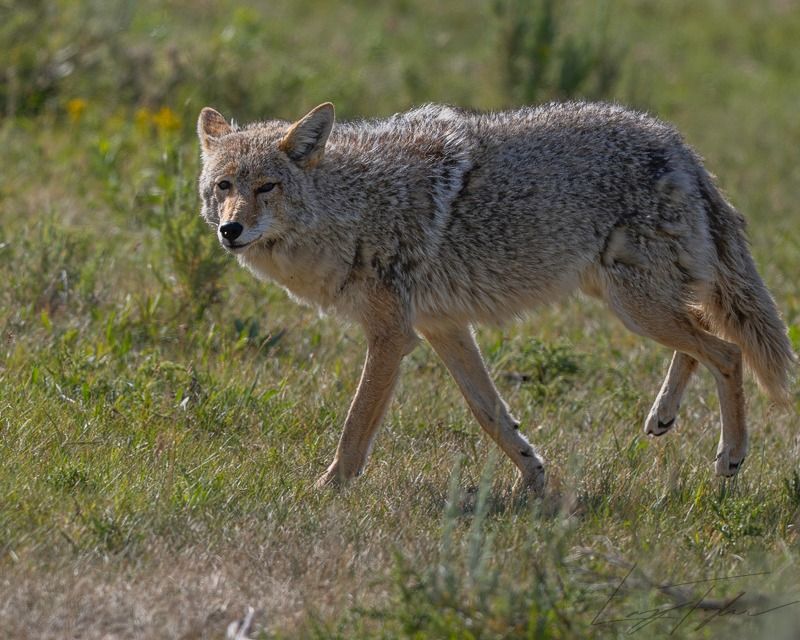
Curiosity can be dangerous when it comes to wild predators that have sharp teeth and unpredictable behavior.
Some people mistakenly think offering food will calm a coyote or encourage it to leave peacefully, but this creates the opposite effect.
Feeding coyotes teaches them to associate humans with easy meals, which removes their natural fear and makes them bolder over time.
These animals will return repeatedly once they learn your property provides food, and they may become aggressive when defending what they now consider their territory.
Louisiana law actually prohibits feeding wild coyotes for these exact reasons, as it endangers both people and the animals themselves.
Approaching a coyote to get a closer look or take a photo puts you at serious risk of bites or scratches that could transmit diseases.
Even if the animal seems calm or friendly, remember that it’s a wild creature with instincts you can’t predict or control.
Maintaining distance protects everyone involved and prevents the coyote from becoming habituated to human presence.
Share this information with neighbors, especially those who might not understand the consequences of feeding wildlife.
Respecting boundaries keeps your community safer for both people and animals.
6. Secure Your Trash And Remove Food Sources
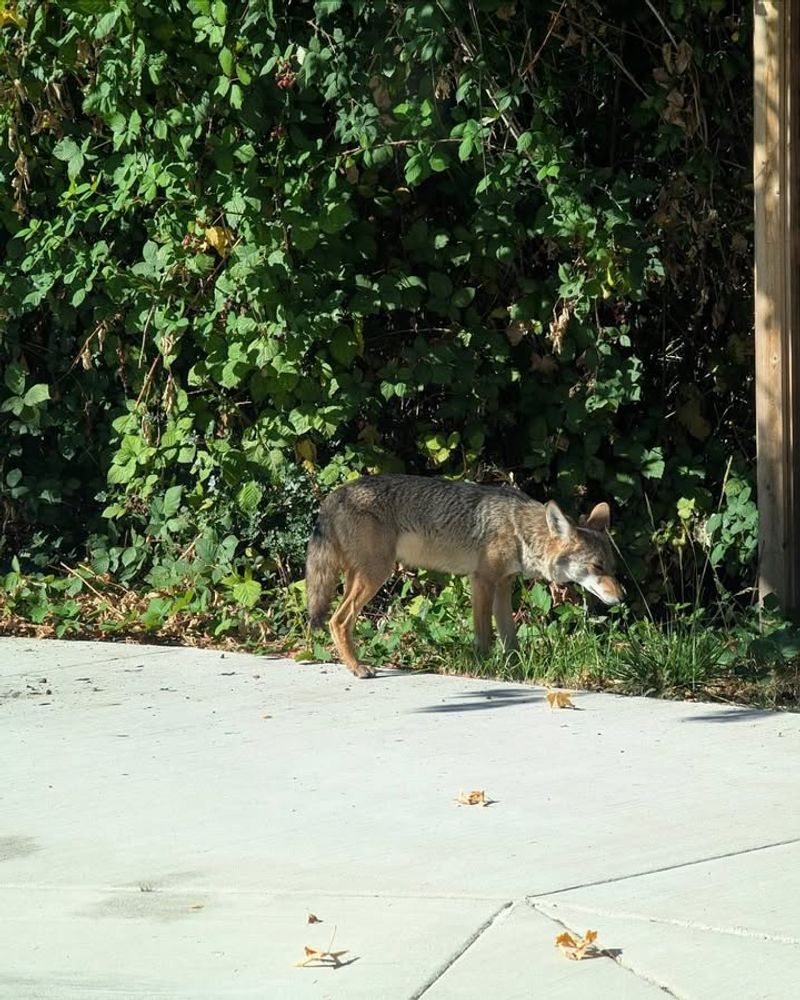
Coyotes have excellent noses that can detect food from impressive distances, making your trash cans a prime target for midnight snacking.
Invest in wildlife-resistant garbage containers with locking lids that prevent clever paws from prying them open.
Store trash bins in your garage or shed until collection day rather than leaving them outside where they’re easily accessible.
Fallen fruit from trees, bird feeders, and compost piles also attract coyotes by providing easy calories without much effort.
Clean up any food waste promptly and consider bringing bird feeders inside at night when coyotes are most active.
Your vegetable garden might also draw these animals if they’re hunting the rabbits and rodents that nibble on your plants.
Installing proper fencing around gardens creates barriers that protect both your produce and reduce coyote interest in your property.
Even something as simple as clearing brush piles eliminates hiding spots for small prey animals that coyotes hunt.
When you remove the buffet, the dinner guests stop showing up to your backyard party.
Consistent attention to these details makes your property far less appealing than neighboring yards that offer better hunting and scavenging opportunities.
7. Use Motion-Activated Sprinklers Or Lights
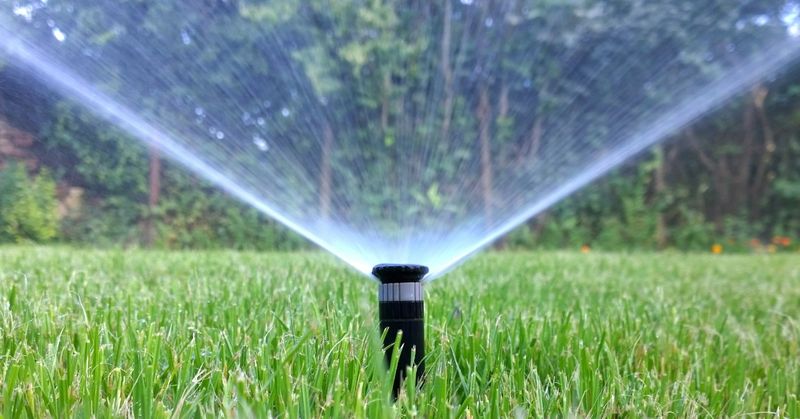
Technology offers clever solutions for homeowners who want to discourage wildlife without constant vigilance or physical confrontation.
Motion-activated sprinklers detect movement and release sudden bursts of water that startle coyotes without causing any harm.
The unexpected spray creates an unpleasant experience that teaches these animals to avoid your property in the future.
Bright motion-sensor lights work similarly by flooding your yard with illumination the moment something triggers the sensor.
Coyotes prefer darkness for their activities, so sudden brightness makes them uncomfortable and exposed to potential threats.
Installing these devices around your property’s perimeter creates multiple layers of defense that work even when you’re asleep or away from home.
The initial investment pays off through reduced wildlife encounters and the peace of mind that comes with automated protection.
Position sensors strategically near areas where coyotes might enter, such as gaps in fencing or along tree lines that border your property.
Regular maintenance ensures these systems work properly when you need them most.
Combining multiple deterrent methods creates a comprehensive approach that addresses different aspects of coyote behavior and makes your yard genuinely unwelcoming to these wild visitors.
8. Check And Repair Your Fencing

Strong fencing serves as your first line of defense against coyotes and other wildlife that might wander onto your property.
Walk your fence line regularly to identify gaps, holes, or sections that have weakened over time due to weather or age.
Coyotes can squeeze through surprisingly small openings, so even a gap that looks too tiny deserves attention and repair.
For maximum effectiveness, fences should stand at least six feet tall since coyotes are capable jumpers when motivated by food or curiosity.
Bury the bottom of your fence several inches underground to prevent these clever animals from digging beneath it to gain access.
Adding roller bars or coyote rollers to the top of fences stops them from getting the grip they need to climb over.
Chain-link, wood, and vinyl fencing all work well when properly installed and maintained without weak points that compromise security.
Gates require special attention since they’re common entry points if they don’t close completely or have gaps at the bottom.
Installing spring-loaded hinges ensures gates always swing shut automatically rather than being left accidentally open.
Quality fencing protects not just against coyotes but also other wildlife and provides privacy and security for your entire family throughout the year.
9. Keep Children And Vulnerable Individuals Indoors
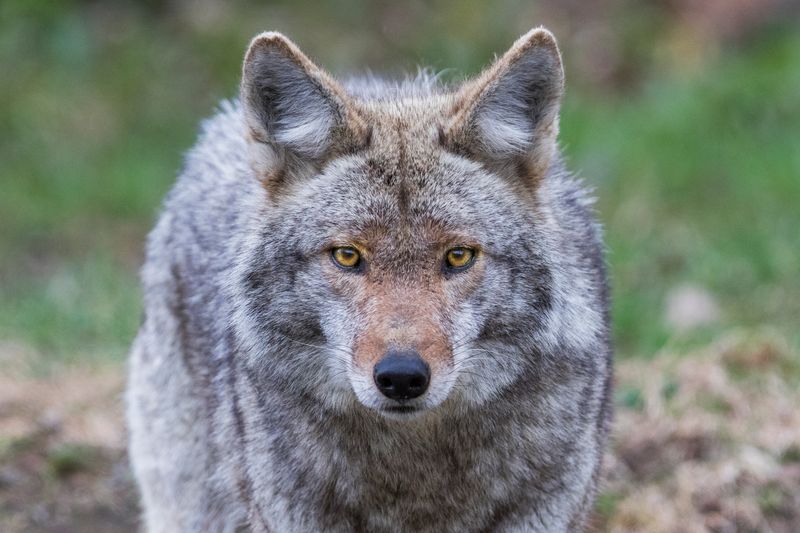
Small children can appear vulnerable to coyotes, especially if they’re playing alone or making high-pitched sounds that mimic prey animals.
While attacks on humans remain extremely rare, taking precautions protects the people you love most from even the slightest risk.
Bring kids inside immediately when a coyote is spotted anywhere in your neighborhood, not just your specific yard.
Explain the situation in age-appropriate terms that help them understand why they need to stay indoors without creating unnecessary fear.
Elderly individuals or anyone with limited mobility should also remain inside during coyote encounters since they might struggle to defend themselves effectively.
Teach children never to approach, chase, or try to pet wild animals, no matter how cute or interesting they appear.
Supervise outdoor playtime carefully during dawn and dusk when coyotes are most active and likely to be hunting in residential areas.
Creating clear family rules about wildlife encounters helps everyone respond appropriately when unexpected situations arise.
Practice what to do if someone spots a coyote so the response becomes automatic rather than panicked.
Your vigilance and preparation create a safer environment where children can enjoy outdoor activities without unnecessary exposure to wildlife dangers that lurk in seemingly peaceful neighborhoods.
10. Document The Encounter With Photos Or Video
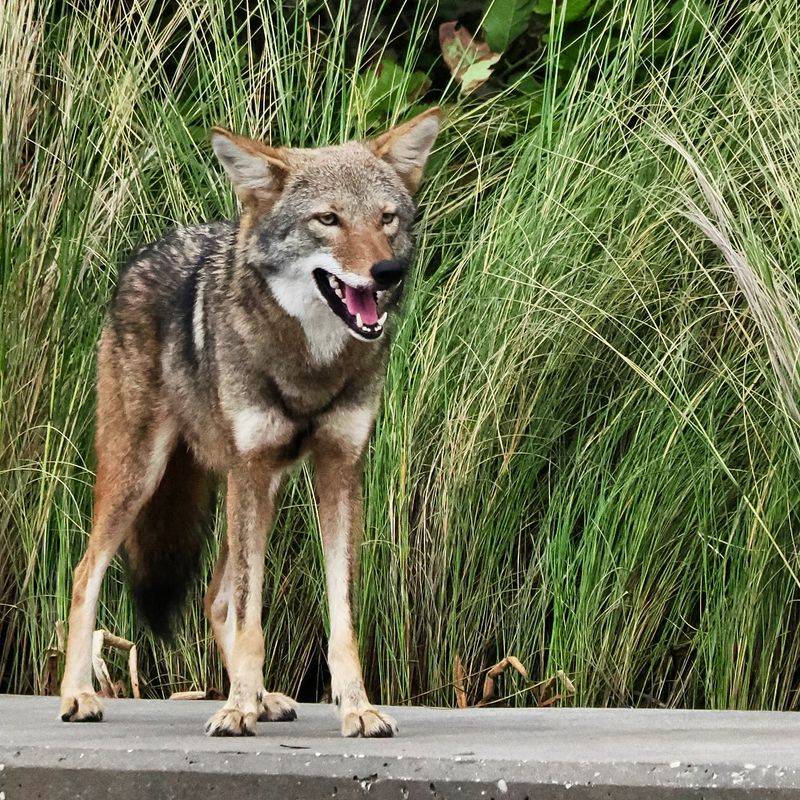
Recording wildlife encounters provides valuable information for wildlife officials who track coyote populations and behavior patterns in Louisiana communities.
Take photos or videos from a safe location, preferably from inside your home where you’re protected by walls and windows.
Never put yourself at risk by getting too close just to capture better footage or more detailed images.
Note the date, time, and specific location of the sighting along with any unusual behavior you observed during the encounter.
This documentation helps authorities determine whether the animal appears healthy or shows signs of illness that could pose public health concerns.
Patterns emerge when multiple residents report sightings, allowing wildlife officials to identify areas where coyotes have established territories or regular routes.
Your evidence might also prove useful if the coyote causes property damage or if officials need to implement management strategies in your neighborhood.
Share your documentation with local animal control or wildlife management agencies rather than just posting on social media.
Professional analysis of your photos can reveal details you might miss, such as whether the same individual coyote is appearing repeatedly.
Contributing to community knowledge helps everyone make informed decisions about how to coexist safely with wildlife that increasingly shares our suburban and rural spaces.
11. Contact Louisiana Wildlife Authorities If Behavior Seems Aggressive
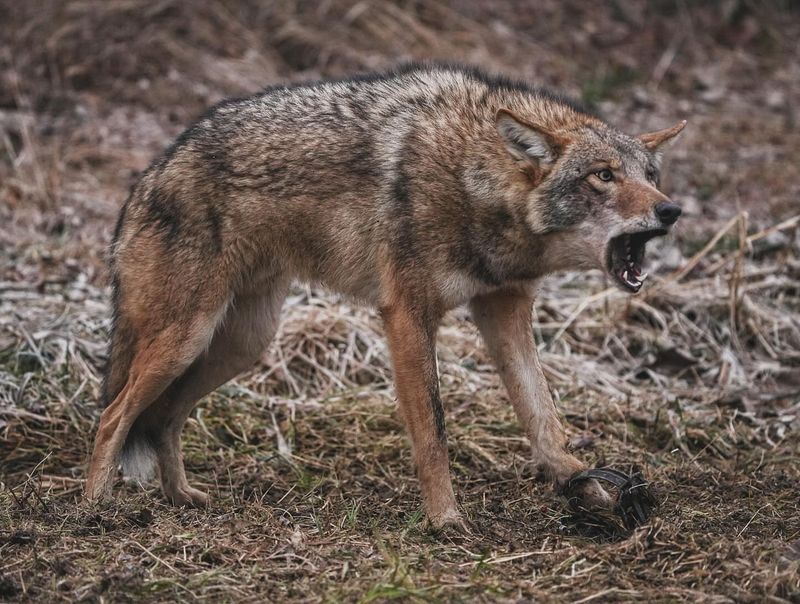
Most coyote encounters end peacefully with the animal moving along once it realizes humans are present, but some situations require professional intervention.
Aggressive behavior like approaching people despite noise and intimidation tactics, showing no fear, or attempting to enter homes signals a serious problem.
Contact the Louisiana Department of Wildlife and Fisheries immediately if a coyote acts unusually bold or displays signs of illness like stumbling or excessive drooling.
Rabies remains a concern with any wild mammal, and animals infected with this virus often lose their natural fear of humans.
Provide authorities with the detailed documentation you collected, including photos, videos, and written notes about the encounter.
Explain exactly what made the behavior concerning so officials can assess the situation accurately and determine appropriate responses.
Local animal control can also provide guidance specific to your parish and connect you with resources for managing wildlife conflicts.
Never attempt to trap or relocate a coyote yourself, as this is both dangerous and illegal without proper permits in Louisiana.
Professional wildlife managers have training and tools to handle situations that exceed typical homeowner capabilities.
Quick reporting helps protect not just your family but also neighbors who might encounter the same animal before authorities can address the problem effectively.
12. Educate Your Neighbors About Coyote Safety
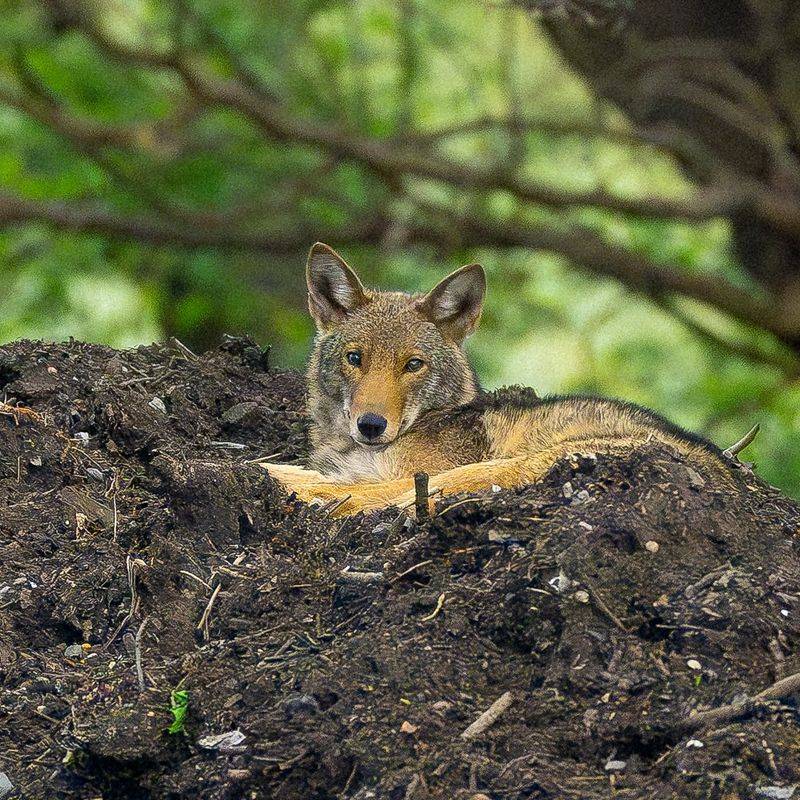
Wildlife management works best when entire communities coordinate their efforts rather than individual households acting alone.
Share information about your coyote encounter with neighbors so everyone stays alert and takes appropriate precautions with their pets and property.
Organize a neighborhood meeting or create a group chat where residents can report sightings and discuss effective deterrent strategies that have worked.
When everyone removes food sources and implements similar safety measures, coyotes learn that the entire area is unwelcoming rather than just one or two yards.
Distribute educational materials from Louisiana Wildlife and Fisheries that explain coyote behavior and evidence-based management techniques.
Some neighbors might not realize that feeding wildlife or leaving trash unsecured affects everyone’s safety, not just their own property.
Friendly conversations about shared concerns build community cooperation without creating conflict or pointing fingers at specific households.
Consider posting signs at neighborhood entrances reminding residents not to feed wildlife and to report aggressive animal behavior promptly.
Children benefit when all the adults in a community reinforce the same safety messages about keeping distance from wild animals.
Collective action creates lasting solutions that make your neighborhood safer and less attractive to coyotes seeking easy food sources and comfortable territories in suburban Louisiana landscapes.