Smart Things To Do If A Coyote Wanders Into Your Wisconsin Yard And A Few Things To Avoid
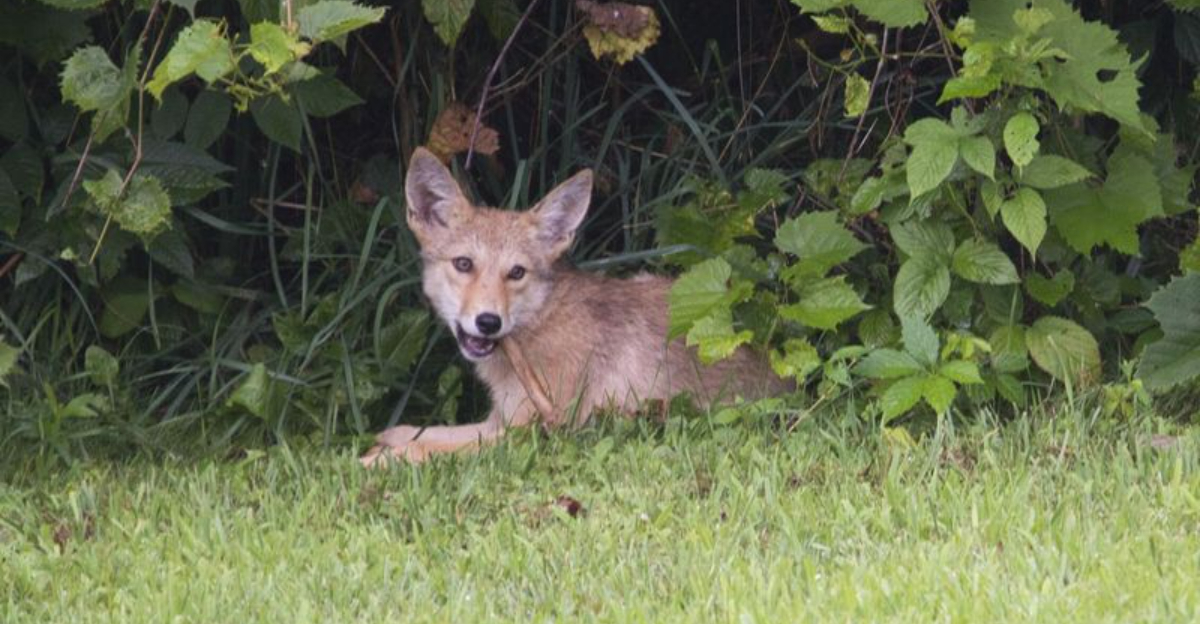
It was late one evening when I noticed a pair of glowing eyes near my Wisconsin garden. My heart skipped a beat, it was a coyote, calmly sniffing around my yard.
At first, I froze, unsure what to do. Many homeowners have the same reaction when a wild visitor like this appears. Coyotes may look harmless from a distance, but they can pose risks to pets, small livestock, and even curious children if approached incorrectly.
Knowing how to handle a coyote encounter – and what mistakes to avoid – can keep both you and the animal safe. From creating deterrents to understanding safe behavior, there are simple strategies that make a big difference.
Acting wisely helps protect your property without putting yourself in danger or harming wildlife.
Learning the right moves can turn a frightening encounter into a manageable situation before it gets out of hand.
1. Make Yourself Big And Loud
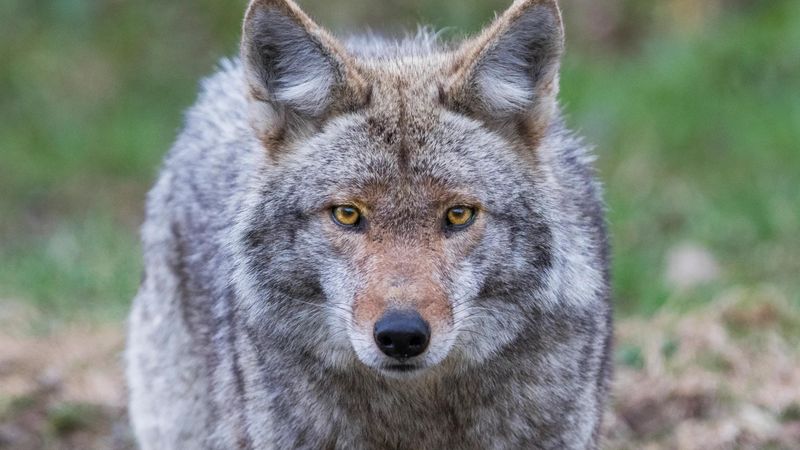
When you encounter a coyote in Wisconsin, the most effective defense is to appear as intimidating as possible. Wildlife experts recommend the “hazing” method, which involves making yourself look larger and producing loud, startling noises.
Wave your arms above your head, stomp your feet, and shout firmly to reinforce that humans are not prey. Holding a whistle, air horn, or bell during walks, especially in the evening when coyotes are most active, adds an extra layer of deterrence.
I remember hiking in Door County last fall when a curious coyote approached the trail. I waved my arms and shouted, and it quickly retreated into the woods.
Repeating these techniques consistently helps maintain a natural fear of humans. Coyotes are intelligent animals, and when every person in a neighborhood uses similar deterrents, it prevents them from becoming habituated to human presence.
Additionally, combining visual intimidation with noise ensures that even bolder coyotes understand humans are a threat, reducing the risk of aggressive encounters. Practicing hazing techniques in safe settings familiarizes both you and pets with how to respond calmly and effectively.
Over time, this method reinforces safe boundaries and encourages coyotes to move away from residential areas without harm.
2. Secure Your Trash Cans
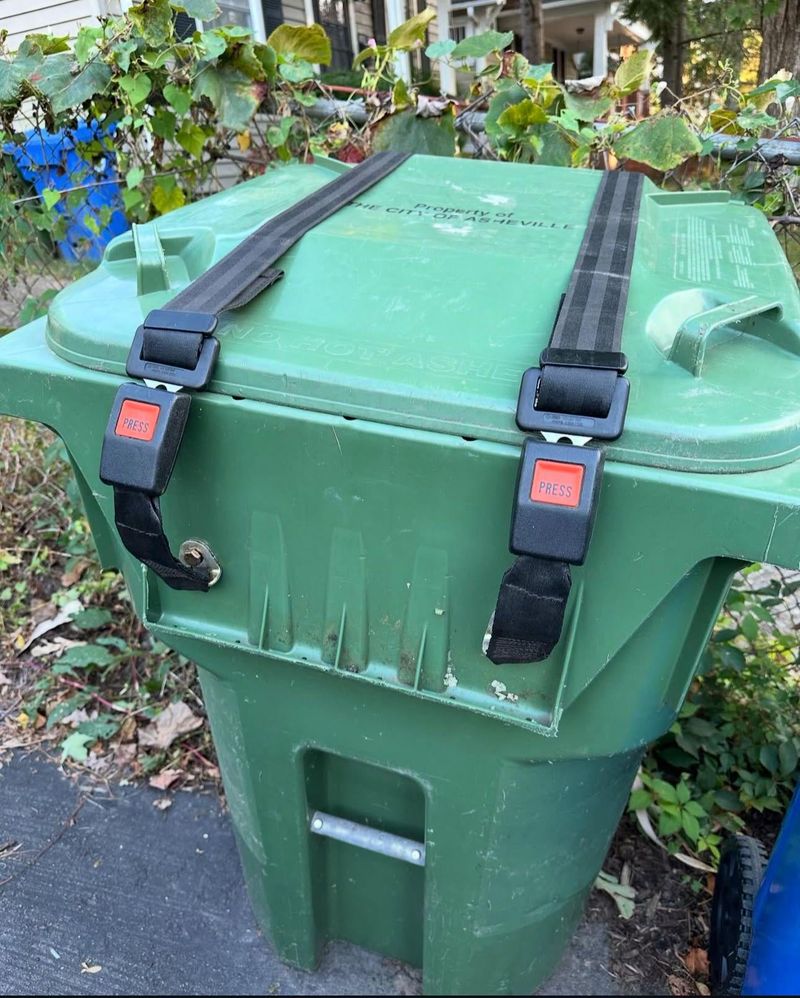
One of the most common attractants for coyotes in Wisconsin neighborhoods is unsecured trash. Leaving food waste accessible acts as a dinner invitation to these opportunistic predators.
Animal-proof containers with tight-fitting lids, or using strong bungee cords to secure lids, are essential for deterring them. Many communities across the state, from Milwaukee to Madison, have reported increased coyote sightings directly linked to accessible garbage.
Timing is also important, placing trash out only on collection day mornings prevents overnight access that coyotes can exploit.
I once spoke with a homeowner in the Kettle Moraine area who noticed coyotes routinely rifling through his garbage at night; after switching to wildlife-resistant bins and storing cans in a garage until pickup, sightings drastically decreased.
Properly securing waste not only protects pets and children but also discourages coyotes from becoming habituated to residential areas.
Combining secure containers with other deterrents, such as motion-activated lights or sprinklers, creates a multi-layered approach that reinforces safe boundaries and minimizes potential conflicts.
For Wisconsin homeowners, taking this proactive step ensures a cleaner, safer, and more coyote-resilient neighborhood while allowing local wildlife to maintain natural foraging behaviors away from human spaces.
3. Remove Food Sources

Coyotes are opportunistic feeders, and even small food sources like fallen fruit, vegetable scraps, or pet food can make your Wisconsin yard highly attractive. Promptly harvest ripe fruits from trees and clean up any dropped produce.
Birds, squirrels, and other small animals drawn to feeders also inadvertently attract coyotes, so consider bringing bird feeders indoors at dusk. Compost piles can be a hidden source of food if they contain meat scraps or overly sweet organic matter.
I’ve noticed in northern Wisconsin that yards with unmanaged fruit trees or unsecured compost bins consistently see more nighttime coyote activity. Eliminating these attractants reduces the likelihood of coyotes lingering or becoming habituated.
Combine cleanup with secure pet feeding practices and a tidy yard, and coyotes will focus on natural prey instead of residential areas.
Maintaining a garden free of tempting snacks not only keeps coyotes at a safe distance but also encourages healthier wildlife behavior overall.
This approach is a critical part of responsible coexistence, allowing humans and coyotes to share the landscape without conflict. Observing these steps consistently across the community significantly reduces encounters and helps protect both people and pets.
4. Install Motion-Activated Deterrents
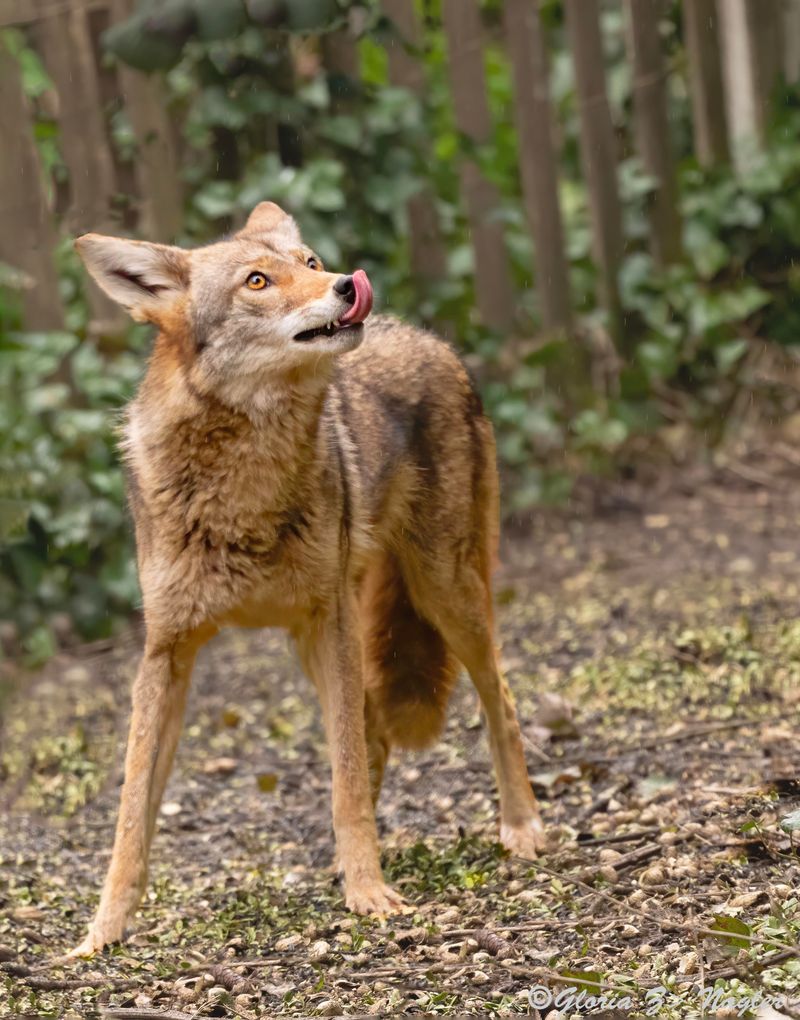
Motion-activated deterrents are an effective and humane way to discourage coyotes from frequenting Wisconsin yards. Sprinklers that release sudden bursts of water, when triggered by movement, startle coyotes without causing harm.
Many homeowners in Door County and the Milwaukee area report that combining these sprinklers with solar-powered flashing lights, which mimic the eyes of predators, significantly reduces nocturnal activity.
Positioning multiple devices around property entrances, pathways, and garden perimeters increases effectiveness.
I installed one such system last spring, and within days, coyotes no longer approached my backyard compost or fruit trees.
Motion-activated devices exploit the coyotes’ natural caution, reinforcing humans as a threat and discouraging them from establishing territory near homes.
These deterrents also work well in combination with other preventive measures such as fencing and secure trash storage. Regular maintenance, like checking batteries and cleaning sensors, ensures continuous protection.
By creating an environment that feels unpredictable and unsafe for coyotes, homeowners can maintain safe spaces for pets, children, and gardens while still allowing wildlife to coexist at a distance.
For Wisconsin residents, motion-activated deterrents are a practical, non-lethal method to manage coyote interactions year-round.
5. Install Proper Fencing
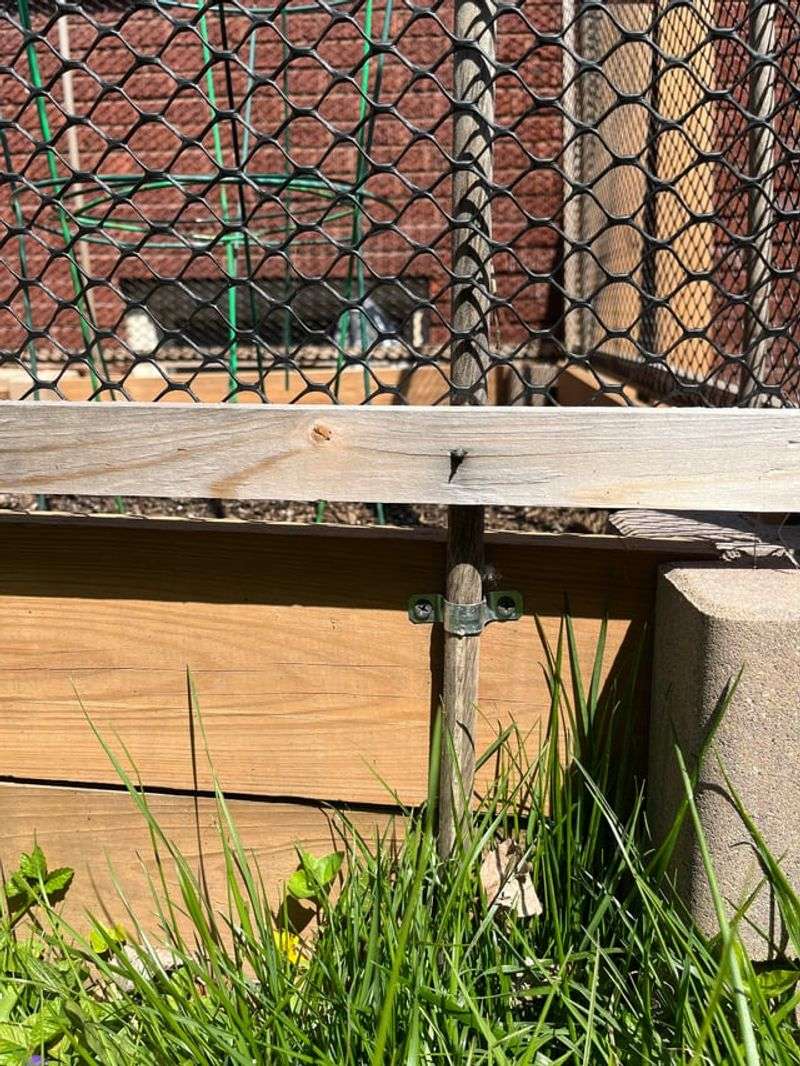
Coyotes are surprisingly agile and can jump over fences or dig underneath if given the opportunity.
In Wisconsin, effective fencing requires both height and depth: a minimum of six feet tall, combined with a buried portion extending at least 12 inches underground, can prevent tunneling.
Many homeowners in rural areas near the Kettle Moraine or wooded properties have reported coyotes testing fences repeatedly until proper barriers are in place.
A relatively new innovation, the coyote roller, adds a spinning top bar to prevent animals from gaining traction while attempting to climb over fencing, making it especially useful for properties near natural areas or conservation lands.
Installing secure fencing around gardens, compost piles, and outdoor pets not only protects residents and livestock but also discourages coyotes from habituating to human spaces.
Proper fencing also works best when combined with other preventive measures, such as removing food sources and using motion-activated deterrents.
Observing coyote behavior near your property can help determine strategic placement of barriers. Well-constructed fences not only protect property but also promote safe coexistence, keeping coyotes in natural habitats while preventing conflict with humans.
6. Never Feed Coyotes
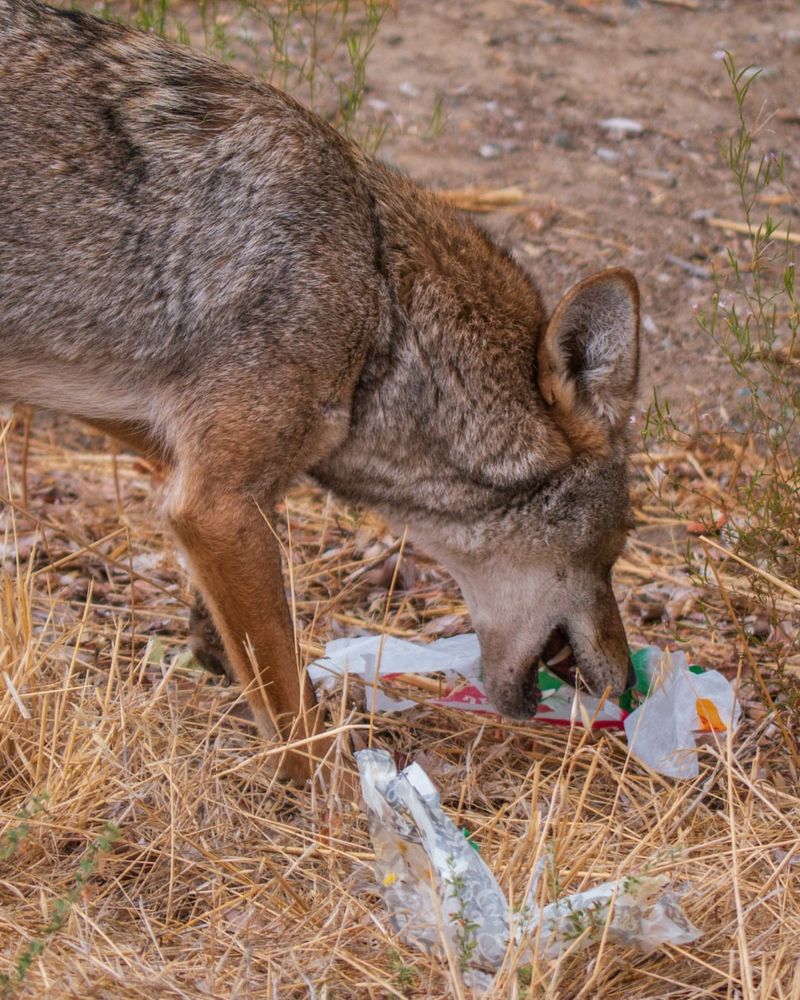
Feeding coyotes, intentionally or inadvertently, is one of the fastest ways to create dangerous dependencies in Wisconsin.
Wildlife experts stress that even seemingly harmless actions, such as leaving pet food outdoors or tossing scraps near gardens, teach coyotes to associate humans with easy meals.
Once habituated, coyotes may approach people more boldly, potentially creating unsafe situations for pets and children.
Across Wisconsin’s Northwoods, including communities near Green Bay and Door County, habituated coyotes are often the ones requiring intervention by professional wildlife managers.
Even compost piles containing meat or strong-smelling foods can attract these opportunistic predators. I once encountered a coyote in a suburban backyard that had repeatedly returned to unsecured compost bins.
After removing food sources and adding a motion-activated sprinkler, the coyote stopped visiting. Avoiding feeding coyotes encourages natural foraging behavior, maintains healthy wildlife populations, and reduces human-wildlife conflicts.
By ensuring yards remain unattractive to coyotes, homeowners contribute to a safer, balanced ecosystem where both humans and wildlife can coexist without harm.
7. Don’t Run Away
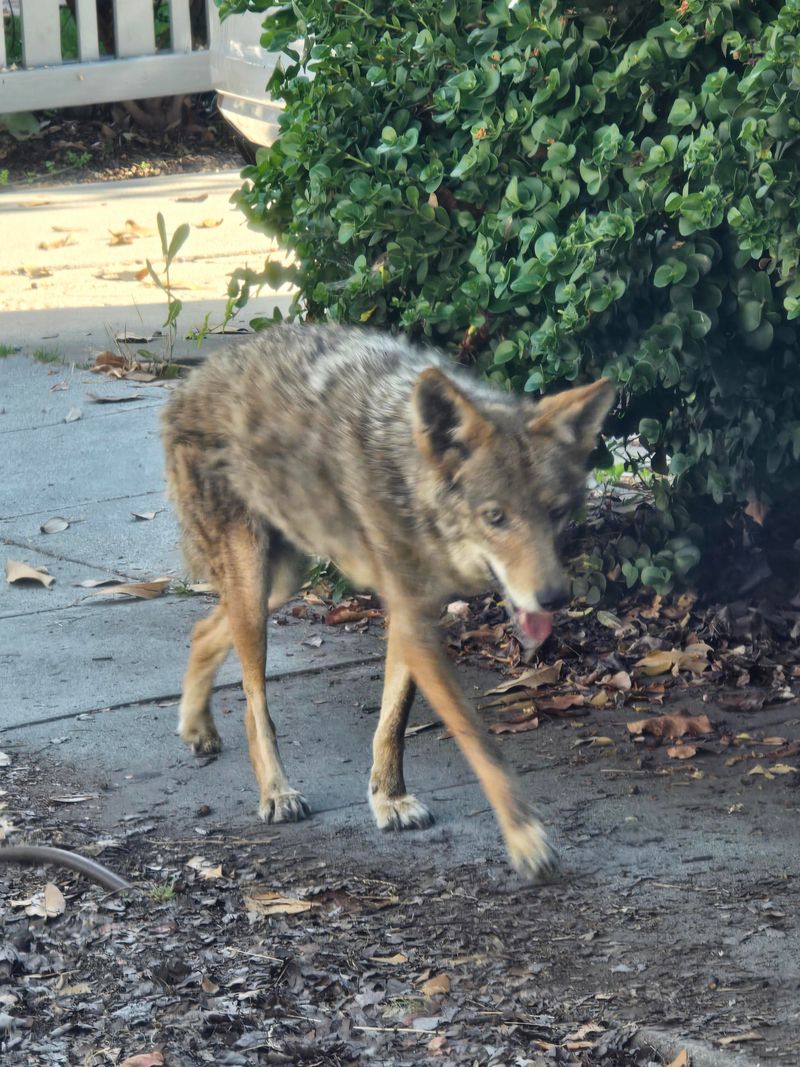
Running from a coyote in Wisconsin can trigger its natural chase instinct, potentially escalating a harmless encounter into a dangerous situation.
Wildlife experts recommend standing your ground while employing hazing techniques, such as waving arms, stomping feet, and shouting firmly.
Maintaining eye contact and moving slowly backward ensures you remain in control, signaling that you are not prey.
I recall hiking on the Ice Age Trail when a coyote approached, by stopping, making myself appear larger, and using a whistle, I safely encouraged it to retreat without stress to either party.
Running teaches coyotes that humans can be chased, increasing the likelihood of future encounters with aggressive or curious animals.
Combining stationary intimidation with noise deterrents, such as bells or air horns, reinforces human authority while keeping the coyote at a safe distance.
This strategy works best when practiced consistently, ensuring that both residents and wildlife maintain healthy boundaries. Wisconsin’s coyote populations benefit from these clear, non-lethal signals, allowing them to hunt naturally while avoiding dangerous habituation to humans.
8. Don’t Leave Pets Unattended
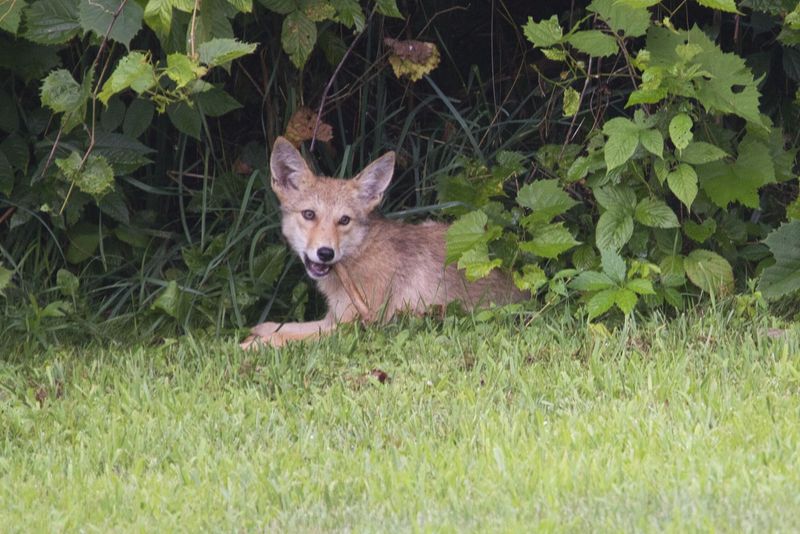
Coyotes in Wisconsin actively hunt small animals, making unsupervised pets particularly vulnerable. Small dogs, outdoor cats, and even rabbits may attract coyotes during dawn or dusk when these predators are most active.
Supervising pets while outside, keeping dogs on leashes, and creating secure outdoor enclosures for cats greatly reduce the risk of attacks. Many communities, from Green Bay to La Crosse, report annual incidents of coyote predation on unattended pets.
I know a local family who installed a fully enclosed cat patio; after observing a coyote near their property, the enclosure prevented any conflict while allowing pets safe outdoor time.
Pet owners should also remove potential attractants, such as food bowls, treats, and compost scraps.
Combining supervision with landscape management and deterrents like motion-activated sprinklers or lights further minimizes risk.
Educating neighbors about these precautions encourages a community-wide approach, reducing coyote habituation and promoting safer coexistence.
Following these strategies ensures pets remain protected while supporting Wisconsin’s coyote populations in their natural hunting behaviors.