Smart Things To Do When A Coyote Appears In Your Washington Yard (And 4 Mistakes To Avoid)
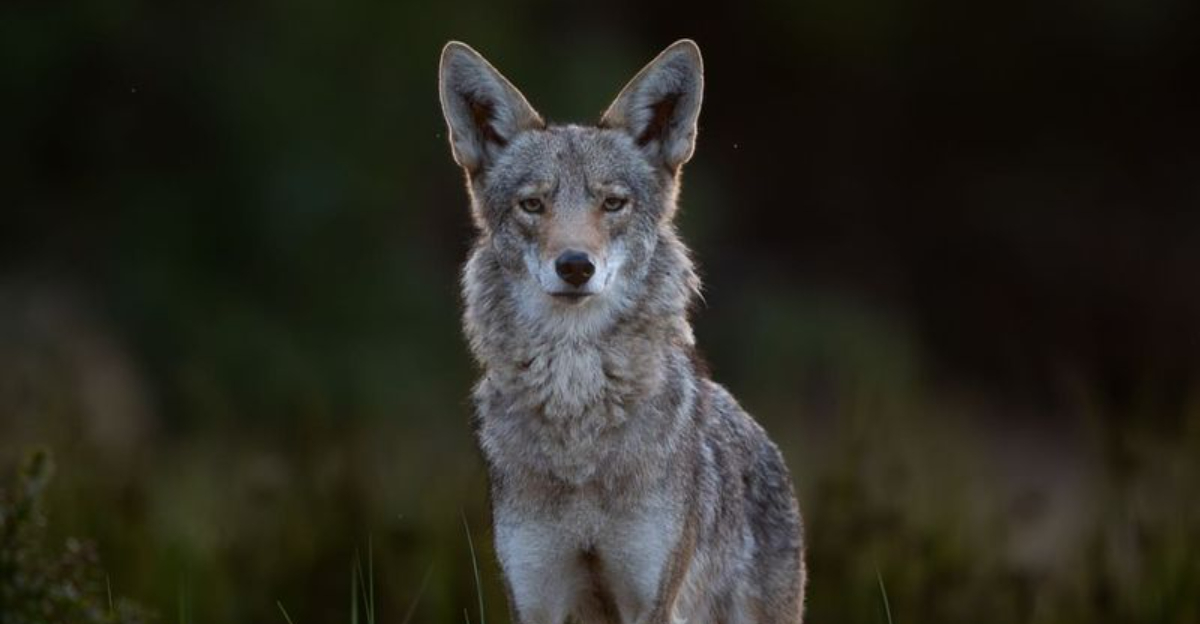
I’ll never forget the first time I saw a coyote lingering near my Washington backyard. At first, I froze, these creatures are wild, unpredictable, and can pose a real risk to pets and small children.
Many homeowners panic or act without thinking, but that’s often when mistakes happen. Coyotes aren’t looking for trouble, they’re just exploring, but how you respond can make all the difference.
Knowing the right strategies to keep coyotes at a safe distance, while avoiding common pitfalls, protects both your family and the animal. From creating deterrents to securing pets, there are simple steps that prevent conflicts without escalating the situation.
Taking the right precautions now could mean the difference between a tense encounter and a backyard that stays safe for everyone.
Stay Calm And Keep Your Distance
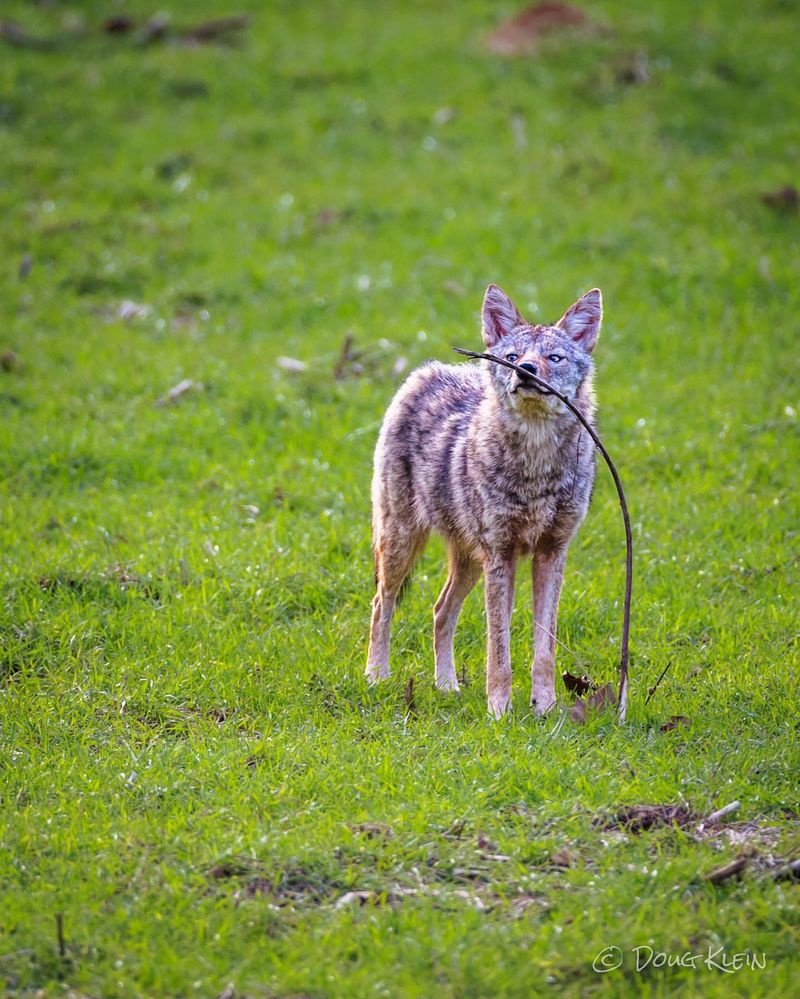
Coyotes in Washington are generally shy and avoid humans, but encountering one in your yard can be alarming. The key is to stay calm and avoid sudden movements that might startle the animal.
Panicking or running could trigger the coyote’s natural chase instinct, putting you or your pets at risk. Slowly back away while keeping the coyote in sight, giving it ample space to retreat safely.
Avoid cornering the animal or getting between it and its escape route. In most suburban and rural Washington neighborhoods, coyotes primarily hunt at night, but they can venture into yards during the day if food or shelter is nearby.
Maintaining distance also helps prevent habituation, which occurs when wildlife loses fear of humans. Avoid approaching den areas, especially during spring when pups may be present.
Observing from a safe distance allows you to assess behavior without escalating the encounter. Keeping children and pets inside during sightings further reduces risk.
Remember, the goal is coexistence: by respecting the coyote’s space and calmly moving away, you prevent conflict while allowing these adaptive predators to maintain their role in Washington ecosystems as natural controllers of rodents and other small wildlife.
Make Yourself Look Bigger
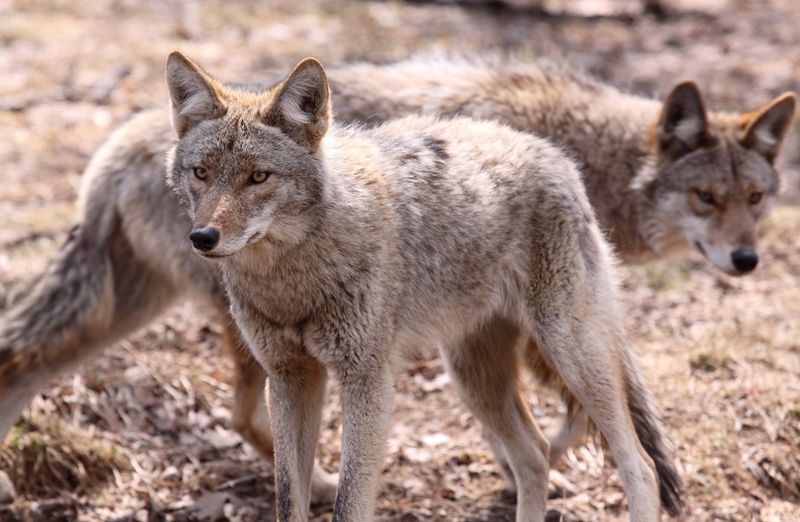
When a coyote doesn’t immediately retreat, appearing larger and more intimidating can reinforce your authority in the encounter. Stand tall, raise your arms above your head, and wave them slowly to create a broad silhouette.
Opening a jacket wide, lifting a backpack, or even holding garden tools overhead further increases perceived size. These visual cues signal to the coyote that you are not prey and can discourage further approach.
Coupled with loud vocalizations, this technique capitalizes on the coyote’s natural caution around unfamiliar or larger animals. Avoid crouching, turning your back, or sudden movements, as these actions may confuse the coyote or trigger predatory instincts.
Maintaining a firm stance also communicates confidence to children and pets nearby, reinforcing their safety.
In Washington, where coyotes have adapted to urban and suburban environments, consistent use of size and posture-based deterrents helps prevent habituation.
Combining this approach with other measures, like removing attractants or installing barriers, ensures long-term effectiveness.
By making yourself appear larger, you create a psychological barrier that teaches coyotes to respect human boundaries without causing harm, promoting safe coexistence in shared environments.
Make Loud Noises To Scare It Away
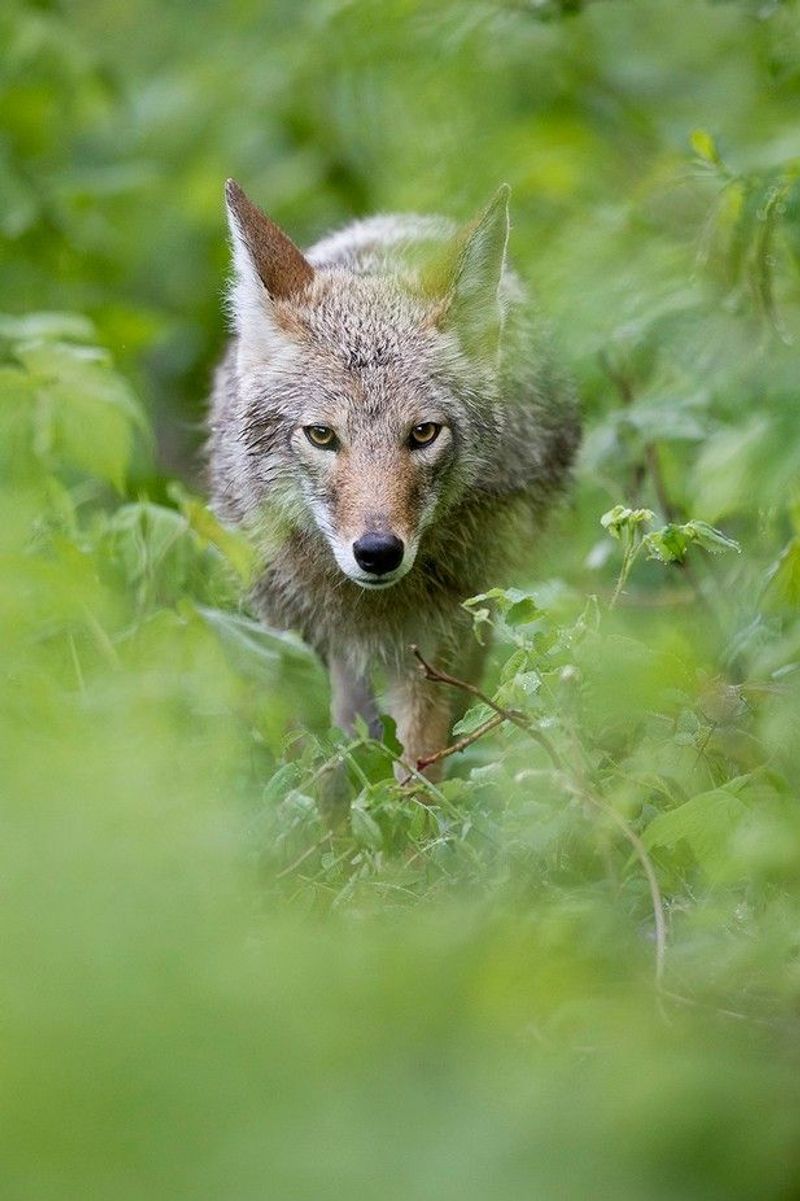
Auditory deterrents are a highly effective strategy when encountering coyotes in Washington. Loud, sudden noises startle coyotes and reinforce their natural wariness of humans.
Household items like pots and pans, whistles, air horns, or even clapping your hands can communicate danger to the animal. Combining noise with an expanded silhouette increases deterrence by appealing to both the coyote’s senses of hearing and sight.
Vocalizations should be deep, authoritative, and continuous until the coyote retreats, signaling that your yard is not a safe or rewarding environment. Using auditory cues regularly in areas frequented by coyotes trains them to avoid human-inhabited spaces.
Motion-activated alarms or sprinklers can complement these methods, providing repeated reinforcement even when you are not outside. This proactive approach helps maintain the animal’s natural fear, preventing habituation that often leads to conflicts.
It is important to remain vigilant: never assume the coyote will immediately leave, and always monitor children and pets during encounters.
Consistent noise-based deterrence supports safe coexistence, reduces the risk of aggression, and teaches coyotes that humans are dominant without resorting to harmful measures.
Protect Your Pets Immediately
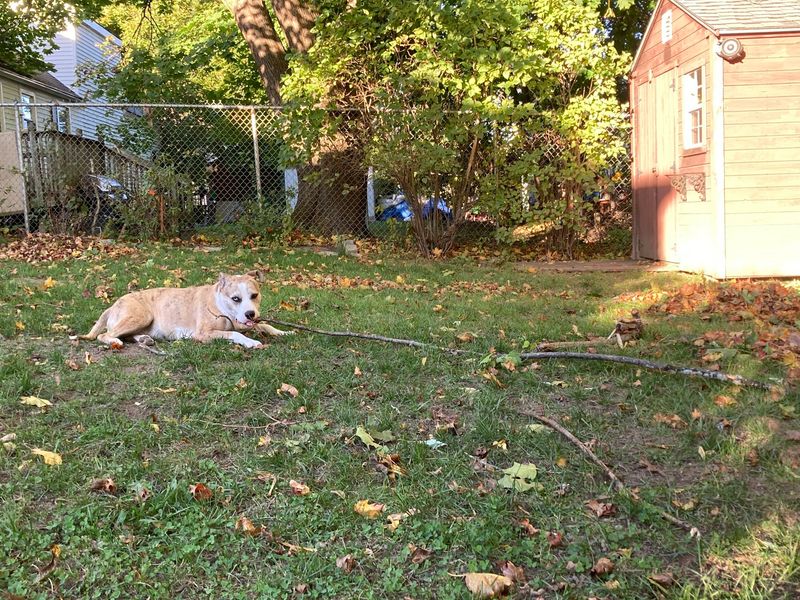
Coyotes see small animals as natural prey, making dogs, cats, and even rabbits vulnerable in Washington neighborhoods. The first line of defense is supervision.
Never allow small pets to roam unattended, particularly during dawn and dusk when coyotes are most active. Keep pets on leashes during walks and avoid letting them explore wooded or brushy areas alone.
For outdoor pets, consider building secure enclosures or fenced runs with overhead protection to prevent climbing or jumping incidents. Adding coyote rollers to fence tops, spinning bars that prevent footholds, further discourages coyotes from entering your yard.
Pay attention to pet feeding practices: never leave food outside overnight, as this can attract wildlife. If a coyote approaches while your pet is outside, immediately call your animal inside and use loud noises or visual deterrents to scare the predator away.
Educating children about pet safety is equally crucial; they should understand the importance of not approaching or feeding wildlife.
Creating a predictable environment where pets are protected, feeding routines are controlled, and escape routes for coyotes are maintained dramatically reduces the risk of predatory encounters.
By taking these proactive steps, Washington homeowners can safely coexist with local wildlife while safeguarding their four-legged family members.
Remove All Food Sources
Coyotes are opportunistic feeders, relying heavily on easily accessible food sources in human-inhabited areas. In Washington, pet food, birdseed, fallen fruit, compost piles, and unsecured garbage attract these adaptable predators.
Even small amounts of food left overnight teach coyotes to associate humans with easy meals, increasing the likelihood of bold behavior or habituation. To mitigate this risk, remove all potential food sources promptly.
Bring pet food indoors, collect fallen fruit daily, and secure compost piles with tight lids or wire mesh enclosures. Trash cans should be stored in garages or sheds when not in use, and containers should be secured with bungee cords or animal-proof locks.
Landscaping can also influence coyote visitation; eliminating areas that harbor rodents or other prey reduces the incentive for coyotes to linger.
Consistently managing food sources not only prevents coyote habituation but also discourages raccoons, foxes, and other wildlife that may carry diseases or cause property damage.
In Washington, communities with strict food management practices report fewer human-coyote conflicts.
By maintaining vigilance and removing attractants, homeowners teach coyotes to forage in natural areas rather than residential yards, promoting safer interactions for people, pets, and the wildlife itself.
Secure Your Garbage Cans
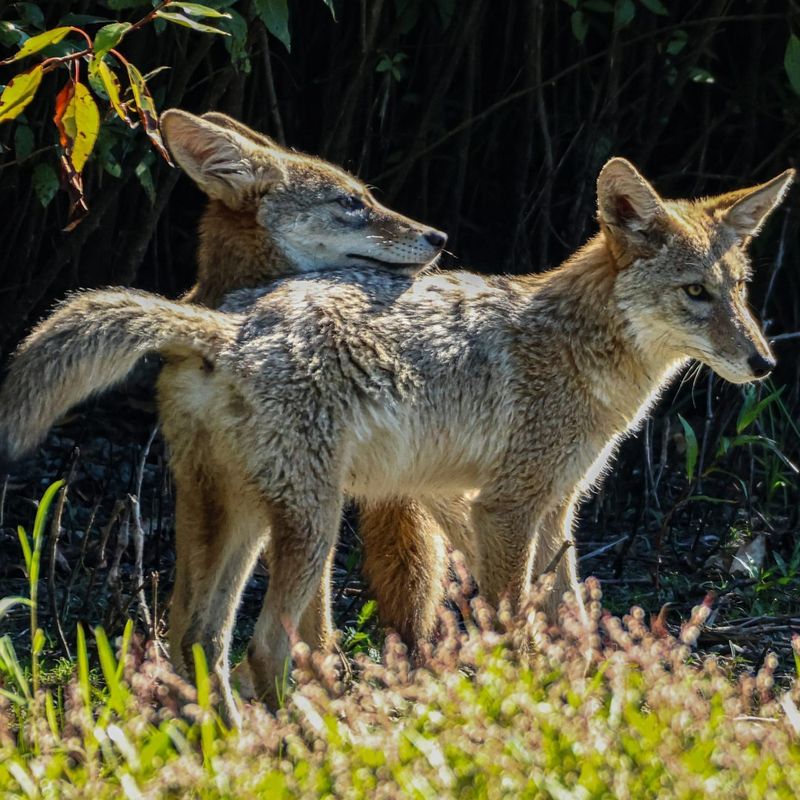
Garbage cans are like beacons to coyotes and other scavengers in Washington neighborhoods. Even sealed bags or containers with loose lids invite investigation by these intelligent animals.
To prevent unwanted visits, invest in durable, animal-proof trash cans with tight-fitting lids. Bungee cords or ratchet straps provide extra security, ensuring lids remain closed even during high winds or when curious wildlife attempts access.
Whenever possible, store cans inside garages, sheds, or fenced areas overnight. Spraying trash bags with strong odors like ammonia or placing deterrent substances such as mothballs nearby can further discourage exploration.
Timely trash placement is also critical: only set out containers on collection day morning rather than the night before, reducing the time coyotes have to investigate.
In neighborhoods near natural areas, maintaining these habits can prevent coyotes from developing food-conditioned behaviors, which often lead to increased encounters or boldness around humans.
Educating household members about proper trash management ensures consistency and effectiveness.
By securing garbage cans effectively, Washington homeowners reduce not only the presence of coyotes but also other potential pests like raccoons, opossums, and rodents.
This proactive approach protects property, pets, and community safety while promoting responsible coexistence with local wildlife.
Install Motion-Activated Lights
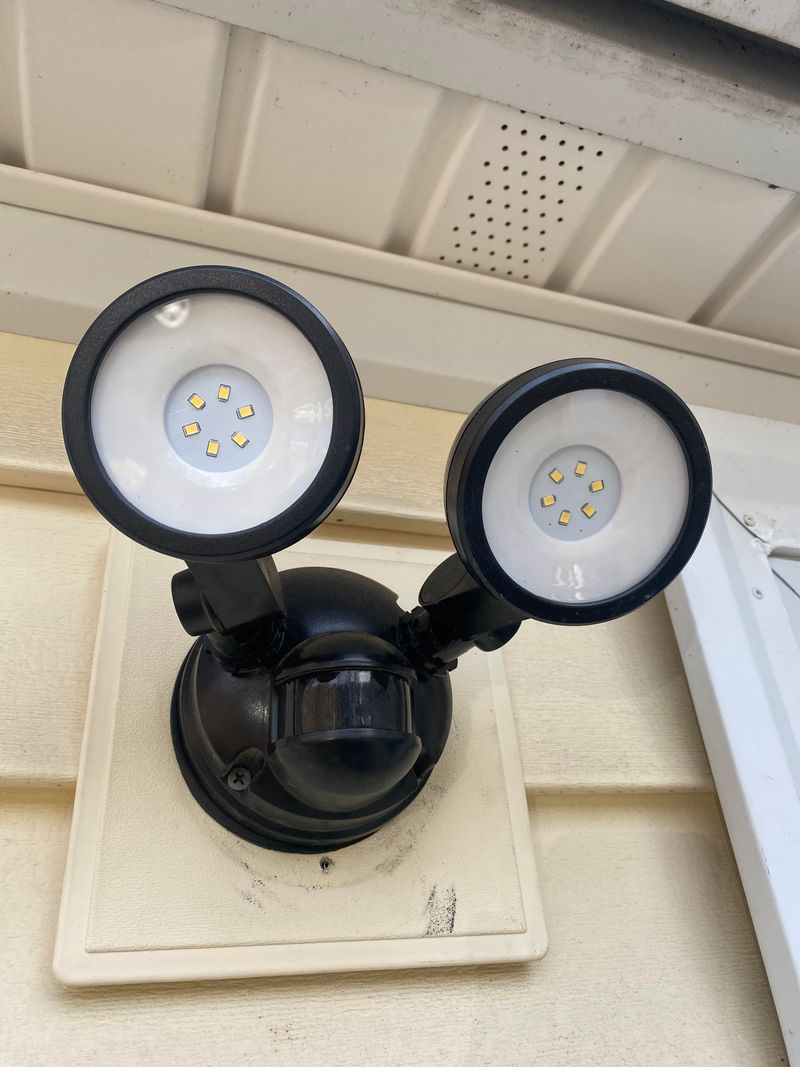
Coyotes are naturally nocturnal and rely on the cover of darkness to hunt and travel through residential areas.
Installing motion-activated lights around your Washington property can significantly reduce unwanted coyote visits by startling them with sudden illumination.
Place lights near garden areas, chicken coops, compost piles, and pet runs, anywhere coyotes are likely to enter or hunt. Combining visual deterrents with auditory devices, such as motion-activated sprinklers or alarms, further discourages persistent animals.
Solar-powered options provide eco-friendly alternatives, allowing lights to operate without complex wiring. The unpredictability of the sudden activation conditions coyotes to perceive your property as unsafe, reinforcing their natural avoidance behavior.
Lights should be strategically positioned to illuminate access points without creating glare that interferes with your vision or neighbors’ privacy. Regularly maintain bulbs and sensors to ensure consistent performance throughout the year.
Even intelligent wildlife like coyotes respond to repeated negative experiences, and the combination of light and noise helps establish a strong deterrent.
In addition, motion-activated lighting benefits homeowners by deterring other nocturnal pests, such as raccoons, foxes, and feral cats.
Implementing this measure effectively reduces human-wildlife conflict, protects pets, and encourages coyotes to remain in natural habitats rather than residential yards.
Report Aggressive Coyotes To Authorities
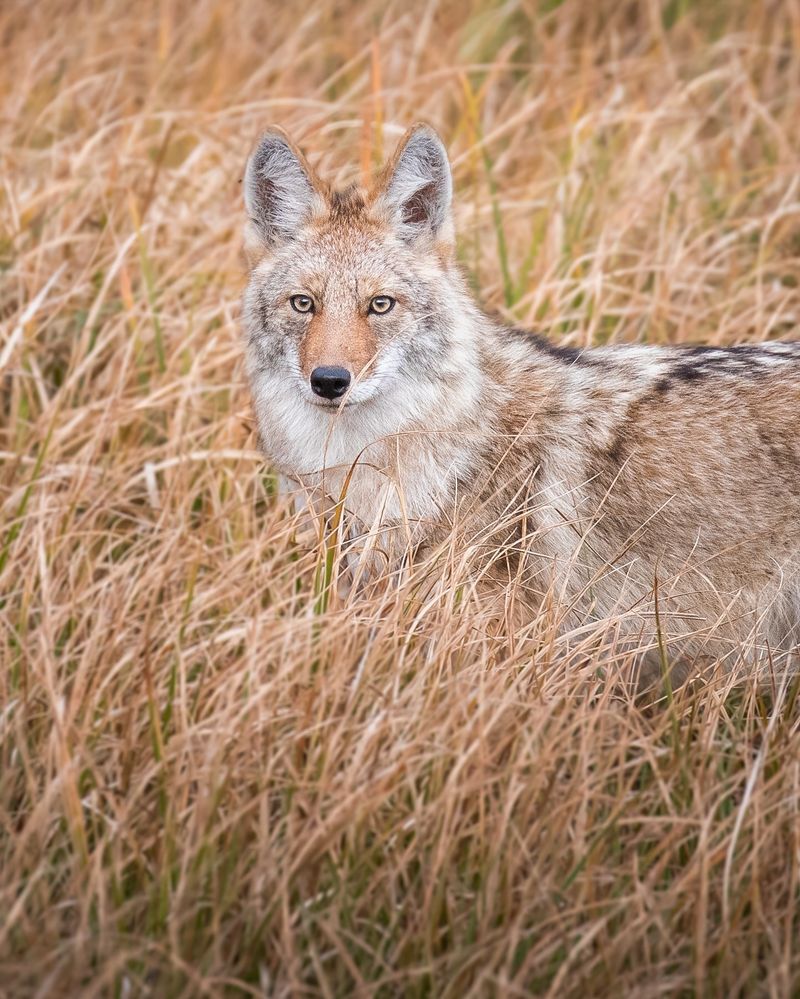
While most coyote encounters in Washington are harmless, aggressive or bold behavior should never be ignored. Coyotes that repeatedly approach people, stalk children, or enter homes and garages indicate a loss of fear toward humans and a potential threat to safety.
Homeowners must report these behaviors promptly to local animal control offices or the Washington Department of Fish and Wildlife.
Providing details such as location, time, observed behavior, and any interactions with pets helps wildlife officials assess the severity and take appropriate action.
In some cases, authorities may trap and relocate problem individuals, issue warnings, or implement community-wide deterrent programs.
Educating neighbors about aggressive coyote behavior ensures everyone can take preventive measures and collectively reduce risks.
Never attempt to handle, feed, or chase aggressive coyotes yourself, improper interventions may escalate conflicts or cause harm. Maintaining records of sightings, bites, or near encounters also helps officials track patterns and implement long-term strategies.
Reporting aggressive coyotes is essential not only for protecting humans and pets but also for the animals themselves, as habituated coyotes often face removal if they become a public safety concern.
By working with authorities, Washington residents can balance coexistence with effective management.
Modify Your Landscaping
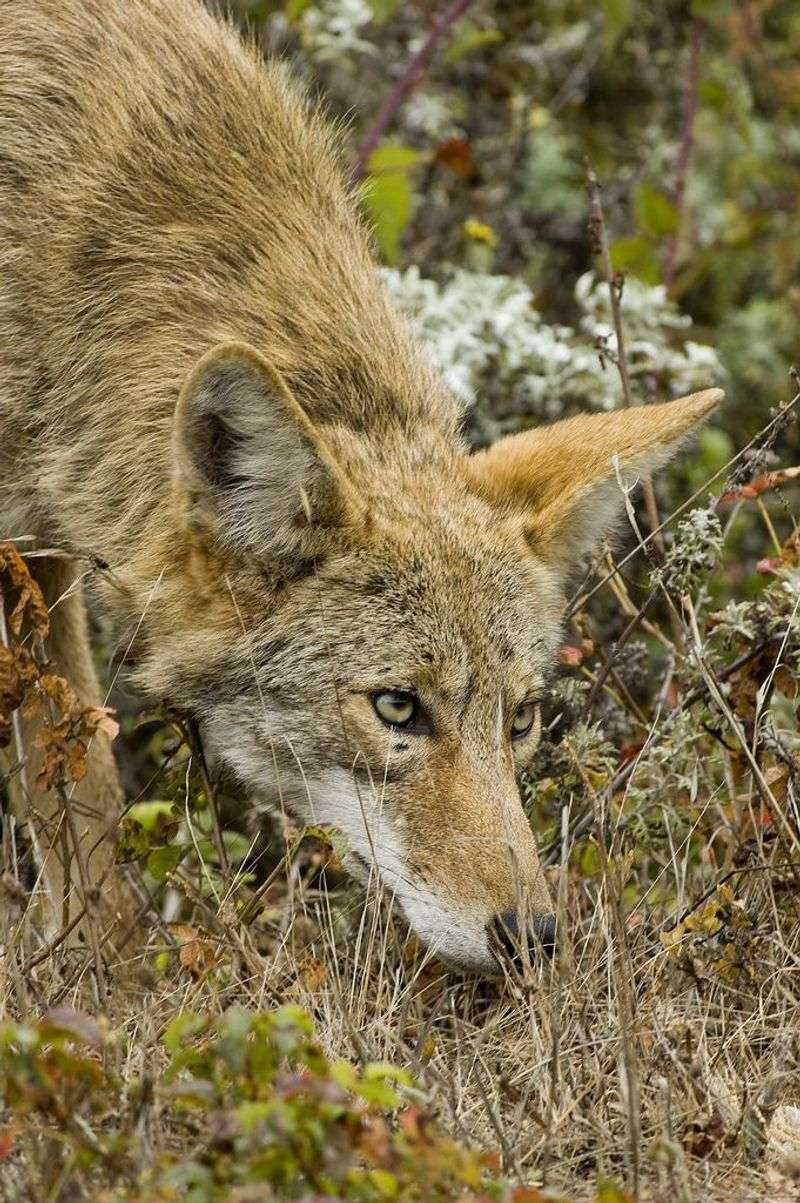
Landscaping choices significantly influence coyote behavior around Washington homes. Dense shrubs, tall ornamental grasses, and overgrown vegetation provide ideal hiding spots and hunting grounds for these predators.
To reduce risk, trim low branches, thin hedges, and remove brush piles near yards, playgrounds, and pet areas. Maintaining shorter turf discourages rodents and other prey that attract coyotes.
Installing fences that extend at least six inches underground prevents digging attempts, while coyote rollers on top of fences reduce climbing success.
Planting thorny shrubs or strategically placing rocks and logs along property perimeters can create natural deterrents without harming wildlife.
Consider removing or relocating bird feeders during peak coyote activity periods to reduce secondary prey attraction. Proper lighting and visibility near entrances, driveways, and walkways complements physical barriers, enhancing deterrence.
Creating a landscape that reduces cover and food sources makes your property less inviting without eradicating wildlife entirely. Thoughtful design helps protect pets and family members while maintaining a backyard ecosystem that supports native species.
Consistent maintenance, regular pruning, clearing debris, and monitoring for signs of coyote activity, ensures that landscaping continues to serve as an effective, long-term preventative measure for residential safety.
MISTAKE: Don’t Run Away
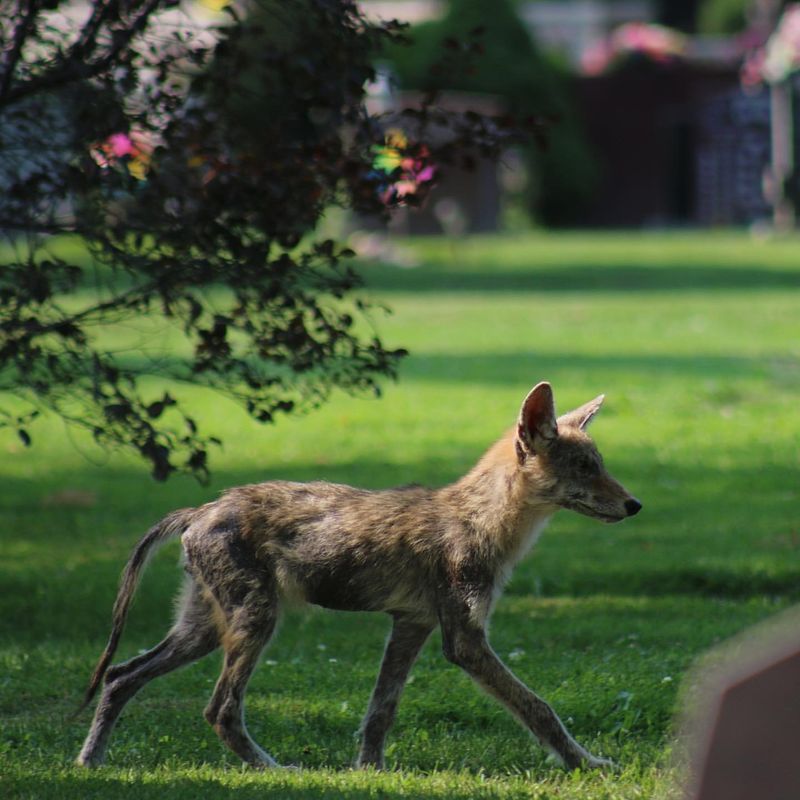
Running from a coyote is one of the most common mistakes homeowners make and can have serious consequences. Coyotes are natural predators with strong chase instincts, so fleeing can trigger them to pursue you even if they were initially uninterested.
In Washington, especially in suburban areas, many coyotes have learned to associate fast movement with prey, meaning a sudden dash could provoke an attack. Instead of running, stand tall, face the animal, and make yourself appear confident.
Maintain eye contact while slowly backing away to give the coyote plenty of room to retreat safely. Using your voice firmly, clapping hands, or stomping your feet reinforces your presence as a non-prey animal.
If you have objects like jackets, sticks, or umbrellas, raising them above your head can make you appear larger and more threatening. Encourage children to understand these tactics and practice them safely.
Remember that the goal is to de-escalate the situation while maintaining control over the interaction.
Running may endanger not only yourself but future visitors by teaching coyotes that humans can be chased, increasing long-term risk for the neighborhood. This method promotes safe coexistence while reinforcing boundaries for wildlife.
MISTAKE: Never Feed Coyotes
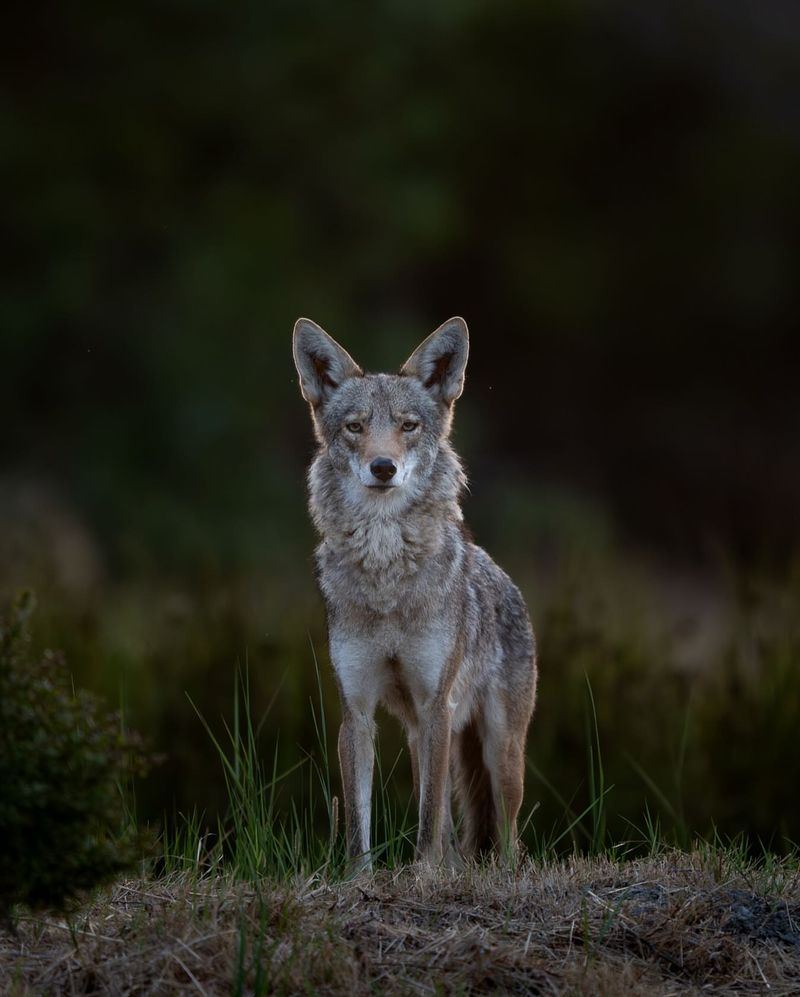
Feeding coyotes – intentionally or accidentally – is one of the fastest ways to create dangerous situations in Washington communities. Coyotes are opportunistic feeders and quickly learn to associate humans with easy meals.
Once this occurs, they lose their natural fear of people, increasing bold behavior around homes, pets, and children.
Intentional feeding, such as leaving scraps outdoors, is illegal in many municipalities because it creates habituated coyotes that may need to be removed or euthanized to protect public safety.
Even leaving accessible compost piles, pet food, or birdseed can indirectly feed coyotes by attracting rodents or other prey animals. This subtle form of feeding is often overlooked but can have the same consequences as direct handouts.
Residents should secure all food sources, store garbage properly, and clean up fallen fruit promptly. Educating neighbors and family members about the dangers of feeding wildlife is essential to prevent habituation.
The saying among wildlife experts holds true: “A fed coyote is a dead coyote,” because conditioned animals frequently end up in conflict with humans and face lethal management.
Maintaining this rule preserves coyote natural behavior while keeping communities safe.
MISTAKE: Don’t Leave Small Children Unattended
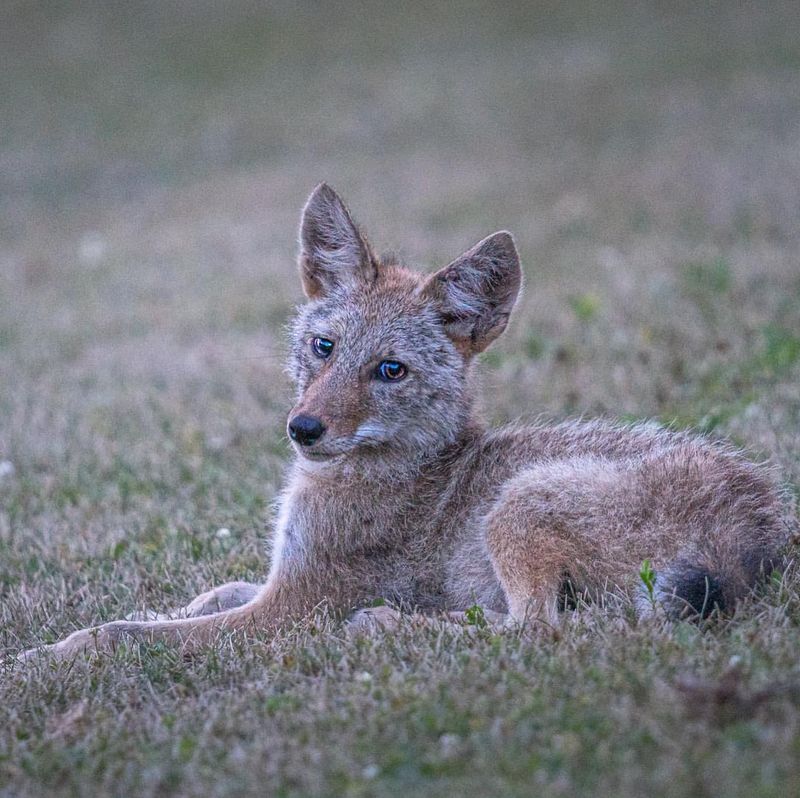
Small children are especially vulnerable during coyote encounters, making supervision crucial in Washington yards and parks.
Their high-pitched voices, erratic movements, and smaller size can trigger a predator’s chase instinct even when coyotes normally avoid humans.
Leaving children unattended outdoors exposes them to unnecessary risk, particularly during dawn and dusk when coyotes are most active.
Educating kids on coyote behavior is just as important as supervising them; they should know to stand tall, make noise, and slowly retreat to a safe area rather than running or hiding silently.
Adults should accompany children during play, walking routes, and yard activities, especially in areas bordering woods, fields, or natural corridors where coyotes travel.
Installing secure fencing, motion-activated lights, and audible deterrents around play areas further minimizes risk.
Neighborhood communication also helps, informing other parents about recent sightings ensures coordinated vigilance.
Teaching children to recognize and respect wildlife boundaries not only protects them but also reinforces safe behavior around all wild animals.
Combined with active monitoring, these measures prevent accidental interactions, fostering a safe environment while allowing coyotes to maintain their natural roles in the ecosystem.
MISTAKE: Don’t Corner A Coyote
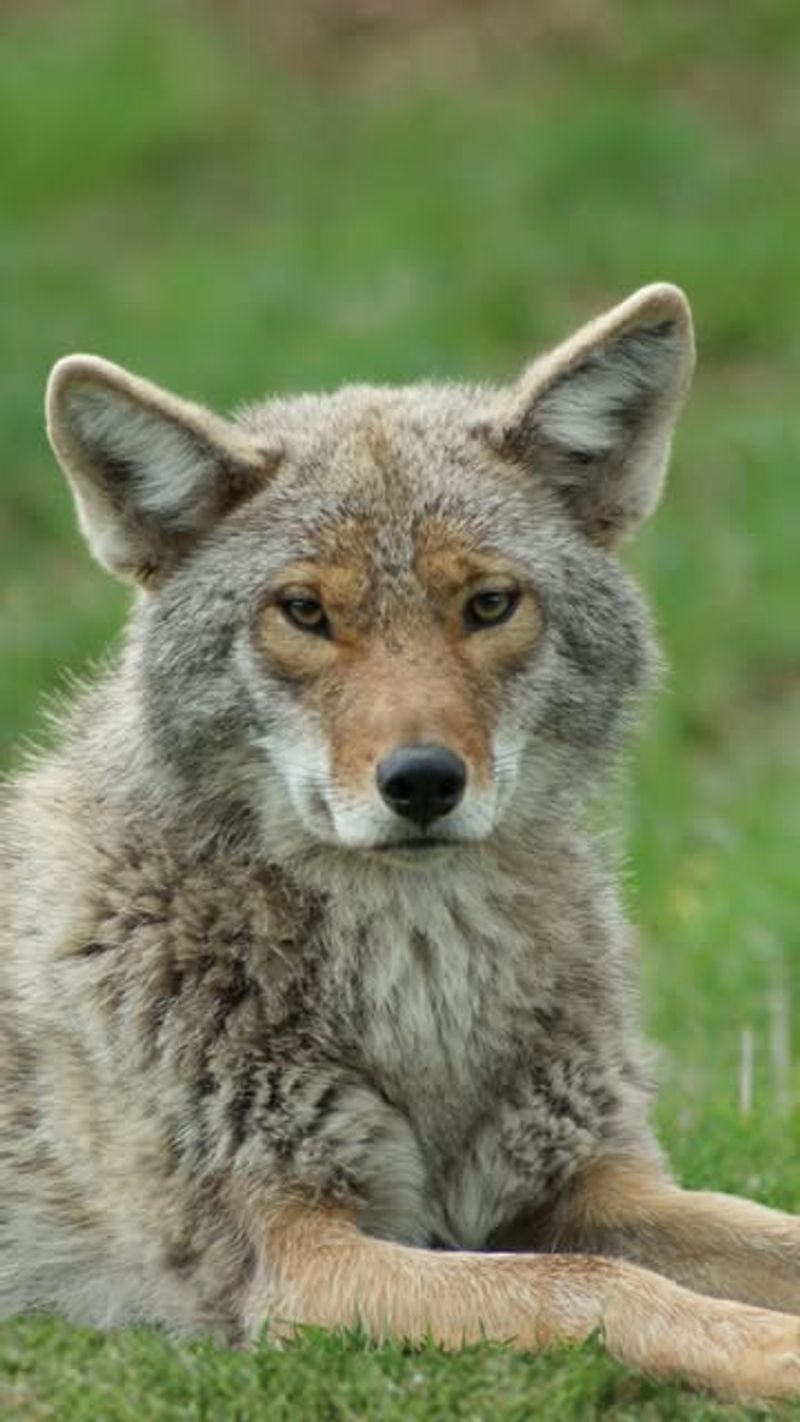
Cornering a coyote is extremely dangerous and often escalates encounters unnecessarily. Coyotes feel threatened when trapped and may respond aggressively to defend themselves, even if they initially posed no threat.
This mistake is common in Washington when a coyote enters a garage, shed, or fenced area and humans block its exit. Always leave escape routes open and give the animal space to retreat.
Opening doors wide, lifting gates, and slowly stepping back communicates that humans are not a threat, allowing the coyote to leave without confrontation. Cornered coyotes can bite or scratch in self-defense, risking injury and potential disease transmission.
Educating family members and neighbors about avoiding tight enclosures, closed doors, and dead-end fences reduces the likelihood of panic situations. Using noise, visual deterrents, and objects to guide the animal toward an exit further enhances safety.
Even well-intentioned attempts to “trap” a coyote to remove it yourself often result in stress for the animal and danger for humans.
Following proper hazing protocols and giving space ensures both people and wildlife remain safe during these encounters, promoting long-term coexistence in suburban and rural Washington areas.