Smart Things To Do When A Coyote Enters Your Arizona Yard And Mistakes You Should Avoid
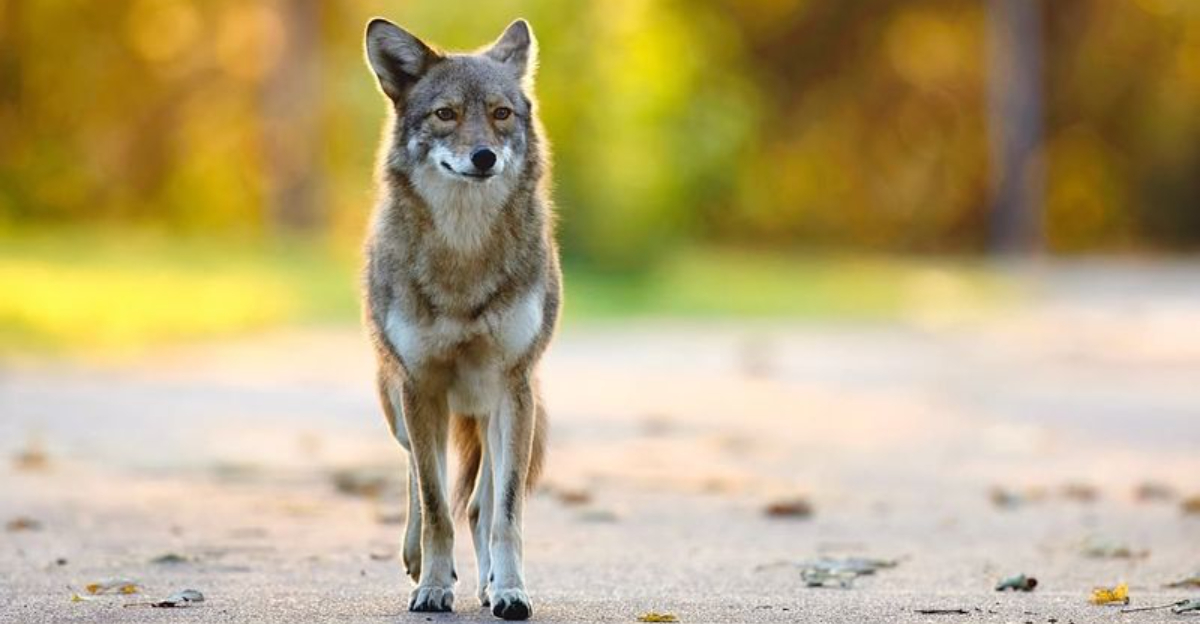
Coyotes are a familiar sight in Arizona’s desert cities and suburbs, and as neighborhoods expand, sightings in yards have become even more common.
Although coyotes generally avoid people, they’re opportunistic, curious, and comfortable moving through residential areas in search of food or shelter.
When one appears in your yard, knowing how to respond calmly and safely makes all the difference.
A few smart actions can encourage the animal to move on quickly, reinforcing its natural fear of humans.
At the same time, some well-intended behaviors—like feeding wildlife or allowing pets outside—can create long-term problems by teaching coyotes that yards are safe spaces to revisit.
By understanding both the right steps to take and the mistakes to avoid, homeowners can protect their families, pets, and the coyotes themselves.
Living alongside wildlife is part of Arizona’s charm, and responsible interactions help keep that relationship balanced.
Make Yourself Appear Large And Intimidating
Standing tall and spreading your arms wide sends a powerful message to any coyote that enters your space.
Wave your jacket above your head or hold a broom high to increase your visual size.
Coyotes typically avoid confrontation with creatures that seem bigger and more dominant than they are.
This simple action taps into their natural instinct to retreat from potential threats.
Your confident posture tells the coyote that your yard is not a safe place for them to linger.
Many Arizona residents have successfully used this technique to encourage coyotes to leave without any physical contact.
Remember to maintain eye contact while you make yourself larger, as this reinforces your presence.
Children should be taught this method too, though adults should always handle the situation when possible.
The goal is not to harm the animal but to establish boundaries clearly.
Practicing this response before an actual encounter helps you react quickly and effectively.
Keeping garden tools or a jacket near your back door ensures you have props ready when needed.
Create Loud Noises To Startle The Coyote
Banging pots and pans together produces sharp, jarring sounds that coyotes find uncomfortable and alarming.
You can also use air horns, whistles, or even shake a can filled with coins to create sudden racket.
Loud noises disrupt the coyote’s sense of security and encourage them to leave the area immediately.
Arizona wildlife experts recommend keeping noise-making tools accessible near doors that lead to your yard.
Shouting firmly while clapping your hands adds another layer of auditory deterrent.
Coyotes have sensitive hearing, so even moderately loud sounds can be very effective.
This method works particularly well when combined with making yourself appear larger.
Consistency matters because repeated exposure to loud noises teaches coyotes to avoid your property altogether.
Neighbors might appreciate a heads-up if you plan to use air horns regularly during coyote season.
Never use sounds that could harm the animal permanently, as the goal is humane deterrence.
Keeping a whistle on your keychain ensures you always have a noise-maker handy during evening walks or yard work.
Spray Water From A Hose Or Sprinkler

Water provides a safe, non-harmful way to discourage coyotes from spending time in your yard.
A strong spray from a garden hose directed toward the coyote creates an unpleasant experience without causing injury.
Most coyotes dislike getting wet and will quickly move away from the water source.
Motion-activated sprinklers offer an automated solution that works even when you are not home.
These devices detect movement and release a sudden burst of water that startles the animal.
Many Arizona homeowners have found motion sprinklers particularly useful for nighttime protection.
The surprise factor is key because coyotes learn to associate your yard with unexpected and uncomfortable encounters.
Using water is especially helpful if you have children or pets nearby since it poses zero risk to them.
Regular use of this method helps establish your property as an unwelcome territory for coyotes.
Make sure your hose is long enough to reach all corners of your yard for maximum coverage.
This approach respects wildlife while firmly setting boundaries around your home and garden space.
Bring Pets And Small Children Inside Immediately

Coyotes view small animals and young children as potential prey, making immediate action essential for safety.
Scoop up small dogs or cats quickly and move them indoors without running, which could trigger a chase response.
Children should be calmly directed inside while you maintain a position between them and the coyote.
Never leave pets unattended in the yard during dawn, dusk, or nighttime when coyotes are most active.
Leashed walks with close supervision provide better protection than allowing pets to roam freely.
Arizona animal control reports that most pet incidents occur when owners underestimate how quickly coyotes can move.
Installing a sturdy fence at least six feet tall adds an extra barrier of protection for your loved ones.
Teaching children to recognize coyotes and respond appropriately empowers them to stay safe.
Keeping pet food bowls inside prevents attracting coyotes to your yard in the first place.
Vigilance during outdoor playtime ensures you can react swiftly if a coyote appears unexpectedly.
Your primary responsibility is protecting vulnerable family members, and quick action achieves this goal effectively.
Remove Food Sources That Attract Coyotes
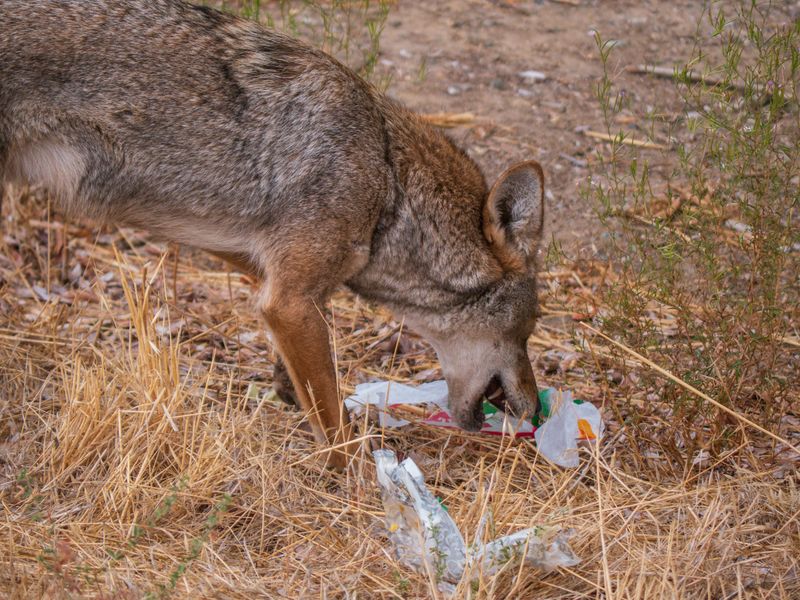
Coyotes wander into yards primarily because they smell food, water, or other resources they need to survive.
Pet food left outside acts like a dinner invitation for hungry coyotes searching for easy meals.
Bird feeders attract rodents, which in turn attract coyotes hunting for their natural prey.
Fallen fruit from trees should be collected regularly to eliminate another tempting food source.
Securing trash cans with tight-fitting lids prevents coyotes from scavenging through your garbage.
Compost piles containing food scraps can also draw these animals into your yard.
Arizona residents often discover that eliminating attractants reduces coyote visits dramatically within weeks.
Cleaning up after outdoor meals and barbecues removes food odors that travel far on desert breezes.
Storing pet food in sealed containers inside your garage or home keeps smells contained.
Regular yard maintenance that removes hiding spots for rodents also makes your property less appealing to coyotes.
Creating an unwelcoming environment through smart housekeeping protects both your family and the local coyote population from problematic encounters.
Install Motion-Activated Lights Around Your Property

Bright lights suddenly illuminating a dark yard startle coyotes and make them feel exposed and vulnerable.
Motion sensors detect movement and trigger lights automatically, providing protection without constant monitoring.
Coyotes prefer operating under cover of darkness where they feel safe from detection.
Strategically placing lights near fence lines, gates, and dark corners creates a security perimeter around your home.
Many Arizona homeowners combine motion lights with other deterrents for a comprehensive defense strategy.
Solar-powered options offer energy-efficient solutions that work throughout the night without increasing electricity bills.
The sudden brightness disrupts the coyote’s comfort zone and encourages them to seek darker, quieter areas.
Lights also benefit your family by improving visibility for evening activities in the yard.
Adjusting sensitivity settings prevents lights from triggering with every small animal or blowing plant.
Regular maintenance ensures bulbs stay bright and sensors remain functional throughout coyote season.
This passive deterrent works continuously, offering peace of mind even when you are asleep or away from home.
Contact Arizona Game And Fish For Persistent Problems

Professional wildlife officers have specialized training and tools to handle coyotes that repeatedly enter residential areas.
Arizona Game and Fish Department provides guidance, education, and sometimes direct intervention for concerning situations.
Documenting each coyote sighting with dates, times, and behaviors helps officials assess the severity of the situation.
Some coyotes become habituated to human presence and lose their natural wariness, creating safety concerns.
Experts can determine whether relocation, hazing programs, or other measures are necessary for community protection.
Never attempt to trap or relocate coyotes yourself, as this requires permits and proper knowledge.
Community-wide efforts coordinated by wildlife professionals prove more effective than individual actions alone.
Officials can also identify whether the coyote shows signs of illness that require special attention.
Educational programs offered by the department teach neighborhoods how to coexist safely with local wildlife.
Reporting aggressive behavior or coyotes approaching people without fear is particularly important for public safety.
Trusting trained professionals ensures humane, legal, and effective solutions to persistent coyote challenges in your Arizona community.
Never Approach Or Try To Feed The Coyote
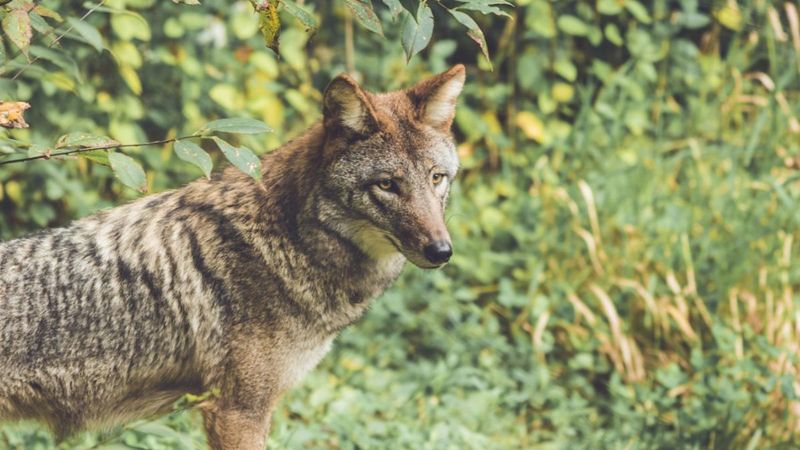
Feeding coyotes teaches them to associate humans with food, which erases their natural fear and creates dangerous situations.
Well-meaning people sometimes leave food out, thinking they are helping, but this actually harms both animals and communities.
Coyotes that lose their wariness of people become bolder and may approach children, pets, or adults expecting meals.
Approaching a coyote for photos or closer observation puts you at unnecessary risk of bites or defensive behavior.
Arizona law prohibits feeding wildlife specifically because it disrupts natural behaviors and creates public safety hazards.
Coyotes are perfectly capable of finding natural food sources without human assistance.
Animals that become dependent on handouts often lose their hunting skills and struggle to survive independently.
Your fascination with wildlife should never override the importance of maintaining appropriate boundaries.
Educating neighbors about the dangers of feeding ensures everyone contributes to community safety.
Observing coyotes from a respectful distance through windows or from elevated decks satisfies curiosity without causing problems.
Respecting wild animals means allowing them to remain wild rather than turning them into nuisances that require removal.
Avoid Running Away Or Turning Your Back
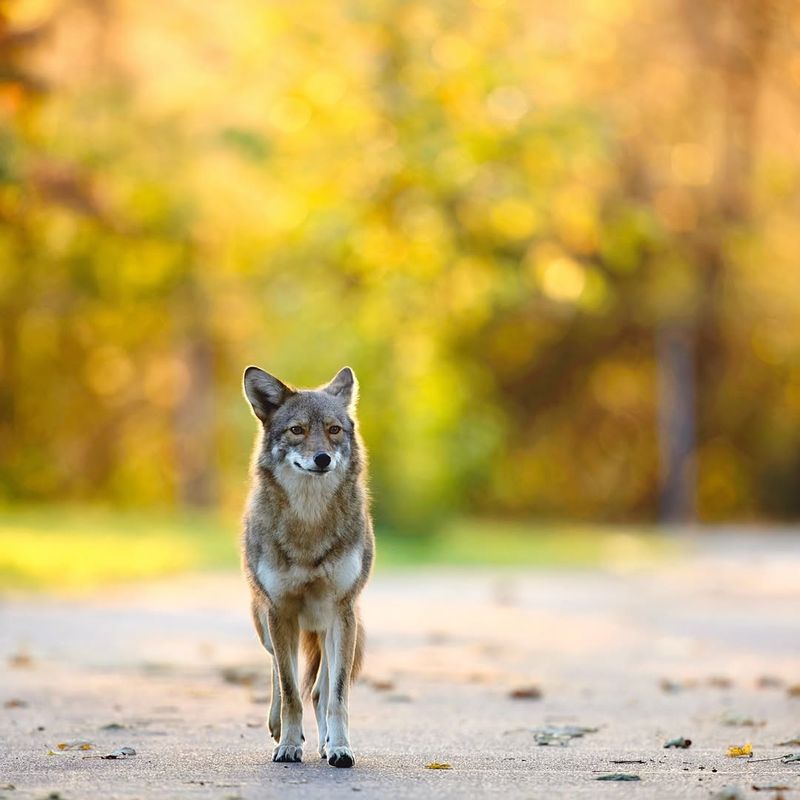
Running triggers a coyote’s natural chase instinct, potentially transforming a curious animal into an active pursuer.
Predators are hardwired to chase moving prey, and your sudden flight can activate this deeply ingrained behavior.
Turning your back removes your visual monitoring of the situation and may be interpreted as submission or fear.
Maintaining eye contact while backing away slowly demonstrates confidence without appearing aggressive.
Your calm, deliberate movements communicate that you are not prey but rather a creature to be respected and avoided.
Children especially need coaching on this counterintuitive response since their instinct is often to run toward safety.
Practicing calm backward walking during family discussions helps everyone remember the proper response during actual encounters.
Keeping the coyote in your peripheral vision while moving toward your home ensures you stay aware of its actions.
This measured retreat gives the coyote space to leave while you maintain control of the situation.
Panic serves no purpose and often escalates encounters that could otherwise resolve peacefully.
Trusting in calm, steady actions protects you far better than frantic movements that might provoke unwanted responses.
Do Not Leave Small Pets Outside Unattended
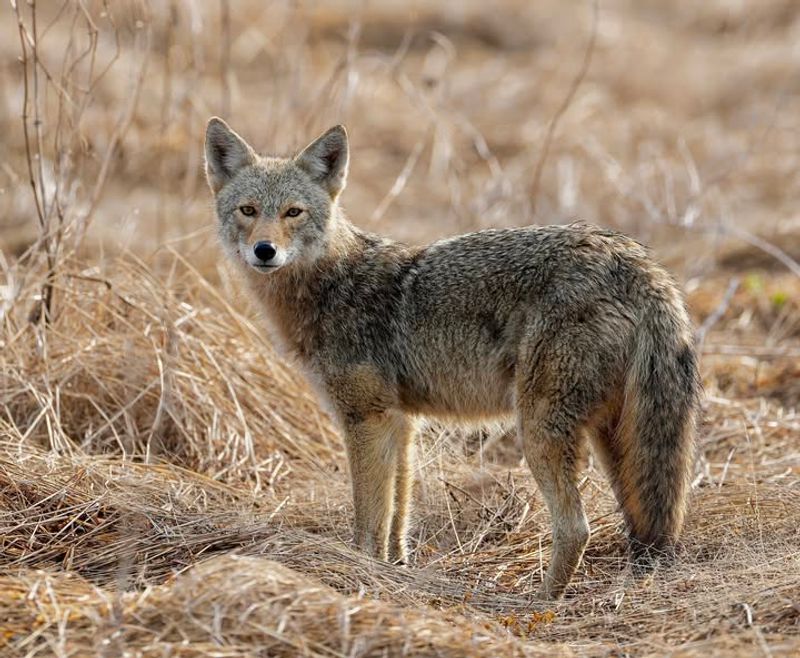
Small dogs and cats represent easy targets for coyotes, especially during their most active hunting hours.
Even fenced yards offer limited protection since coyotes can jump barriers six feet high or dig underneath them.
Supervising pets during outdoor bathroom breaks ensures you can intervene immediately if a coyote appears.
Coyote attacks on pets happen incredibly quickly, often within seconds, leaving no time for delayed reactions.
Arizona veterinarians treat numerous pets each year for injuries sustained during coyote encounters.
Installing coyote rollers on fence tops prevents these agile animals from gaining the grip needed to climb over.
Keeping pets leashed during walks gives you direct control and the ability to pull them close instantly.
Catio enclosures allow cats to enjoy outdoor time while remaining completely protected from predators.
Nighttime and twilight hours present the highest risk, so limiting outdoor access during these times reduces danger significantly.
Your pet depends entirely on your vigilance and good judgment for protection from wildlife threats.
Prevention through supervision and secure enclosures avoids the heartbreak and trauma of preventable incidents.
Never Assume The Coyote Is Friendly Or Harmless

Coyotes are wild animals with unpredictable behaviors, not domesticated creatures that seek human companionship.
A coyote that appears calm or curious may suddenly become defensive if it feels cornered or threatened.
Mothers with nearby pups become especially protective and may act aggressively to defend their young.
Animals suffering from illness sometimes display unusual boldness or confusion that makes them particularly dangerous.
Your safety depends on treating every coyote encounter with appropriate caution and respect for their wild nature.
Children must understand that coyotes are not dogs and should never be petted or played with under any circumstances.
Social media posts showing people interacting closely with coyotes promote dangerous misconceptions about these animals.
Wildlife rehabilitation experts emphasize that habituation to humans ultimately harms coyotes by making them vulnerable to conflicts.
Maintaining healthy fear and distance benefits both human communities and coyote populations in the long term.
Your responsibility includes educating visitors and family members about proper wildlife interaction boundaries.
Respecting the wild nature of coyotes keeps everyone safer and allows these animals to fulfill their important ecological roles without interference.