Smart Things To Do When An Opossum Comes Into Your Wisconsin Yard
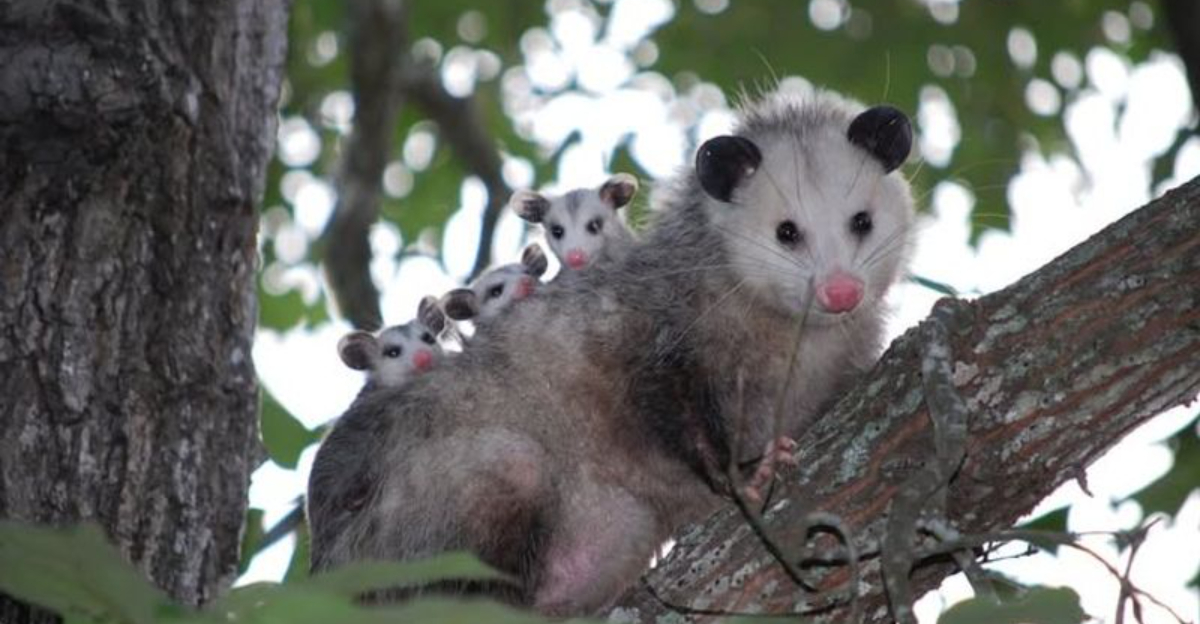
An opossum wandering into a Wisconsin yard can stir up more curiosity than chaos.
One moment the yard is calm, the next a gray, slow-moving visitor shuffles through like it owns the place.
Opossums may look scruffy and unpredictable, but they are far more misunderstood than menacing.
Still, an unexpected appearance can leave homeowners wondering how to keep the peace without stirring the pot.
Wisconsin yards offer plenty of attractions for a hungry or curious opossum.
Fallen fruit, open compost, pet food, and cozy hiding spots can draw them in like moths to a porch light.
Once they find an easy meal or safe corner, they might stick around longer than expected.
That can raise concerns about pets, property, or general safety.
Some people jump to conclusions and react too boldly, while others ignore the situation and hope the opossum simply vanishes.
Both paths can make things harder than they need to be.
A steady hand and smart choices often lead to the best outcome.
Knowing how to handle an opossum visit keeps yards calm, pets safe, and wildlife out of trouble.
With the right approach, a brief encounter stays just that, a passing moment, not a lingering problem.
1. Keep Your Distance And Observe Calmly
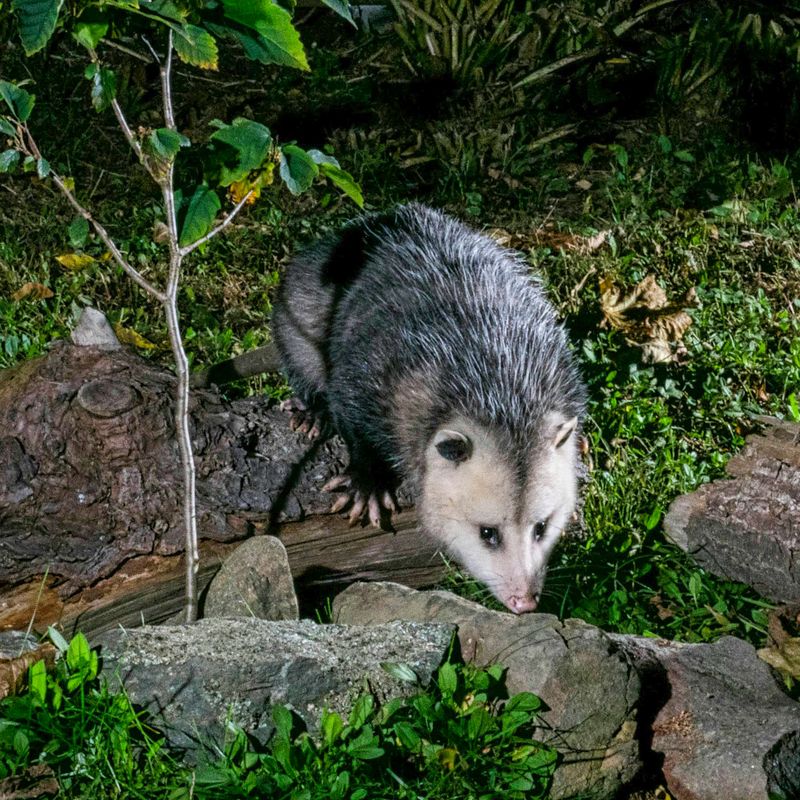
Your first instinct when spotting an opossum might be to get closer for a better look, but staying back is the wisest choice.
Opossums are wild animals, and even though they’re not typically aggressive, they can bite or scratch if they feel cornered or threatened.
Keeping at least ten to fifteen feet away gives the animal space to feel safe and move along naturally.
Watch from your window or porch instead of approaching directly.
This distance lets you appreciate the opossum’s unique features without causing stress to either yourself or the creature.
Wisconsin opossums are usually just passing through your yard on their nightly search for food, so they won’t stick around long if left alone.
Children and pets should be kept inside or closely supervised when an opossum is present.
Teaching kids to observe wildlife from a respectful distance is a valuable lesson that applies to all wild animals they might encounter.
If you have a dog that likes to chase critters, bring it indoors until the opossum leaves.
Dogs can frighten opossums into defensive behaviors, and nobody wants a face full of hissing teeth or a surprised pet.
Remember that opossums are actually quite timid despite their sometimes fierce appearance.
Their famous hissing and teeth-baring is mostly bluff, designed to scare away predators without actual confrontation.
By observing calmly from afar, you’re giving the opossum the best chance to leave peacefully and continue its important role in Wisconsin’s ecosystem.
Patience is key here, as rushing the situation only makes things more complicated for everyone involved.
2. Never Attempt To Touch Or Handle It
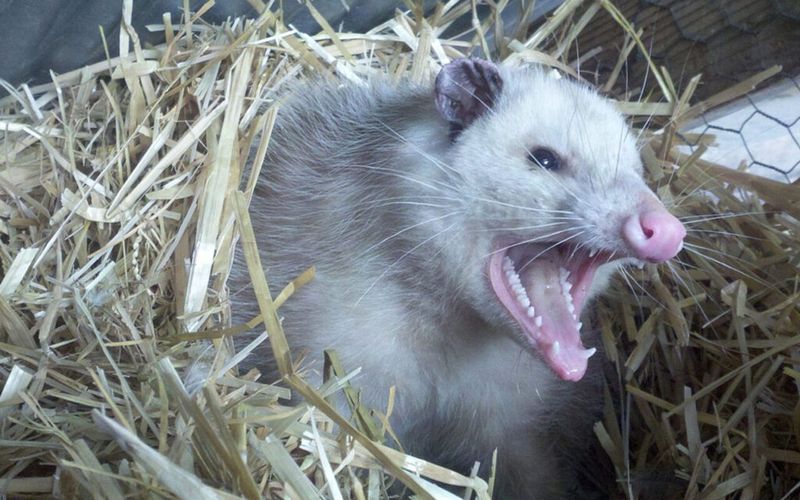
It might seem tempting to pet or pick up an opossum, especially if it appears injured or young, but this is dangerous for multiple reasons.
Wild opossums can carry diseases and parasites that are transmissible to humans, including leptospirosis and various types of bacteria.
Even if the animal seems docile, it can suddenly become defensive and bite.
Opossum bites can cause painful wounds that may require medical attention and possibly rabies evaluation, though opossums rarely carry rabies due to their low body temperature.
Handling wildlife is also stressful for the animal and can cause harm you might not see immediately.
Young opossums that appear abandoned may actually have a mother nearby who will return for them once the coast is clear.
In Wisconsin, it’s also illegal to keep wild opossums as pets without proper permits and licensing.
State wildlife regulations exist to protect both animals and people from the problems that arise when wild creatures are treated as domestic pets.
If you genuinely believe an opossum needs help because it’s injured or truly orphaned, contact a licensed wildlife rehabilitator in your Wisconsin county instead of taking matters into your own hands.
These trained professionals know exactly how to handle opossums safely and can provide the specialized care these animals need.
Your local Department of Natural Resources office can provide contact information for nearby rehabilitators.
Resisting the urge to touch protects you from potential bites, scratches, and disease exposure while also giving the opossum the best chance at survival.
Wildlife belongs in the wild, and human interference, no matter how well-intentioned, often does more harm than good.
3. Remove Food Sources From Your Property
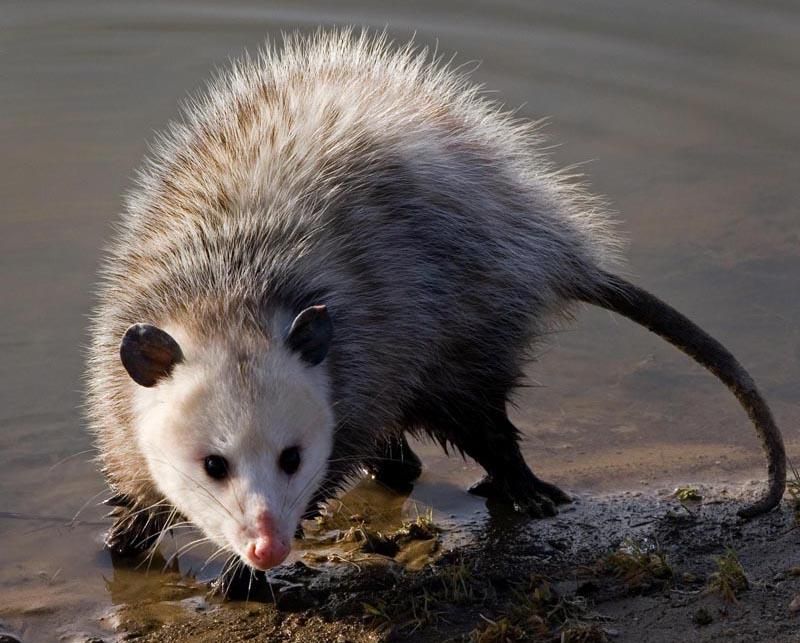
Opossums don’t visit Wisconsin yards by accident, they’re usually attracted by easy meals.
These opportunistic eaters will munch on just about anything, from garbage and pet food to fallen fruit and birdseed.
Taking away these food sources is one of the most effective ways to discourage return visits.
Start by securing your garbage cans with tight-fitting lids or bungee cords that opossums can’t pry open.
If possible, store trash cans in a garage or shed until collection day.
Pet food should never be left outside overnight, as the smell attracts opossums and other wildlife from blocks away.
Feed your dogs and cats indoors, or if you must feed outside, remove bowls immediately after mealtime.
Bird feeders can also be opossum magnets, especially if seeds spill onto the ground.
Consider using feeders with catch trays or placing them far from your house where visiting opossums won’t be a concern.
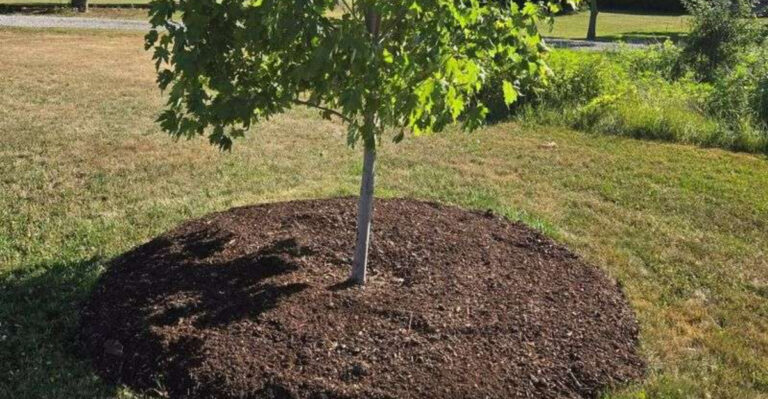
Fruit trees common in southern Wisconsin yards should be harvested regularly, and any fallen fruit picked up promptly.
Rotting apples, pears, or berries on the ground are like a buffet sign for hungry opossums.
Compost piles should be properly managed and turned regularly to avoid attracting wildlife.
If you compost food scraps, use a sealed bin rather than an open pile.
Gardens can also attract opossums, though they actually help by eating insects, slugs, and snails.
If opossums are bothering your vegetables, consider fencing with wire mesh buried several inches underground to prevent digging.
By eliminating easy food access, you make your Wisconsin property less appealing, and opossums will naturally move on to more productive hunting grounds.
4. Wait For The Opossum To Leave On Its Own
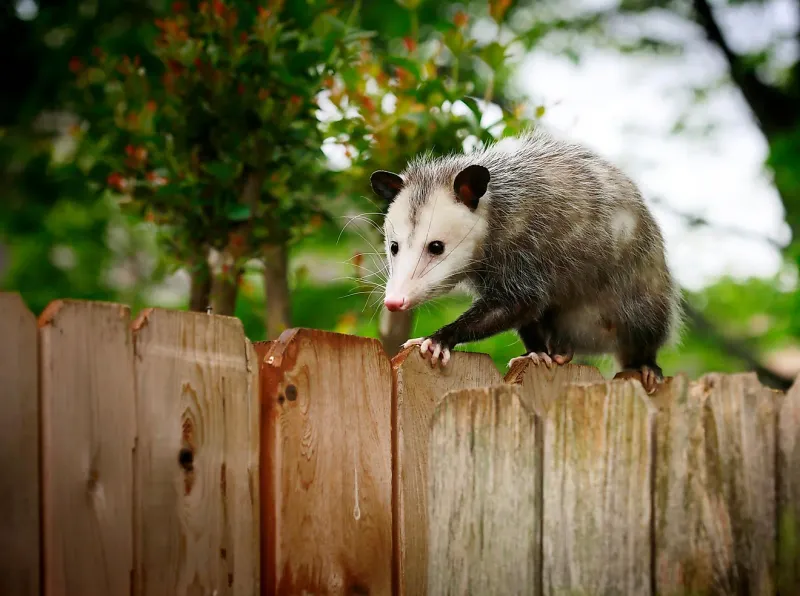
Patience truly is a virtue when dealing with opossum visitors in your Wisconsin yard.
These animals are nomadic by nature and rarely stay in one place for more than a few days.
Opossums are constantly on the move, traveling up to two miles per night in search of food and shelter.
If you simply leave them alone, they’ll usually move along within a night or two without any intervention needed.
Trying to force an opossum out can actually make the situation worse by causing the animal to hide in hard-to-reach places or become defensive.
When left undisturbed, opossums follow their natural patterns and continue their nightly travels to new locations.
During Wisconsin’s colder months, an opossum might seek temporary shelter under your deck, in a shed, or in a crawl space.
Even in these situations, waiting is often the best strategy.
Opossums don’t hibernate, but they do become less active in extreme cold and may use your property as a short-term refuge.
Once temperatures moderate or they sense the area is not providing enough food, they’ll move on naturally.
If an opossum has taken up residence somewhere on your property, resist the urge to immediately evict it.
Instead, make the area less appealing by removing food sources and eliminating hiding spots nearby.
You can also encourage departure by placing ammonia-soaked rags near the den entrance, as opossums dislike strong smells.
Never seal an entry point while an opossum might still be inside, especially during spring when females may have babies.
Waiting ensures no animals get trapped and allows nature to take its course without unnecessary stress or conflict.
5. Secure Potential Shelter Areas Around Your Home
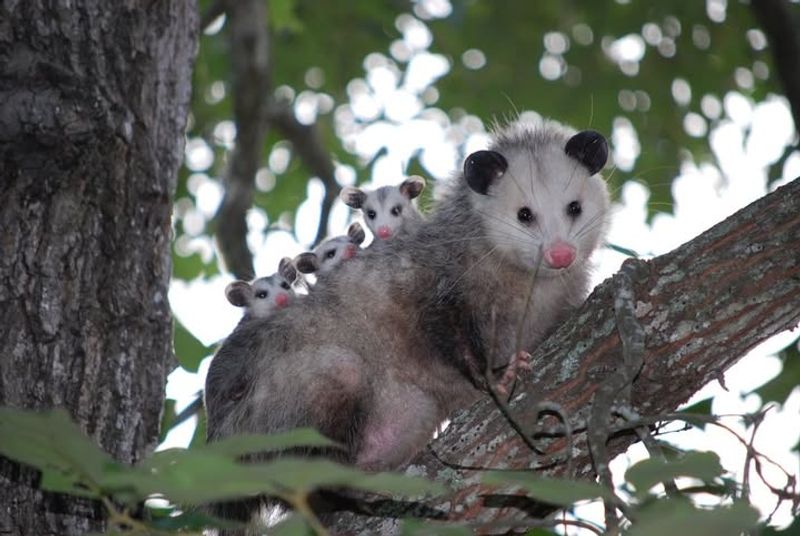
Prevention beats intervention every time when it comes to wildlife management.
Opossums seek out dark, quiet spaces for daytime sleeping, and Wisconsin homes offer plenty of attractive options.
Crawl spaces, areas under decks and porches, sheds, and gaps in foundations are all prime real estate for a tired opossum looking for rest.
Walk around your property and identify any openings or gaps that could provide shelter.
Crawl space vents should have sturdy wire mesh screens that are securely attached and free of holes.
Check that foundation vents are intact and that there are no gaps where the foundation meets the siding.
Decks and porches can be sealed with lattice panels or hardware cloth buried several inches into the ground to prevent digging underneath.
Make sure gates and doors on sheds and outbuildings close tightly and have no gaps at the bottom.
Opossums can squeeze through surprisingly small openings, any gap larger than three or four inches is an invitation.
Trim tree branches that hang over your roof, as opossums are excellent climbers and can use overhanging limbs to access attics or rooflines.
Check your roof for damaged shingles or gaps around vents and chimneys that could provide entry points.
Brush piles, stacked firewood, and dense shrubs close to your house also provide excellent hiding spots.
Keep firewood stacked away from your home’s foundation and maintain a clear perimeter around your house.
Regular maintenance and inspection of your Wisconsin property makes it far less attractive to opossums and other wildlife.
Taking these preventive steps means you’re less likely to have unexpected guests and can enjoy your yard without worry.
6. Turn On Outdoor Lights And Make Noise

Opossums are nocturnal creatures that prefer darkness and quiet for their nighttime activities.
Using light and sound to your advantage can gently encourage an opossum to leave your Wisconsin yard without any physical interaction.
When you spot an opossum, turn on all your outdoor lights, porch lights, floodlights, and any landscape lighting you have available.
Bright illumination makes opossums uncomfortable and more likely to seek darker, more secluded areas away from your property.
Motion-activated lights are particularly effective because they startle animals when they trigger unexpectedly.
Installing these lights around your yard, near garbage areas, and by potential den sites can deter not just opossums but other nighttime visitors as well.
Sound is another powerful deterrent that works well in combination with lighting.
Talking loudly, clapping your hands, or playing music can make your yard seem too busy and dangerous for an opossum to feel comfortable.
You don’t need to yell or make aggressive noises, just normal human activity is usually enough to send them on their way.
Some Wisconsin homeowners use battery-operated radios placed near problem areas, set to talk stations that create the impression of human presence throughout the night.
This method is humane and effective without causing harm or undue stress to the animal.
Remember that consistency matters more than intensity.
Regularly using lights and noise when you spot opossums teaches them that your yard is not a peaceful place to forage.
Over time, they’ll learn to avoid your property in favor of quieter, darker locations where they can hunt and travel undisturbed.
7. Contact A Wildlife Professional If Needed
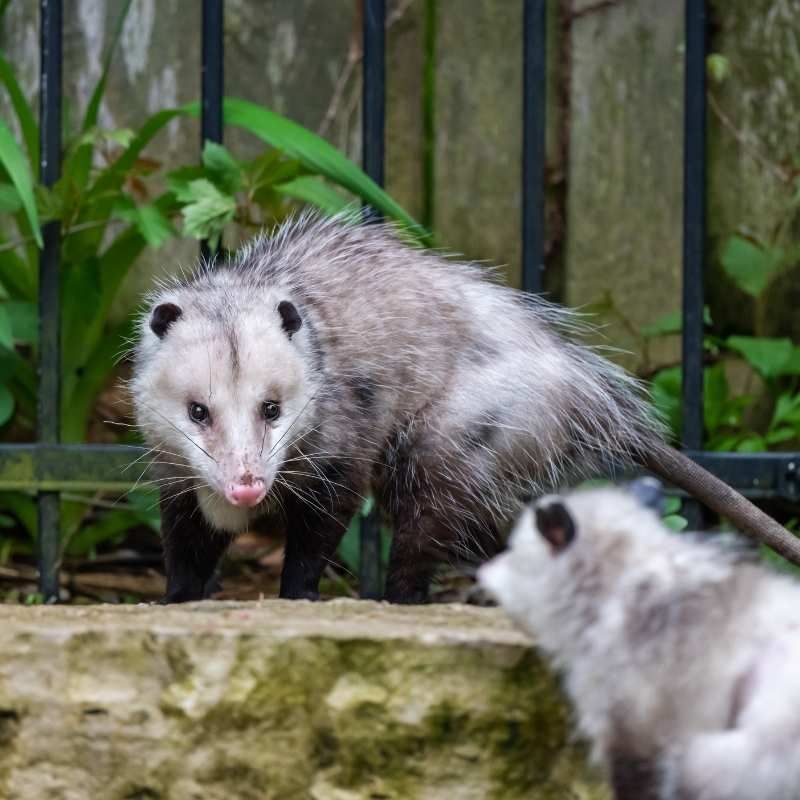
Sometimes despite your best efforts, an opossum situation requires expert help.
Knowing when to call a professional can save you time, stress, and potential safety issues.
If an opossum has established a den in your Wisconsin home’s attic, walls, or basement, professional removal is the safest option.
Wildlife control experts have the training, equipment, and legal permits necessary to handle these situations humanely and effectively.
They can also identify entry points you might have missed and provide exclusion services to prevent future problems.
Professional help is especially important if you suspect a female opossum has babies on your property.
Baby opossums are often hidden in nests, and a mother won’t abandon her young willingly.
Attempting to remove a mother opossum yourself could result in orphaned babies that won’t survive without specialized care.
Wildlife professionals know how to locate and safely remove entire families, ensuring all animals are relocated together.
If an opossum appears sick, injured, or is behaving strangely during daylight hours, contact your local Wisconsin Department of Natural Resources or a licensed wildlife rehabilitator.
Unusual behavior could indicate illness or injury that requires medical attention.
Never attempt to capture or transport a potentially sick animal yourself.
When choosing a wildlife control service, look for licensed and insured professionals who use humane methods.
Ask about their relocation practices and whether they follow Wisconsin state guidelines.
Reputable companies will inspect your property, explain their process, and offer prevention advice to keep opossums from returning.
While professional services cost money, they provide peace of mind and ensure the situation is handled correctly the first time.