10 Smart Tips For Growing Strong Chives In Maine Gardens
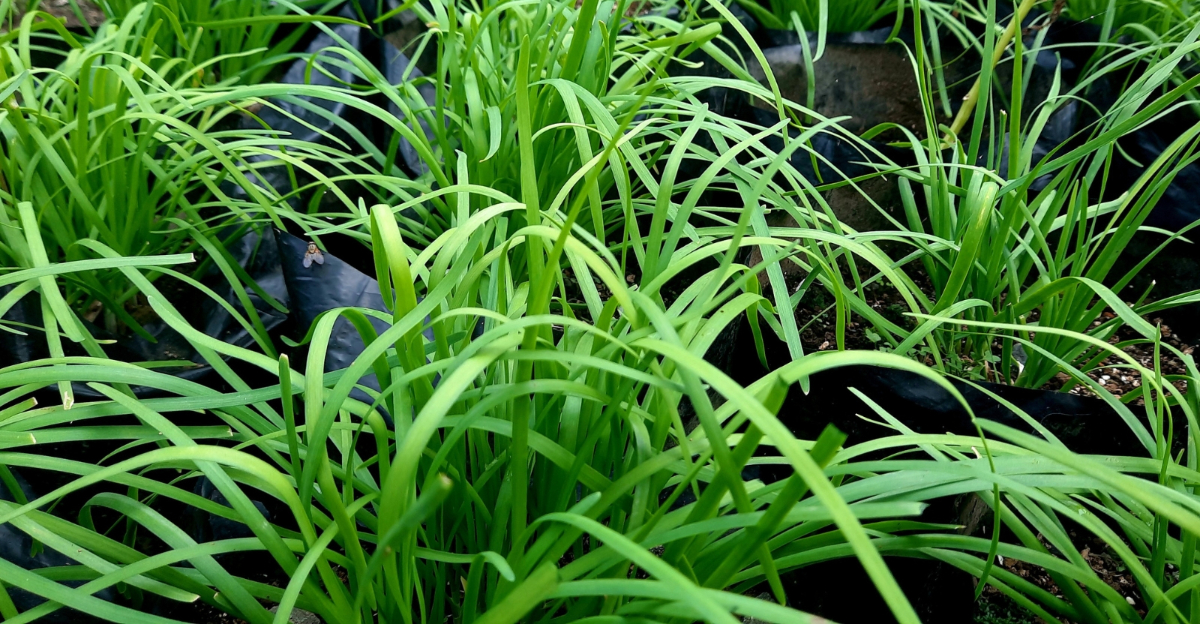
Maine gardeners love chives because they look simple, but getting them to grow strong and full here takes more thought than most people expect.
Cold springs, heavy soil, and uneven moisture can quietly slow chives down before they ever get going. That’s why early choices matter so much.
Chives respond best when Maine gardeners stop treating them like a low-effort afterthought.
Strong growth starts with understanding how Maine’s cool temperatures shape root development.
When conditions are right, chives thicken quickly and come back stronger every season.
Many problems trace back to timing, soil structure, or how water moves through the bed.
Once those basics are handled properly, chives become one of the most reliable plants in a Maine garden.
The difference between thin clumps and vigorous growth usually comes down to a few smart adjustments.
These tips focus on helping chives grow stronger from the start instead of struggling their way through the season.
1. Choosing A Sunny, Well-Drained Location
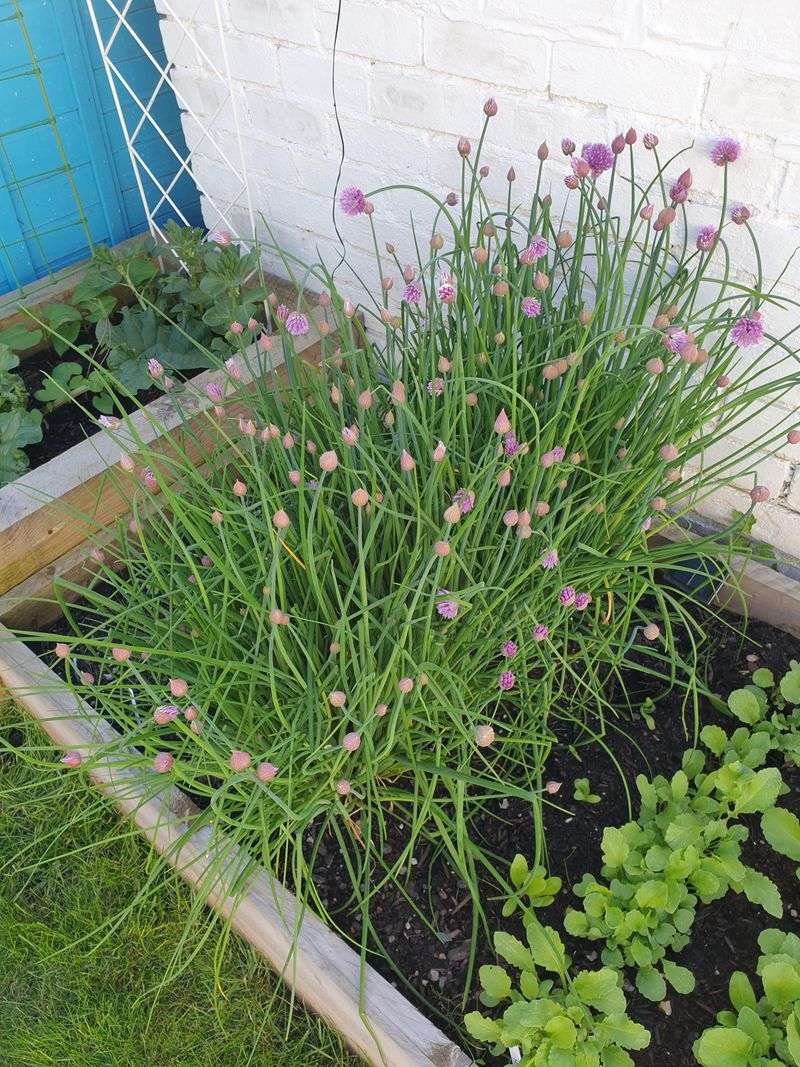
Most herbs crave bright light, and chives are no exception. Full sun exposure for at least six hours daily helps them develop thick, flavorful leaves that add zest to your meals.
Partial shade might work in warmer climates, but Maine’s shorter growing season makes every ray of sunlight count.
Soil drainage matters just as much as light. Chives dislike sitting in waterlogged ground, which can weaken their root systems and slow their growth.
Look for spots where rainwater flows away naturally, or consider raised beds if your yard tends to hold moisture.
Maine gardeners often deal with heavy clay or rocky soil that drains poorly. Amending the planting area with compost or coarse sand improves drainage while adding nutrients.
This simple step creates an environment where chive roots can spread freely without becoming waterlogged.
Avoid low-lying areas where cold air settles on frosty mornings. Chives handle cold well, but constant exposure to freezing temperatures in poorly drained spots can stress young plants.
Elevated locations with good air circulation help prevent these issues.
Testing your chosen spot before planting saves time and frustration later. Water the area thoroughly and check how quickly the soil dries.
If puddles remain after a few hours, select a different location or improve drainage before planting.
2. Preparing Soil That Warms Up Early In Maine
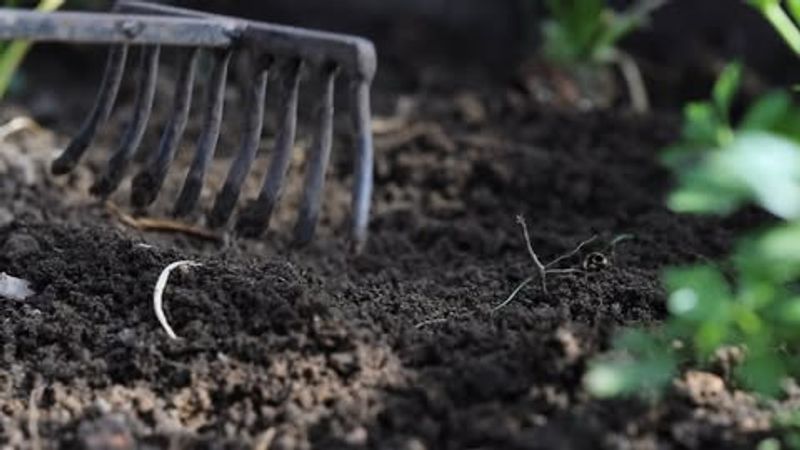
Cold spring soil delays planting and slows root development across Maine. Chives prefer ground that reaches at least 50 degrees Fahrenheit before they begin active growth.
Dark-colored mulch or black plastic laid over beds a few weeks before planting absorbs heat and raises soil temperature faster.
Adding organic matter like compost or aged manure improves soil structure and warmth retention. These materials break down over time, releasing nutrients while creating air pockets that allow sunlight to penetrate deeper.
Warmer soil encourages earlier sprouting and stronger root systems.
Raised beds warm up more quickly than ground-level plots because they sit above the cold earth. Building beds six to twelve inches high gives chives a head start in spring.
The elevated position also improves drainage, addressing two key needs at once.
Sandy loam warms faster than heavy clay, so mixing sand into clayey Maine soil speeds up spring readiness. Aim for a loose, crumbly texture that drains well but still holds some moisture.
This balance supports vigorous chive growth without causing root problems.
Testing soil temperature with a simple thermometer helps you time planting accurately. Insert the probe two inches deep in the morning to get an accurate reading.
Waiting until the soil reaches the right warmth prevents stunted growth and ensures seeds or transplants establish quickly.
3. Planting At The Right Time For Cool Conditions
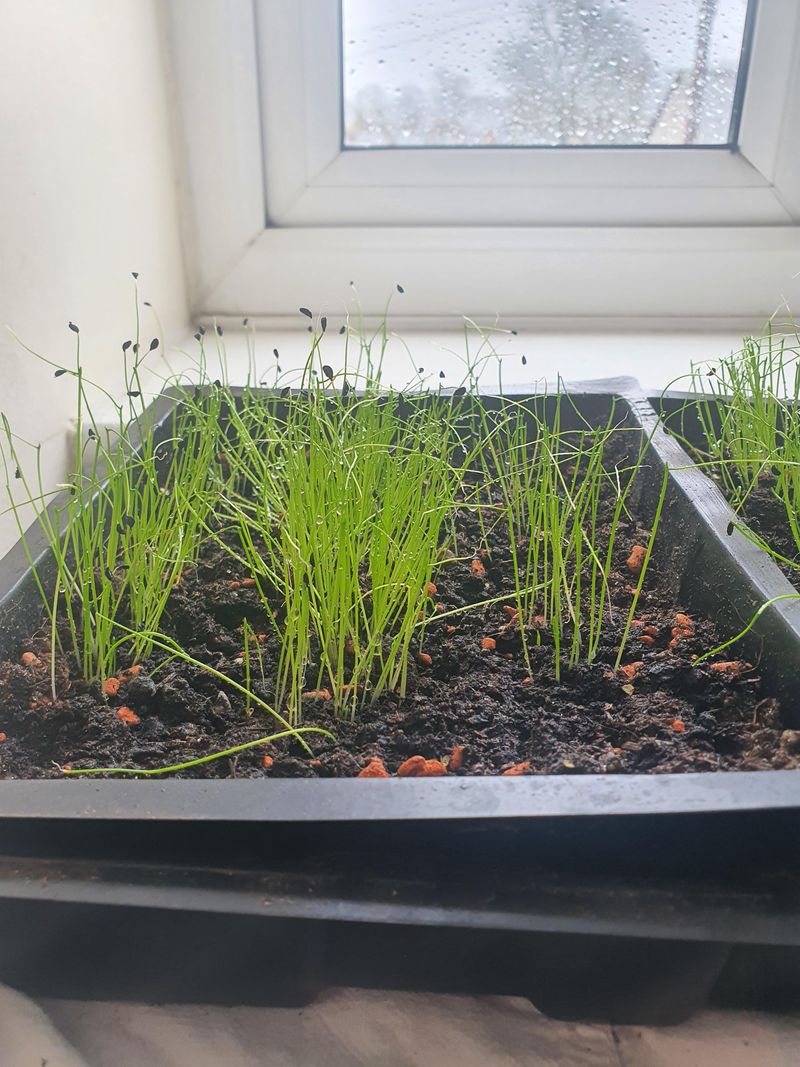
Timing matters when you want chives to establish strong roots before summer heat arrives. Maine’s cool springs favor these hardy herbs, which tolerate light frosts and even brief cold snaps.
Planting too early risks exposing tender seedlings to hard freezes, while waiting too long shortens the growing season.
Mid-April through early May works well for most Maine regions, though coastal areas may plant slightly earlier. Inland and northern zones should wait until the threat of severe frost passes.
Local extension offices provide frost date maps that help pinpoint the best planting window for your area.
Starting seeds indoors six weeks before the last frost gives chives a head start. Transplant seedlings outdoors once they develop two or three sets of true leaves.
This method produces mature plants faster than direct seeding, especially in shorter growing seasons.
Direct seeding outdoors works if you plant after soil warms to 50 degrees Fahrenheit. Scatter seeds thinly over prepared beds and cover lightly with soil.
Keep the area moist until sprouts appear, usually within two weeks under favorable conditions.
Chives grow well in cool weather, making them perfect for early spring planting. They slow down during hot summer months but resume active growth when temperatures drop in fall.
Planting early allows them to establish before heat stress becomes an issue.
4. Spacing Clumps To Prevent Crowding
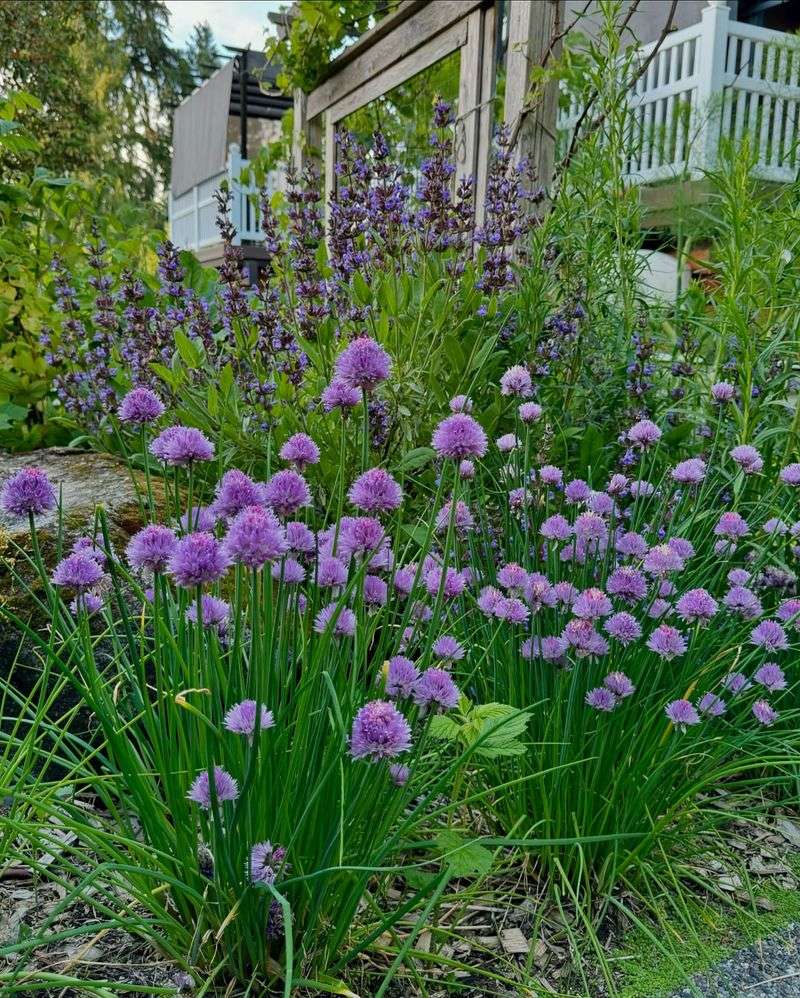
Proper spacing prevents competition for nutrients, water, and sunlight. Chives grow in tight clumps, and overcrowding weakens individual plants while reducing leaf production.
Giving each clump enough room promotes healthy growth and simplifies maintenance tasks like weeding and harvesting.
Space individual clumps eight to twelve inches apart in rows or beds. This distance allows air to circulate freely around the foliage, reducing humidity and lowering the risk of fungal issues.
Good airflow is especially important in Maine’s damp spring and fall weather.
Planting in clusters rather than single stems creates a fuller appearance and makes harvesting easier. Group three to five seedlings together as one clump, then space these clusters according to the recommended distance.
This approach mimics natural growth patterns and yields more leaves per square foot.
Avoid cramming chives into narrow spaces between other plants. They need room to expand as they mature, and crowding limits their potential.
Plan your garden layout with future growth in mind, leaving adequate space for each clump to reach its full size.
Thinning seedlings early prevents overcrowding problems later. Once sprouts develop their first true leaves, remove weaker plants to achieve the desired spacing.
Use scissors to snip unwanted seedlings at soil level rather than pulling them, which can disturb neighboring roots.
Dividing mature clumps every few years keeps them productive and prevents overcrowding. Dig up established plants in early spring or fall, separate them into smaller sections, and replant with proper spacing.
This rejuvenates old clumps and provides new plants for other garden areas.
5. Watering Consistently Without Saturating Roots
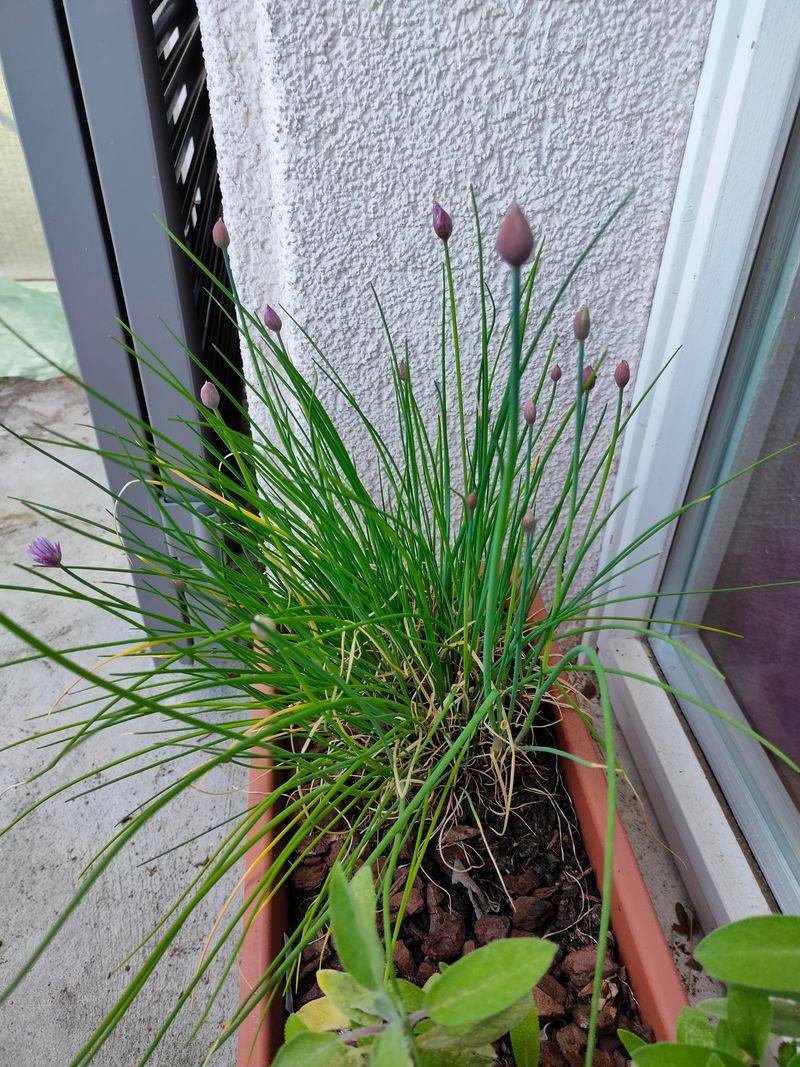
Consistent moisture keeps chive leaves tender and flavorful, but overwatering causes more harm than drought. Maine’s rainfall varies widely from season to season, so adjusting your watering routine based on weather conditions prevents problems.
Aim for soil that feels evenly moist but never soggy or waterlogged.
Watering deeply once or twice per week encourages roots to grow downward in search of moisture. Shallow, frequent watering keeps roots near the surface, making plants more vulnerable to heat and drought.
Deep watering builds resilience and supports stronger, healthier chive clumps.
Early morning is the best time to water because foliage dries quickly as temperatures rise. Wet leaves at night invite fungal diseases, which thrive in Maine’s cool, damp evenings.
Watering early also ensures plants have moisture available during the warmest part of the day.
Drip irrigation or soaker hoses deliver water directly to the root zone without wetting foliage. These systems conserve water and reduce disease risk compared to overhead sprinklers.
Installing a simple drip line along chive rows makes watering efficient and hassle-free.
Checking soil moisture before watering prevents accidental overwatering. Stick your finger two inches into the ground near the base of the plants.
If it feels dry at that depth, water thoroughly. If it still feels damp, wait another day or two before watering again.
6. Using Mulch To Protect Shallow Roots
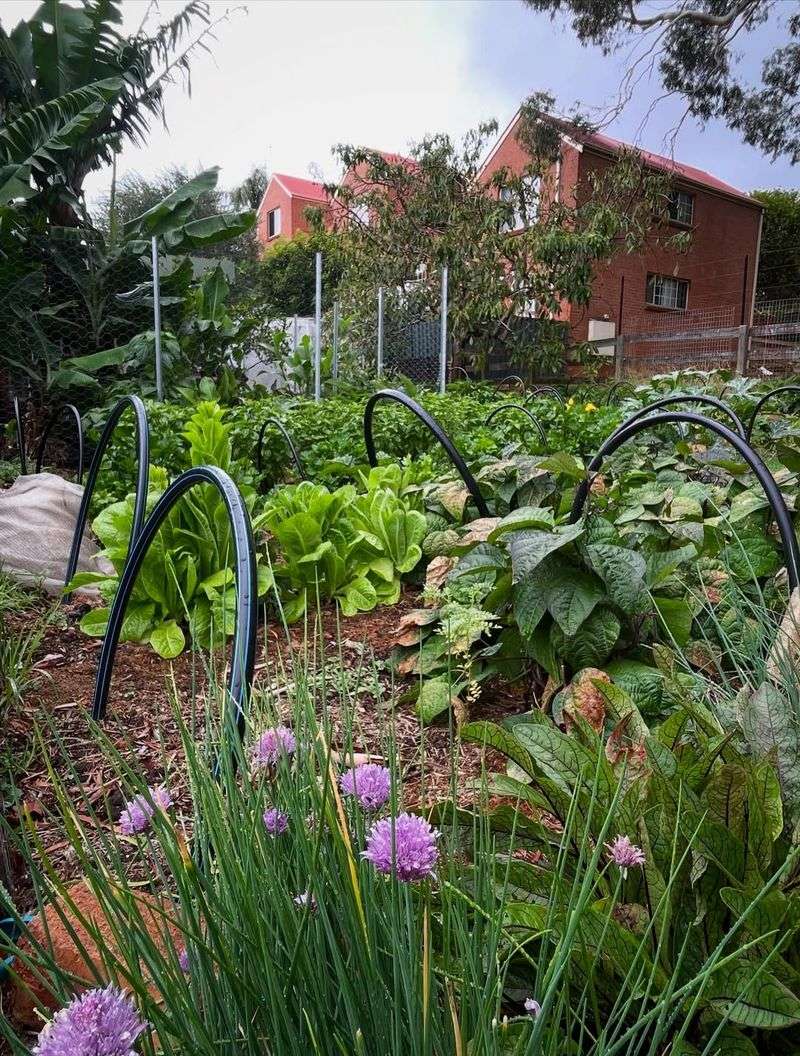
Chive roots grow close to the soil surface, making them vulnerable to temperature swings and moisture loss. Mulch acts as a protective blanket that moderates soil temperature and conserves moisture.
Organic materials like straw, shredded leaves, or grass clippings work well and break down over time to enrich the soil.
Apply a two- to three-inch layer of mulch around chive clumps after planting. Keep mulch a few inches away from the base of the plants to prevent rot and allow air circulation.
This gap also discourages pests and diseases that thrive in overly moist conditions near stems.
Mulching in early spring helps soil warm up faster by trapping heat from the sun. Dark-colored mulches like compost or cocoa hulls absorb sunlight and transfer warmth to the ground.
This technique benefits Maine gardeners who want to extend the growing season and encourage early growth.
Summer mulch keeps roots cool during hot spells that occasionally hit Maine. Chives slow down when temperatures climb above 80 degrees Fahrenheit, and mulch helps moderate soil temperature.
Cooler roots mean healthier plants that continue producing leaves even during brief heat waves.
Fall mulching protects chives from frost heaving, a common problem in Maine winters. Freezing and thawing cycles lift plants out of the ground, exposing roots to cold air and drying winds.
A thick layer of mulch insulates the soil and keeps it frozen consistently, preventing heaving damage.
Organic mulches decompose gradually, adding nutrients and improving soil structure over time. As materials break down, they release nitrogen, phosphorus, and other elements that chives need for vigorous growth.
7. Cutting Back Regularly To Encourage Fresh Growth
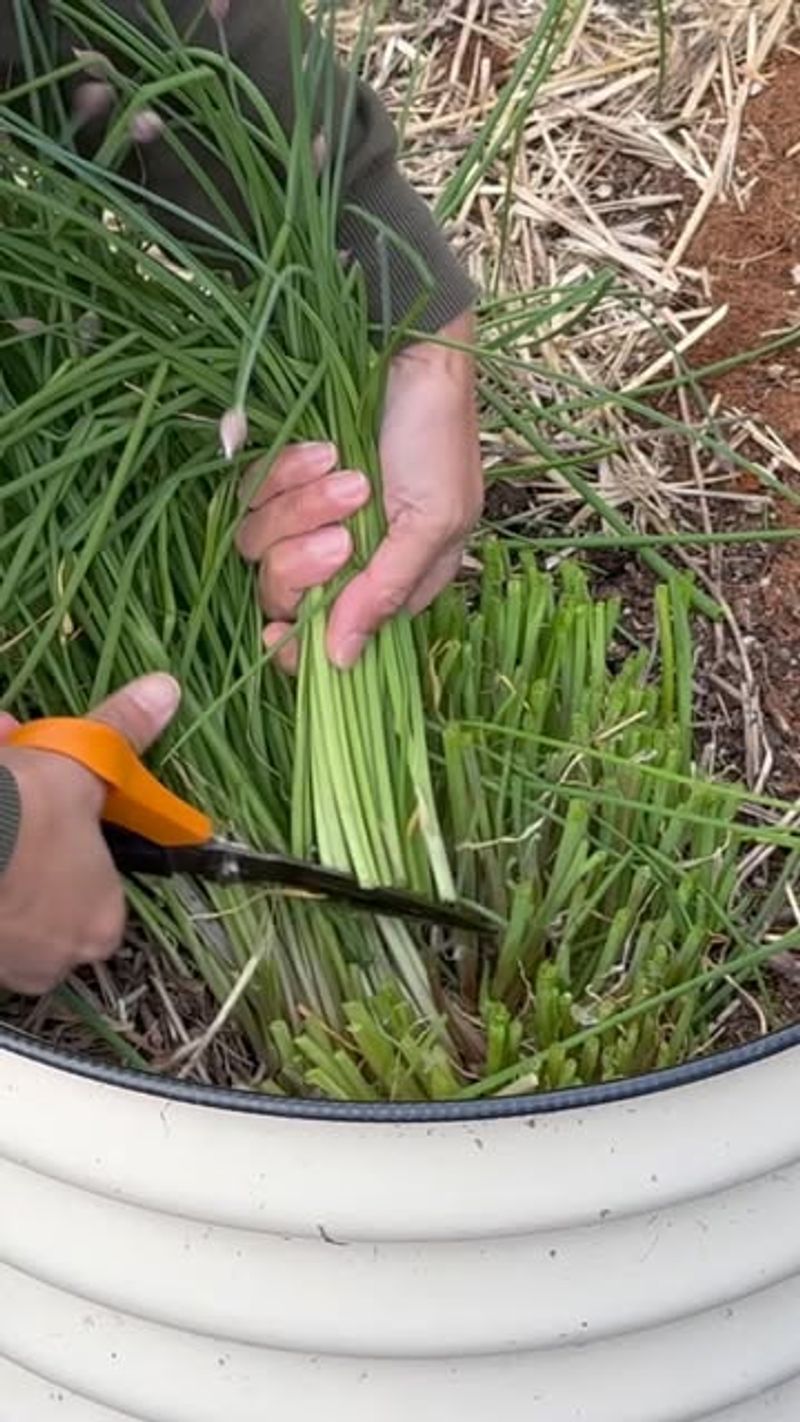
Regular harvesting keeps chives productive and prevents them from becoming leggy or overgrown. Frequent cutting stimulates new leaf production and maintains the compact, bushy form that makes chives attractive in Maine gardens.
Think of it as giving your plants a haircut that encourages thicker, healthier regrowth.
Cut leaves when they reach six to eight inches tall, using sharp scissors or garden shears. Snip them about two inches above the soil line to leave enough growth for the plant to recover quickly.
Avoid cutting too close to the base, which can stress the plant and slow regrowth.
Harvesting outer leaves first allows inner foliage to continue growing and photosynthesizing. This method ensures a continuous supply of fresh leaves without depleting the plant’s energy reserves.
Rotating your cuts around the clump promotes even growth and maintains an attractive appearance.
Cutting chives in the morning after dew dries yields the most flavorful leaves. Morning harvests capture the peak concentration of essential oils that give chives their distinctive taste.
Avoid harvesting during hot afternoons when plants are stressed and flavors are less intense.
Trimming back all foliage to two inches once or twice per season rejuvenates tired clumps. This drastic cut forces plants to produce fresh, tender leaves from the base.
Time these major trims for early summer and late summer in Maine to allow adequate recovery before winter.
8. Managing Flowering To Keep Leaves Productive
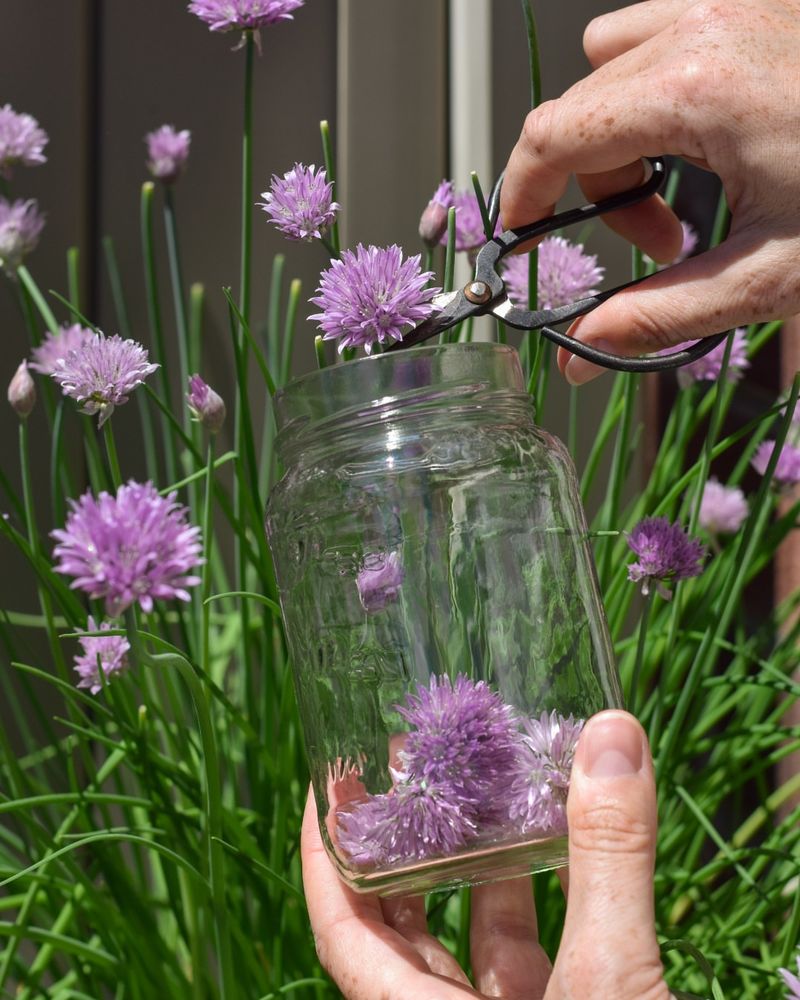
Chive flowers add beauty to Maine gardens with their globe-shaped purple blooms that attract bees and butterflies. However, allowing too many flowers to develop reduces leaf production because the plant diverts energy into seed formation.
Balancing ornamental value with culinary productivity requires strategic flower management.
Pinching off flower buds as they form keeps plants focused on leaf growth. Check chive clumps every few days during late spring and early summer when blooming begins.
Removing buds before they open prevents seed development and extends the harvest season for tender leaves.
Leaving a few flowers for pollinators benefits your entire garden ecosystem. Bees and other beneficial insects visit chive blossoms, then move on to pollinate vegetables and fruits.
Allow some clumps to flower while keeping others trimmed for continuous leaf harvests.
Deadheading spent flowers before they set seed prevents self-sowing and keeps plants tidy. Chives can spread aggressively if allowed to scatter seeds throughout Maine gardens.
Cutting off faded blooms maintains control and directs energy back into foliage production.
Flowering typically occurs in late May through June across Maine, depending on your location and weather patterns. Mark your calendar to start checking for buds in mid-spring so you can manage them before they fully develop.
Early intervention is easier than removing mature flowers.
Harvesting entire flower stalks when buds are tight and unopened gives you edible blooms for salads and garnishes.
9. Refreshing Clumps That Slow Down Over Time
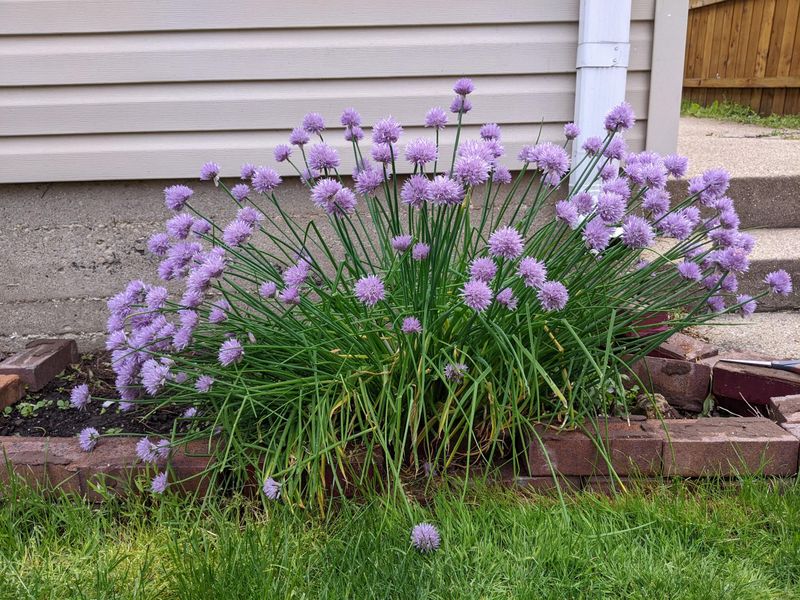
Mature chive clumps become crowded and less productive after three to four years in the same spot. The center of the clump often becomes woody and stops producing leaves, while outer sections remain vigorous.
Dividing and replanting these aging clumps rejuvenates them and restores productivity in Maine gardens.
Early spring or fall are the best times to divide chives. Choose a cool, overcast day when plants are not stressed by heat or drought.
Dig up the entire clump carefully, preserving as many roots as possible. Shake off excess soil so you can see where natural divisions occur.
Separate the clump into smaller sections using your hands or a sharp knife. Each division should contain at least five to ten bulblets with attached roots and foliage.
Discard the woody, unproductive center section and replant only the healthy outer portions.
Replant divisions immediately to prevent roots from drying out. Space them eight to twelve inches apart in prepared soil enriched with compost.
Water thoroughly after planting to help roots establish quickly. Divisions transplanted in spring will produce leaves the same season, while fall transplants establish roots before winter.
Refreshing clumps improves air circulation and reduces disease risk. Overcrowded plants trap moisture and create conditions favorable for fungal problems.
Dividing them opens up space for air to flow freely, keeping foliage dry and healthy in Maine’s humid climate.
10. Protecting Chives Through Late Cold Snaps
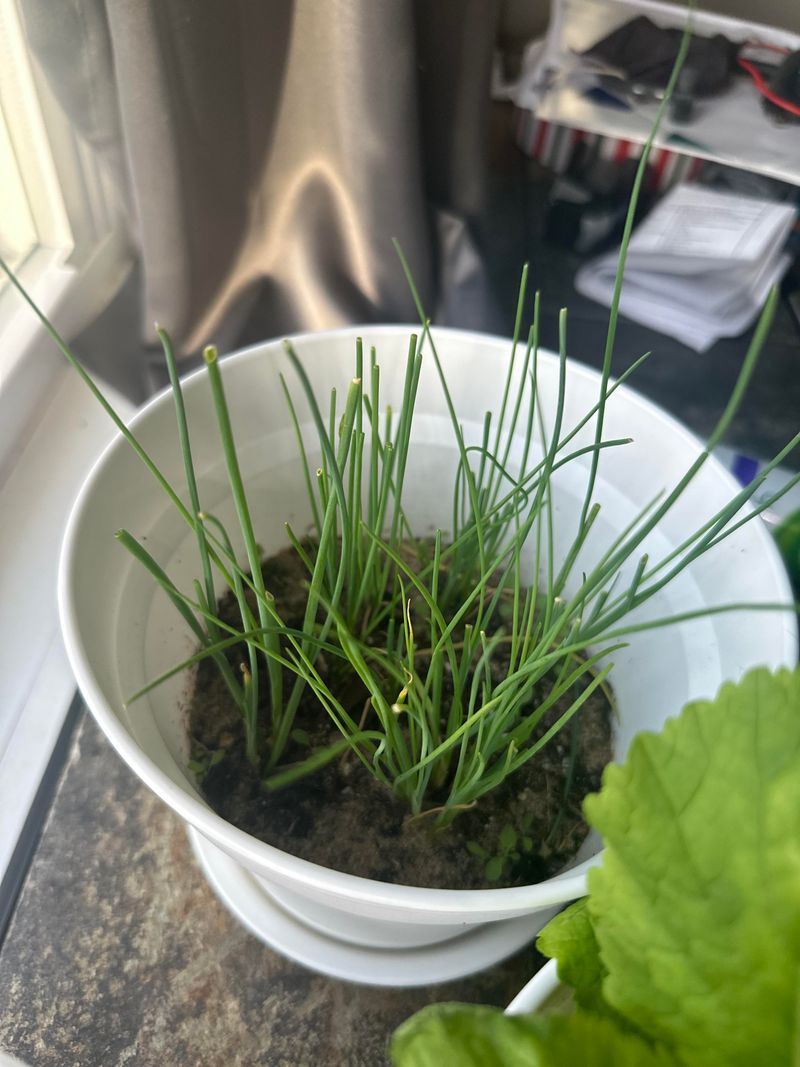
Maine’s unpredictable spring weather brings sudden frosts that can damage tender new growth. Chives tolerate cold better than most herbs, but late freezes can set back young plants or harm freshly harvested clumps.
Taking simple precautions protects your investment and ensures steady growth once warm weather arrives.
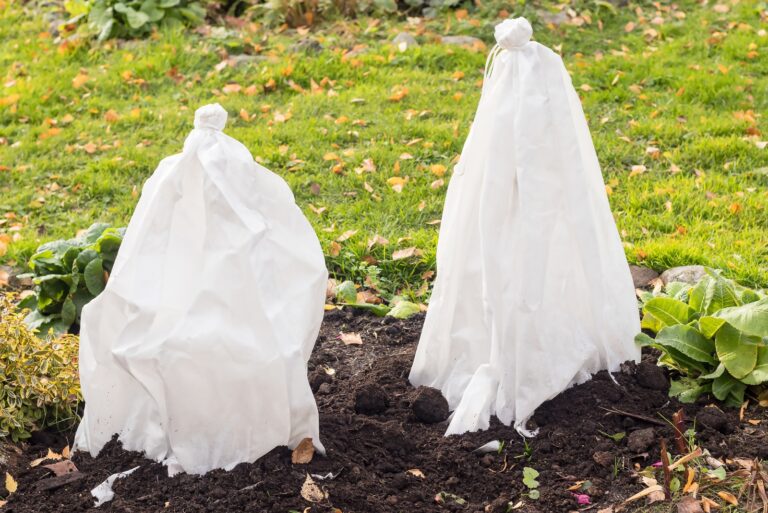
Covering chives with fabric row covers or old bedsheets on nights when frost threatens provides effective insulation. Drape the material loosely over plants and secure the edges with stones or soil.
Remove covers the next morning once temperatures rise above freezing to prevent overheating.
Mulching heavily around chive clumps insulates roots and moderates soil temperature. A four- to six-inch layer of straw or shredded leaves traps warmth and prevents the ground from freezing deeply.
This protection is especially important in northern Maine, where late frosts occur well into May.
Watering chives thoroughly before a predicted frost helps protect them. Moist soil holds heat better than dry ground, releasing warmth overnight that moderates air temperature around plants.
Avoid watering foliage directly, as wet leaves can freeze and suffer damage.
Planting chives near south-facing walls or fences takes advantage of radiant heat. These structures absorb sunlight during the day and release warmth at night, creating a microclimate several degrees warmer than open areas.
Strategic placement reduces frost risk and extends the growing season.