8 Smart Trellis Ideas For Saving Space In Colorado Gardens
Colorado gardens juggle short seasons, bold sun, and space that never feels quite big enough.
When every square foot counts, a smart trellis can flip the script and make plants climb instead of sprawl.
Vertical growing opens room for more harvest, better air flow, and cleaner beds, all while adding structure that stands up to wind and weather.
From urban patios to mountain plots, trellises pull double duty as support and style.
They tame vines, frame views, and turn blank corners into producers.
A clever setup works harder than the ground alone ever could.
With the right approach, upward growth becomes the secret weapon that keeps gardens productive, tidy, and visually sharp across Colorado landscapes.
1. A-Frame Trellis For Beans And Peas

Building an A-frame trellis creates a stable structure that stands firm against Colorado’s notorious spring winds.
Two angled sides meet at the top, forming a triangle shape that provides support on both faces.
This design works beautifully for pole beans, sugar snap peas, and other climbing legumes that need something sturdy to grab onto.
You can construct one using bamboo poles, wooden stakes, or even repurposed lumber from old fences.
Simply lean the two sides together and secure them at the peak with wire, rope, or screws.
String twine or netting between the frame poles to give vines plenty of climbing surface.
The best part about A-frames is their double-duty nature—you can plant on both sides, essentially doubling your growing space in the same footprint.
Position your A-frame running east to west so both sides receive adequate sunlight throughout the day.
In Colorado’s intense sun, the north-facing side might even benefit from slight afternoon shade provided by the plants on the south side.
A-frames also create a shaded microclimate underneath, perfect for tucking heat-sensitive lettuce or spinach during summer months.
This classic design proves that simple solutions often work best in mountain gardens.
2. Cattle Panel Arch Trellis
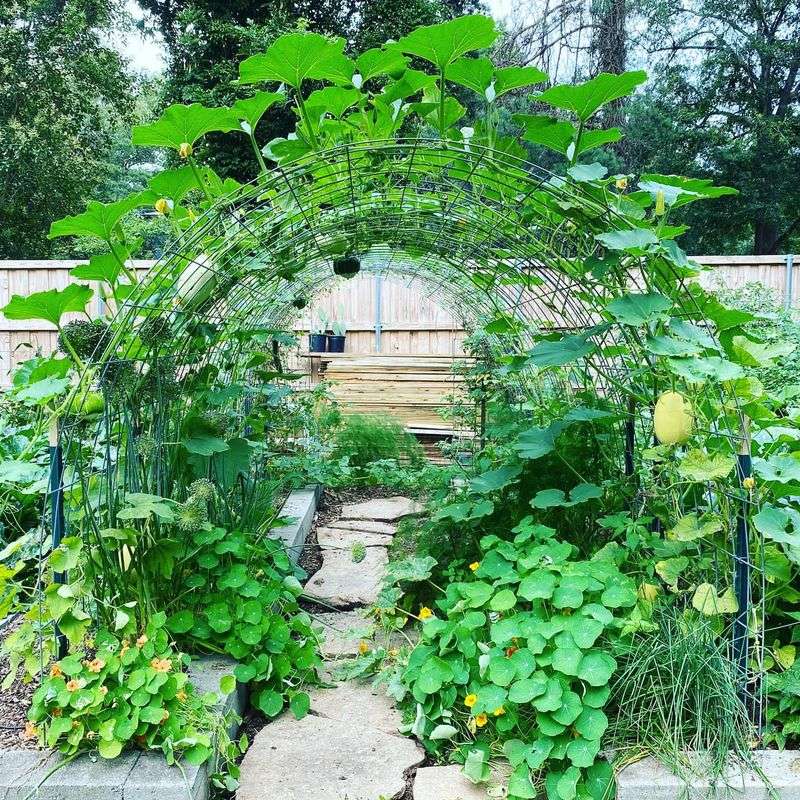
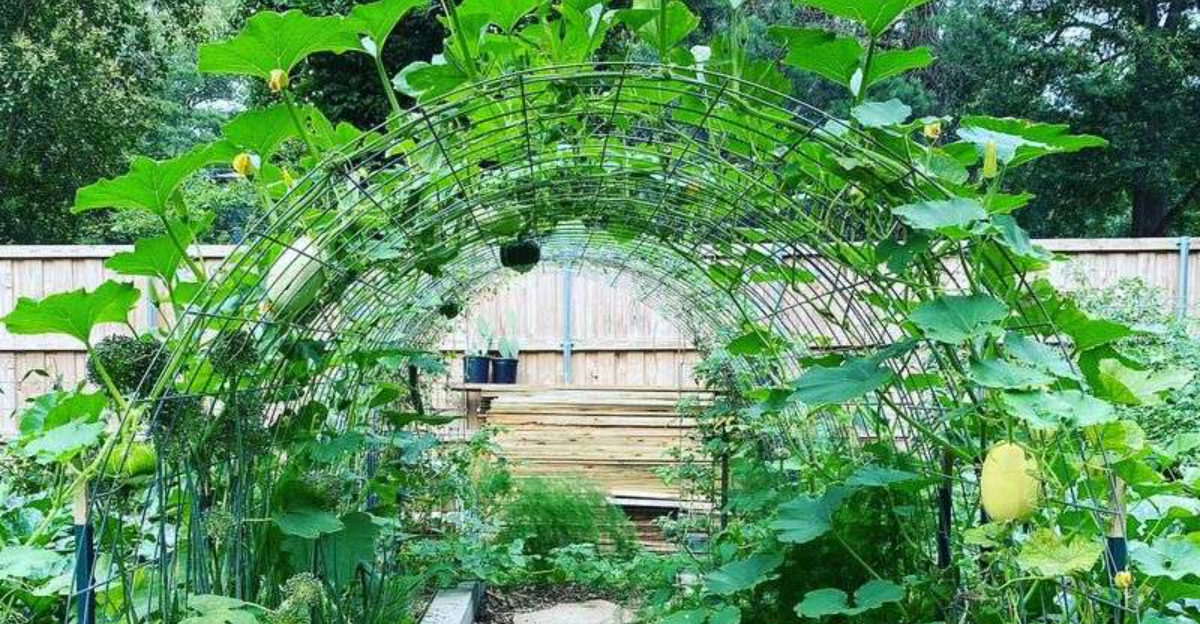
Cattle panels transform into stunning garden arches with minimal effort and maximum impact.
These sturdy wire grids, originally designed for livestock fencing, bend easily into graceful curves that create walkable tunnels in your garden.
The grid pattern provides perfect footholds for cucumber tendrils, squash vines, and even small melon varieties.
Purchase a standard 16-foot cattle panel from a farm supply store and bend it into an arch shape.
Secure both ends into the ground using rebar stakes driven deep enough to withstand Colorado wind gusts.
The resulting structure stands about six to seven feet tall at the center, creating a magical green tunnel as plants mature.
Cucumbers grown on cattle panel arches hang straight down, making harvest incredibly easy without bending or searching through ground-level foliage.
The open grid design ensures excellent air circulation, which reduces disease problems common in Colorado’s dry climate when morning dew lingers on leaves.
You can also train indeterminate tomatoes along these arches, though they require more frequent tying than natural climbers.
Kids especially love walking through living tunnels, making this trellis idea both functional and whimsical.
One panel lasts many seasons, making it a worthwhile investment for serious Colorado gardeners.
3. Ladder Trellis Against Walls
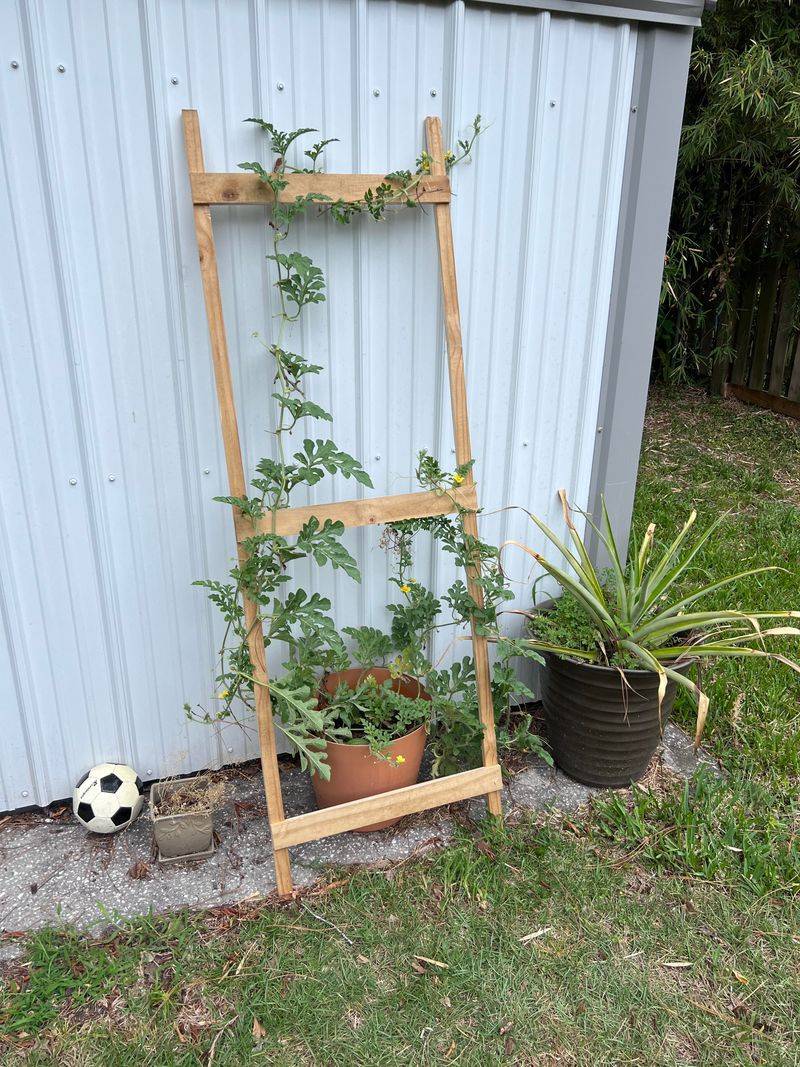
Old wooden ladders find new purpose when repurposed as vertical growing spaces against fences, sheds, or house walls.
This idea works brilliantly in narrow side yards or against garage walls where horizontal space barely exists.
Simply lean a sturdy ladder at a safe angle and secure the top to prevent tipping during storms.
Morning glories, clematis, scarlet runner beans, and small-fruited tomatoes all climb ladder rungs with enthusiasm.
The rungs create natural spacing for training stems, and the vertical orientation keeps fruit clean and visible.
South-facing walls in Colorado absorb tremendous heat during the day and radiate it back at night, extending your growing season for heat-loving crops.
However, be mindful that wall-reflected heat can be intense—some plants may need occasional afternoon shade during peak summer.
You can also attach small pots or hanging containers to ladder rungs, creating a multi-level herb garden in minimal space.
Paint the ladder in fun colors to add personality, or leave it weathered for rustic charm.
This approach works equally well with step ladders opened into an A-shape and placed freestanding in garden beds.
Thrift stores and garage sales often have inexpensive ladders perfect for garden transformation projects.
4. Teepee Trellis For Children’s Gardens
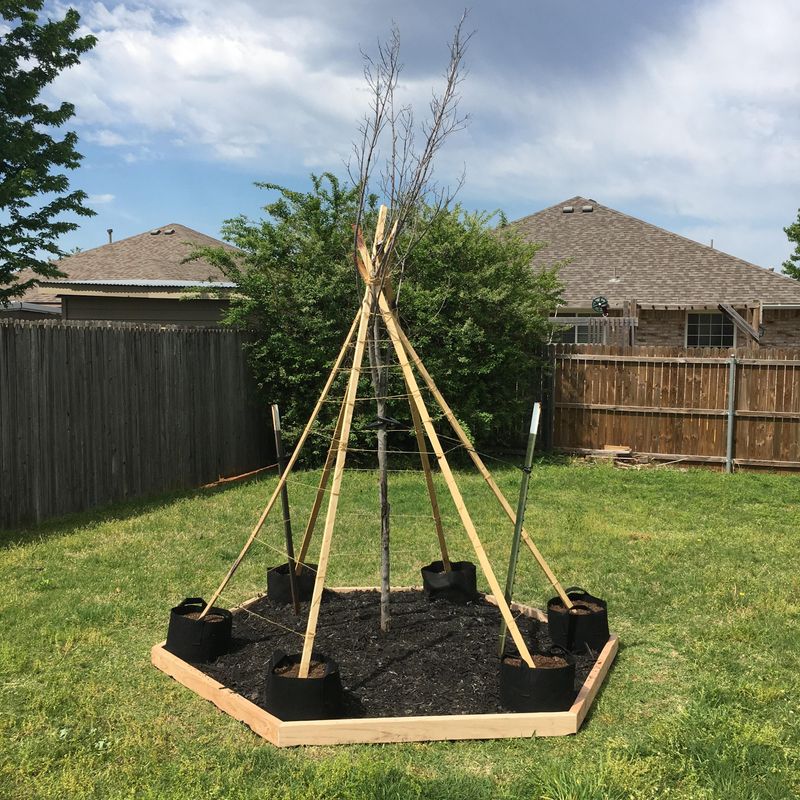
Few garden structures capture imagination quite like a living teepee where children can hide inside as vines grow overhead.
Construct one using six to eight tall poles arranged in a circle and tied together at the top.
Bamboo stakes work wonderfully, though any straight branches or wooden poles suffice.
Leave one section open as a doorway, then plant fast-growing climbers around the base of the remaining poles.
Scarlet runner beans grow quickly and produce bright red flowers that hummingbirds adore.
Pole beans, sugar snap peas, and even small gourds create dense coverage by midsummer.
Children feel ownership over garden spaces designed specifically for them, making teepees excellent teaching tools about plant growth and patience.
The structure stands firm against Colorado winds when poles are pushed deep into soil or secured with stakes.
Inside the teepee, dappled shade creates a cool retreat during hot afternoons, perfect for reading or quiet play.
You can string additional twine between poles to provide extra climbing surface if needed.
Plant sunflowers around the perimeter for added height and drama.
This project takes less than an hour to build but provides months of enjoyment and fresh vegetables throughout the growing season.
5. Wire Mesh Between Posts
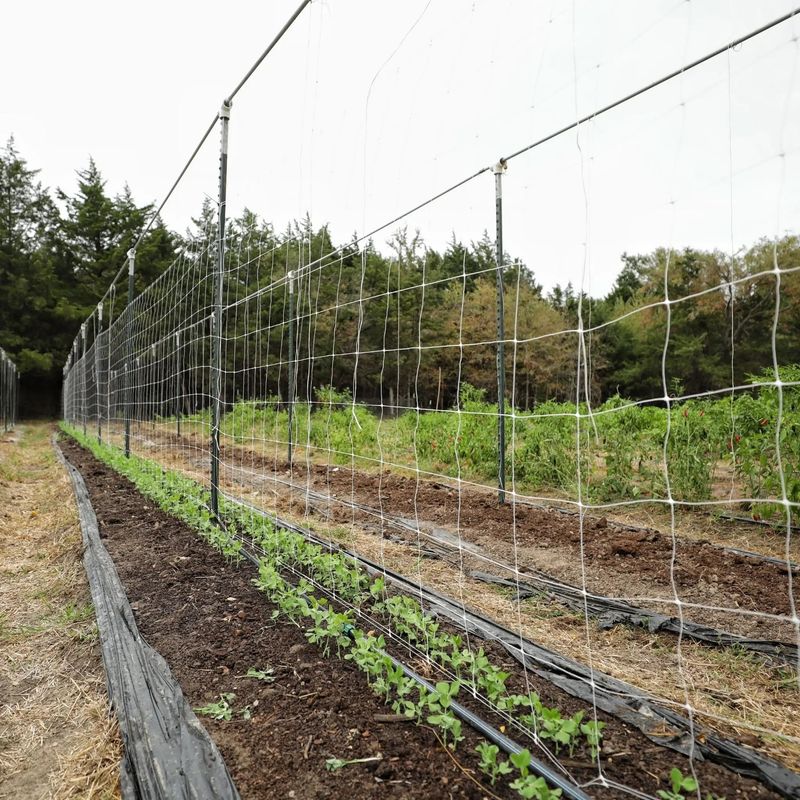
Stretching wire mesh or welded wire fencing between sturdy posts creates an affordable, effective trellis for row crops.
This method works especially well for long garden beds where you want continuous vertical support.
Install wooden or metal posts every six to eight feet along your planting row, then attach wire mesh using fence staples or zip ties.
The grid openings should be large enough to reach through for harvesting but small enough to support plant stems.
Four-inch square openings work perfectly for most vegetables.
This trellis style excels for indeterminate tomatoes, which grow continuously throughout the season and need substantial support.
Simply weave stems through the mesh as they grow, or use soft ties to secure main branches.
Peas and beans also appreciate the stable surface, and their tendrils naturally grip the wire.
In Colorado, position these trellises running north to south when possible so both sides of your plants receive equal sunlight.
The open mesh design promotes airflow, reducing fungal issues that plague plants in humid microclimates created by overhead watering.
After harvest season, you can easily remove annual plants from the mesh and store the panels for next year.
This reusable approach saves money over time while providing professional-looking garden structure.
6. Pallet Trellis For Vertical Herb Gardens
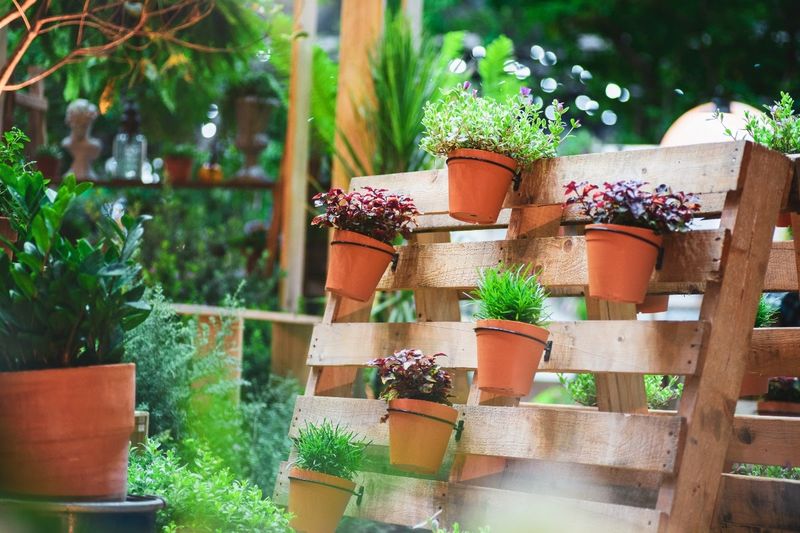
Wooden shipping pallets cost nothing and transform into instant vertical gardens with almost no modification required.
Stand a pallet upright and secure it to a fence, wall, or drive stakes into the ground on either side for stability.
The natural slats create perfect pockets for tucking small pots or planting directly into attached containers.
This approach works beautifully for herbs, strawberries, lettuce, and compact flowering plants.
You can also lean a pallet at an angle and plant climbers at the base, using the slats as a climbing framework.
Before using pallets in food gardens, verify they carry the HT stamp, indicating heat treatment rather than chemical treatment.
Sand rough edges to prevent splinters, and consider applying a food-safe sealant to extend the wood’s life in Colorado’s intense sun and temperature swings.
Paint pallets in bright colors to add personality, or leave them natural for a farmhouse aesthetic.
Mount small terra cotta pots between slats using wire or attach fabric pockets designed for vertical gardens.
The vertical arrangement brings herbs to a comfortable harvesting height, eliminating bending and making kitchen access convenient.
Pallet gardens work wonderfully on apartment balconies or small patios where ground space is nonexistent.
7. String Trellis For Tomatoes

Commercial growers favor string trellising for tomatoes because it maximizes production while minimizing disease and maintenance.
Home gardeners can easily adapt this technique using basic materials and a weekend afternoon.
Install a strong horizontal support—a sturdy wire, pipe, or wooden beam—about seven feet above your tomato row.
Attach individual lengths of strong twine from this overhead support down to the base of each tomato plant.
As plants grow, gently wrap the main stem around the string in a clockwise direction every few days.
Remove suckers to maintain a single strong stem that grows straight upward.
This method keeps fruit off the ground, improves air circulation dramatically, and makes harvesting effortless.
In Colorado’s climate, where late blight and other fungal diseases can appear suddenly, keeping foliage dry and spaced properly makes a significant difference.
The vertical growth pattern also exposes more leaf surface to sunlight, potentially increasing yields.
String trellising requires more initial setup than cages but uses less material and stores easier between seasons.
You simply cut down the strings after harvest and roll up the overhead support wire.
This professional technique brings serious growing efficiency to backyard gardens without expensive equipment or complicated construction.
8. Obelisk Trellis As Garden Focal Points
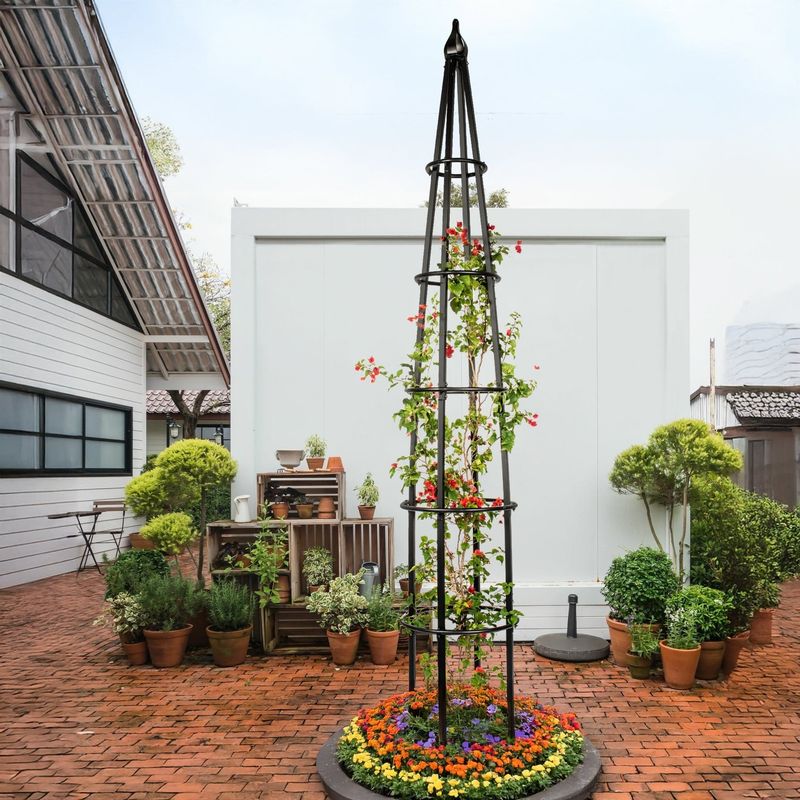
Obelisk trellises combine functionality with artistic flair, serving as both plant support and garden sculpture.
These pyramid or tower-shaped structures typically stand four to six feet tall and taper toward the top.
You can purchase metal obelisks from garden centers or build wooden versions using four corner posts connected by horizontal crosspieces.
Place obelisks strategically as focal points at bed centers, pathway intersections, or container gardens.
They work wonderfully for climbing roses, clematis, morning glories, and ornamental beans.
In vegetable gardens, train cherry tomatoes, cucumbers, or pole beans up obelisks for productive beauty.
The tapered design provides stability against Colorado’s unpredictable wind while creating elegant vertical lines in garden compositions.
Metal obelisks develop attractive patinas over time, adding rustic character.
Wooden versions can be painted to match your garden’s color scheme or stained for natural appeal.
During winter, obelisks maintain visual interest in dormant gardens, providing structure when perennials have retreated underground.
Some gardeners string lights around obelisks for evening ambiance or hang small ornaments during holidays.
The relatively small footprint makes obelisks perfect for tight spaces where spreading plants would overwhelm neighboring specimens.
Consider grouping three obelisks of varying heights for dynamic visual impact in larger beds.