12 Smart Trellis Ideas Perfect For Vine Heavy Gardens Across Virginia
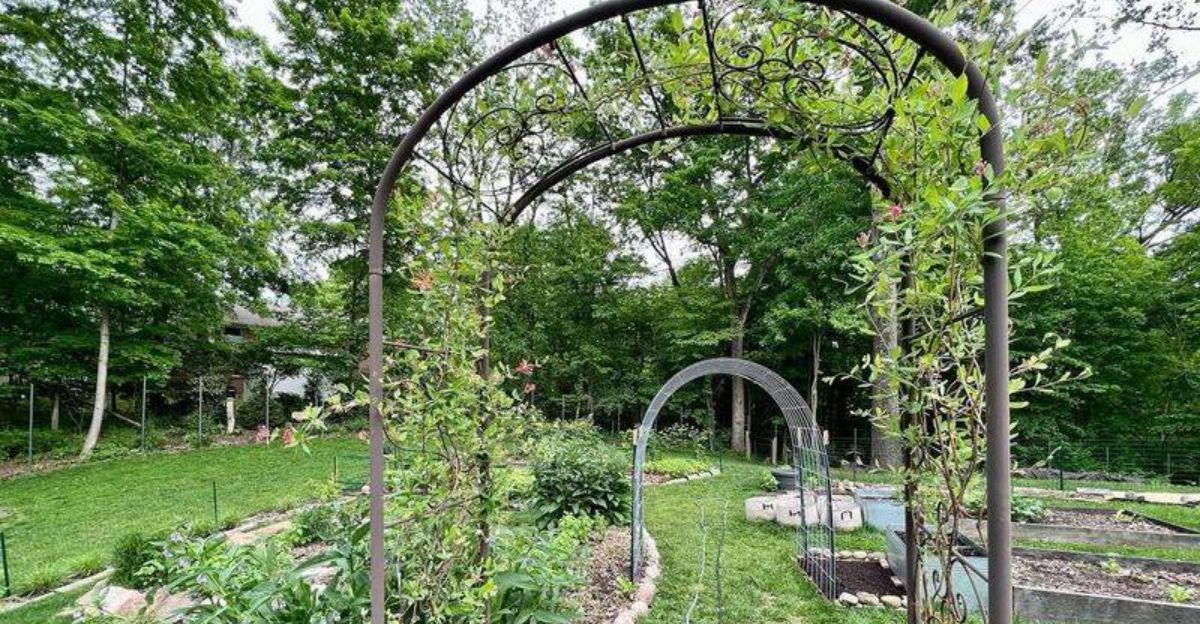
In Virginia gardens, vines don’t politely stay put—they climb, sprawl, and take every inch you give them.
That’s why smart trellis design has become essential for gardeners working with climbing plants.
A good trellis does more than hold plants upright. It improves air circulation, showcases blooms, and prevents vines from overwhelming nearby plants or structures.
From classic wooden frames to creative vertical solutions, the right support turns vigorous growth into intentional design.
Virginia’s long growing season means vines grow fast—and trellises need to keep up.
Gardeners are getting creative, choosing structures that are sturdy, adaptable, and visually appealing year-round.
When vines have the right support, they become assets instead of headaches, transforming fences, walls, and pathways into living architecture.
1. Classic Wooden Lattice Panels
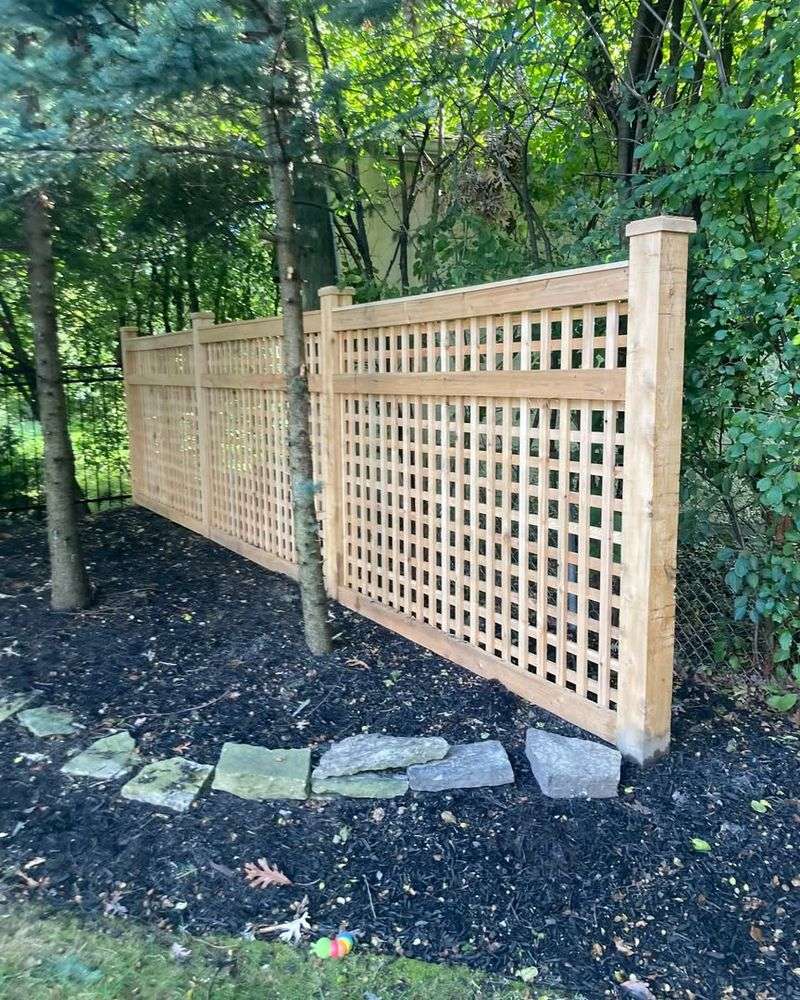
Wooden lattice has been a go-to choice for Virginia gardeners for generations, and it’s easy to see why.
The crisscross pattern provides plenty of anchor points for delicate vines like clematis, jasmine, and climbing roses to wrap around and grow upward.
Because wood blends so naturally into traditional landscapes, lattice panels fit right in whether your garden leans toward colonial charm or cottage-style planting beds.
You can paint or stain them to match your home’s exterior, or leave them natural for a more rustic look that weathers beautifully over time.
Installation is straightforward since most panels come pre-assembled and can be attached to walls, fences, or freestanding posts.
Cedar and pressure-treated pine are popular choices because they resist rot and hold up well in Virginia’s humid summers and wet winters.
Lattice also allows air to circulate freely around your plants, which helps prevent mildew and fungal issues that can plague dense vine growth.
If you’re looking for a trellis that’s both functional and timeless, wooden lattice is hard to beat.
It’s affordable, widely available, and works beautifully in almost any garden setting.
2. Cattle Panel Arches
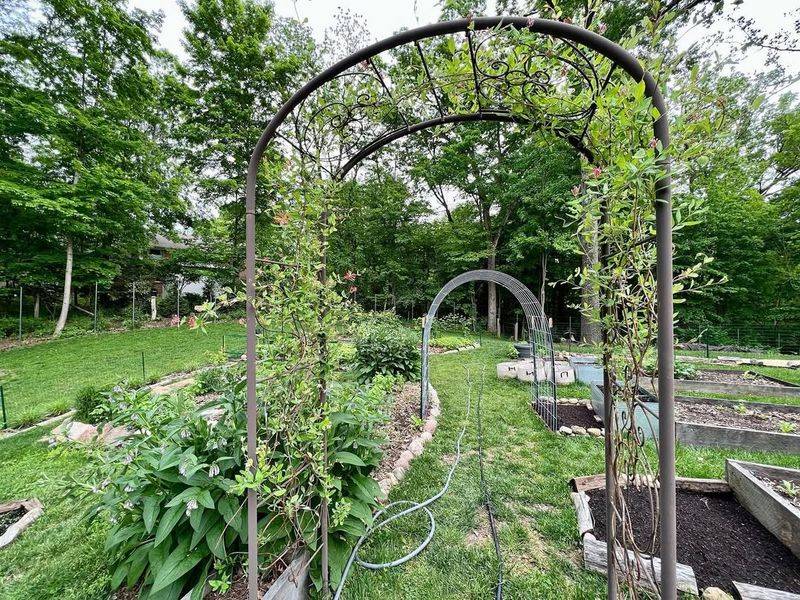
Cattle panels are heavy-duty wire fencing originally designed for livestock, but gardeners have discovered they make incredibly strong and affordable trellises.
By bending a single panel into an arch shape and securing the ends in the ground, you create a tunnel-like structure that can handle even the most aggressive vines.
Grapes, trumpet vine, and wisteria are all known for their vigorous growth and woody stems, and cattle panels can support that weight without sagging or breaking.
Virginia’s long growing season means vines have plenty of time to spread and thicken, so durability is key.
The wide grid spacing on cattle panels gives vines room to weave through and climb naturally, while still providing plenty of support along the way.
You can leave the metal bare for an industrial look, or let the vines completely cover it for a lush, green archway.
These arches work beautifully as garden entryways, over pathways, or as focal points in larger planting beds.
They’re also easy to move or reconfigure if your garden layout changes.
For gardeners who want a low-maintenance, high-strength option, cattle panel arches are a smart investment.
3. Wall-Mounted Wire Trellis Systems
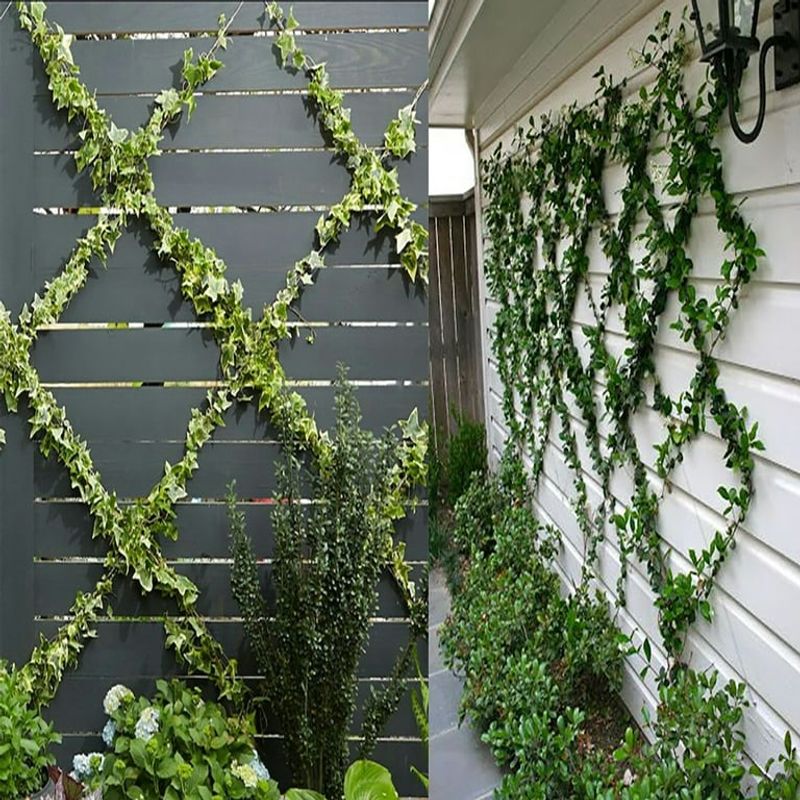
Tensioned wire systems are sleek, modern, and incredibly effective for training vines up the sides of homes and outbuildings.
Unlike solid trellises that can trap moisture against siding or brick, wire systems allow air to flow freely behind the vines, reducing the risk of rot or mildew damage.
This is especially important in Virginia, where humidity levels can stay high for weeks at a time during summer months.
The wires are typically strung horizontally or in a grid pattern using eye bolts and turnbuckles, which let you adjust tension as needed.
Stainless steel or galvanized wire holds up well to weather and won’t rust or corrode over time.
Vines like climbing hydrangea, Boston ivy, and even heavier varieties like grapes can be guided along the wires with minimal effort.
The result is a clean, architectural look that highlights the natural beauty of the plants without overwhelming your home’s exterior.
Wire trellises are also relatively inexpensive and easy to install with basic tools.
If you’re working with limited space or want to add greenery to a blank wall, this system is a fantastic choice.
4. Rustic Branch Or Twig Trellises
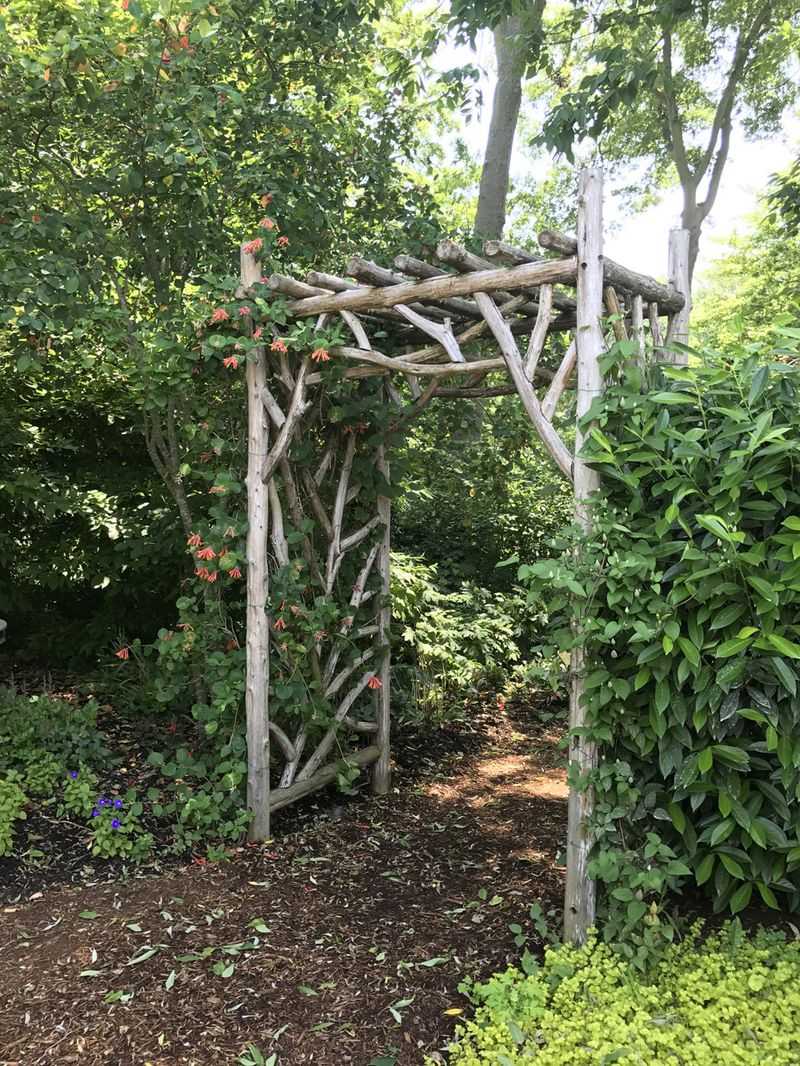
Sometimes the best materials are the ones you can find right in your own backyard.
Rustic branch trellises are made from pruned limbs, saplings, or collected twigs, woven or stacked into simple frameworks that support lighter vines and climbers.
This style works especially well in woodland-style gardens or naturalistic landscapes where a formal trellis might look out of place.
Native vines like Virginia creeper, crossvine, and Carolina jessamine thrive on these informal structures, which blend seamlessly into the surrounding environment.
Building a branch trellis is a fun weekend project that requires little more than some sturdy branches, twine, and a bit of creativity.
You can arrange them in teepee shapes, lean-to styles, or even flat panels depending on your needs.
Because the materials are natural and biodegradable, these trellises will eventually break down and return to the soil, which fits perfectly with organic gardening practices.
They’re also budget-friendly and give your garden a handmade, cottage-garden feel that’s warm and inviting.
If you enjoy DIY projects and want a trellis that feels personal and unique, branches are the way to go.
5. Obelisk Trellises For Compact Spaces
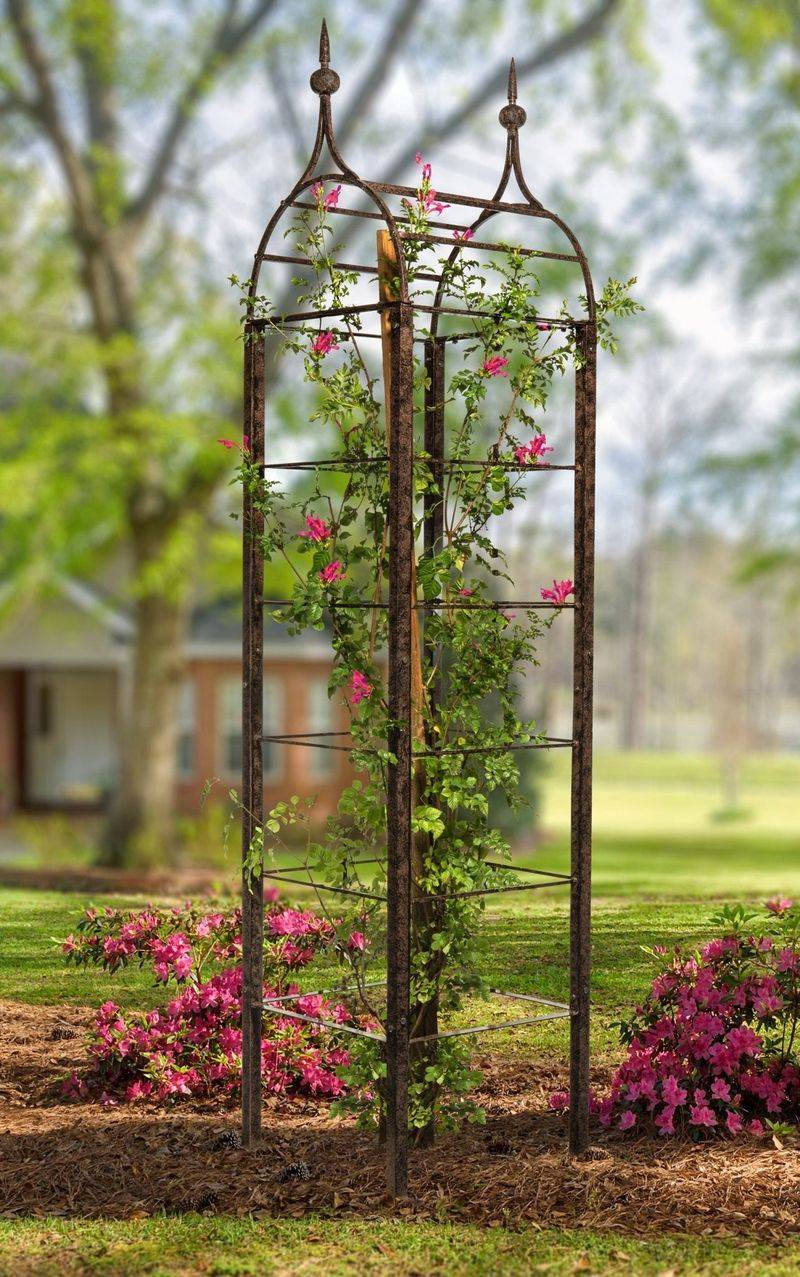
Obelisk trellises are tall, narrow, and shaped like four-sided pyramids, making them perfect for small gardens or tight planting beds.
They provide vertical growing space without hogging precious square footage, which is a huge advantage for urban or suburban Virginia gardeners working with limited room.
Clematis, morning glories, and sweet peas all love climbing obelisks, and the upward growth draws the eye and adds height to flower borders.
Most obelisks are made from metal, wood, or a combination of both, and they come in a wide range of styles from ornate Victorian designs to sleek modern shapes.
You can place them in the center of a garden bed as a focal point, or line several along a pathway for a coordinated look.
Because they’re freestanding, obelisks are easy to move around as your garden evolves or as plants mature.
They also work beautifully in container gardens, giving potted vines a place to climb even on patios or balconies.
Installation is usually as simple as pushing the legs into the soil, and they require very little maintenance once in place.
For gardeners who want elegance and efficiency, obelisks are a smart choice.
6. Pergola-Style Vine Supports

Pergolas serve double duty as both outdoor living spaces and sturdy supports for heavy, sprawling vines.
In Virginia backyards, they’re often used to create shaded seating areas, dining spots, or walkways that stay cool even during hot summer afternoons.
Grapes and wisteria are classic choices for pergolas because their thick, woody stems can handle the open-beam structure and their foliage provides dense, natural shade.
The horizontal beams and crosspieces give vines plenty of places to attach and spread, and the open design allows sunlight to filter through while still offering protection from the midday sun.
Pergolas can be built from wood, vinyl, or metal, and they range in size from small, intimate structures to large, multi-post designs that span entire patios.
Many Virginia homeowners choose cedar or redwood for their natural resistance to moisture and insects.
Adding a pergola to your garden not only supports your vines but also increases your outdoor living space and adds value to your property.
It’s a long-term investment that pays off in beauty, function, and comfort for years to come.
7. Fence-Integrated Trellises
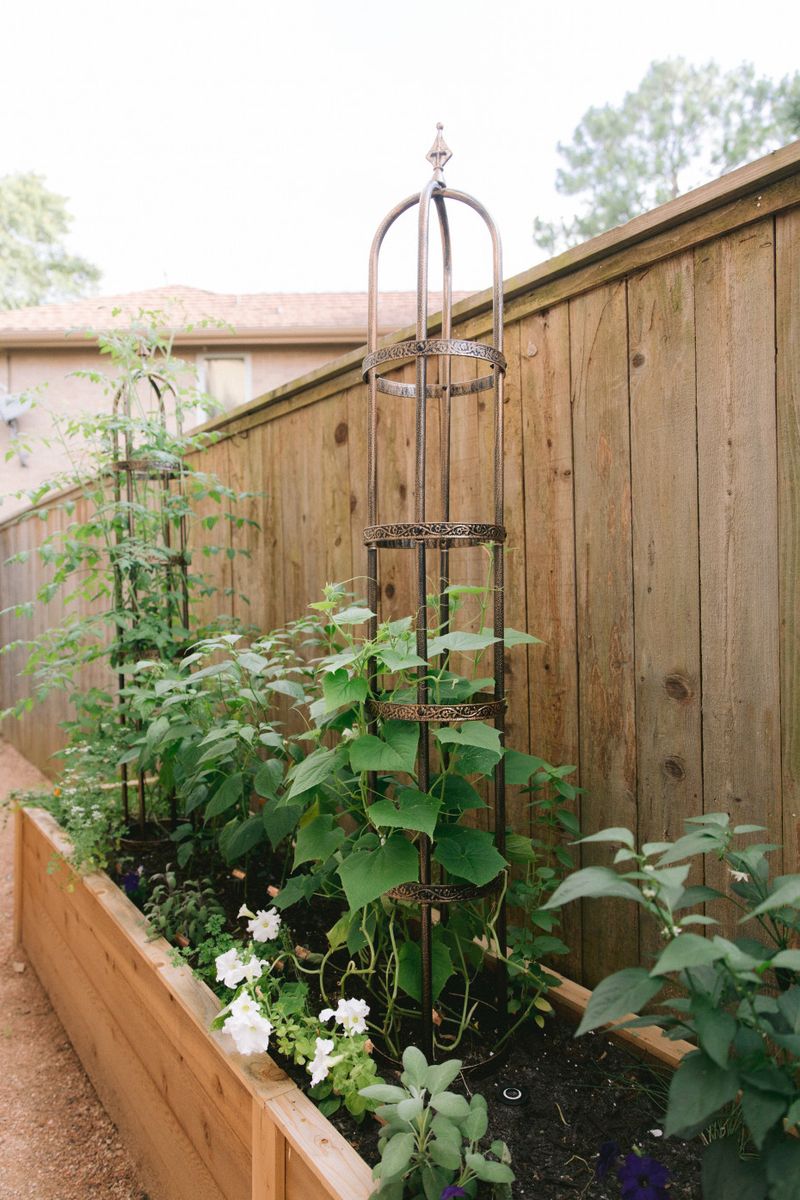
Why buy a separate trellis when your existing fence can do the job?
Fence-integrated trellises are a smart, space-saving solution that turns boundary lines into productive growing areas.
By training vines along fence posts, rails, or wire mesh, you maximize vertical space without adding extra structures to your yard.
This approach works especially well in smaller gardens where every inch counts.
Chain-link fences are particularly easy to work with because vines can weave through the openings naturally, while wooden privacy fences can be fitted with wire or lattice panels to give climbers something to grip.
Honeysuckle, passionflower, and climbing beans all thrive when grown this way, and the added greenery helps soften the hard lines of fencing.
You’ll also enjoy increased privacy as the vines fill in and create a living screen.
Fence trellises require minimal setup and maintenance, and they’re perfect for renters or anyone who doesn’t want to commit to permanent structures.
If you’re looking for a practical, budget-friendly way to support vines, look no further than the fence you already have.
8. Rebar And Concrete Mesh Frames

When you need a trellis that can stand up to the toughest vines, rebar and concrete mesh are your best friends.
These materials are incredibly durable, rust-resistant when properly coated, and can handle the weight of woody, aggressive climbers like wisteria, trumpet vine, and hardy kiwi.
Rebar can be bent, welded, or tied together to create custom frames in almost any shape or size you need.
Concrete reinforcement mesh, also known as remesh, comes in large sheets with a grid pattern that’s perfect for vines to latch onto.
Both materials are inexpensive and widely available at hardware stores, making them great options for DIY gardeners on a budget.
You can build flat panels, arches, or even multi-tiered structures depending on your garden’s layout and your plants’ needs.
Because metal doesn’t rot or break down like wood, these trellises can last for decades with little to no maintenance.
They’re especially useful in high-wind areas or gardens with fast-growing vines that might overwhelm lighter structures.
If you want a trellis that’s built to last, rebar and concrete mesh are hard to beat.
9. Fan-Shaped Trellises
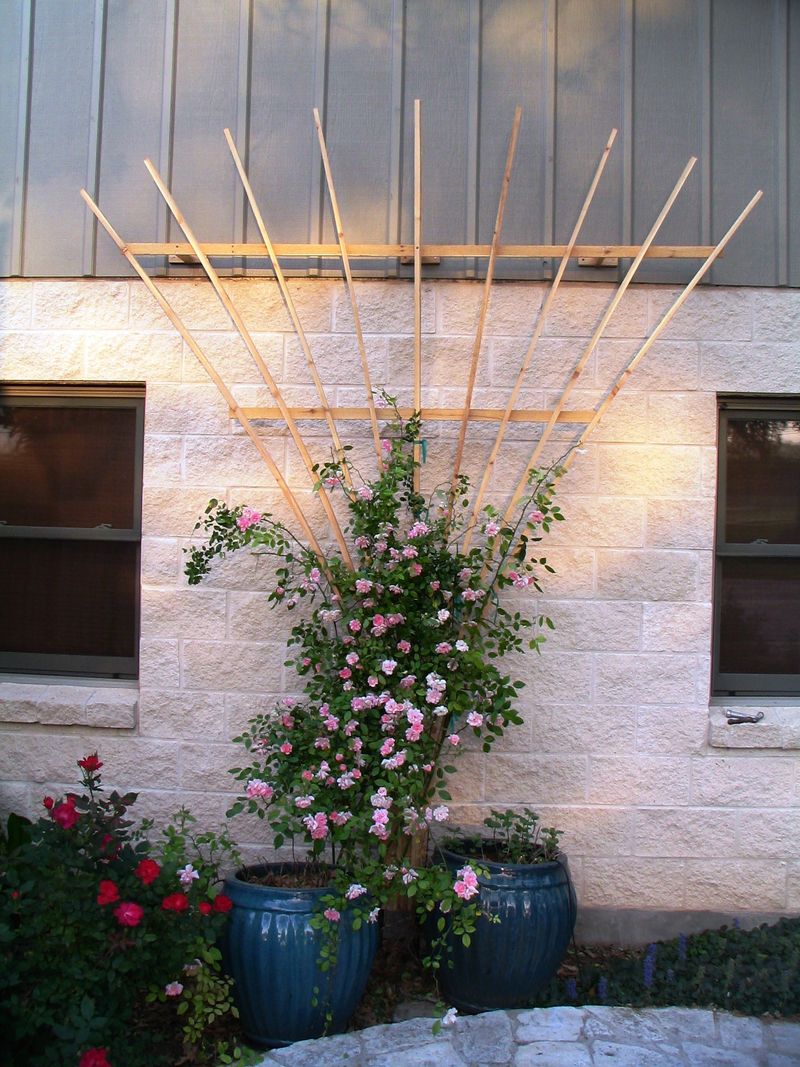
Fan trellises are shaped like open hand fans, with spokes radiating outward from a central point at the base.
This design is ideal for training vines in an espalier style, where branches are spread evenly across the surface for maximum light exposure and visual impact.
Climbing roses, clematis, and fruiting vines like raspberries or blackberries all respond beautifully to fan training.
The shape encourages even growth and makes it easy to prune and harvest without tangling or breaking stems.
Fan trellises are typically mounted against walls or fences, which makes them perfect for narrow garden beds or tight spaces along the sides of homes.
They’re available in wood, metal, and bamboo, and they come in a variety of sizes to fit different planting areas.
Because the vines are spread out rather than bunched together, air circulation improves and the risk of disease decreases.
Fan trellises also add a decorative element to your garden even when plants are dormant, thanks to their elegant, symmetrical shape.
If you enjoy structured, organized plantings and want a trellis that’s both functional and attractive, a fan design is a great choice.
10. Living Willow Or Bamboo Trellises
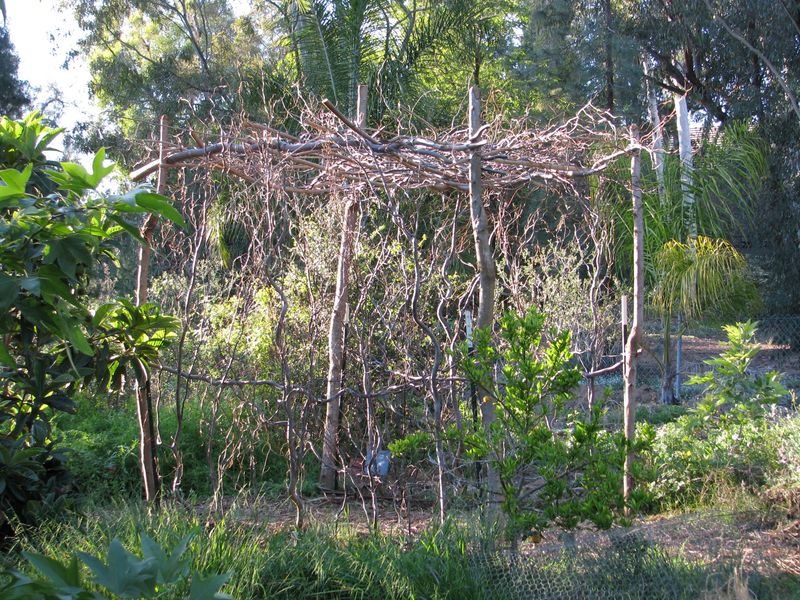
Living willow trellises are made from flexible willow branches that are woven together while still green and then planted in the ground.
Over time, the willow takes root and continues to grow, creating a living structure that strengthens and expands naturally.
This technique works beautifully in Virginia’s moist soils, especially in areas with good drainage and regular rainfall.
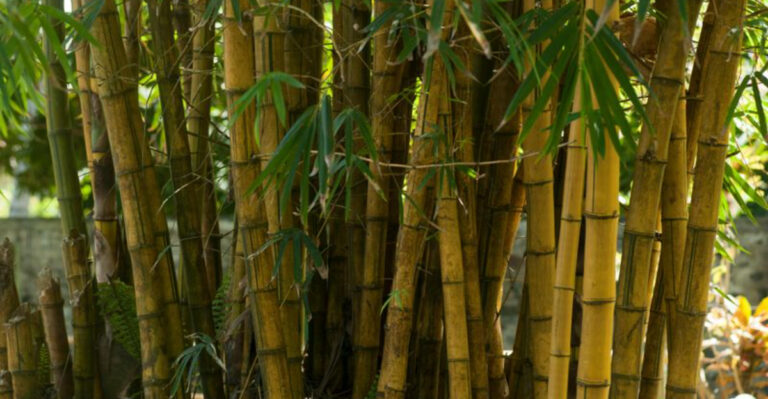
Bamboo trellises, while not living in the same way, are also flexible and can be bent, tied, and woven into custom shapes that fit your garden’s needs.
Both materials are renewable, biodegradable, and incredibly eco-friendly, making them popular with organic and permaculture gardeners.
They’re also surprisingly strong and can support a wide range of vines, from delicate annuals to more robust perennials.
Living willow structures have a magical, fairy-tale quality that adds whimsy and charm to any garden space.
Bamboo trellises, on the other hand, offer a clean, minimalist look that works well in modern or Asian-inspired landscapes.
If you’re drawn to natural materials and sustainable gardening practices, willow and bamboo trellises are worth exploring.
11. Freestanding Grid Panels
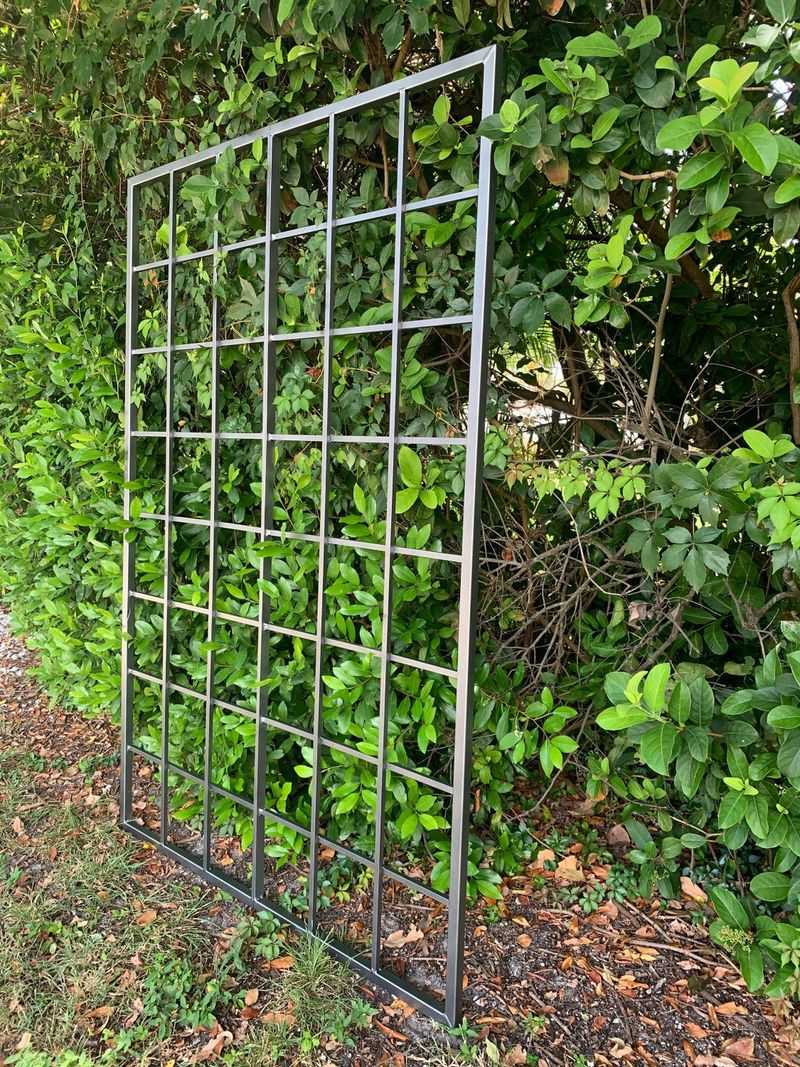
Freestanding grid panels are versatile, portable, and perfect for gardeners who like to rearrange their spaces as plants grow and seasons change.
These panels are typically made from wood or metal and feature a grid or lattice pattern that gives vines plenty of places to climb.
Because they’re not attached to walls or fences, you can move them around the garden to follow the sun, create privacy screens, or divide planting areas.
They’re especially useful in vegetable gardens where you might grow beans, peas, or cucumbers that need temporary support during the growing season.
Once the harvest is over, you can fold the panels down or store them until next year.
Freestanding grids also work well as backdrops for flower beds, adding height and structure without permanent installation.
You can paint or decorate them to match your garden’s style, or leave them natural for a more understated look.
Many models come with built-in feet or stakes that anchor them securely in the soil, even in windy conditions.
If you value flexibility and want a trellis that adapts to your changing garden needs, freestanding grid panels are an excellent option.
12. Teepee-Style Trellises
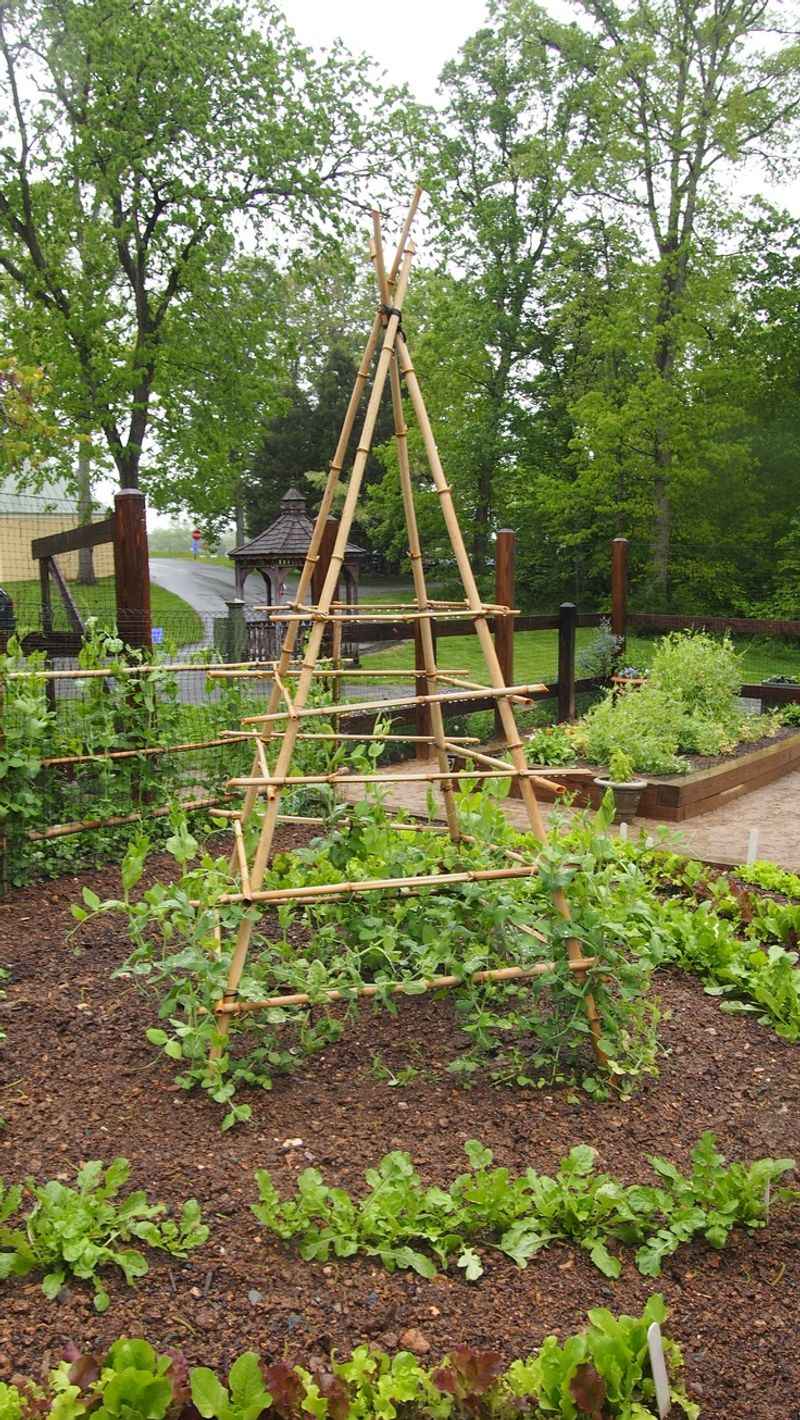
Teepee trellises are simple, fun, and incredibly effective for supporting fast-growing vines like pole beans, morning glories, and scarlet runner beans.
They’re made by arranging three or more poles in a circle and tying them together at the top, creating a cone-shaped structure that vines can spiral around.
Kids love teepee trellises because they can double as garden hideouts once the vines fill in, making them a great way to get young gardeners excited about growing plants.
Bamboo, saplings, or even tall stakes work well as poles, and the whole structure can be built in just a few minutes with some twine or wire.
Teepees add vertical interest to garden beds and help break up the visual monotony of flat plantings.
They’re also easy to disassemble and store at the end of the season, which makes them ideal for annual crops.
In Virginia gardens, teepees are often used in vegetable patches, cutting gardens, or children’s play areas.
They’re inexpensive, easy to customize, and endlessly adaptable to different planting styles.
If you want a trellis that’s playful, practical, and perfect for beginners, a teepee is a wonderful place to start.