8 Smart Trellis Ideas Washington Gardeners Should Know
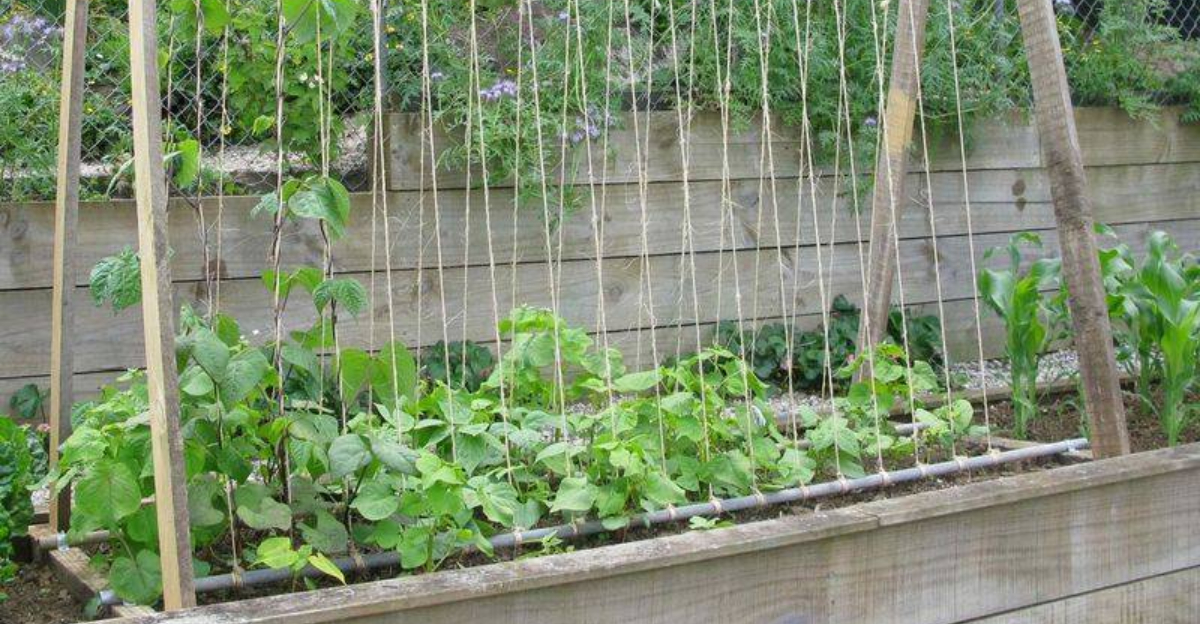
Washington gardens thrive between misty dawns and bold bursts of sun, and a smart trellis can tip the scales from ordinary to unforgettable.
Vertical structure pulls weight in small yards, tames wild vines, and turns blank fences into showpieces.
Cedar frames, metal grids, and clever DIY builds stand up to rain and time alike.
With the right design, air flows better, harvests stay clean, and flowers steal the spotlight instead of the ground.
Good trellises work like silent partners, steady, strong, and never flashy for the wrong reasons.
Pick wisely and plants reward the effort tenfold.
From coastal plots to mountain foothills, these ideas help every inch earn its keep.
1. A-Frame Trellis For Cucumbers And Beans
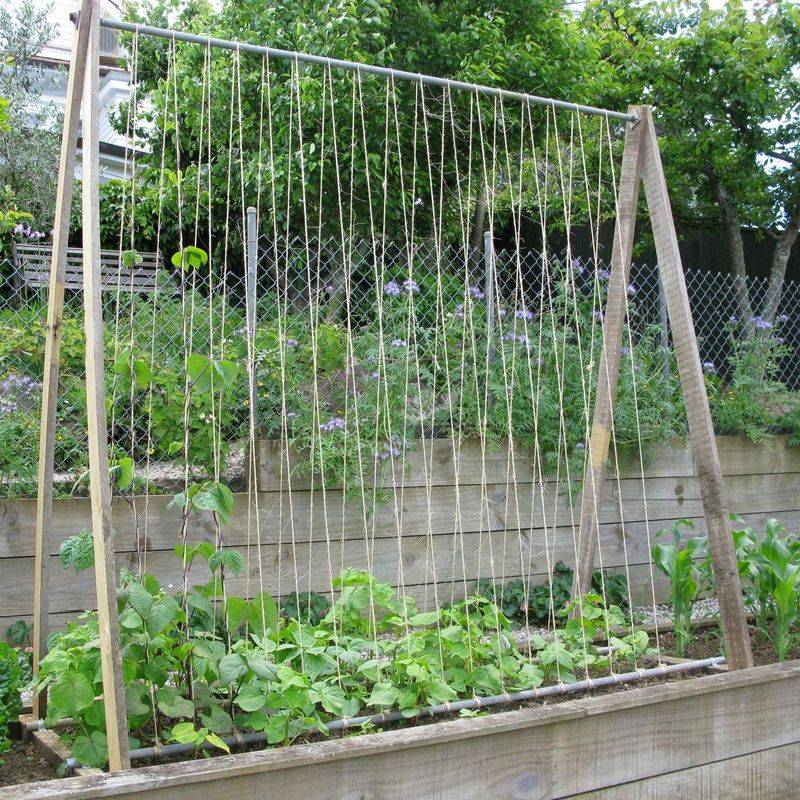
Cucumbers and pole beans love climbing upward, and an A-frame trellis gives them plenty of room to spread out on both sides.
This classic design looks like a tent made from wood or metal, creating a sturdy support that stands firm even during windy Pacific Northwest storms.
You can walk around it easily to harvest vegetables from either side.
Building one takes just a few hours with basic materials from your local hardware store.
Two wooden frames lean against each other at the top, connected with crossbars or netting where plants can grip and climb.
The angled design sheds rain naturally, preventing water from pooling on leaves and reducing fungal problems common in Washington’s damp climate.
Place your A-frame in a sunny spot where it receives at least six hours of light daily.
Beans fix nitrogen in the soil, so planting them on one side benefits neighboring plants.
Cucumbers on the other side stay cleaner and straighter when growing vertically instead of sprawling on the ground.
This trellis works beautifully for small gardens because it doubles your growing space without taking up extra ground area.
Kids enjoy picking vegetables from underneath, turning harvest time into an adventure through a green tunnel.
2. Cattle Panel Arches For Squash Varieties
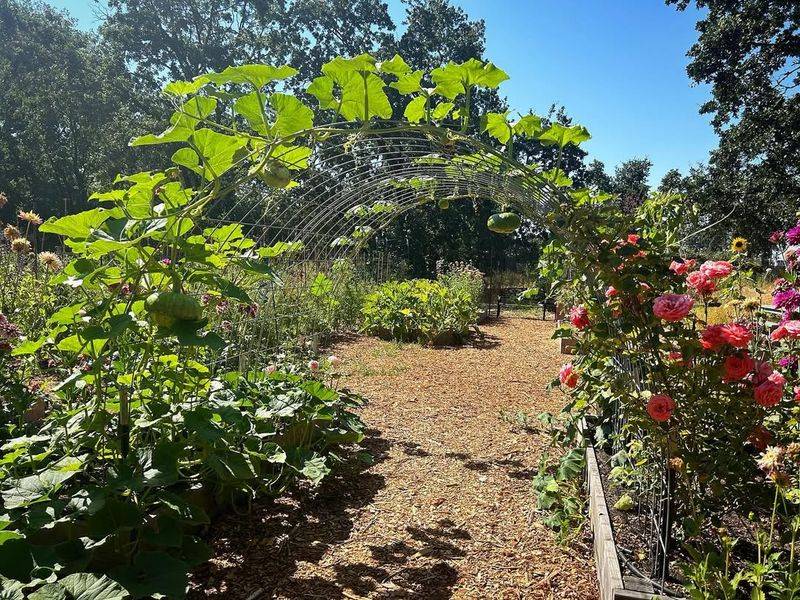
Heavy-duty cattle panels from farm supply stores bend into beautiful arches that support even the weightiest squash and pumpkins.
These galvanized wire panels measure about 16 feet long and 50 inches tall, with sturdy grid openings perfect for vining plants to grab onto.
Bend them into an arch shape and secure both ends in the ground for an instant garden tunnel.
Winter squash, including butternut and acorn varieties, thrive on these structures in Washington gardens.
The elevated growing position improves air circulation around leaves and fruit, reducing powdery mildew that plagues ground-level squash plants.
Fruit hangs down naturally, developing better shapes without flat spots from resting on soil.
Installation takes about thirty minutes with a partner to help bend and position the panel.
Drive rebar stakes into the ground on both sides, then slide the panel over them for stability.
The arch creates a shaded walkway underneath once plants fill in, making a magical garden feature.
One panel supports multiple plants throughout the growing season, lasting for years without rust or damage.
You can also grow trailing flowers like morning glories alongside your squash for added beauty and pollinator attraction.
3. Bamboo Teepee Structures For Peas
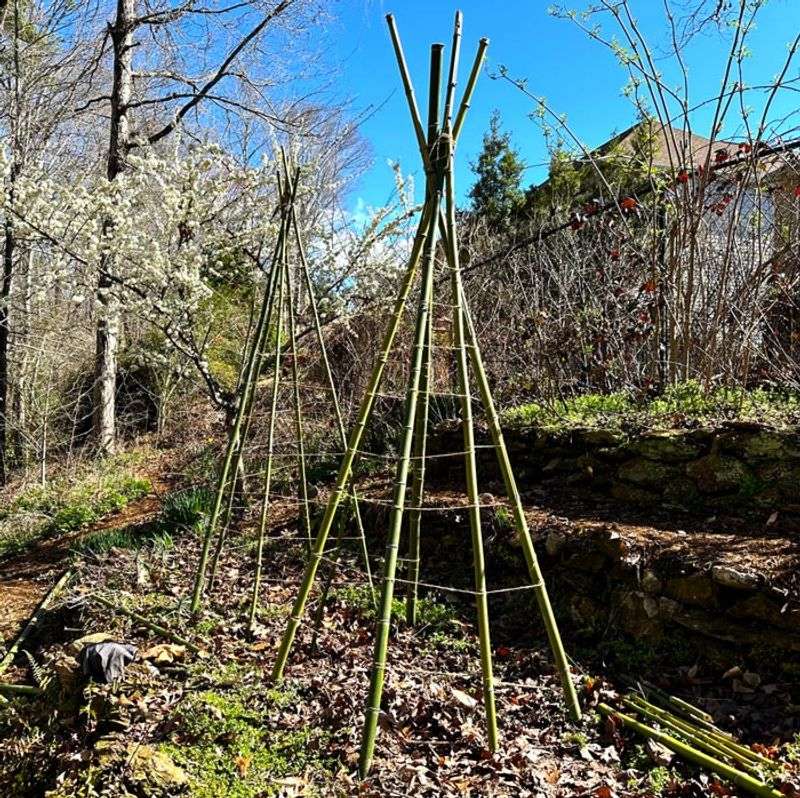
Peas start climbing almost as soon as they sprout, making a bamboo teepee the perfect early-season support structure.
Gather five to seven bamboo poles about six to eight feet tall and arrange them in a circle, tying the tops together with strong twine or wire.
This simple design costs very little and assembles in minutes without tools.
Washington’s cool spring weather suits pea plants perfectly, and they race up bamboo poles as temperatures slowly warm.
The teepee shape provides stability against spring winds while creating a cozy microclimate inside where kids love to sit and snack on fresh peas.
Snap peas, snow peas, and shelling peas all grow happily on this structure.
Plant seeds around the base of each pole, spacing them about two inches apart.
Pea tendrils wrap naturally around the smooth bamboo without needing additional string or clips.
The vertical arrangement keeps pods clean and makes harvesting much easier than bending over ground-level plants.
After peas finish producing in early summer, remove the vines and plant pole beans or morning glories at the base for a second crop.
Bamboo poles last several seasons if stored dry during winter months, making this an economical choice for budget-conscious gardeners.
4. Wall-Mounted Wire Grids For Small Spaces

Urban gardeners with limited yard space can transform vertical surfaces into productive growing areas using wire grid panels.
Hardware stores sell welded wire fencing or decorative metal grids that mount easily to walls, fences, or the sides of sheds.
These flat trellises take up zero ground space while supporting climbing crops and decorative vines.
Attach the grid to your chosen surface using heavy-duty hooks or screws, leaving a few inches of space between the wall and wire for air circulation.
This gap prevents moisture buildup that could damage wooden structures underneath and gives plant stems room to wrap around the grid.
Cherry tomatoes, small cucumber varieties, and climbing nasturtiums work wonderfully on wall-mounted systems.
South-facing walls receive the most sunlight and radiate stored heat during cool evenings, extending your growing season.
The reflected warmth helps heat-loving plants like tomatoes ripen more reliably in Washington’s moderate summer climate.
Paint the wall behind your grid white or light colors to maximize light reflection.
Container plants placed at the base can grow up the grid, making this perfect for renters who cannot plant directly in the ground.
Harvest vegetables easily while standing, with no bending or kneeling required, which helps gardeners with mobility challenges enjoy fresh produce.
5. Obelisk Towers For Ornamental Vines
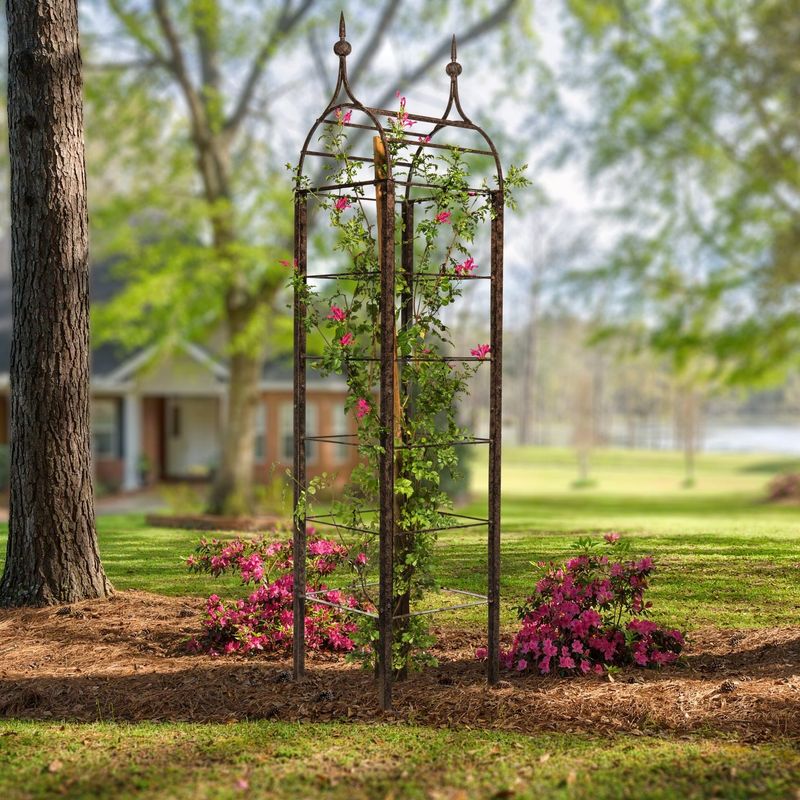
Garden obelisks add architectural elegance while providing support for flowering vines that soften their geometric lines.
These pyramid-shaped towers stand anywhere from four to eight feet tall, crafted from wood, metal, or vinyl in various decorative styles.
Place them as focal points in flower beds or at garden entrances for dramatic vertical accents.
Clematis vines perform beautifully on obelisks in Washington gardens, blooming profusely in shades of purple, pink, white, and red.
These perennial climbers return year after year, growing more spectacular with age.
Climbing roses also train well on obelisk structures, creating pillars of color and fragrance throughout summer months.
Position your obelisk before planting, as moving it later disturbs roots and damages tender vines.
Plant climbers on the shady side so roots stay cool while the vine reaches toward sunlight.
Annual vines like sweet peas or black-eyed Susan vine provide quick color the first season while perennials establish themselves.
Metal obelisks withstand Pacific Northwest weather better than wood, resisting rust when powder-coated or made from copper.
The vertical structure draws the eye upward, making gardens feel larger and more complex.
Multiple obelisks placed throughout a garden create rhythm and repetition that professional designers use to unify landscape spaces.
6. Horizontal String Trellis For Indeterminate Tomatoes

Indeterminate tomato varieties keep growing taller throughout the season, often reaching eight feet or more in productive Washington gardens.
A string trellis system supports these vigorous plants using vertical strings anchored between a top horizontal wire and the ground.
This professional method used by commercial growers works perfectly for home gardeners growing multiple tomato plants in rows.
Install sturdy posts at each end of your tomato row, connecting them with strong wire or rope stretched tightly across the top.
Tie biodegradable twine from this top wire down to the base of each tomato plant, leaving slight slack.
As plants grow, gently wind the main stem around the string in a clockwise direction every few days.
This system keeps tomatoes upright and well-ventilated, crucial for preventing blight diseases that thrive in Washington’s humid conditions.
Fruit develops evenly with good sun exposure, and harvesting becomes simple when plants grow in an organized line.
Remove suckers regularly to maintain one or two main stems per string.
The vertical growth pattern maximizes garden space, allowing closer plant spacing than traditional cages permit.
At season’s end, simply cut the biodegradable string and compost everything together.
This reusable system costs little to maintain year after year, requiring only new twine each spring.
7. Repurposed Ladder Trellis For Mixed Plantings
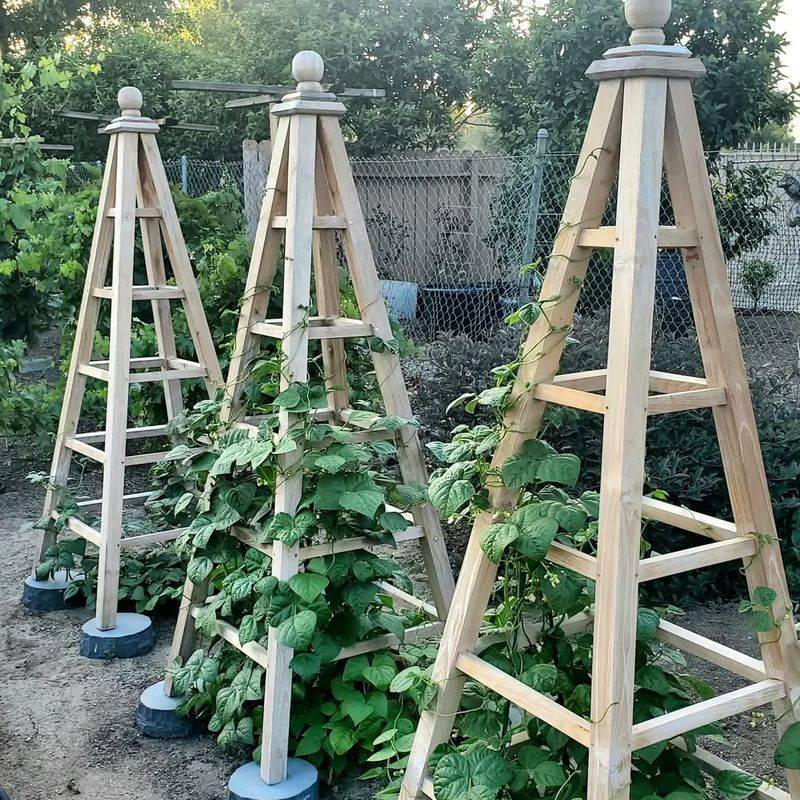
Old wooden ladders find new purpose as charming garden trellises that add rustic character while supporting climbing plants.
Scout garage sales, thrift stores, or your own basement for worn ladders no longer safe for climbing but perfect for garden use.
Lean them against fences or walls, or secure two ladders together to create a freestanding A-frame structure.
The rungs provide ready-made horizontal supports where vines can weave through and rest.
Mix different plants at various heights for a cottage garden effect that looks intentionally wild and abundant.
Plant trailing petunias or lobelia at the top to cascade downward, while morning glories or scarlet runner beans climb from the bottom up.
Wooden ladders weather beautifully in Washington’s climate, developing a silvery patina over time that enhances their vintage appeal.
No special treatment or painting is necessary, though a coat of outdoor sealant extends their lifespan.
Position them where they receive adequate sun for your chosen plants, adjusting the angle to control how much light reaches different sections.
This creative recycling project costs nothing if you use materials already on hand.
Kids find ladder trellises especially interesting because they recognize the familiar object used in an unexpected way.
The irregular spacing of rungs creates visual interest that manufactured trellises cannot match.
8. Living Willow Trellis For Sustainable Gardens
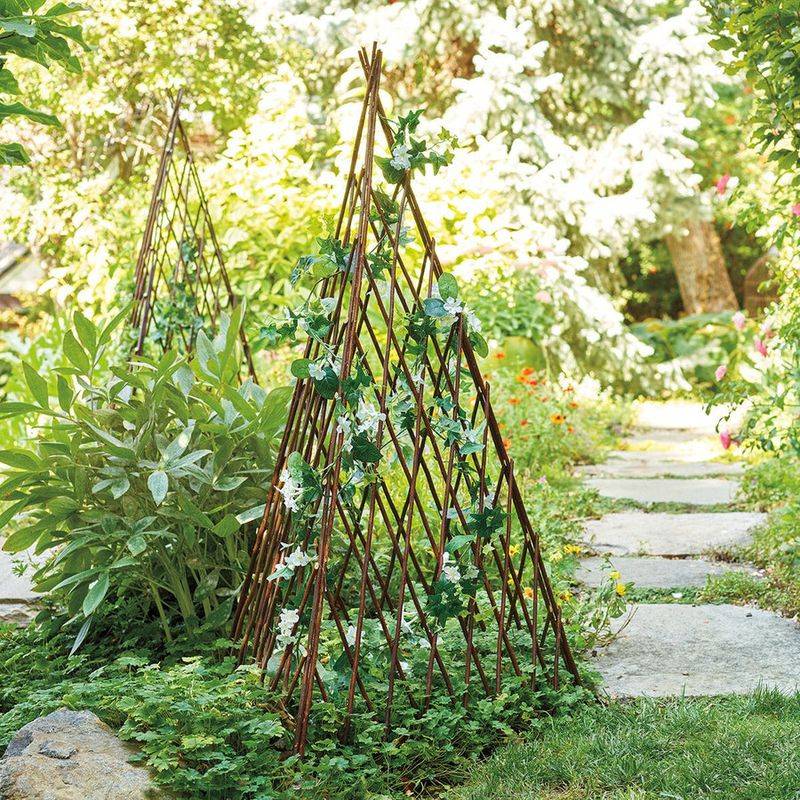
Willow branches pushed into Washington’s moist soil during dormant season take root and grow, creating a living trellis that strengthens itself over time.
This ancient technique costs nothing if you have access to willow trees, and the resulting structure blends seamlessly into natural landscapes.
Harvest long, flexible willow shoots in late winter when sap is low and branches are pliable.
Push thick willow wands about 12 inches deep into prepared soil, spacing them evenly in your desired pattern.
Weave thinner branches horizontally between the vertical pieces, creating a lattice framework.
Keep the soil consistently moist during the first growing season while roots establish and new shoots emerge from the wands.
Pacific Northwest conditions suit willow perfectly, as these water-loving plants thrive in our rainy climate.
The living trellis leafs out in spring, providing dappled shade and a green backdrop for climbing flowers or vegetables.
Prune new growth regularly to maintain the desired shape and prevent the structure from becoming overgrown.
This sustainable option requires no synthetic materials and improves local ecosystems by providing habitat for beneficial insects.
Willow roots help stabilize soil and filter water, making them excellent choices near rain gardens or drainage areas.
The dynamic, growing structure changes with seasons, offering year-round interest even when dormant in winter.