15 Smart Tricks North Carolina Gardeners Use To Stop Weeds Growing In Gravel
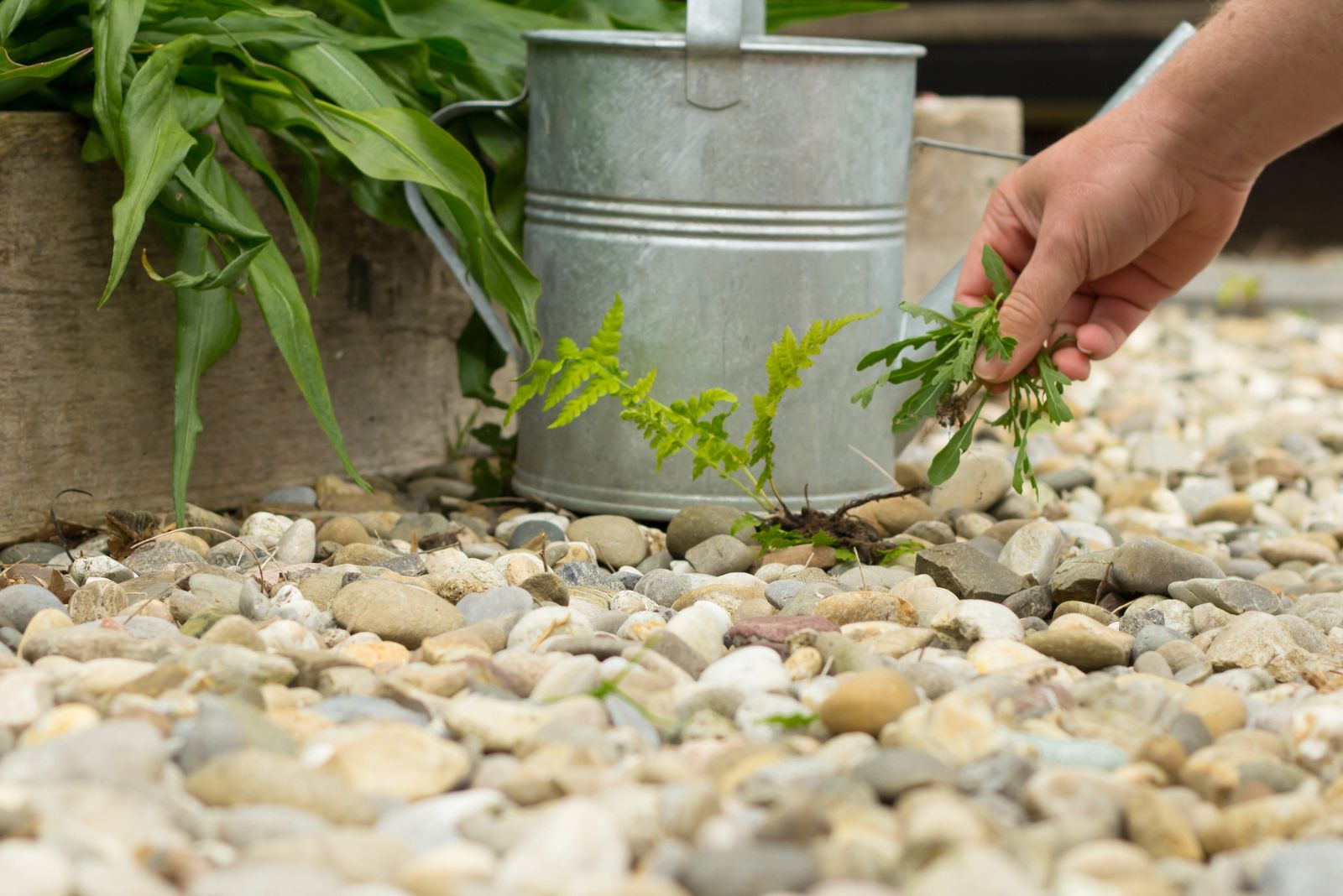
Gravel may look clean and low-maintenance, but North Carolina gardeners know the truth: weeds love sneaking into those tiny gaps.
Between our warm climate, frequent rain, and stubborn soil seeds that seem to appear out of nowhere, gravel areas can turn into mini weed farms fast.
The good news is you do not have to spend every weekend pulling tiny green invaders by hand. With the right tricks, you can keep driveways, walkways, and patio spaces looking sharp without losing your sanity.
From simple prep steps that stop weeds before they start to clever maintenance habits that actually work in real Southern conditions, these strategies are practical, affordable, and easy to follow.
If you are tired of fighting the same weeds over and over again, you are about to discover smarter ways to win the battle and enjoy your gravel spaces again.
1. Lay Landscape Fabric Under Gravel
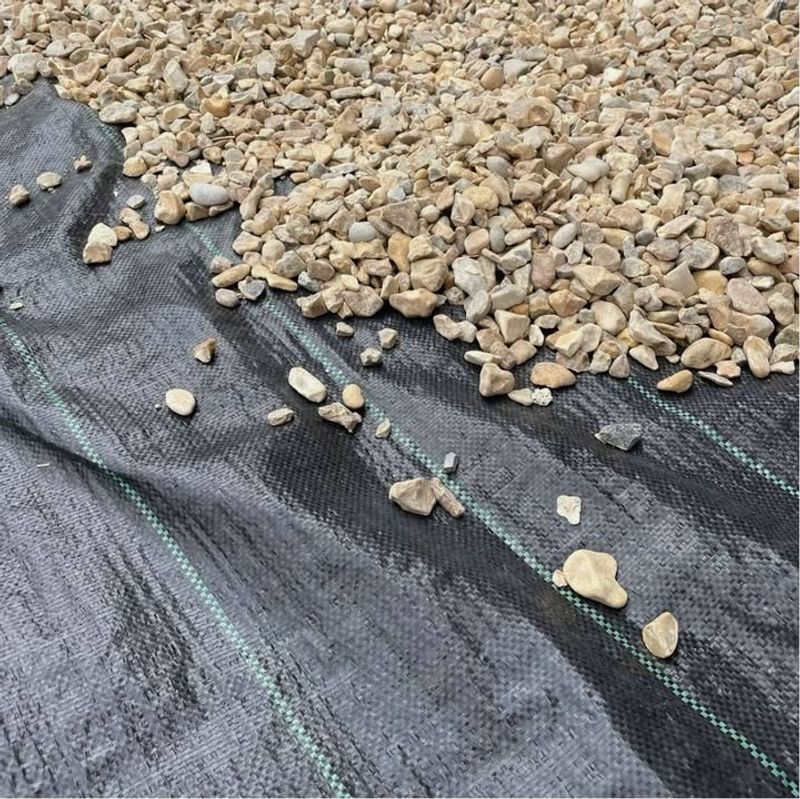
Putting down landscape fabric before adding gravel creates a strong foundation. This material blocks sunlight from reaching weed seeds below.
Water still passes through easily, preventing puddles and drainage problems. North Carolina gardeners prefer heavy-duty fabrics that resist tearing.
The fabric should overlap by several inches at seams. Secure it with landscape staples every few feet to prevent shifting.
Choose fabric weight based on your gravel type. Heavier stones need tougher fabric to avoid punctures. Pin down edges carefully around borders and obstacles. This method works exceptionally well in high-traffic areas.
Pathways and driveways benefit most from this protective layer. The fabric lasts for years when installed properly.
Prepare the ground by removing existing weeds first. Level the surface to ensure even fabric placement.
This prevents wrinkles that could create weak spots. Many gardeners report seeing fewer weeds within the first season.
The barrier stops most seeds from germinating successfully. Maintenance becomes much simpler with this foundation in place.
2. Apply A Thick Layer Of Gravel
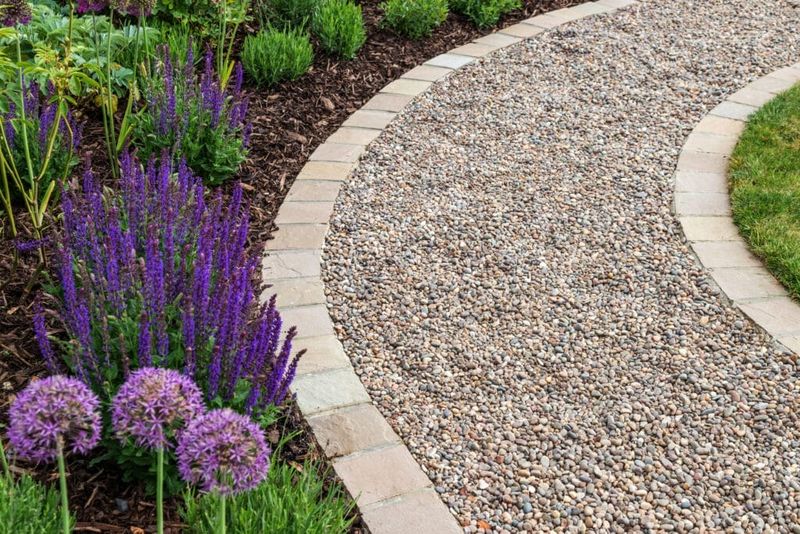
Gravel depth makes a huge difference in weed control success. A layer measuring two to three inches blocks light effectively.
Seeds buried this deep struggle to reach sunlight and moisture. Thin gravel allows light penetration to the soil surface.
Weed seeds germinate quickly in these conditions. Adding more stones solves this problem immediately.
North Carolina’s red clay soil needs adequate gravel coverage. The weight of thick gravel also compresses the soil underneath.
This creates an inhospitable environment for root development. Calculate the volume needed before purchasing materials.
Measure your area’s length and width carefully. Multiply by the desired depth to determine cubic yards required.
Spread gravel evenly using a rake or shovel. Pay attention to corners and edges where thinning occurs. These spots often develop weed problems first. Check gravel thickness annually as settling happens naturally.
High-traffic zones may need topping up more frequently. Adding fresh gravel maintains the protective barrier year after year.
3. Use Pre-Emergent Herbicides
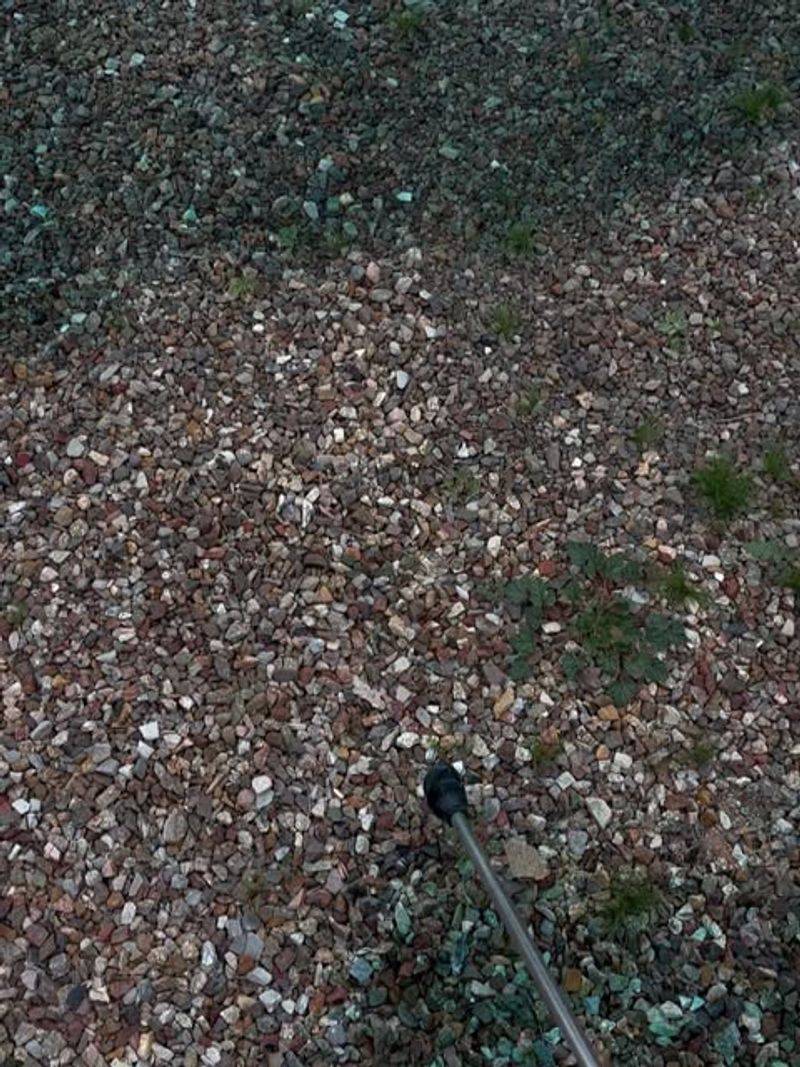
Pre-emergent products prevent seeds from sprouting in the first place. They create a chemical barrier in the top soil layer.
Apply these treatments before the growing season begins for best results. Early spring timing is critical in North Carolina gardens.
February through March works well for most areas. This catches weeds before warm weather triggers germination.
Read product labels carefully to ensure gravel area compatibility. Some formulas work better than others around stones.
Follow application rates exactly as directed for safety. Granular forms distribute easily over gravel surfaces. Use a handheld spreader for even coverage. Water lightly after application to activate the product.
These treatments typically last three to four months. Reapply in late summer for fall weed prevention. Consistent use dramatically reduces weed populations over time. Choose products safe for nearby plants and landscaping.
Keep pets away until the area dries completely. Store remaining herbicide in a cool, dry location.
4. Spot Treat Weeds With Vinegar
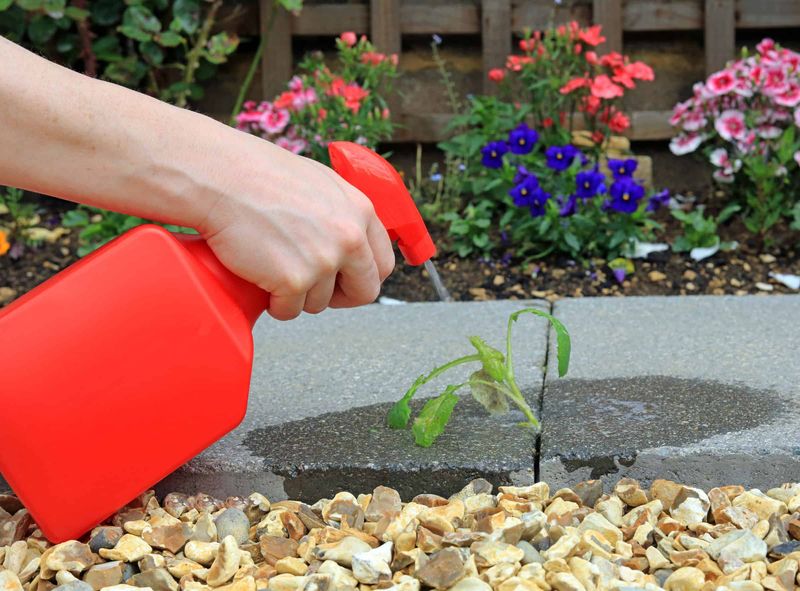
Horticultural vinegar offers a natural alternative to chemical herbicides. Its high acidity burns plant tissues on contact.
Small weed patches respond especially well to this treatment. Regular kitchen vinegar lacks sufficient strength for tough weeds.
Purchase horticultural vinegar with 20 percent acetic acid instead. This concentration works much more effectively on established plants.
Apply vinegar on sunny, calm days for maximum impact. Spray directly onto weed leaves and stems thoroughly.
Avoid hitting desirable plants as vinegar harms all vegetation. North Carolina’s humidity can dilute vinegar treatments quickly.
Reapply after rain or heavy dew as needed. Multiple applications may be necessary for persistent weeds.
Wear gloves and eye protection during application. The high acidity can irritate skin and eyes. Keep children and pets away until the area dries. This method works best on young, tender weeds.
Older plants with deep roots may require additional treatments. Combine with other prevention strategies for comprehensive control.
5. Regular Raking Or Tilling
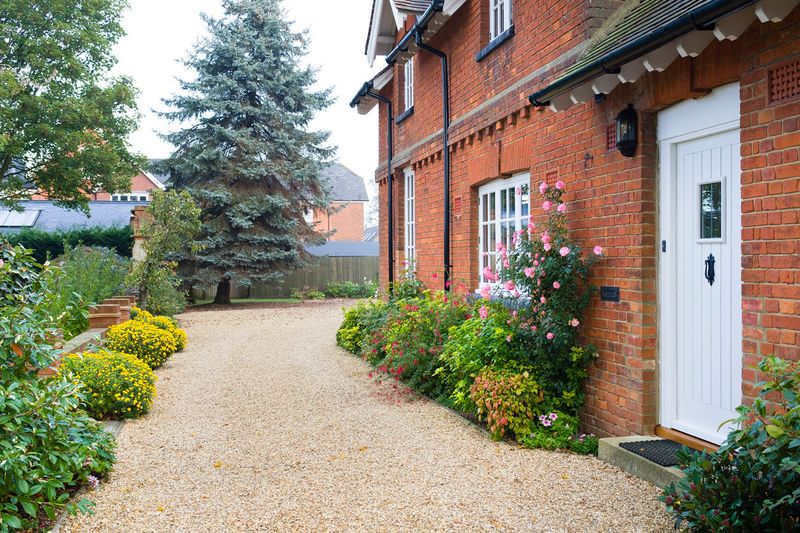
Disturbing the gravel surface regularly prevents weed establishment. Raking uproots tiny seedlings before they develop strong roots.
This simple action takes just minutes but saves hours later. Schedule raking sessions every two to three weeks during growing season.
Walk the entire gravel area looking for emerging weeds. Rake vigorously in problem spots you discover. The motion brings buried seeds to the surface where birds eat them. It also exposes young roots to air and sun.
Most seedlings perish quickly without soil contact. Use a sturdy garden rake with metal tines for best results.
Plastic rakes may break under the gravel’s weight. Work in overlapping passes to cover every inch.
North Carolina’s spring and fall months require extra attention. These seasons provide ideal germination conditions for many weeds.
Increase raking frequency during these peak times. This physical method requires no chemicals or special equipment.
It provides good exercise while maintaining your landscape. Many gardeners find the repetitive motion quite relaxing.
6. Use Mulch Or Organic Top Layers
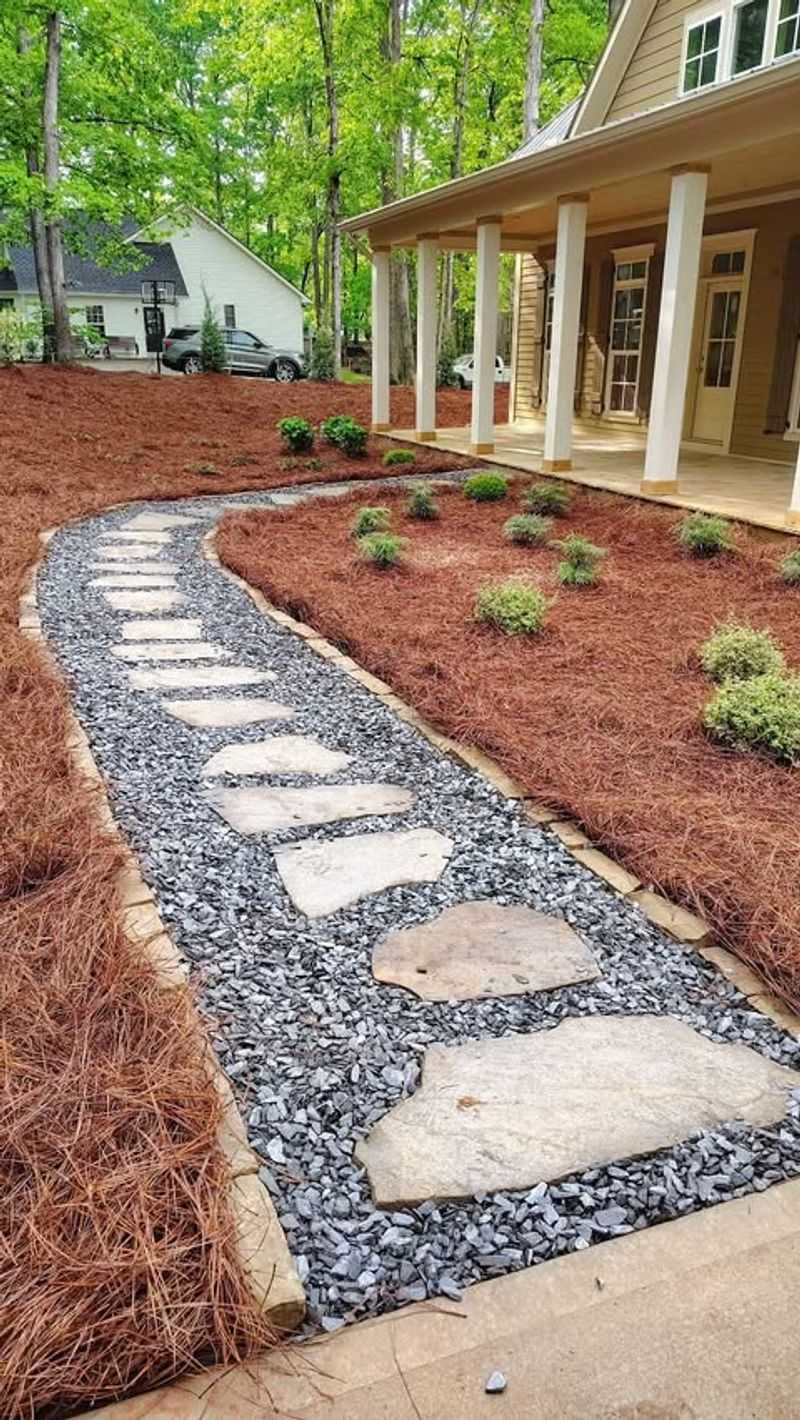
Combining gravel with organic mulches creates extra protection at borders. Pine straw works wonderfully in North Carolina’s acidic soil conditions.
Shredded bark also provides excellent weed suppression near gravel edges. Apply mulch two to three inches deep along gravel perimeters.
This blocks weeds from migrating between different landscape areas. The transition zone often develops problems without this barrier.
Organic materials decompose over time, enriching the soil beneath. This benefits nearby plants while still blocking weeds.
Refresh mulch layers annually to maintain effectiveness. Pine straw is readily available throughout North Carolina.
It stays in place better than some other mulches. The needles interlock naturally, resisting wind and water movement. Create a clear separation between gravel and mulched areas. Overlap materials slightly at the boundary line.
This prevents gaps where weeds could emerge. The color contrast between gravel and mulch looks attractive too.
Different textures add visual interest to landscape designs. This practical solution enhances both function and beauty.
7. Edging Gravel Beds
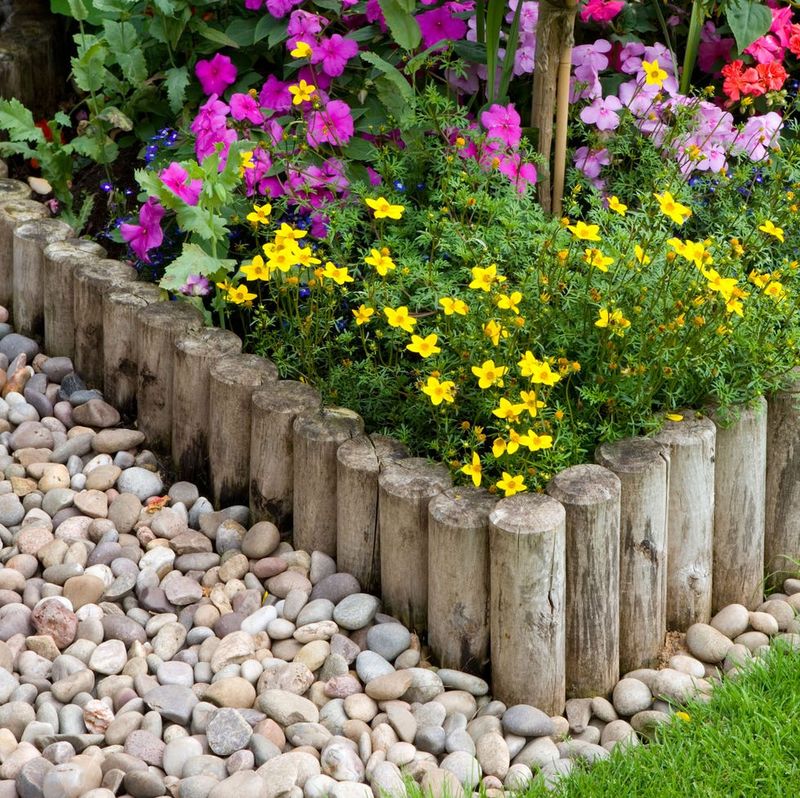
Installing physical barriers around gravel areas stops weed migration effectively. Metal, stone, or plastic edging creates a clear boundary.
Grass and weeds from lawns cannot creep into protected spaces. Dig a trench four to six inches deep along gravel perimeters.
Set edging material firmly into this channel. Backfill and tamp soil against both sides securely. Metal edging lasts longest and provides the sturdiest barrier. Aluminum or steel options resist rust in North Carolina’s humid climate.
Plastic edging costs less but may require replacement sooner. Stone or brick edging adds decorative appeal to functional borders.
Stack materials carefully to eliminate gaps between pieces. Mortar joints provide the most permanent solution.
Edging also keeps gravel contained within designated areas. Stones stay put instead of scattering onto lawns. This reduces maintenance and keeps boundaries looking crisp. Inspect edging annually for damage or shifting.
Reset loose sections before problems worsen. Well-maintained borders last for many years with minimal attention.
8. Solarization In Summer
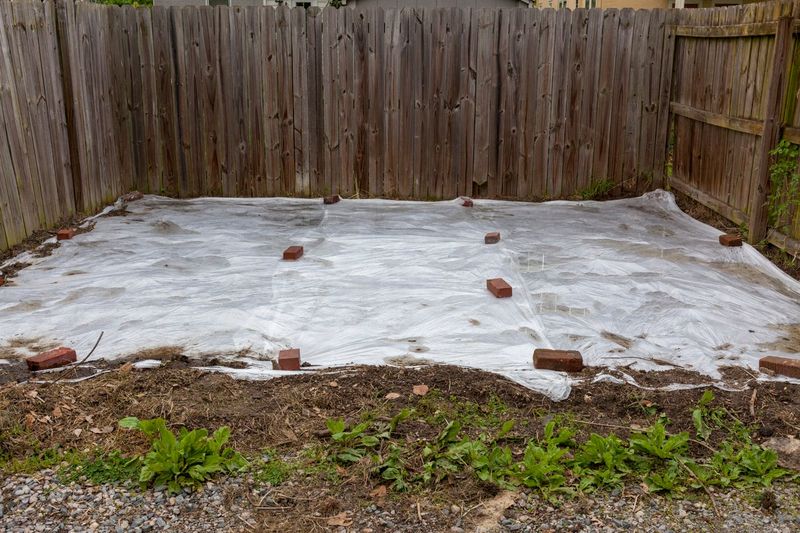
Summer heat becomes a powerful weed control tool with solarization. Clear plastic sheeting traps solar energy beneath its surface.
Temperatures rise high enough to eliminate weed seeds and roots. Choose the hottest weeks of summer for this technique.
June through August provides ideal conditions in North Carolina. Sustained high temperatures maximize effectiveness.
Spread clear plastic over the entire gravel area tightly. Secure edges with stones, boards, or landscape staples.
Leave the covering in place for four to six weeks. Soil temperatures under plastic can exceed 140 degrees Fahrenheit.
This intense heat essentially cooks weed seeds and plant material. Many pests and diseases also succumb to these conditions. Remove plastic after the treatment period ends. Rake the gravel to redistribute stones evenly.
The area should remain relatively weed-free for months afterward. This method requires no chemicals and costs very little.
Reuse the same plastic sheeting for multiple seasons. Store it properly when not in use to extend its lifespan.
9. Use Larger Stones Or Decorative Rocks
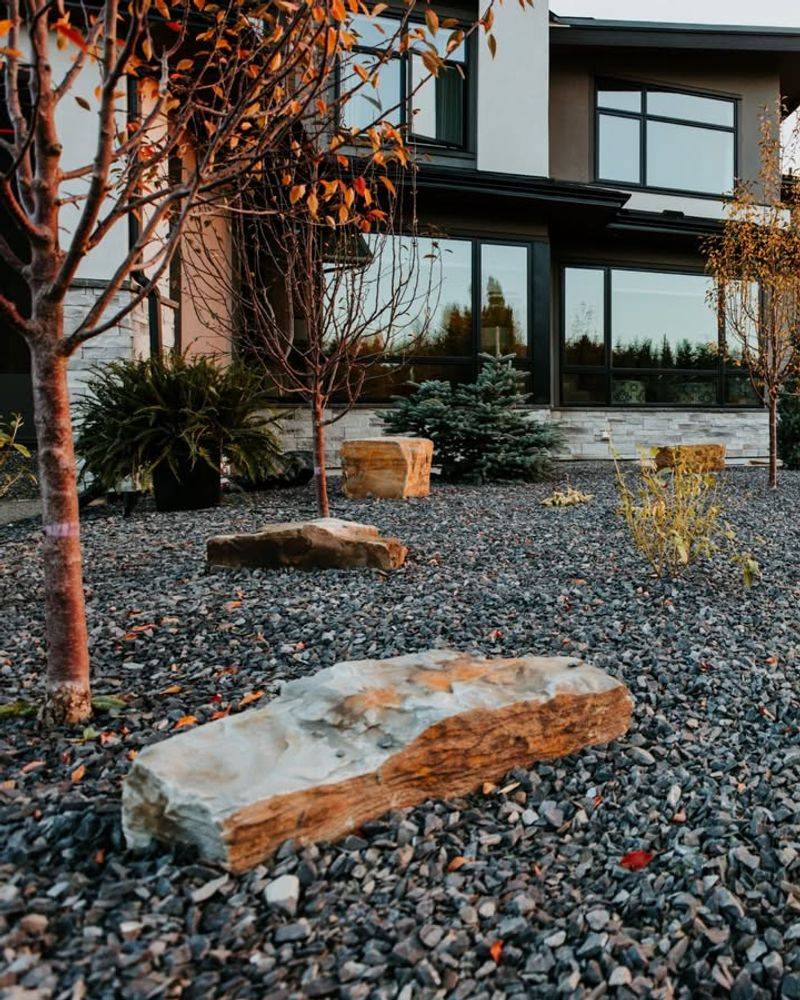
Bigger rocks make weed growth much more difficult naturally. Larger stones create deeper shade that blocks light completely.
Seeds cannot germinate in these dark conditions. Stones measuring two to four inches work better than pea gravel.
The increased weight compresses soil more effectively underneath. Roots struggle to penetrate through heavy stone layers.
Gaps between large rocks are also harder for seeds to settle into. Wind blows most seeds away before they lodge securely.
Those that do land rarely find enough soil to sprout. River rocks and decorative stones add beautiful texture to landscapes.
North Carolina gardens benefit from the natural, organic appearance. These materials complement regional architectural styles perfectly.
Calculate coverage carefully as larger stones cover less area per ton. They cost more initially but require less maintenance long-term.
The investment pays off through reduced weeding time. Mix different sizes for visual interest and maximum weed suppression.
Place largest stones in problem areas prone to weeds. This targeted approach maximizes effectiveness where needed most.
10. Hand-Pull Emerging Weeds Promptly
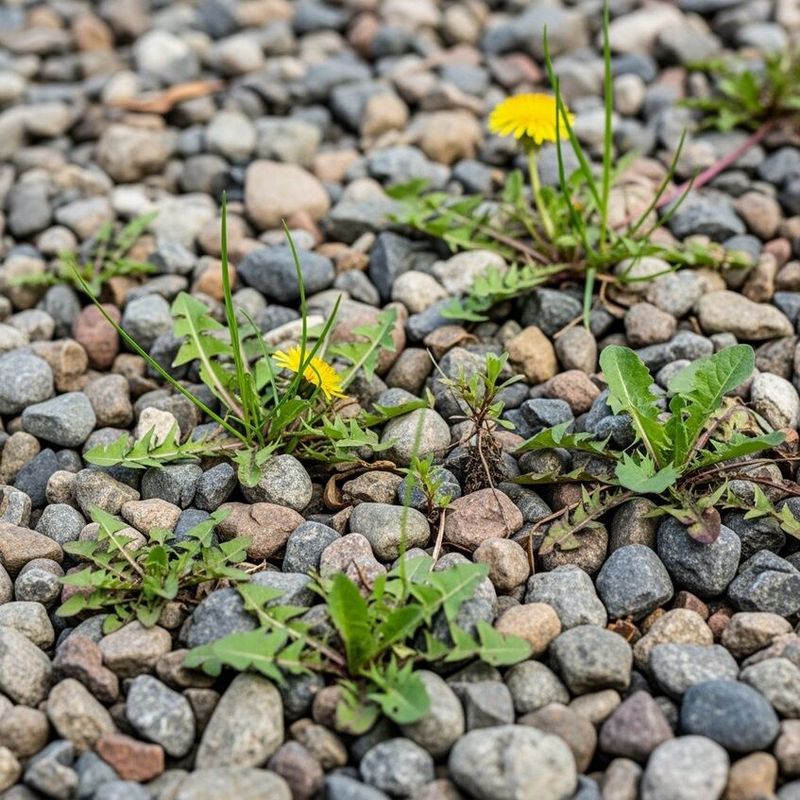
Catching weeds early makes removal incredibly easy and effective. Young plants have shallow roots that pull out effortlessly.
Wait too long and the job becomes much harder. Inspect gravel areas weekly during the growing season.
Walk slowly and look carefully for tiny green shoots. Pull anything suspicious immediately before it establishes.
Grasp weeds close to the gravel surface for best leverage. Pull straight up with steady pressure to extract roots.
Shake off excess gravel before discarding the plant. Carry a small bucket during inspection walks for collection.
Remove pulled weeds from the property completely. Seeds can still develop on pulled plants left lying around.
After rain, soil softens and makes pulling even easier. Schedule weeding sessions following wet weather when possible.
Roots release more readily from damp ground. This hands-on approach requires no tools or chemicals.
It provides immediate results you can see right away. Regular attention keeps weed populations from ever becoming overwhelming.
11. Maintain Proper Drainage
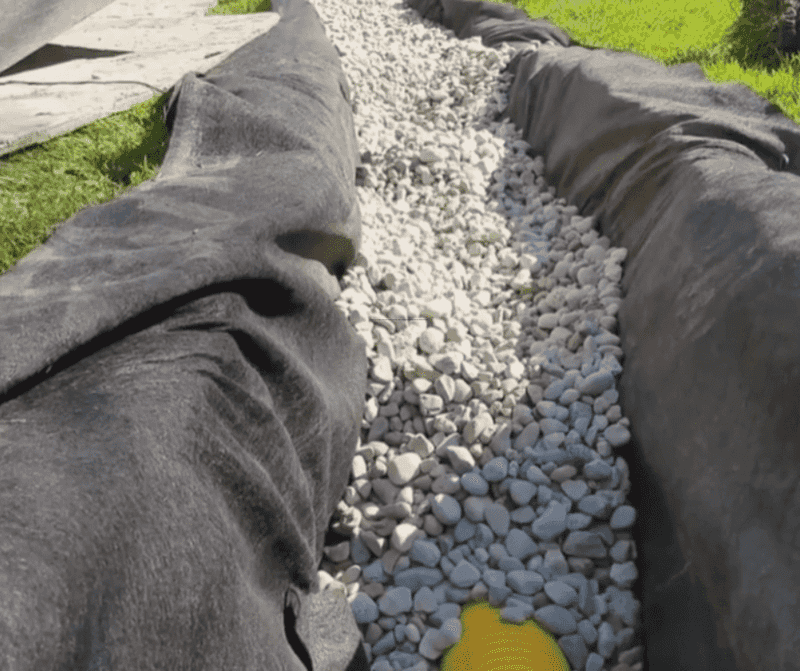
Standing water creates perfect conditions for weed germination and growth. Proper drainage eliminates these problematic wet spots completely.
Design gravel areas with slight slopes for water runoff. Grade surfaces to direct water away from structures and low spots.
A slope of one to two percent works well. This angle allows drainage without causing erosion problems.
North Carolina receives substantial rainfall throughout the year. Without good drainage, gravel areas become muddy and weed-prone.
Water carries seeds and deposits them in puddles. Install French drains or catch basins in chronically wet areas.
These systems channel excess water away from gravel surfaces. Underground drainage prevents surface pooling effectively.
Check drainage after heavy rains to identify problem spots. Add gravel to low areas that collect water.
Regrade as necessary to maintain proper water flow. Well-drained gravel dries quickly after storms.
Seeds need consistent moisture to germinate successfully. Dry conditions make your gravel inhospitable to unwanted plants.
12. Combine Gravel With Groundcovers
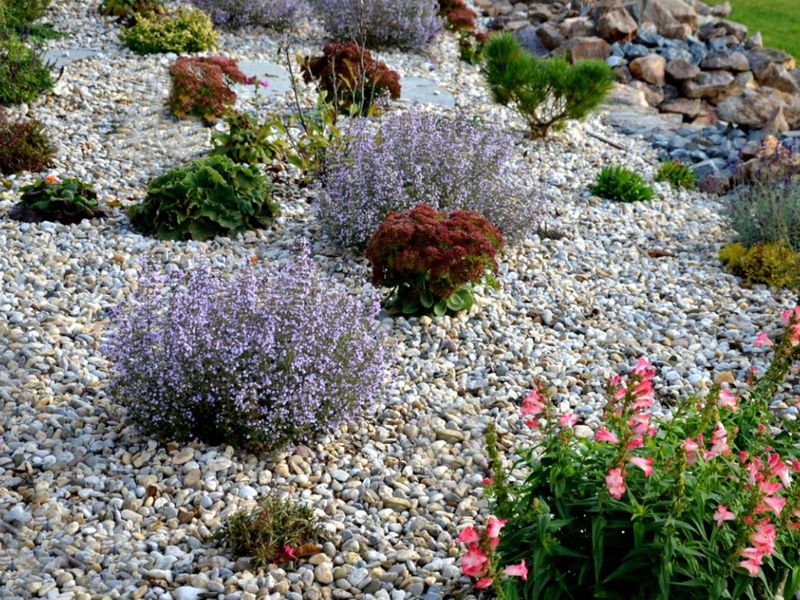
Strategic groundcover plantings around gravel edges prevent weed invasion naturally. Dense, low-growing plants outcompete weeds for space and resources.
They create living barriers that look beautiful too. Select groundcovers suited to North Carolina’s climate and your sun exposure.
Creeping thyme, sedum, and ajuga work well in many situations. These plants tolerate foot traffic and spread reliably.
Plant groundcovers in a border six to twelve inches wide. Space plants according to their mature spread for full coverage.
Water regularly until established, then reduce as plants mature. Dense groundcover foliage blocks light from reaching soil beneath.
This prevents weed seeds from germinating in border areas. The plants also stabilize soil and prevent erosion.
Trim groundcovers occasionally to keep them from invading gravel. Most species respond well to light pruning or mowing.
This maintains clear boundaries between different landscape zones. The combination creates attractive contrast between plant textures and stone.
Flowering groundcovers add seasonal color to neutral gravel. This approach merges beauty with practical weed control.
13. Apply Corn Gluten Meal
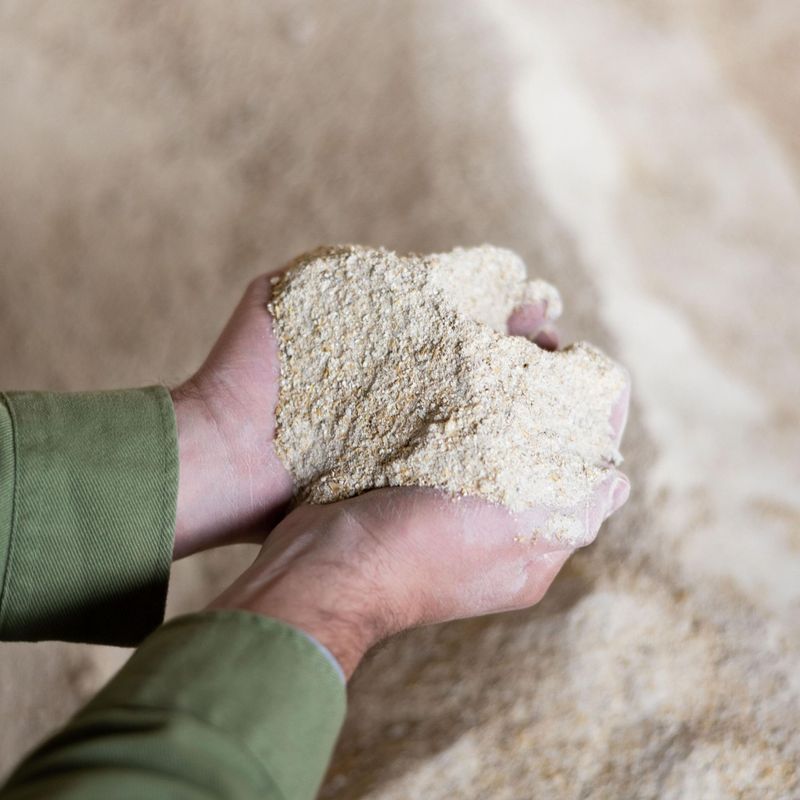
Corn gluten meal provides natural pre-emergent control without synthetic chemicals. This corn processing byproduct inhibits root development in germinating seeds.
It works on many common weed species effectively. Apply corn gluten meal in early spring before weeds emerge.
Use ten to twenty pounds per thousand square feet. Spread granules evenly over gravel surfaces using a broadcast spreader.
Water lightly after application to activate the product. The meal needs moisture to begin working in soil.
Avoid heavy watering that washes material away from target areas. This organic option is safe around children and pets.
It also adds nitrogen to soil as it decomposes. Nearby plants benefit from this slow-release fertilizer effect.
North Carolina gardeners appreciate the environmentally friendly nature of this method. It fits well with organic gardening principles and practices.
Results improve with consistent annual applications. Timing is critical for corn gluten meal effectiveness.
Applied too late, it will not prevent established weeds. Mark your calendar to ensure proper application timing each spring.
14. Maintain Gravel Thickness After Settling
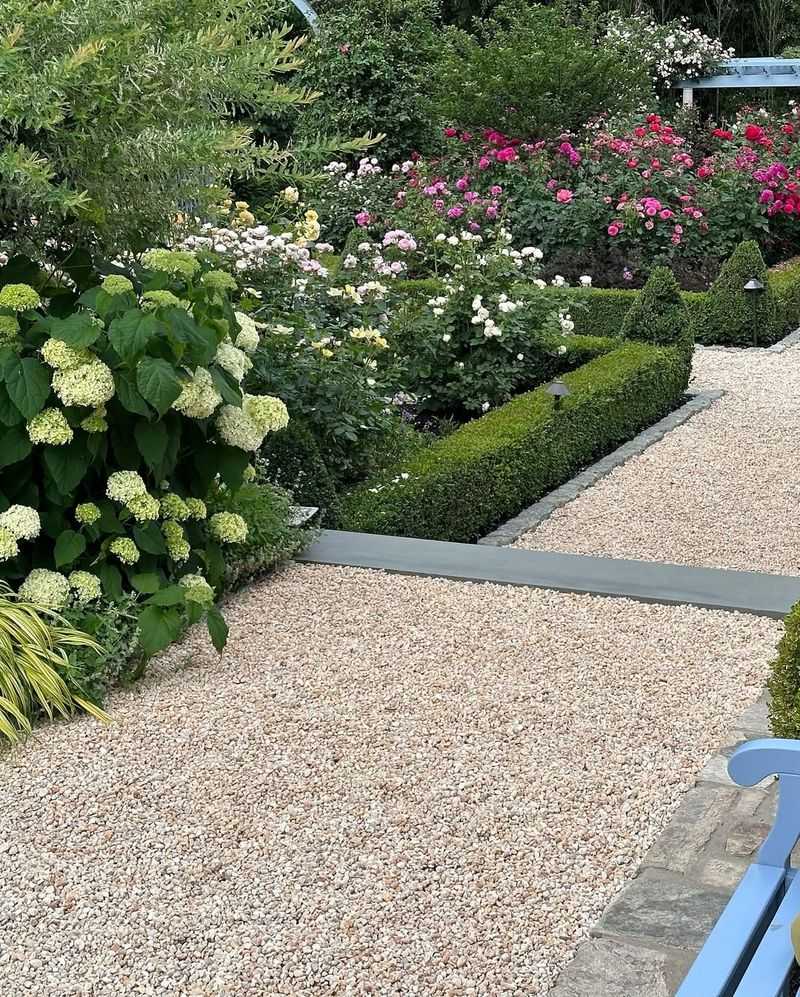
Gravel naturally settles and thins over time with use and weather. Thin spots allow light to reach soil where weeds germinate.
Regular topping up maintains effective weed suppression. Inspect gravel depth annually, especially in high-traffic zones.
Look for areas where underlying fabric or soil shows through. These spots need immediate attention before weeds appear.
Add fresh gravel to maintain the original two to three inch depth. Match stone size and color to existing material when possible.
Rake new gravel to blend it with older stones. Heavy rains can wash gravel away from sloped areas.
North Carolina’s occasional severe weather accelerates this process. Check after storms and replenish washed-out sections promptly.
Vehicle traffic compresses gravel over time in driveways. The weight pushes stones into underlying soil gradually.
Annual refreshing keeps these surfaces looking good and weed-free. Keep extra gravel on hand for quick repairs.
Small touch-ups prevent minor problems from becoming major issues. Proactive maintenance is always easier than reactive repairs.
15. Avoid Soil Contamination
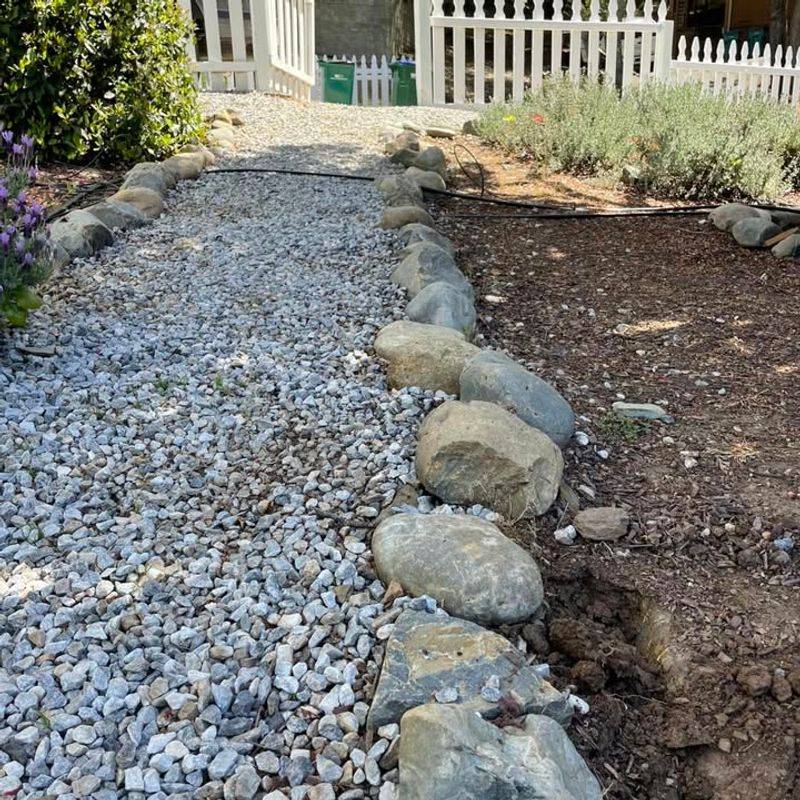
Starting with clean gravel prevents introducing new weed problems immediately. Some gravel contains soil, seeds, or plant fragments mixed in.
These contaminants cause weed issues from day one. Purchase gravel from reputable suppliers who wash their materials.
Ask about their cleaning and screening processes specifically. Quality suppliers remove debris and organic matter thoroughly.
Inspect delivered gravel before spreading it in your landscape. Look for dirt clumps, plant material, or seed heads.
Reject loads that appear contaminated with organic matter. Crushed stone generally contains less contamination than river gravel.
The crushing process exposes and removes organic materials better. Consider this when selecting gravel types for your project.
Store unused gravel on tarps or plastic sheeting. Keep piles away from weedy areas that might contaminate them.
Cover stockpiles to prevent seeds from blowing in. North Carolina’s abundant vegetation means seeds travel everywhere on wind.
Taking precautions during material selection and storage prevents problems. Clean gravel stays weed-free much longer than contaminated material.