10 Smart Tricks Oregon Gardeners Should Use To Prevent Weeds In Gravel
Gravel gardens sound like a low-effort dream at first. No mowing, less watering, and a clean, tidy look that works in so many Oregon yards.
Then a few weeks go by, and somehow weeds start showing up anyway, right between the stones where you least expect them.
It can feel like they appear overnight, especially after rain or a warm stretch of weather. Even well-installed gravel areas can turn into a patchwork of unwanted growth if a few key steps were missed early on.
Oregon’s climate, with its steady moisture and mild temperatures, gives weeds just enough help to sneak in and settle fast. The good news is that a few smart adjustments can make a big difference in how manageable things stay.
Some of them are surprisingly simple once you know where to focus.
1. Clear Existing Weeds Before You Add Gravel
Before you even think about pouring gravel, getting rid of every weed already living in that space is the most important first step you can take. Skipping this part is one of the biggest mistakes Oregon gardeners make, and it leads to weeds popping right back up through the gravel within weeks.
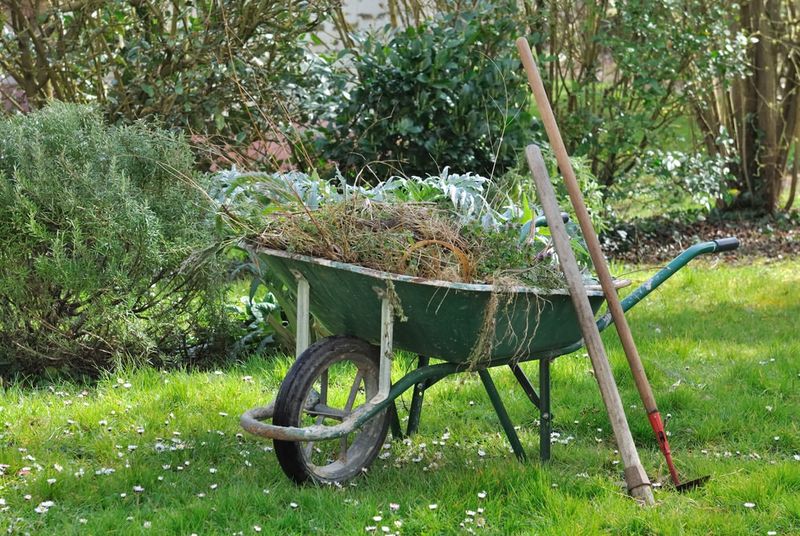
Start by pulling weeds by hand, roots and all. If you leave roots behind, many common Oregon weeds like dandelions and bindweed will simply grow back stronger than before.
For large areas, a garden hoe or flat weeder tool can help you clear the ground faster without too much strain.
After pulling, rake the soil smooth and look carefully for any remaining root pieces. Some gardeners in Oregon also like to let the cleared area sit for a week or two so any leftover roots dry out before they add their gravel layer.
Taking this extra time upfront saves you hours of frustrating work later. A clean, cleared base is the foundation of a long-lasting, weed-resistant gravel space that you can actually enjoy all year round.
2. Water The Area Before Covering It
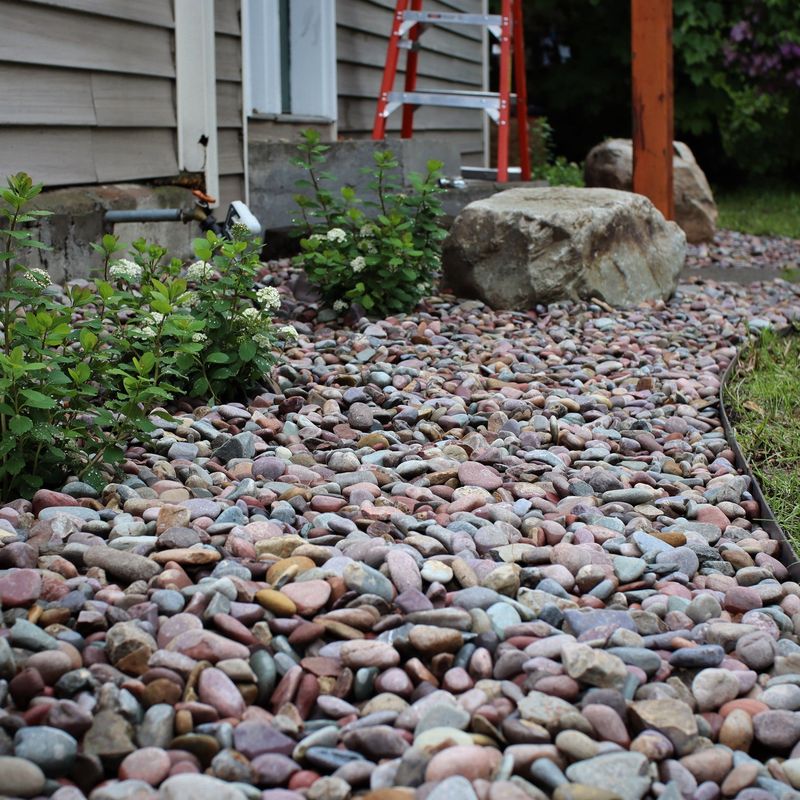
Watering the ground before you lay gravel might sound a little counterintuitive, but it is actually a clever trick that many experienced Oregon gardeners swear by. When you wet the soil right before covering it, you encourage any dormant weed seeds near the surface to sprout.
Once those seeds germinate and tiny sprouts appear, you can pull or hoe them out before the gravel goes down. This process is sometimes called a “stale seedbed” technique, and it works really well in Oregon because the soil here is often packed with weed seeds just waiting for the right conditions.
Give the area a thorough watering, then wait about five to seven days. You will likely see a flush of new seedlings come up, especially if the weather is warm.
Remove all of those seedlings, and then you are ready to cover the area. By tricking those seeds into sprouting early, you reduce the number of weeds that will eventually push through your gravel.
It is a simple, chemical-free step that takes very little effort but makes a noticeable difference in how clean your gravel looks over time.
3. Lay Cardboard Under Gravel For Extra Weed Suppression
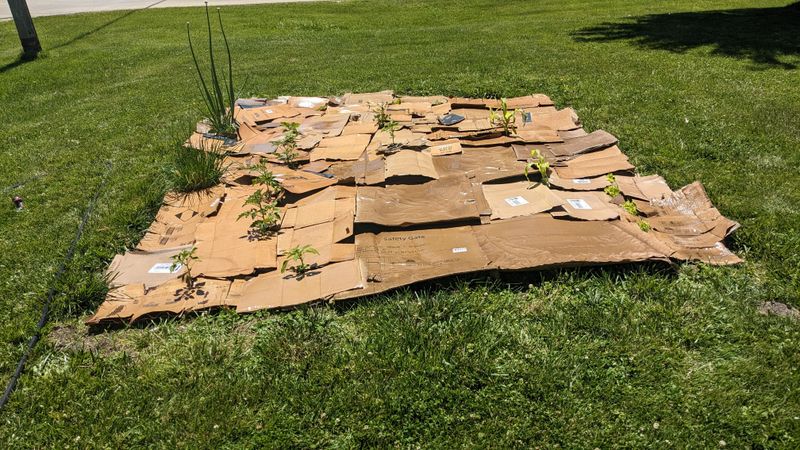
Cardboard might be the most underrated weed-fighting tool in any Oregon gardener’s toolkit. Laying thick, overlapping sheets of cardboard directly on the soil before adding gravel creates a physical barrier that blocks sunlight and smothers any remaining weeds trying to push upward.
The best part? Cardboard is biodegradable, so over time it breaks down and actually feeds the soil underneath rather than harming it.
This makes it a favorite method for eco-conscious gardeners all across Oregon who want effective results without using plastic or chemicals. Collect cardboard boxes from grocery stores, hardware shops, or moving companies, and make sure to remove any tape or staples before laying it down.
Overlap each piece by at least six inches so weeds cannot sneak through the gaps. Wet the cardboard thoroughly after laying it so it conforms to the soil and stays in place.
Then add your gravel on top. The cardboard typically breaks down over time, often within several months to a year depending on conditions, which helps suppress weeds while the gravel area settles.
Many Oregon gardeners have found this trick reduces weed growth dramatically compared to gravel laid directly on bare soil.
4. Use Landscape Fabric Under Gravel Paths
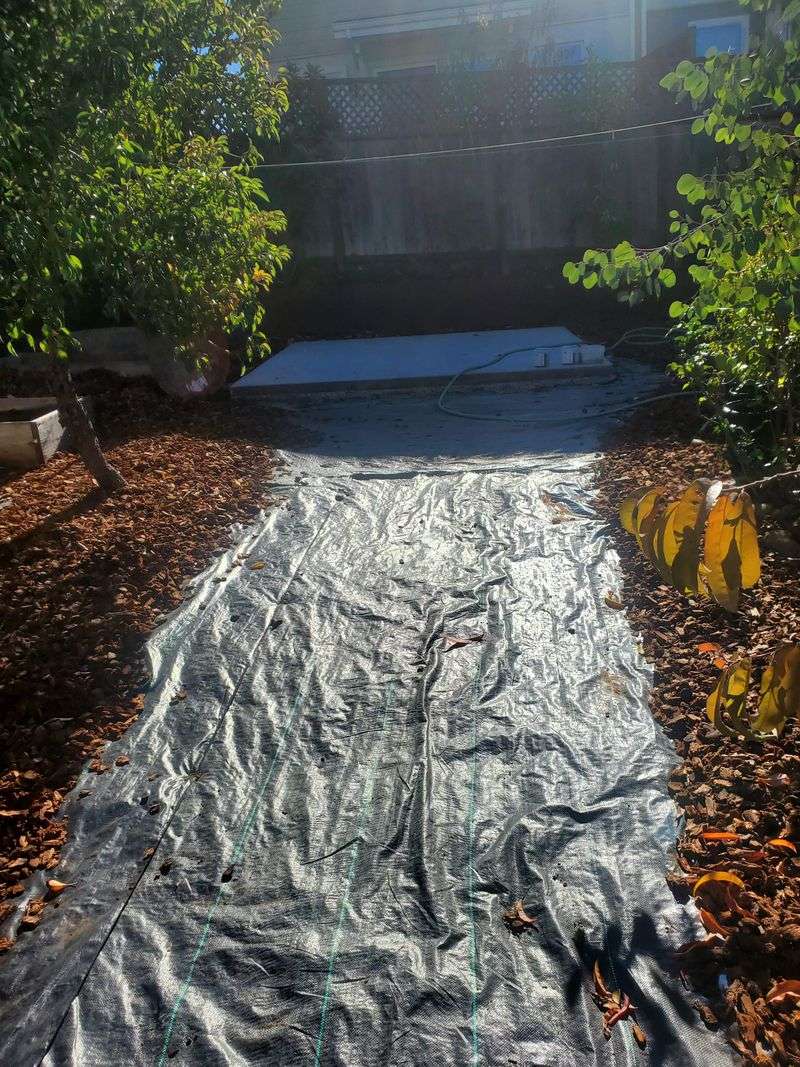
Landscape fabric is one of the most popular weed barriers Oregon gardeners use under gravel paths, and for good reason. When installed correctly, it blocks sunlight from reaching the soil, which stops weed seeds from germinating while still letting water drain through so your plants stay healthy nearby.
Choose a high-quality, breathable woven fabric rather than cheap plastic sheeting. Plastic traps moisture, causes soil problems, and tends to shift and bunch up over time.
A good woven landscape fabric, on the other hand, can last many years and holds up well under the rainy Oregon winters that tend to move loose materials around.
When laying the fabric, overlap the seams by at least six to eight inches and use landscape staples every few feet to pin it firmly in place. Cut small slits only where you want plants to grow through.
Once the fabric is secure, pour your gravel on top and spread it evenly. Keep in mind that no fabric is completely perfect, since some weeds will eventually find gaps or grow in organic debris that collects on top of the gravel.
But used as part of a layered approach, landscape fabric is a genuinely effective tool for keeping Oregon gravel paths looking tidy.
5. Add Enough Gravel To Block More Weed Growth
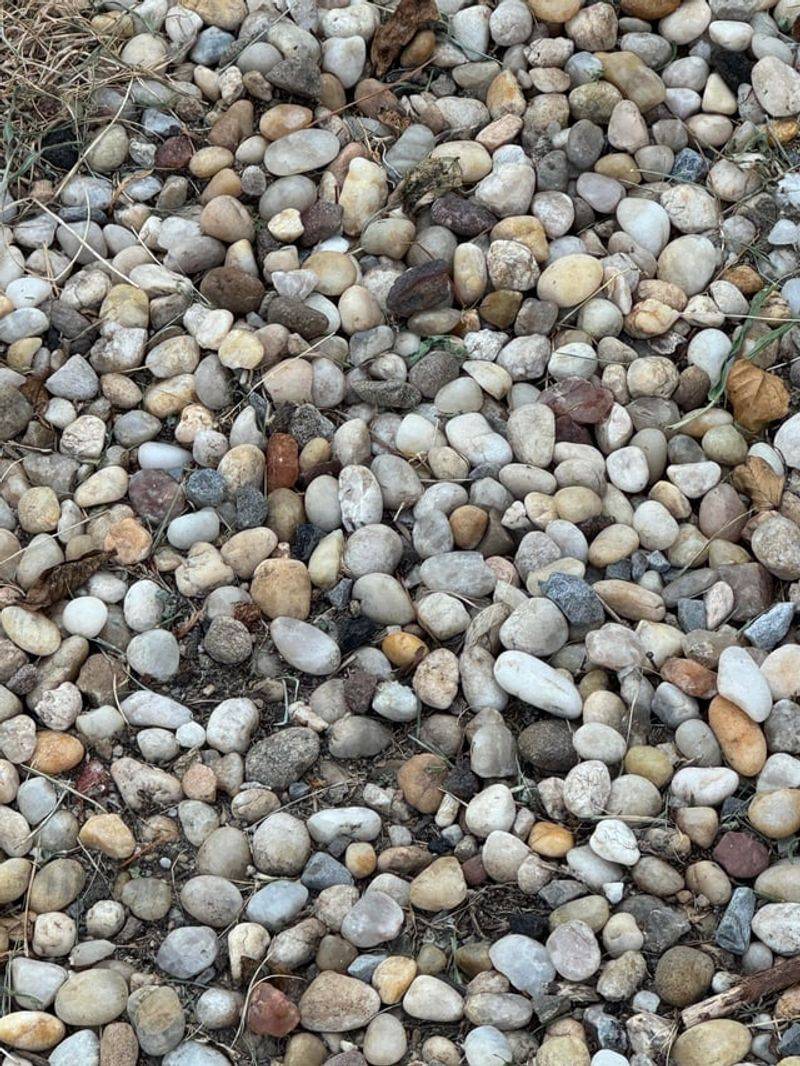
Did you know that the depth of your gravel layer makes a huge difference in how well it stops weeds? A thin, skimpy layer of gravel barely slows weeds down, while a properly deep layer blocks enough sunlight to stop most seeds from ever sprouting in the first place.
For garden paths in Oregon, aim for at least two to three inches of gravel. For driveways or larger areas, three to four inches is even better.
The deeper the gravel, the harder it is for weed roots to reach the soil below and anchor themselves. Angular crushed stone works especially well because the jagged pieces lock together tightly, creating a denser surface that is harder for weeds to push through compared to smooth, rounded pebbles.
When spreading gravel, use a rake to make the depth as even as possible across the whole area. Thin spots become weak points where weeds tend to establish first.
Oregon’s frequent rain can shift gravel over time, so check the depth each spring and top it off as needed. A well-maintained gravel depth is one of the simplest and most cost-effective strategies for keeping your outdoor spaces looking clean and weed-free throughout the year.
6. Keep Leaves And Debris From Building Up In The Gravel
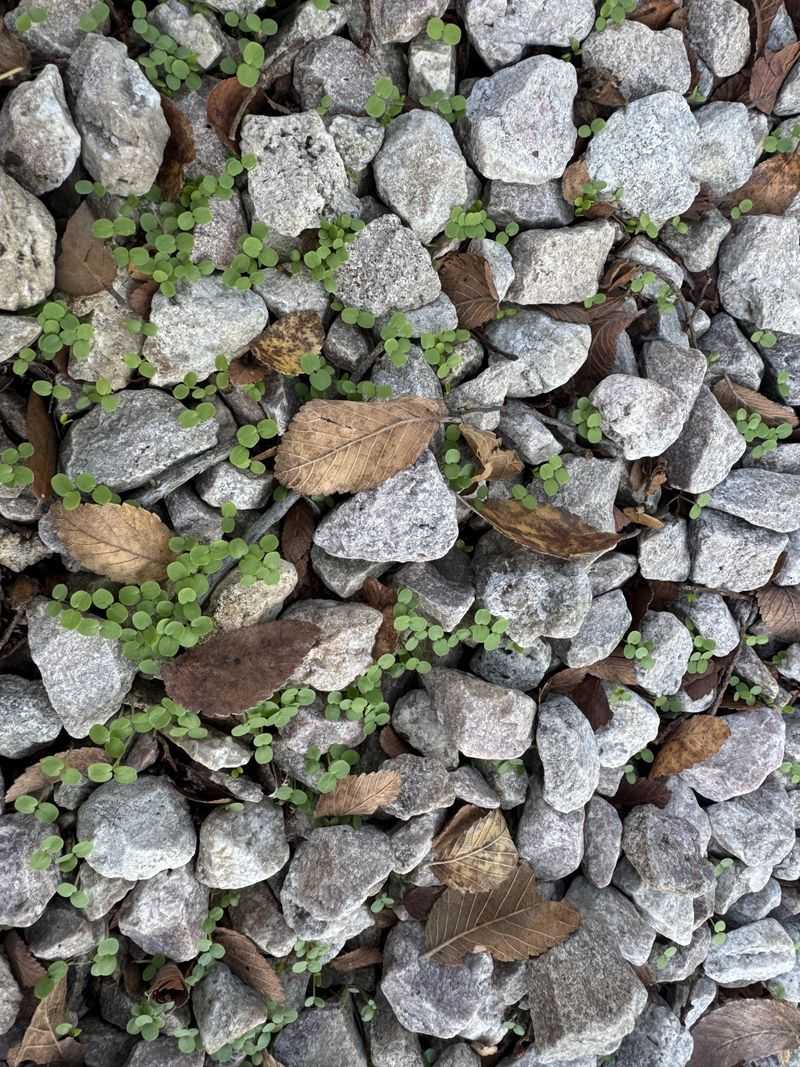
One sneaky reason gravel areas get so weedy is that fallen leaves, twigs, and other organic debris collect on top of the gravel and create a thin layer of natural compost. Weed seeds land in that debris, find the nutrients and moisture they need, and suddenly your gravel path looks like a garden bed you never planted.
In Oregon, this is a particularly real problem in autumn when trees drop their leaves heavily and the rainy season begins. Wet leaves mat down quickly and create the perfect little nursery for weed seeds to sprout in.
Staying on top of debris removal is one of the easiest maintenance habits you can build to keep gravel areas looking sharp.
Use a leaf blower on a low setting to blow debris off gravel without scattering the gravel itself. A stiff-bristled push broom also works well for smaller paths.
Try to clear debris every few weeks during fall, and do a thorough cleanup before winter sets in. Regular raking in spring helps disrupt any early weed seedlings before they get established.
Keeping your gravel surface clean and free of organic buildup is genuinely one of the most effective long-term strategies any Oregon gardener can use.
7. Pull New Weeds Before They Set Deep Roots
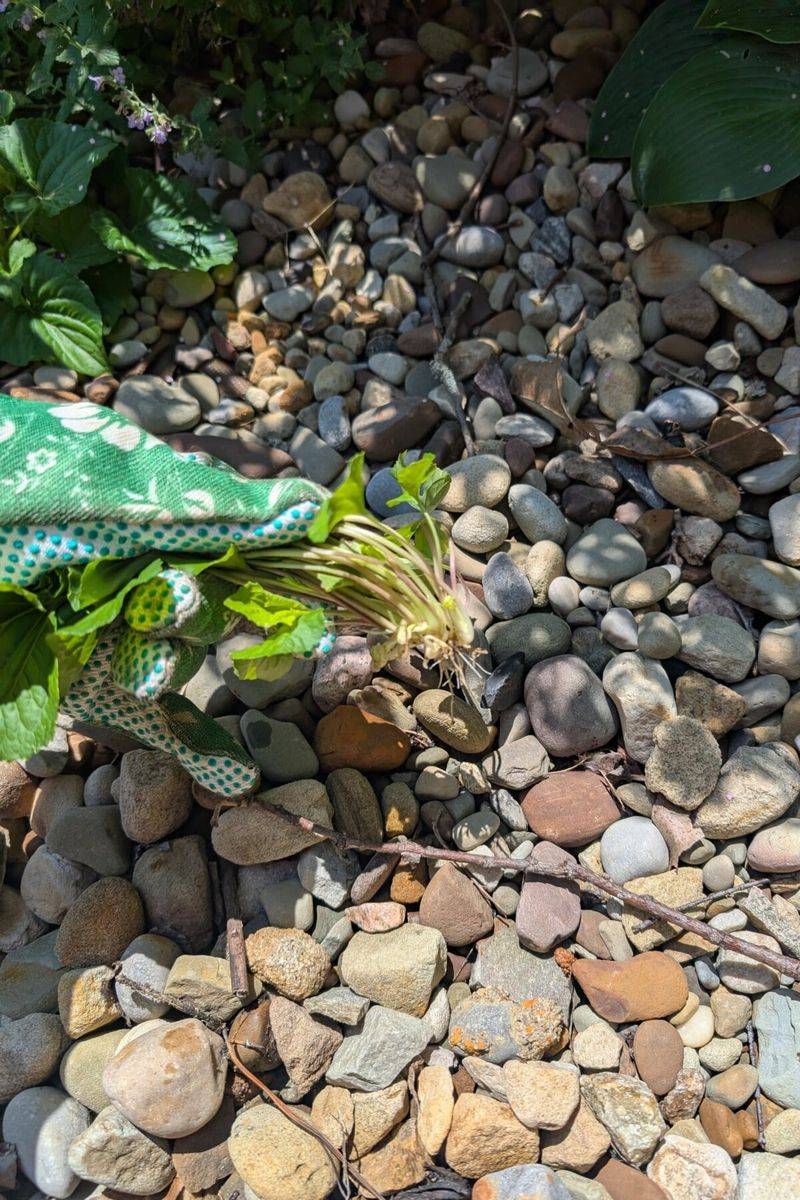
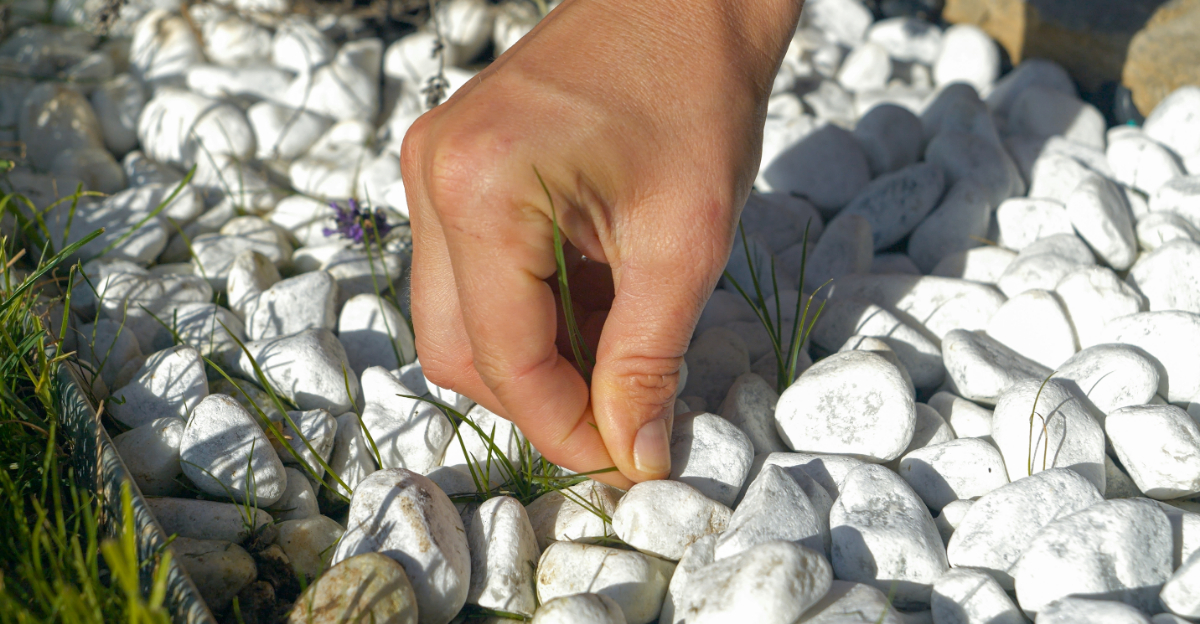
Catching weeds early is a game-changer when it comes to gravel maintenance. A tiny weed seedling with shallow roots takes about two seconds to pull out, but that same weed left for a few weeks can develop a deep, stubborn root system that is much harder to remove completely.
Make a habit of doing a quick walk-through of your gravel areas every week or two. In Oregon’s mild, moist climate, weeds can go from tiny sprouts to fully rooted plants surprisingly fast, especially in spring and early summer when growth conditions are ideal.
The earlier you catch them, the less time and effort it takes to keep things under control.
A long-handled weeding tool lets you pull weeds without having to bend down constantly, which saves your back during longer sessions. After pulling, dispose of weeds in a bag or bin rather than leaving them on the gravel, since some weeds can still set seed even after being uprooted.
Staying consistent with early pulling means your gravel areas stay manageable rather than becoming an overwhelming project. Oregon gardeners who make this a regular habit often find that their gravel spaces need far less intensive work over the course of the whole growing season.
8. Reclaim Weedy Gravel Areas With Sheet Mulching First
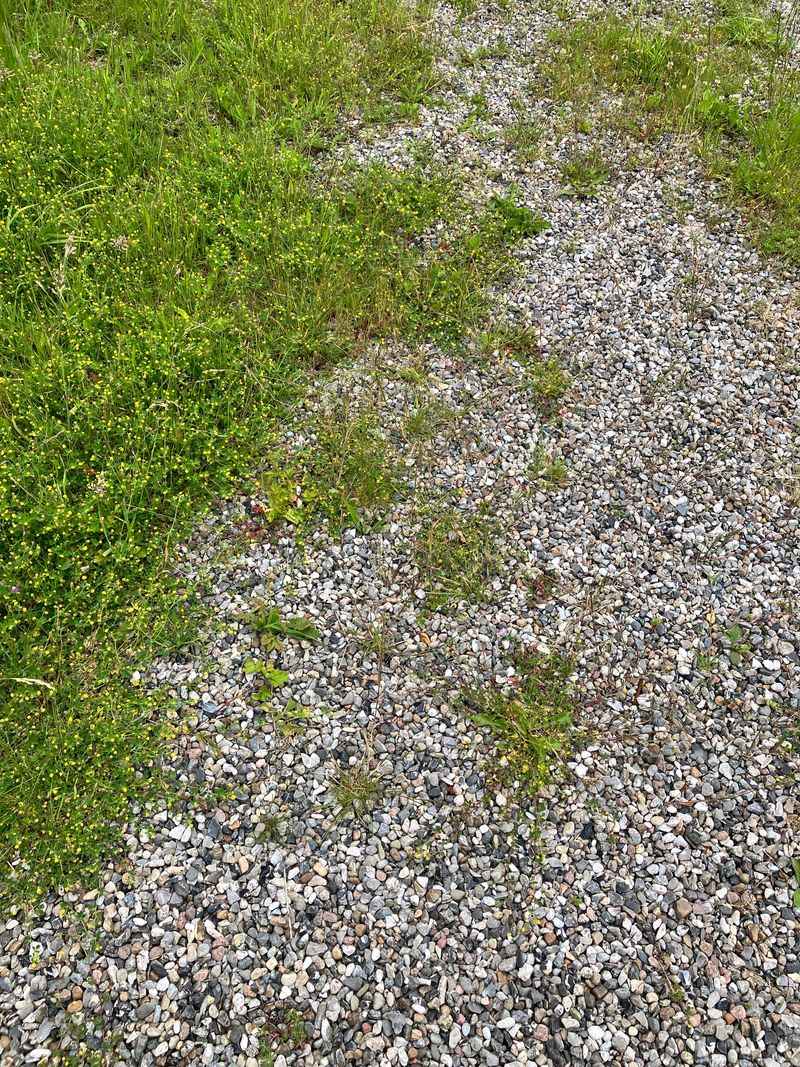
If your gravel area has already been taken over by weeds, starting fresh with sheet mulching is one of the most satisfying and effective ways to reclaim it. Sheet mulching is a layering technique borrowed from permaculture gardening that smothers existing vegetation without requiring you to pull every single weed by hand.
Start by mowing or cutting down the weeds as short as possible. Then lay overlapping sheets of cardboard or several layers of newspaper directly on top.
Wet everything thoroughly so it stays in place and begins to break down. On top of that, add a layer of compost or topsoil, and then finally your gravel layer.
The layers work together to block light, trap moisture, and break down the weeds underneath over time.
Sheet mulching is especially popular among Oregon gardeners who practice organic methods and want to avoid using herbicides. The process takes a bit more time upfront compared to simply raking and re-graveling, but the results are dramatically better and longer lasting.
Many gardeners in the Portland metro area and across the Willamette Valley have used this method to completely transform neglected, weedy gravel spaces into tidy, low-maintenance areas they are genuinely proud of.
9. Use Drip Irrigation Nearby Instead Of Wetting Gravel Broadly
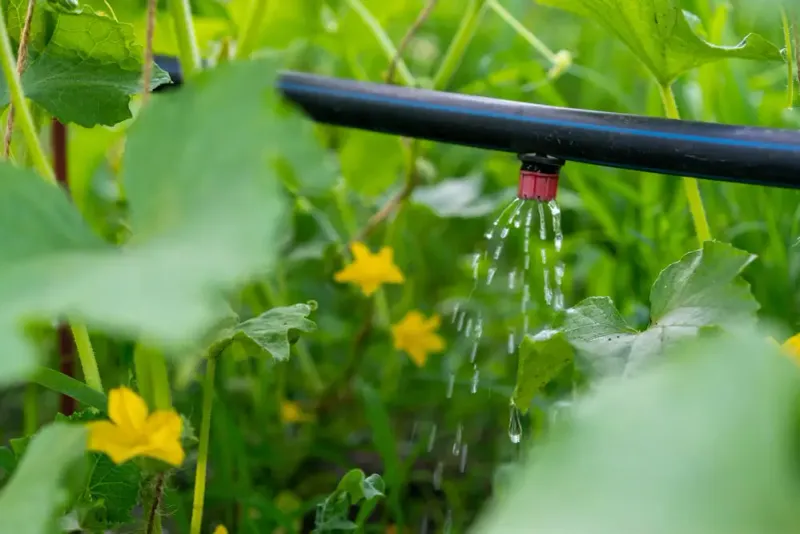
Watering habits have a bigger impact on gravel weed growth than most people realize. When you use a sprinkler or hose that sprays broadly, you end up watering your gravel along with your plants.
That moisture soaks into the gravel, reaches the soil below, and gives weed seeds exactly what they need to sprout and grow.
Switching to drip irrigation for garden beds and plantings near your gravel areas is a smart way to keep water targeted and precise. Drip lines deliver water directly to plant roots, which means the surrounding gravel stays drier and far less hospitable to weeds.
This approach is also a great fit for Oregon’s water conservation goals, since drip systems use significantly less water than traditional sprinklers.
Setting up a basic drip system does not have to be complicated or expensive. Many local Oregon garden centers carry easy-to-install drip irrigation kits that work well for home gardens of all sizes.
Even just redirecting a soaker hose away from gravel areas can make a noticeable difference. Keeping moisture out of gravel is one of those small adjustments that pays off in a big way, reducing the number of weeds you have to deal with week after week throughout the growing season.
10. Install Edging To Stop Weeds From Creeping In From The Sides
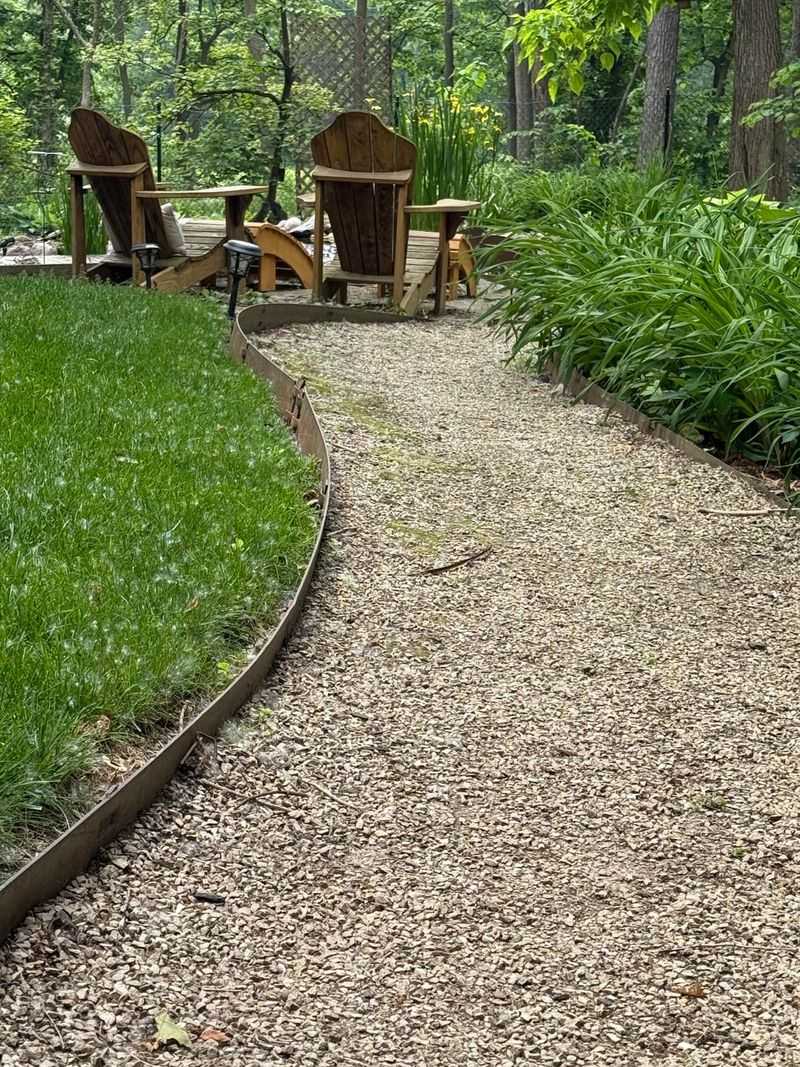
Weeds do not only grow up from below the gravel. They also creep in from the sides, sneaking over from nearby lawn areas, garden beds, or plant borders.
Installing a firm physical edging around your gravel areas creates a clear boundary that stops this lateral spread and keeps your gravel space looking neat and defined.
Metal edging is a favorite choice among Oregon gardeners because it is durable, holds its shape well through wet winters, and has a clean, modern look. Stone edging offers a more natural aesthetic that fits beautifully with Pacific Northwest landscaping styles.
Plastic edging is the most affordable option, though it can shift or crack over time in colder temperatures, so look for heavy-duty versions if you go that route.
Install edging so that it sits slightly above the gravel surface, which helps prevent soil and grass from washing over the edge during Oregon’s frequent rain events. Press it deep enough into the soil that grass runners and weed roots cannot easily slip underneath.
Pairing good edging with a weed barrier underneath your gravel is a powerful combination that tackles weeds from multiple directions at once. Oregon gardeners who use both together consistently report far fewer weed problems year after year.