7 Smart Uses For Echinacea In Kansas Gardens
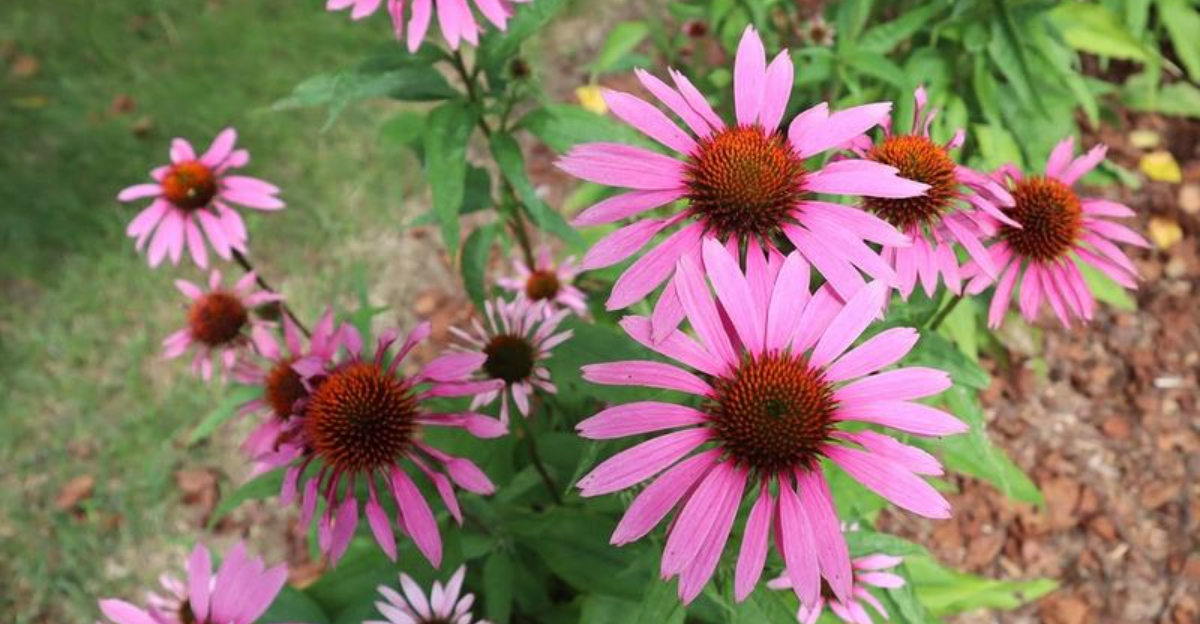
Purple coneflower wears many hats across Kansas gardens, from prairie staple to backyard showstopper.
Tough as nails and pretty as a picture, echinacea thrives through heat, wind, and wide skies.
Gardeners who value beauty with backbone find a trusted ally in this native perennial.
Beyond bright petals and bold cones, echinacea pulls double duty.
It draws pollinators like a dinner bell, steadies borders against drought, and adds year-round character.
Beds gain color, paths gain rhythm, and landscapes gain purpose.
With smart placement, echinacea supports soil health, frames views, and keeps maintenance low.
It plays well with grasses, stands tall in storms, and rewards patience season after season.
For Kansas yards that crave resilience without fuss, echinacea fits like a glove.
From curb appeal to quiet ecology, this plant turns common plots into proud spaces with heartland grit and prairie charm.
That promise holds true across towns statewide.
1. Pollinator Paradise Creator
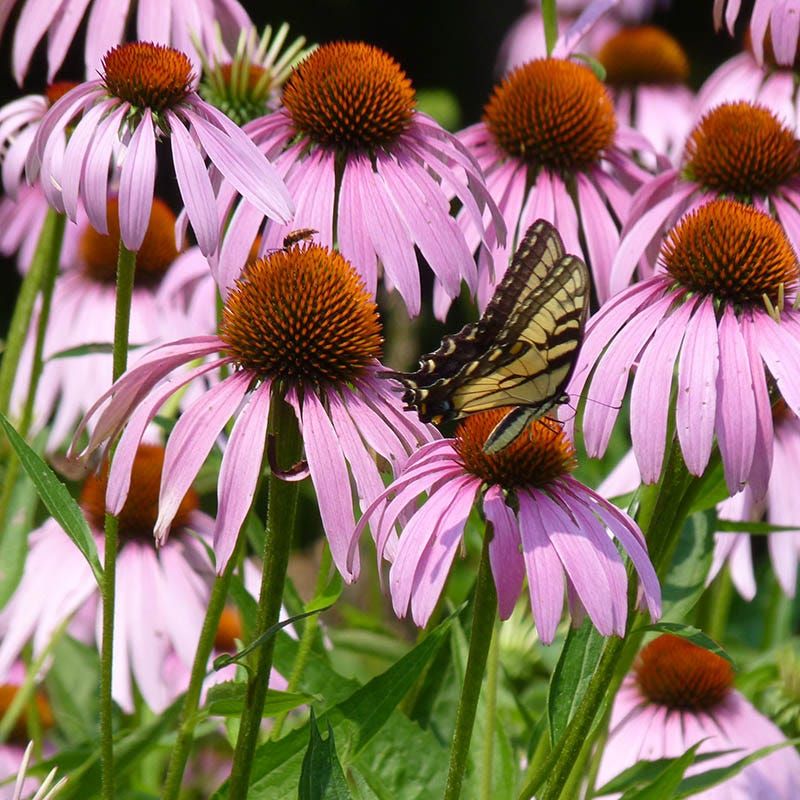
Butterflies, bees, and hummingbirds flock to echinacea like kids to an ice cream truck.
The raised cone centers overflow with nectar and pollen that hungry pollinators crave during summer months.
Goldfinches visit later in the season to snack on the seed heads.
Kansas gardens benefit enormously when you plant patches of at least five to seven plants together.
This grouping strategy makes your yard easier for pollinators to spot from far away.
Native bees especially appreciate echinacea because they evolved alongside this prairie plant for thousands of years.
Watch your garden come alive with buzzing activity from June through September.
The constant motion and color from visiting insects adds entertainment value beyond just pretty flowers.
Purple coneflowers bloom for weeks longer than many other perennials, giving pollinators reliable food when other sources dry up.
Planting echinacea supports the local ecosystem while reducing your need for chemical fertilizers since pollinators help your vegetable garden produce better too.
Your Kansas landscape becomes a vital rest stop for migrating monarch butterflies each fall.
2. Drought-Tolerant Border Star
Kansas summers test every plant with scorching heat and weeks without rain.
Echinacea laughs at drought conditions that send other flowers wilting into sad heaps.
Deep taproots dig down two feet or more to find moisture that shallow-rooted plants never reach.
Once established after the first season, these prairie natives need almost zero supplemental watering.
Use them along walkways, driveways, or property lines where dragging hoses becomes a hassle.
The upright stems grow between two and four feet tall, creating natural boundaries without fences.
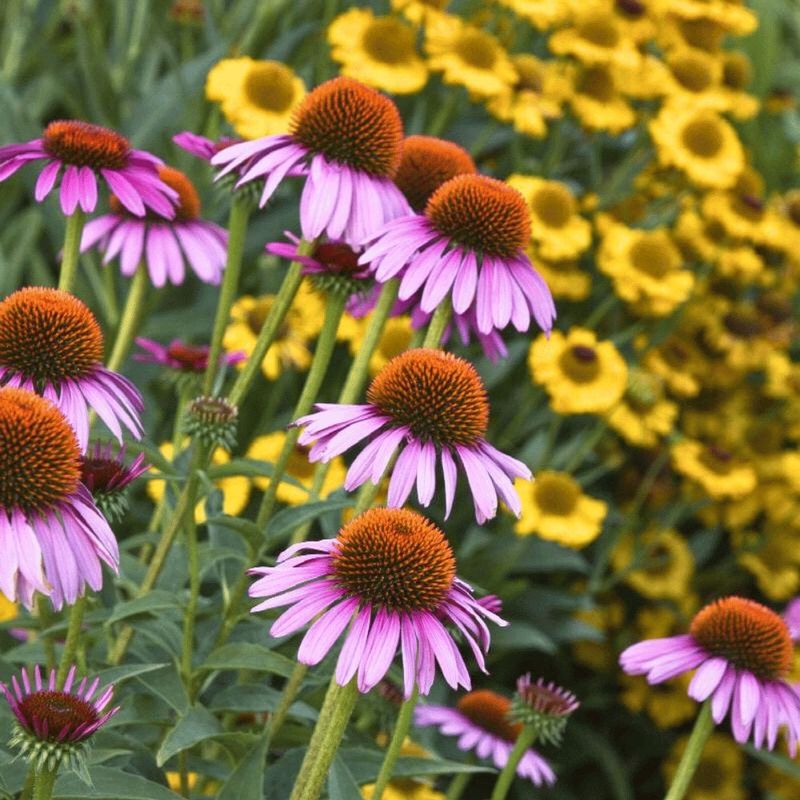
Pair echinacea with other tough Kansas plants like black-eyed Susans or ornamental grasses for borders that basically take care of themselves.
This approach saves money on water bills while giving you more free time for activities you actually enjoy.
The flowers hold their shape and color even during August heat waves that top 100 degrees.
Morning and evening light catches the petals beautifully when planted along east or west-facing borders.
Your neighbors will ask how you maintain such gorgeous edges without constant attention or sprinkler systems running daily.
3. Cut Flower Bouquet Source
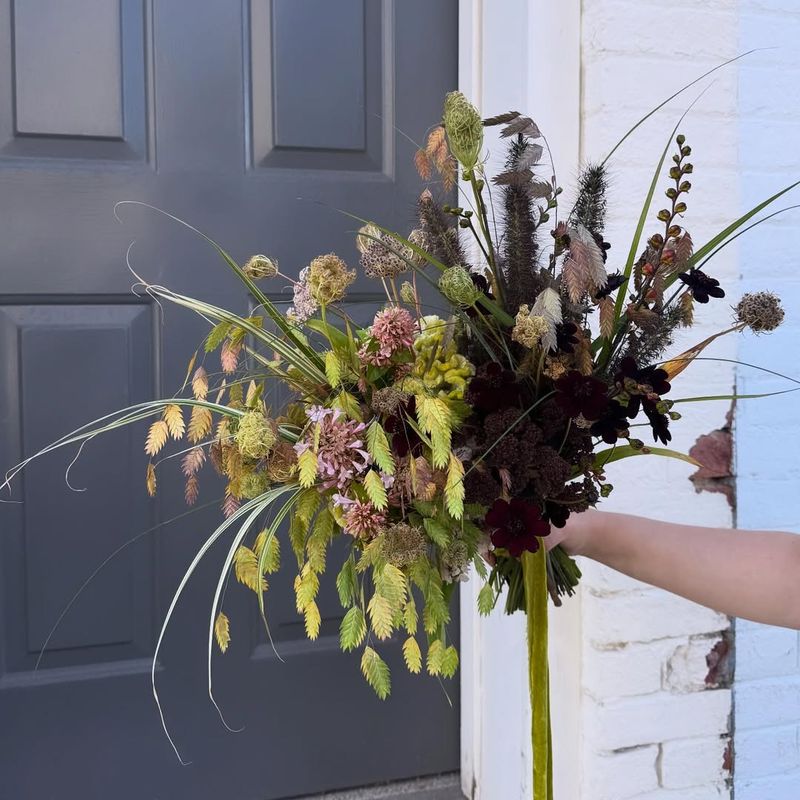
Grocery store flowers wilt within days and cost a fortune for temporary beauty.
Echinacea stems last up to two weeks in vases when you cut them at the right stage.
Snip stems early morning when flowers just open fully and plant moisture levels run highest.
The bold purple petals surrounding spiky orange centers create stunning focal points in arrangements.
Mix them with zinnias, sunflowers, or ornamental grasses from your Kansas yard for free bouquets all summer long.
Each plant produces dozens of blooms throughout the season, so cutting some for indoor enjoyment never hurts the overall display outside.
Remove lower leaves before placing stems in clean water with a bit of flower food.
Change the water every three days to prevent bacterial growth that clogs stem ends.
The sturdy stems hold up beautifully in both casual jam jars and fancy crystal vases.
Kids love helping pick flowers and arrange them as gifts for teachers or grandparents.
Growing your own cutting garden saves hundreds of dollars yearly while providing fresher, longer-lasting blooms than anything shipped from distant farms.
4. Low-Maintenance Foundation Planting
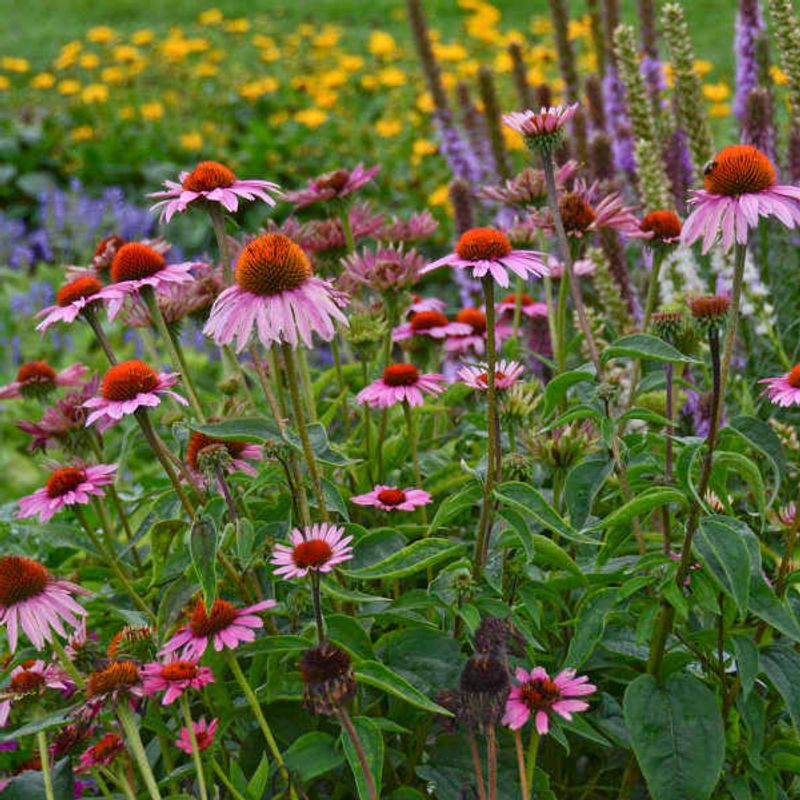
Foundation beds often become high-maintenance nightmares with picky shrubs demanding constant pruning and fertilizing.
Echinacea offers a refreshing alternative that thrives with neglect rather than fussing.
Plant them in front of taller shrubs or directly against house walls where their height adds dimension without blocking windows.
The vertical form contrasts nicely with spreading junipers or rounded boxwoods that many Kansas homeowners already have.
Unlike annuals that need replacing every spring, established echinacea returns reliably for years.
This perennial nature means you plant once and enjoy the results for a decade or longer.
The plants look tidy even when not blooming, with attractive basal foliage that stays green most of the growing season.
Space them eighteen inches apart for full coverage by the second year.
They handle reflected heat from house walls and sidewalks better than most flowering plants
Fall cleanup takes minutes since you can leave the seed heads standing for winter interest and bird food.
Your foundation beds transform from boring green blobs into colorful showcases without adding hours to your weekend chore list.
5. Wildlife Habitat Builder
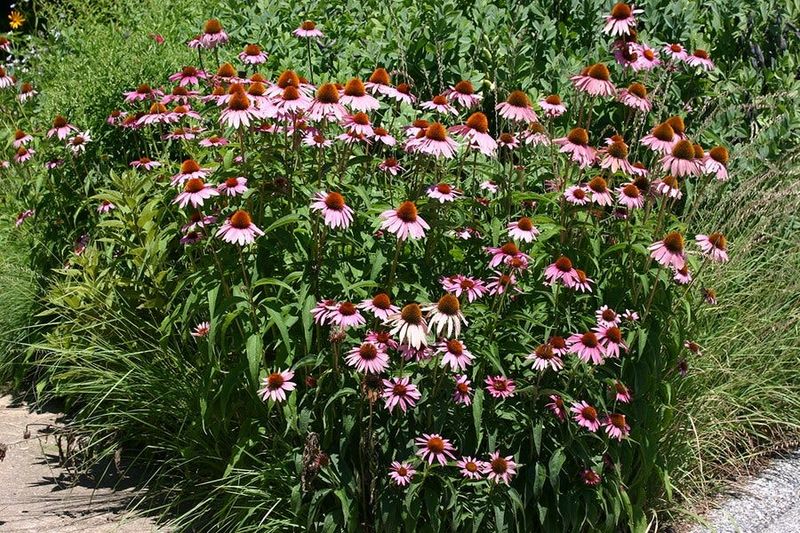
Most gardeners toss plants in the compost bin once flowers fade and leaves turn brown.
Smart Kansas gardeners leave echinacea standing through winter to feed hungry birds.
Goldfinches perform acrobatic stunts while extracting nutritious seeds from the cone-shaped heads.
Chickadees, nuthatches, and juncos also visit regularly from November through March.
The sturdy stems poke through snow, helping birds locate this reliable food source during blizzards.
Watching colorful finches cling to swaying stems provides entertainment during dreary winter months when outdoor activities slow down.
Beyond birds, the plant bases offer shelter for beneficial insects that overwinter in hollow stems and leaf litter.
These good bugs emerge in spring to eat aphids and other pests that damage garden plants.
Creating habitat with echinacea reduces your need for pesticides while supporting the natural balance of your yard ecosystem.
The architectural beauty of frost-covered seed heads adds visual interest to winter landscapes that otherwise look flat and lifeless.
Come spring, simply cut old stems to ground level and watch fresh green growth emerge within weeks.
6. Rain Garden Workhorse
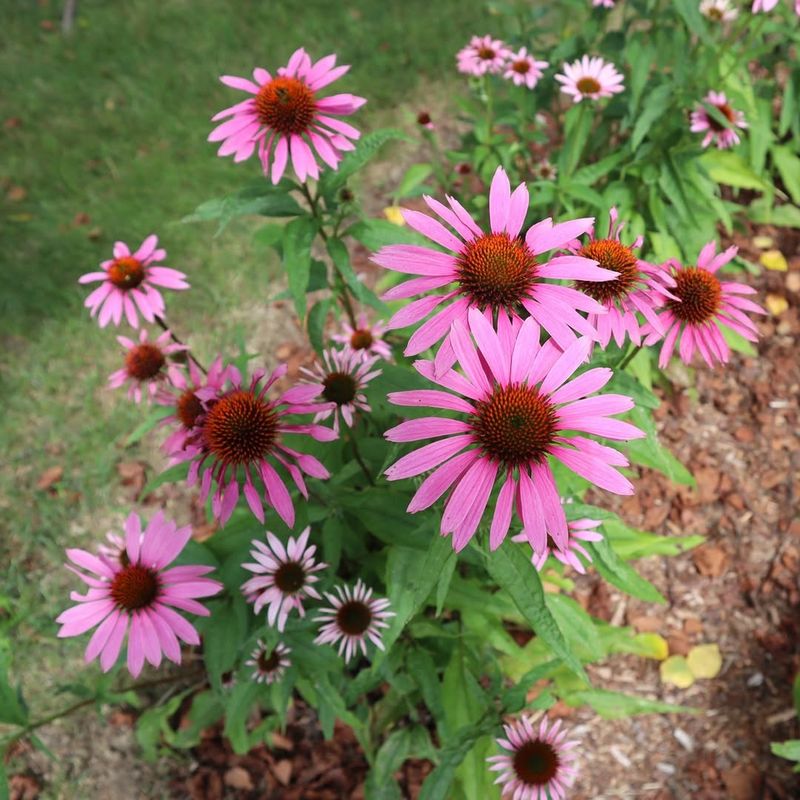
Heavy Kansas thunderstorms dump inches of rain in minutes, creating puddles that take forever to drain.
Rain gardens solve this problem by capturing runoff and filtering it naturally back into the soil.
Echinacea thrives in these spots because it tolerates both periodic flooding and dry spells between storms.
The extensive root system helps break up compacted clay soil common throughout Kansas, improving drainage over time.
Plant them alongside other prairie natives like switchgrass and little bluestem in the lowest part of your yard.
This combination creates a functional landscape feature that looks intentional rather than like a soggy problem area.
The plants filter pollutants from driveway and roof runoff before water reaches storm sewers and eventually streams.
Your simple planting choice helps protect local waterways while reducing neighborhood flooding issues.
Echinacea blooms add cheerful color to rain gardens during summer months when water levels drop and plants show off their drought tolerance.
Maintenance stays minimal since these native plants evolved to handle Kansas weather extremes without human intervention.
Municipalities often offer rebates or free plants for homeowners who install rain gardens, making this an economical landscaping choice.
7. Herbal Medicine Garden Addition
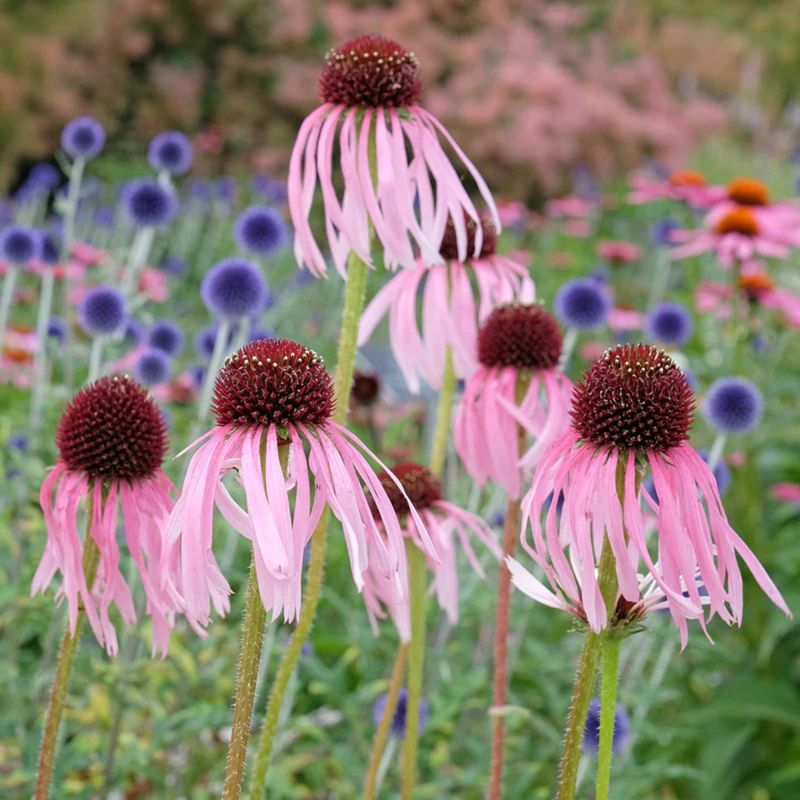
Humans have relied on echinacea for health support for hundreds of years before modern medicine existed.
Native American tribes on the Great Plains valued this plant above almost all others in their healing traditions.
Today, many Kansas gardeners grow echinacea specifically for making homemade teas, tinctures, and immune-supporting remedies.
The roots contain the highest concentration of beneficial compounds, though flowers and leaves work too.
Harvest roots from three-year-old plants in fall after flowers finish and before ground freezes solid.
Wash them thoroughly, chop into small pieces, and dry completely before storing in airtight containers.
Fresh or dried flowers make pleasant-tasting tea that many people drink during cold and flu season.
Growing your own ensures you know exactly how the plants were raised without pesticides or chemical fertilizers.
Commercial echinacea supplements cost twenty dollars or more monthly, while a small garden patch provides years of free material.
Place plants near your kitchen door alongside basil, mint, and other herbs you use regularly.
Always research proper preparation methods and consult healthcare providers before using any plant medicinally, especially if you take prescription medications.