11 Smart Uses For Mint Kentucky Gardeners Never Expected
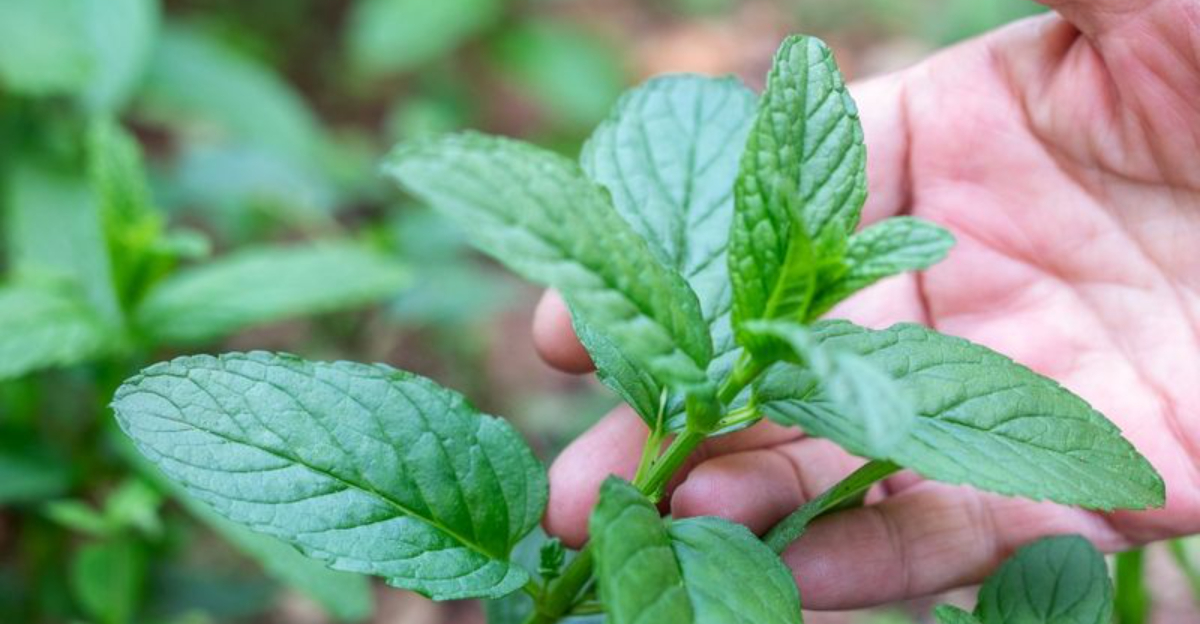
Mint has a reputation for taking over—but Kentucky gardeners are finding clever ways to put that enthusiasm to work.
Beyond tea and garnish, mint proves surprisingly useful around the home and garden.
From pest control to household cleaning and wellness uses, mint earns its space when managed wisely.
Its vigorous growth becomes an asset rather than a liability.
Once gardeners start exploring mint’s full potential, it shifts from nuisance to necessity.
With the right approach, mint becomes one of the most versatile plants you can grow.
1. Natural Groundcover In Problem Areas
Struggling with bare spots where grass refuses to grow?
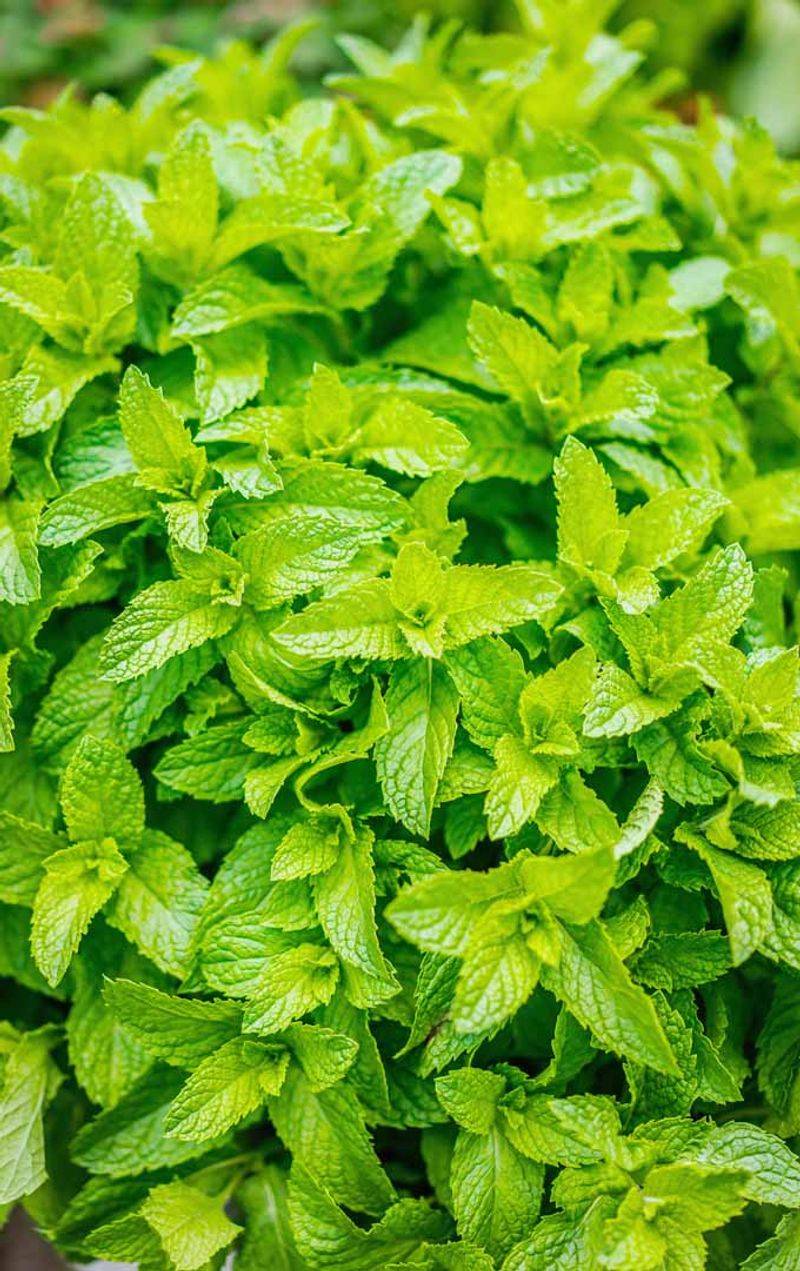
Kentucky gardeners have found that mint makes an excellent living groundcover in those tricky areas where traditional turf just won’t cooperate.
Shady corners, spots beneath trees, and low-traffic zones can benefit from mint’s aggressive spreading habit when properly contained.
The key is creating physical barriers like buried edging, raised beds, or designated planting zones that prevent mint from invading the rest of your landscape.
Root barriers made from plastic or metal sheeting sunk at least twelve inches deep work wonders for keeping mint exactly where you want it.
Once established in these problem areas, mint forms a lush, fragrant carpet that requires minimal maintenance and stays green throughout Kentucky’s growing season.
It tolerates both sun and partial shade, making it adaptable to various challenging locations around your property.
The dense foliage also helps suppress weeds naturally, reducing the need for constant weeding in difficult spots.
Many gardeners appreciate that mint groundcover releases pleasant fragrance when walked on occasionally, adding a sensory element to the garden.
Just remember that containment is essential—mint’s enthusiasm for spreading is both its greatest strength and its biggest challenge.
With thoughtful planning and proper barriers, this herb transforms frustrating bare patches into productive, attractive green spaces.
2. Pollinator Support In Late Summer
When August rolls around and many garden flowers start fading, mint steps up to provide crucial nectar sources for pollinators.
Kentucky’s late summer can be tough on bees, butterflies, and beneficial insects as blooms become scarce and temperatures remain high.
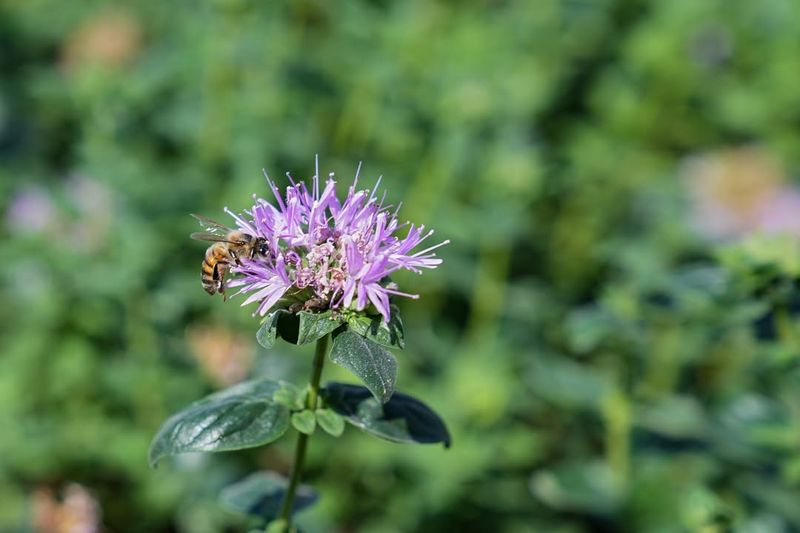
Mint plants allowed to flower produce small but abundant blossoms that attract impressive numbers of pollinators during this critical period.
The tiny purple, pink, or white flowers appear in whorls along the stems and emit a subtle fragrance that draws insects from across your garden.
Honeybees particularly love mint blooms, visiting them repeatedly throughout the day to gather nectar and pollen.
You’ll also spot native bees, syrphid flies, and various butterfly species taking advantage of this reliable food source.
Allowing at least some of your mint to flower benefits the broader ecosystem while still leaving plenty of leaves for your own harvest.
Many gardeners designate one section of their mint planting specifically for pollinator support, letting those plants bloom freely.
The flowering period extends for several weeks, providing consistent resources when pollinators need them most.
This approach supports biodiversity in your garden while maintaining the herb’s usefulness for culinary and household purposes.
It’s a simple way to contribute to pollinator health without planting additional species or expanding your garden footprint.
Watching the activity around blooming mint reminds us that every plant plays multiple roles in a healthy garden ecosystem.
3. Natural Pest Deterrent Near Outdoor Seating
Kentucky summers bring wonderful weather for outdoor relaxation, but they also invite unwelcome mosquitoes and flies to the party.
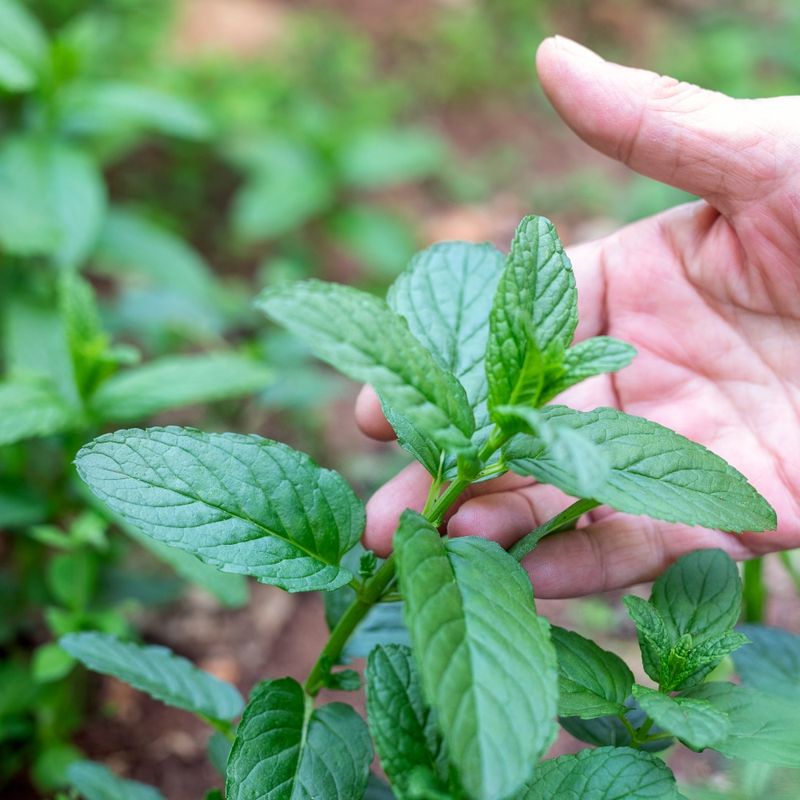
Gardeners have discovered that placing potted mint near patios, porches, and seating areas helps create a more pleasant outdoor environment.
The strong aromatic oils in mint foliage naturally discourage many flying insects from lingering in the immediate area.
While not a complete solution, strategically positioned mint containers add an extra layer of comfort to outdoor spaces during humid evenings.
Choose large pots or planters that allow mint to grow vigorously, increasing the concentration of fragrance around your seating.
Brushing against the plants or gently crushing a few leaves releases even more of the essential oils that insects find unappealing.
This approach works especially well when combined with other sensible practices like removing standing water and using fans to create air movement.
Container growing also keeps mint completely under control, preventing any possibility of it spreading into flower beds or lawn areas.
You can move the pots to wherever you’re spending time outdoors, whether that’s a dining area, lounge chairs, or a fire pit gathering spot.
Many gardeners appreciate the dual benefit of having fresh mint readily available for drinks and recipes right where they entertain.
The lush green foliage adds attractive texture to outdoor décor while serving this practical purpose.
It’s a simple, chemical-free strategy that enhances comfort without compromising the natural feel of your outdoor living space.
4. Fresh Leaves For Homemade Herbal Teas
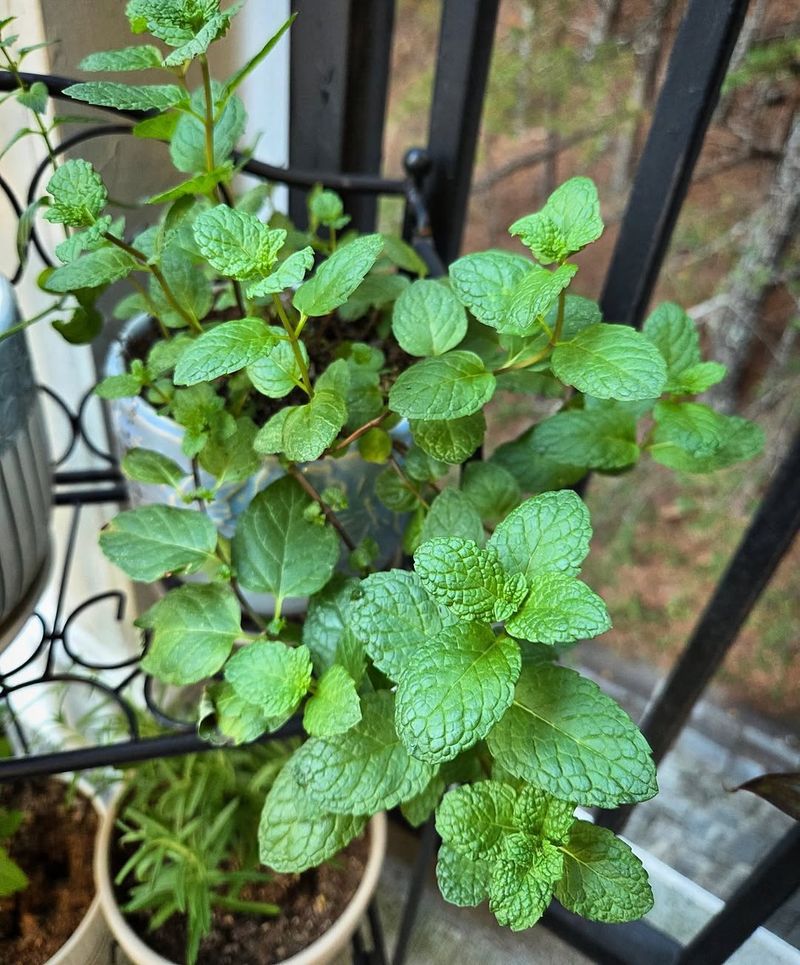
Kentucky gardeners treasure mint for creating simple, flavorful herbal teas that bring garden-fresh taste to any season.
Harvesting a handful of leaves takes just moments, and steeping them in hot water produces a naturally caffeine-free beverage with bright, clean flavor.
The process couldn’t be easier—rinse the leaves, place them in a mug or teapot, pour boiling water over them, and let steep for five to seven minutes.
Fresh mint tea offers a completely different experience from store-bought tea bags, with vibrant flavor and aroma that reflects your garden’s character.
Different mint varieties bring unique flavor profiles, from the cool sharpness of peppermint to the gentler sweetness of spearmint.
Many families develop their own traditions around mint tea, enjoying it hot on chilly mornings or iced during summer afternoons.
The act of stepping into the garden to gather leaves connects you directly to what you’re consuming, creating mindfulness around simple daily rituals.
Fresh mint tea pairs beautifully with honey, lemon, or a combination of both, allowing endless customization to suit personal preferences.
Some gardeners blend mint with other herbs from their garden like lemon balm or chamomile for more complex flavor combinations.
Having abundant mint available means you can be generous with your harvest, using plenty of leaves for full-bodied flavor.
This use alone justifies growing mint for many Kentucky households who appreciate quality beverages made from ingredients they’ve nurtured themselves.
It’s a small luxury that costs nothing once plants are established and delivers satisfaction with every cup.
5. Flavoring Water And Summer Drinks
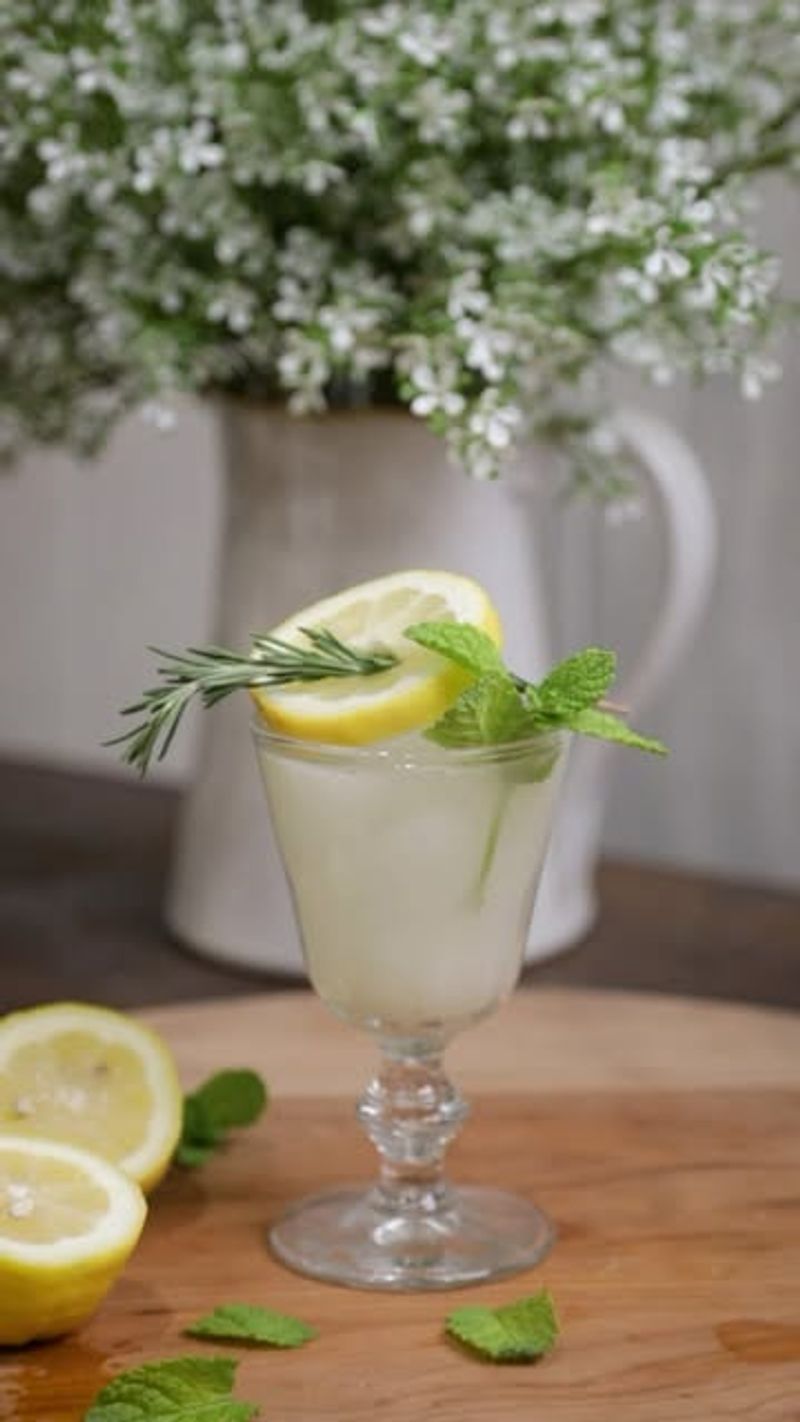
Staying hydrated during Kentucky’s hot summers becomes more appealing when water gets a flavor boost from garden-fresh mint.
Simply adding a few sprigs to a pitcher transforms plain water into a refreshing beverage that encourages everyone to drink more throughout the day.
The subtle mint flavor infuses gradually, creating a light, pleasant taste without any sweeteners or artificial ingredients.
This approach works beautifully for lemonade, iced tea, fruit-infused waters, and countless other summer beverages that benefit from herbal brightness.
Mint pairs especially well with cucumber, lemon, lime, strawberries, and watermelon in various flavor combinations.
Many gardeners keep a dedicated pitcher in the refrigerator throughout summer, refreshing it daily with new mint sprigs and cold water.
Children often find mint-flavored water more interesting than plain, making hydration easier for families during outdoor play and activities.
The visual appeal of mint leaves floating in a clear pitcher adds an inviting touch to any table or outdoor gathering.
Guests always appreciate the thoughtful detail of fresh herbs in beverages, and mint makes this gesture effortless when growing abundantly in your garden.
You can muddle the leaves gently before adding them to release more flavor, or leave them whole for a gentler infusion.
This use consumes significant quantities of mint without any waste, making it perfect for gardeners dealing with vigorous growth.
It’s one of those simple practices that elevates everyday life while taking full advantage of what your garden produces so generously.
6. Companion Planting Around Vegetables
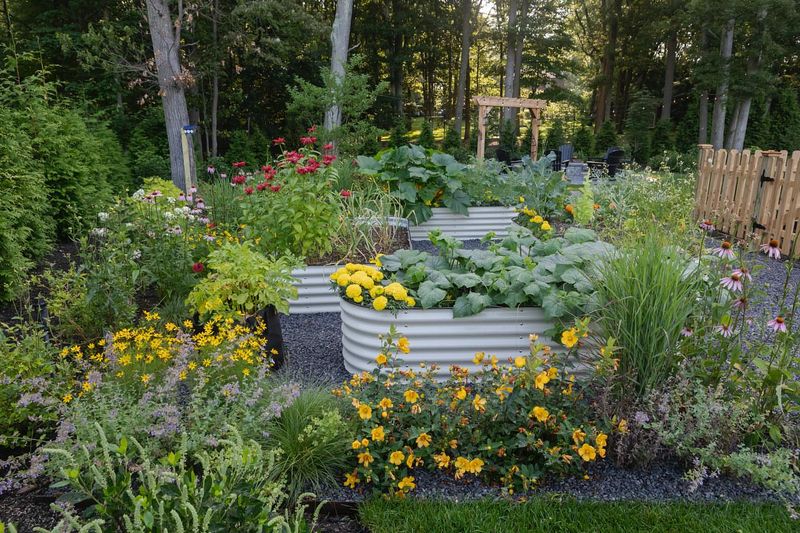
Smart Kentucky vegetable gardeners use mint as a companion plant, but they keep it safely contained in pots rather than planting it directly in garden beds.
Positioning mint containers near vegetables like tomatoes, cabbage, and peppers may help discourage certain pests without the risk of mint roots invading your growing space.
The strong scent can confuse or repel some insects that would otherwise target your vegetable crops.
Keeping mint in pots gives you complete control, allowing you to move containers as needed throughout the growing season.
You can place them at bed corners, near entrances, or anywhere you’ve noticed pest pressure in previous years.
This strategy works particularly well in raised bed gardens where you can tuck pots between boxes or along pathways.
The containers themselves add vertical interest and texture to the vegetable garden while serving this practical purpose.
Many gardeners use attractive ceramic or terracotta pots that complement their garden’s aesthetic while housing vigorous mint plants.
Remember that mint needs consistent moisture, so potted plants near vegetables benefit from the same regular watering schedule you’re already maintaining.
The approach demonstrates how aggressive plants can still play valuable roles when their growth is thoughtfully managed.
Some gardeners rotate their mint pots to different locations each season, observing which placements seem most effective.
This method combines pest management strategy with the satisfaction of using herbs from your own garden in multiple ways.
It’s an excellent example of working with a plant’s natural characteristics rather than fighting against them.
7. Homemade Mint Sugar Or Syrup
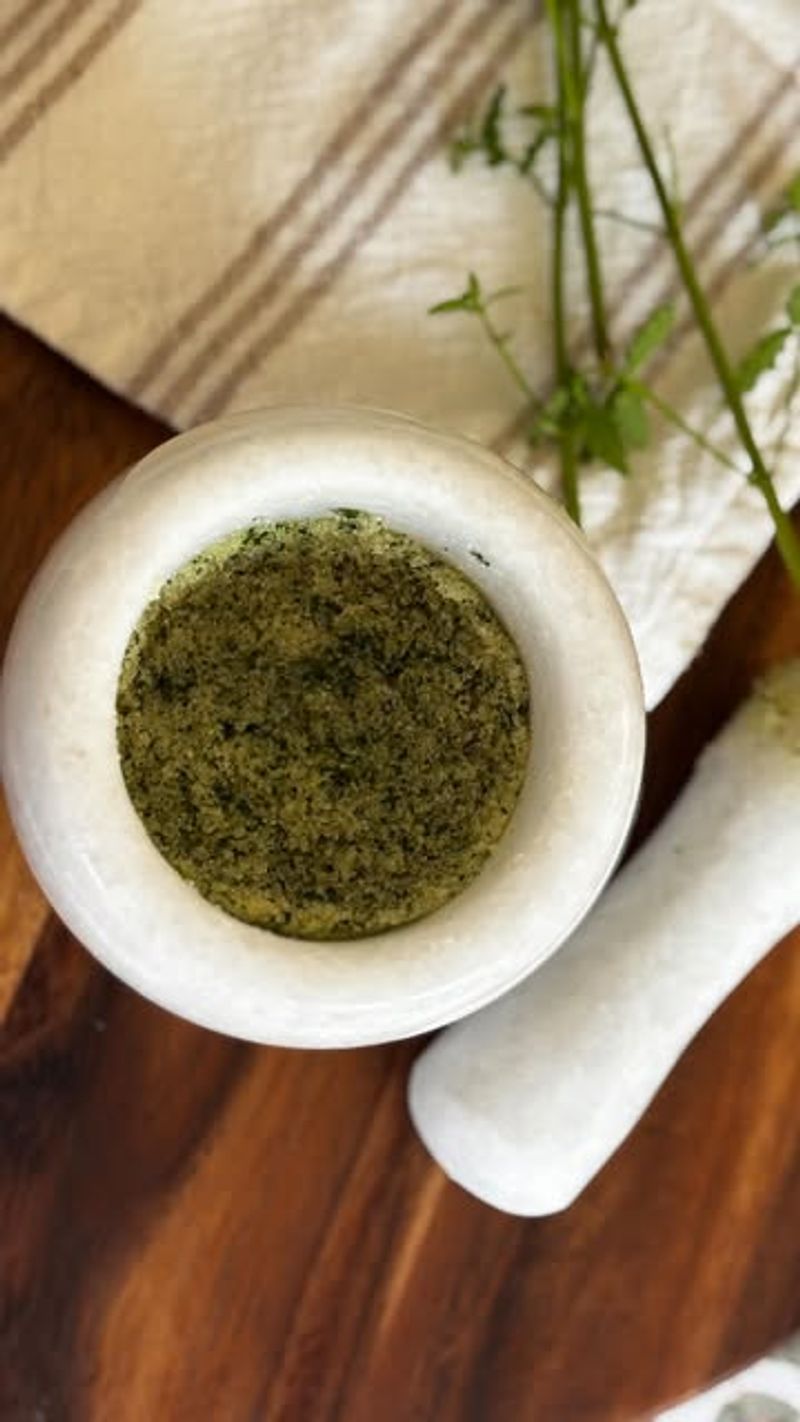
Kentucky gardeners extend their mint harvest by creating infused sugar and simple syrup that preserve the herb’s flavor for months.
Mint sugar is incredibly easy to make—just layer fresh leaves with granulated sugar in a food processor and pulse until the leaves are finely distributed.
The sugar takes on a beautiful pale green color and fresh mint flavor that enhances baked goods, sprinkled on cookies, or stirred into coffee and tea.
Stored in an airtight container, mint sugar keeps for several months, bringing garden freshness to your kitchen long after harvest ends.
Mint syrup requires simmering equal parts sugar and water with fresh mint leaves, then straining and storing the resulting liquid.
This versatile syrup sweetens beverages, gets drizzled over fruit or desserts, and adds sophisticated flavor to cocktails and mocktails.
Both preparations use abundant quantities of mint, which is perfect when plants are producing more than you can use fresh.
They also make wonderful homemade gifts that showcase your gardening efforts in a practical, appreciated form.
Friends and family love receiving these handmade treats that carry the essence of your garden into their own kitchens.
The process of making these infusions connects you to traditional food preservation methods while being simple enough for beginning cooks.
Many Kentucky households keep both mint sugar and syrup on hand throughout the year, finding countless uses for these flavorful additions.
It’s a creative way to capture peak-season abundance and distribute it across many months of enjoyment.
8. Drying Mint For Winter Storage
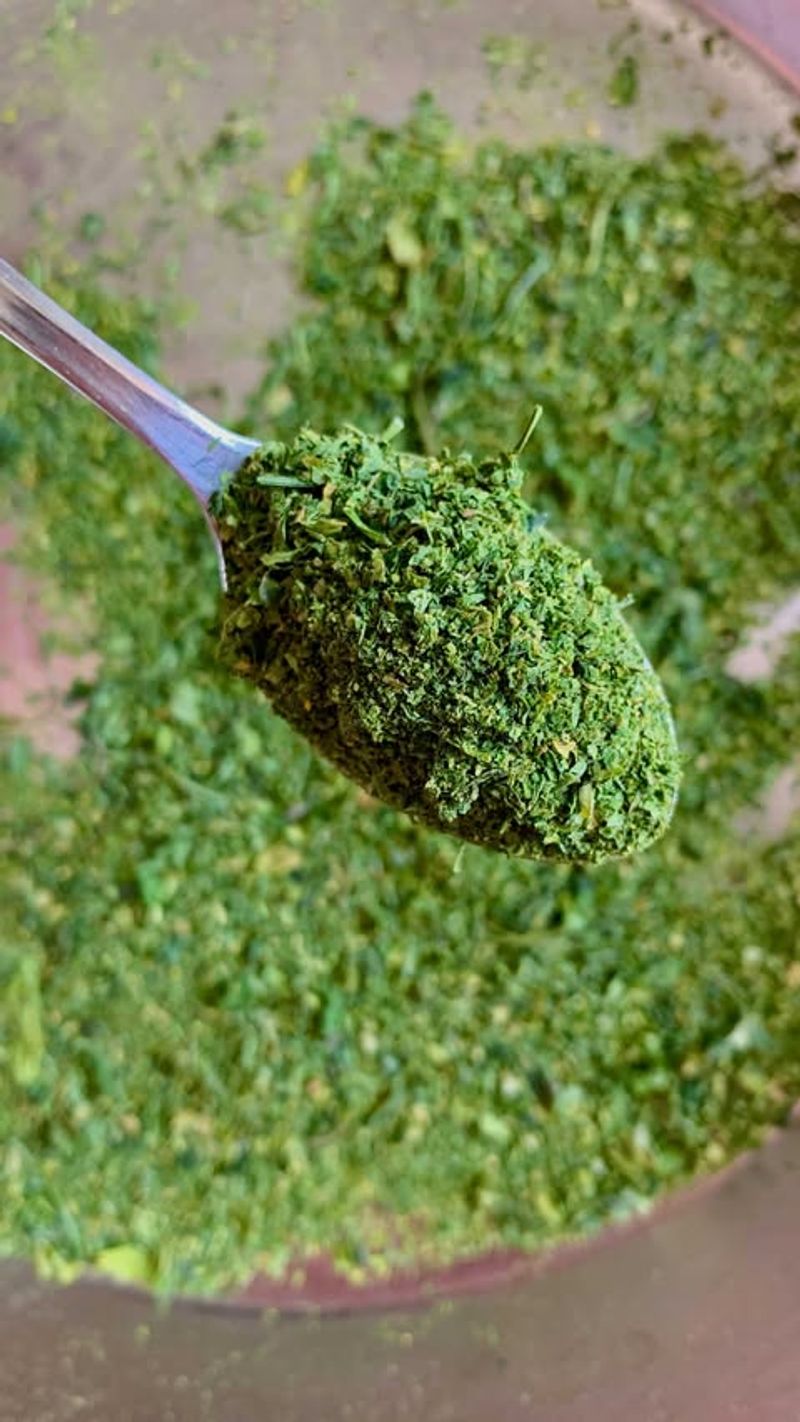
When cold weather approaches and Kentucky gardens prepare for dormancy, smart gardeners preserve their mint harvest through simple air-drying techniques.
Cutting stems before the first frost and bundling them with string or rubber bands creates neat bunches that hang upside down in a warm, dry location.
Attics, pantries, mudrooms, and even spare bedrooms work perfectly for this traditional preservation method.
The drying process takes one to two weeks depending on humidity levels and air circulation in your chosen space.
You’ll know mint is fully dry when leaves crumble easily between your fingers and stems snap rather than bend.
Once completely dry, strip the leaves from stems and store them in airtight glass jars away from direct light.
Properly dried mint retains flavor for six months to a year, providing homegrown herbs throughout winter when fresh garden produce is just a memory.
The dried leaves work beautifully in teas, seasoning blends, and recipes that call for mint throughout the colder months.
Many gardeners find the bundles themselves attractive, leaving them hanging as rustic kitchen or pantry décor until needed.
This preservation method requires no special equipment or energy consumption, making it accessible to everyone regardless of kitchen setup.
It connects us to centuries of food preservation tradition while ensuring nothing from the garden goes to waste.
The satisfaction of reaching for your own dried mint in January, knowing it came from your summer garden, is genuinely special.
9. Natural Garden Scent Along Walkways
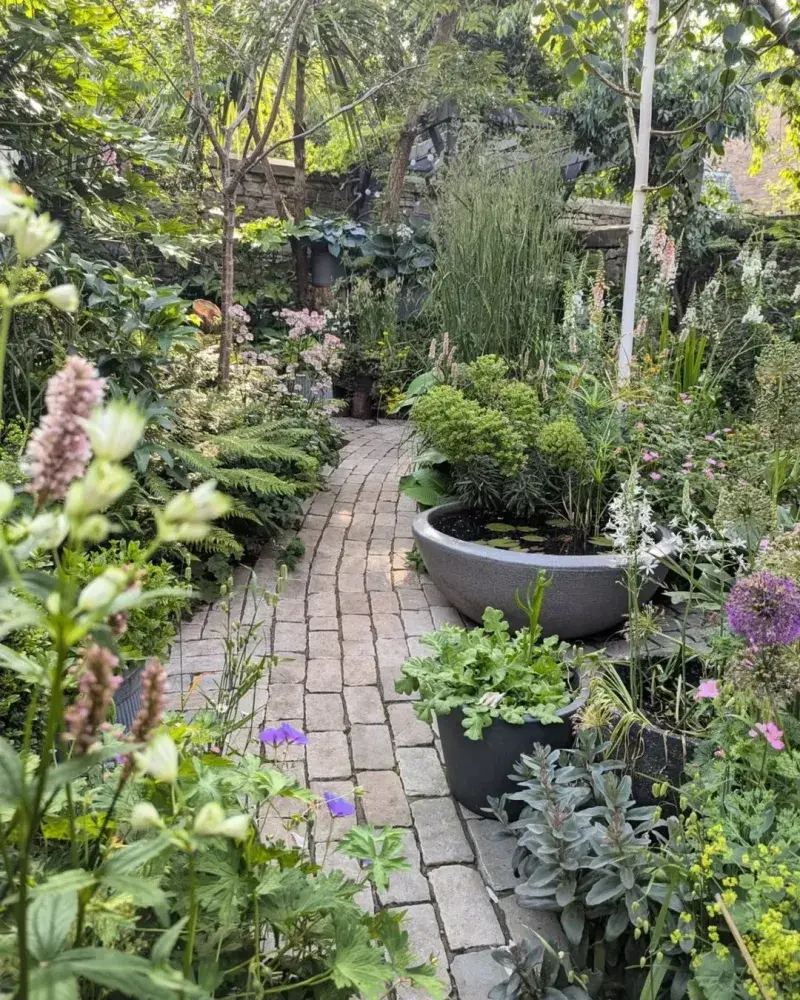
Kentucky gardeners create sensory experiences by planting mint in contained beds along garden paths where passersby naturally brush against the foliage.
The slightest contact releases mint’s essential oils, filling the air with refreshing fragrance that enhances every walk through the garden.
This approach works especially well along narrow paths, near seating areas, or anywhere people naturally move through your landscape.
Installing edging or barriers beneath the soil surface keeps mint from spreading into adjacent areas while allowing lush growth within its designated space.
The fragrance release is subtle and pleasant rather than overwhelming, creating a gentle sensory layer that visitors often notice without immediately identifying the source.
Many people find mint’s clean, cool scent uplifting and energizing, making it perfect for paths you use frequently throughout the day.
The plants themselves provide attractive texture with their varied leaf shapes and shades of green, contributing visually even when not releasing fragrance.
This use is particularly effective in herb gardens, cottage-style landscapes, and anywhere you want to emphasize the interactive nature of plants.
Children especially enjoy paths lined with aromatic plants, often deliberately brushing against them to release the scent.
The strategy demonstrates how thoughtful plant placement can engage multiple senses rather than relying solely on visual appeal.
Maintenance involves occasional trimming to keep plants within bounds and looking tidy along the path edges.
It’s a simple design choice that transforms ordinary walkways into engaging garden experiences that people remember long after their visit.
10. DIY Mint-Based Cleaning Solutions
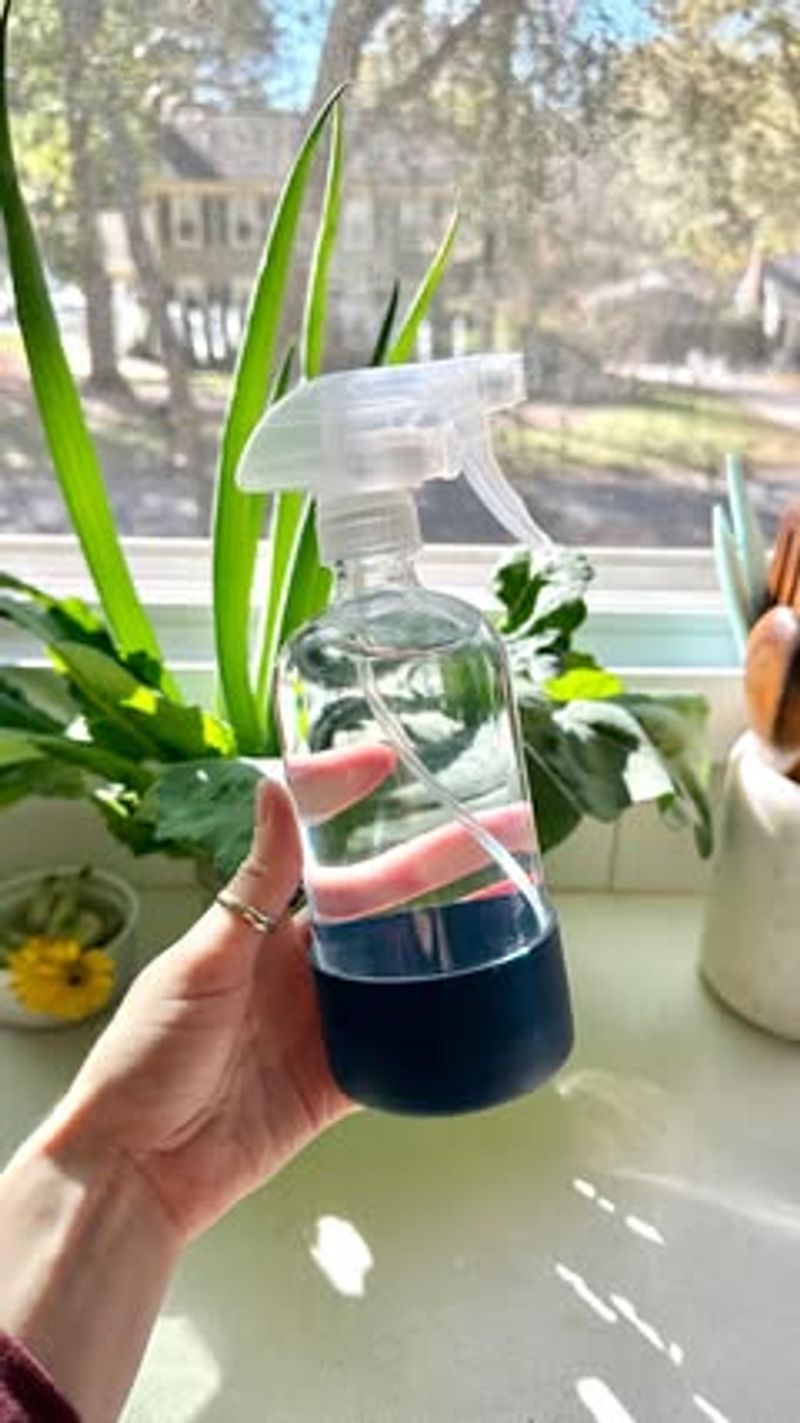
Resourceful Kentucky gardeners infuse mint into simple homemade cleaning solutions that bring fresh scent to household cleaning routines.
Steeping mint leaves in white vinegar for a week or two creates a pleasantly scented base for all-purpose cleaning sprays.
After straining out the leaves, the infused vinegar can be diluted with water and used for wiping counters, cleaning glass, and general household tasks.
The mint fragrance helps mask vinegar’s sharp smell while adding a fresh, clean scent to your home.
Some gardeners add mint to water and a small amount of dish soap for mopping floors, leaving rooms smelling naturally pleasant.
These solutions work for scenting rather than disinfecting, providing a chemical-free way to make cleaning more enjoyable.
Using herbs from your garden in cleaning products connects household tasks to your outdoor growing efforts in unexpected ways.
It’s especially satisfying when mint is producing abundantly and you’re looking for additional ways to use the harvest.
The process requires no special skills or expensive ingredients—just patience while the mint infuses into the liquid base.
Many people prefer these gentle, naturally scented cleaners to commercial products with artificial fragrances.
Children can help harvest mint and create these solutions, making it an educational family activity that teaches resourcefulness.
Homemade mint cleaning solutions also make thoughtful gifts when packaged in attractive spray bottles with simple labels explaining their use and ingredients.
11. Teaching Plant Management And Responsibility
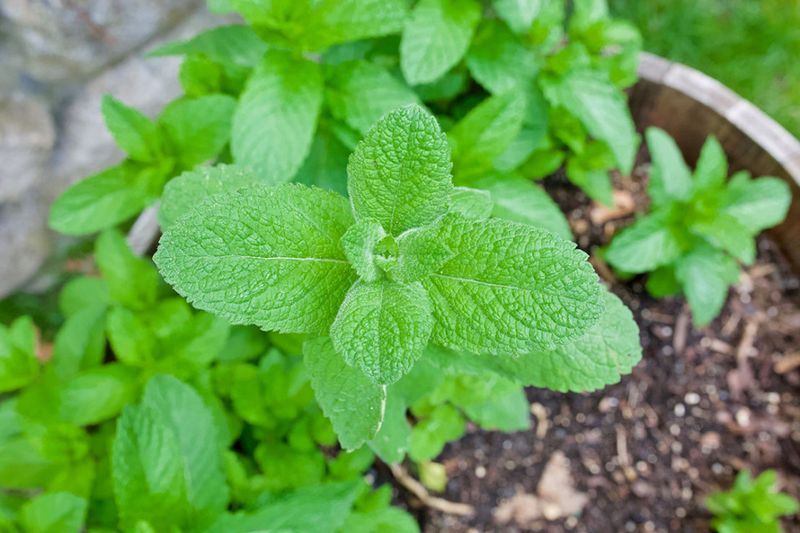
Perhaps mint’s most valuable lesson comes from teaching gardeners essential skills in plant management, containment, and responsible growing practices.
Working with this vigorous herb demonstrates clearly how some plants require boundaries and regular attention to prevent them from overwhelming garden spaces.
Beginning gardeners learn firsthand about root systems, spreading habits, and the importance of choosing appropriate locations for different plant types.
Successfully growing mint in containers or defined spaces builds confidence in managing other potentially aggressive plants like bamboo, ornamental grasses, or spreading perennials.
The plant provides immediate, visible feedback about what happens when containment fails, making the lessons memorable without causing permanent damage.
Regular harvesting teaches the value of using what you grow, connecting cultivation directly to consumption in practical ways.
Families often use mint as a starter plant for children learning gardening basics because it grows reliably, tolerates mistakes, and produces useful results.
The experience of controlling rather than fighting a plant’s natural tendencies develops problem-solving skills that apply throughout gardening.
Many experienced gardeners credit mint with teaching them to research plants thoroughly before adding them to their landscapes.
It demonstrates that vigorous growth isn’t inherently bad—it just requires appropriate management strategies.
These lessons extend beyond gardening into broader understanding about working with natural systems rather than against them.
Mint becomes a teacher that keeps giving lessons season after season, making it far more valuable than its practical uses alone might suggest.