8 Smart Watering Tips To Keep Fruit Trees Thriving In Arizona
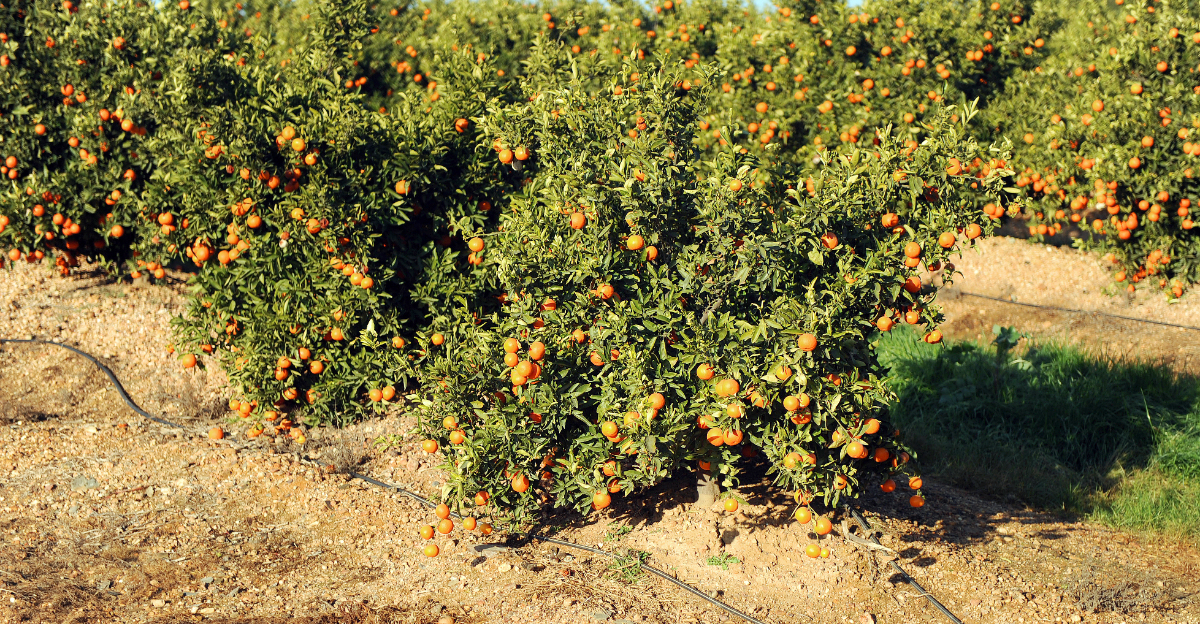
Fruit trees can grow surprisingly well in Arizona, but watering them the right way often makes the difference between a tree that struggles and one that produces healthy fruit year after year.
The desert climate brings intense sun, dry air, and long stretches without rain, which means fruit trees depend heavily on how and when they are watered.
Many gardeners assume more water solves the problem, but that approach can sometimes do more harm than good. Fruit trees actually thrive when watering is deep, consistent, and timed to match Arizona’s conditions.
Once a few smart watering habits are in place, trees often respond quickly. Leaves stay healthier, roots grow stronger, and the tree handles heat much better during the toughest months.
These simple watering tips can help fruit trees stay productive while using water more wisely in Arizona’s demanding climate.
1. Water Early In The Morning To Reduce Evaporation
Arizona mornings have a short window of mercy before the heat takes over. Watering between 5 and 8 a.m. means your trees get the moisture they need before the sun starts burning it straight off the soil surface.
Evaporation rates in places like Phoenix and Tucson are some of the highest in the country. Watering at noon on a summer day can lose a significant portion of moisture before it even reaches the roots.
Morning watering wastes far less water and delivers far more benefit.
Another bonus of early morning watering is that leaves have time to dry out before temperatures peak. Wet foliage sitting in intense afternoon heat can lead to scorching, and fungal problems can sneak in when moisture lingers overnight on leaves.
If early morning doesn’t fit your schedule, late evening is the next best option. Just avoid watering in the middle of the day when Arizona’s sun is at full intensity.
That’s when evaporation is fastest and water efficiency drops sharply.
Setting up a simple timer on your irrigation system takes the guesswork out of it completely. Program it to run before sunrise and you’ll never have to think about timing again.
Consistent morning watering is one of the simplest habits that pays off big for Arizona fruit trees.
2. Water Deeply So Roots Grow Stronger And More Resilient
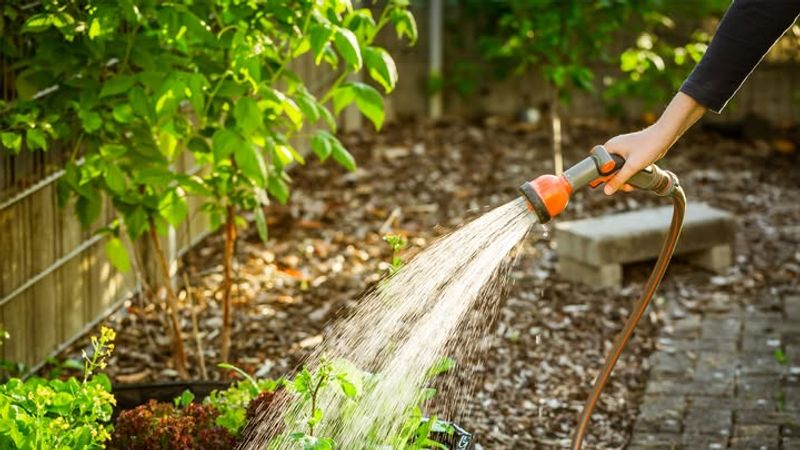
Shallow puddles at the surface won’t cut it in Arizona. Fruit trees need water pushed deep into the ground so roots have a real reason to grow downward, where soil stays cooler and moisture lasts longer between watering sessions.
When roots stay near the surface, trees struggle more during heat waves. A deep root system acts like an anchor, pulling moisture from lower soil layers even when the top few inches dry out fast, which happens constantly in Arizona summers.
Aim to water slowly enough that moisture soaks down at least 18 to 24 inches. Running water too fast causes runoff, especially on compacted desert soil where water beads up rather than sinking in.
Slow and steady always wins here.
A simple test: push a long screwdriver or metal rod into the soil after watering. If it slides down 18 inches without much resistance, you’re hitting the right depth.
If it stops at 6 inches, your trees aren’t getting nearly enough penetration.
For most fruit trees in Arizona, deep watering every 7 to 14 days during summer keeps roots healthy without drowning them. Young trees may need more frequent sessions, but the depth goal stays the same from the start.
Drip systems or slow hose watering work especially well because they allow moisture to sink in gradually instead of running off the surface.
Over time, this deep watering approach helps fruit trees stay stronger, more stable, and far better prepared for Arizona’s intense summer heat.
3. Adjust Watering As Temperatures Rise In Spring And Summer
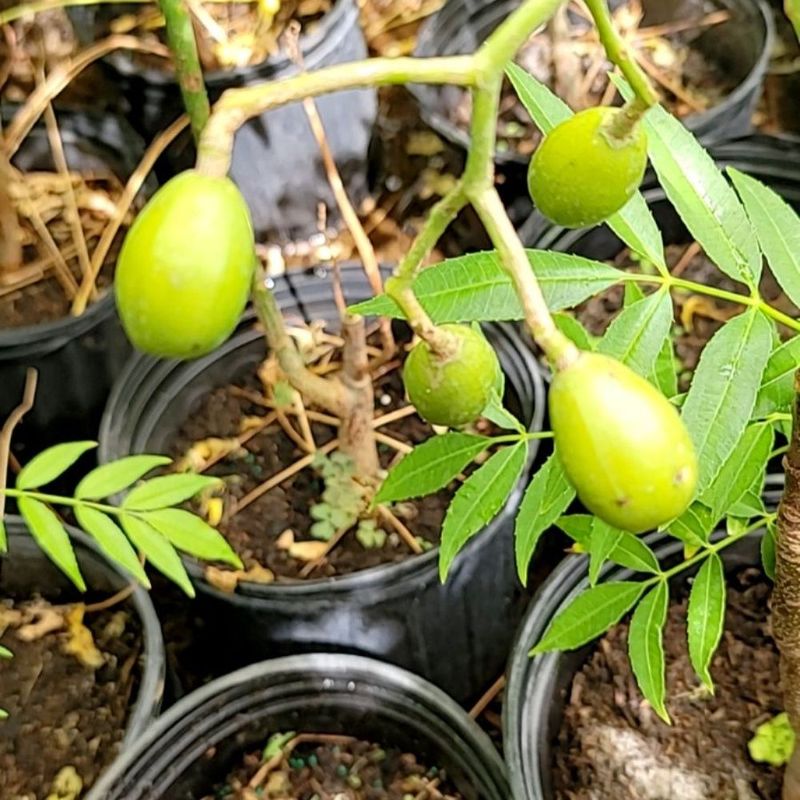
A watering schedule that worked fine in February will absolutely fall short by June in Arizona. Temperatures swing dramatically here across seasons, and fruit trees need more water as heat climbs, not the same flat amount all year.
Spring is when many Arizona gardeners get caught off guard. Trees are actively growing, blooming, and setting fruit right as temperatures start their quick climb toward triple digits.
Water demand spikes fast during this stretch, and trees show stress quickly if watering doesn’t keep pace.
By the time July rolls around and monsoon humidity kicks in, you may actually need to pull back slightly on irrigation depending on rainfall.
But from May through early July, before monsoons arrive, trees are under serious heat pressure and need consistent, reliable moisture.
A good rule of thumb: check your trees every couple of weeks in spring and summer and look for signs of stress. Wilting leaves in the early morning, before the heat hits, usually signal that roots are running dry between watering sessions.
Adjust your irrigation controller at least four times a year to match Arizona’s seasonal shifts. Set it lower in winter, ramp it up through spring, hit the highest frequency in early summer, then dial back slightly once monsoon rains begin contributing.
Staying flexible with your schedule makes a real difference for fruit tree health.
4. Use Mulch To Help Soil Hold Moisture Longer
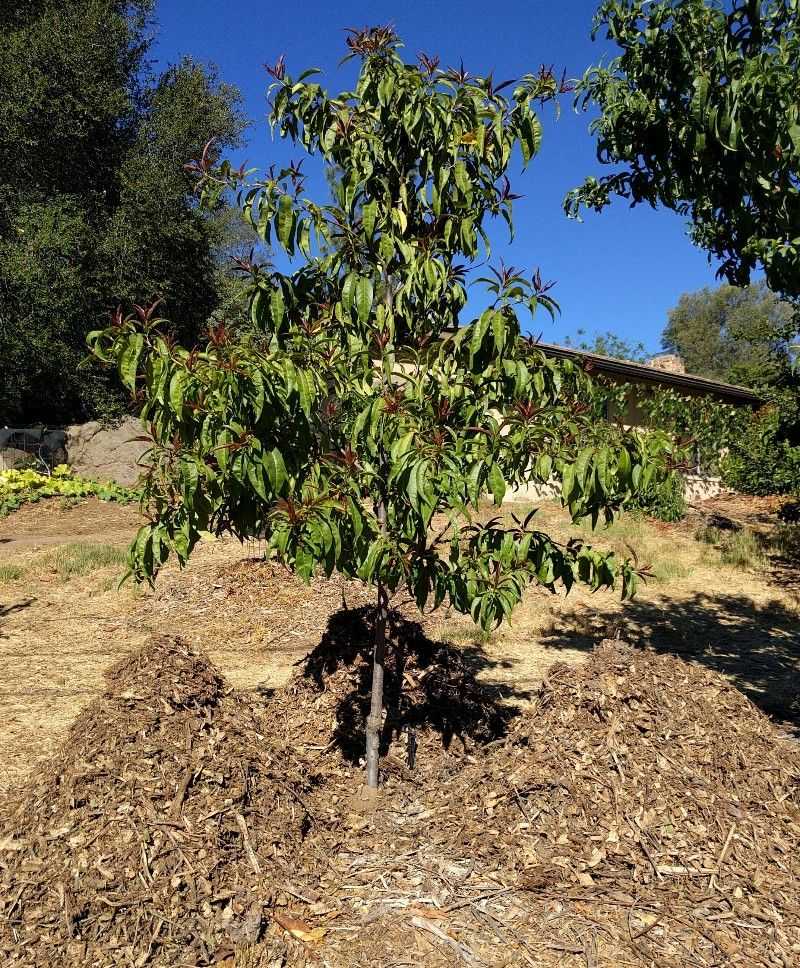
Bare desert soil bakes hard under Arizona’s sun, and moisture disappears from it at an alarming rate. Mulch acts like a blanket over the soil, slowing evaporation and keeping root zones cooler during the hottest months of the year.
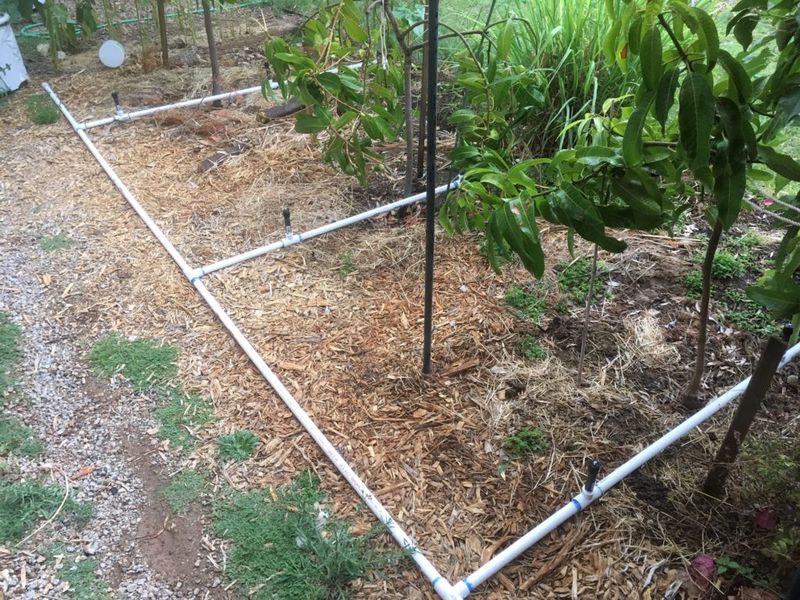
A 3 to 4 inch layer of organic mulch spread around the base of your fruit trees can cut down how often you need to water significantly. Wood chips, straw, and shredded bark all work well.
Avoid piling mulch directly against the tree trunk, though, as that traps moisture right against the bark and causes problems.
Keep mulch pulled back a few inches from the trunk, then spread it out to the drip line of the tree if possible. That’s the area where feeder roots are most active, and keeping that zone shaded and cool helps roots absorb water more efficiently.
In Arizona, soil temperatures under the mulch can be 10 to 15 degrees cooler than bare soil nearby. For fruit trees working hard to stay hydrated in summer heat, that temperature difference is genuinely helpful and reduces overall water stress on the tree.
Refresh your mulch layer once or twice a year as it breaks down. Decomposed mulch adds organic matter to Arizona’s typically thin desert soil, which improves water retention over time and feeds the soil ecosystem that supports healthy root growth.
5. Focus Water Around The Root Zone Instead Of The Trunk
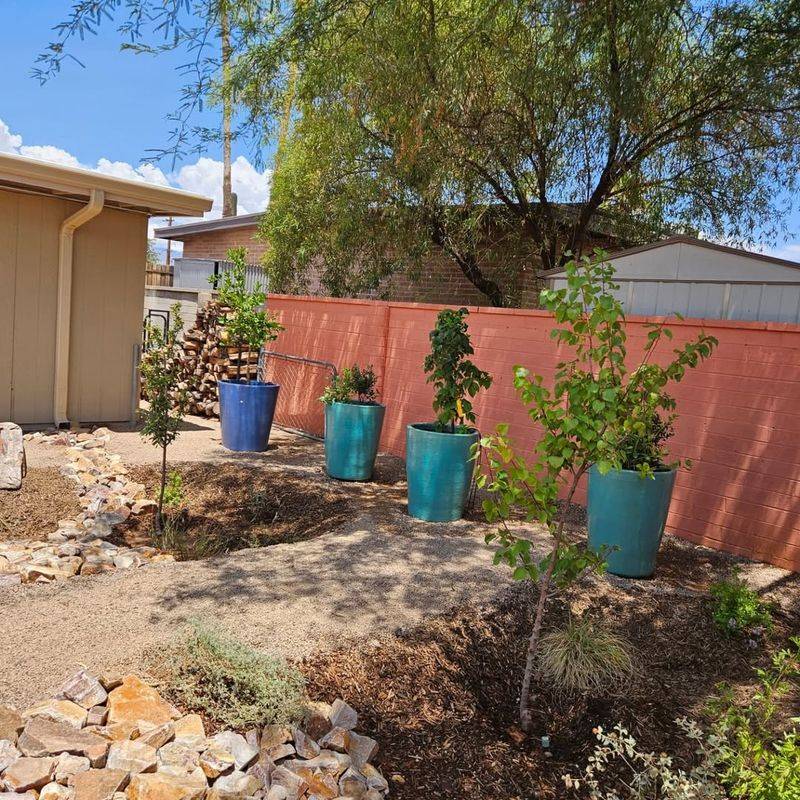
Pouring water right at the trunk is one of the most common mistakes Arizona fruit tree growers make. Roots don’t sit directly under the trunk.
They spread outward, often as wide as the canopy or wider, and that’s where water needs to land.
The feeder roots responsible for absorbing water and nutrients are located toward the outer edges of the root system. Watering at the trunk puts moisture in a zone where roots are mostly structural, not actively drinking.
You end up wasting water while the tree stays thirsty.
A simple fix is to create a shallow watering basin that extends out to the drip line of the tree. That’s the outer edge of the canopy directly above.
Shaping a low earthen berm along this line keeps water from running off and directs it straight into the active root zone.
For trees in Arizona’s sandy or rocky soils, basins are especially useful because water moves fast through loose soil. Without a basin, water can run sideways and away from roots before it has a chance to soak down where it counts.
As your tree grows larger, expand the basin outward to match the growing canopy. A young tree’s root zone is small, but a mature citrus or peach tree in an Arizona yard can have roots spreading several feet in every direction from the trunk.
6. Avoid Frequent Shallow Watering That Weakens Roots
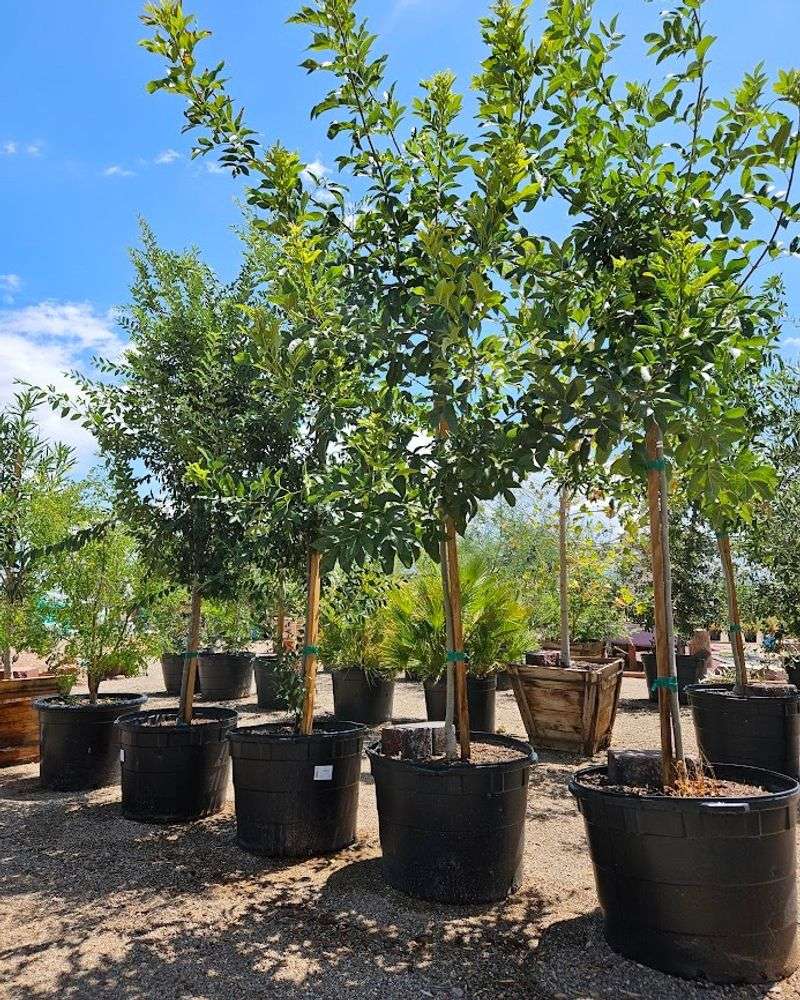
Running the hose for five minutes every day feels like you’re doing your trees a favor. You’re not.
Frequent light watering trains roots to stay near the surface, which is the worst possible place for them to be in Arizona’s scorching heat.
Surface soil in Arizona dries out within hours on a summer day. Roots that cluster near the top are constantly stressed, constantly chasing moisture that evaporates before they can use it.
Over time, these trees become fragile and struggle to handle heat without constant babysitting.
Spacing out watering sessions and making each one count forces roots to push deeper into the soil profile.
Down there, temperatures are more stable, moisture lasts longer, and roots can actually build the kind of strength that carries a tree through brutal Arizona summers without falling apart.
A good general rhythm for established fruit trees in Arizona is deep watering every 7 to 10 days in summer. Young trees may need watering every 3 to 5 days, but each session should still soak deep rather than just wetting the surface.
If you’re not sure whether your current schedule qualifies as shallow watering, do the screwdriver test after your next session. Push it into the soil near the drip line.
Anything less than 12 inches of easy penetration means your trees need longer, slower watering to build roots that actually last.
7. Check Soil Moisture Before Adding More Water
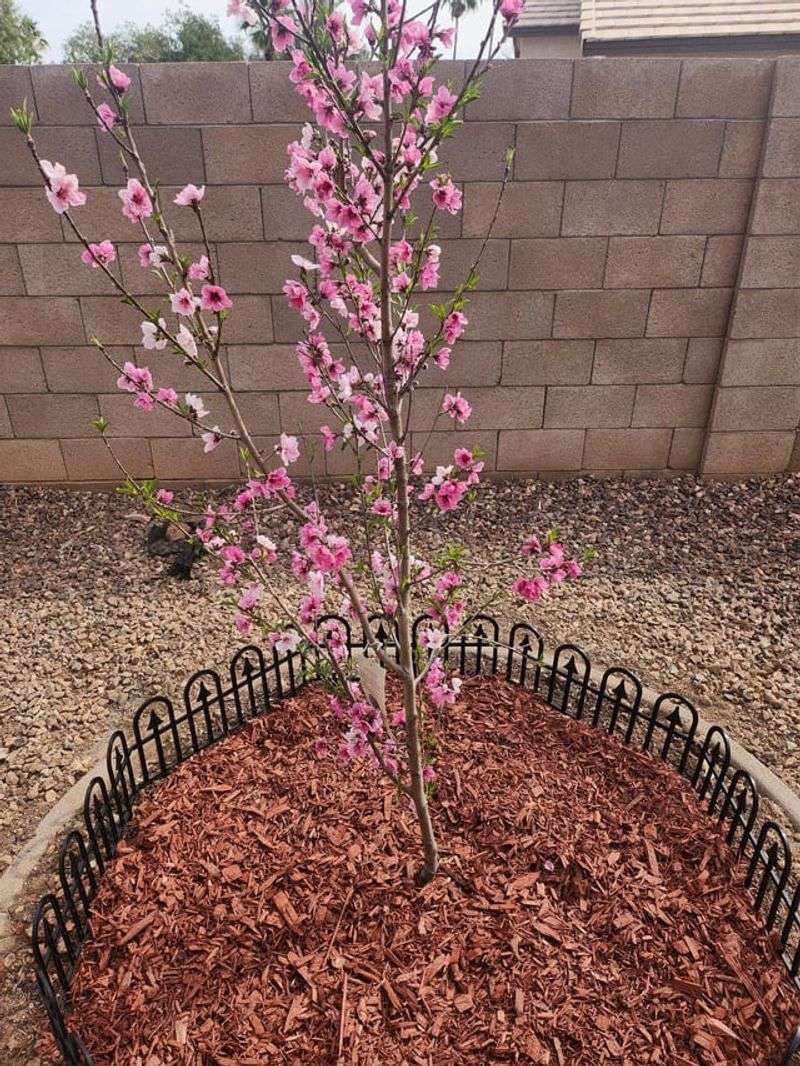
Overwatering is just as damaging as underwatering for fruit trees in Arizona.
Desert soils can become waterlogged in spots, especially in clay-heavy areas, and roots sitting in soggy conditions develop rot that spreads quietly before you notice anything wrong above ground.
Before you run the irrigation, take 30 seconds to actually check the soil. Push a screwdriver, a wooden dowel, or a proper soil moisture probe down 6 to 8 inches near the drip line.
If it comes out damp and soil sticks to it, hold off on watering for another day or two.
Leaves can also tell you a lot. Yellowing leaves on a fruit tree in Arizona sometimes signal too much water rather than too little.
Roots that stay wet for too long can’t absorb oxygen properly, and that shows up as yellowing, drooping foliage that looks a lot like drought stress but has the opposite cause.
Getting familiar with how your specific soil drains makes a big difference. Sandy desert soil dries out fast and usually needs more frequent watering.
Clay soil holds moisture much longer and can stay wet for days after a good rain or irrigation session.
Building a simple habit of checking soil moisture before every watering session saves water, protects your trees, and gives you a much clearer picture of what’s actually happening underground. It takes almost no time and quickly becomes second nature.
8. Use Drip Irrigation For Slow And Efficient Watering
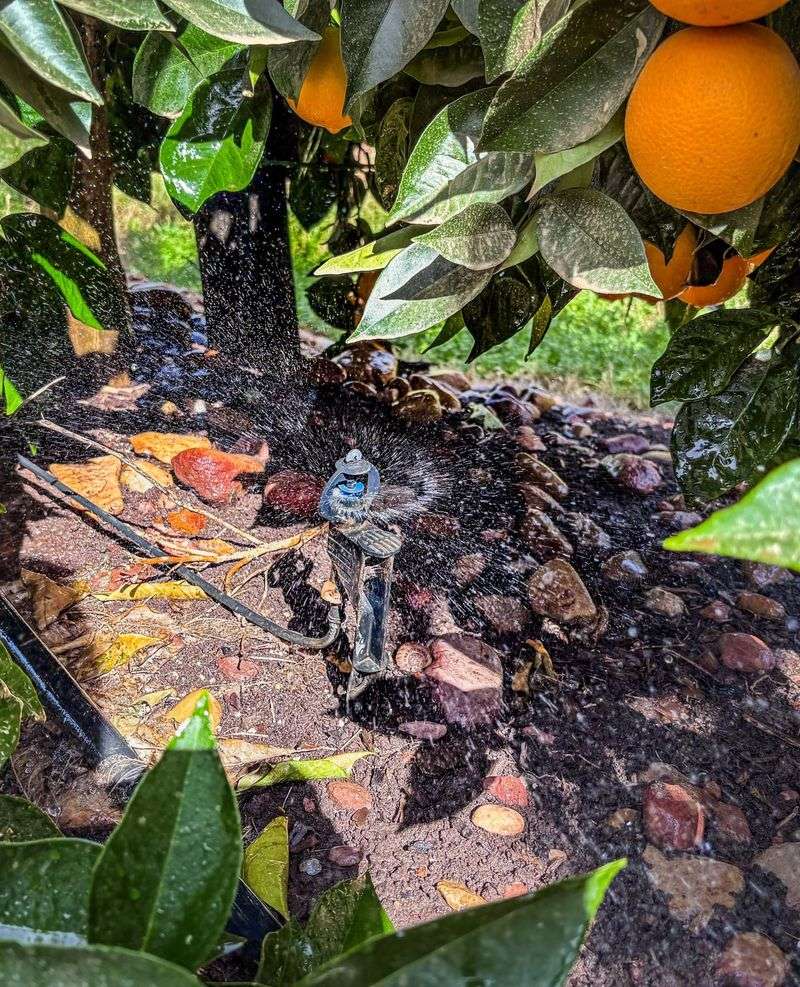
Drip irrigation changed the game for fruit tree growers across Arizona. Instead of flooding the soil and hoping water soaks in before it evaporates, drip systems deliver water slowly and directly to the root zone over a longer period of time.
Slow water delivery gives desert soil a chance to absorb moisture rather than letting it sheet off the surface or pool awkwardly in one spot.
Emitters running for an hour or two push water steadily downward, reaching the deeper root zones where fruit trees actually need hydration most.
Water efficiency with drip systems is dramatically better than sprinklers or hand watering, which matters a lot in a state like Arizona where water conservation is a serious concern.
Less water wasted on evaporation or runoff means more of every gallon you use actually reaches your trees.
Setting up a drip system doesn’t have to be complicated or expensive. Basic kits are available at most hardware stores, and a simple layout with two to four emitters per tree placed near the drip line is enough to get started.
Add a timer and the whole system runs itself.
Check your emitters monthly during the growing season. They clog with mineral deposits fairly often in Arizona due to the hard water common throughout the state.
A clogged emitter delivers no water at all, so regular checks keep the system working the way it should.