8 Smart Ways Arizona Gardeners Keep Javelinas Away From Their Plants
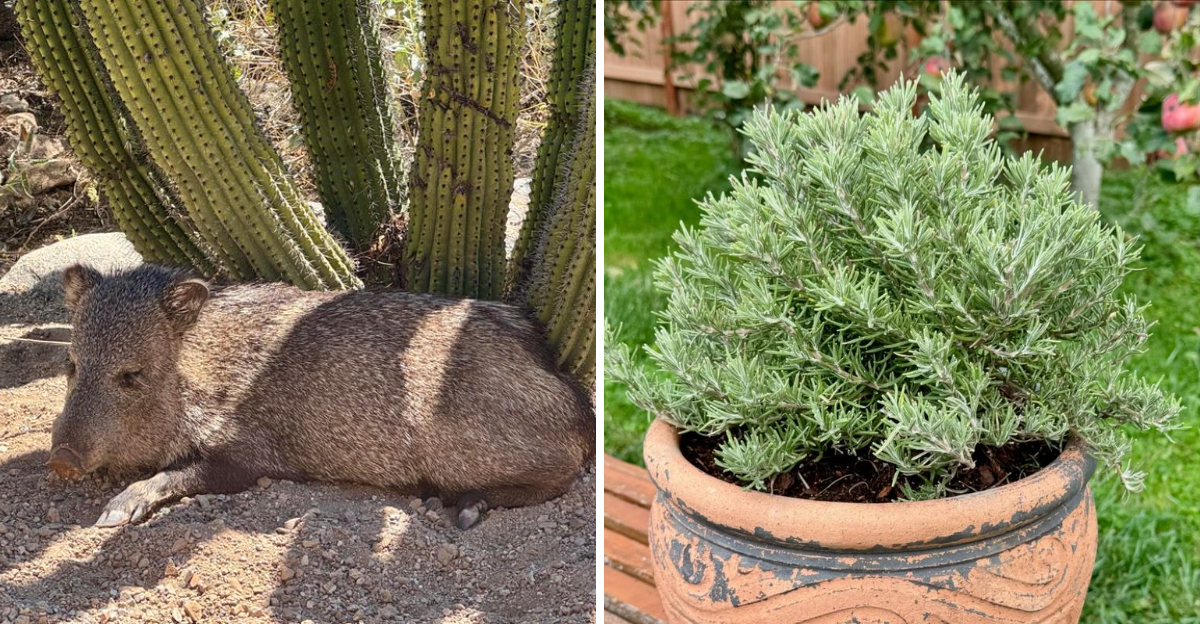
Javelinas can turn your beautiful Arizona garden into a frustrating mess in no time, and keeping them out takes strategy and creativity.
If you’ve spent time planting flowers, vegetables, or fruit trees only to see them dug up or nibbled on, you know how quickly these animals can disrupt even the most carefully planned landscape.
Understanding their habits is the first step toward protecting your plants.
There are ways to make your garden less appealing without harming wildlife. Thoughtful plant placement, barriers, and natural deterrents can work with the desert environment instead of against it.
Combining multiple approaches increases your chances of keeping javelinas away effectively.
By planning ahead and using proven strategies, you can enjoy your Arizona garden without constant worry, protecting your hard work while maintaining harmony with the surrounding desert wildlife.
1. Plant Javelina-Resistant Shrubs
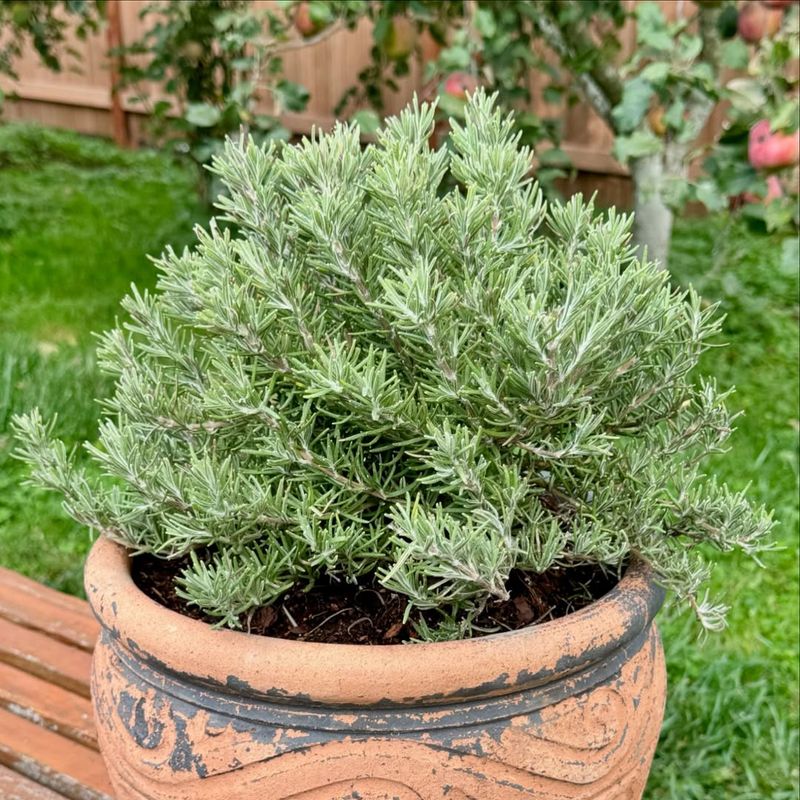
Rosemary bushes send out a powerful scent that javelinas find overwhelming. Their sensitive noses can’t handle the strong aroma, so they usually turn away before even getting close to your garden beds.
Sage works the same way, releasing oils that these animals naturally avoid.
Lantana brings bright colors to your Arizona yard while keeping javelinas at a distance. The leaves taste bitter and unpleasant, teaching these creatures to look elsewhere for food.
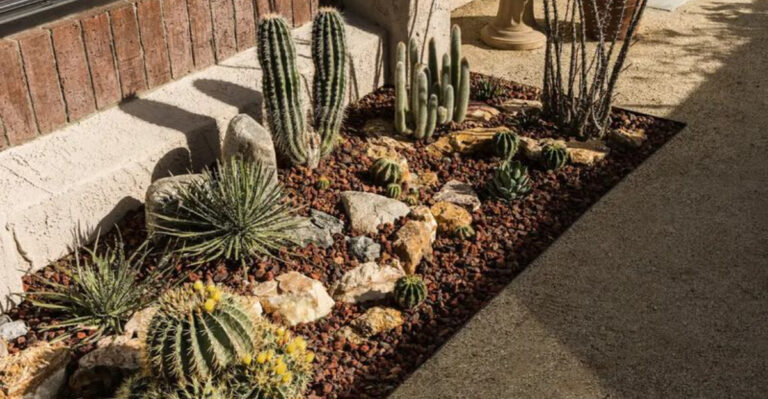
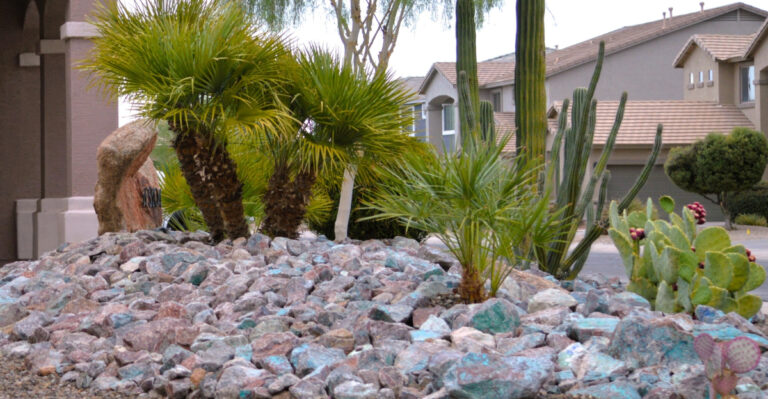
Thorny plants like agave and prickly pear create physical barriers that javelinas won’t push through.
Desert marigolds and brittlebush add beauty without becoming snack food. These tough plants thrive in Arizona heat and require little water, making them perfect choices for low-maintenance landscaping.
Javelinas learn quickly which plants cause discomfort or taste bad.
Mixing these resistant plants throughout your garden creates natural protection zones. Place them around the edges of your property or surround vulnerable plants with aromatic herbs.
Native plants often resist javelina damage better than imported species. They’ve evolved alongside these animals for thousands of years, developing natural defenses.
Your local nursery can recommend specific varieties that work best in your neighborhood.
Strong scents and sharp textures work best when planted consistently, not scattered randomly. The goal is to make the entire area feel uninviting, not just one corner of the yard.
When javelinas realize there is nothing easy to nibble on, they usually move on to a simpler food source.
2. Use Natural Barriers Around Vulnerable Areas
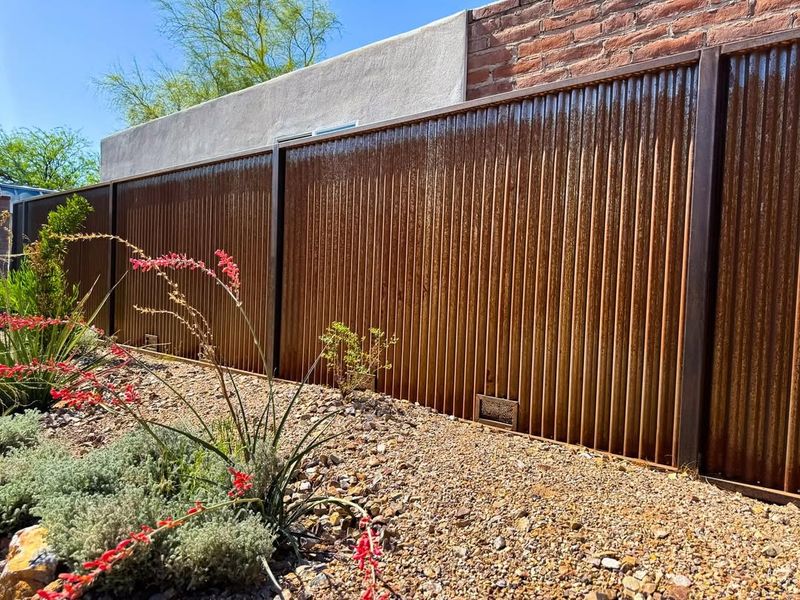
Wire mesh fencing stands between your prized tomatoes and hungry javelinas. A three-foot barrier works well since these animals don’t jump high, though they can squeeze through surprisingly small gaps.
Secure the bottom edge to prevent them from pushing underneath.
Raised garden beds naturally keep plants out of reach. Building beds eighteen inches or higher makes it harder for javelinas to access your vegetables.
Arizona gardeners often combine raised beds with mesh covers for double protection.
Chicken wire wrapped around individual plants provides targeted defense. This works especially well for young shrubs or special specimens you want to protect during their vulnerable early growth.
Make sure the wire extends several inches into the soil.
Stone walls serve dual purposes in desert landscapes. They look attractive while creating solid barriers that javelinas can’t penetrate.
Garden netting draped over berry bushes and fruit trees saves your harvest. Secure the edges well because javelinas are persistent and will find weak spots.
Check your barriers regularly for damage or gaps that need repair.
Combining multiple barrier types increases effectiveness. Gardeners across Arizona report the best results when they layer different protection methods together.
Motion-activated lights can also startle javelinas and discourage nighttime visits. Installing them near entry points or along fence lines adds another layer of protection without changing your landscape design.
The key is consistency, because once javelinas succeed in finding food, they are likely to return.
3. Keep Your Garden Clean and Tidy
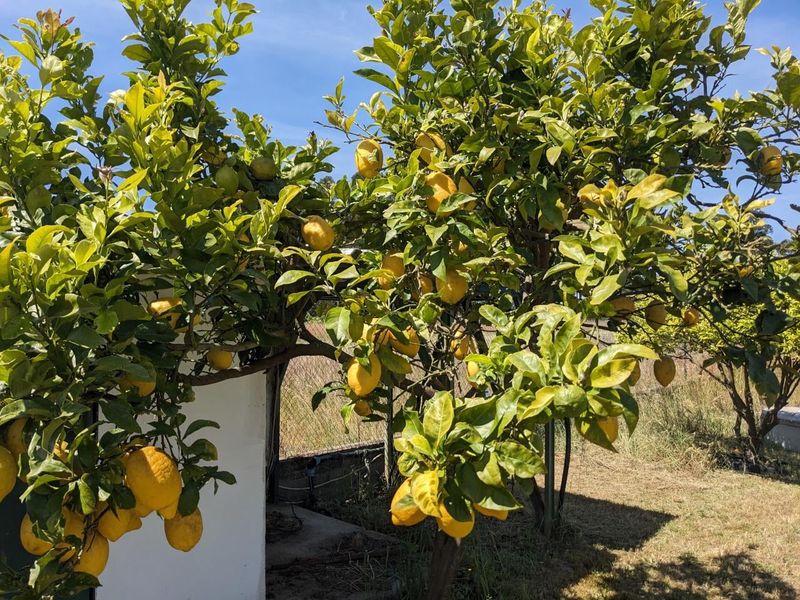
Fallen citrus fruit attracts javelinas like magnets. Orange and grapefruit trees drop fruit regularly, and leaving it on the ground sends an invitation to every javelina in the area.
Pick up fallen fruit daily, especially during peak season.
Bird feeders spill seeds that javelinas consider tasty treats. While you’re feeding birds, you might accidentally be feeding wildlife you don’t want.
Consider switching to feeders that catch spillage or bring them inside at night.
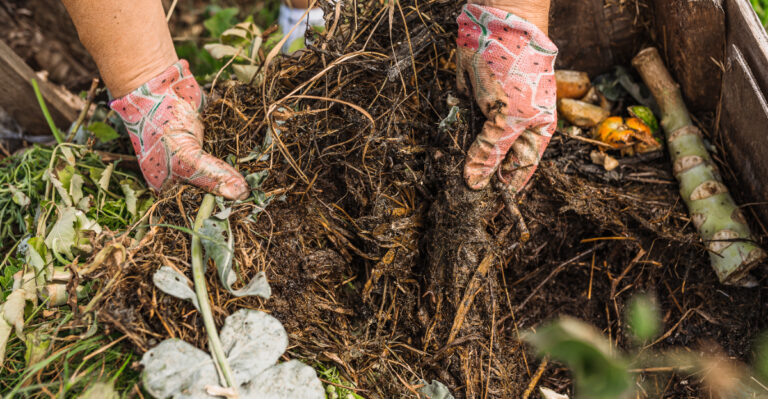
Compost piles need secure covers in Arizona neighborhoods. Open compost attracts not just javelinas but other wildlife too.
Use bins with locking lids and avoid adding fruit scraps that smell particularly appealing.
Vegetable gardens benefit from immediate harvest when produce ripens. Overripe tomatoes or squash left on the vine signal free food to passing javelinas.
Regular harvesting removes temptation before animals discover your garden.
Pet food left outside creates problems beyond just javelinas. Feed pets indoors or remove bowls immediately after meals.
Even empty bowls can retain scents that draw curious animals.
Clearing brush and debris eliminates hiding spots near your plants. Javelinas feel bolder when they have cover nearby.
Maintaining clear sightlines around your garden makes them nervous about approaching.
Secure trash bins with tight fitting lids because food scraps can draw javelinas from surprisingly long distances. Rinse containers that held meat or fruit before placing them outside to reduce lingering smells.
4. Install Motion-Activated Sprinklers or Lights
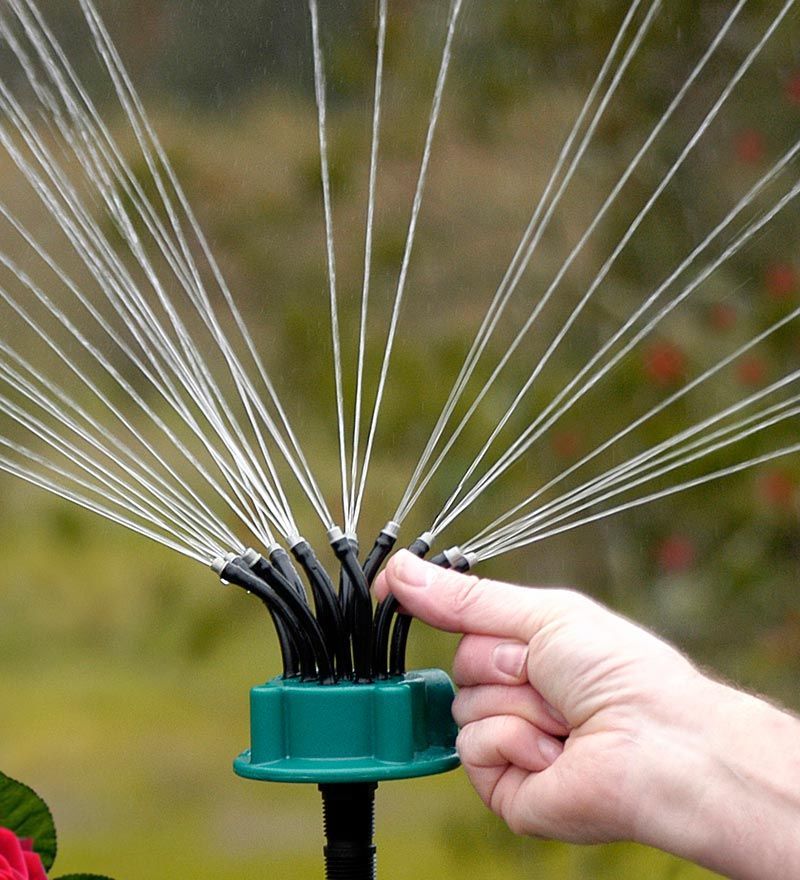
Sudden water bursts startle javelinas without causing harm. Motion-activated sprinklers detect movement and release a quick spray that sends animals running.
Arizona gardeners love these devices because they also water plants while providing protection.
Timing matters when positioning your sprinkler sensors. Aim them at common entry points where javelinas typically enter your yard.
Adjust the sensitivity to avoid triggering from small animals or blowing branches.
Bright lights flashing unexpectedly make javelinas uncomfortable. These animals prefer feeding under cover of darkness, and sudden illumination disrupts their comfort zone.
Solar-powered lights work great in sunny Arizona and require no electrical wiring.
Combining lights and sprinklers creates a powerful deterrent system. When javelinas encounter both at once, they usually decide your garden isn’t worth the trouble.
Battery life and water pressure need regular checking. Motion devices only work when they’re functioning properly, so test them weekly.
Replace batteries before they run out and ensure your sprinkler system has adequate pressure.
Strategic placement covers your entire property without creating gaps. Walk your yard at night to identify vulnerable spots where javelinas might avoid your sensors.
Overlapping coverage zones prevent animals from finding safe paths through.
5. Sprinkle Strong-Smelling Herbs or Natural Repellents
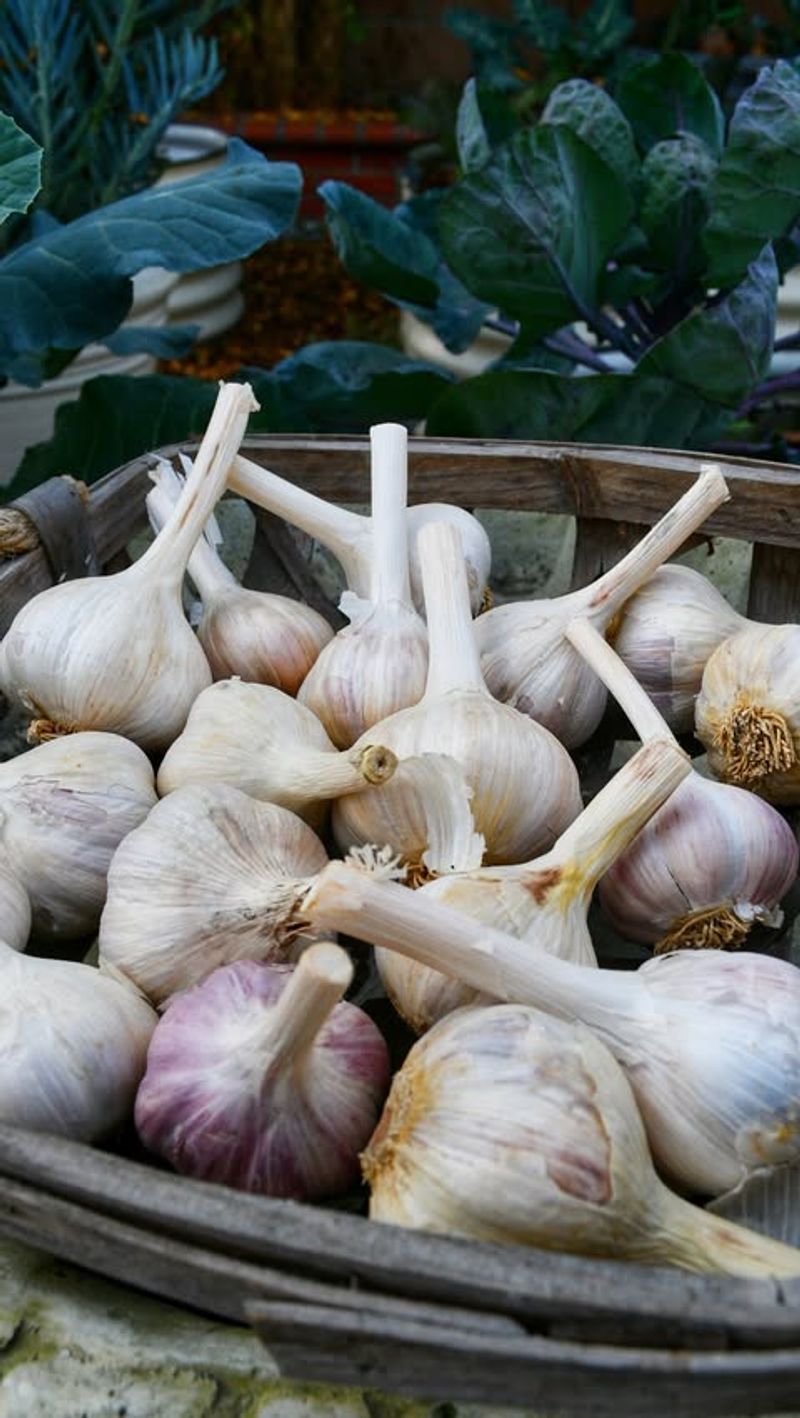
Crushed garlic releases sulfur compounds that javelinas find revolting. Spread fresh cloves around your garden perimeter every few days, especially after rain washes away the scent.
Arizona gardeners often create garlic water sprays for easier application.
Hot pepper flakes burn sensitive noses and mouths. Cayenne pepper works particularly well when sprinkled around plant bases and along pathways javelinas use.
Reapply after watering or storms to maintain effectiveness.
Coffee grounds serve double duty in desert gardens. They repel javelinas while adding nitrogen to your soil as they decompose.
Predator urine products trigger fear responses in javelinas. Available at garden centers, these commercial repellents smell like coyotes or mountain lions.
Apply according to package directions, focusing on garden borders.
Vinegar solutions create acidic barriers that javelinas avoid. Mix equal parts white vinegar and water in a spray bottle and treat plants every few days.
The smell dissipates quickly for humans but lingers longer for sensitive animal noses.
Rotating different repellents prevents javelinas from adapting. Animals can become accustomed to single scents over time, so alternating between garlic, peppers, and commercial products maintains effectiveness throughout the growing season.
Apply repellents in the evening when javelinas are most active, so the scent is strongest overnight. Focus on entry points and well-worn paths rather than coating every plant.
Consistent reapplication makes the difference between a temporary fix and lasting deterrence.
6. Protect Young Trees With Wire or Mesh Guards
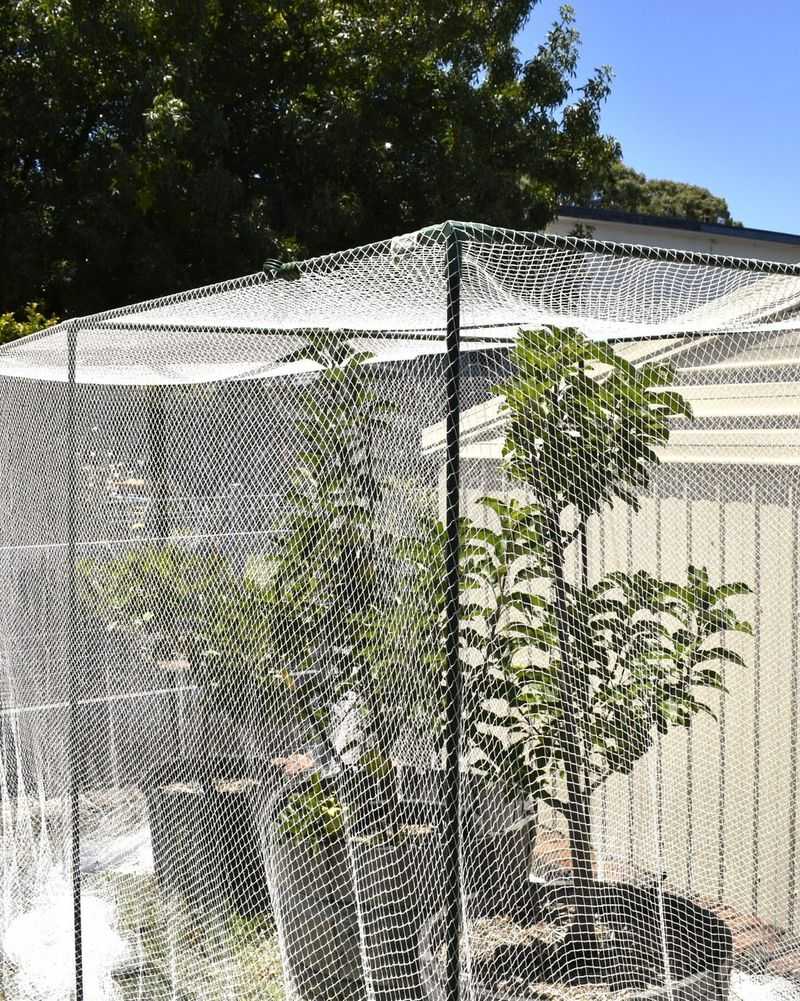
Tree bark provides essential nutrients that young plants need for growth. Javelinas strip bark from tender saplings, often causing permanent damage or stunting development.
Wrapping trunks with hardware cloth prevents this destructive behavior.
Mesh guards should extend from ground level to at least four feet high. Javelinas can reach surprisingly high when stretching for tasty shoots.
Secure the mesh loosely enough to allow for trunk growth but tight enough to prevent animals from pushing through.
Plastic tree guards crack and deteriorate quickly under intense Arizona sun. Metal mesh lasts longer and provides better protection against determined javelinas.
Choose galvanized wire that won’t rust during monsoon season.
Young citrus trees need extra protection during their first three years. These trees are particularly vulnerable because javelinas love the tender growth and aromatic leaves.
Check guards monthly for rubbing or damage to tree bark. Improperly installed protection can cause more harm than javelinas by restricting growth or trapping moisture.
Adjust as your tree grows to prevent girdling.
Low branches require individual protection or pruning. Javelinas will nibble any growth they can reach, so either wrap lower limbs or remove them until your tree matures.
Install guards soon after planting rather than waiting for damage to appear. Once javelinas discover tender bark, they often return to the same tree repeatedly.
Early protection saves young trees from setbacks that can take years to correct.
7. Create a Separate Feeding or Distraction Area
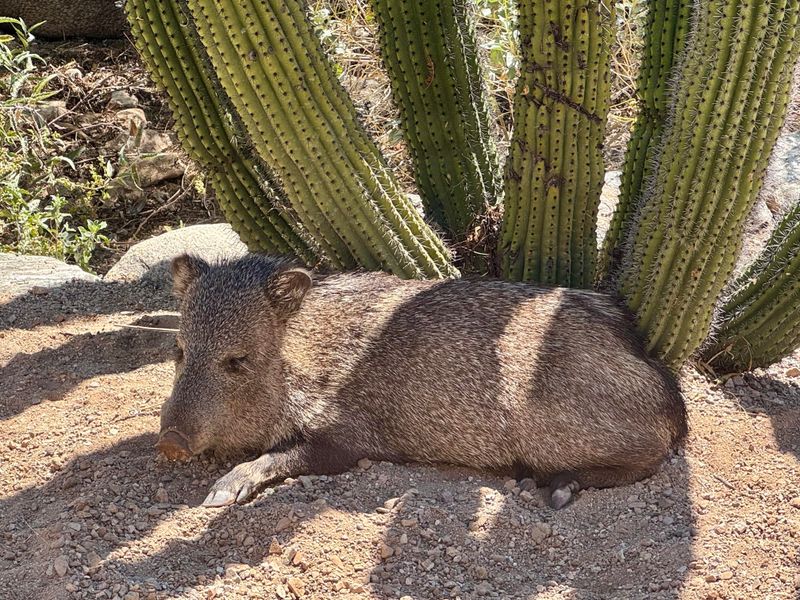
Strategic landscaping redirects javelina traffic away from prized plants. Designating a corner of your property with native vegetation gives these animals an alternative food source.
Plant agave, prickly pear, and other desert natives they naturally eat.
Distance matters when creating distraction zones. Place this area at least fifty feet from your main garden to draw javelinas away from vegetables and flowers.
Arizona wildlife experts recommend using natural barriers like washes or slopes as dividing lines.
Avoid creating dependency by offering processed foods. Javelinas should forage natural plants rather than rely on handouts.
Your distraction area simply makes wild foods more accessible than your garden.
Water features in the distraction zone increase its appeal. Javelinas need water, especially during hot Arizona summers.
A simple birdbath or shallow basin makes the area more attractive than your irrigated garden beds.
Maintenance of distraction areas requires less work than defending gardens. Allow native plants to grow naturally without much intervention.
This approach works with wildlife behavior rather than fighting against it.
Some Arizona neighborhoods coordinate community distraction zones. When multiple properties create wildlife-friendly areas on their borders, javelinas establish new foraging patterns.
This collective approach benefits everyone’s gardens while supporting local wildlife populations.
Keep the distraction zone consistent year round so javelinas learn a predictable route that bypasses your main garden.
Avoid placing high value crops anywhere along that path, or you risk undoing the redirection strategy. When landscaping guides movement instead of blocking it completely, long term success becomes much more realistic.
8. Use Elevated or Hard-to-Reach Containers
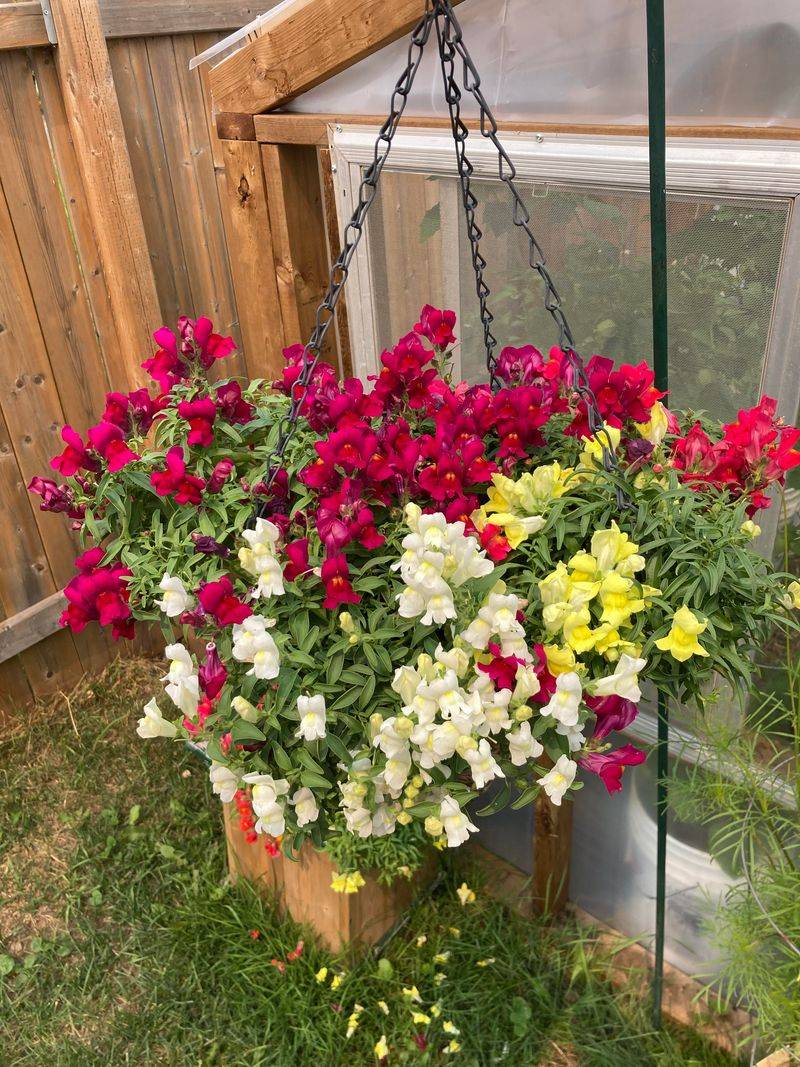
Hanging baskets transform your growing space into vertical gardens. Suspended planters keep strawberries, herbs, and flowers completely out of javelina reach.
Arizona gardeners use sturdy hooks and chains that support weight even when soil is wet.
Tall planter boxes on legs raise vegetables above ground level. Building or buying containers that sit three feet high puts most plants beyond javelina capability.
These elevated beds also ease back strain during planting and harvesting.
Porch railings and deck edges offer perfect spots for container gardens. Secure pots firmly so they won’t tip over in Arizona winds.
This approach works especially well for apartments or homes with limited yard space.
Window boxes bring beauty while staying protected. Mounted at window level, these containers remain safe from ground-dwelling javelinas.
Choose drought-tolerant plants that handle Arizona’s intense sun exposure.
Stacked cinder blocks create instant elevated growing spaces. Fill the hollow centers with soil and plant directly into them.
This inexpensive solution works great for herbs, lettuce, and compact vegetables.
Shepherd’s hooks support multiple hanging baskets in small areas. Space them throughout your yard to maximize growing area while maintaining protection.
Arizona’s long growing season means you can harvest from elevated containers nearly year-round.
Group elevated containers together to create a concentrated growing zone that is easier to monitor and maintain. Placing them closer to the house also adds another layer of protection, since javelinas are more cautious near human activity.
The higher and more consolidated your setup, the less appealing your garden becomes to wandering wildlife.