8 Smart Ways California Gardeners Get Award-Winning Rose Results
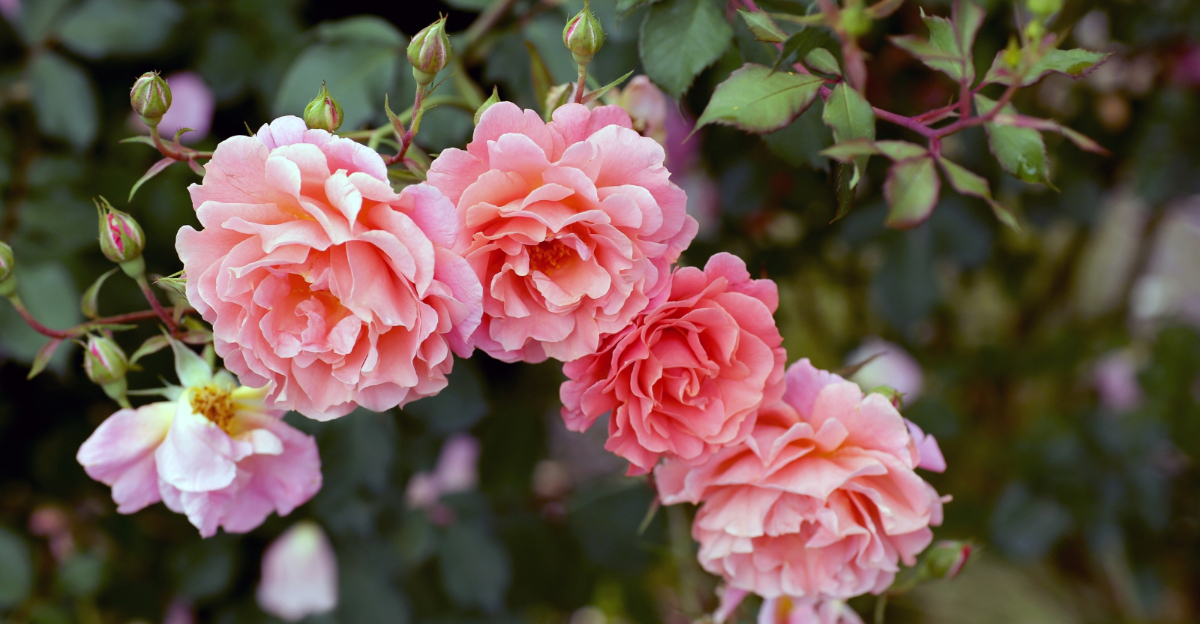
California gardeners are raising the bar with roses that look healthier, fuller, and more polished than ever before.
The shift isn’t about expensive products or constant fussing, but about working smarter with the climate instead of fighting it.
Sun exposure, airflow, and timing have become just as important as feeding and pruning.
Gardeners are paying closer attention to how roses respond throughout the season rather than forcing growth on a fixed schedule. Small adjustments in care are producing noticeably stronger stems and longer-lasting blooms.
California’s varied climates reward roses that are managed with intention instead of routine.
What sets award-winning results apart is consistency, not intensity.
These smart approaches turn roses into reliable standouts rather than high-maintenance challenges.
1. Choose Varieties That Thrive in Mediterranean Climates
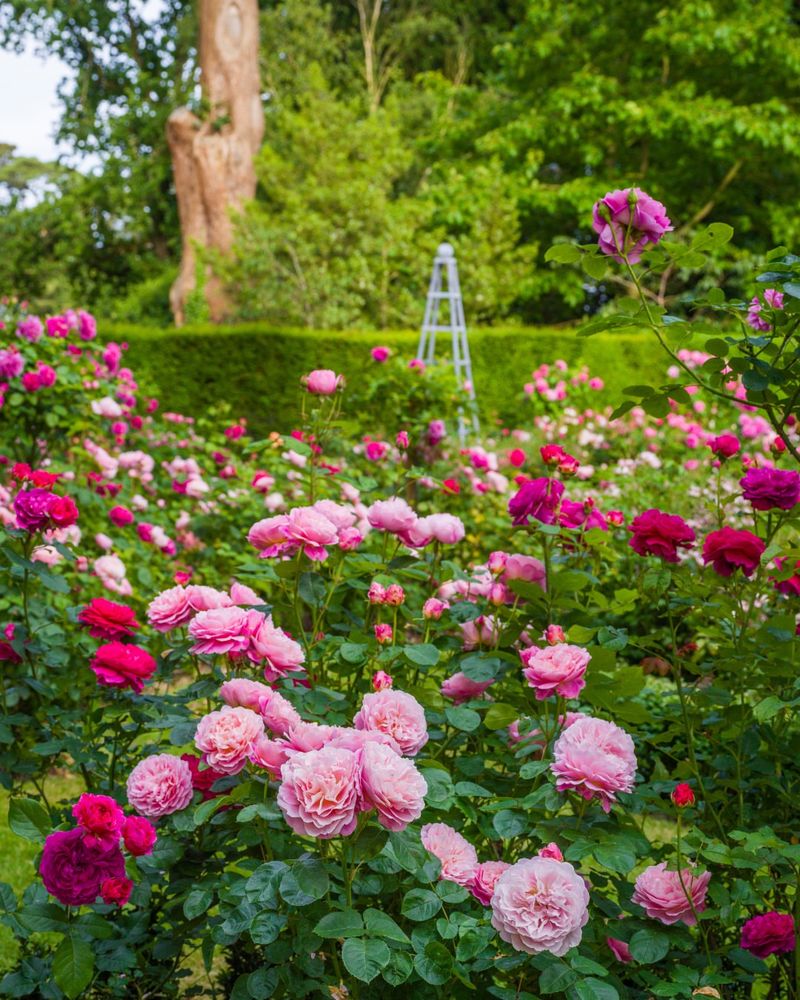
Successful rose cultivation starts long before you ever pick up a shovel or pruning shears. California’s unique weather patterns demand roses that can handle hot, dry summers and mild, wet winters without constant fussing.
Hybrid teas like ‘Double Delight’ and ‘Mr. Lincoln’ have proven themselves in countless California gardens, producing magnificent blooms that judges adore.
Floribundas such as ‘Iceberg’ and ‘Julia Child’ offer continuous flowering throughout the growing season. Grandifloras provide the best of both worlds with clusters of large, elegant flowers on tall, sturdy stems.
David Austin roses have become incredibly popular across the state because they combine old-fashioned charm with modern disease resistance.
Local nurseries throughout California stock varieties specifically tested for regional success. Visiting rose gardens in your area provides valuable insight into which cultivars perform exceptionally well.
Many award-winning gardeners recommend starting with at least three different types to create visual interest and extend blooming periods.
Climate zones vary significantly from San Diego to Sacramento, so understanding your microclimate matters tremendously. Coastal gardeners face different challenges than those in inland valleys where temperatures soar.
Selecting appropriate varieties eliminates half the battle before you even begin.
Disease-resistant cultivars save countless hours of maintenance and reduce chemical applications. Roses bred for California conditions require less intervention while producing superior results.
Consulting with master gardeners in your county provides personalized recommendations based on your specific location.
Award-winning specimens almost always start with smart variety selection tailored to local conditions. California gardeners who win competitions consistently choose roses proven to excel in their particular growing zone.
The foundation of success lies in matching the right rose to the right place.
2. Master the Art of Deep, Infrequent Watering
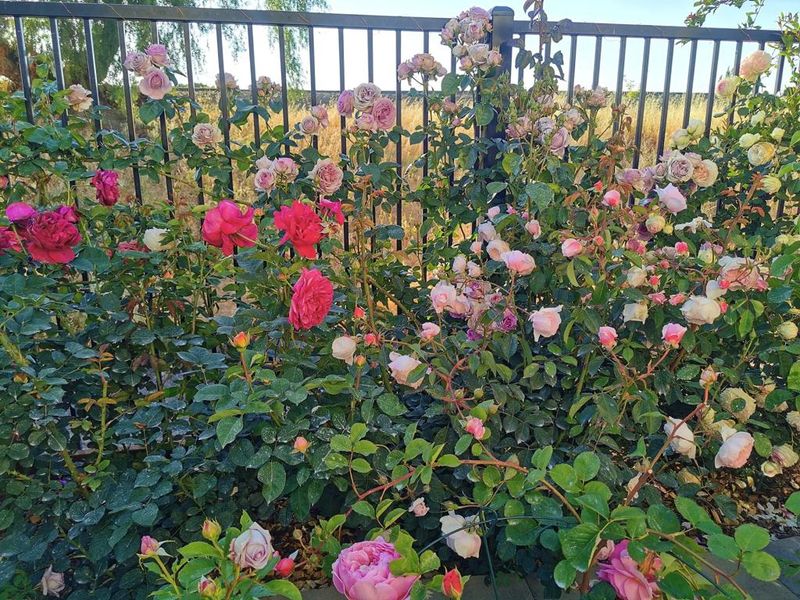
Water management separates amateur rose growers from champions throughout the Golden State. Shallow, frequent watering creates weak root systems that cannot support abundant flowering or withstand summer heat.
Deep watering encourages roots to grow downward, accessing moisture reserves and nutrients far below the surface.
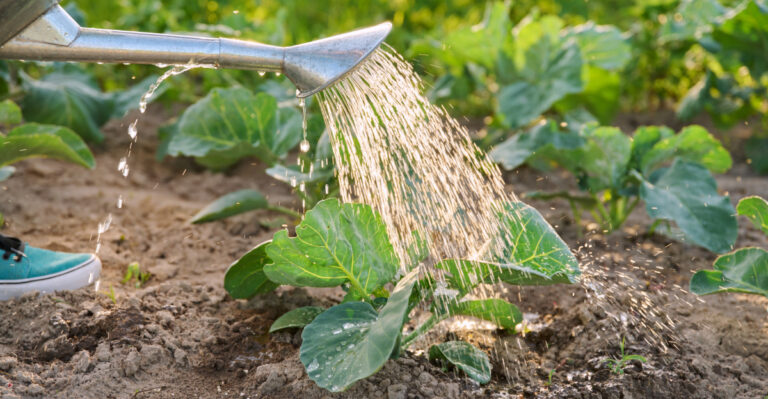
California’s dry summers mean roses need approximately two inches of water weekly during peak growing season. Drip irrigation systems deliver moisture directly to root zones while keeping foliage dry, reducing fungal disease risks.
Soaker hoses provide another excellent option for efficient water delivery without wasteful overspray.
Morning watering allows foliage to dry before evening, preventing mildew and black spot development. Many competition-winning gardeners water deeply twice weekly rather than lightly every day.
This approach mimics natural rainfall patterns and promotes healthier, more resilient plants.
Mulching around rose bushes conserves moisture and moderates soil temperature fluctuations. Organic mulches like wood chips or compost gradually improve soil structure as they decompose.
Keeping mulch three inches away from the main stem prevents rot and pest problems.
Established roses in California landscapes develop extensive root systems reaching several feet deep. Newly planted roses require more frequent watering until roots establish themselves fully.
Adjusting watering schedules based on weather conditions and plant maturity demonstrates advanced horticultural understanding.
Smart irrigation practices conserve precious California water resources while producing superior blooms. Monitoring soil moisture at root depth rather than surface appearance guides proper watering decisions.
Competition judges notice the difference between roses receiving optimal hydration and those suffering from improper irrigation.
3. Feed Roses on a Consistent Schedule Throughout Growing Season
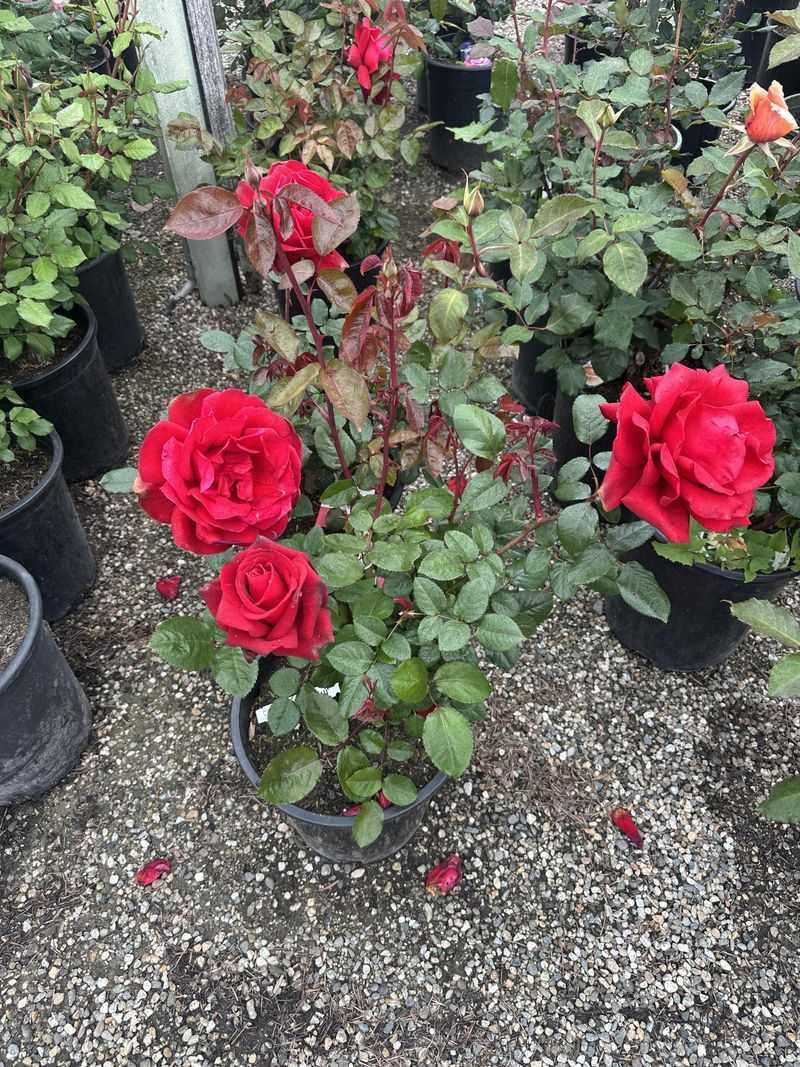
Nutrition fuels the spectacular blooms that win ribbons at rose shows across California. Roses are heavy feeders requiring regular applications of balanced fertilizers to maintain vigorous growth and abundant flowering.
Starting fertilization after spring pruning and continuing through fall ensures plants receive steady nutrient supplies.
Organic options like fish emulsion, alfalfa meal, and composted manure provide slow-release nutrition while improving soil health. Chemical fertilizers offer precise nutrient ratios formulated specifically for rose cultivation.
Many California gardeners combine both approaches, alternating between organic and synthetic applications.
Granular fertilizers applied monthly throughout the growing season maintain consistent nutrient availability. Liquid fertilizers provide quick boosts before flower shows when timing matters critically.
Foliar feeding delivers nutrients directly through leaves, producing rapid results within days.
Calcium and magnesium often need supplementation in California soils, particularly in coastal regions. Epsom salt applications provide magnesium that intensifies flower colors and strengthens stems.
Bone meal supplies phosphorus essential for robust root development and prolific blooming.
Stopping fertilization six weeks before first expected frost allows plants to harden off properly. California’s mild winters mean feeding schedules differ significantly from colder regions.
Understanding local climate patterns helps gardeners time applications for maximum benefit.
Award-winning roses display deep green foliage, strong stems, and flowers with exceptional substance and form. These characteristics result directly from proper nutrition management throughout the entire growing season.
Soil testing every few years reveals specific deficiencies requiring targeted amendments for optimal results.
4. Prune Strategically to Encourage Maximum Bloom Production
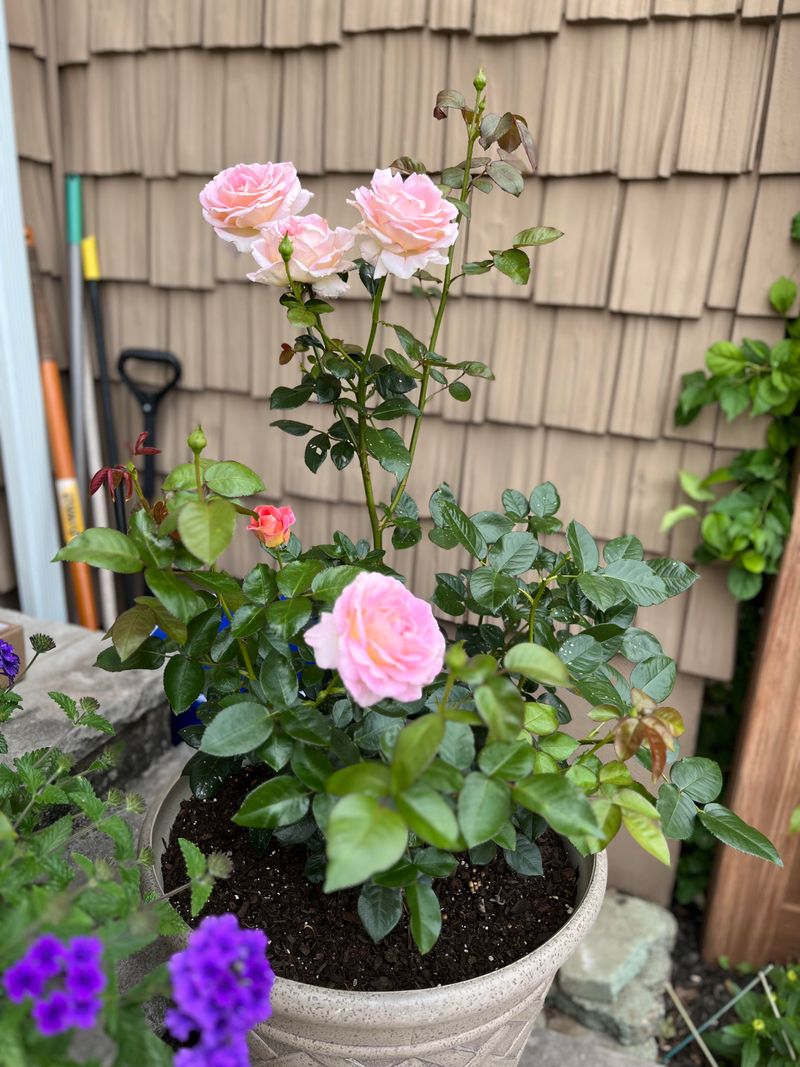
Proper pruning techniques dramatically impact rose performance throughout California gardens. Late January through February provides the ideal pruning window for most of the state, coinciding with dormancy periods.
Removing dead, diseased, and crossing canes opens plant centers to air circulation and sunlight penetration.
Sharp, clean tools make precise cuts that heal quickly without inviting disease problems. Cutting at 45-degree angles just above outward-facing buds directs new growth away from plant centers.
Hybrid teas benefit from aggressive pruning, removing two-thirds of their height to stimulate vigorous new growth.
Floribundas and shrub roses require lighter pruning, maintaining more natural shapes while removing weak wood. Climbing roses need special attention, with main canes preserved and lateral branches shortened.
California’s mild climate allows some roses to bloom year-round, requiring modified pruning approaches.
Deadheading spent blooms throughout the season encourages continuous flower production. Cutting stems just above five-leaflet leaves promotes strong new flowering shoots.
Competition-winning gardeners meticulously deadhead their roses weekly during peak season.
Removing suckers growing from below graft unions prevents rootstock from overtaking desirable varieties. These vigorous shoots drain energy from prize-worthy blooms above the graft.
Identifying and eliminating suckers promptly maintains plant vigor and flower quality.
Thinning cuts reduce plant density without shortening overall height, improving air flow through rose bushes. Heading cuts stimulate branching and fuller growth habits.
Mastering both techniques allows California gardeners to shape roses for optimal health and show-quality blooms throughout the growing season.
5. Protect Plants from Common Pests Without Harsh Chemicals
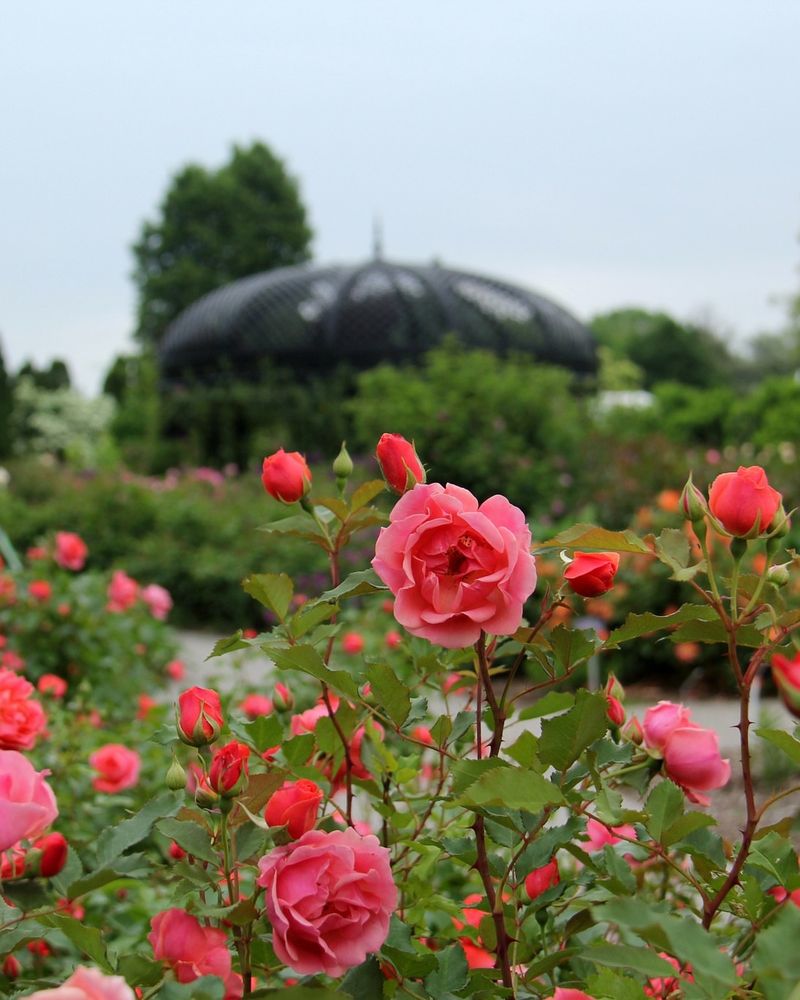
Integrated pest management keeps California roses healthy while minimizing environmental impact. Aphids, spider mites, and thrips pose constant threats to pristine blooms throughout the state’s long growing season.
Regular inspection catches infestations early when control measures work most effectively.
Strong water sprays dislodge aphids and spider mites without any chemical intervention. Insecticidal soaps provide effective control for soft-bodied pests while remaining safe for beneficial insects.
Neem oil disrupts pest life cycles and offers some fungicidal properties as well.
Ladybugs, lacewings, and predatory wasps naturally control aphid populations in California gardens. Planting companion flowers like alyssum and yarrow attracts these beneficial insects.
Creating habitat for good bugs reduces reliance on pesticides while maintaining ecological balance.
Japanese beetles rarely trouble California gardeners, but other chewing insects occasionally damage foliage and flowers. Handpicking larger pests during morning inspections provides immediate control without sprays.
Dropping pests into soapy water ensures they cannot return to plants.
Systemic insecticides offer long-lasting protection but should be used judiciously and never during bloom periods. Timing applications to avoid harming pollinators demonstrates environmental responsibility.
Many rose shows now favor organically grown entries, rewarding sustainable growing practices.
Monitoring plants weekly allows gardeners to spot problems before significant damage occurs. California’s year-round growing season means pest pressure never completely disappears.
Award-winning growers maintain vigilant observation routines, catching issues at the first sign of trouble rather than waiting for obvious damage.
6. Amend Soil Regularly to Maintain Optimal Growing Conditions
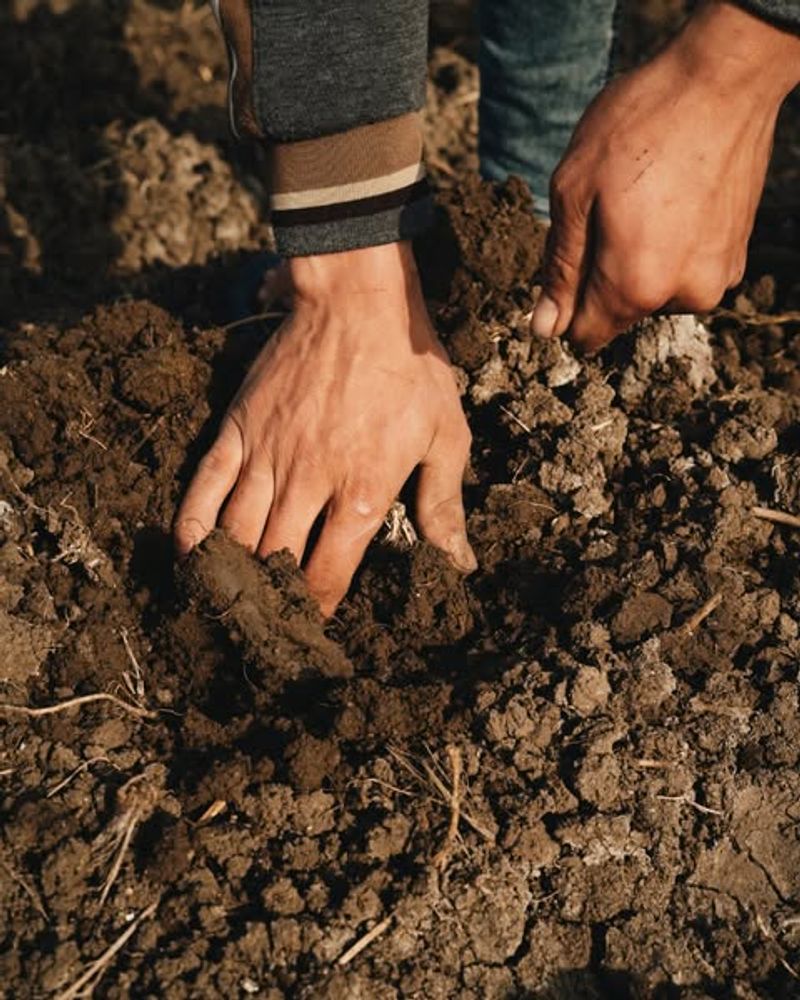
California soils vary dramatically from heavy clay to sandy loam, requiring different amendment strategies. Roses thrive in slightly acidic soil with pH between 6.0 and 6.5, rich in organic matter.
Adding compost annually improves soil structure, water retention, and nutrient availability regardless of native soil type.
Clay soils common in many California valleys benefit tremendously from gypsum applications that improve drainage. Sand-based soils near coastal areas need organic matter to increase water-holding capacity.
Understanding your specific soil composition guides appropriate amendment choices.
Mycorrhizal fungi form beneficial relationships with rose roots, enhancing nutrient uptake and drought tolerance. Inoculating planting holes with these beneficial organisms gives roses significant advantages.
Many competition gardeners consider mycorrhizae essential for developing award-winning specimens.
Green manure crops like clover or vetch planted between roses add nitrogen when tilled into soil. Cover cropping during California’s rainy season prevents erosion while building soil fertility.
This traditional farming technique works beautifully in home rose gardens.
Sulfur applications lower pH in alkaline soils common throughout much of the state. Iron chelates correct chlorosis that causes yellowing leaves with green veins.
Addressing nutrient deficiencies and pH imbalances allows roses to access all necessary elements for peak performance.
Top-dressing with compost each spring feeds soil organisms that in turn feed roses throughout the season. Living, biologically active soil produces healthier, more disease-resistant plants.
California gardeners winning rose competitions consistently prioritize soil health as the foundation of their success, understanding that great blooms start beneath the surface.
7. Provide Adequate Spacing for Air Circulation and Disease Prevention
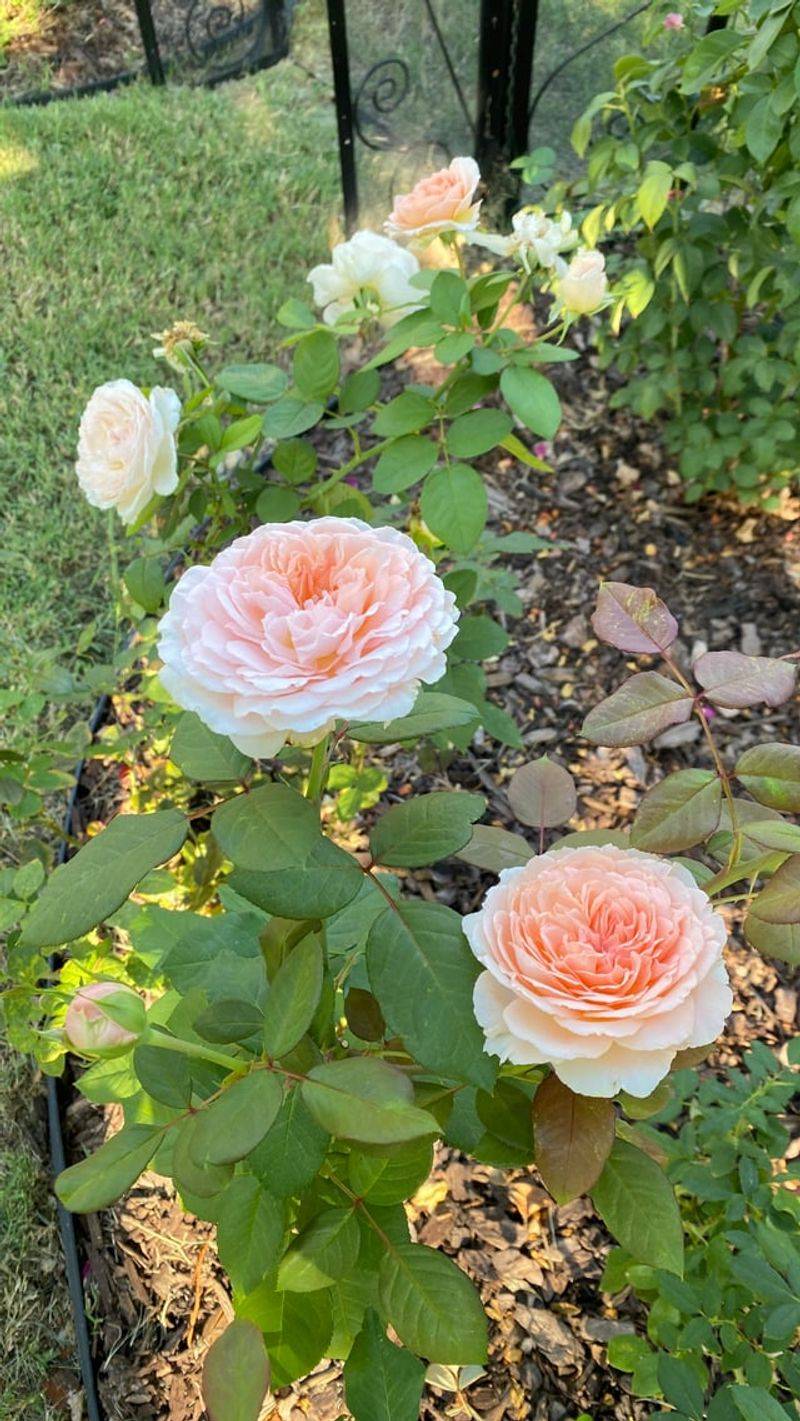
Crowded plantings create perfect conditions for fungal diseases that plague California rose gardens. Adequate spacing between bushes allows air to flow freely through foliage, drying leaves quickly after watering or morning dew.
Most hybrid teas need at least three feet between plants, while vigorous shrub roses require even more room.
Powdery mildew thrives in still air and shaded conditions common in tightly packed gardens. Black spot spreads rapidly when water sits on leaves in humid microclimates created by overcrowding.
Proper spacing reduces these problems significantly without any chemical intervention.
California’s coastal regions experience morning fog that lingers on plants for hours. Inland valleys face different challenges with high humidity during summer evenings.
Both conditions make air circulation crucial for disease prevention across the entire state.
Removing lower leaves from rose bushes improves airflow near ground level where fungal spores concentrate. This practice also reduces splash-back when watering, preventing soil-borne pathogens from reaching foliage.
Many competition growers routinely remove leaves from the bottom six inches of their plants.
Companion planting with herbs like lavender and sage between roses provides natural spacing while offering aromatic benefits. These Mediterranean plants thrive in California conditions and complement roses aesthetically.
Strategic plant placement creates beautiful gardens that also function optimally.
Mature roses develop extensive canopies that eventually touch neighboring plants despite initial spacing. Regular pruning maintains appropriate distances between bushes throughout their lifespan.
Award-winning California gardeners plan for mature plant sizes, resisting the temptation to plant too densely in newly established beds.
8. Time Bloom Cycles Perfectly for Competition Season
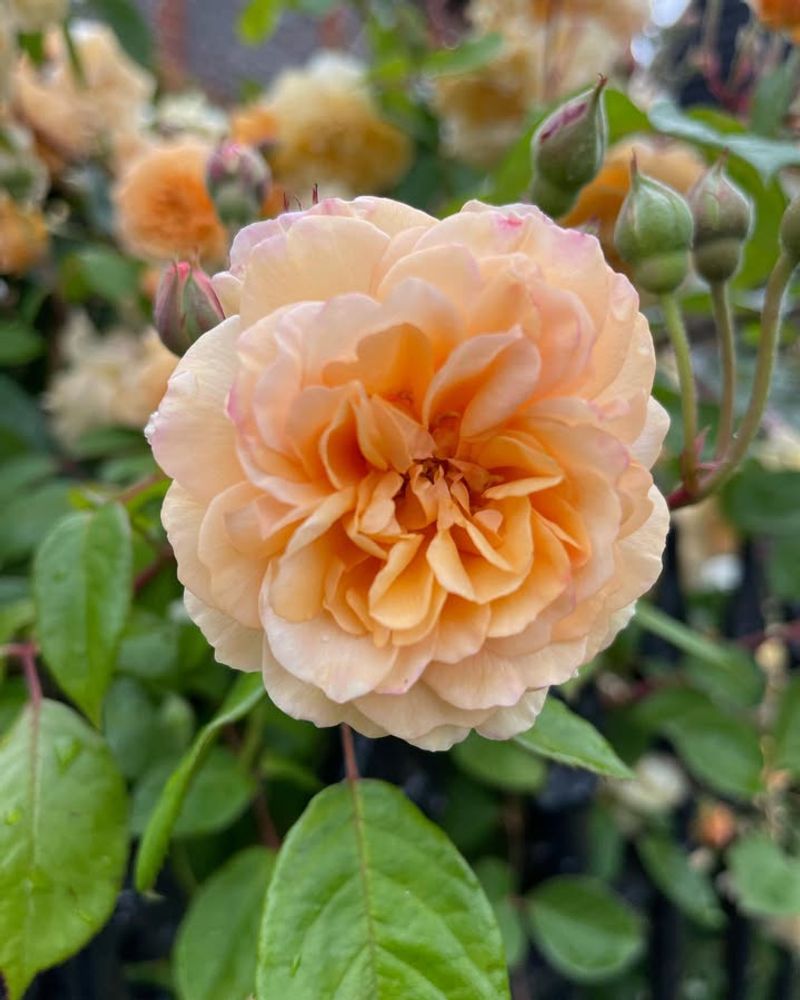
Understanding rose bloom cycles separates casual growers from serious competitors throughout California. Most hybrid teas produce their finest flowers on the first major flush after spring pruning.
Strategic deadheading and feeding manipulate subsequent bloom cycles to peak during important show dates.
Counting backward from competition dates helps gardeners time pruning and fertilization perfectly. Roses typically bloom six to eight weeks after hard pruning in California’s mild climate.
Light pruning encourages faster flowering, while heavy pruning delays blooms but improves flower quality.
Disbudding removes side buds, directing all plant energy into single exhibition-quality blooms. This technique produces the large, perfectly formed flowers judges seek at rose shows.
Timing disbudding correctly ensures buds open at their peak on show day.
California’s extended growing season allows multiple bloom cycles from spring through fall. Some varieties produce superior flowers during cooler months, while others excel in summer heat.
Experienced exhibitors know exactly when their favorite cultivars perform best.
Cutting roses at the proper stage of development requires careful observation and experience. Exhibition blooms should be one-quarter to one-half open when cut, continuing to develop to perfection.
California gardeners often cut stems the evening before shows, storing them in cool locations overnight.
Weather conditions dramatically affect bloom timing and quality across the state. Unseasonably hot weather accelerates flowering, while cool spells delay it.
Successful competitors monitor weather forecasts closely, adjusting their schedules accordingly. Mastering bloom timing transforms good roses into championship winners worthy of top honors at prestigious California rose shows.