9 Smart Ways Colorado Gardeners Breathe New Life Into Old Planters
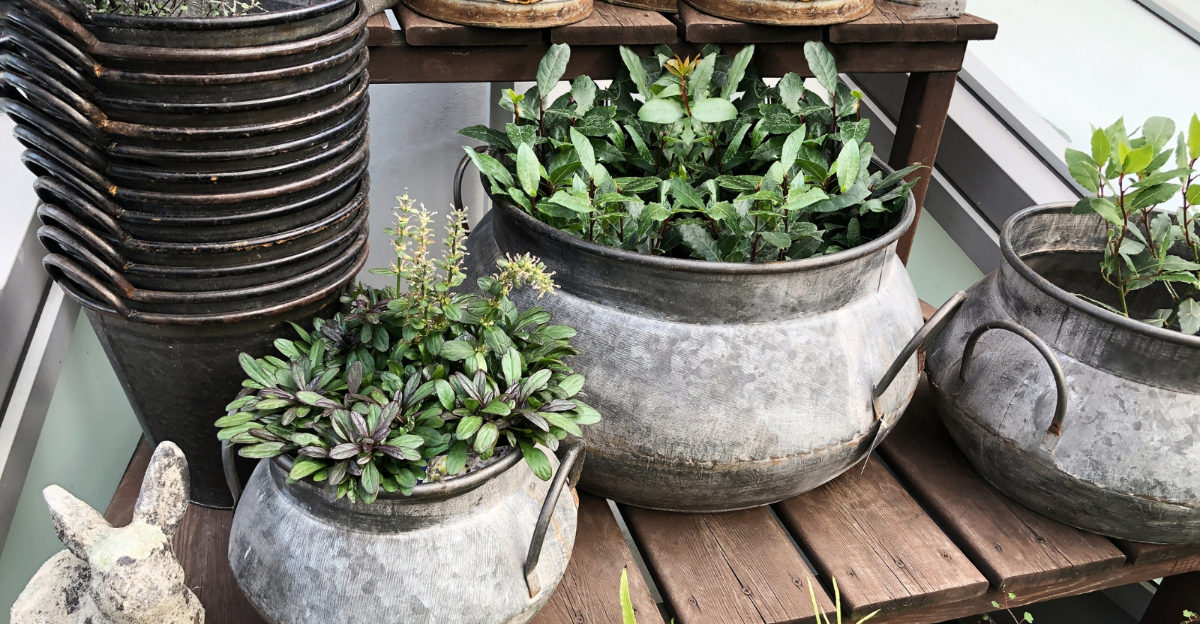
Colorado gardeners are finding creative ways to revive old planters that once felt tired, empty, or past their prime.
Instead of tossing containers aside, many are reworking what they already have to match Colorado’s changing seasons and tough conditions.
Old planters often fail not because they’re useless, but because what’s inside them no longer works. Soil, drainage, and plant choices all quietly wear out over time.
With a few smart adjustments, even the most neglected pot can become a standout feature again.
Colorado’s sun, wind, and temperature swings demand a different approach than softer climates, and gardeners are learning how to adapt.
Some solutions focus on refreshing the foundation rather than swapping plants every season.
Others rely on smarter combinations that bring texture, height, and life back instantly.
The results feel intentional instead of improvised, even when the planter itself has years of wear.
These simple but thoughtful changes are helping Colorado gardeners turn old containers into fresh focal points once again.
1. Refreshing Soil Instead Of Starting From Scratch
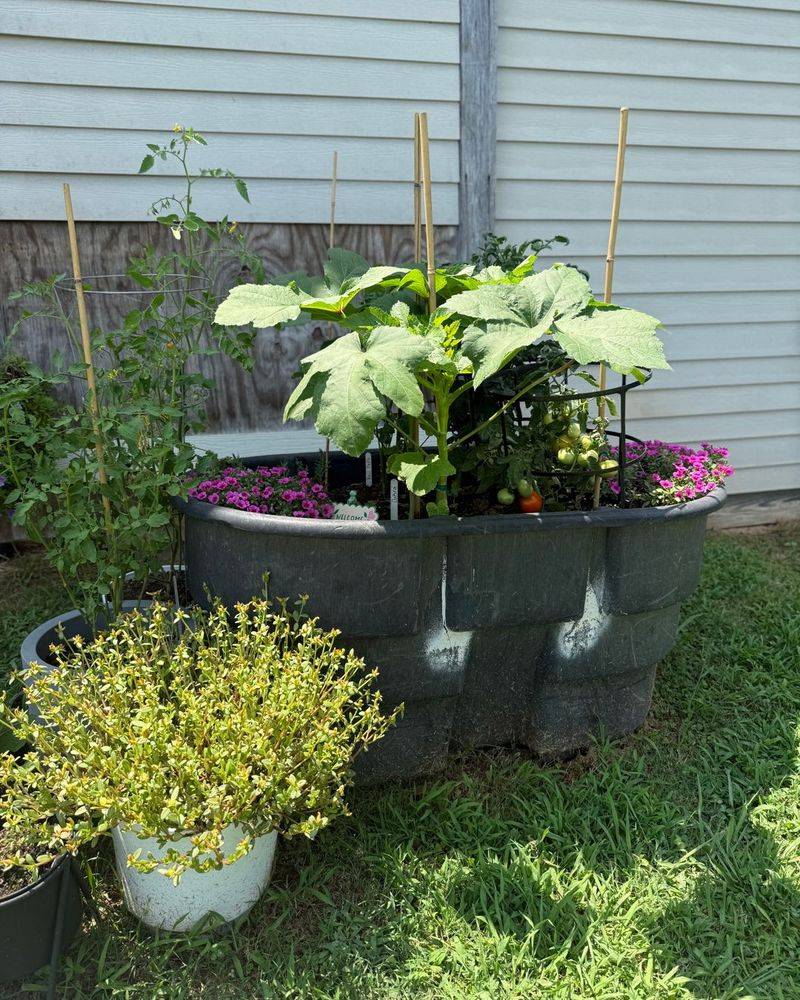
Container soil loses its structure and nutrients over time, especially after a full growing season in Colorado’s variable climate. Plants pull out what they need, and what’s left behind becomes compacted and less able to hold moisture or air.
You might notice water pooling on top instead of soaking in, or roots circling around the edges looking for something better.
Pulling out the old soil completely isn’t always necessary. Sometimes you can mix in fresh potting mix to boost volume and texture.
Adding compost brings back organic matter that helps soil stay fluffy and moist. This approach works well for large containers where replacing everything would be expensive or physically difficult.
Gardeners across the Front Range often blend old and new soil in a wheelbarrow before refilling their planters.
This creates a balanced mix that drains well but still holds enough water for plants to thrive. If the old soil smells sour or looks gray, it’s better to toss it and start fresh.
Healthy soil should smell earthy and crumble easily in your hand.
Mixing in perlite or coarse sand can improve drainage in heavy soil. Colorado’s dry air means containers dry out faster than garden beds, so soil texture matters more than you might think.
Loose, airy soil lets roots spread and water move through without creating soggy pockets.
Containers that sit outside all winter may need extra attention.
2. Swapping Out Tired Plants For Strong Performers
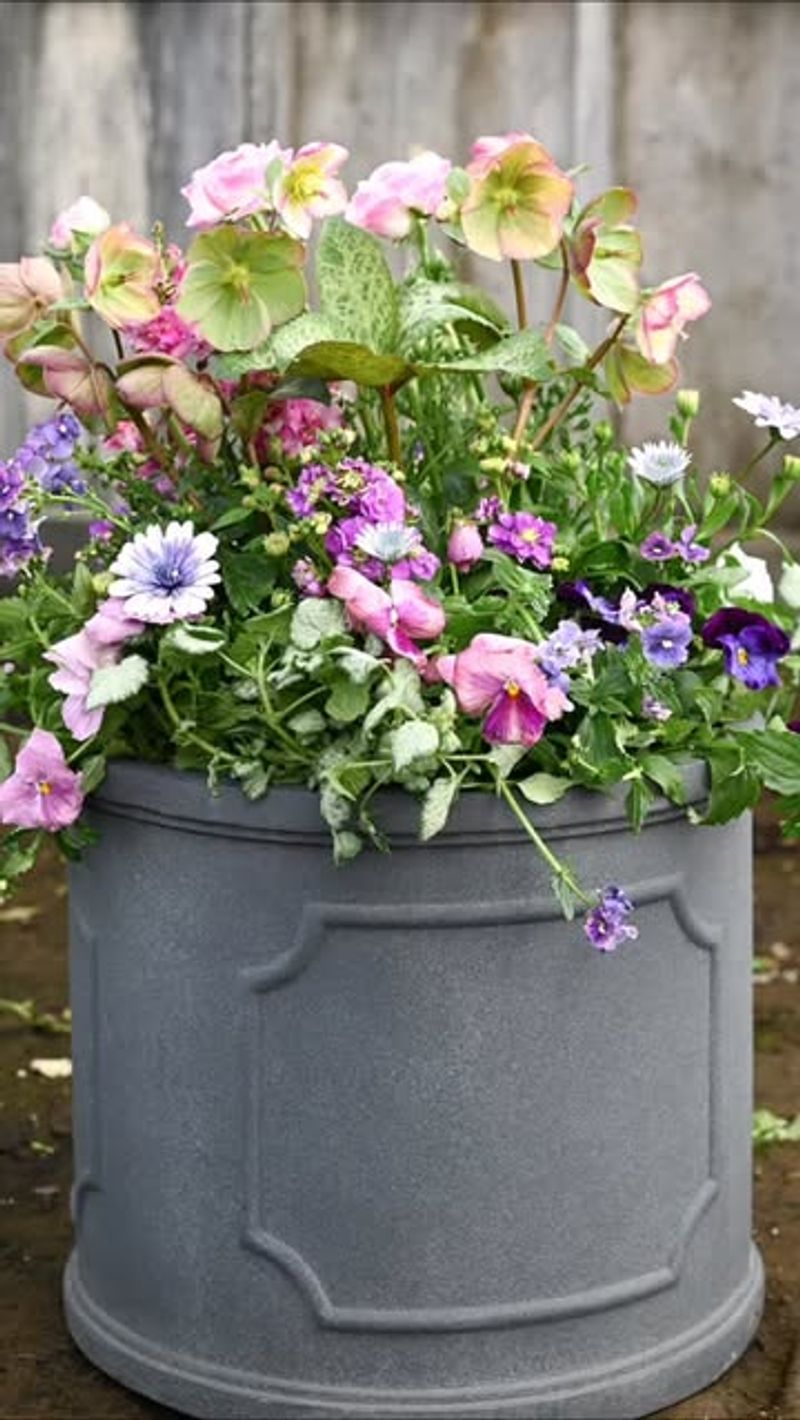
Not every plant has the stamina to look good all season long. Some bloom early and then fade, leaving you with a container full of green that doesn’t do much.
Others struggle with Colorado’s intense sun or sudden temperature swings and never quite recover. Recognizing when a plant has given all it can is part of keeping containers looking fresh.
Pulling out spent plants and replacing them with something new gives your planter an instant boost. Petunias that have stretched and stopped blooming can make way for mums in late summer.
Pansies that faded in June heat can be swapped for zinnias or marigolds that thrive in warmth.
This kind of rotation keeps color coming all season.
Gardeners in Denver and Boulder often keep a few backup plants in smaller pots, ready to plug into containers when needed.
This makes swapping easy and lets you experiment with different looks.
You don’t have to replant the whole container—sometimes replacing just one or two plants is enough to change the entire feel.
Strong performers like geraniums, calibrachoa, and salvia handle Colorado’s dry climate well and keep blooming with minimal fuss. Choosing plants that match your container’s light conditions and your watering habits makes a big difference.
A shady spot needs different plants than a sunny patio, and knowing that saves you time and frustration.
3. Adjusting Drainage To Prevent Ongoing Problems
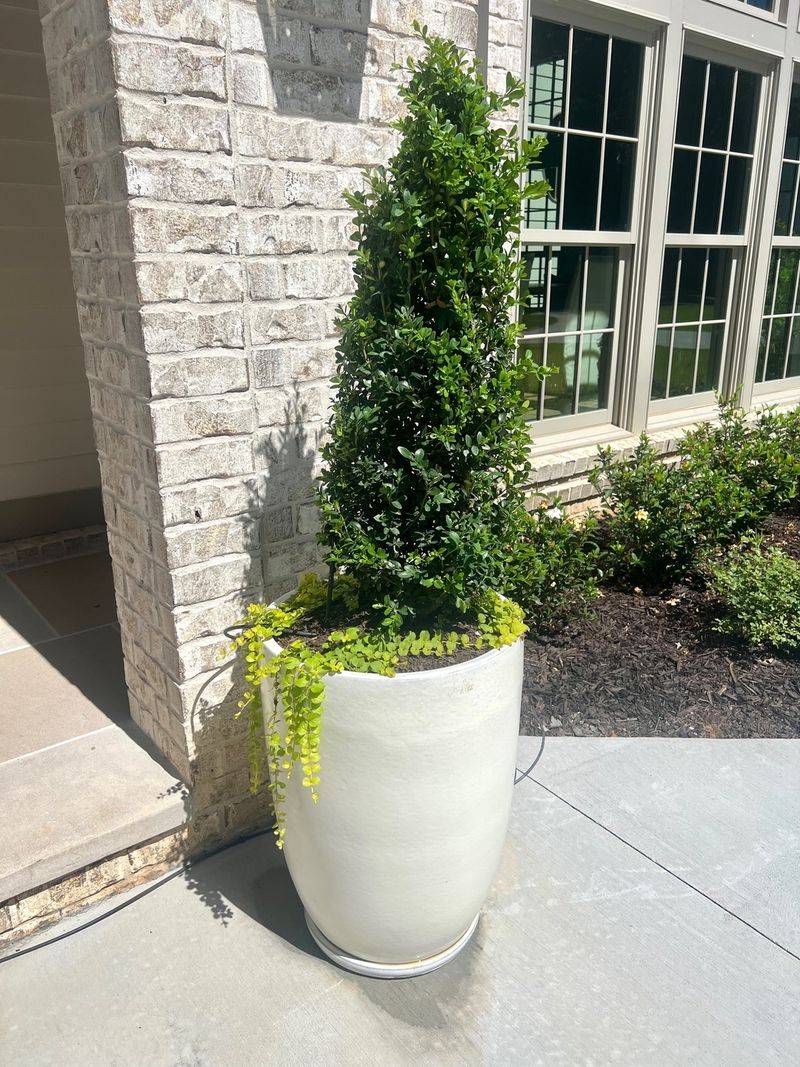
Waterlogged roots are one of the fastest ways to lose plants in containers, even in Colorado’s dry climate. Poor drainage traps water at the bottom where you can’t see it, creating conditions that suffocate roots and encourage rot.
Containers without drainage holes or those sitting in saucers that never get emptied are especially prone to this problem.
Checking the bottom of your planter is a simple first step. If there aren’t enough holes, you can drill more using a masonry bit for ceramic or a regular bit for plastic.
Adding a layer of gravel or broken pottery shards at the bottom used to be common advice, but it actually doesn’t help much. It’s better to use quality potting mix that drains well on its own.
Elevating planters on pot feet or small blocks allows water to escape freely instead of pooling underneath. This small change makes a big difference, especially during Colorado’s afternoon thunderstorms when containers can get drenched quickly.
Air circulation under the pot also helps prevent moisture buildup that can lead to mold or mildew.
Some gardeners in Colorado add extra perlite or pumice to their soil mix to improve drainage even more. These lightweight materials create air pockets that let water move through quickly while still holding some moisture for plant roots.
This balance is especially helpful in containers that dry out fast but occasionally get overwatered.
4. Using Mulch To Improve Moisture Balance
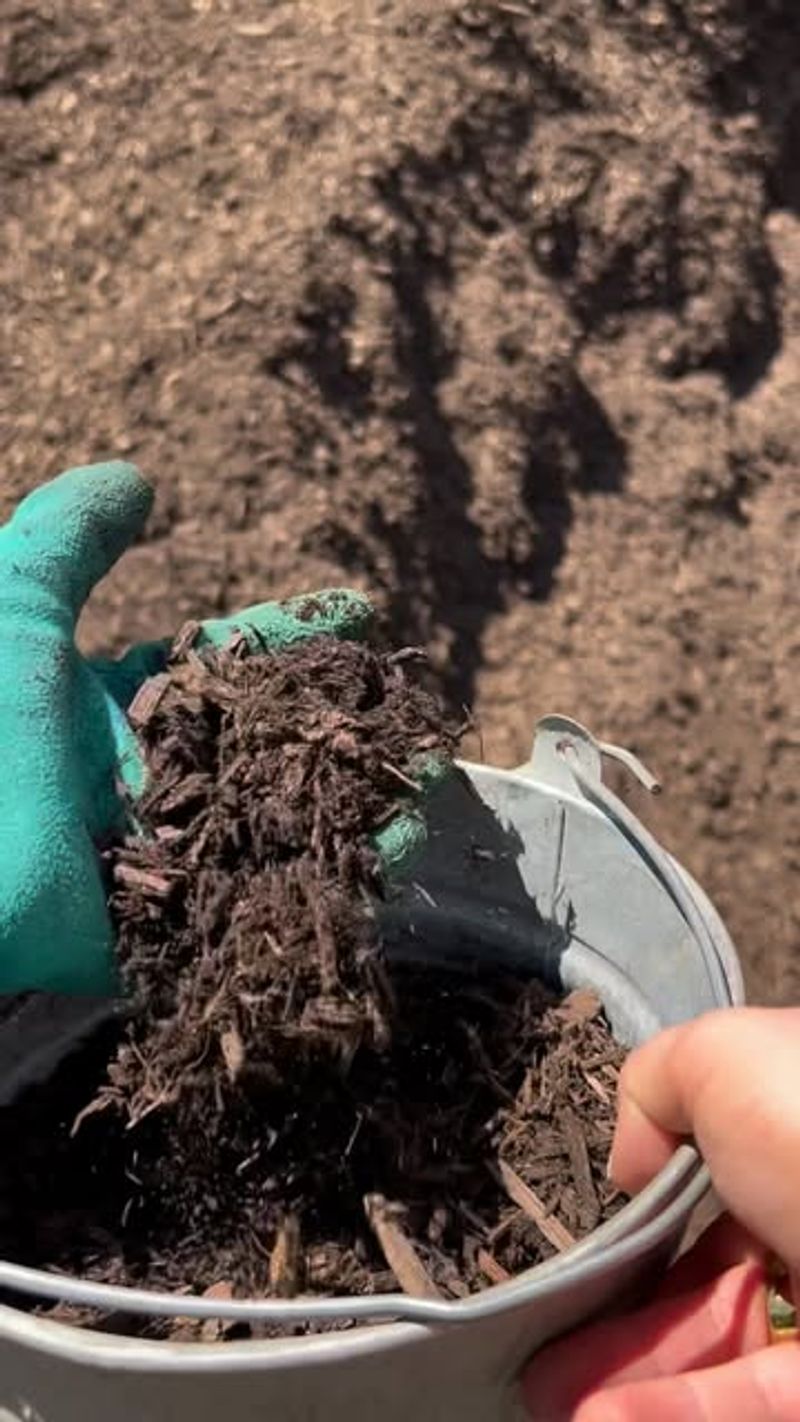
Bare soil in containers dries out faster than you might expect, especially in Colorado where humidity is low and sun is strong. Mulch acts as a protective layer that slows evaporation and keeps the soil underneath more consistently moist.
This means you can water less often and plants experience less stress between waterings.
Organic mulches like shredded bark, compost, or cocoa hulls work well in containers. They break down slowly and add a bit of nutrition as they decompose.
A layer about an inch thick is usually enough—too much can prevent water from reaching the soil, and too little won’t make much difference. Keeping the mulch a bit away from plant stems prevents rot and lets air circulate.
Some gardeners in the Front Range use decorative stones or pebbles as mulch for a cleaner look. These don’t break down, so they last longer, but they also don’t add nutrients.
They do help keep soil in place during heavy rain and reduce splashing, which can spread soil-borne issues. Lighter-colored stones can reflect heat, which might be too much for some plants in full sun.
Mulch also helps regulate soil temperature, keeping roots cooler during hot afternoons and warmer on chilly nights.
Colorado’s temperature swings can be hard on container plants, and this extra insulation makes a noticeable difference. Plants that stay more comfortable grow more consistently and look better overall.
5. Repositioning Planters For Better Light
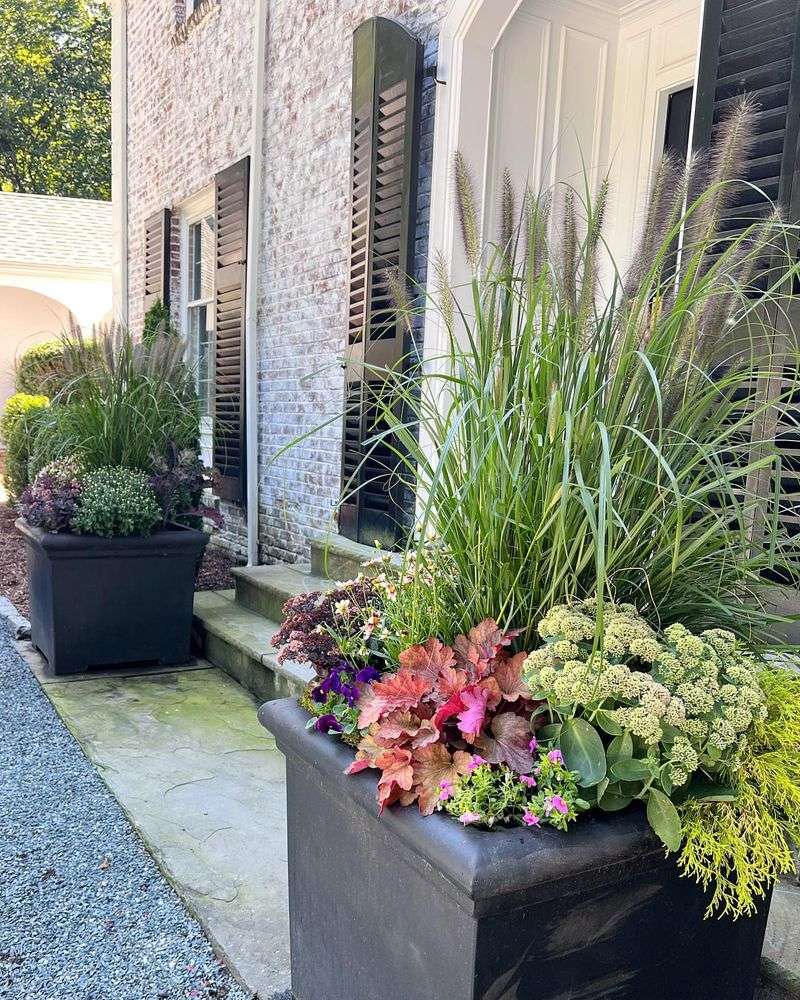
Light conditions change throughout the growing season as the sun’s angle shifts and nearby trees leaf out. A planter that got full sun in April might be mostly shaded by July, or a spot that was perfect in spring could become too intense by midsummer.
Plants that aren’t getting the right amount of light will show it—they’ll stretch, stop blooming, or develop pale, weak growth.
Moving containers to a better spot is one of the easiest fixes and can completely turn around a struggling planter. If your sun-loving plants are getting leggy, shift them to a brighter location.
If shade plants are scorched or wilting, move them somewhere with more protection. Colorado’s strong sunlight can be harsh, so even sun-loving plants sometimes appreciate a break during the hottest part of the day.
Gardeners in Boulder and Fort Collins often rotate their containers throughout the season to match changing light patterns. This keeps plants performing at their best and lets you experiment with different arrangements.
A planter that looks great on the porch in spring might do better on the patio by August.
Observing how light moves through your yard helps you make smarter choices. Spend a day watching where shadows fall and which areas get morning versus afternoon sun.
Morning sun is gentler, while afternoon sun is more intense and drying. Matching plants to these conditions makes a big difference in how well they grow.
Don’t forget that containers are portable—that’s one of their biggest advantages. If something isn’t working where it is, try moving it.
6. Cleaning Containers To Reset Growing Conditions
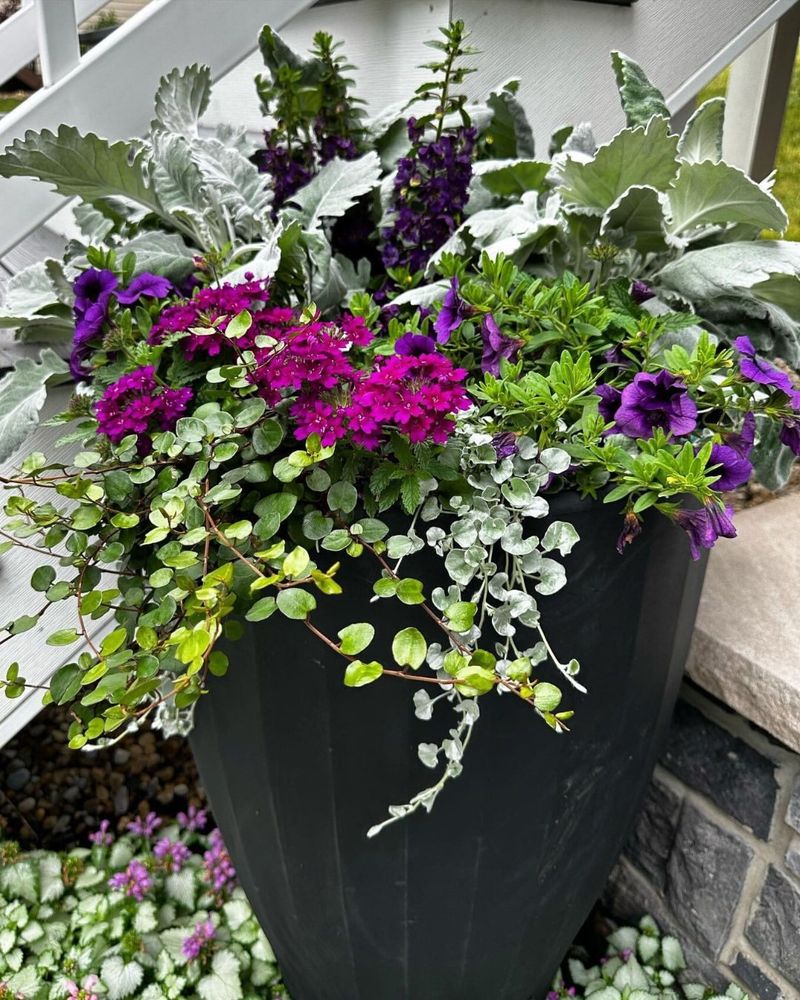
Dirty containers carry over problems from previous plantings, including disease spores, insect eggs, and mineral buildup from water and fertilizer. Colorado’s hard water leaves white crusty deposits on the inside and outside of pots, and these can interfere with moisture movement.
Cleaning your planters before refilling them gives your new plants a fresh start and reduces the chance of recurring issues.
Scrubbing containers with warm soapy water and a stiff brush removes most surface grime and buildup. For stubborn mineral deposits, a solution of one part vinegar to three parts water works well.
Let it soak for a few minutes, then scrub and rinse thoroughly. This simple step makes old containers look almost new again and removes residues that can affect soil chemistry.
Gardeners across Colorado often clean their containers at the end of the season and again before replanting in spring. This habit keeps pots in good condition and prevents the gradual buildup of salts and debris.
Terracotta pots especially benefit from regular cleaning because they’re porous and absorb minerals over time, which can show up as white streaks or patches.
If you’re reusing containers that held plants with disease or pest problems, a diluted bleach solution can sanitize them. Use one part bleach to nine parts water, soak for a few minutes, and rinse well.
Make sure the container is completely dry before adding soil and plants.
7. Mixing In Slow-Release Nutrition
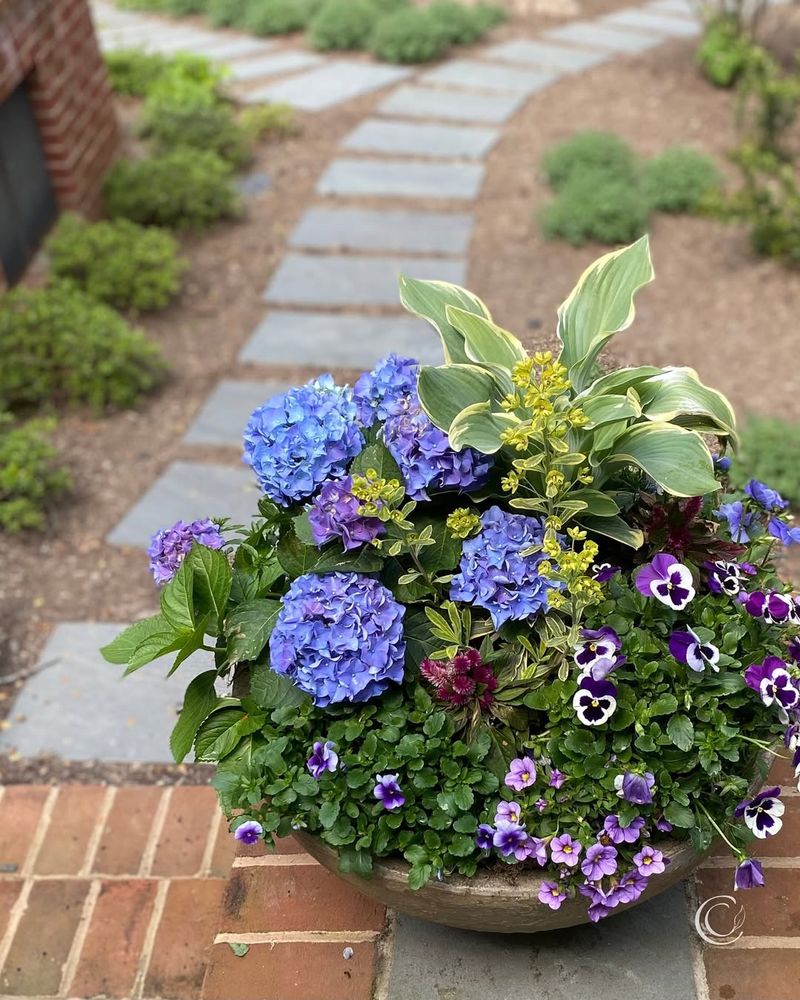
Container plants rely entirely on what’s in their pot for nutrients, and that supply runs out faster than you might think. Frequent watering washes nutrients through the drainage holes, leaving plants hungry even if the soil looks fine.
Signs of nutrient deficiency include pale leaves, slow growth, and fewer blooms, all of which can make a planter look tired and unproductive.
Slow-release fertilizers are a convenient way to keep nutrients available over weeks or even months. These granules or pellets break down gradually, releasing a steady supply of nitrogen, phosphorus, and potassium.
Mixing them into the soil when you refresh a planter means you won’t have to fertilize as often, and plants get consistent nutrition without the risk of over-feeding.
Gardeners in Colorado appreciate slow-release options because they simplify care and work well in the state’s dry climate.
You can mix the fertilizer into the top few inches of soil or blend it throughout when you’re refreshing the whole container. Following package directions is important—too much can burn roots, and too little won’t make much difference.
Organic options like compost, worm castings, or granular organic fertilizers also provide slow-release nutrition. These improve soil structure at the same time they feed plants, which is a bonus.
They tend to release nutrients more slowly than synthetic options, which can be an advantage in containers where you want steady, moderate growth rather than a quick flush of foliage.
8. Updating Plant Pairings For Seasonal Interest
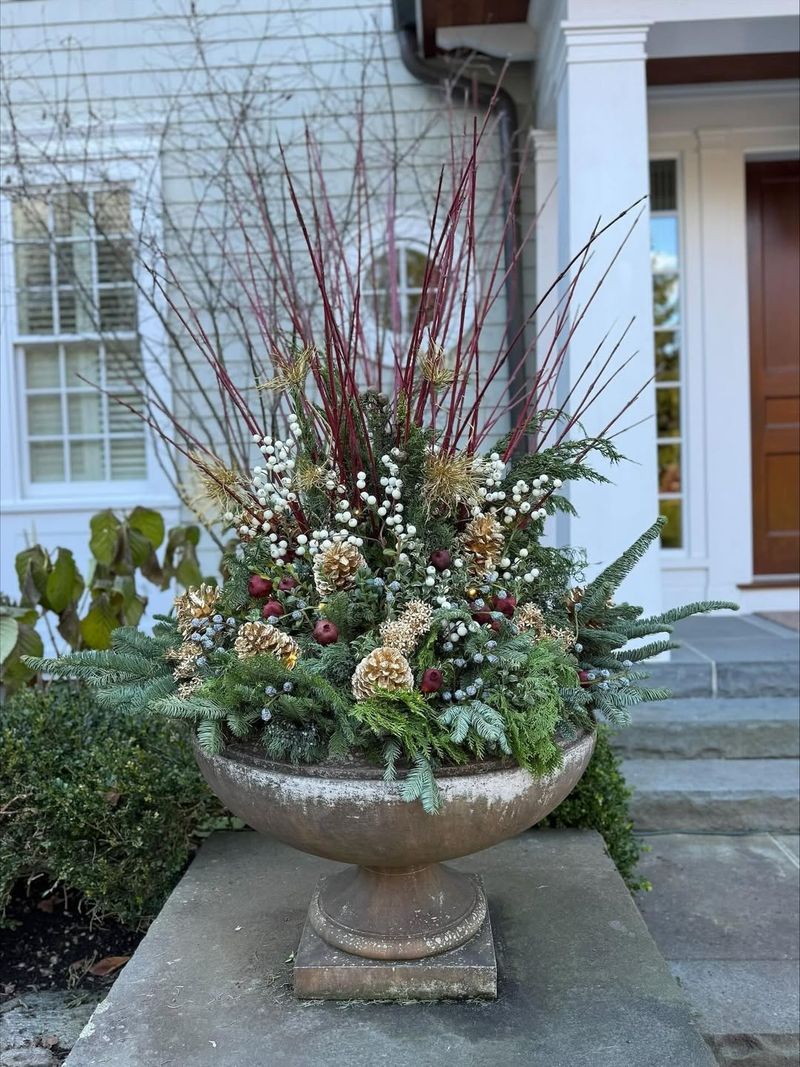
Containers don’t have to look the same all year long. Changing up the plant combinations keeps your outdoor space interesting and lets you enjoy different colors, textures, and heights as the seasons shift.
What works in spring might not be the best choice for summer or fall, and updating your planters to match the time of year makes them feel fresh and intentional.
Spring containers often feature pansies, violas, and snapdragons that love cool weather. As temperatures rise in Colorado, these plants fade, and it’s time to bring in heat-lovers like petunias, zinnias, and verbena.
Fall is perfect for mums, ornamental kale, and asters that thrive in cooler nights and shorter days. Swapping plants seasonally keeps containers looking their best and takes advantage of what grows well at different times.
Mixing different plant types creates more visual interest than using just one kind. Combining upright plants with trailing ones and adding something with interesting foliage gives depth and variety.
A thriller, filler, spiller approach is popular—one tall focal plant, several medium plants to fill space, and trailing plants to spill over the edges. This formula works in Colorado gardens just as well as anywhere else.
Gardeners in the Denver metro area often plan their containers around specific color schemes or themes that change with the season.
Bright, cheerful colors for summer might give way to warm oranges and burgundies in fall. This kind of planning makes your outdoor space feel cohesive and thoughtfully designed, even if you’re working with containers you’ve had for years.
9. Adding Fresh Paint Or Decorative Touches
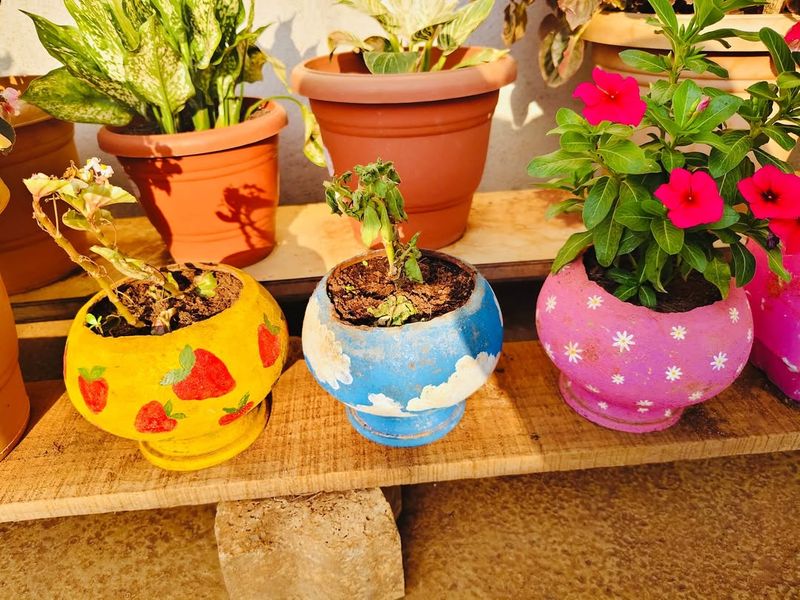
Sometimes the container itself needs attention, not just the plants inside. Faded paint, chipped edges, or a style that no longer fits your taste can make even healthy plants look less appealing.
Refreshing the outside of a planter with paint or decorative accents can completely change its look and make it feel new again without spending much money.
Outdoor-rated paint works well on plastic, wood, and even ceramic planters. Choose colors that complement your home’s exterior or add a bold contrast to make containers stand out.
Colorado’s intense sun can fade paint over time, so using a UV-resistant product helps it last longer.
Sealing painted surfaces with a clear outdoor sealer adds extra protection and keeps colors vibrant.
Decorative touches like stencils, mosaic tiles, or rope wrapped around the rim can add personality and style. These small details make containers feel custom and unique, even if they started as plain, inexpensive pots.
Gardeners in Colorado Springs and other areas often personalize their planters to reflect their style and make their outdoor spaces feel more like home.
If painting isn’t your thing, try slipping an old planter into a larger decorative basket or cache pot. This covers up wear and tear while adding texture and interest.
You can change the outer container seasonally or whenever you want a new look, and it’s easier than repainting or replacing the planter itself.