9 Smart Ways Michigan Gardeners Make Spider Plants Bushier In Record Time
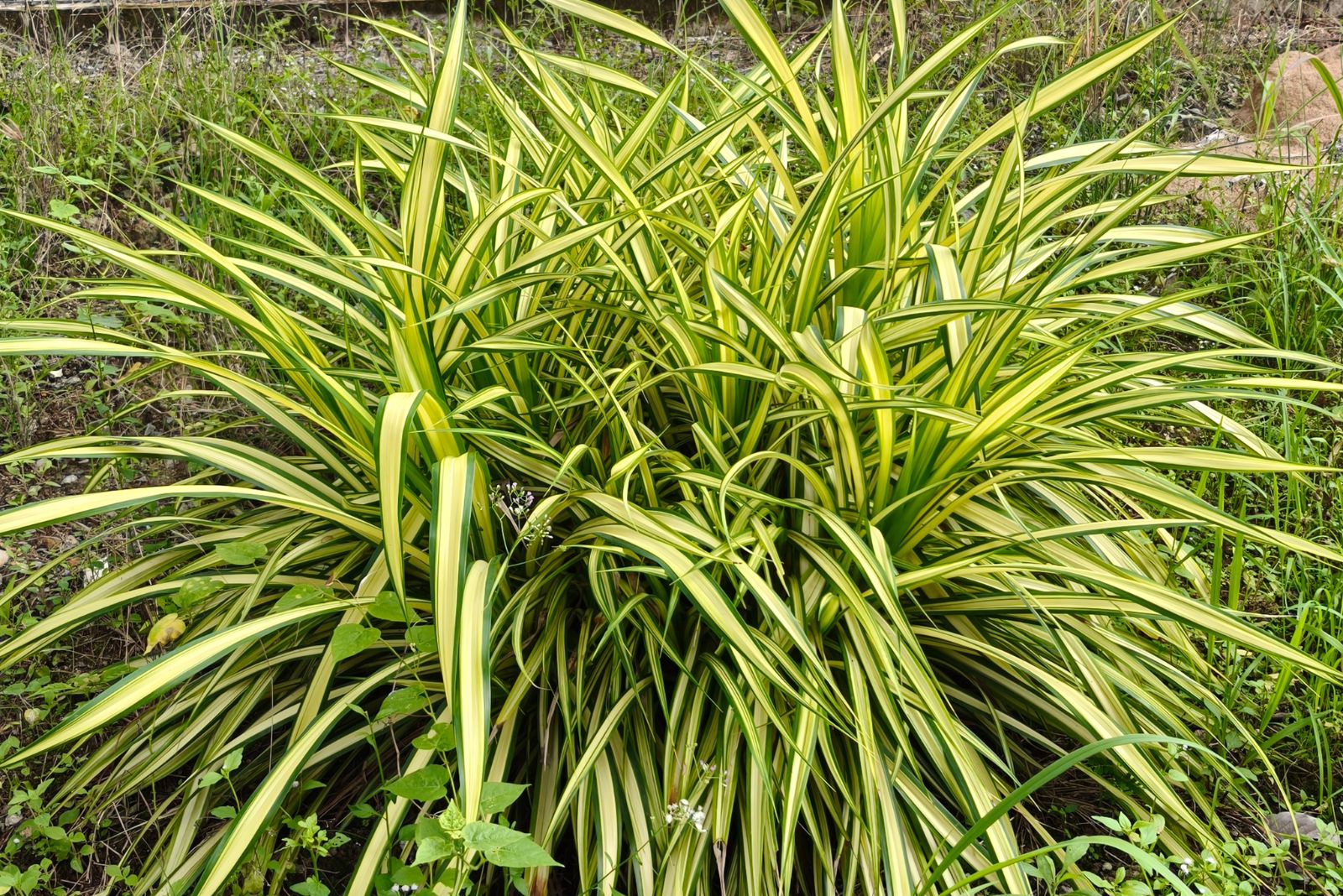
Spider plants love attention. Give them the right care and they respond fast. Fuller leaves. Thicker growth. A cleaner look on shelves and windowsills. Many indoor gardeners in California already use simple tricks to boost plant volume without waiting months.
The same smart methods work in Michigan where indoor heating and low winter light can slow growth. A few small changes can wake up tired plants and push new shoots to show up faster. Better light placement makes a difference.
Proper watering builds stronger roots. Simple trimming encourages fresh growth. Quick wins keep motivation high.
Healthy plants lift the mood of any room. Bushy spider plants look better and feel more rewarding to grow. Want to know how Michigan gardeners turn thin spider plants into full showpieces in record time?
Keep reading because these smart tips can upgrade your houseplant game faster than you expect.
1. Provide Bright, Indirect Light
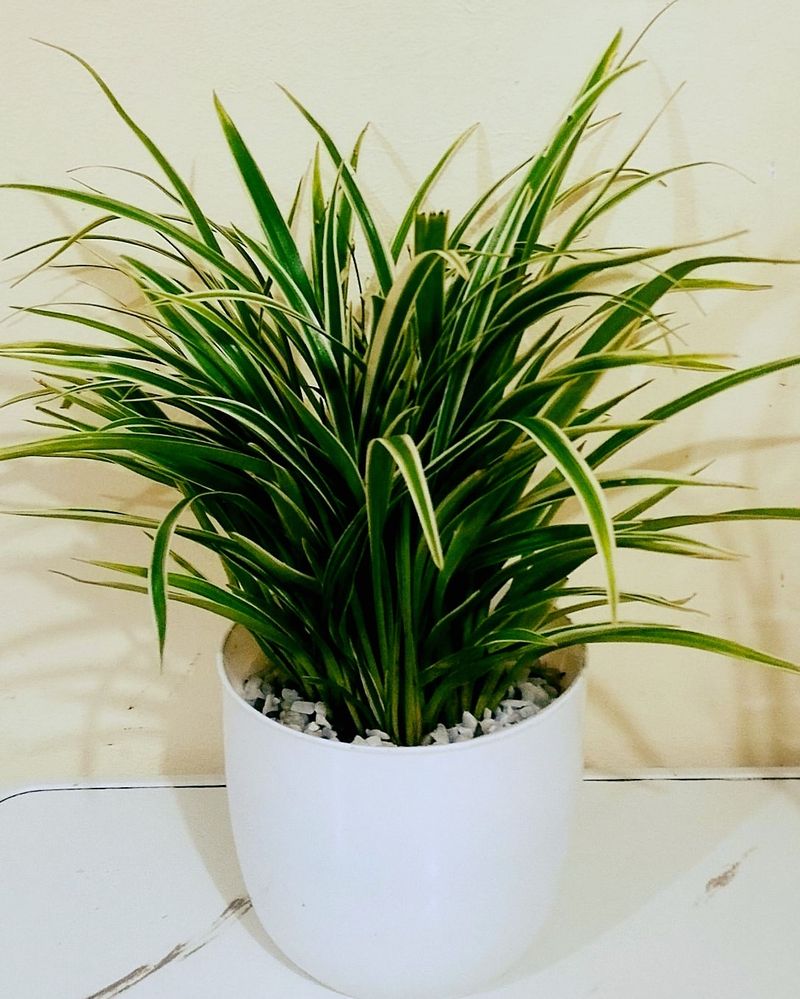
Spider plants absolutely love bright conditions but can get sunburned easily. Finding that sweet spot between too much and too little makes all the difference. Michigan winters bring shorter days, so positioning matters more than you might think.
East-facing windows work wonderfully because they offer gentle morning sun without harsh afternoon rays.
South-facing windows also provide excellent light throughout the day during winter months. If natural light seems limited, grow lights become your best friend for consistent results.
The right lighting encourages compact, dense growth rather than leggy, stretched-out leaves. Your spider plant will produce more chlorophyll and develop stronger stems when properly lit. Watch for pale leaves as a sign of insufficient light exposure.
During Michigan’s cloudy winter weeks, consider supplementing with artificial lighting for several hours daily.
This simple adjustment keeps your plant actively growing even when outdoor conditions seem gloomy. Position lights about twelve inches above the foliage for optimal absorption.
Consistent bright conditions trigger the plant to produce more offsets and fuller central growth. You’ll notice thicker leaf clusters forming within just a few weeks of proper placement.
2. Regular Rotating Of Plants
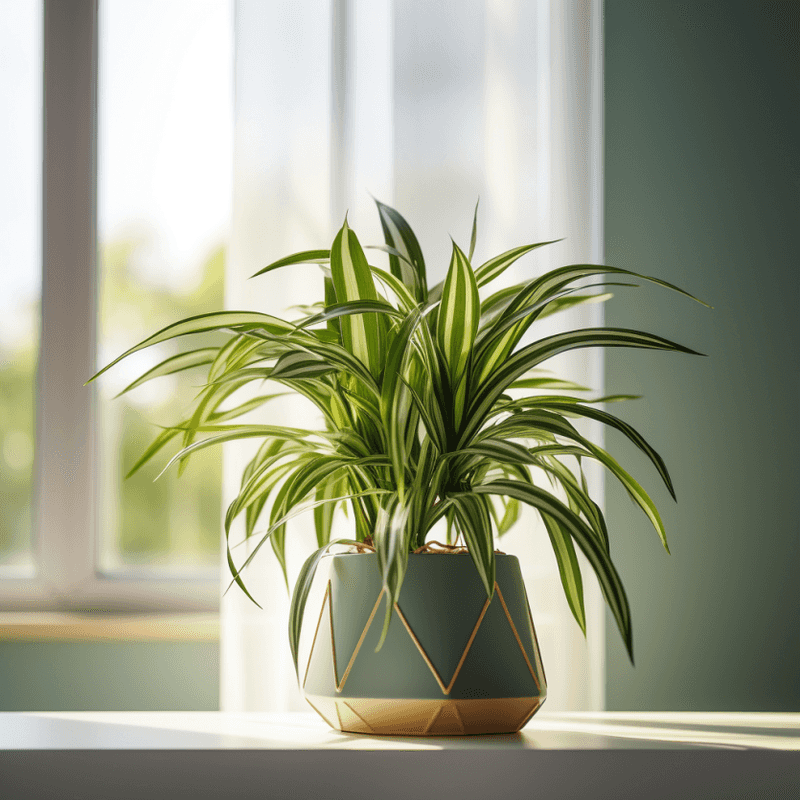
Plants naturally lean toward their light source, creating uneven growth patterns over time. Rotating prevents this lopsided appearance and encourages symmetrical development from every angle.
Most gardeners forget this simple step, but it makes a remarkable difference. Turn your spider plant a quarter turn every week or two for best results.
This ensures each side receives equal light exposure throughout the month. Mark your pot with a small sticker to track which direction faces the window.
Even growth means more leaves develop uniformly around the entire plant rather than clustering on one side.
Your spider plant will look fuller and more attractive from any viewing angle. This technique works especially well during Michigan’s winter when sunlight comes from lower angles.
Rotating also helps prevent stem weakness on the shaded sides of your plant. Stronger stems support more foliage and create that bushy appearance everyone wants. The process takes just seconds but yields impressive long-term benefits.
You’ll notice improved symmetry within three to four weeks of consistent rotating. The plant develops a balanced, professional look that impresses visitors and enhances your indoor garden aesthetic beautifully.
3. Maintain Consistent Watering
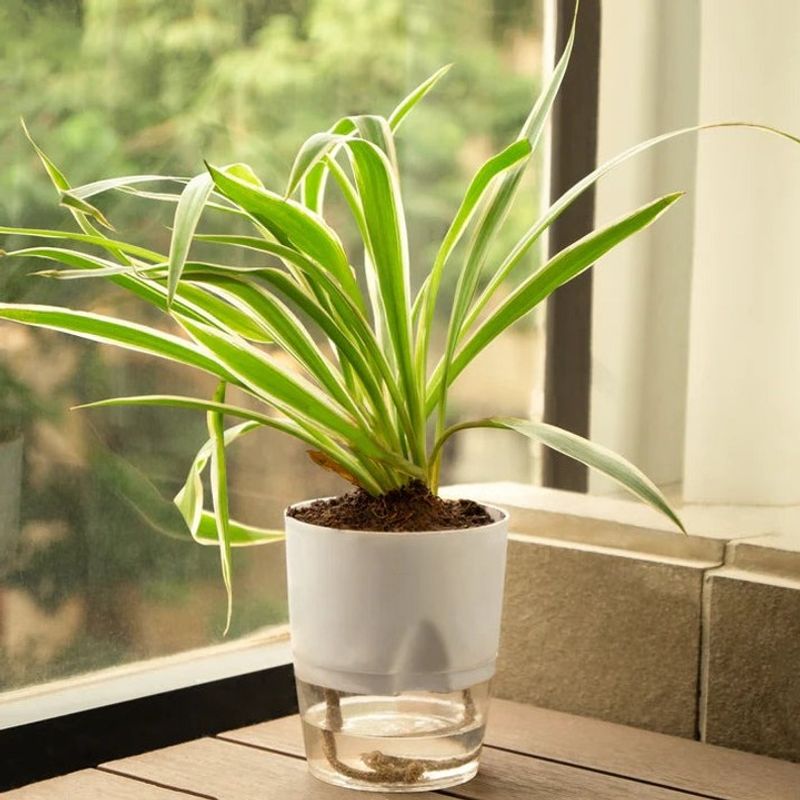
Watering consistency matters far more than most people realize for encouraging bushier growth. Spider plants prefer evenly moist soil that never becomes waterlogged or bone dry. Stress from irregular watering slows growth and reduces leaf production significantly.
Check the top inch of soil with your finger before watering again. If it feels dry, your plant needs water. Michigan’s indoor winter heating can dry soil faster than expected.
During growing season from spring through early fall, you might water weekly or twice weekly. Winter watering decreases because plants grow slower and soil stays moist longer. Adjust your schedule based on actual soil conditions rather than calendar dates.
Consistent moisture helps roots stay healthy and active, supporting continuous leaf development above ground. Stressed roots produce fewer leaves and slower overall growth. Your spider plant rewards proper watering with lush, abundant foliage.
Use room-temperature water to avoid shocking the roots with cold liquid straight from the tap. Let water sit overnight to allow chlorine to dissipate before using it. Well-hydrated plants develop thicker leaves and more vigorous growth patterns throughout the year.
4. Fertilize During Active Growth
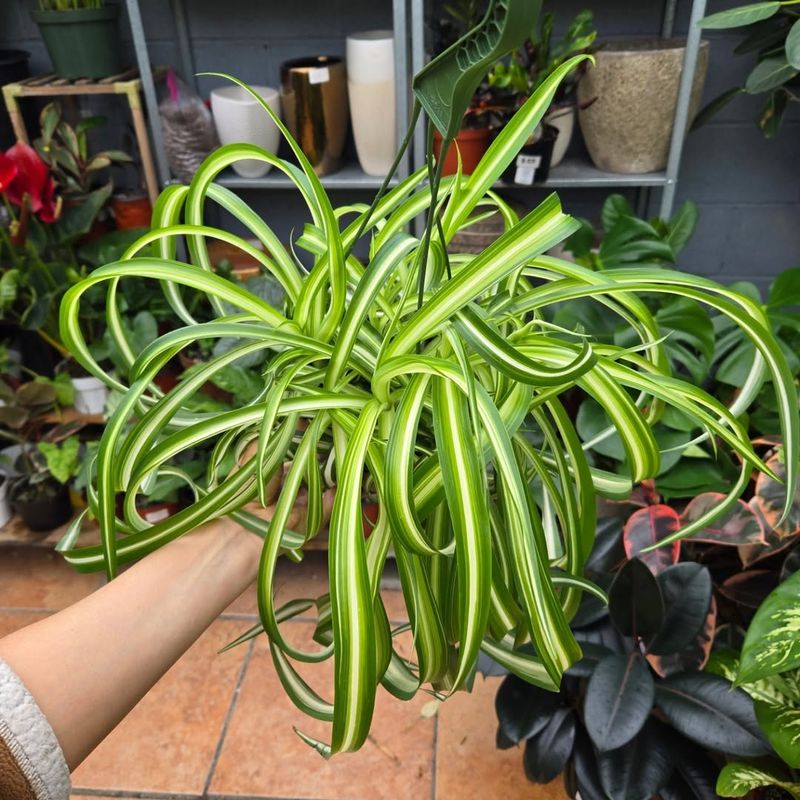
Nutrition plays a crucial role in developing fuller, bushier spider plants quickly. Regular feeding during active growth periods provides essential nutrients for leaf production. Many gardeners skip this step and wonder why their plants stay sparse.
Use a balanced liquid fertilizer diluted to half the recommended strength for best results. Full-strength formulas can burn spider plant roots and cause brown leaf tips. Apply fertilizer every four to six weeks from April through September.
During Michigan’s winter months, stop fertilizing because plants enter a rest period naturally. Feeding dormant plants wastes fertilizer and can actually harm root systems. Resume applications when you notice new growth appearing in spring.
Proper nutrition encourages the plant to produce more leaves and develop thicker growth clusters. You’ll see noticeably fuller foliage within six to eight weeks of regular feeding. The plant also produces more offsets when adequately nourished.
Choose fertilizers with balanced nitrogen, phosphorus, and potassium ratios like ten, ten, ten formulations.
These support overall plant health rather than just green growth. Healthy, well-fed spider plants develop that coveted bushy appearance much faster than unfed specimens.
5. Trim Brown Leaf Tips
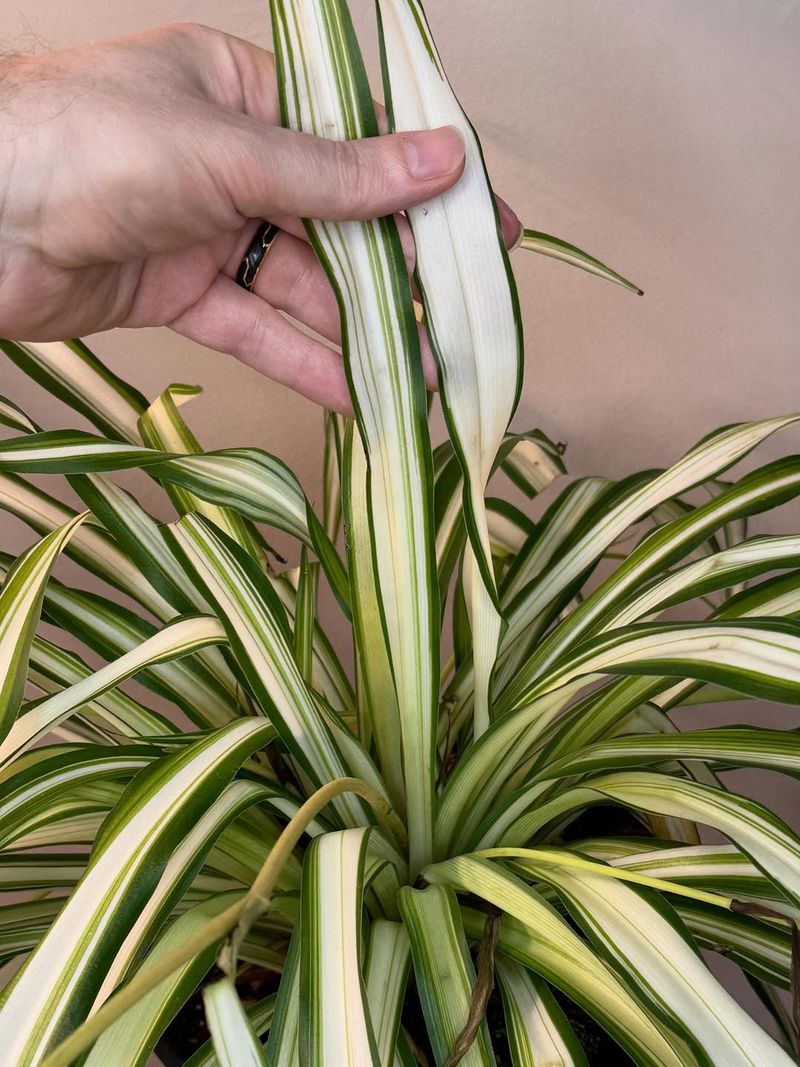
Brown leaf tips look unsightly and signal that your plant is wasting energy on damaged tissue.
Trimming these sections redirects resources toward producing new, healthy growth instead. Regular pruning keeps your spider plant looking fresh and encourages bushier development.
Use clean, sharp scissors to trim just the brown portions at an angle. Cutting at an angle looks more natural than straight cuts across the leaf. Avoid cutting into green tissue, which can cause additional browning.
Brown tips often result from fluoride in tap water or low humidity levels common in Michigan homes.
While trimming won’t prevent future browning, it does improve appearance immediately. Address underlying causes while maintaining a regular trimming schedule.
Removing damaged leaves allows the plant to focus energy on developing new foliage instead. You’ll notice increased leaf production within a few weeks of consistent pruning. The plant looks healthier and more vibrant without those unsightly brown edges.
Prune anytime you notice browning rather than waiting for a specific schedule. Quick attention keeps your spider plant looking its absolute best year-round.
This simple maintenance task takes minutes but makes a dramatic difference in overall plant appearance and growth.
6. Repot When Root-Bound
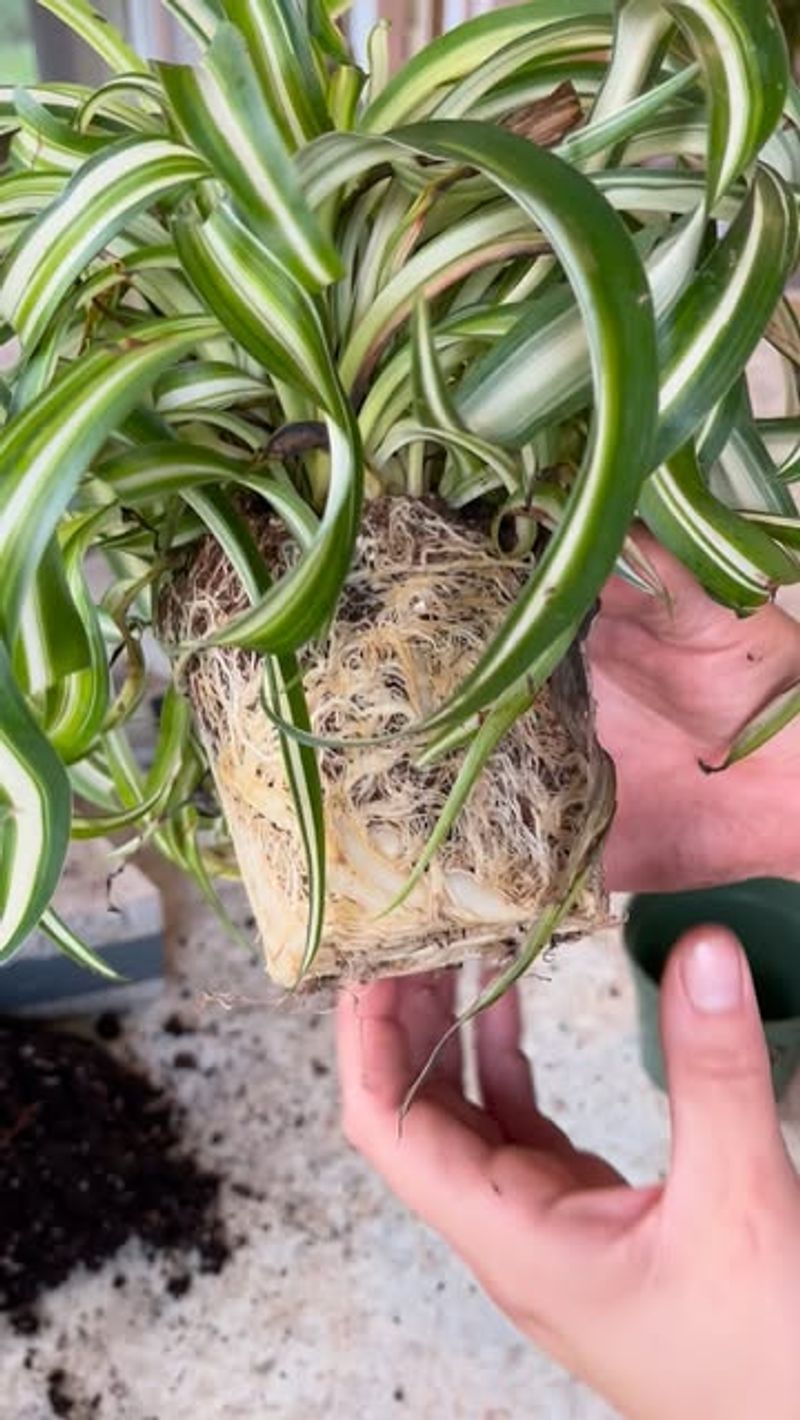
Root-bound plants struggle to produce new growth because roots have nowhere left to expand.
When roots circle the pot repeatedly, the plant focuses on survival rather than bushiness. Checking root health annually helps you catch this problem before growth stalls completely.
Gently remove your spider plant from its pot to inspect the root system. If roots form a tight mass circling the pot’s shape, repotting time has arrived. Choose a new container only two inches larger in diameter than the current one.
Spring represents the ideal repotting time when plants naturally enter active growth phases. Use fresh, well-draining potting mix designed for houseplants. Avoid garden soil, which compacts too much for container growing.
Loosen the root ball gently before placing it in the new pot to encourage outward growth. Fill around the roots with fresh soil, pressing gently to eliminate air pockets. Water thoroughly after repotting to help the plant settle into its new home.
Newly repotted spider plants often experience a growth spurt within weeks of transplanting.
The additional root space allows more nutrient uptake and supports increased leaf production. Your plant will develop fuller, bushier growth much faster in appropriately sized containers.
7. Propagate Plantlets
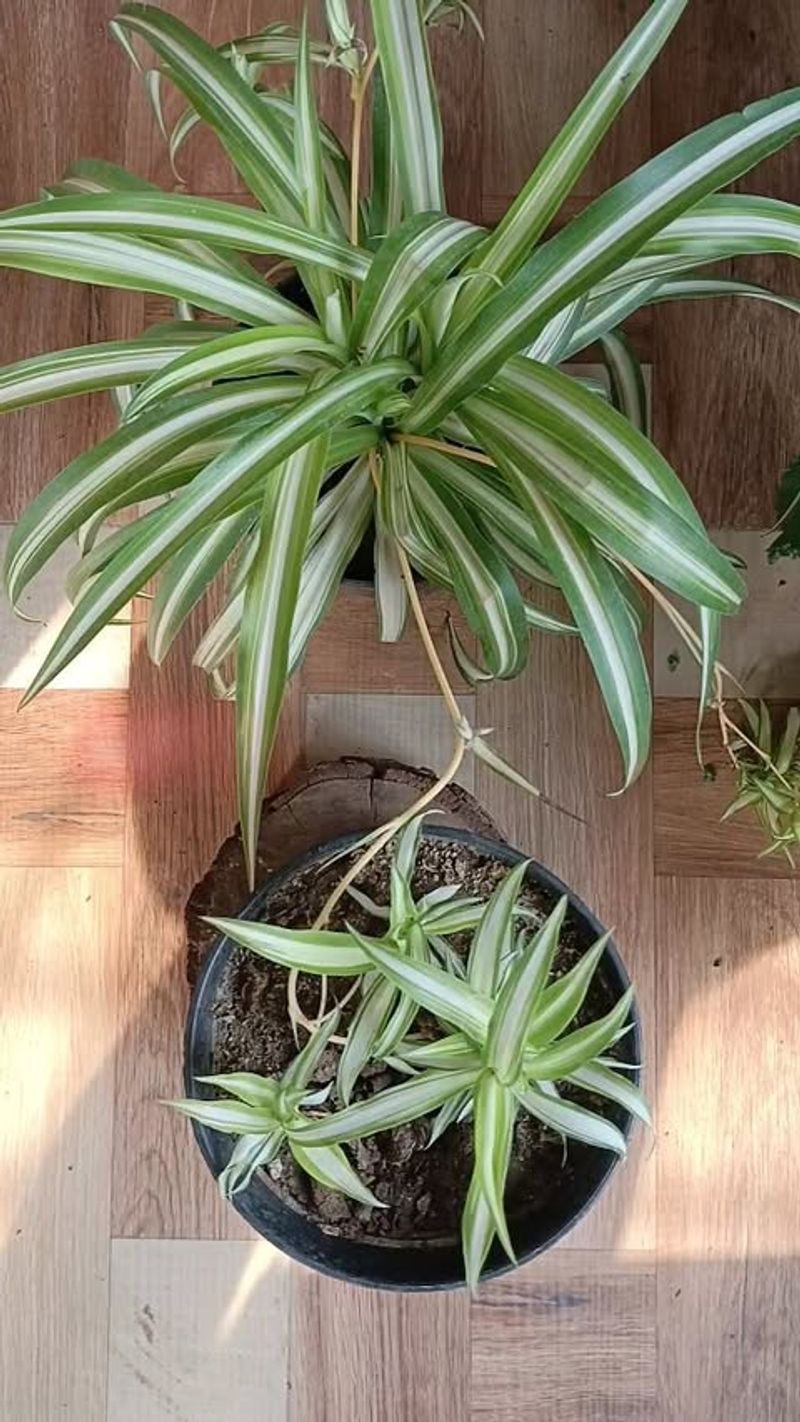
Those adorable baby plants dangling from your spider plant aren’t just cute decorations. Propagating these offsets creates additional plants and encourages the mother plant to produce even more growth.
Michigan gardeners use this technique to fill their homes with lush greenery inexpensively. Wait until plantlets develop small root nubs before removing them from the mother plant.
Cut the stem connecting them using clean scissors or simply twist them off gently. Place babies in water or directly into moist potting soil to establish roots.
Water-rooted plantlets develop visible roots within one to two weeks typically. Once roots reach about an inch long, transfer them to small pots with soil. Soil-rooted plantlets take slightly longer but adapt faster after potting.
Removing plantlets signals the mother plant to produce more offsets and denser central growth. The plant redirects energy from supporting babies to developing fuller foliage. You’ll notice increased bushiness in the original plant within a month.
Group several rooted babies together in one pot for an instantly fuller appearance. This creates a lush display much faster than waiting for a single plant to mature. Propagation gives you both fuller individual plants and abundant greenery throughout your home.
8. Avoid Stressful Conditions
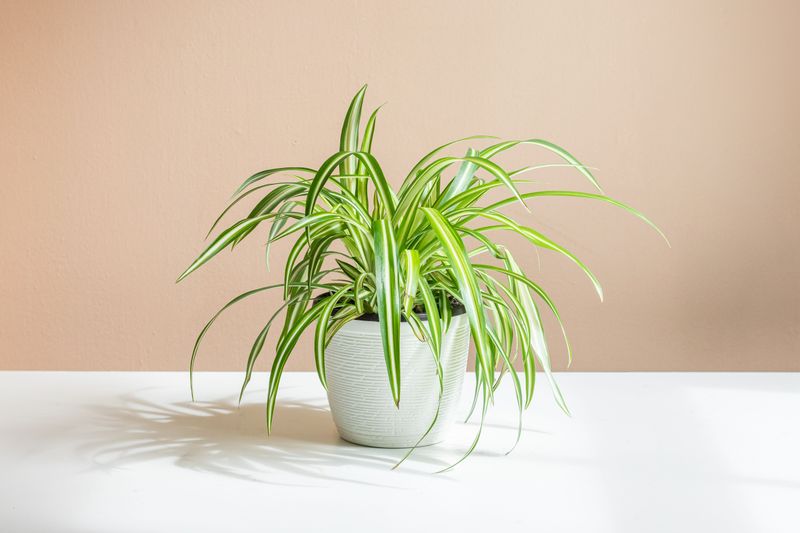
Environmental stress significantly slows spider plant growth and reduces overall bushiness.
Michigan homes present unique challenges with heating vents blasting dry air and cold window drafts. Protecting your plant from these extremes encourages faster, fuller growth throughout the year.
Keep spider plants away from heating registers that blow hot, dry air directly onto foliage. This causes rapid moisture loss and brown leaf tips. Similarly, avoid placing plants against cold windows during winter where temperatures drop dramatically at night.
Sudden temperature swings stress plants and cause them to pause growth while adjusting to changes.
Maintain consistent temperatures between sixty-five and seventy-five degrees for optimal results. Spider plants tolerate some variation but prefer stability over dramatic fluctuations.
Low humidity from indoor heating also stresses plants during Michigan winters significantly.
Consider using a humidifier nearby or placing pots on pebble trays filled with water. Increased humidity supports healthier leaf development and reduces browning issues.
Stressed plants focus energy on survival rather than producing lush, bushy growth. Creating stable, comfortable conditions allows your spider plant to thrive year-round.
You’ll see noticeably improved growth rates and fuller foliage when environmental stressors are minimized effectively.
9. Use Slightly Smaller Pots
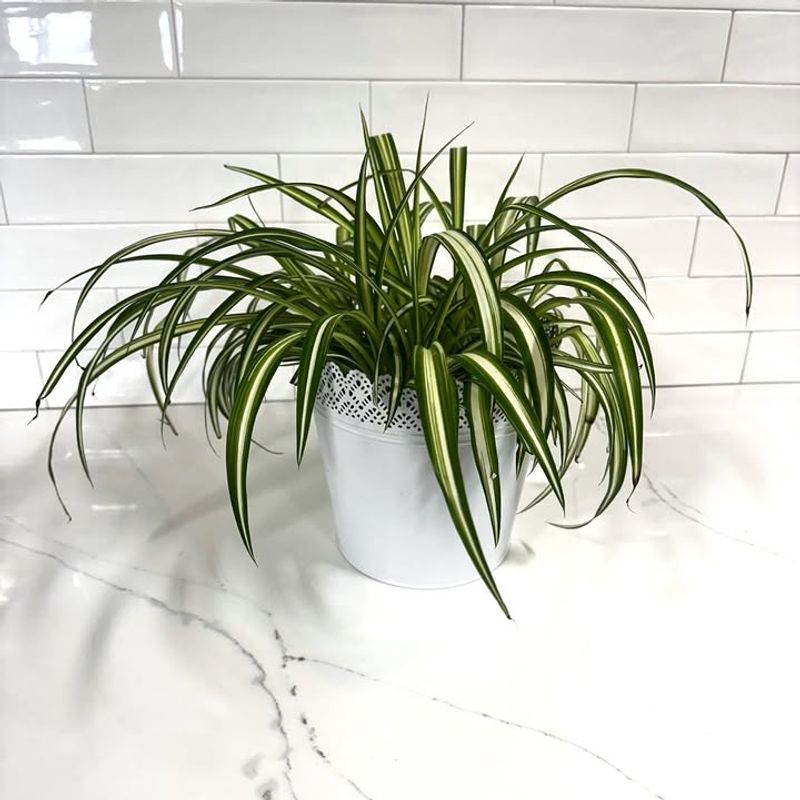
Counterintuitively, slightly smaller pots often encourage bushier growth in spider plants. When roots feel moderately confined, plants produce more leaves and offsets rather than extensive root systems.
This strategy works wonderfully for maximizing visible growth above the soil line. Choose pots that leave about an inch of space around the root ball rather than several inches.
Oversized containers encourage roots to spread extensively before producing much foliage. Snugger pots redirect energy toward leaf production and offset development instead.
This technique mimics natural growing conditions where spider plants often grow in rocky, confined spaces.
The slight restriction triggers the plant’s reproductive response, producing more babies and denser growth. You’ll notice increased fullness within six to eight weeks.
Don’t confuse snug pots with severely root-bound conditions that harm plant health. The goal is gentle encouragement, not extreme restriction. Monitor your plant and repot when roots begin circling tightly.
Michigan gardeners find this method especially effective for maintaining compact, bushy plants in limited indoor spaces.
Smaller pots also dry out faster, encouraging more attentive watering habits. The combination of appropriate pot size and good care produces impressively full spider plants quickly.