7 Smart Ways To Get Rid Of Poison Ivy In Ohio Without Making It Worse
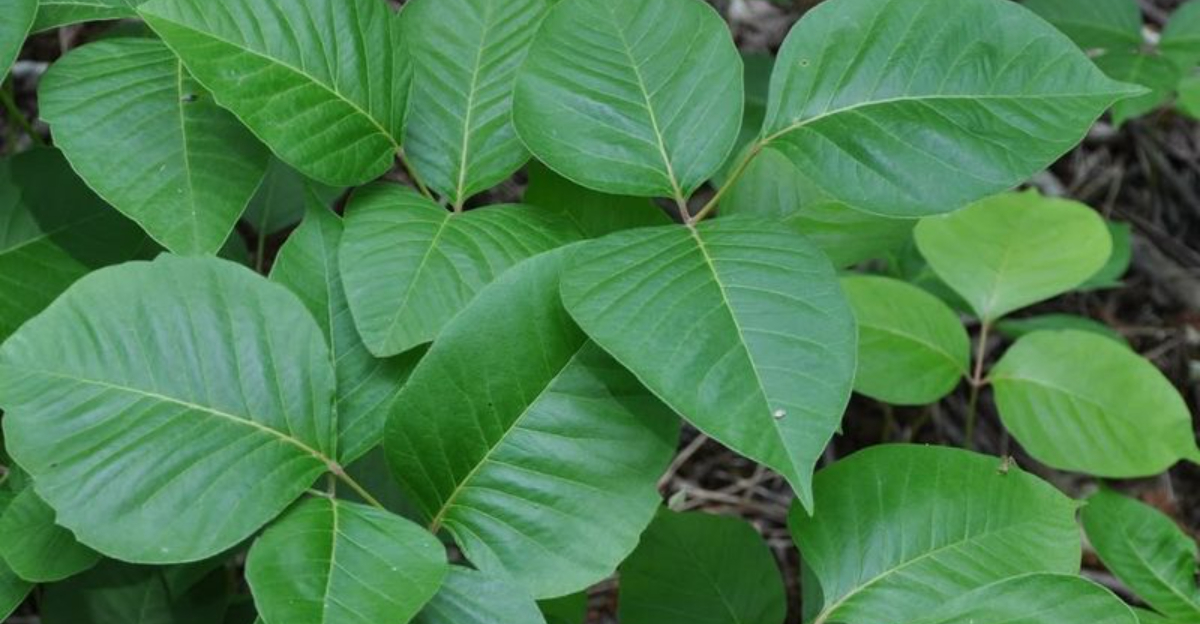
Poison ivy is one of the most frustrating and itchy surprises in Ohio gardens.
One careless move can spread its oils, worsen the problem, and leave you—or your family—scratching for days.
The key to victory?
Smart, deliberate action that eliminates the plant without making it worse.
One wrong touch can turn a small patch into a full-blown nightmare!
From careful identification to protective gear, removal techniques, and proper disposal, these seven strategies help Ohio gardeners tackle poison ivy safely and effectively.
Knowing when and how to act prevents accidental spread and keeps your yard—and your skin—safe.
Herbicides, smothering methods, and even targeted digging all have their place when used correctly.
Treat it smartly, and you can reclaim your yard without the pain and frustration.
For homeowners, understanding poison ivy’s behavior and using these proven methods ensures a healthier garden, safer family, and stress-free outdoor space.
With a little knowledge and precaution, poison ivy doesn’t have to win.
Take control now, and enjoy your yard without the itch!
1. Learn To Identify Poison Ivy In Every Season
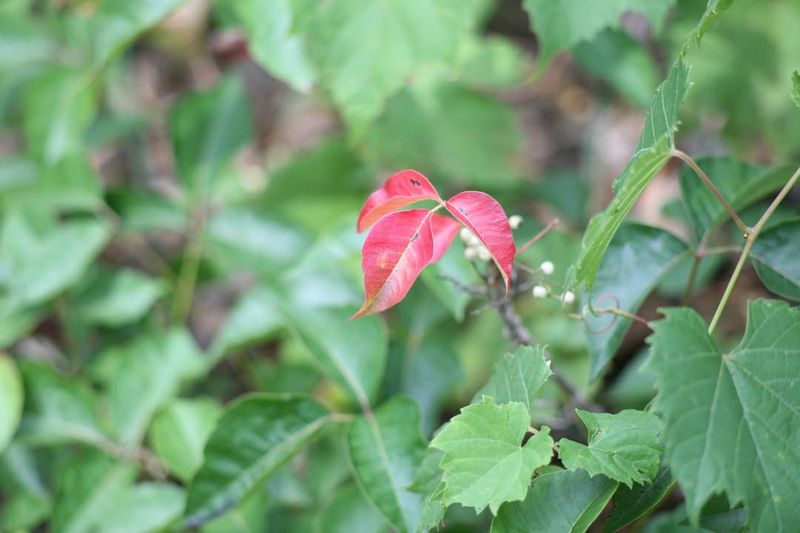
Recognizing poison ivy throughout the year is your first line of defense against accidental exposure.
In spring, new leaves emerge with a reddish tint before turning green, and this early coloration often confuses gardeners who mistake it for harmless plants.
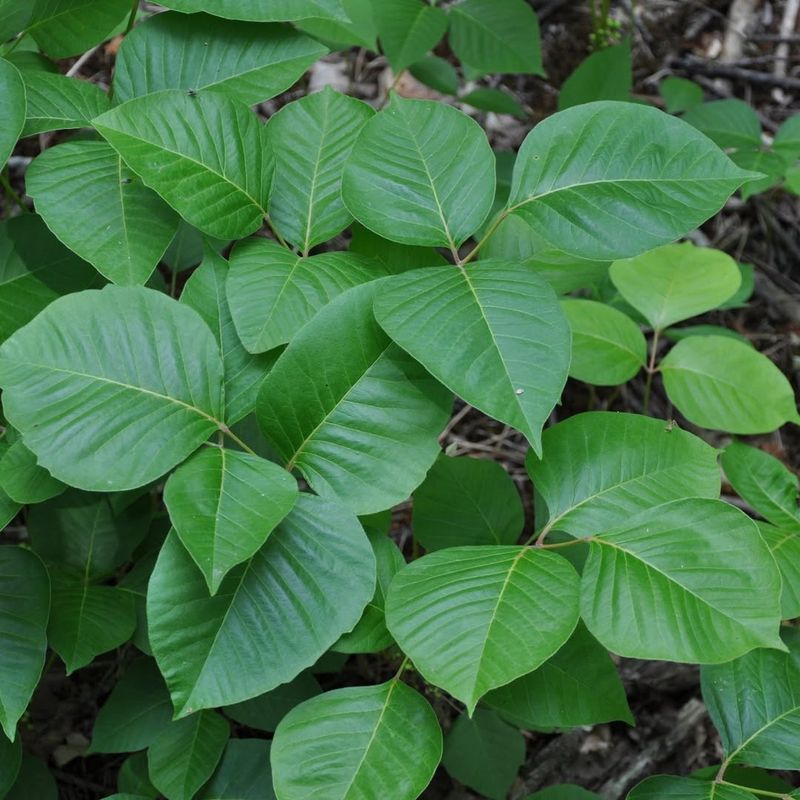
By summer, the leaves are a glossy green with three leaflets per stem, sometimes accompanied by small greenish-white flowers or clusters of berries.
Fall brings dramatic color changes as the leaves turn bright red, orange, or yellow, making poison ivy surprisingly beautiful but still dangerous to touch.
Winter presents the biggest challenge because the leaves drop completely, leaving behind hairy, rope-like vines that climb trees and fences.
Many Ohio gardeners accidentally grab these bare vines while doing winter cleanup, not realizing the urushiol oil remains potent even without leaves.
The classic saying “leaves of three, let it be” is helpful, but it’s not foolproof since other plants also have three leaflets.
Look for the middle leaflet having a longer stem than the two side leaflets, which is a distinctive feature of poison ivy.
Understanding these seasonal differences helps you spot poison ivy before you accidentally touch it, giving you the chance to plan safe removal strategies instead of reacting to a painful rash later on.
2. Wear Proper Protective Gear Before Touching Anything
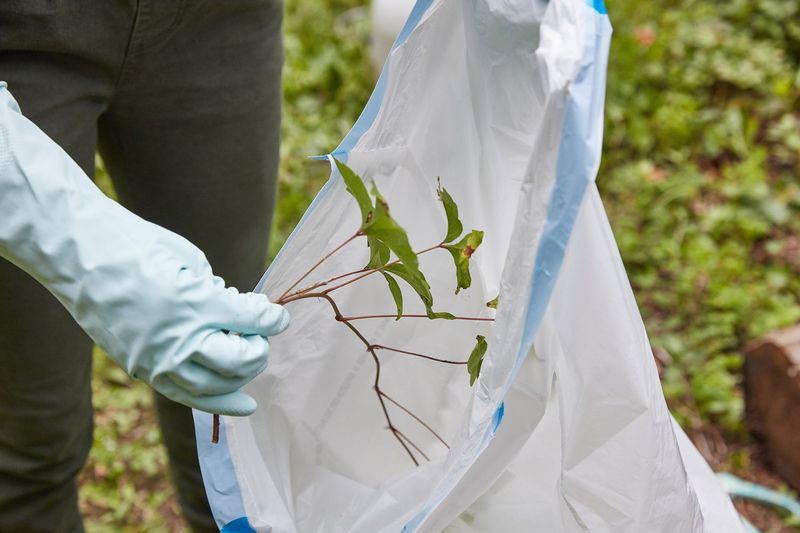
Urushiol oil is incredibly sticky and spreads faster than you might imagine, which is why proper protection is absolutely essential before you even think about touching poison ivy.
This colorless, odorless oil can transfer from plants to your skin in just minutes, and it takes only a tiny amount to trigger an allergic reaction in most people.
Even worse, the oil can remain active on surfaces for months or even years if not properly cleaned.
Start with thick rubber gloves or disposable nitrile gloves that cover your wrists completely, because regular gardening gloves made of cloth will absorb the oil and become contaminated.
Long sleeves, long pants, and closed-toe shoes are non-negotiable, and many experienced gardeners also wear disposable coveralls that can be thrown away after the job.
Eye protection like safety goggles prevents accidental splashes or rubbing your eyes with contaminated gloves, which can cause serious irritation.
Consider the weather conditions too, because hot days make you sweat and increase the temptation to wipe your face or roll up your sleeves.
If you’re working near poison ivy on a warm afternoon, take frequent breaks in a clean area where you can safely remove your outer layer without spreading oil.
The few extra minutes spent gearing up properly can save you weeks of misery from an itchy, blistering rash that spreads across your body.
3. Cut The Vine Before Removing The Roots
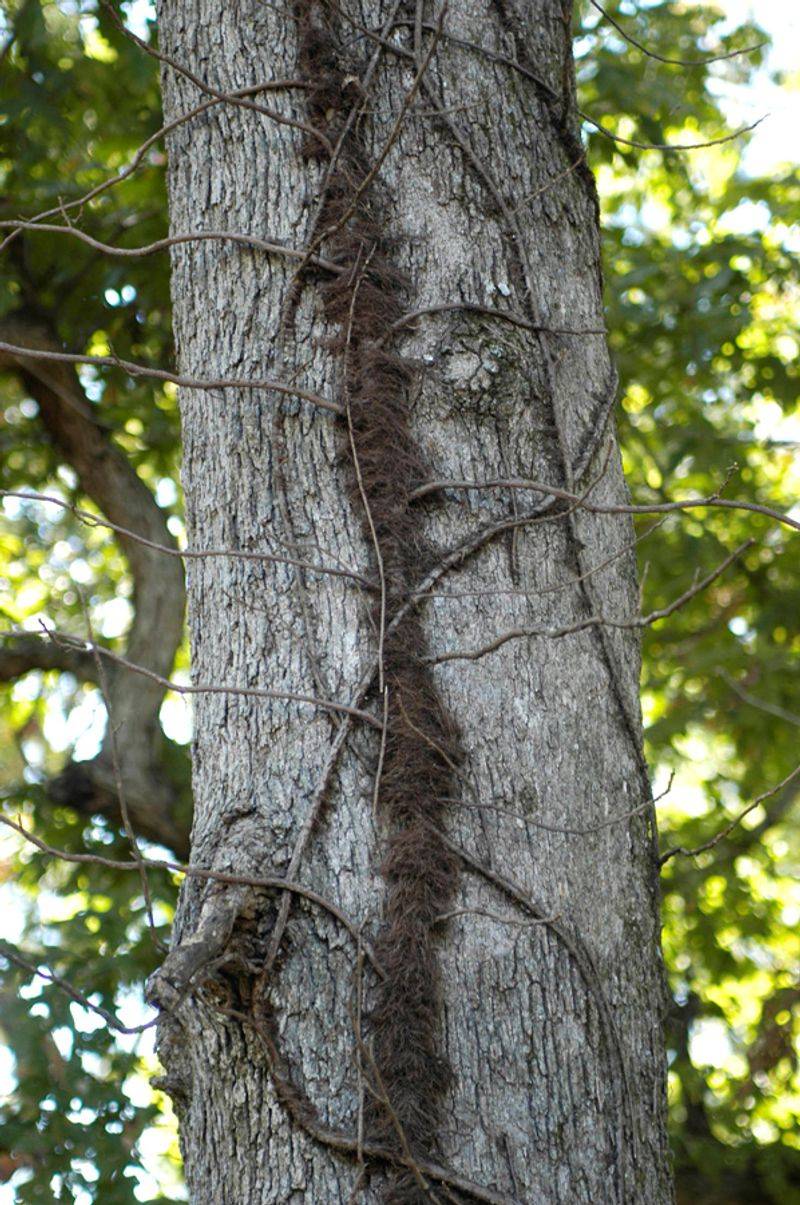
Cutting the vine first might seem counterintuitive, but this strategic approach significantly weakens the plant and makes the entire removal process safer and more effective.
When you sever the vine at ground level, you immediately stop the flow of nutrients between the roots and the leaves, which begins to stress the plant and slow its aggressive growth.
This method is especially useful for poison ivy that has climbed high into trees, where pulling down the entire vine would shower you with leaves and urushiol oil.
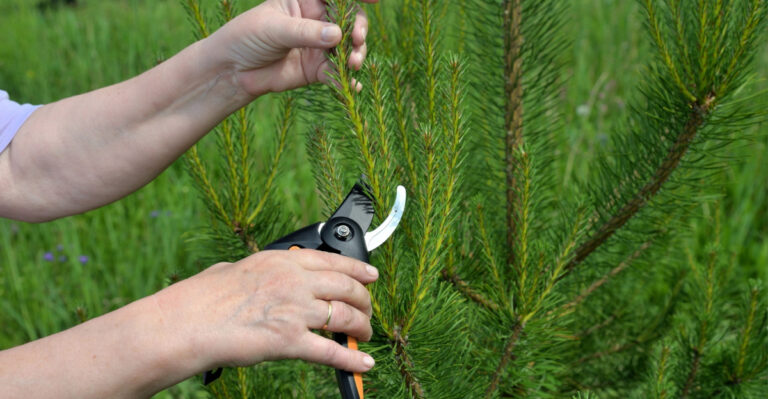
Use sharp pruning shears or loppers to make clean cuts, and work carefully to avoid crushing the stems, which can release more oil into the air.
Cut the vine in multiple places if it’s thick or woody, leaving several inches of vine above ground so you can easily identify where the roots are located.
After cutting, leave the vine in place for a few weeks if possible, allowing the upper portions to naturally wither and dry out before attempting removal.
This waiting period reduces the amount of active oil in the plant tissues and makes handling safer when you’re ready for the next steps.
The roots will still be alive underground and may attempt to send up new shoots, but they’ll be much weaker without the established vine system.
Marking the cut locations with flags or stakes helps you remember where to focus your digging efforts later, ensuring you don’t miss any root sections that could resprout and start the cycle all over again.
4. Dig Out Roots Carefully And Slowly
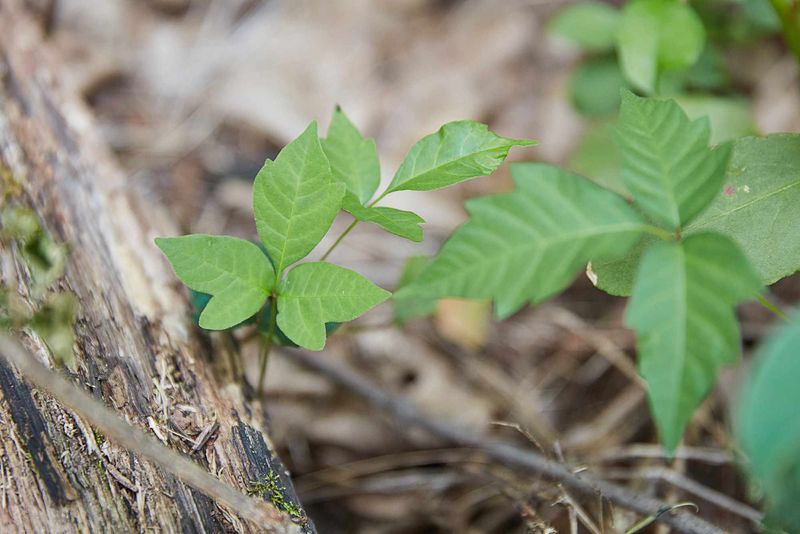
Root removal requires patience and precision because rushing through this step almost guarantees that fragments will break off and resprout into new plants within weeks.
Poison ivy roots can extend surprisingly far from the visible vine, sometimes spreading several feet underground in search of water and nutrients.
Starting at least a foot away from the cut vine, dig a wide circle around the plant to expose the root system without breaking it into pieces.
Use a sturdy shovel or garden fork to loosen the soil gradually, working your way deeper as you trace the roots outward from the center.
When you encounter resistance, stop and investigate rather than yanking or pulling, because broken root fragments left behind will regenerate into new plants.
Some Ohio soils are heavy with clay, which makes digging more difficult but also helps keep root systems more intact when you work carefully.
Place removed roots directly into thick plastic bags or sealed containers to prevent any oil from spreading to other areas of your yard.
Avoid shaking off excess soil aggressively, as this can break smaller roots and scatter them around your garden.
If you encounter particularly stubborn or deep roots, consider digging them out over multiple sessions rather than exhausting yourself in one marathon effort.
The goal is complete removal, not speed, and taking your time ensures you won’t have to repeat this unpleasant task in a few months when overlooked root pieces send up fresh, vigorous shoots.
5. Never Burn Poison Ivy
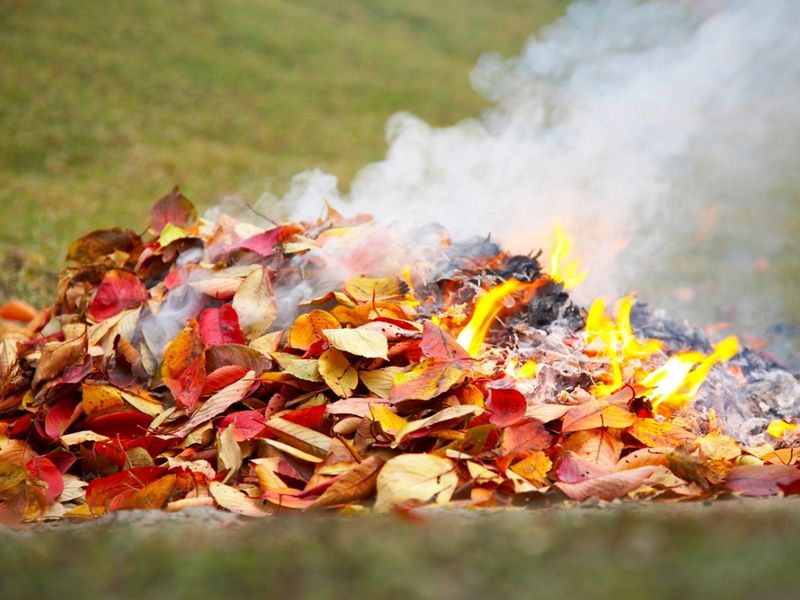
Burning poison ivy ranks among the most dangerous mistakes you can make when trying to eliminate this troublesome plant from your property.
When poison ivy burns, the urushiol oil becomes airborne in the smoke particles, creating an invisible cloud of toxic irritant that can travel surprisingly far on the wind.
Inhaling this contaminated smoke can cause severe reactions in your lungs, throat, and nasal passages, leading to serious respiratory distress that requires immediate medical attention.
Even standing downwind from a small fire containing poison ivy can expose you to enough airborne urushiol to trigger internal reactions far worse than a typical skin rash.
Emergency rooms across Ohio see cases every year of people who thought burning yard waste was harmless, only to develop difficulty breathing, chest pain, and dangerous swelling in their airways.
The effects can appear within hours or take a day to develop, making it hard to connect the symptoms to the fire if you don’t realize poison ivy was present.
This risk extends beyond open burning to include disposing of poison ivy in fire pits, wood stoves, or even sending it to facilities that incinerate yard waste.
Instead, double-bag all poison ivy plant material in heavy-duty plastic bags and dispose of it through your regular trash service or take it to a landfill that accepts yard waste.
Many Ohio municipalities offer special yard waste collection that can handle poison ivy safely when properly bagged and labeled, keeping both you and sanitation workers protected from exposure.
6. Clean Tools, Clothes, And Skin Immediately
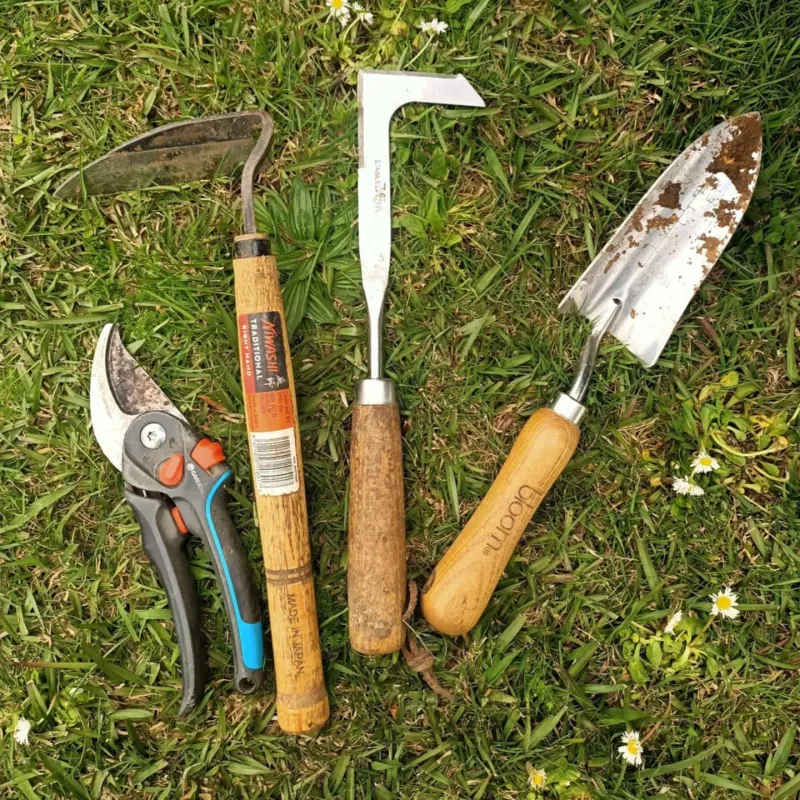
Thorough cleaning after poison ivy removal is just as critical as the protective gear you wore during the work, because urushiol oil lingers on surfaces and can cause rashes days or even weeks after your initial exposure.
Your tools, gloves, shoes, and clothing are all contaminated with oil that remains active until properly cleaned or disposed of.
Start by carefully removing your gloves without touching the outer surfaces, then seal them in a plastic bag if they’re disposable or set them aside for cleaning if they’re reusable.
Wash all tools with rubbing alcohol or a degreasing dish soap, scrubbing every surface that might have touched the plant, including handles, blades, and any crevices where oil could hide.
Clothing should be washed separately from your regular laundry in hot water with a strong detergent, and run the washing machine for a full cycle to ensure all oil is removed.
Some people prefer to dispose of heavily contaminated clothing rather than risk incomplete cleaning, especially if the items are inexpensive or difficult to wash thoroughly.
If you suspect your skin came into contact with poison ivy, wash the affected areas within 10 minutes if possible, using cool water and dish soap or a specialized poison ivy wash.
Scrub gently but thoroughly, paying attention to under your fingernails, between your fingers, and any other spots you might have touched.
Rinse everything that might have touched the contaminated areas, including doorknobs, car steering wheels, and pet fur if your animals were nearby during the removal work.
7. Know When To Use Herbicides Or Call A Professional
Sometimes manual removal isn’t practical or safe, and recognizing when to use chemical treatments or hire professional help can save you from injury and frustration.
Large infestations covering extensive areas, poison ivy growing high in valuable trees, or plants intertwined with desirable vegetation often require herbicide application for effective control.
Glyphosate-based products or triclopyr formulations designed for woody plants can effectively eliminate poison ivy when applied correctly during active growth periods in late spring or early summer.
Follow label directions precisely, applying herbicides only to the poison ivy foliage or cut stems while protecting nearby plants you want to keep.
Some gardeners use a paintbrush to apply concentrated herbicide directly to freshly cut vine stumps, which delivers the chemical straight to the root system with minimal environmental impact.
Remember that herbicides take time to work, often requiring several weeks before you see results and sometimes needing repeat applications for stubborn infestations.
Professional removal services make sense when poison ivy covers large areas, grows in dangerous locations like steep slopes, or when you’re highly allergic and can’t risk any exposure.
Experienced professionals have specialized equipment, stronger herbicides available only to licensed applicators, and the training to handle poison ivy safely in challenging situations.
The cost of professional service often proves worthwhile compared to the medical bills, lost work time, and misery of a severe poison ivy reaction.
Before hiring anyone, verify they’re licensed, insured, and experienced specifically with poison ivy removal rather than just general landscaping work.