7 Smart Ways To Grow A Budget-Friendly Edible Garden In California
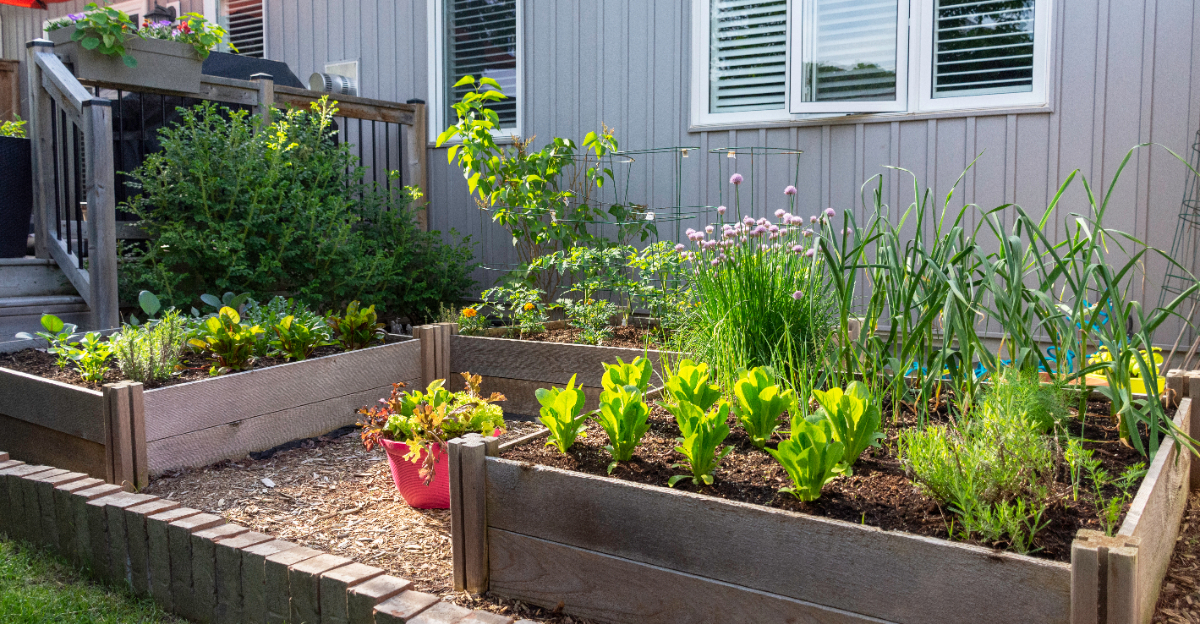
You do not need a massive farm or a Silicon Valley salary to start eating from your own backyard.
In fact, California is one of the best places in the world to grow food on a dime because our long growing season does most of the heavy lifting for you.
While those fancy cedar raised beds and designer ceramic pots look great on social media, your vegetables really do not care about their housing situation. They just want sun, decent soil, and a little bit of your time.
Most people overcomplicate the process by buying expensive gadgets they will never use. Smart gardening in the Golden State is all about working with the climate instead of against it.
From raiding your kitchen scraps to stealing ideas from the local landscape, there are plenty of ways to fill your plate without draining your bank account. Let’s look at how to build a high-yield garden while keeping your wallet full.
1. Start From Seeds
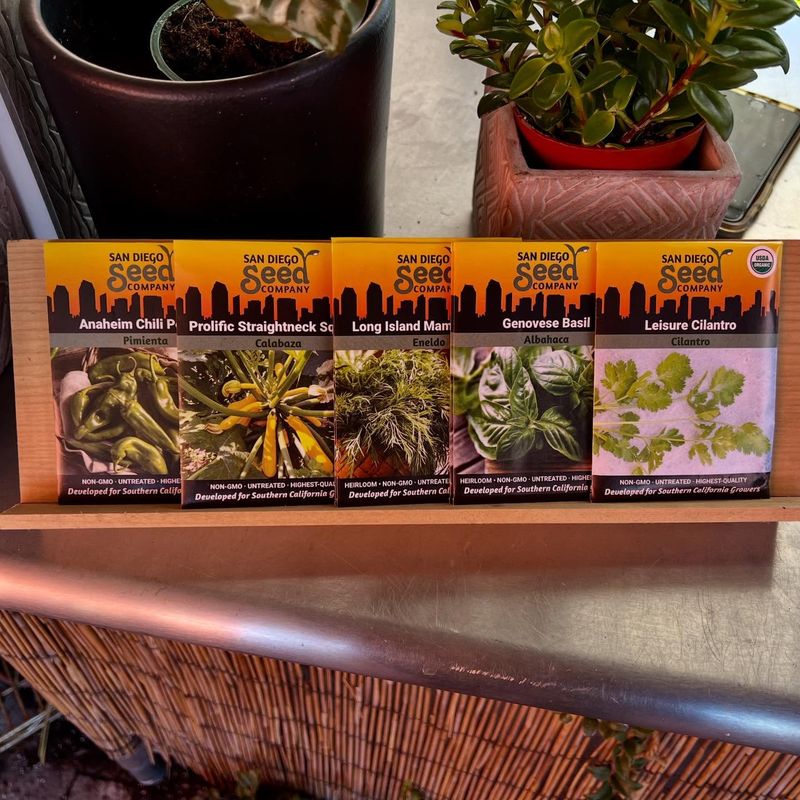
Buying seedlings from a nursery can add up fast, but seeds cost just a fraction of the price. Starting from seeds is one of the easiest ways to stretch your gardening budget in California.
A single seed packet can cost under two dollars and give you dozens of plants.
Look for seed swaps at local farmers markets, libraries, or community centers across California. Many neighborhoods host free seed libraries where you can grab what you need without spending a dime.
Heirloom seeds are especially great because you can save them from your harvest and replant them next season.
Fill old egg cartons or yogurt cups with potting mix and place them in a sunny window. Water them gently and watch them sprout within days.
Once seedlings are a few inches tall, they are ready to move outdoors. Starting seeds indoors also gives you a head start on the growing season, especially in cooler parts of Northern California.
It feels really satisfying to grow a full garden from tiny seeds you paid almost nothing for.
2. Grow High-Yield Crops
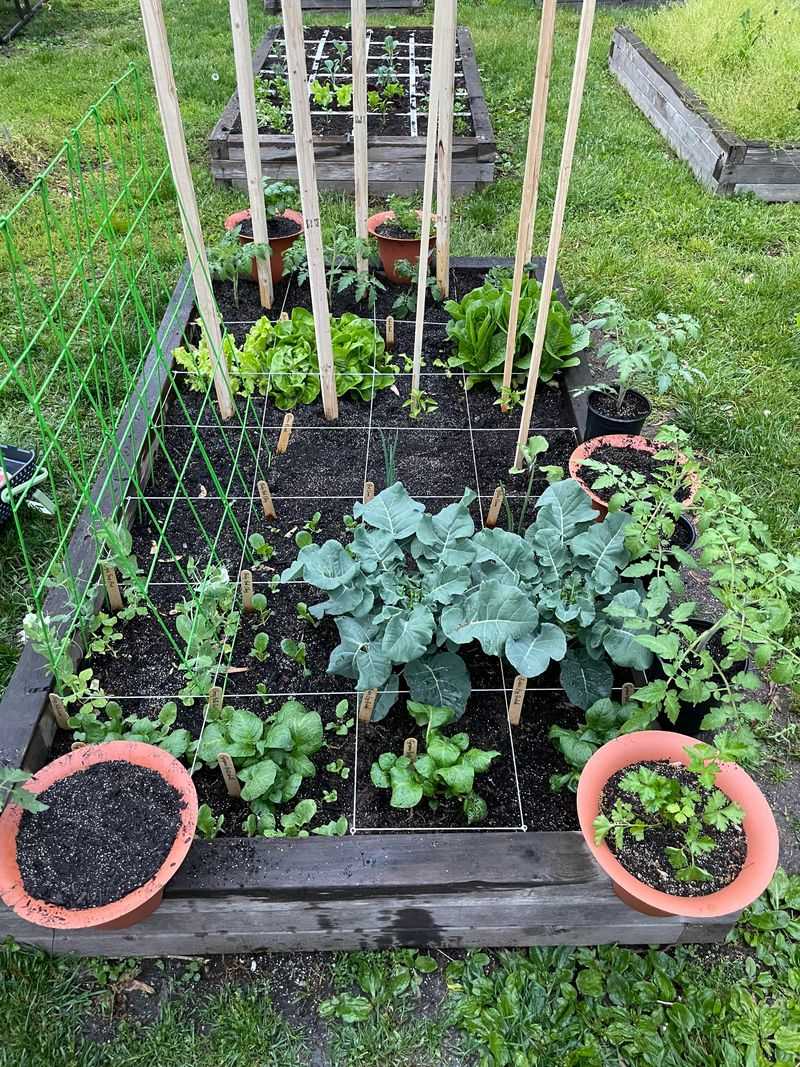
Not all vegetables are created equal when it comes to saving money. Some crops give you way more food per square foot than others, and those are the ones worth planting in your California garden.
Choosing wisely means more meals from less space.
Zucchini is legendary for its productivity. One plant can produce pounds of squash all summer long.
Tomatoes, green beans, lettuce, and kale are also excellent choices because they keep producing for weeks or even months. These crops give you the best return on every seed dollar you spend.
In California, the long warm season means you can often get two rounds of crops in a single year. Plant cool-weather vegetables like spinach and broccoli in fall, then switch to warm-season crops like cucumbers and peppers in spring.
Succession planting, which means staggering your plantings every few weeks, keeps your harvest coming in steadily instead of all at once. Focus your space and energy on crops your family actually eats.
Growing food you love means nothing goes to waste, and your grocery bill shrinks noticeably over time.
3. Reuse Containers
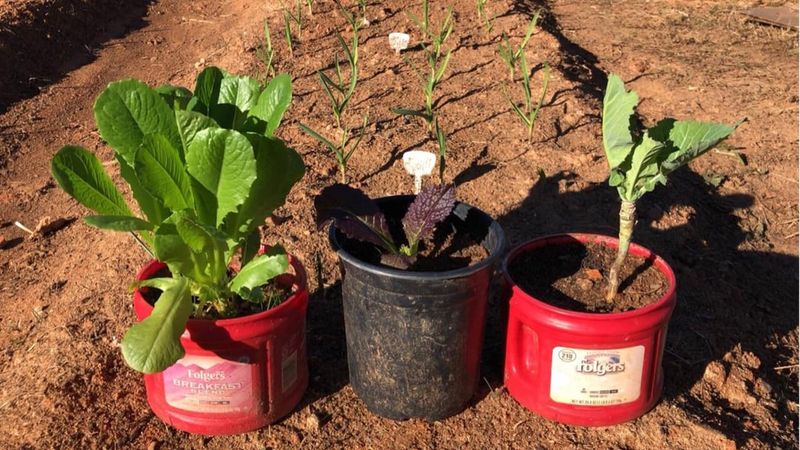
You do not need fancy store-bought planters to grow food. Some of the best containers are things you already have sitting around the house.
Old buckets, wooden crates, plastic tubs, and even worn-out boots can become surprisingly productive garden beds.
Five-gallon buckets work beautifully for tomatoes, peppers, and eggplants. Shallow containers are perfect for lettuce, herbs, and radishes.
Just make sure whatever container you use has drainage holes at the bottom so roots do not sit in standing water. A simple drill or a nail can create those holes in seconds.
Across California, container gardening is especially popular in urban areas like Los Angeles and San Francisco where outdoor space is limited. A sunny balcony or small patio can host an impressive edible garden using nothing but repurposed containers.
Check thrift stores, garage sales, and even curbside giveaways for free or cheap containers. Wooden pallets can be broken down and turned into raised planter boxes with minimal effort.
Reusing containers keeps plastic and wood out of landfills while giving your plants a great home. It is practical, eco-friendly, and genuinely budget-friendly all at once.
4. Make Your Own Compost
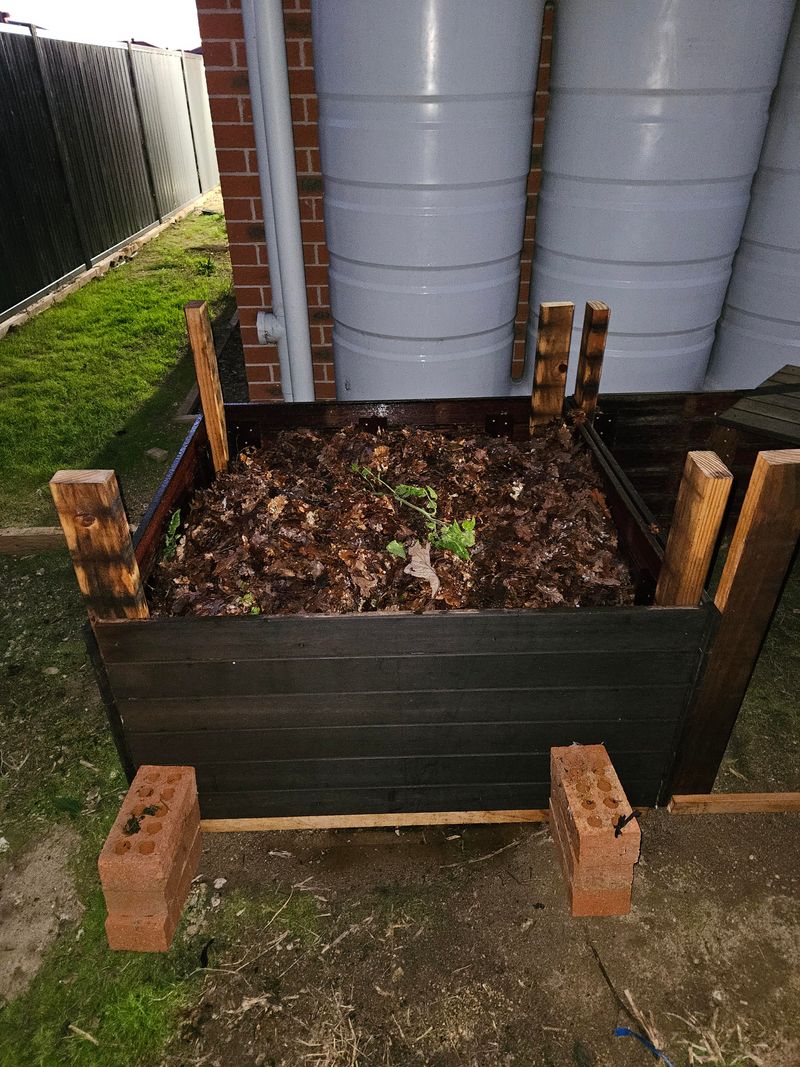
Bagged fertilizer and potting soil can be surprisingly expensive, especially if you are filling multiple beds or containers. Making your own compost solves that problem while also reducing household waste.
It is basically free fertilizer made from stuff you would normally throw away.
Fruit and vegetable scraps, coffee grounds, eggshells, and dry leaves are all perfect compost ingredients. Layer wet scraps with dry materials like cardboard or straw to keep the pile balanced.
Turn it every week or two and it will break down into rich, dark compost within a few months.
California residents are encouraged to compost because the state has strong organic waste reduction goals. Some cities even offer free compost bins to residents, so check with your local municipality before buying one.
Finished compost improves soil structure, helps retain moisture, and feeds your plants naturally. Adding compost to your garden beds each season means you need fewer store-bought products over time.
Your vegetables will grow stronger and taste better too. Once you start composting, it quickly becomes a habit that saves money and makes your California garden noticeably more productive year after year.
5. Plant Regrowing Crops
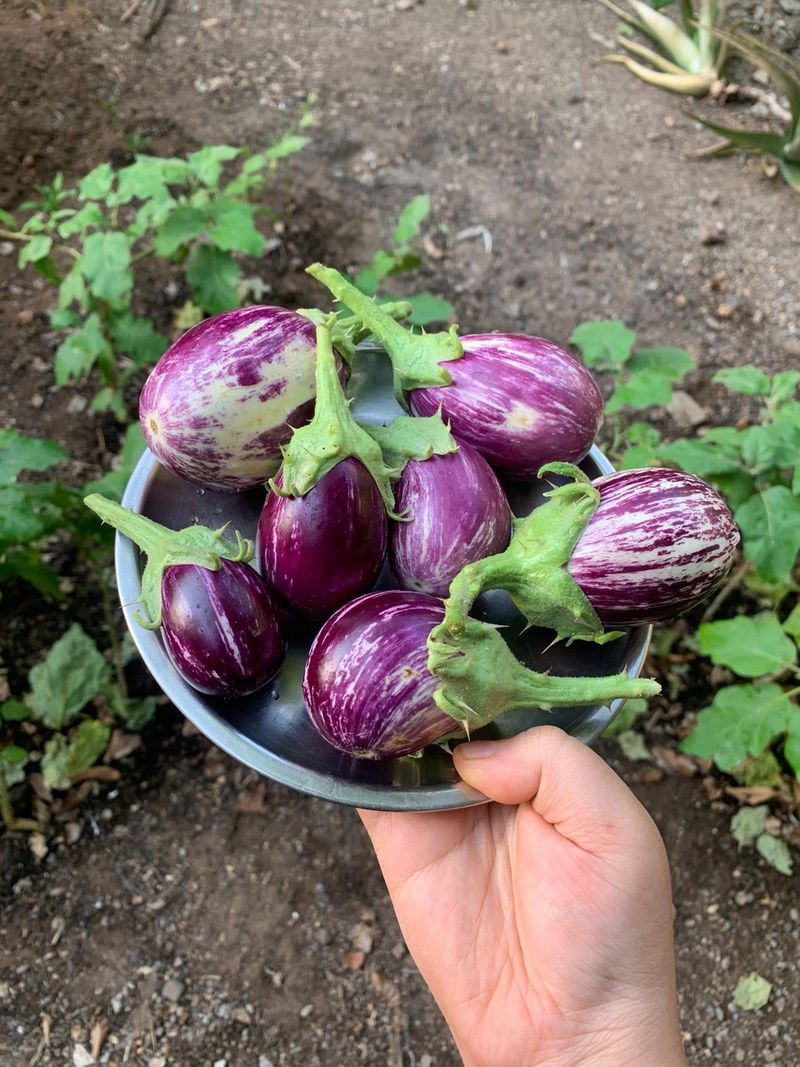
Here is a gardening trick that feels almost like magic: many vegetables can regrow from scraps you would normally toss in the trash. Green onions, celery, romaine lettuce, and bok choy are just a few of the foods that grow back when placed in water or soil.
It costs absolutely nothing to try.
Simply place the root end of a green onion in a glass of water on a sunny windowsill. Within days, fresh green shoots will appear.
You can harvest from the same base multiple times before it slows down. Celery and lettuce work the same way, giving you several harvests from one grocery store purchase.
In California’s mild climate, many of these regrown plants can eventually be transplanted outdoors and continue producing for weeks. Ginger, garlic, and sweet potato slips are also great candidates for regrowing right in your garden soil.
This strategy is perfect for beginners because it requires very little setup or experience. It also helps you understand how plants grow, which builds confidence for bigger gardening projects.
Regrowing crops turns kitchen waste into food, which is about as budget-friendly as gardening gets anywhere in California.
6. Collect Rainwater
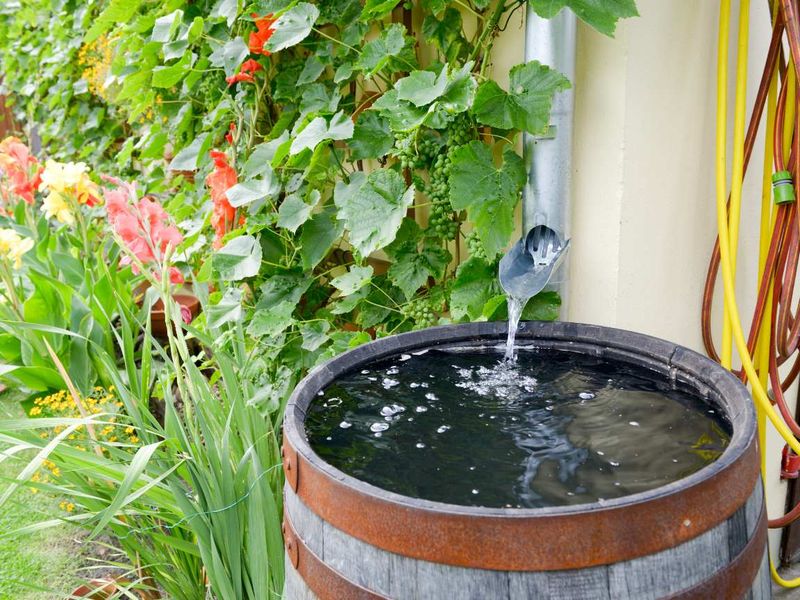
Water bills are a real concern for California gardeners, especially during dry summers when irrigation needs go up. Collecting rainwater is a smart and eco-friendly way to reduce that cost while keeping your plants well-hydrated.
Even a single rain barrel can hold 50 to 80 gallons of water from one good storm.
Rain barrels connect directly to your downspout and fill up automatically when it rains. That stored water is then used to irrigate your garden during dry spells.
Rainwater is actually better for plants than tap water because it is naturally soft and free of chlorine and other chemicals.
California has updated its rainwater harvesting laws in recent years, and collecting rainwater for outdoor garden use is now legal statewide. Some water districts even offer rebates or discounted rain barrels to encourage conservation.
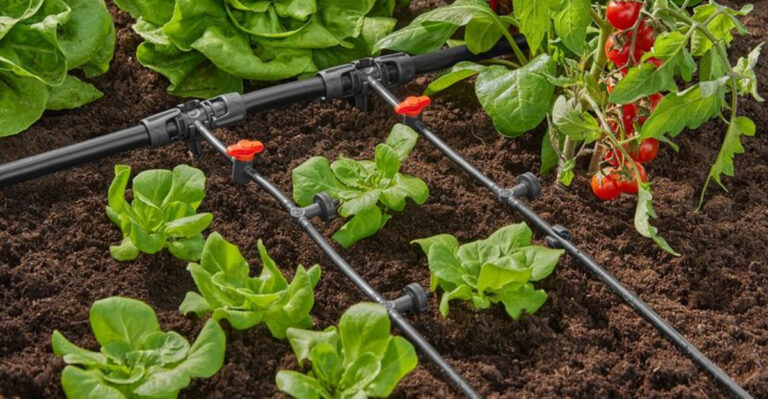
Cities like San Diego and Sacramento have programs that make it easy and affordable to get started. Pairing a rain barrel with drip irrigation or a soaker hose makes your water go even further.
Over a full growing season, collecting and reusing rainwater can noticeably reduce your utility bill while supporting California’s broader water conservation efforts.
7. Mulch To Save Water
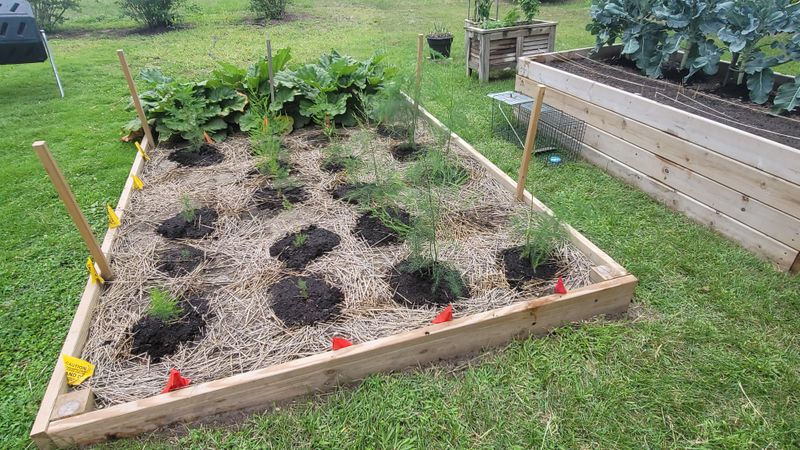
Mulching is one of the simplest and most effective tricks in any gardener’s toolkit, and it does not have to cost much at all. Spreading a layer of organic material over your soil keeps moisture locked in, reduces weeds, and regulates soil temperature.
In California’s hot summers, this can make a huge difference.
Straw, wood chips, shredded leaves, and even cardboard all make excellent mulch. Spread a layer about two to three inches thick around your plants, keeping it a little away from the stems.
This helps the soil stay moist longer between waterings, which means you use less water overall.
Many California tree trimming companies will give away free wood chip mulch if you ask. Websites like Chip Drop connect gardeners with free local wood chips delivered right to your door.
Fallen leaves in autumn are another completely free mulch option that breaks down and feeds the soil over time. Using mulch regularly can cut your garden watering frequency nearly in half during peak summer heat.
That saves both time and money while keeping your California edible garden looking healthy and productive. It is a low-effort step with genuinely big rewards for budget-conscious growers.