8 Smart Ways To Handle An Opossum In Your California Yard
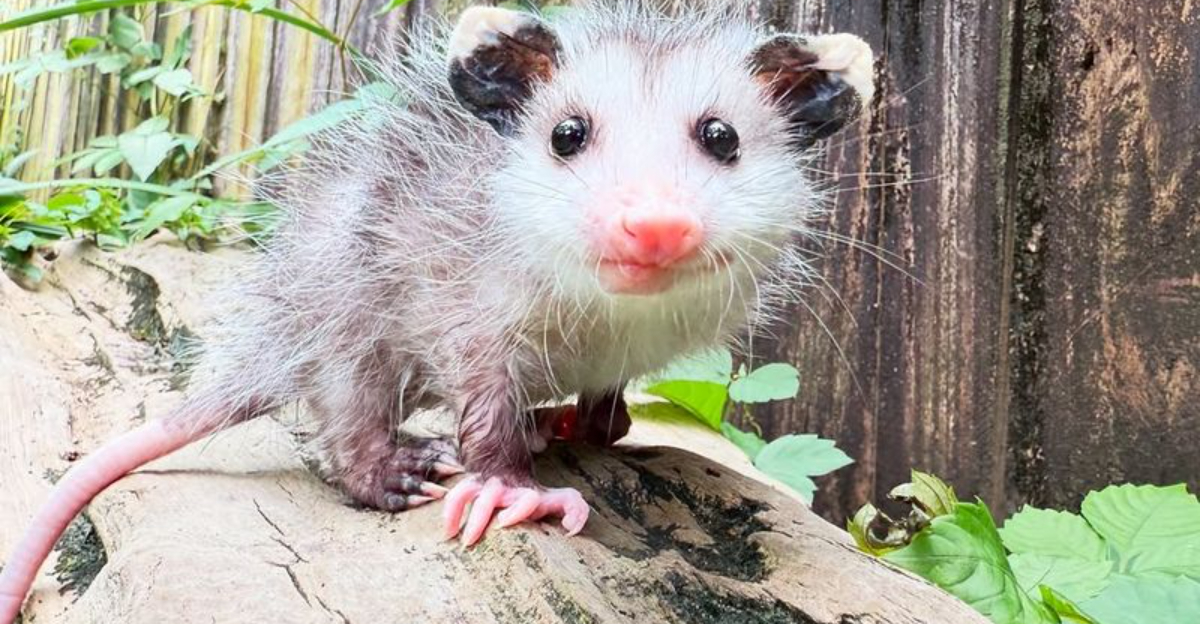
I still remember the first time I spotted an opossum scurrying across my California yard at dusk. I froze, unsure what to do, and realized I had no idea how to handle these nighttime visitors safely.
Many homeowners feel the same way when they encounter an opossum for the first time. Opossums are mostly harmless and can actually benefit your yard by eating insects and keeping pests under control.
Knowing smart ways to interact with them, or discourage them from certain areas, lets you protect your property and pets without stressing the animal.
From securing food sources to gentle deterrents, simple steps can prevent conflicts and keep everyone safe.
Learning the right approach turns a surprising backyard visitor into a manageable presence and keeps your garden running smoothly without unnecessary stress.
1. Keep Your Distance
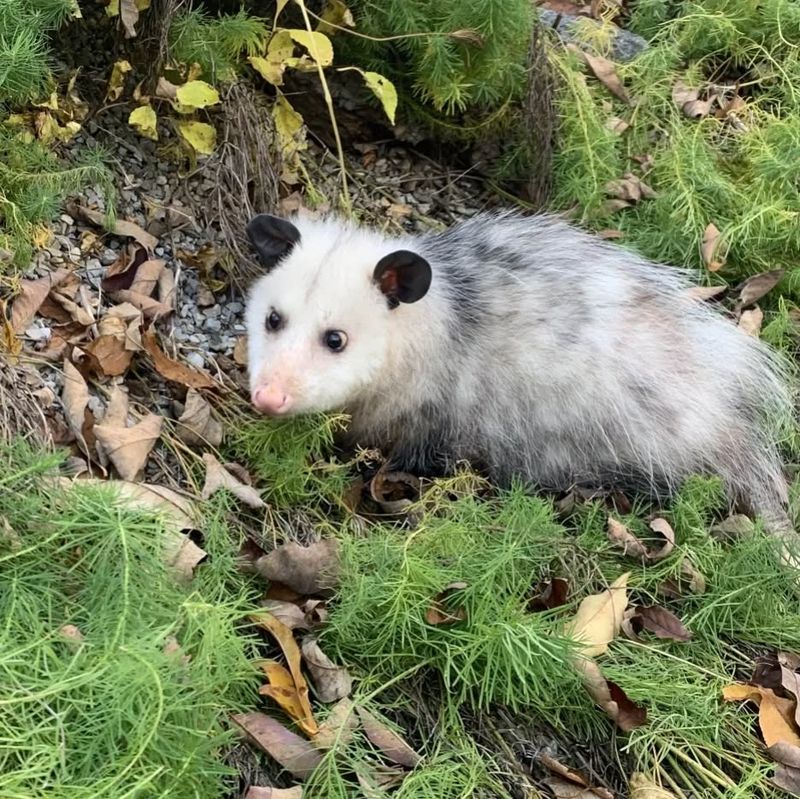
Opossums are shy, nocturnal creatures that rarely pose any real threat to humans or pets. When frightened, they may hiss, bare their teeth, or play dead as a bluff, but aggressive behavior is uncommon.
Giving them plenty of space, ideally 10 to 15 feet, allows them to feel safe and encourages them to move along on their own.
Most opossum activity occurs at night when they forage for food, so seeing one during the day is usually not a cause for concern; it may simply be relocating between resting spots or searching for a safe place to shelter.
Observing from a distance also helps prevent accidental disturbances to any young that might be nearby.
Creating a calm environment, avoiding sudden movements, and not attempting to corner or handle the animal are key to ensuring both your safety and the opossum’s comfort.
By respecting their space, California homeowners can coexist peacefully with these helpful wildlife neighbors, benefiting from their natural pest control without conflict.
Understanding opossum behavior fosters appreciation rather than fear, encouraging positive encounters that support urban biodiversity.
2. Secure Trash Cans And Pet Food
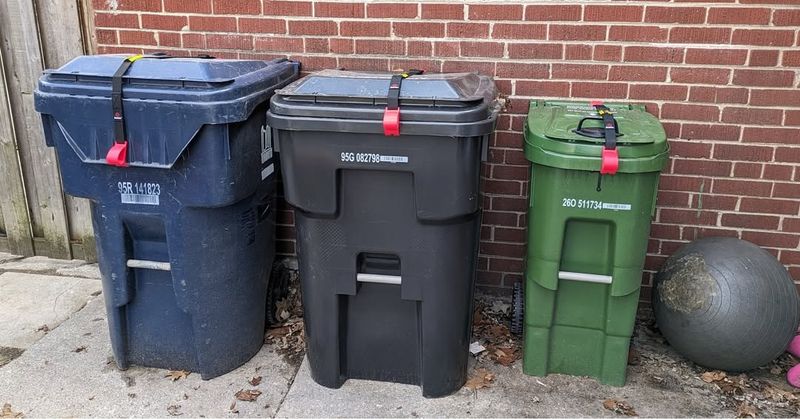
Food is a primary attractant for opossums in California. Unsecured garbage bins, pet food left outdoors, and fallen fruit can draw these intelligent nocturnal mammals into your yard.
Opossums have nimble paws capable of opening containers with loose lids, so it is important to use bins with tight-fitting lids and secure them with bungee cords or latches when necessary.
Pet food should be brought indoors at night or stored in sealed containers to prevent attracting wildlife.
Cleaning up fallen fruit and keeping compost properly enclosed reduces unintended foraging opportunities. Even partially eaten fruits or spilled seeds can encourage repeated visits.
By managing outdoor food sources, you not only protect your property from persistent visitors but also help maintain the natural feeding behaviors of opossums.
Providing a yard free of easy meals reduces the likelihood that opossums will explore areas close to homes or children’s play spaces.
Combining proper storage, regular cleanups, and vigilance during fruiting seasons ensures a harmonious balance between wildlife and human activity, allowing these beneficial creatures to perform their natural role in gardens and ecosystems without conflict.
3. Appreciate Their Pest Control Services
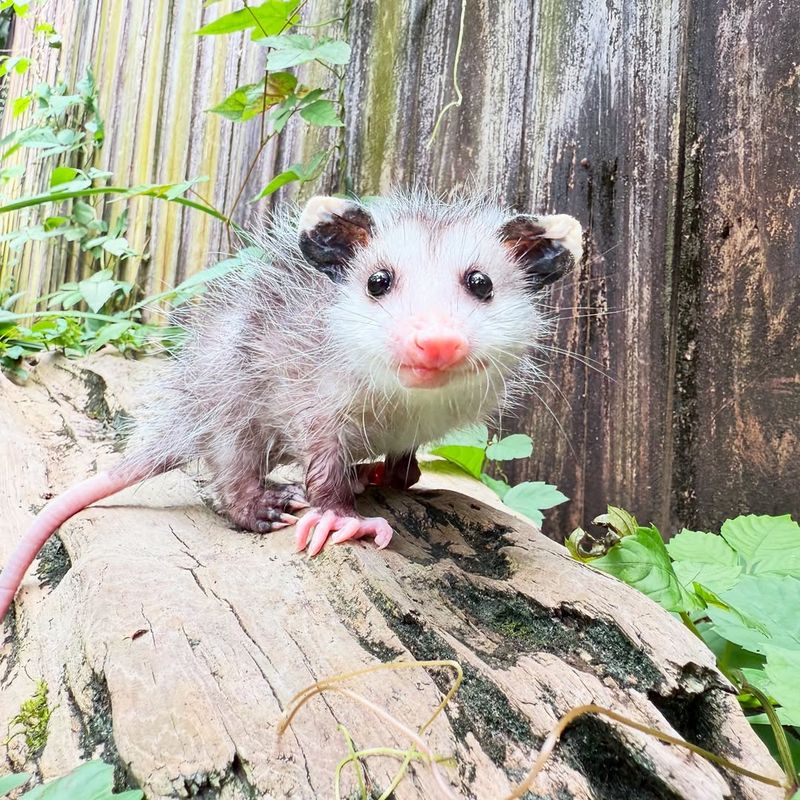
Opossums are natural garden allies, providing invaluable pest management services for California homeowners.
A single opossum can consume thousands of ticks during a season, dramatically reducing the number of these pests in your yard.
They also eat slugs, snails, beetles, and other insects that can harm plants, effectively helping gardeners maintain healthier gardens without chemical interventions.
Their diet even includes small rodents and grubs, contributing to natural population control. Observing an opossum quietly foraging at night reveals a creature working efficiently and unobtrusively, cleaning up potential garden nuisances.
Instead of viewing them as intruders, homeowners can see them as unpaid nocturnal helpers that support balanced ecosystems.
By allowing opossums to access natural food sources while keeping human food secured, you encourage them to stick to their natural diet, providing ongoing benefits.
Recognizing these mammals as integral members of local ecosystems promotes coexistence and reduces the impulse to use harmful deterrents.
With thoughtful yard management, opossums can flourish safely while contributing to pest reduction, demonstrating the value of fostering wildlife in urban and suburban California landscapes.
4. Check For Babies Before Taking Action
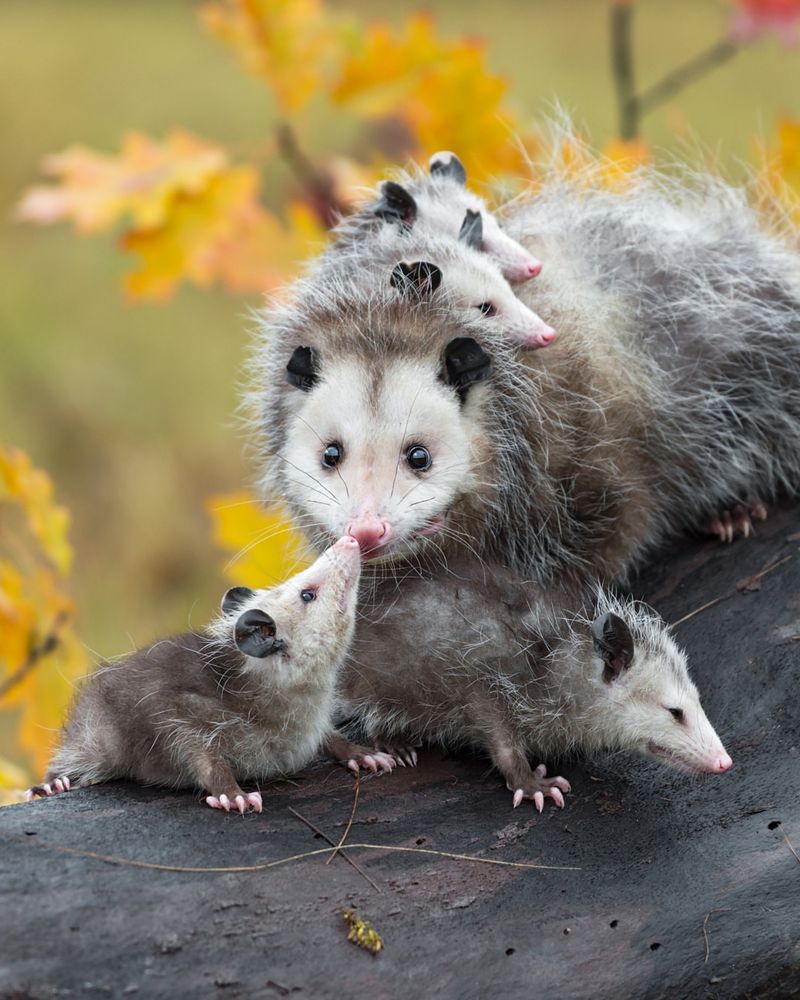
Female opossums carry their young in a pouch similar to kangaroos, and as the joeys grow, they ride on their mother’s back during nightly foraging trips.
Spotting a mother with her babies is a sign to exercise extra caution. Disturbing her at this time can separate the young from her care, putting them at risk of stress or malnutrition.
In California, the young typically stay with their mother for about three to four months before venturing out independently. Observing from a distance ensures that the family unit remains intact.
Even if the mother appears to be resting in a confined space such as under a porch or deck, it’s important not to attempt to move her or the babies.
Providing a clear and safe pathway for the mother to exit allows her to continue caring for her young naturally.
Leaving the family undisturbed supports opossum population health and contributes to the balanced ecosystem in which they serve as pest controllers.
Educating neighbors about recognizing maternal opossums helps reduce unnecessary intervention and promotes harmonious coexistence with these fascinating wildlife residents.
5. Create A Safe Exit Path
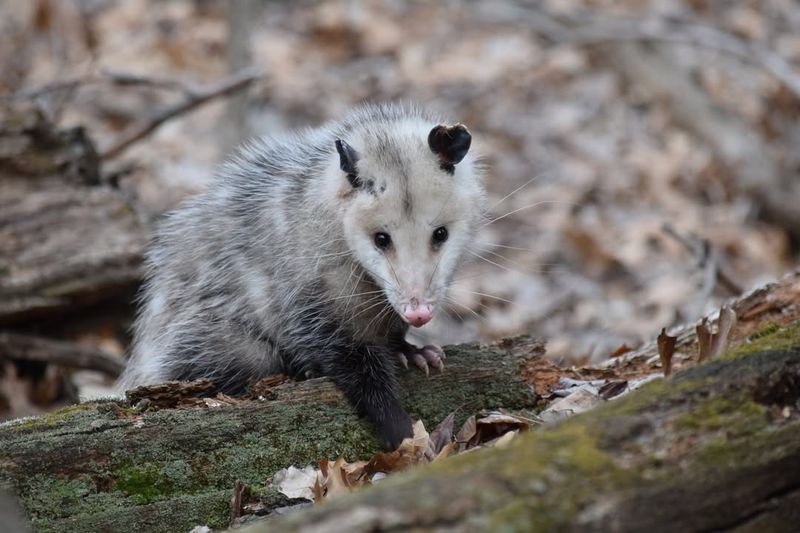
Sometimes opossums wander into fenced yards, patios, or other semi-enclosed areas. Rather than attempting to force them out aggressively, the safest approach is to create a clear exit route.
Open gates, remove temporary barriers, and ensure fences or screens do not block their path. Gentle encouragement, such as turning on outdoor lights to make alternative areas more visible, can help them find their way to darker, safer spaces without causing stress.
Avoid chasing or cornering the animal, which can increase anxiety and may cause unpredictable behavior.
By allowing opossums to leave voluntarily, you reduce the risk of conflict while ensuring their natural behaviors continue uninterrupted.
Many homeowners have found that with patience, the animal will exit on its own within hours, sometimes even minutes. Offering an unobstructed path also benefits other wildlife that may be in the same area.
Maintaining a calm environment and avoiding loud noises or sudden movements supports the opossum’s natural flight responses.
Clear exit pathways ensure both the animal and your property remain safe while fostering coexistence between humans and these beneficial nocturnal visitors.
6. Avoid Using Poison Or Harmful Traps
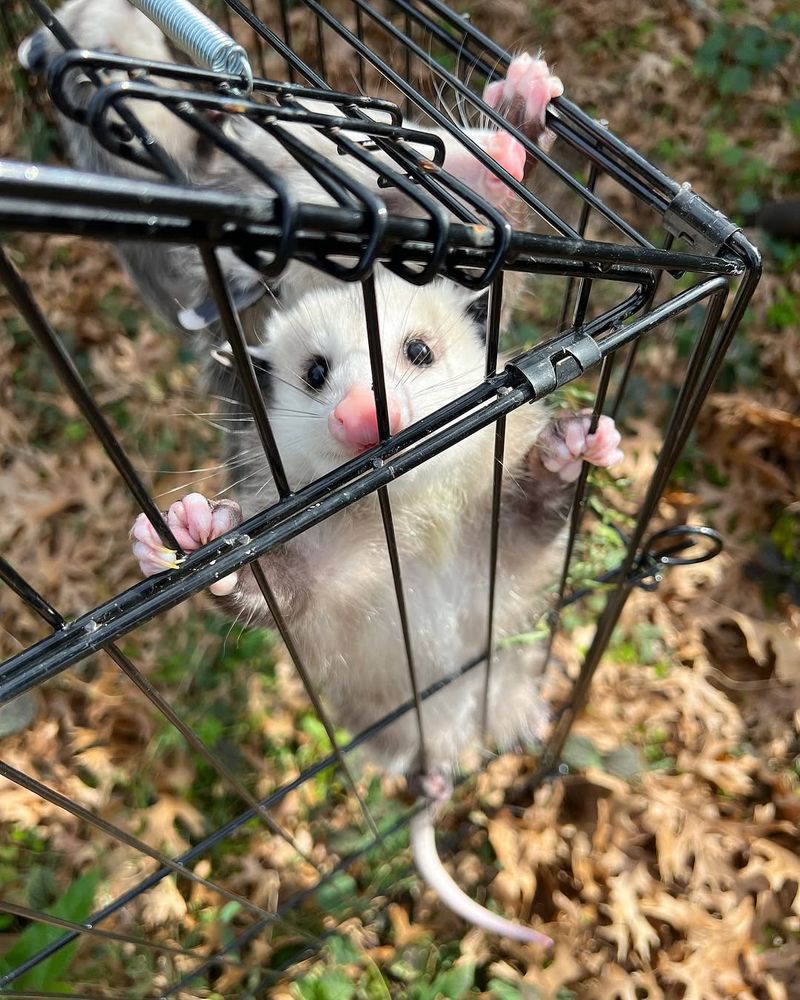
Using poisons or lethal traps to manage opossums is both dangerous and unnecessary. Poisons can harm other wildlife, pets, and even children, as the chemical can move through the local food chain or remain in the environment.
Traps designed to harm or restrict an opossum’s movement can also injure other non-target animals.
In California, laws protect opossums as native wildlife, and harming them with chemicals or lethal traps can result in substantial penalties.
Humane deterrents, such as securing food sources, providing exit paths, and using motion-activated lights or sprinklers, are far more effective while respecting the animals’ role in the ecosystem.
Opossums contribute significantly to pest control, consuming ticks, insects, and small rodents, so maintaining their presence in a controlled manner benefits both gardens and local biodiversity.
Educating neighbors and family members about safe wildlife management practices ensures community-wide understanding and reduces unnecessary conflicts.
By avoiding harmful interventions, you help maintain a balanced backyard ecosystem where opossums and other wildlife thrive without endangering humans, pets, or themselves. Patience, observation, and strategic deterrents are the keys to coexistence.
7. Call Wildlife Experts For Persistent Problems
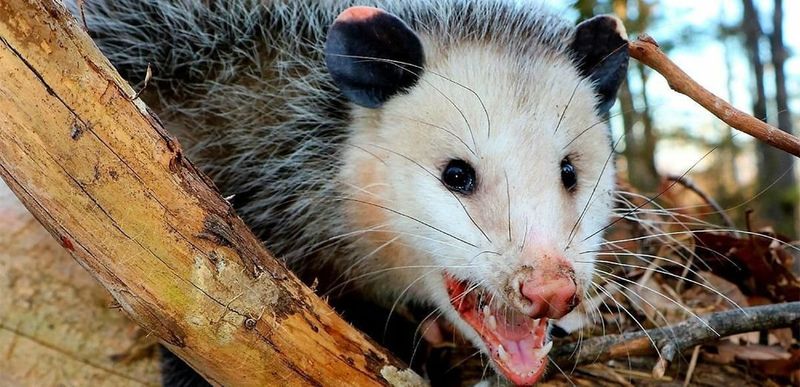
Occasionally, an opossum may appear sick, injured, or remain in a particular area longer than expected.
In these situations, it is important to contact trained wildlife professionals rather than attempting to intervene directly.
California has numerous licensed wildlife rehabilitation centers and experts equipped to handle such scenarios safely and humanely.
Agencies such as the California Department of Fish and Wildlife can provide guidance, while organizations like the Opossum Society of the United States offer specific advice for local management.
Professionals can evaluate the animal’s condition, determine if relocation or medical care is necessary, and ensure that the opossum is treated according to wildlife regulations.
Attempting to manage the situation without expertise can result in stress or accidental harm to the animal, and may also violate state laws.
Keeping detailed notes on the opossum’s behavior, location, and any visible injuries can help experts make informed decisions quickly.
Using licensed professionals ensures the safety of the opossum, your family, pets, and the wider community while maintaining the ecological benefits these animals provide in controlling ticks and other garden pests.
8. Opossum-Proof Your Structures
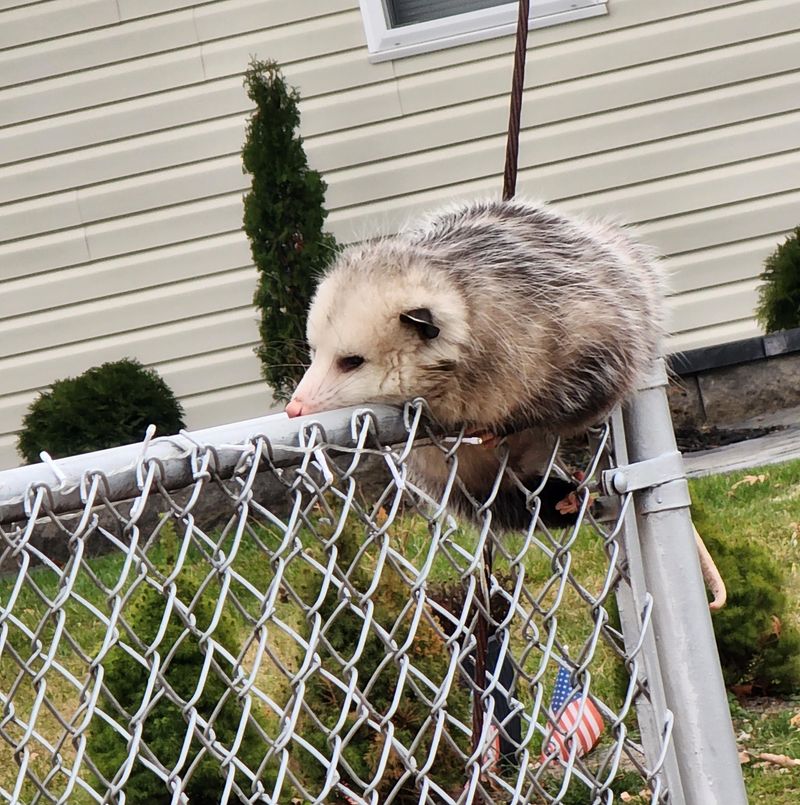
Preventing opossums from taking up residence under decks, porches, or inside attics is far more effective than attempting removal later.
Inspect structures for gaps, holes, or vents that might provide entry, and seal them with durable materials such as hardware cloth or wire mesh.
Check fences for weak points and ensure there are no gaps under gates or sheds that opossums could exploit.
Motion-activated lights or sprinklers can discourage repeated visits, creating a sense of temporary disruption without harming the animals.
Some gardeners also use natural deterrents, such as placing garlic-soaked rags, ammonia-soaked materials, or predator scents in areas they want to discourage opossum activity.
Creating an environment that is less attractive encourages the animal to move on naturally. Regular maintenance of these deterrents is essential, as opossums are intelligent and can quickly learn to navigate around obstacles.
By combining structural modifications with safe, non-toxic deterrents, California homeowners can protect their property while still allowing opossums to fulfill their ecological role, such as consuming ticks and insects.
Effective prevention ensures coexistence with these beneficial creatures.