6 Smart Ways To Prep Garden Beds Now For Better Spring Blooms In North Carolina
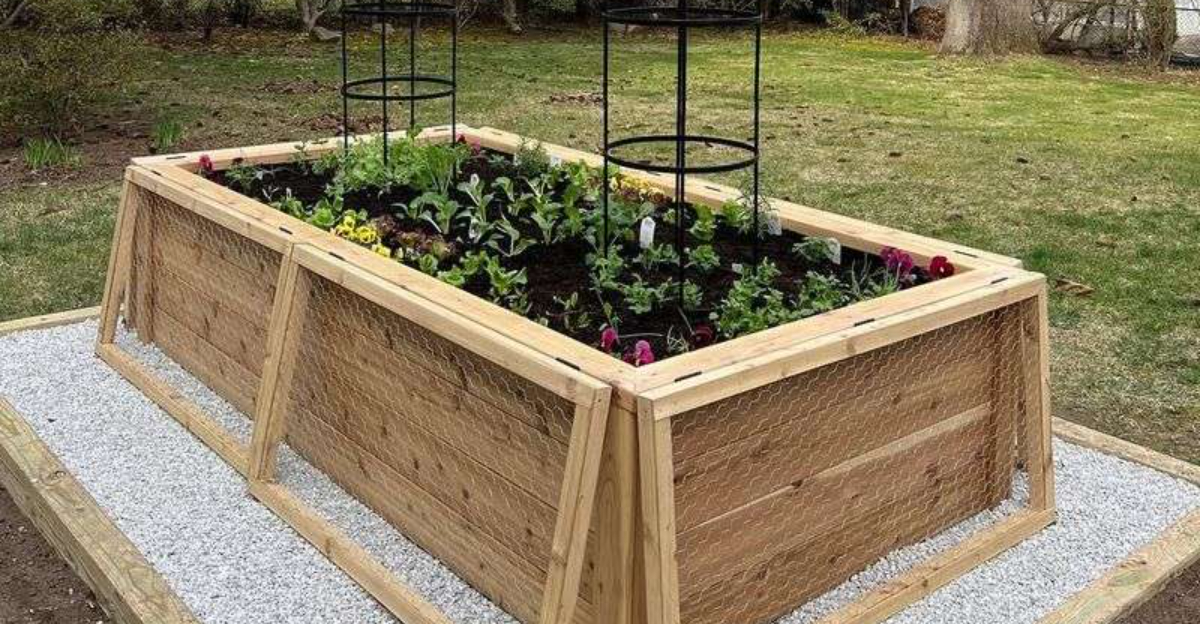
Winter in North Carolina doesn’t mean your garden has to be idle. Preparing garden beds now sets the stage for vibrant spring blooms, healthier plants, and a more productive growing season.
A little early attention goes a long way toward reducing stress and boosting color later. Prep now, and your spring garden will thank you with gorgeous blooms!
These six strategies include clearing debris, adding compost, testing soil, mulching, planning plant placement, and sharpening tools.
Even if the ground is still cool, these steps improve soil structure, enrich nutrients, and make planting smoother when warmer weather arrives. Thoughtful preparation also reduces weeds, pests, and disease risks.
Smart prep now = thriving, stress-free blooms come spring. For North Carolina gardeners, taking action in winter ensures healthier, more colorful gardens that flourish as soon as the season changes. Prep today, bloom beautifully tomorrow!
1. Remove Winter Debris Without Disturbing Soil Structure

Clearing away fallen leaves, spent flower stalks, and plant material from last season might seem like simple housekeeping, but it serves a much bigger purpose in your garden’s health.
When organic matter piles up on the surface, it creates a cozy hiding spot for fungal spores and plant diseases that can attack your spring blooms before they even get started.
Removing this layer allows fresh air to circulate around the soil surface and emerging plants, which naturally reduces the risk of mold and mildew taking hold.
It also helps sunlight warm the soil more evenly, encouraging earlier root activity and faster plant recovery after winter dormancy.
However, you’ll want to be gentle during this cleanup process because the soil underneath is teeming with beneficial microorganisms that help your plants thrive.
These tiny helpers break down nutrients and make them available to roots, so disturbing them too much can set back your garden’s progress.
Use a lightweight rake or simply gather debris by hand, lifting it away without digging or turning the soil aggressively. This preserves soil structure while still removing harmful buildup.
Pay special attention to areas where moisture tends to collect, since damp debris decomposes slowly and can smother emerging shoots.
Once you’ve cleared the beds, you’ll notice how much fresher and more inviting they look, and your plants will thank you with stronger growth, better airflow, and fewer disease issues as warm weather arrives.
2. Add Compost Before Spring Growth Begins
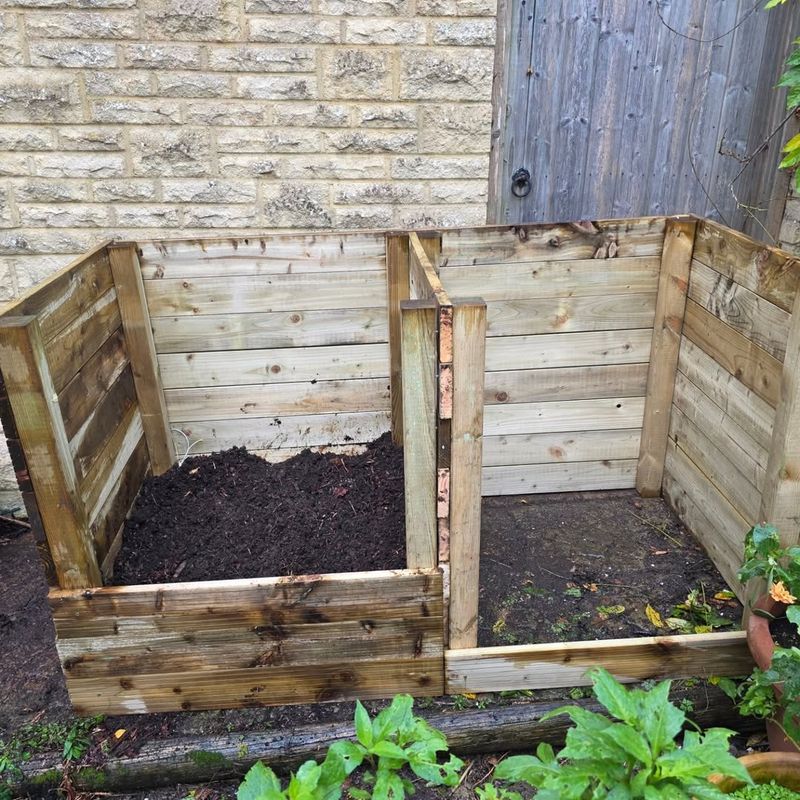
Compost is like a multivitamin for your garden, packed with nutrients that feed plants throughout the growing season while also improving the texture and water-holding capacity of your soil.
Incorporating a generous layer of finished compost into the top few inches of your garden beds now gives those beneficial ingredients time to settle in before your spring flowers start their rapid growth phase.
North Carolina soils can vary widely, from heavy clay in some areas to sandy loam in others, but compost helps balance both extremes by adding organic matter that improves drainage in clay and increases moisture retention in sandy ground.
Spread about two to three inches of compost across the surface of your beds, then work it gently into the top layer using a garden fork or cultivator.
You don’t need to dig deeply; just mixing it into the upper few inches is enough to make a real difference.
This shallow incorporation protects the soil structure while ensuring that nutrients are right where plant roots can access them most easily.
As the compost breaks down further over the coming weeks, it releases nitrogen, phosphorus, and other essential elements gradually, providing a steady supply of nutrition that supports vibrant blooms and healthy foliage without the risk of burning delicate roots.
3. Check Drainage After Winter Rains
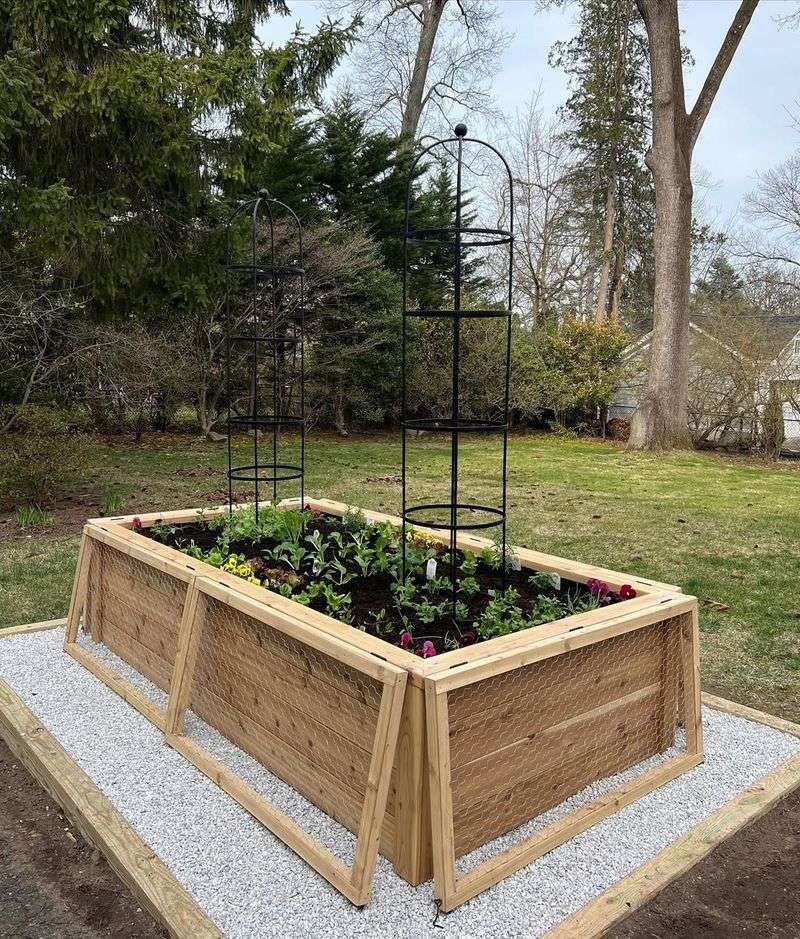
North Carolina winters bring plenty of rainfall, and all that moisture can reveal drainage problems you might not have noticed during drier months.
Standing water or soggy spots in your garden beds spell trouble for spring blooms because most flowering plants need their roots to breathe, and waterlogged soil cuts off that oxygen supply quickly.
Root rot and other water-related diseases can take hold before you even realize there’s a problem, turning what should be a season of growth into a disappointing struggle.
Walk through your garden beds after a good rain and look for areas where water pools or drains slowly. These trouble spots need attention now, before you start planting.
Sometimes the fix is as simple as loosening compacted soil with a garden fork, which creates channels for water to move through more easily.
In other cases, you might need to add organic matter to improve soil structure or even create a slight slope to encourage water to flow away from the bed.
For persistent drainage issues, consider installing a simple French drain or raising the bed height with additional soil and compost.
Taking care of these problems now saves you from watching your spring flowers struggle in soggy conditions later, and it ensures that all your other preparation work pays off with healthy, thriving plants.
4. Apply Fresh Mulch To Stabilize Soil Temperature
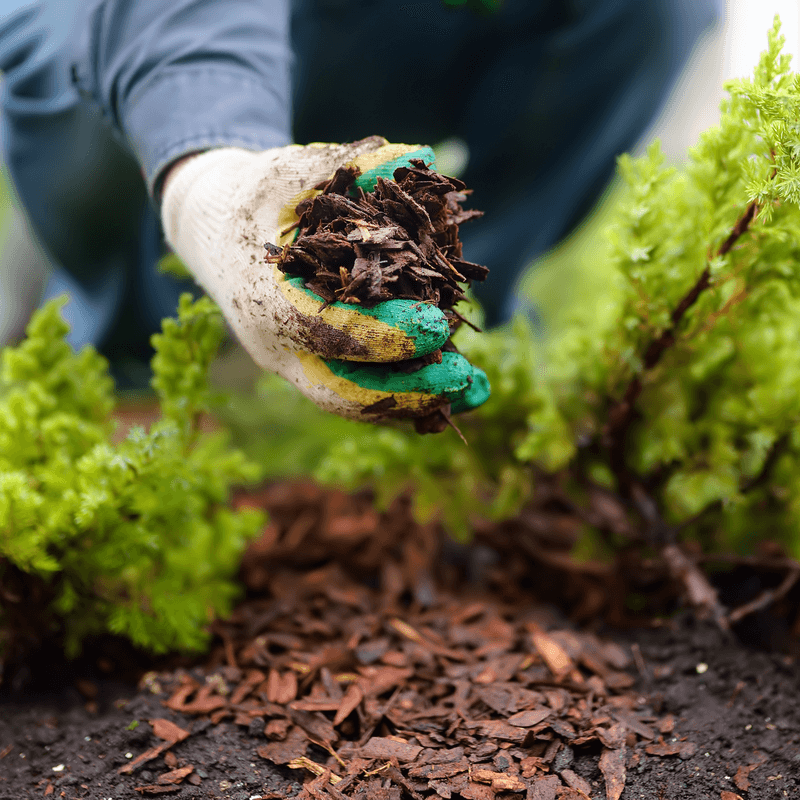
Mulch does much more than make your garden beds look neat and tidy; it acts as an insulating blanket that protects plant roots from temperature swings that can stress or harm emerging growth.
North Carolina weather in late winter and early spring can be unpredictable, with warm sunny days followed by sudden cold snaps that send temperatures plummeting overnight.
A fresh layer of mulch helps buffer these extremes, keeping the soil temperature more stable so that tender new shoots don’t get shocked by unexpected freezes.
Spread two to three inches of organic mulch such as shredded hardwood bark, pine straw, or aged wood chips over the surface of your prepared beds, keeping it pulled back slightly from the crowns of plants to prevent rot.
As temperatures begin to rise in spring, that same mulch layer helps retain moisture in the soil, reducing how often you need to water and keeping roots consistently hydrated during dry spells.
This moisture retention is especially valuable for spring bloomers that are putting energy into producing flowers and need reliable water supplies to perform their best.
Organic mulches also break down gradually over time, adding more organic matter to your soil and continuing to improve its structure and fertility season after season.
5. Test Soil pH And Adjust If Needed
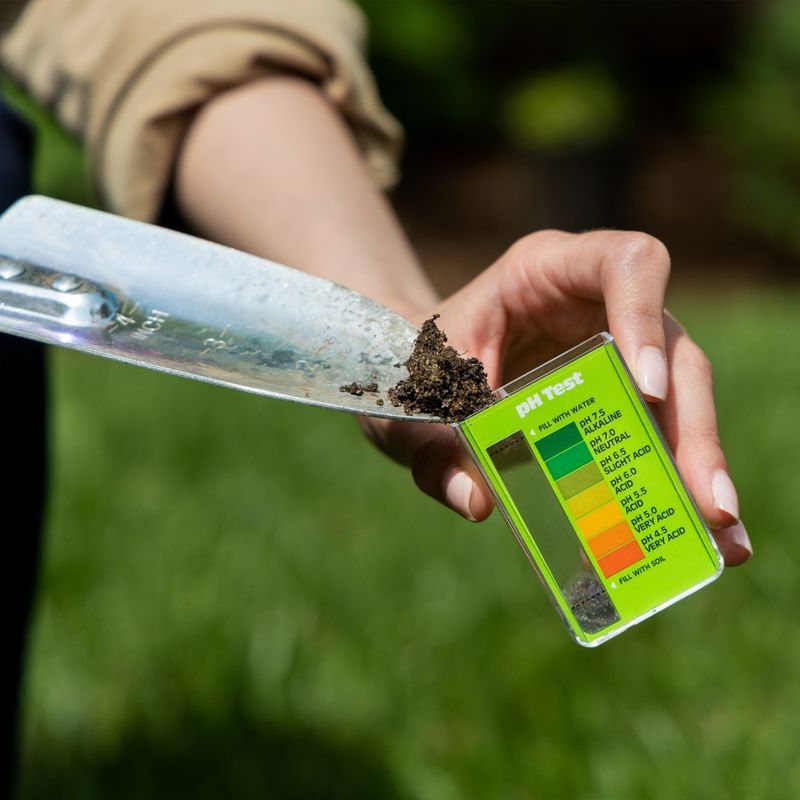
Many gardeners overlook soil pH, but this simple measurement has a huge impact on how well your plants can access the nutrients in the soil, even when those nutrients are present in abundance.
North Carolina soils tend to lean toward the acidic side of the pH scale, which works perfectly for plants like azaleas and blueberries but can limit the performance of many popular spring bloomers that prefer a more neutral range.
When pH is too far outside a plant’s preferred range, certain nutrients become chemically locked up in forms that roots cannot absorb, leading to poor growth and lackluster flowers despite your best efforts.
Testing your soil pH is inexpensive and easy with a simple kit from a garden center or through your local cooperative extension office, which often provides detailed analysis for a small fee.
Once you know your current pH, you can make adjustments before spring growth kicks into high gear.
If your soil is too acidic, adding garden lime raises the pH gradually over several weeks. If it’s too alkaline, which is less common in North Carolina but can happen, sulfur or acidifying fertilizers can bring it down.
Making these adjustments now gives them time to take effect, ensuring that your spring flowers have access to all the nutrients they need right from the start of the growing season.
6. Edge Beds And Redefine Borders Early
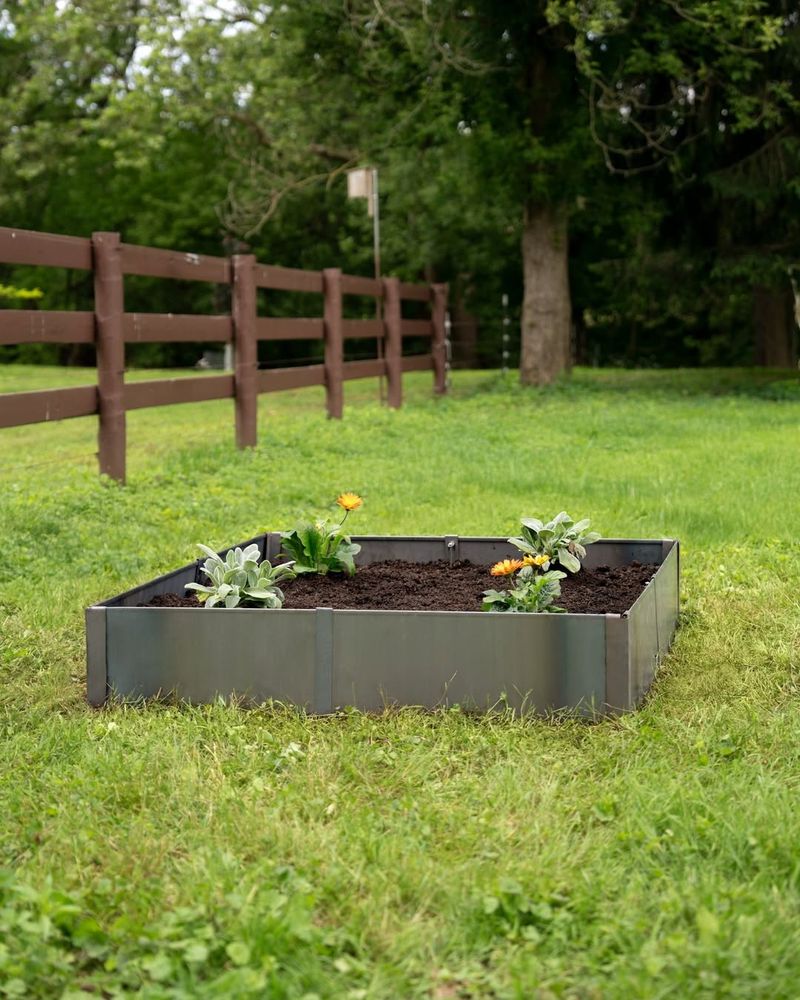
Crisp, well-defined edges do more than create a polished look in your garden; they serve as a barrier that prevents lawn grass from sneaking into your flower beds and competing with your blooms for water and nutrients.
Grass is aggressive and opportunistic, and once it establishes itself among your perennials and annuals, it becomes a constant battle to keep it under control.
Taking time now to redefine your bed edges creates a clear boundary that’s much easier to maintain throughout the busy growing season.
Use a sharp spade or half-moon edging tool to cut a clean line between your lawn and garden beds, digging down about four to six inches to sever grass roots completely.
You can leave the trench open for a natural edge, or install edging material like metal strips, plastic barriers, or stone for a more permanent solution.
This early attention to borders also gives you a chance to reshape beds if needed, creating smooth curves or straight lines that make mowing and maintenance simpler later on.
With your edges freshly defined, your garden beds will have a finished, intentional appearance even before the first flowers open, and you’ll spend far less time fighting back invading turf when you’d rather be enjoying your beautiful spring blooms.