Smart Ways To Protect Bird Feeders From Squirrels In Ohio
In the quiet backyards of Ohio, a high-stakes heist is unfolding. You’ve set the stage for a masterpiece: cardinals flashing crimson against the frost, chickadees flitting through the branches, and the sweet spring melodies of titmice.
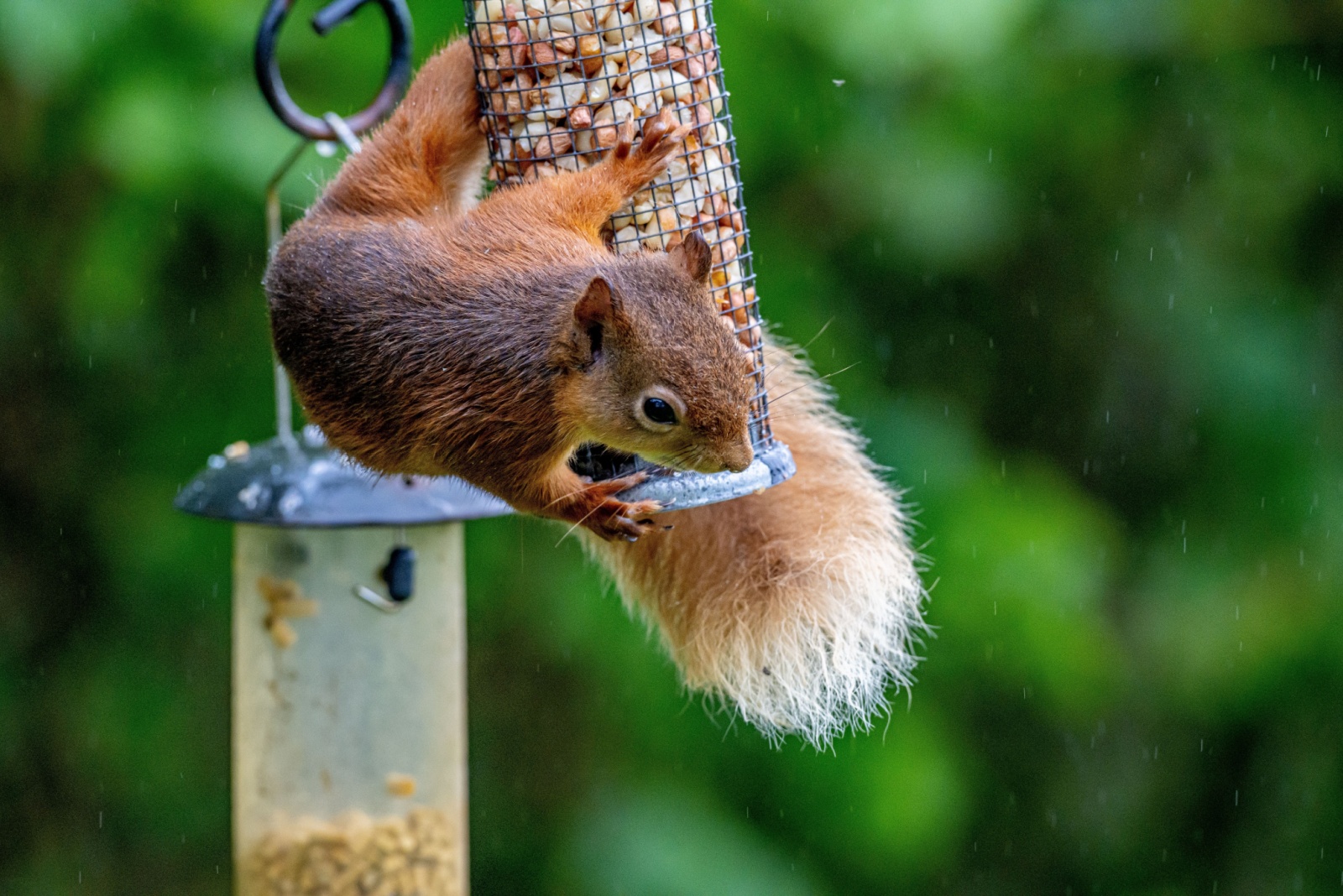
But before the first songbird can land, the “acrobats in gray” have already struck. Ohio’s fox and gray squirrels have perfected the art of the steal, transforming your premium birdseed into their personal, all-you-can-eat buffet.
Outsmarting these agile invaders requires more than just a sturdy feeder; it takes a strategist’s mind and a deep understanding of the Buckeye State’s unpredictable elements.
From the biting winds of an icy March morning to the heavy humidity of a July afternoon, Ohio’s weather and wildlife demand a specialized defense.
By tailoring your tactics to the local landscape, you can reclaim your yard and turn the tide of the battle.
It’s time to stop the scramble for solutions and transform your backyard back into a peaceful sanctuary where nature’s true stars can finally take center stage.
1. Baffle Their Attempts With Dome Shields
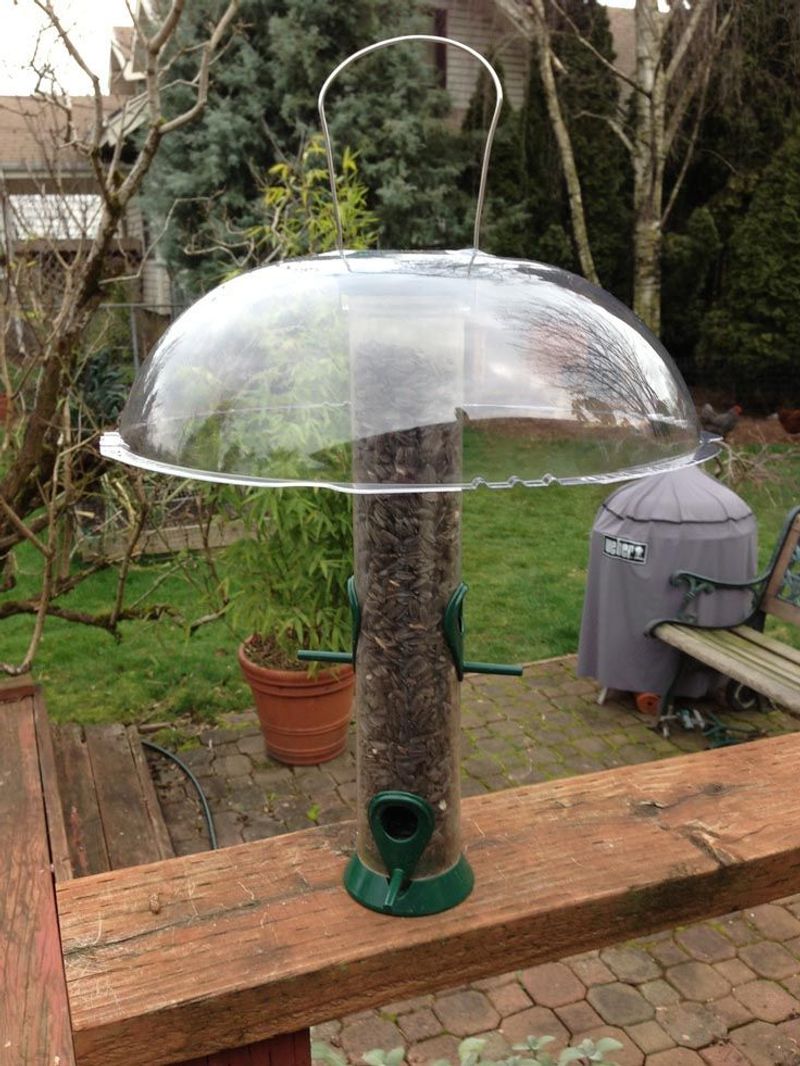
Dome-shaped baffles convert ordinary feeders into near-impenetrable fortresses. These clear plastic shields block even the most determined squirrels, keeping seeds safe while birds feed freely.
Hanging feeders benefit when the dome sits six to twelve inches above the seed container, preventing squirrels from climbing the line. Pole-mounted feeders fare best with the dome placed below, creating a slick surface squirrels cannot grip.
Oversized domes at least fifteen inches across provide extra protection, forcing squirrels to slide off before reaching the food.
Pairing baffles with a tall metal pole increases effectiveness, reducing leaping attempts. Beyond keeping squirrels away, these shields protect seeds from Ohio’s winter snow and ice, spring rains, and inquisitive raccoons in summer.
Investing in quality domes minimizes wasted seed while creating a reliable feeding station for backyard birds throughout the year.
2. Go Vertical With Proper Pole Placement
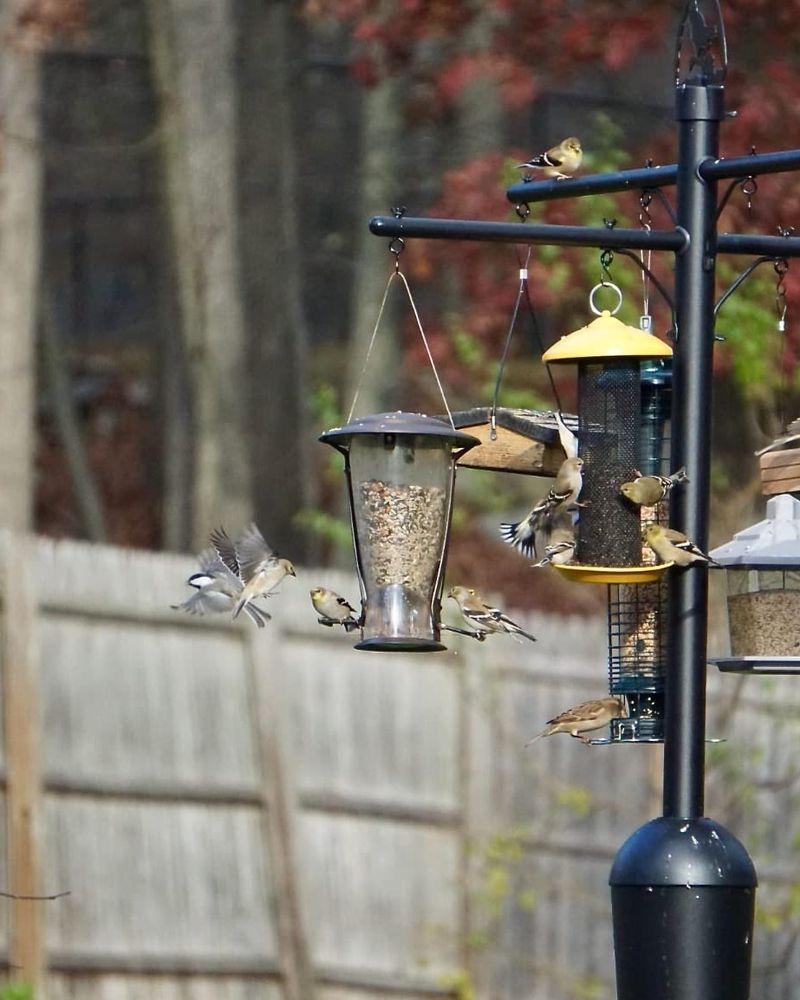
Strategic pole placement can turn a backyard feeder into an unreachable fortress for Ohio’s acrobatic gray squirrels. These clever creatures leap from trees, fences, and nearby structures with precision, making even the best-laid feeding plans vulnerable.
To stay one step ahead, position your feeder pole at least ten feet away from any potential launch point. This distance keeps squirrels from using their impressive eight-foot horizontal jump to reach the seeds.
Material choice plays a critical role in defense. Metal poles outperform wooden ones because their smooth surfaces prevent squirrels from gaining purchase.
Some Ohio bird enthusiasts report success using galvanized steel poles, which remain sturdy through rainy springs, snowy winters, and humid summer months. Wooden poles can become slippery when wet but may still provide enough grip for determined squirrels, making metal the superior option.
Securing the base of your pole further strengthens your setup. Burying the pole in a concrete footing prevents persistent diggers from toppling feeders during Ohio’s summer months when squirrels grow bolder and more agile.
Homeowners notice that combining height, distance, and a solid metal pole reduces squirrel raids dramatically.
Beyond protection, proper pole placement encourages birds to feed safely and comfortably. Cardinals, chickadees, and titmice can approach without dodging airborne squirrels, creating a peaceful backyard environment.
Thoughtful positioning ensures your feeder becomes a reliable sanctuary for birds while squirrels explore alternative sources, leaving your seeds untouched.
3. Spring Into Action With Mechanical Slips
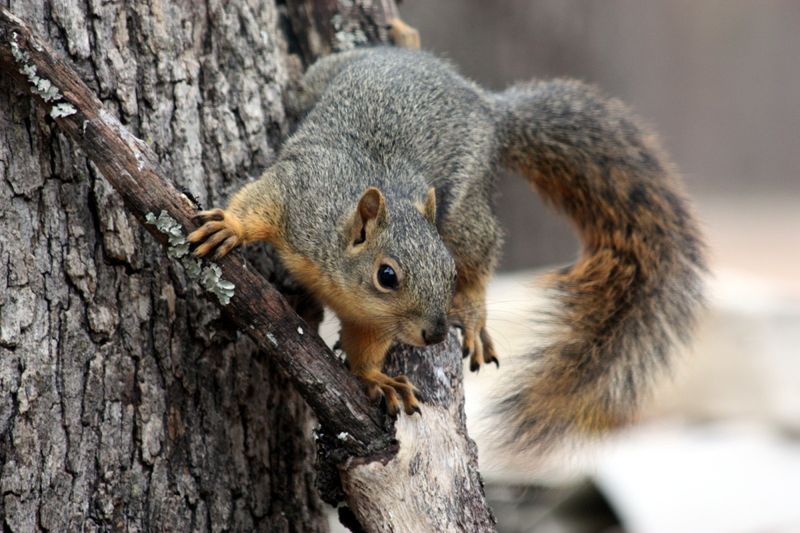
While some old-school tips suggest greasing poles with petroleum jelly, Ohio’s bird experts warn against it. Grease and oils can easily ruin a bird’s feathers, destroying their natural ability to stay warm and dry during a chilly Buckeye spring.
Instead, many homeowners are turning to the “Slinky method” as a safe and effective mechanical alternative. By threading a metal coiled spring toy over a bird feeder pole and securing it firmly at the top with a zip tie, you create a harmless yet frustrating barrier for agile invaders.
When a squirrel attempts to climb, the spring stretches downward under the animal’s weight, gently depositing the startled acrobat back onto the grass. This method works exceptionally well because squirrels simply cannot gain a solid grip on the moving, shifting coils.
Unlike chemical lubricants that wash away in Ohio’s heavy spring rains or melt during a humid July afternoon, a metal spring remains a permanent fixture that requires almost no maintenance once installed.
Safety remains the top priority for Ohio backyard enthusiasts, and this mechanical approach ensures that neither a bird’s plumage nor a squirrel’s health is at risk. Watching a squirrel “elevator” its way back to the ground provides a bit of lighthearted backyard entertainment while ensuring your seed budget goes strictly to the birds.
It is a low-cost, high-reward upgrade that turns a standard metal pole into a dynamic squirrel-deterring machine that stands up to the state’s most persistent wildlife.
4. Weight-Activated Feeders Shut The Door
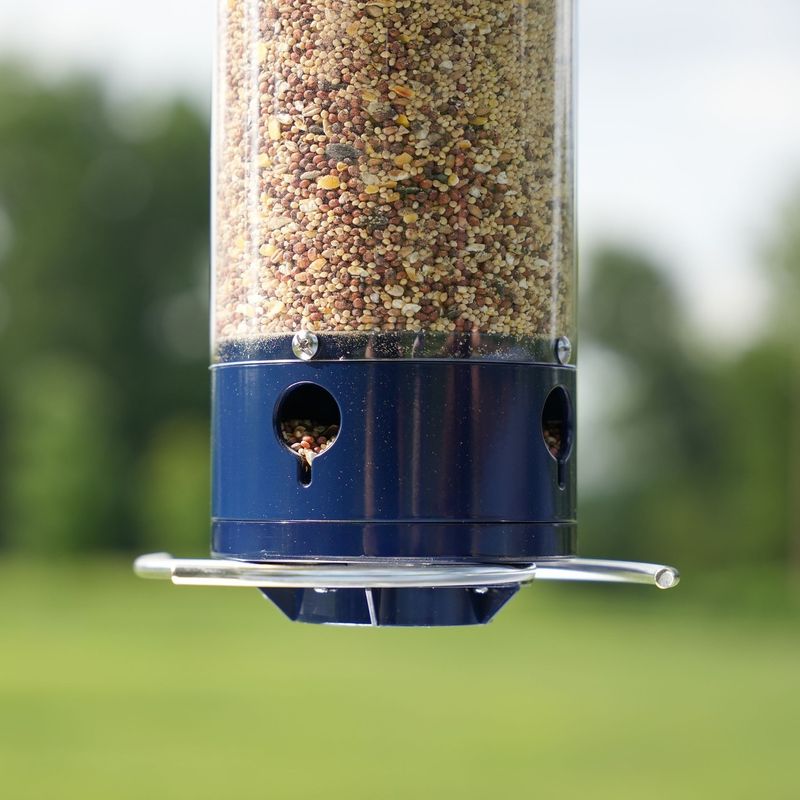
Weight-activated feeders automatically close access to seed ports when a heavier animal lands. Cardinals, chickadees, titmice, and finches feed normally, while gray and fox squirrels are gently denied entry.
Choosing weather-resistant models ensures reliability through Ohio’s variable climate. Adjustable sensitivity lets larger birds access seeds while deterring squirrels.
Open placement prevents squirrels from jumping directly onto the feeder, increasing effectiveness.
These feeders reduce seed loss, require minimal maintenance, and provide a backyard spectacle. Combining them with dome baffles or strategic pole placement creates a robust, multi-layered protection system.
Birds remain nourished, squirrels are entertained and deterred, and homeowners enjoy uninterrupted birdwatching.
5. Spice Things Up With Cayenne Pepper

Cayenne pepper adds a fiery twist to birdseed that squirrels absolutely hate while leaving Ohio’s songbirds unharmed. Birds such as cardinals, chickadees, titmice, and finches lack the receptors to detect capsaicin’s heat, so they can feed happily on seeds treated with a small amount of this natural deterrent.
Meanwhile, squirrels quickly learn to avoid feeders sprinkled with cayenne, leaving your backyard birds to dine in peace.
Application is simple and effective. Mix roughly one tablespoon of cayenne per five pounds of seed, ensuring an even coating without overwhelming the birds.
During Ohio’s humid summers, the spice can lose potency, so regular refreshing of the mixture keeps squirrels deterred. For added convenience, pre-treated hot pepper seed mixes and suet cakes are available at local Ohio wildlife supply stores, offering a ready-made solution for busy homeowners.
Cayenne pepper works well when combined with other deterrents, such as dome baffles or wire mesh cages, to create a multi-layered approach that keeps Ohio’s clever squirrels from raiding feeders. Some backyard enthusiasts also report success sprinkling a light dusting on platform feeders or mixing it into sunflower seeds for ground-feeding birds, carefully monitoring to maintain bird safety.
This approach delivers results without harming wildlife, ensuring squirrels explore alternative food sources while cardinals and chickadees enjoy uninterrupted meals.
6. Cage Them Out With Wire Mesh Barriers
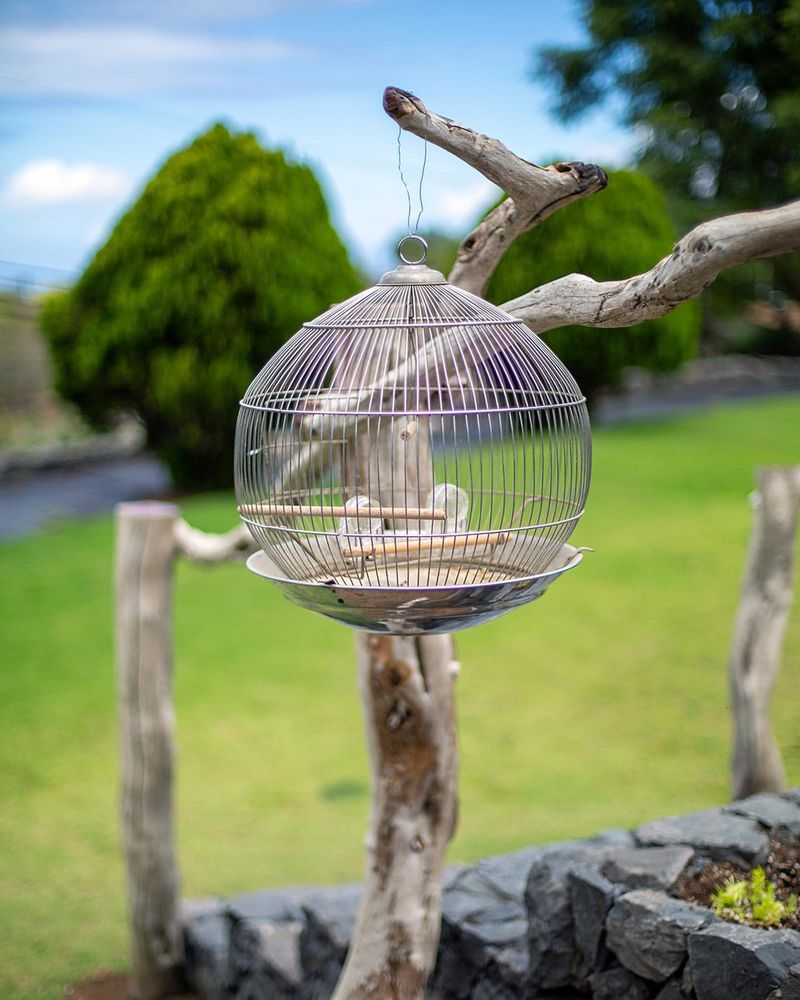
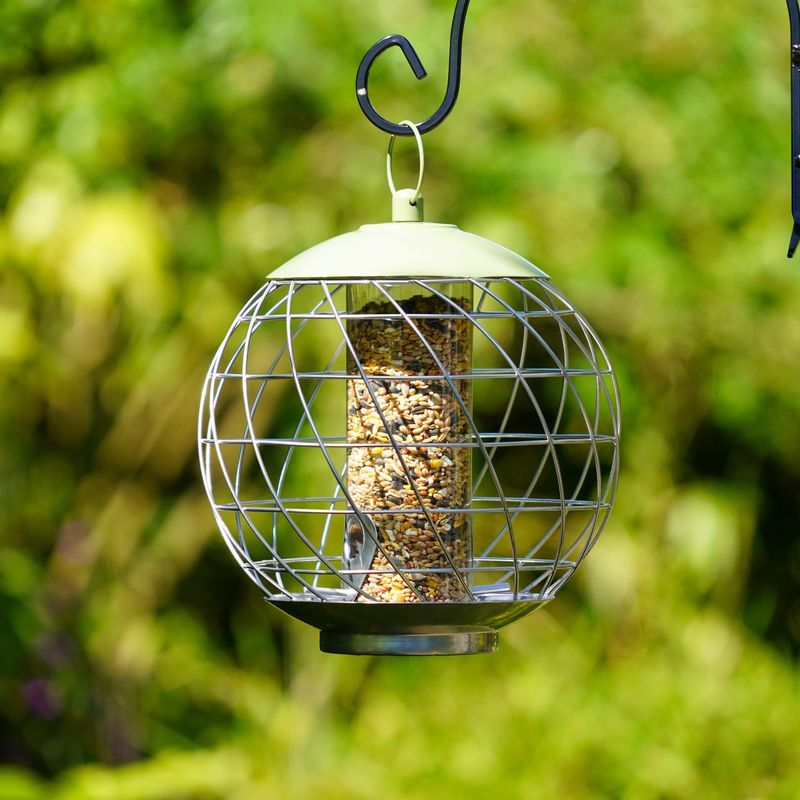
Wire mesh barriers create a physical shield that allows Ohio’s small birds to feed safely while keeping squirrels firmly outside. These cages fit around feeders, providing a clear line of defense against gray and fox squirrels, who can reach impressive heights and distances when attempting to raid seeds.
Openings around 1.5 inches work best, letting chickadees, titmice, and other small songbirds access food while blocking the bulkier, heavier squirrels from entering.
Hanging or pole-mounted designs offer flexibility in placement. Suspended cages allow smaller birds to perch comfortably while forcing squirrels to confront a challenging barrier.
For ground-feeding birds like mourning doves, elevated platform-style feeders surrounded by mesh cages prevent squirrels from raiding seeds while still giving birds easy access. Ohio gardeners often combine these cages with dome baffles or proper pole placement to increase success rates and reduce maintenance.
Material choice matters in Ohio’s variable climate. Powder-coated or galvanized steel withstands heavy spring rains, summer humidity, and snowy winters without rusting, ensuring long-lasting protection.
Lightweight cages may bend under persistent squirrel pressure, so a sturdier construction pays off over time.
7. Offer Alternative Food Stations
Creating a dedicated food station for squirrels can reduce raids on Ohio’s backyard bird feeders while keeping both birds and squirrels happy. Gray and fox squirrels love easy access to high-energy foods, so offering a separate feeding area encourages them to eat elsewhere, leaving cardinals, chickadees, and titmice undisturbed.
A simple platform feeder placed about twenty feet from bird feeders works well, giving squirrels a convenient dining option while protecting birdseed.
Fill the squirrel station with corn on the cob, peanuts, sunflower seeds, and other favorites. Ohio’s fox squirrels are particularly fond of dried corn, making it an effective distraction.
Placing the station in a clear, open area allows birds and homeowners to observe squirrels without interference at the primary bird feeders. Some backyard enthusiasts report that adding multiple squirrel stations during spring and summer keeps clever squirrels occupied, minimizing seed theft and reducing the stress of constant monitoring.
Proper placement matters. Avoid positioning squirrel stations near trees or fences they could use as shortcuts to bird feeders.
A twenty-foot separation from feeders maximizes effectiveness while allowing squirrels to enjoy a safe feeding zone. Using a stable platform or pole helps prevent tipping and makes maintenance easy.
This approach promotes coexistence, turning potential backyard conflicts into organized, wildlife-friendly spaces.
8. Spinning Squirrel Defeaters
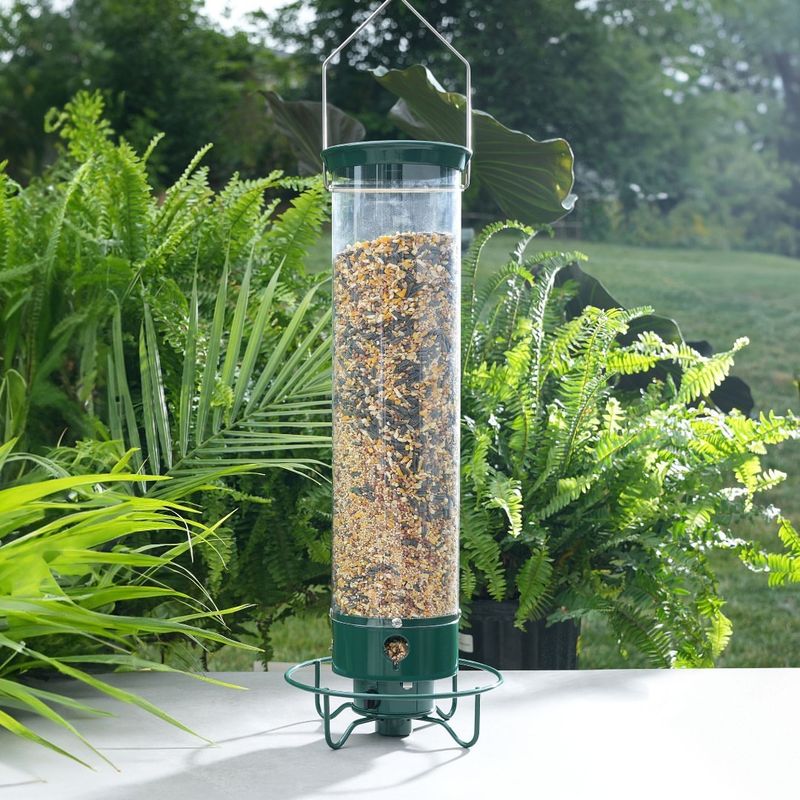
Watching a squirrel try to steal your birdseed is like seeing a tiny acrobat in a slapstick comedy. Spinning squirrel feeders turn that chaos into entertainment while keeping Ohio’s backyard birds safe.
These feeders spin the moment a squirrel climbs on, giving it a gentle twirl that sends it sliding off in a dizzy daze. The birds barely notice.
Cardinals, chickadees, titmice, and finches go about their business, while the squirrels are left wondering what just happened.
Placement is key. Set the feeder out in the open, far from trees, fences, or anything a clever squirrel could use as a launch pad.
Ohio squirrels are pros at leaping up to eight feet horizontally, so give yourself enough room for the feeder to do its magic.
Battery-operated models handle Ohio’s unpredictable weather like a champ. Snow, rain, or humidity won’t stop the fun.
And unlike some other anti-squirrel tricks, these feeders are practically hands-off—minimal maintenance, maximum amusement. You get a safe, well-stocked feeder for your feathered friends, plus a front-row seat to a squirrel comedy show you never knew your backyard needed.
9. Strategic Pruning Limits Launch Pads
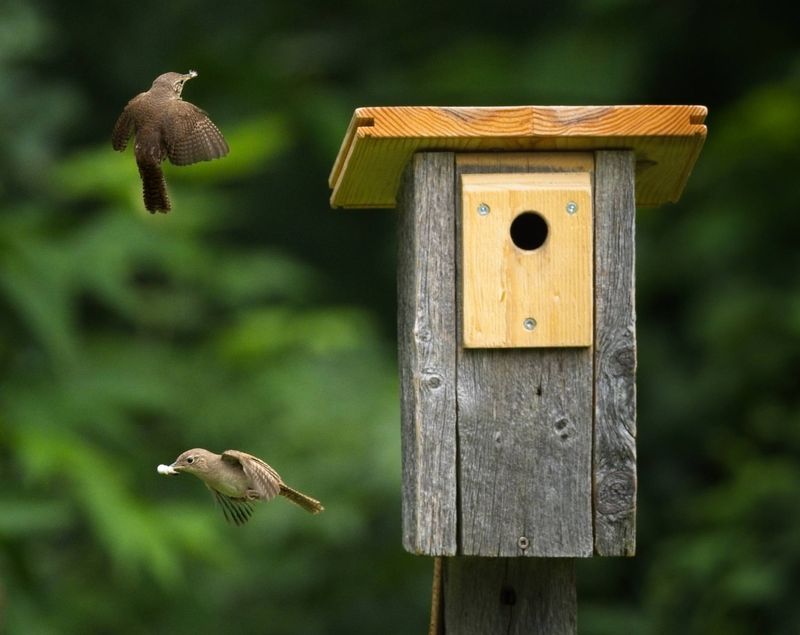
Ever watch a squirrel soar through the air like it’s training for the Ohio Olympics? Gray and fox squirrels use overhanging branches as springboards, turning your carefully stocked bird feeders into their personal obstacle course.
The solution is surprisingly simple: prune those branches. Cutting limbs within eight to ten feet of feeders shuts down their secret highways, forcing them to work harder for every snack—and giving your birds a stress-free dining experience.
Cardinals, chickadees, titmice, and other songbirds suddenly get uninterrupted access, no dodging midair intruders required.
Timing makes all the difference. Late fall, when trees are bare, is perfect for pruning.
You can see every branch clearly, make precise cuts, and avoid disturbing any nesting birds. Spring pruning works too, but new growth can hide tricky spots, making clean cuts trickier.
Using the right tools, sturdy loppers or pruning shears, keeps your cuts healthy for the tree while shutting down squirrel shortcuts.
Pruning works best as part of a multi-layered defense. Pair it with dome baffles, wire mesh cages, or carefully placed poles, and suddenly your feeders become a fortress.
Plus, pruning isn’t just about outsmarting squirrels. Clearing crowded or damaged branches improves sunlight, airflow, and overall tree health, turning your yard into a thriving, bird-friendly oasis.
10. Safflower Seed Switcheroo
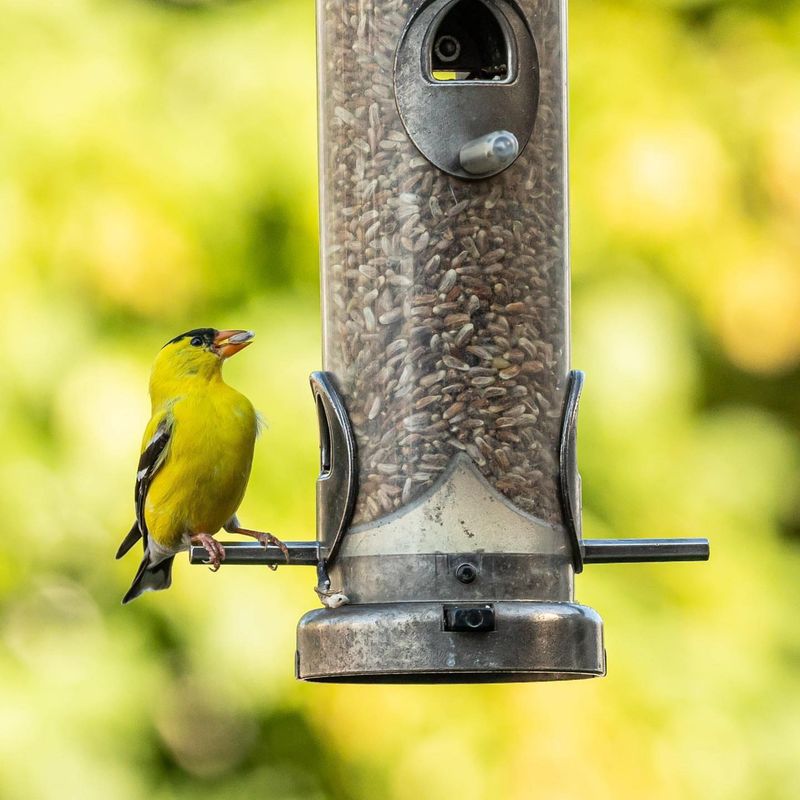
Here’s a trick that makes your feeders a no-go zone for squirrels while keeping your birds happy: safflower seeds. These bitter little nuggets are a favorite for cardinals, chickadees, titmice, and other Ohio songbirds, but gray and fox squirrels quickly figure out they’re not worth the effort.
Over time, your backyard becomes a peaceful dining room for birds, with far less wasted seed and far fewer squirrel raids.
White safflower seeds handle Ohio’s unpredictable weather like champs. They hold up through humid summers, snowy winters, and soggy spring showers, making them a reliable snack year-round.
Homeowners often start by mixing safflower with regular seed, slowly increasing the proportion until it’s all safflower. Birds adjust easily, and squirrels eventually give up, leaving your feeders in peace.
Safflower also keeps unwanted visitors away. Starlings and grackles tend to skip it, giving smaller, native Ohio songbirds better access.
Pair safflower with elevated or caged feeders, and you’ve got a double-layered defense: squirrels can’t reach the seed, and the seeds themselves are unappealing.
The best part? This method requires no fancy gadgets.
Just swap in safflower, add it to your existing feeder setup, and combine it with other deterrents like dome baffles or wire mesh cages for maximum effectiveness. Birds get uninterrupted meals, feeders stay full longer, and you get more relaxing, squirrel-free birdwatching in your Ohio backyard.