Smells That Keep Spiders Out Of Your House This Fall
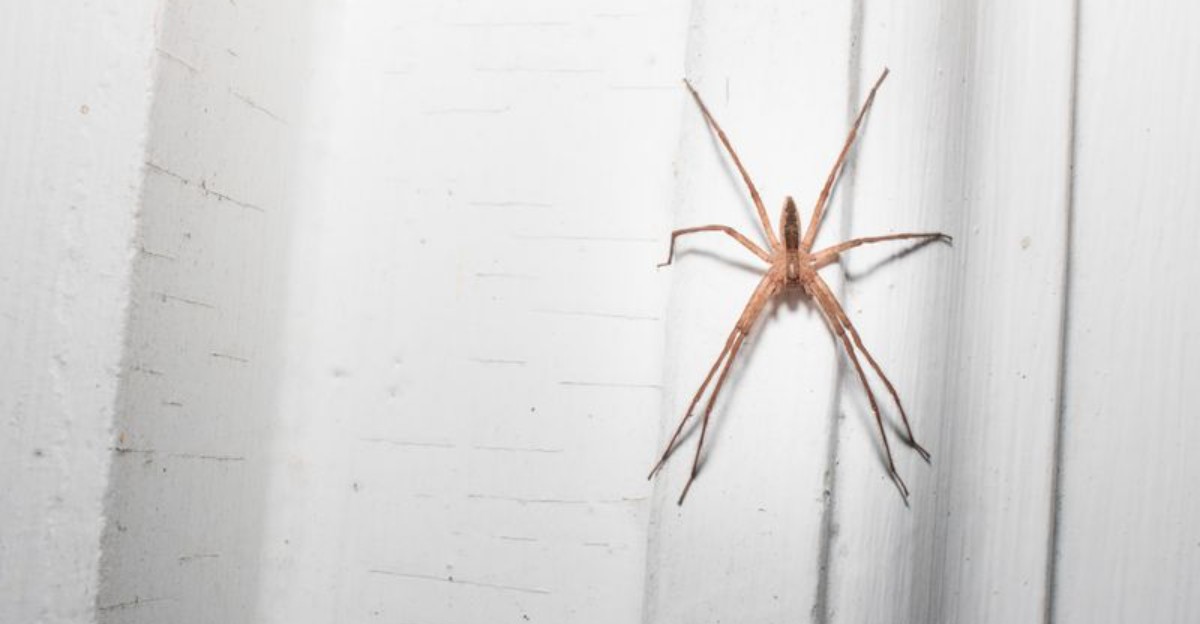
Fall shows up with crisp leaves, pumpkin bread, and cozy sweaters pulled from the dusty closet. It also brings eight-legged houseguests who wander indoors like they paid rent for the whole season.
You spot one sprinting across the bathroom floor, and your shower feels like a scary movie. Your heart pounds, your voice climbs an octave, and the towel suddenly becomes your only plan.
Sprays and swatters help in a pinch, but they rarely stop the visitor from strolling in. Your nose, oddly enough, might hold a smarter and gentler plan for keeping your home yours.
Certain scents that smell fresh to people come across as harsh and rude to tiny crawlers. Picture walking into a room that smells like burnt popcorn, then turning right around and leaving.
1. Peppermint Sends Them Packing
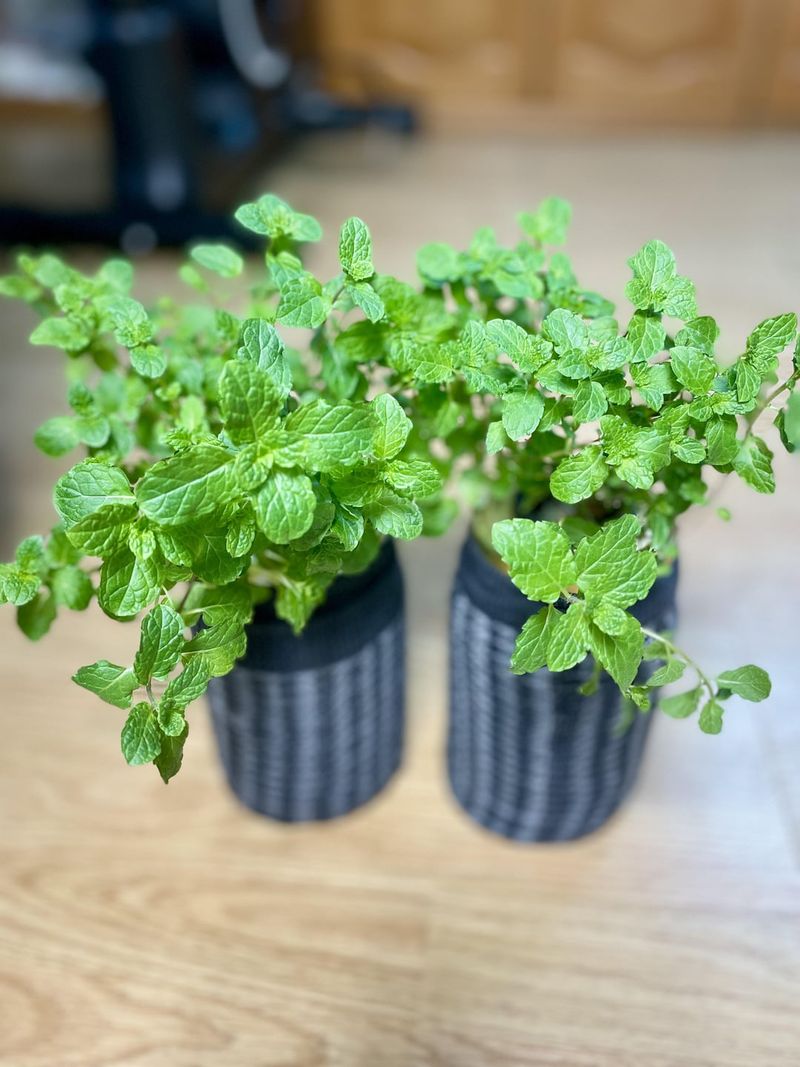
Walk past a candy cane stand in December, and that sharp, cool sniff wakes up your whole face. Peppermint oil carries that same punch, and many spiders seem to find it overpowering.
Spiders taste and smell the world through tiny hairs on their legs, so strong oils can overwhelm them quickly. Peppermint contains menthol, a natural compound that seems to irritate those sensitive hairs and push spiders elsewhere.
To make a simple spray, mix about fifteen drops of peppermint oil into a spray bottle of water. Add a small squirt of dish soap, since it helps the oil blend instead of floating on top.
Shake the bottle well and mist window frames, door edges, baseboards, and any cracks where cool air sneaks in. Early October is a smart time to start, because many spiders roam indoors looking for mates and shelter now.
The scent fades within a few days, so plan to refresh your spray about twice a week this fall. Cotton balls dabbed with oil also work nicely tucked behind bookshelves, under sinks, and inside dusty basement corners.
Pet owners should be careful, because concentrated peppermint oil can bother cats and some dogs if they lick it. Keep cotton balls up high and test your spray on a hidden patch of painted wood first.
Fun fact, people have grown mint for thousands of years, and ancient Greeks rubbed it on tables for freshness. Your home gets that same clean welcome, while uninvited guests mostly decide to look for a different address.
2. Citrus Peels Pull Double Duty

Grandma used to toss orange peels on the woodstove, and the whole cabin smelled like sunshine for hours. She might not have known it, but that bright scent was also sending a message to spiders.
Lemons, oranges, and limes contain a natural oil called limonene, which gives citrus that zippy, tangy smell. Spiders mostly seem to dislike limonene, and many people report fewer webs after using it around their homes.
Peels are the easiest place to start, since you already throw them away after snack time or breakfast. Rub fresh peels along windowsills, door thresholds, and bookshelf edges to leave a light layer of oil behind.
For a stronger option, soak peels in white vinegar for two weeks, then strain the liquid into a bottle. Mix it half and half with water, and you get a cleaner that also smells wonderfully fresh.
Wipe down kitchen counters, cabinet corners, and the gaps behind your fridge, where crumbs attract the insects spiders hunt. Fewer bugs to snack on means fewer reasons for eight-legged visitors to stick around your cozy kitchen.
Watch out for marble or natural stone, because citrus acids can dull the shiny surface over time. Swap in a gentle spray of citrus essential oil and water for those surfaces instead of homemade vinegar.
Replace rubbed peels every few days, since they dry out quickly indoors. Bonus points go to families who save clementine peels from lunch boxes and turn snack scraps into protection.
3. Vinegar Draws A Sour Line
Nobody would call white vinegar perfume, but this sour kitchen staple is one of the most budget-friendly spider deterrents around. A big jug usually costs a few dollars, and it lasts through most of the fall season.
Vinegar contains acetic acid, which gives it that eye-watering sharpness you notice the moment the cap comes off. Spiders seem to find the smell and taste unpleasant, so they often steer clear of freshly sprayed spots.
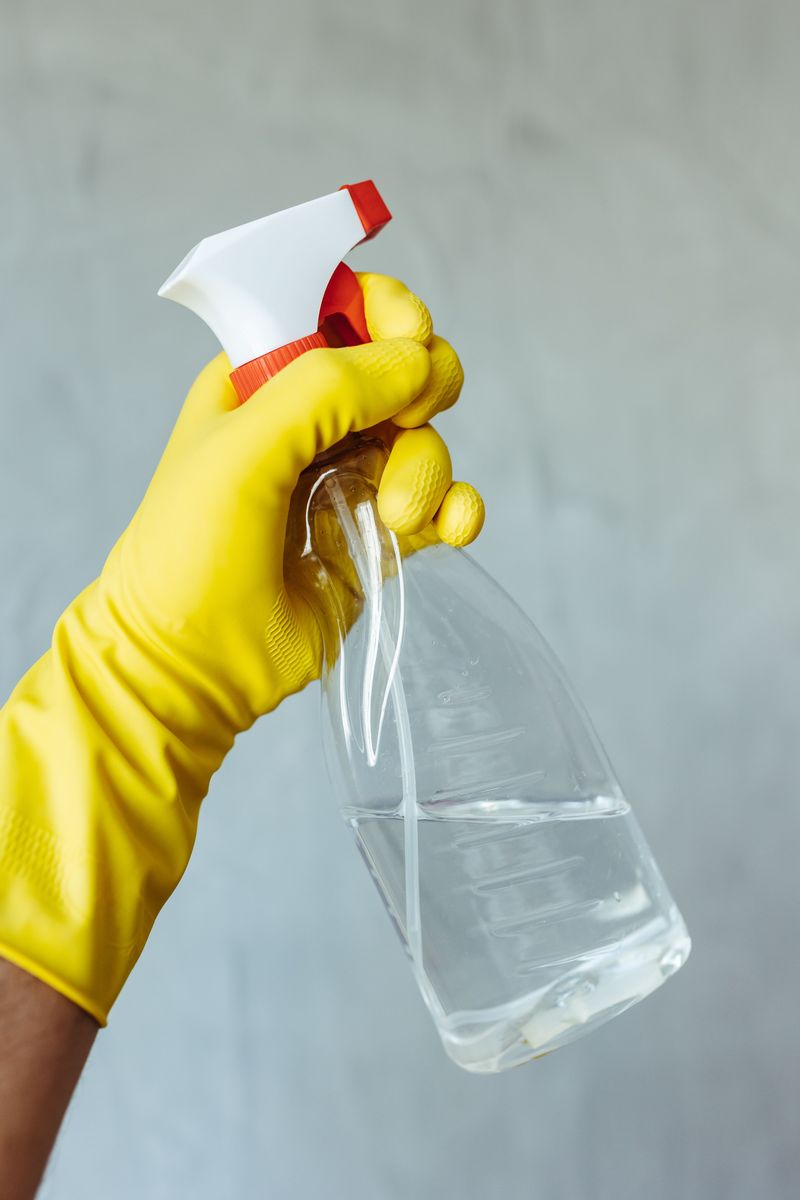
Fill a spray bottle with equal parts vinegar and water, then give it a quick swirl to combine. Mist corners of the garage, basement stairs, and the dark spaces behind washing machines and storage bins.
Outdoor spots matter too, especially porch lights, where moths gather at night and spiders set up dinner tables. Spraying around light fixtures and door frames every few days can help reduce those busy webs by morning.
Worried about your house smelling like a pickle jar for the rest of the week and beyond? Relax, because the vinegar scent usually fades for people once the spray dries.
Skip spraying wood floors, granite, and waxed furniture, since the acid can wear down finishes over many weeks. Plants also dislike vinegar, so keep your spray away from potted mums and fall flower boxes by the door.
Quick tip, adding a few drops of peppermint or lemon oil softens the sour smell and boosts its power. Your house ends up smelling cleaner, and the cobwebs in the garage corners start looking a lot lonelier.
4. Eucalyptus Clears The Corners
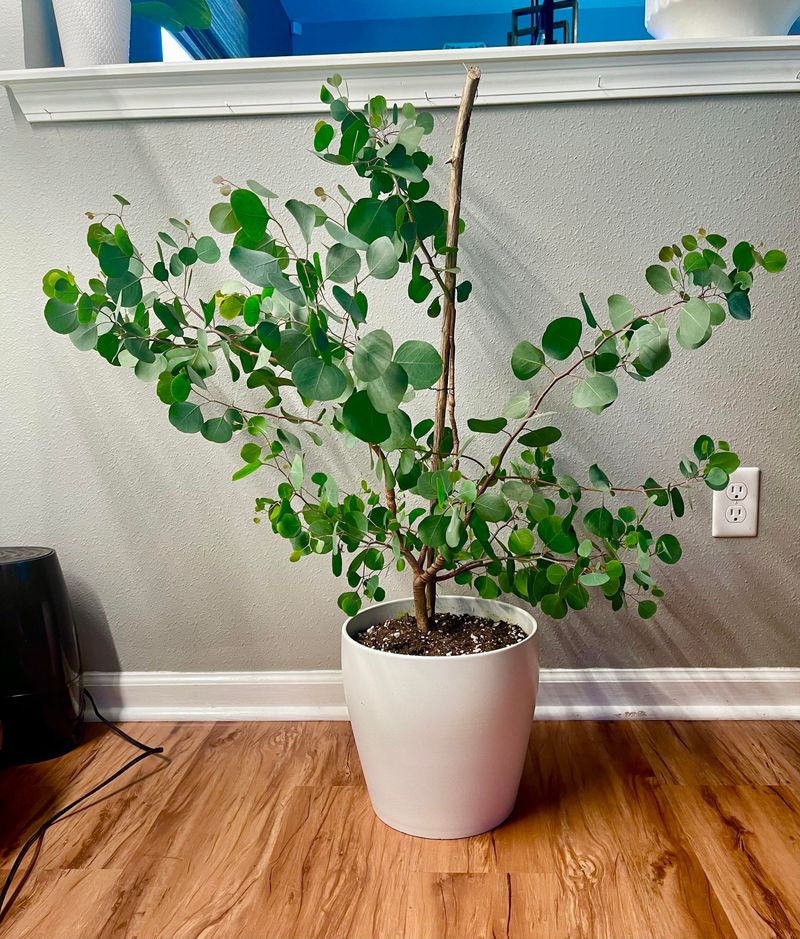
Step into a spa, and that crisp eucalyptus smell makes your shoulders drop. Spiders get no such relaxing treatment, and they mostly seem eager to scurry away from the scent.
Eucalyptus trees are native to Australia, where koalas feed almost entirely on the leaves. Those leaves are low in nutrients, so koalas sleep up to twenty hours a day to save energy.
The leaves hold an oil called eucalyptol, and its strong, medicine-like smell seems to bother many crawling pests. Mix twenty drops of eucalyptus oil with two cups of water, then spray closets, attics, and window wells.
Dried eucalyptus bundles are another fun choice, and craft stores stock plenty of them during the autumn decorating rush. Hang a bunch near your front door or tuck sprigs into a wreath with mini pumpkins and wheat.
Bathrooms make a perfect home for a bundle, since steam from your shower releases more of the oil. The room smells like a fancy hotel afterward.
Safety matters here, because eucalyptus oil is toxic to cats and dogs and should stay far from toddlers. Store the bottle in a high cabinet, and place dried bundles where paws and little hands cannot reach.
Dried bundles hold their scent for several weeks, though a few drops of oil can revive tired leaves. Swap them out around Thanksgiving, and your home stays fresh straight through the chilly months ahead of winter.
5. Cedar Guards The Closet
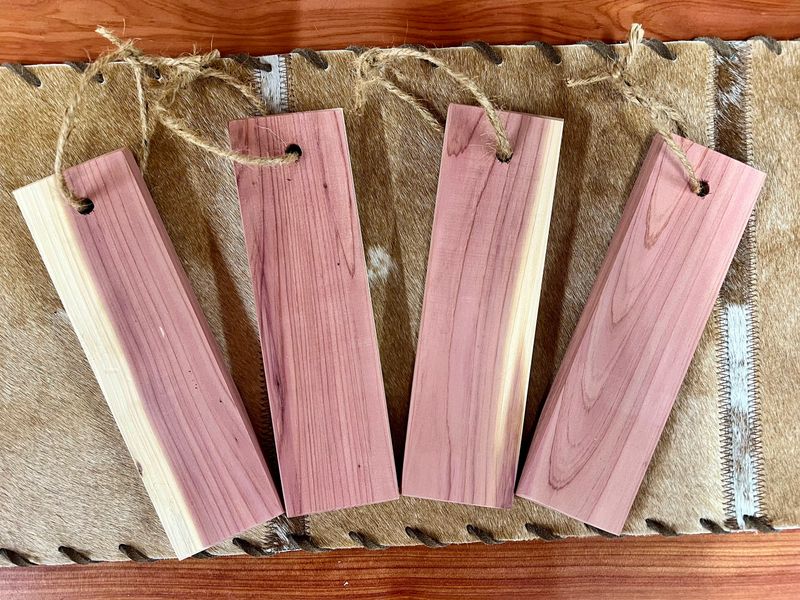
Open an old cedar hope chest, and a warm, woodsy smell rushes out like a hug from the forest. People have trusted cedar for generations to protect wool sweaters, and spiders seem to respect it too.
Cedar wood naturally releases oils that many insects dislike, which may mean fewer bugs for spiders to hunt indoors. The scent itself also seems to annoy spiders, so they often look for quieter corners somewhere else.
Fall is when we drag out boxes of jackets and boots, which makes closets prime real estate for webs. Toss cedar blocks or balls into storage bins as you pack away summer shorts and sandals.
Cedar mulch can add a scented layer outside, too, especially in flower beds that hug the foundation of your house. Spreading fresh mulch in October adds fragrance right where many spiders try to sneak indoors.
Cedar chips scattered under porch steps and along garage walls also help, and they look tidy doing it. Keep the mulch a few inches from siding, since damp wood piled against walls can invite other pests.
Over time, cedar blocks lose their punch, and you will notice the smell fading to almost nothing. Lightly sand the surface with fine sandpaper, and the fresh wood underneath releases a brand new burst.
A few drops of cedarwood oil can also refresh old blocks if you do not have sandpaper handy. Your sweaters stay safe, your closet smells like a mountain cabin, and the spiders mostly take the hint.
6. Lavender Calms You Not Them
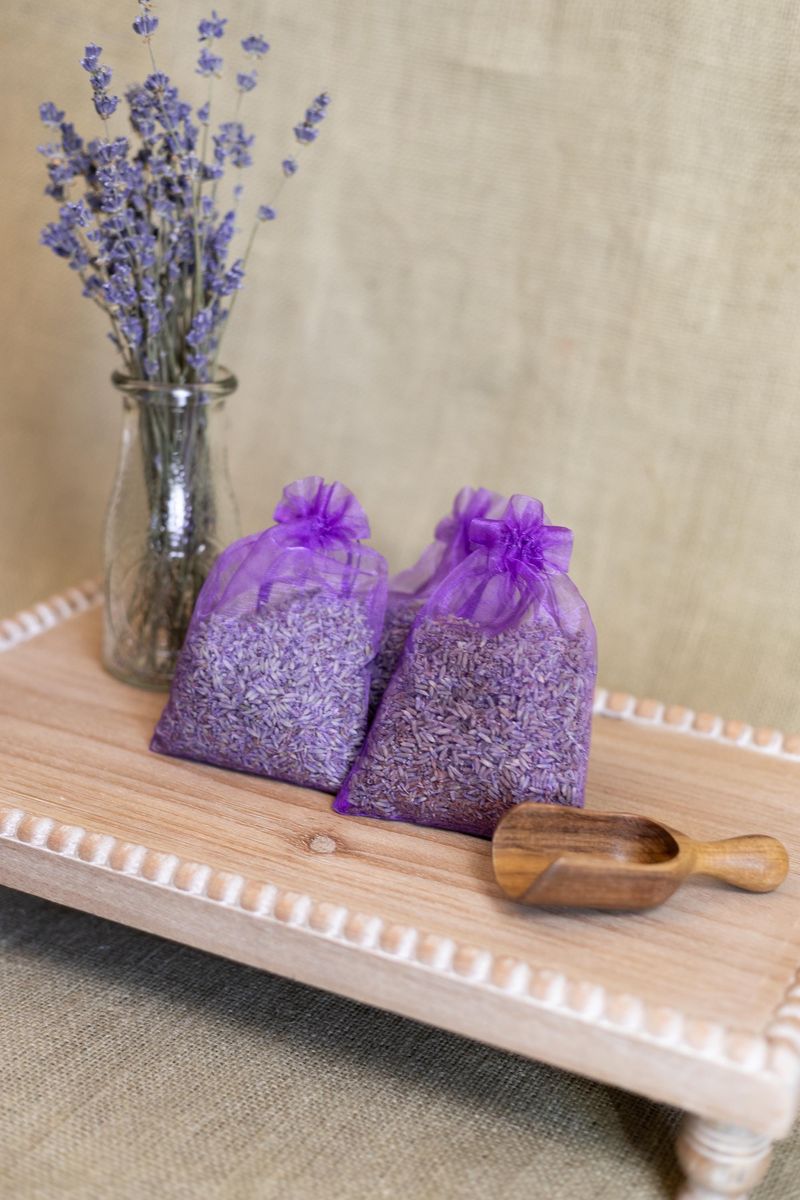
Lavender has a split personality, soothing people to sleep while making many spiders want to pack their tiny bags. It is one of the few bug deterrents that also helps you relax after a long school day.
The flowers contain linalool, a natural compound that gives lavender its sweet, floral, slightly herbal smell. Linalool shows up in some natural bug repellents, which hints at how pests feel about it.
Sachets are a simple and pretty way to use lavender indoors, and kids enjoy helping make them. Fill small cloth bags with dried buds, tie them with ribbon, and tuck them into drawers and closets.
Bedrooms are a great spot, since nobody wants to find a surprise roommate hiding under the pillow at night. Place sachets near headboards, under beds, and beside window frames where chilly October drafts slip inside.
For a spray, add fifteen drops of lavender oil to a cup of water with a pinch of salt. Mist curtains, bed skirts, and the corners of reading nooks for a calming scent that lingers nicely.
Potted lavender on a sunny porch can help, too, though it may need to come inside before frost arrives. A bright south-facing window keeps the plant happy indoors, and its scent keeps working right there.
Squeeze sachets every week or so to crush the buds slightly and wake up the fading fragrance. You get sweeter dreams, fresher sheets, and a bedroom that feels a lot less like a creepy nature show.
7. Tea Tree Takes A Stand
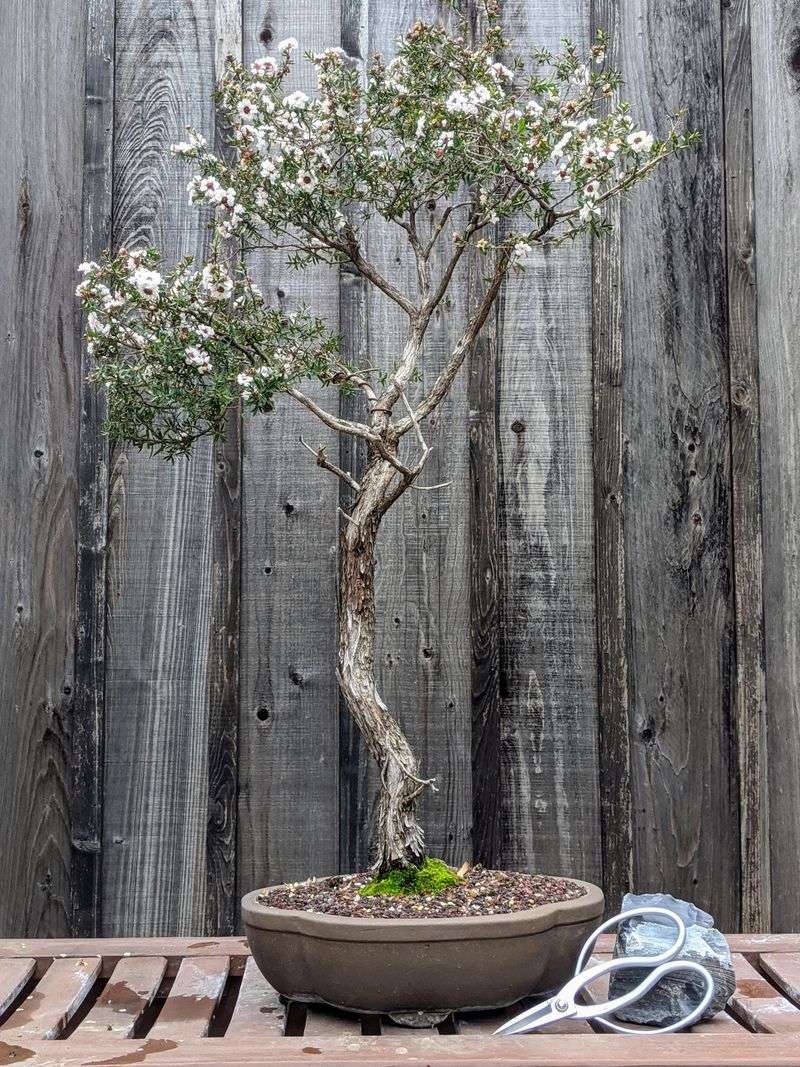
Tea tree oil smells a bit like a mix of pine needles and a doctor’s office, sharp and earthy. Some folks love it, others wrinkle their noses, and spiders mostly seem to fall into the second group.
Despite the name, this oil has nothing to do with your afternoon cup of tea or tea bags. It comes from an Australian shrub, and sailors in the 1700s reportedly brewed its leaves as a drink.
Its strong scent comes from compounds that many bugs find irritating, which makes it handy around the house. Mix ten to fifteen drops into a spray bottle of water, plus a drop of dish soap.
Damp areas like laundry rooms and basements attract spiders in fall, since moisture brings the bugs they eat. Tea tree oil is also studied for its antifungal properties, so spraying these rooms may tackle two problems at once.
Spray along the bottom of the washing machine, around sump pumps, and inside window wells near the ground. Repeat every few days, especially after rainy October weekends when basements feel extra muggy and cool.
Pure tea tree oil is very strong and can be toxic to cats, dogs, and small children if swallowed. Keep your spray diluted, label the bottle clearly, and let sprayed spots dry before pets wander through.
Store the oil in a cool, dark cabinet, because heat and sunlight can weaken its scent over time. A small bottle goes a long way, and your basement might finally feel fresher and less musty.
8. Cinnamon Heats Up The Doorway
Nothing says October quite like the smell of cinnamon drifting from the oven on a chilly Saturday morning. People smile at that cozy aroma, but many spiders seem to treat it like a giant stop sign.
Cinnamon gets its warm, spicy smell from cinnamaldehyde, a compound that researchers have studied as a natural bug repellent. Some studies suggest it bothers many insects, which may explain why spiders seem to avoid heavily spiced areas.
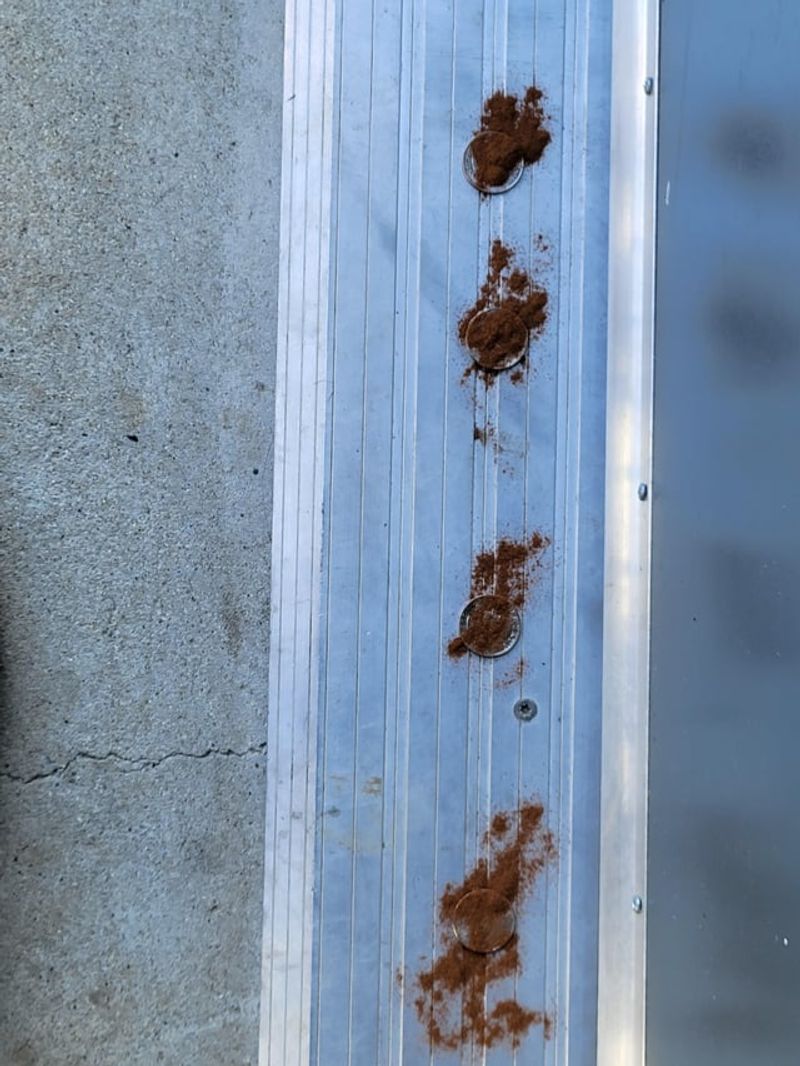
The easiest trick is sprinkling ground cinnamon in a thin line along door thresholds and windowsills. Cinnamon sticks work nicely too, especially tucked into pantry shelves where stray flour and cereal often lure tiny bugs.
Anyone wanting a spray can mix about ten drops of cinnamon oil into a cup of warm water. Cinnamon oil can irritate skin, so wear gloves while spraying and test a hidden spot on fabrics first.
Simmer pots are a cozy bonus, filling the whole house with scent while you do homework or chores. Drop cinnamon sticks, cloves, and orange slices into a pot of water and let it bubble gently.
Ground cinnamon can stain light carpets and turn clumpy if it gets damp, so sweep up old lines weekly. Pets usually stay curious but cautious around the spice, though large amounts can upset their stomachs.
Ancient Egyptians prized cinnamon as an imported luxury, and it stayed costly for centuries. Today it costs a few bucks, smells like apple pie, and helps your doorway look far less inviting to webs.