Snow Looks Harsh On Plants, But Here’s Why It’s Actually Helping Your Minnesota Garden

At first glance, a thick blanket of snow on your Minnesota garden can look like a death sentence for your plants.
White, heavy, and freezing—it seems like everything underneath is doomed.
But what appears harsh is actually nature’s secret winter strategy, quietly protecting your garden and setting the stage for a lush spring.
That snowy scene outside? It’s your garden’s winter superhero.
Snow acts as an insulating layer, shielding roots and tender perennials from freezing winds and temperature swings that could otherwise cause serious damage.
It locks in moisture, protects soil structure, and even provides nutrients as it melts—turning winter’s cold into a nourishing blanket.
While your plants sleep, snow is working behind the scenes to keep them alive and healthy.
Nature’s insulation beats any DIY winter wrap.
For Minnesota gardeners, embracing snow rather than fearing it can transform winter maintenance from worry to wonder.
Understanding how snow benefits your garden helps you prepare, plant strategically, and appreciate the quiet magic of the season.
Your garden isn’t suffering—it’s secretly thriving under that white cover.
Snow Acts As Natural Insulation For Plant Roots
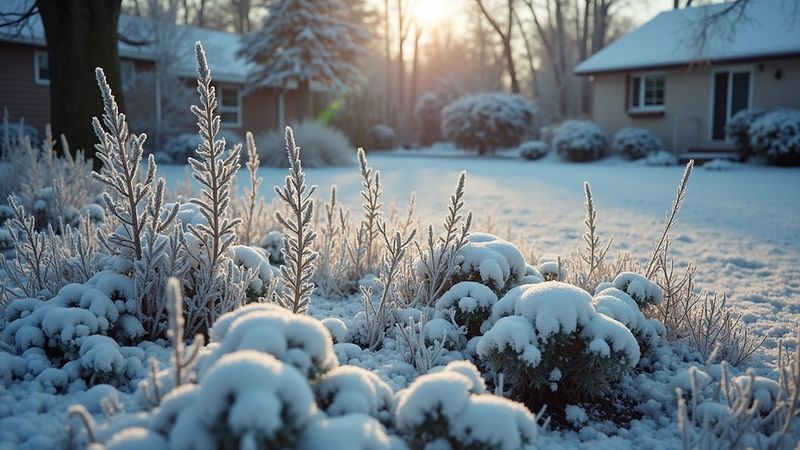
Think of snow as a cozy winter blanket tucked around your garden beds.
When snow piles up over your soil, it traps tiny pockets of air between the snowflakes, creating an insulating layer that keeps the ground underneath much warmer than the frigid air above.
This protective barrier prevents the soil temperature from dropping to dangerous lows that could harm delicate root systems.
Minnesota winters are notorious for their brutal cold snaps, where temperatures can plunge well below zero for days or even weeks at a time.
Without that snow cover, the ground would freeze solid and deep, potentially damaging or stressing the roots of perennials, shrubs, and even some trees.
The insulating effect of snow keeps soil temperatures relatively stable, hovering around 32 degrees Fahrenheit even when the air temperature drops much lower.
This consistent temperature allows roots to rest peacefully through winter without experiencing the shock of extreme temperature swings.
Plants that might otherwise struggle to survive a harsh Minnesota winter can make it through comfortably under their snowy shield.
The deeper the snow, the better the insulation, which is why heavy snowfall years often lead to healthier spring gardens.
Your plants are essentially hibernating in a temperature-controlled environment, thanks to that fluffy white layer above them.
Snow Prevents Freeze-And-Thaw Damage
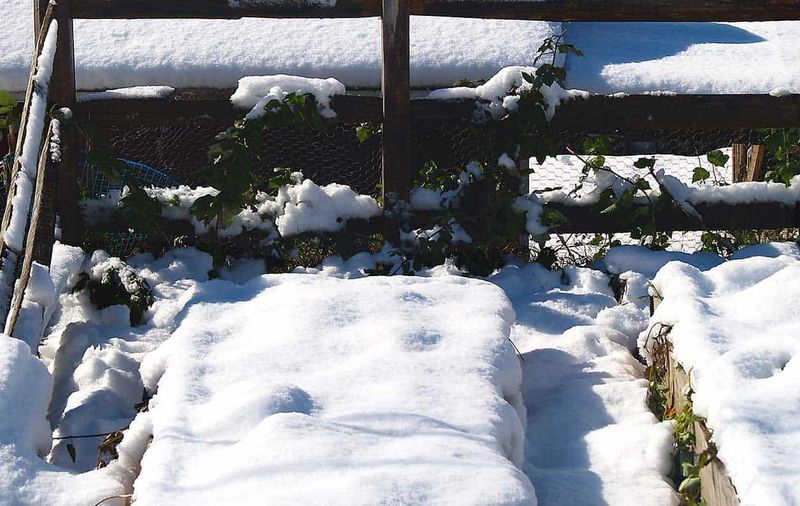
One of winter’s sneakiest threats to your garden is the freeze-thaw cycle that happens when temperatures bounce up and down.
On a sunny January afternoon, the temperature might climb above freezing, causing the top layer of soil to thaw slightly.
Then overnight, everything freezes solid again, and this repeated process can actually push plants right out of the ground, exposing their roots to harsh conditions.
Gardeners call this “frost heaving,” and it’s particularly damaging to newly planted perennials and shallow-rooted plants.
A consistent blanket of snow solves this problem beautifully by keeping soil temperatures stable throughout the winter months.
When snow covers your garden beds, it blocks the warming rays of the sun during those occasional mild winter days.
This means the soil stays frozen at a constant temperature rather than thawing and refreezing repeatedly.
Plants that remain firmly anchored in the ground all winter long emerge in spring exactly where you planted them, with their root systems intact and undisturbed.
Snow-covered gardens experience far less heaving damage than exposed beds that face direct sunlight and temperature fluctuations.
Your spring cleanup becomes much easier when plants haven’t been pushed around or partially uprooted by winter’s freeze-thaw shenanigans.
Snow Protects Perennials From Bitter Wind
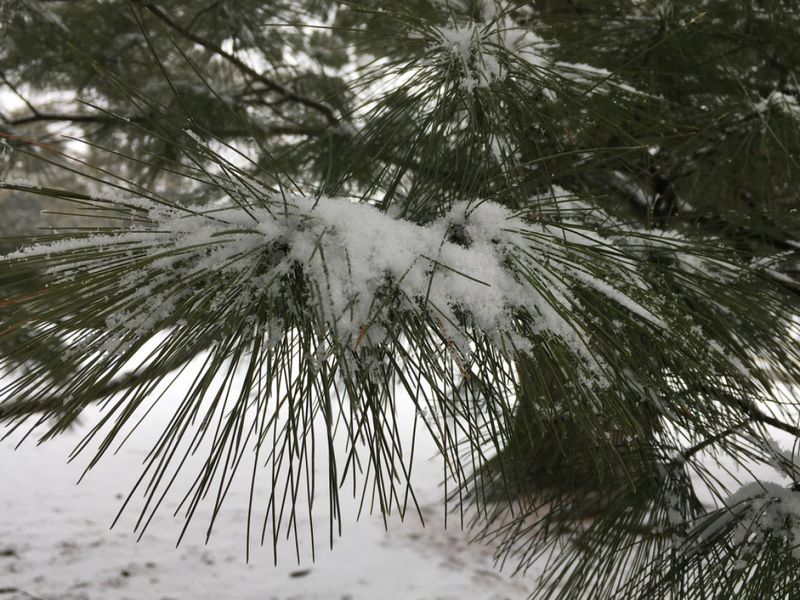
Minnesota’s winter winds can be absolutely relentless, howling across open landscapes and stripping moisture from anything in their path.
These drying winds are particularly tough on evergreen perennials and semi-dormant plants that retain some foliage through the cold months.
When bitter winds blast across exposed plant tissue, they pull precious moisture right out of leaves and stems, a process called desiccation that can seriously weaken or damage plants.
Snow creates a physical barrier between your plants and those harsh winds, essentially hiding your garden beneath a protective shield.
Perennials tucked safely under several inches of snow are completely shielded from wind exposure, keeping their tissues hydrated and intact throughout winter.
This protection is especially valuable for plants like hellebores, bergenia, and certain ornamental grasses that keep their foliage through winter.
Even dormant perennials benefit from wind protection, as their crown areas remain moist and undisturbed beneath the snow.
Gardens in exposed locations, like open yards or hilltops, benefit tremendously from heavy snowfall that provides this wind barrier.
Come spring, plants that spent winter under snow emerge with healthy foliage and strong crowns, ready to grow vigorously.
Wind-battered plants, by contrast, often look ragged and stressed, requiring extra time to recover before they can begin active growth.
Snow Helps Retain Soil Moisture Until Spring
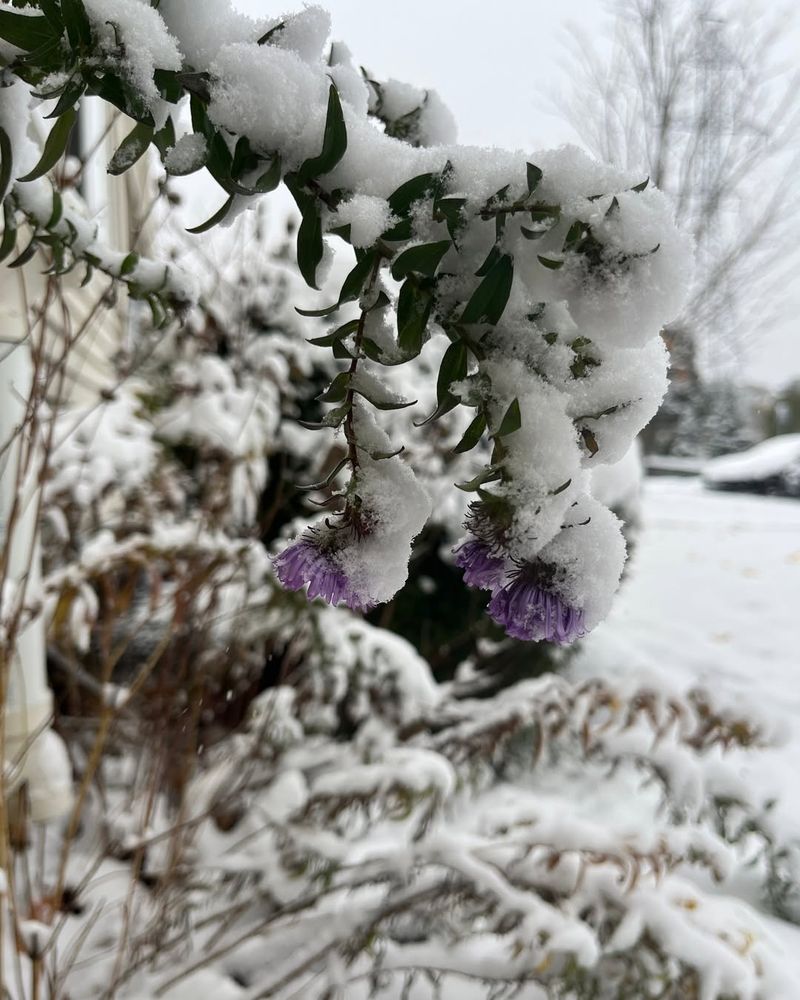
Water is just as important in winter as it is during the growing season, even though plants aren’t actively growing.
Dry soil going into spring means plants have to work harder to break dormancy and begin their growth cycle.
Snow acts like a slow-release water reservoir sitting right on top of your garden beds throughout the entire winter.
As temperatures gradually warm in late winter and early spring, that accumulated snow begins to melt slowly and steadily.
This gentle melting allows water to soak deep into the soil rather than running off quickly like rain often does.
The moisture penetrates down to root zones, rehydrating the soil thoroughly and evenly over several weeks.
Plants waking up from dormancy find perfectly moist soil conditions that support immediate root activity and new growth.
Gardens without adequate snow cover often face dry soil conditions in early spring, requiring supplemental watering before natural rainfall arrives.
The slow, steady moisture from melting snow also helps prevent soil erosion that can happen with heavy spring rains on frozen ground.
Your plants essentially get a long, gentle drink that prepares them perfectly for the demands of the growing season ahead.
This natural irrigation system is completely free and works better than any watering schedule you could create yourself.
Snow Reduces Winter Sunburn On Plants
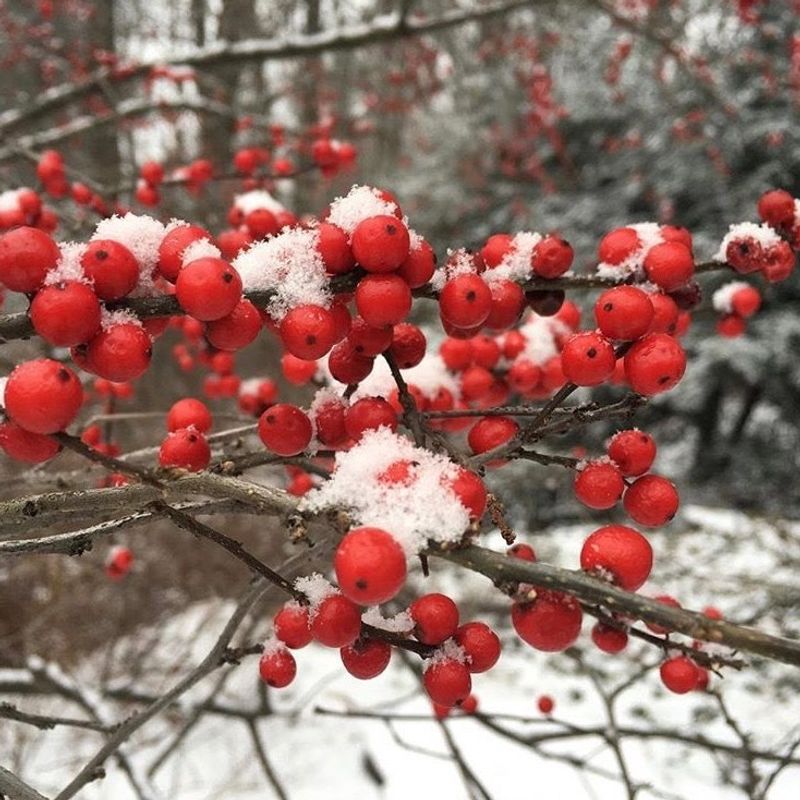
It might sound strange, but plants can actually get sunburned in winter, especially during those bright, sunny days when sunlight reflects intensely off snow and ice.
Evergreens like boxwood, arborvitae, and certain rhododendrons are particularly vulnerable to winter sun scorch.
When bright sunlight hits evergreen foliage on a cold day, it can warm the plant tissue and trigger activity in the leaves.
The problem arises because the roots are frozen in the ground and can’t supply water to replace what the leaves lose through this sun-induced activity.
This creates a moisture deficit that shows up as brown, scorched-looking foliage, particularly on the south and west sides of plants that receive the most intense sun exposure.
A good snow cover solves this problem by completely burying lower branches and foliage, keeping them cool, dark, and dormant.
Even taller plants benefit because snow reflects sunlight upward in a diffused way rather than allowing direct, intense rays to hit foliage.
The shading effect of snow keeps plant tissues consistently cold, preventing them from warming up and becoming active during sunny winter days.
Plants that remain dormant throughout winter emerge in spring with vibrant, healthy foliage instead of damaged, brown-tipped leaves.
Your evergreens will thank you for that protective snow blanket when spring arrives and they look fresh and green rather than winter-worn.
Snow Insulates Beneficial Soil Microorganisms

Your garden soil is teeming with microscopic life that works tirelessly to break down organic matter, cycle nutrients, and support plant health.
Beneficial bacteria, fungi, earthworms, and countless other organisms make up a complex underground ecosystem that’s essential for a thriving garden.
These tiny helpers are surprisingly vulnerable to extreme cold, and severe temperature drops can reduce their populations significantly.
Snow cover provides crucial insulation that keeps soil temperatures moderate, allowing these beneficial organisms to survive winter in much greater numbers.
When soil stays warmer under snow, microorganisms can maintain minimal activity levels or rest comfortably in a dormant state without suffering cold damage.
Come spring, gardens that had good snow cover bounce back quickly because their soil biology is intact and ready to support plant growth immediately.
This means faster nutrient cycling, better soil structure, and healthier plants right from the start of the growing season.
Gardens without adequate snow protection often have depleted soil biology in spring, requiring time for populations to rebuild before plants can access their full benefits.
The difference shows up in plant vigor, with snow-protected gardens typically producing stronger, more resilient plants that resist stress and disease better.
You’re essentially preserving your garden’s underground workforce by welcoming that winter snow cover.
Snow Shields Bulbs From Extreme Cold

Spring-blooming bulbs like tulips, daffodils, crocuses, and hyacinths are garden treasures that bring the first bursts of color after a long Minnesota winter.
These bulbs spend the entire winter underground, where they’re developing the flower buds that will emerge in spring.
While most bulbs are cold-hardy, extreme temperature drops can still damage developing flower buds or even the bulb tissue itself.
A protective layer of snow acts like a thermal blanket over your bulb beds, keeping soil temperatures from dropping to dangerous extremes.
This protection is especially important during those brutal cold snaps when temperatures plunge well below zero for extended periods.
Bulbs under snow remain at relatively stable temperatures, allowing their internal development to proceed normally throughout winter.
Without snow cover, bulbs in exposed beds face greater risk of cold damage that might not become apparent until spring, when flowers fail to appear or look stunted and deformed.
Snow also prevents the soil from becoming excessively dry around bulbs, which can stress them and reduce flowering performance.
Gardens with consistent snow cover typically produce more abundant, larger, and more vibrant spring bulb displays than exposed gardens.
Your spring flower show depends heavily on the protection those bulbs receive during winter, making snow an essential ingredient for spectacular early-season color.
Snow Protects Groundcovers And Low-Growing Plants
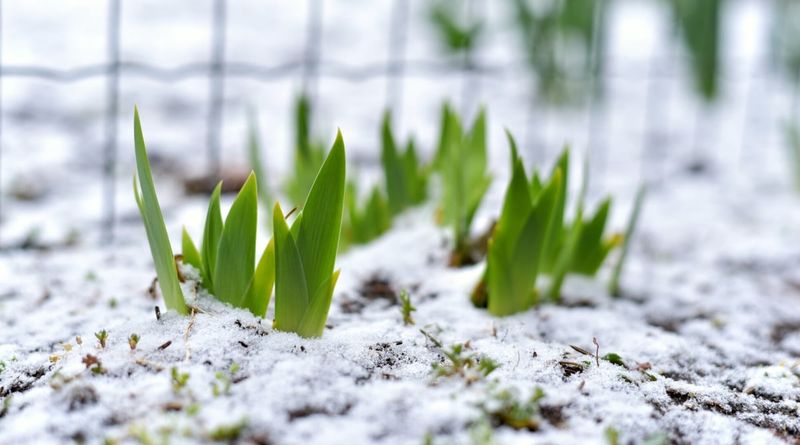
Groundcovers like creeping phlox, ajuga, sedum, and thyme form beautiful carpets in your garden, but their low-growing habit makes them especially vulnerable during winter.
These plants sit right at ground level, where they’re exposed to the coldest air that settles near the soil surface on frigid nights.
Cold air is denser than warm air, so it sinks to the lowest points in your landscape, creating extra-cold microclimates right where your groundcovers live.
When snow falls and covers these low-growing plants completely, it lifts them out of that coldest air layer and surrounds them with insulation instead.
The difference in temperature between the air above the snow and the space beneath it can be significant, sometimes ten degrees or more.
This warmer microclimate under the snow allows groundcovers to rest comfortably rather than struggling to survive extreme cold exposure.
Snow also prevents ice from forming directly on plant foliage, which can cause physical damage to leaves and stems.
Groundcovers that spend winter under snow typically emerge in spring with intact foliage and vigorous growth, quickly filling in to create lush coverage.
Exposed groundcovers often look tattered and sparse in spring, requiring much of the growing season to recover and fill back in.
Your low-growing plants are essentially getting VIP treatment under that snow blanket all winter long.
Snow Slows Down Premature Winter Thawing

Minnesota winters are notorious for their unpredictability, with occasional warm spells that can send temperatures climbing into the 40s or even 50s for a few days.
These mid-winter thaws might feel nice to us, but they can spell disaster for plants that get fooled into thinking spring has arrived early.
When soil warms up significantly during a January or February thaw, some plants may begin to break dormancy, sending energy to buds and even starting root growth.
Then, when winter inevitably returns with freezing temperatures, that new growth gets damaged or destroyed, weakening the plant and potentially reducing its spring performance.
A thick layer of snow prevents this problem by keeping soil temperatures consistently cold, even when the air temperature rises temporarily.
The snow insulates the ground from those warm air temperatures, maintaining the frozen or near-frozen conditions that keep plants safely dormant.
Plants under snow don’t receive the false spring signals that might trigger premature growth, so they remain peacefully asleep until true spring arrives.
This protection is particularly important for fruit trees, flowering shrubs, and early-blooming perennials that are prone to premature budding.
Gardens with good snow cover avoid the disappointment of damaged spring blooms and weakened plants that can result from mid-winter thawing events.
Snow essentially acts as nature’s way of telling your plants to stay patient and wait for the real growing season.
Snow Sets The Stage For Stronger Spring Growth

All the protective benefits that snow provides throughout winter come together to create one spectacular result: a healthier, more vigorous garden when spring finally arrives.
Plants that spent winter under protective snow cover emerge with intact root systems, healthy foliage, and strong crowns ready to burst into active growth.
The moisture from melting snow gives them an immediate boost, while the preserved soil biology provides instant nutrient support.
These well-rested, well-protected plants can focus all their energy on growth rather than recovery, giving them a significant head start on the season.
Minnesota’s growing season is notoriously short, so getting plants off to a strong start makes a huge difference in overall garden performance.
Gardens that benefited from good snow cover typically show earlier emergence, faster growth rates, more abundant flowering, and better overall plant health throughout the entire season.
The plants are simply stronger and more resilient because they didn’t waste energy struggling through winter stress.
This sets up a positive cycle where healthy plants are better able to withstand summer heat, drought, and pest pressures.
Rather than viewing snow as something your garden must endure, you can appreciate it as essential preparation for the beautiful, productive growing season ahead.
That thick white blanket is actually nature’s way of investing in your garden’s future success.