Snow May Hit Minnesota Soon — How To Stop Evergreen Branches From Breaking
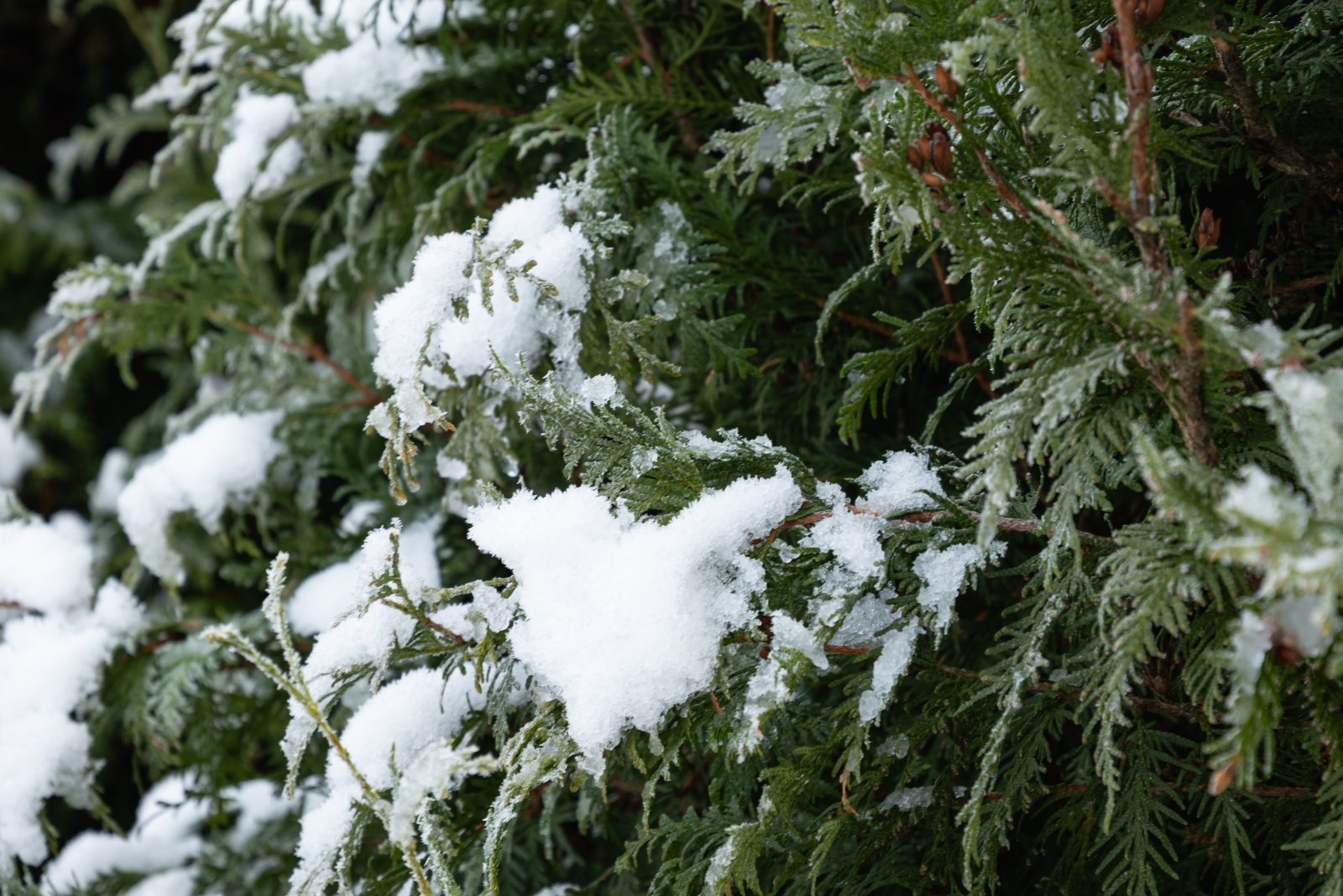
Snow might land in Minnesota sooner than expected, and evergreen branches are already at risk because heavy, wet flakes can pile up fast.
That sudden weight can bend branches in ways they’re not built for, leaving even healthy trees looking strained and fragile overnight.
A little prevention goes a long way, especially when the forecast keeps hinting at one of those early storms that show up out of nowhere.
The cold snap always shows up quicker than anyone expects, and these trees barely get a chance to adjust before the snow starts stacking.
Giving them a bit of support now can keep their shape intact and save you from dealing with broken branches all winter long.
1. Shake Off Snow After Each Storm
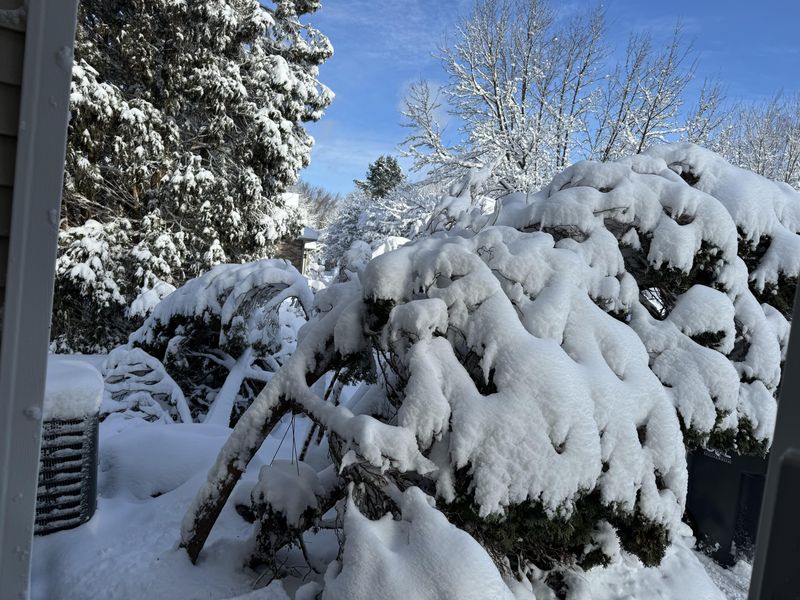
After every snowfall in Minnesota, head outside and gently remove the snow from your evergreen branches before it becomes too heavy and causes damage.
Use a broom with soft bristles or simply your gloved hands to brush upward from underneath the branches, allowing the snow to slide off naturally without forcing it.
Timing matters quite a bit here, so try to clear the snow while it is still fresh and fluffy rather than waiting until it freezes solid overnight.
Frozen snow becomes much heavier and harder to remove, and you might accidentally snap branches if you try to force it off at that point.
Working from the bottom of the tree upward helps you avoid putting extra pressure on the branches, which could cause them to bend or crack under the weight.
Many Minnesota homeowners make this a regular habit after each storm, checking their evergreens the same way they clear their driveways and sidewalks from snow accumulation.
This simple routine takes just a few minutes but can save your trees from serious damage throughout the long winter season in the North Star State.
2. Wrap Branches With Burlap or Twine
Bundling your evergreen branches together before winter arrives creates a stronger structure that can better handle the weight of heavy snow that falls across Minnesota each year.
Use soft twine or strips of burlap to loosely tie the branches in an upward direction, starting from the bottom and working your way toward the top carefully.
The goal is not to squeeze the branches tightly together but rather to provide gentle support that keeps them from spreading too far apart under snow pressure.
This technique works especially well for upright evergreens like arborvitae and juniper, which are common in Minnesota landscapes and tend to splay open when snow accumulates heavily.
Start wrapping in late fall before the first major snowstorm hits, giving yourself plenty of time to work without freezing your fingers off in bitter cold temperatures.
Remember to leave some breathing room between the twine loops so air can still circulate around the branches, preventing moisture buildup that could lead to other problems later on.
Come spring, simply remove the twine and your evergreens will bounce back to their natural shape, healthy and undamaged from the harsh Minnesota winter weather.
3. Prune Weak or Damaged Branches in Fall
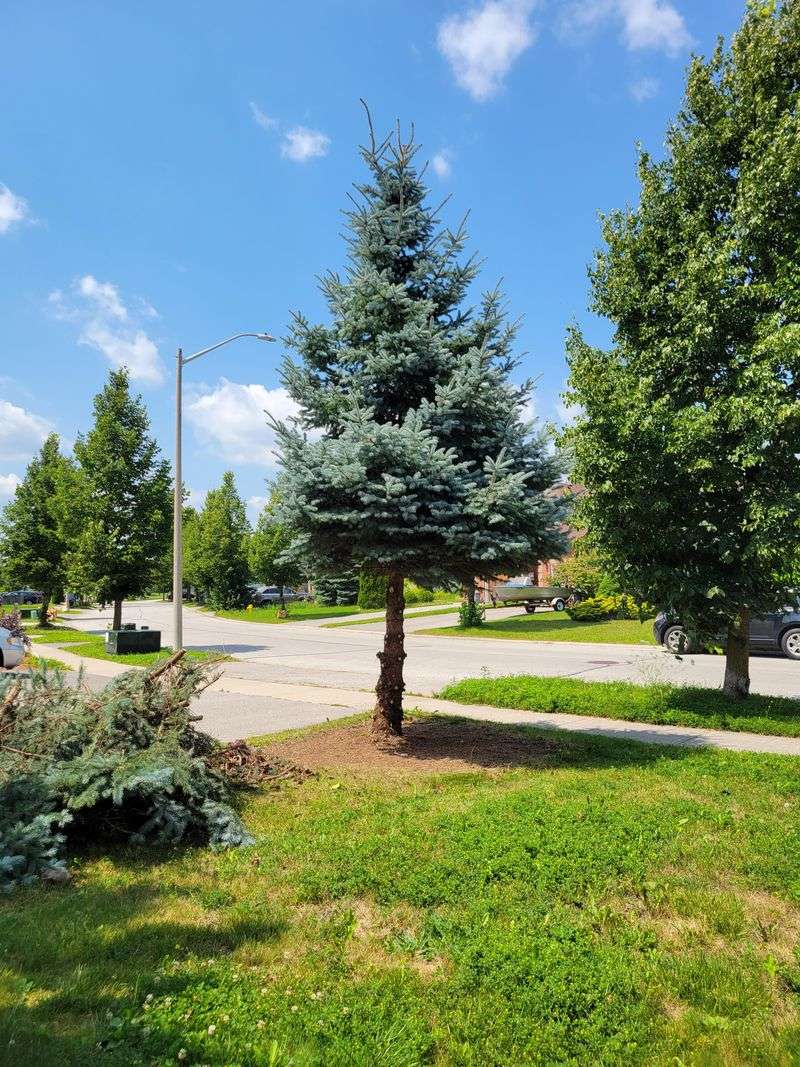
Removing weak, diseased, or already damaged branches before winter begins helps your evergreen trees focus their energy on staying strong through the cold Minnesota months ahead without extra stress.
Grab a pair of sharp pruning shears and carefully inspect your evergreens in late fall, looking for branches that appear broken, diseased, or growing at odd angles outward.
Branches that are already compromised will be the first ones to snap under heavy snow loads, so cutting them away now prevents bigger problems when winter storms arrive.
Make clean cuts close to the trunk or main branch, angling your shears slightly to help water run off instead of pooling where you made the cut recently.
This preventive approach is popular among Minnesota gardeners who understand that a little autumn maintenance goes a long way toward protecting their valuable landscape plants from harsh weather conditions.
Pruning also improves air circulation throughout the tree, which helps prevent moisture-related issues that can weaken branches and make them more susceptible to breaking when snow piles up heavily.
Your evergreens will enter winter in their best possible condition, ready to handle whatever Minnesota weather throws their way throughout the season.
4. Install Wooden Supports or Stakes
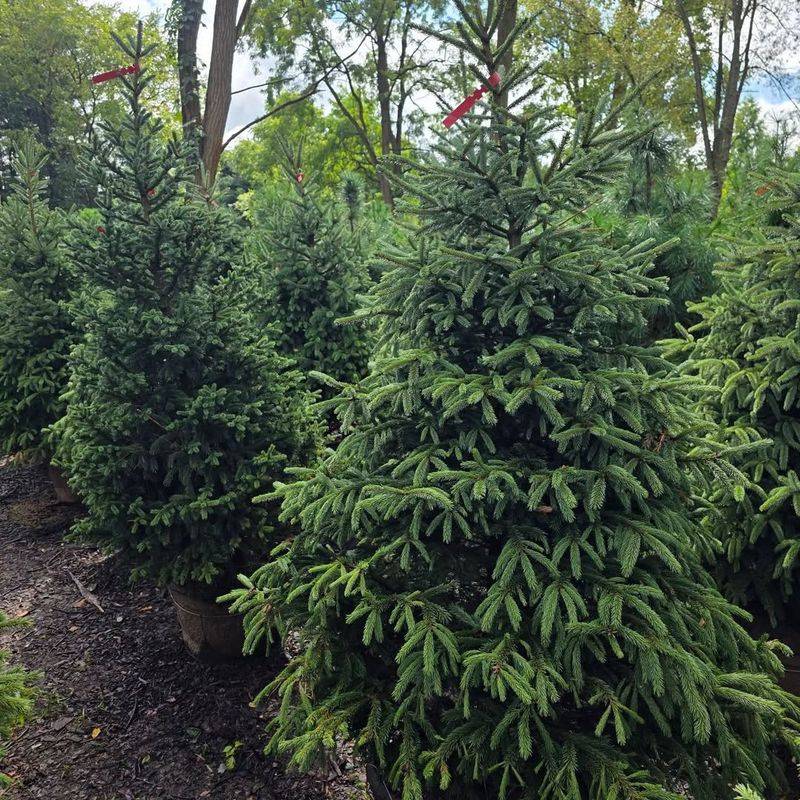
Building a simple wooden frame or adding stakes around your evergreens gives them extra structural support that helps distribute the weight of snow more evenly across Minnesota winters.
Purchase some sturdy wooden stakes from your local hardware store and drive them into the ground around the perimeter of the tree, spacing them evenly for balanced support.
Connect the stakes with horizontal boards or strong rope to create a protective framework that keeps branches from splaying outward when heavy snow accumulates on top of them.
This method works particularly well for younger evergreens or those with multiple trunks that are more prone to splitting apart under the pressure of Minnesota snowfall amounts.
The stakes should be tall enough to support the main body of the tree but do not need to reach all the way to the top branches necessarily.
Many Minnesota homeowners paint their wooden supports green or brown so they blend in better with the landscape and are not as noticeable throughout the winter months ahead.
Installing these supports in late fall before the ground freezes solid makes the job much easier, and you can reuse the same materials year after year for ongoing protection.
5. Choose Snow-Resistant Evergreen Varieties
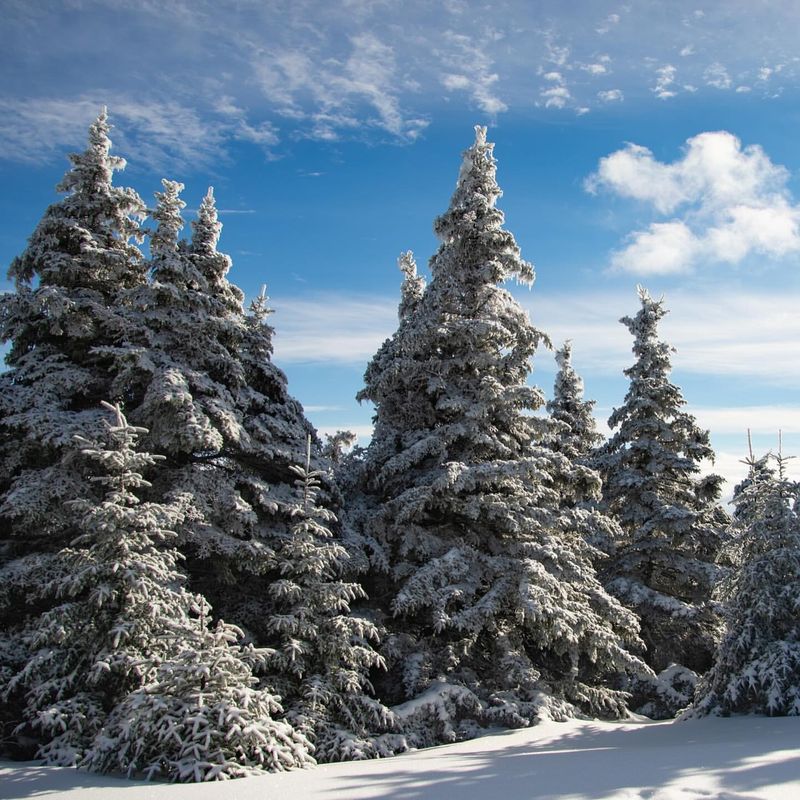
Planting evergreen varieties that naturally handle heavy snow loads better than others saves Minnesota homeowners from constant worry and maintenance work throughout the long winter season each year.
Norway spruce, white pine, and certain fir species have flexible branches and strong wood that bend under snow weight rather than snapping off like more brittle varieties tend to.
When shopping at Minnesota nurseries, ask the staff which evergreens perform best in local winter conditions, as they will have firsthand knowledge of what thrives in the area.
Avoid evergreens with rigid branching patterns or those known for being brittle, as these will require much more attention and care during heavy snowfall events that happen frequently here.
Native Minnesota evergreens have evolved over thousands of years to handle the climate perfectly, making them excellent choices for homeowners who want low-maintenance landscaping that looks great year-round.
Spacing your evergreens properly when planting also matters because crowded trees compete for resources and may develop weaker branches that are more likely to break under snow pressure later.
Investing in the right varieties from the start means less work for you and healthier, more beautiful trees that will grace your Minnesota property for decades to come.
6. Build Temporary Snow Shelters
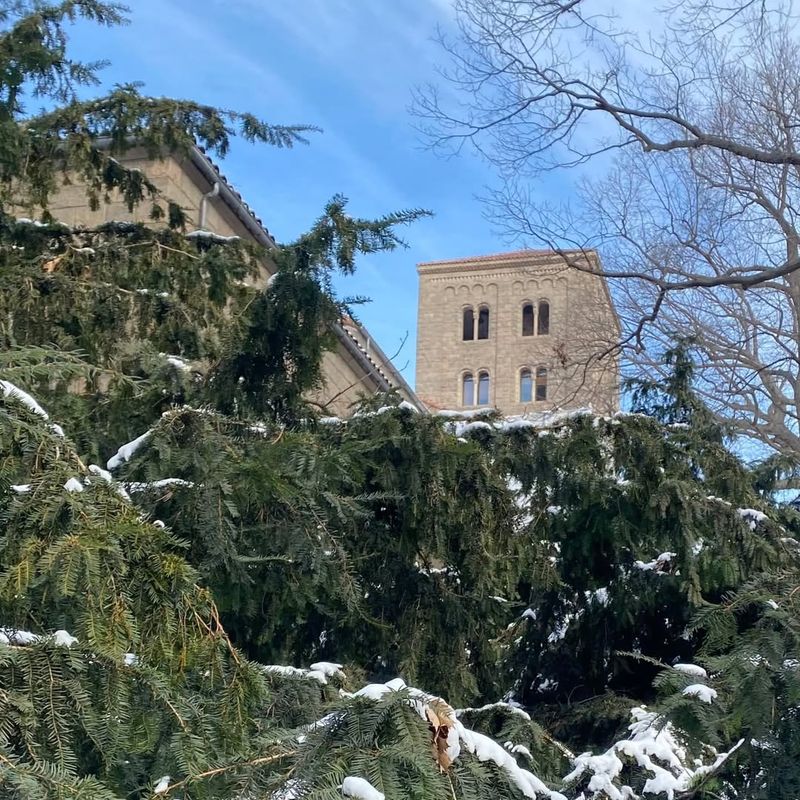
Constructing simple A-frame shelters over smaller evergreens prevents snow from piling directly on the branches, redirecting it to the sides where it cannot cause damage to your plants.
Use lightweight lumber or PVC pipes to build a triangular frame that stands over the evergreen like a little roof, allowing snow to slide off to either side naturally.
This approach works wonderfully for foundation plantings and shorter evergreens near your Minnesota home that are especially vulnerable to snow sliding off the roof and crushing them below.
Cover the frame with burlap or plastic sheeting if you want extra protection, but make sure to leave the sides open so air can circulate and prevent moisture buildup issues.
Many Minnesota gardeners build these shelters in late fall and leave them up until early spring, removing them once the threat of heavy snow has passed for the season.
The shelters are easy to construct with basic tools and materials from any hardware store, and they can be taken apart and stored during warmer months for reuse.
Your smaller evergreens will stay protected all winter long, emerging in spring looking just as healthy and full as they did before the snow started falling across Minnesota.
7. Water Evergreens Thoroughly Before Ground Freezes
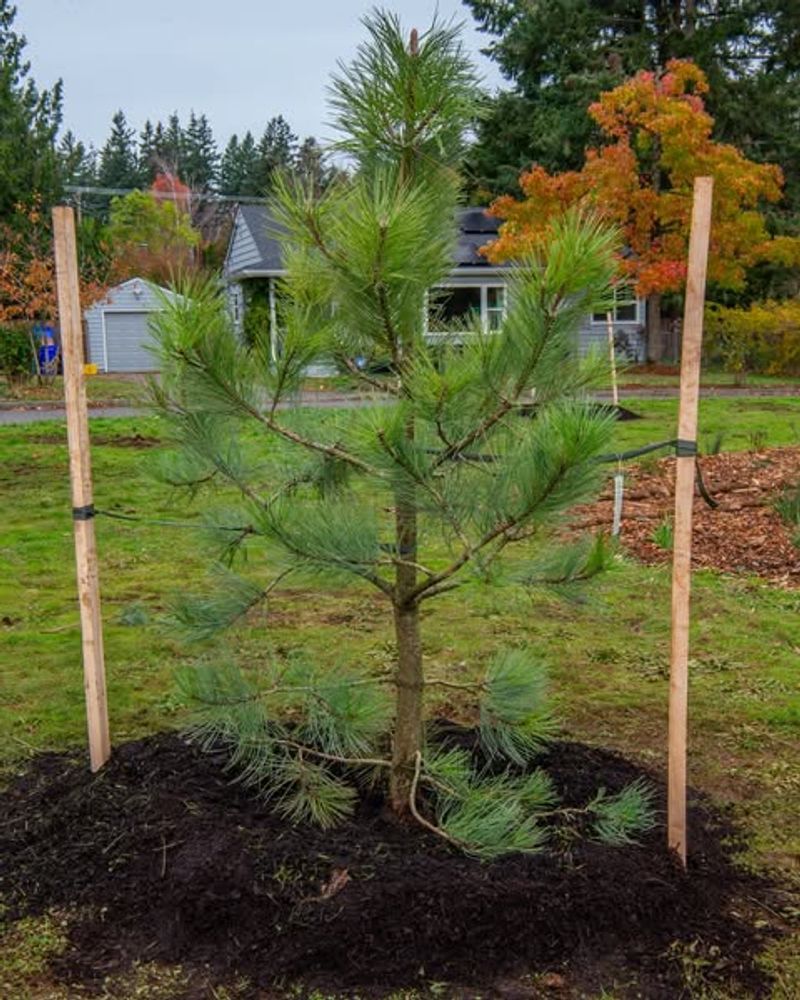
Giving your evergreens a deep watering in late fall before the ground freezes solid helps them stay hydrated and flexible throughout the dry Minnesota winter months when they cannot absorb moisture.
Well-hydrated branches are more flexible and less likely to snap under snow weight compared to dry, brittle branches that have not received adequate water before the freeze sets in.
Set up a soaker hose around the base of each evergreen and let it run slowly for several hours, allowing water to penetrate deep into the root zone effectively.
The best time to do this in Minnesota is typically late October or early November, right before the first hard freeze locks the soil solid for the winter ahead.
Evergreens continue to lose moisture through their needles all winter long, even when dormant, so starting the season well-hydrated gives them a crucial advantage against the harsh conditions they face.
This simple step is often overlooked by Minnesota homeowners, but it makes a significant difference in how well your evergreens survive winter and how resilient their branches are against breaking.
Healthy, hydrated evergreens bounce back faster from snow weight and maintain their beautiful appearance throughout the season, staying green and vibrant even in the coldest months.