Snow On The Ground? You Can Still Tackle These 10 Winter Garden Tasks In Maine
Winter in Maine doesn’t mean hitting pause on your garden.
Even under a thick blanket of snow, there’s plenty that can be done to prepare for spring, protect plants, and keep your outdoor space in top shape.
While the ground may look frozen and lifeless, smart gardeners know that winter work now pays off in a flourishing garden later.
Snow doesn’t stop the garden—it just changes the game.
From pruning hardy shrubs and inspecting trees for damage to planning layouts and starting indoor seeds, winter offers unique opportunities to get ahead.
These ten tasks are doable even when temperatures dip and the landscape is covered in white, helping prevent problems before they start and giving plants a stronger start once spring arrives.
A little winter effort now saves a lot of headaches later.
For Maine gardeners, snow isn’t a reason to retreat—it’s a reminder to adapt and act strategically.
With the right approach, winter becomes a season of preparation, insight, and quiet productivity.
Your garden might be under ice, but your plans are coming to life.
1. Prune Dormant Trees And Shrubs While Plants Are Resting
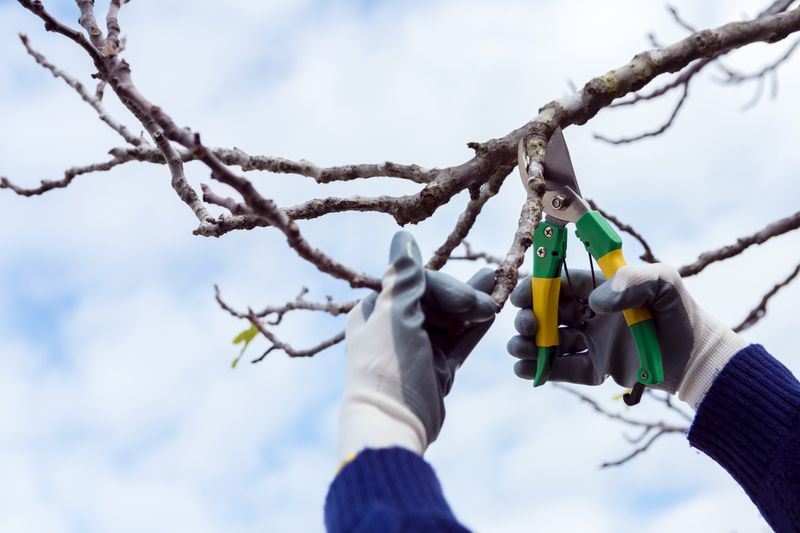
Late winter offers one of the best windows for pruning many types of trees and shrubs across Maine.
When plants enter dormancy, their energy retreats into the roots, making this the safest time to shape and trim without causing stress.
You can easily see the branch structure without leaves blocking your view, which helps you make better decisions about which limbs to remove.
Fruit trees especially benefit from winter pruning because it encourages stronger growth and better fruit production come summer.
Focus on removing branches that cross each other, grow inward, or show signs of disease or weakness.
Most deciduous trees and shrubs can be pruned during this dormant period, but some spring-blooming varieties like lilacs and forsythias should wait until after they flower.
Pruning while temperatures hover above freezing prevents excessive sap loss and reduces the risk of frost damage to fresh cuts.
Always use sharp, clean tools to make smooth cuts that heal quickly.
Winter pruning also reduces the spread of insects and diseases since pests are less active in cold weather.
This task keeps you active outdoors during slower months while improving your landscape’s structure and health for the growing season ahead.
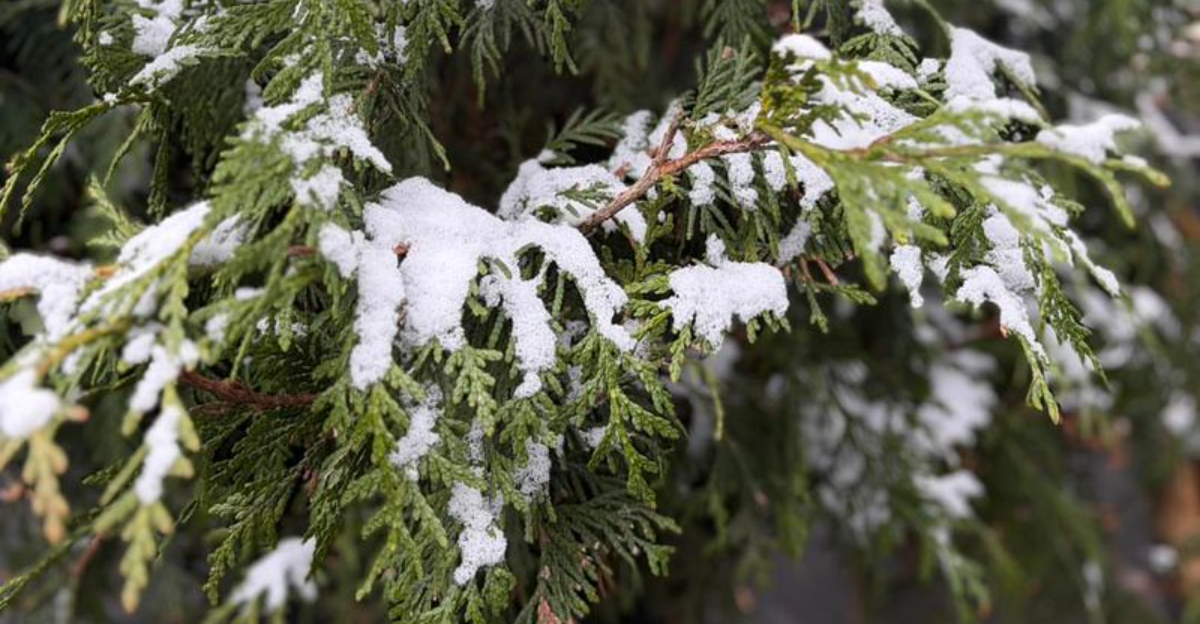
2. Brush Heavy Snow Off Shrubs To Prevent Breakage
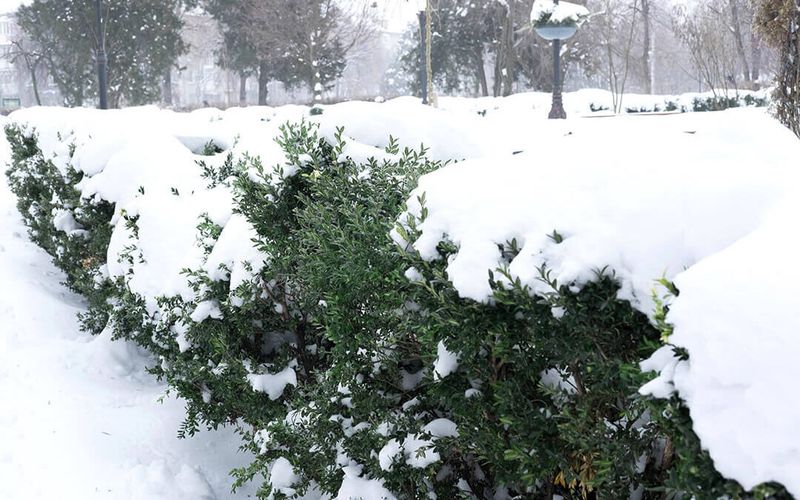
Maine’s wet, heavy snowfall can spell trouble for shrubs and small trees if left to accumulate too long.
The weight of snow bends branches beyond their natural flexibility, causing splits, cracks, or complete breakage that weakens the plant’s structure.
Evergreens like arborvitae and boxwood are particularly vulnerable because their dense foliage catches and holds more snow than deciduous varieties.
After a significant snowfall, gently brush snow off branches using an upward sweeping motion with a soft broom or your gloved hands.
Never shake branches vigorously or try to break off ice, as frozen wood becomes brittle and snaps easily under force.
Work from the bottom upward, allowing upper branches to shed their load naturally as you clear lower sections.
If ice has formed on branches, it’s best to leave it alone and let it melt naturally rather than risk causing damage.
Taking just a few minutes after each storm to clear shrubs can prevent costly replacements and years of regrowth.
This simple maintenance task protects your landscaping investment and keeps plants healthy through Maine’s toughest winter conditions.
Your shrubs will emerge in spring with their natural shape intact and ready for vigorous new growth.
3. Check Trees For Storm Damage After Snowfall

Winter storms bring fierce winds and heavy snow loads that can stress even the sturdiest trees in your Maine landscape.
After each significant weather event, walk your property to inspect trees for cracked limbs, split trunks, or branches hanging at odd angles.
Early detection of damage allows you to address problems before they become safety hazards or cause further harm to the tree.
Look for cracks in branch unions where limbs meet the trunk, as these weak points often fail under snow weight or wind pressure.
Partially broken branches that remain attached can tear further during the next storm, creating larger wounds that invite disease and decay.
Document any damage with photos, especially if you plan to file an insurance claim or need professional arborist assistance.
Small broken branches can often be pruned cleanly by homeowners, but large limbs or those near structures require professional removal for safety.
Addressing storm damage promptly prevents secondary problems like bark stripping, pest infestations, or fungal infections in exposed wood.
Regular post-storm inspections also help you identify trees that may need cabling, bracing, or removal before they pose serious risks.
This vigilant approach protects your family, property, and the long-term health of your landscape trees through Maine’s challenging winter months.
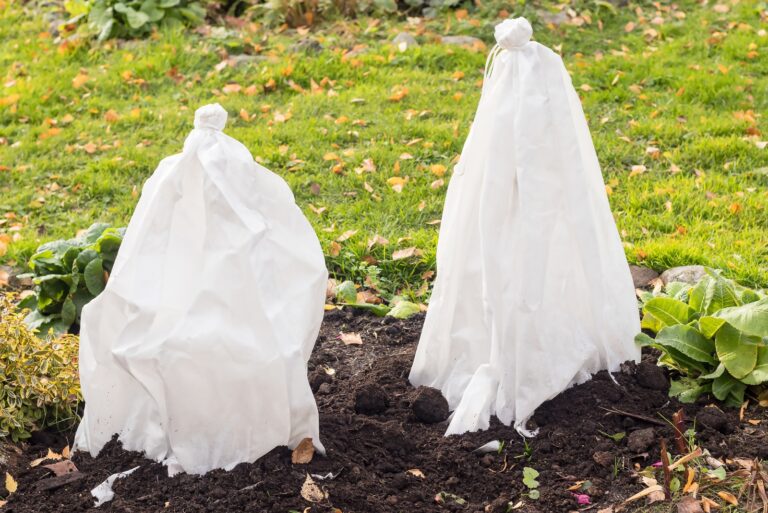
4. Protect Vulnerable Plants From Extreme Cold And Wind
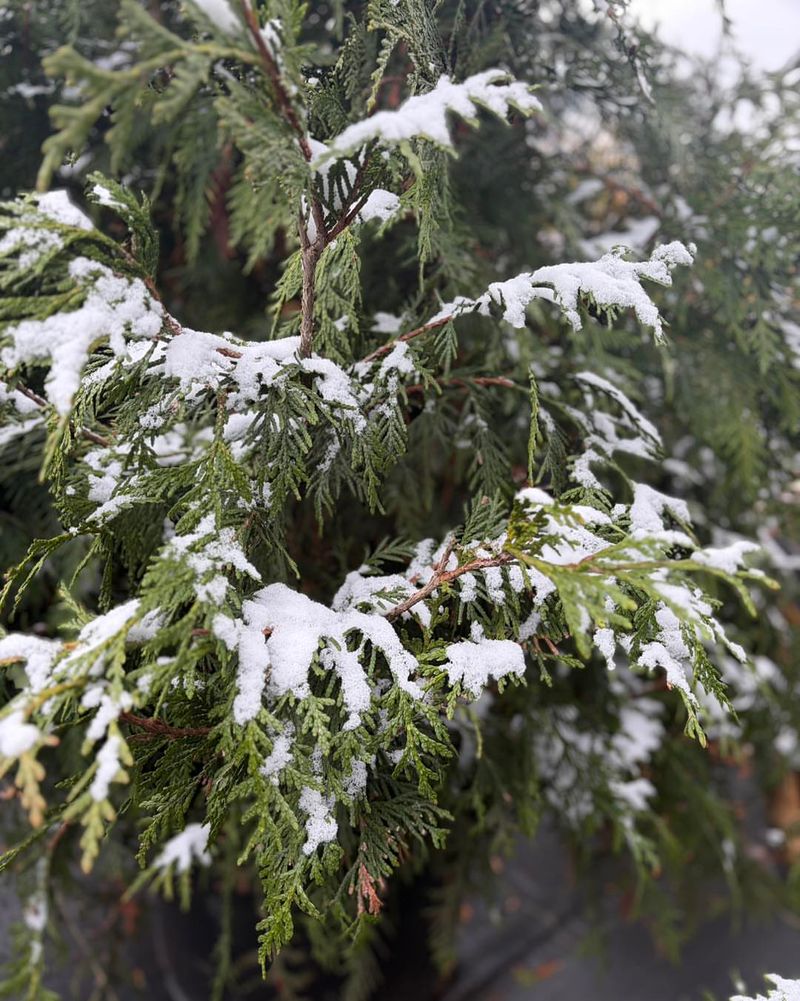
Even with snow on the ground, you can still add extra protection to plants struggling with Maine’s harsh winter conditions.
Evergreens facing strong winds or extreme cold snaps benefit from burlap screens that block drying winds while allowing air circulation.
Wrap burlap loosely around vulnerable shrubs or create a windbreak by staking burlap on the windward side without touching the foliage.
Newly planted trees and shrubs have less established root systems and need extra insulation to survive temperature swings and frost heaving.
Adding a thick layer of mulch around the base of plants insulates roots and moderates soil temperature fluctuations throughout winter.
You can apply mulch even over existing snow, as it will settle into place and provide protection once the snow melts.
Avoid piling mulch directly against tree trunks or shrub stems, as this creates ideal conditions for rot and rodent damage.
For especially tender plants, consider adding a second layer of protection using evergreen boughs laid over the crown after the ground freezes.
Rose bushes, rhododendrons, and marginally hardy perennials particularly appreciate this extra care during Maine’s coldest stretches.
These protective measures take minimal time but significantly improve survival rates and spring vigor for your most vulnerable plants.
5. Plan This Year’s Garden Layout While Beds Are Visible
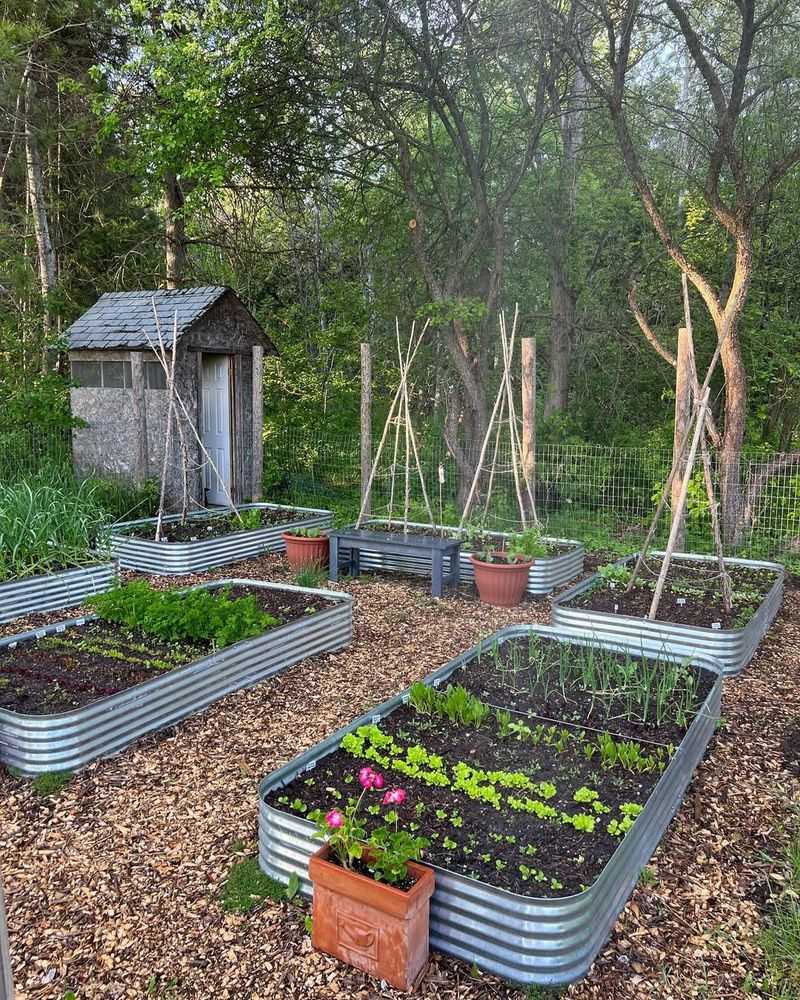
Winter provides the perfect opportunity to step back and evaluate your garden’s layout with fresh eyes and fewer distractions.
Snow-covered beds reveal patterns you might miss during the growing season, like drainage problems, shaded areas, or awkward spacing between plantings.
Grab a notebook and sketch your garden spaces, noting which areas receive the most sun exposure and where water tends to collect or drain away.
Consider crop rotation plans for vegetable gardens, moving plant families to different beds to prevent soil depletion and reduce disease buildup.
Think about which plants performed well last season and which struggled, then plan adjustments to improve growing conditions or try different varieties.
Winter planning lets you research companion planting combinations, experiment with new garden designs, and organize your thoughts before spring planting chaos begins.
You can also identify spots where you’d like to add new beds, install trellises, or create pathways for easier garden access.
Looking at your snow-covered landscape helps you visualize changes without being emotionally attached to current plantings or overwhelmed by summer’s lush growth.
This planning time ensures you’ll make thoughtful decisions rather than impulse purchases when garden centers open in spring.
By spring thaw, you’ll have a clear roadmap for creating your most organized and productive garden yet.
6. Order Seeds Early Before Popular Varieties Sell Out

January and February represent prime time for Maine gardeners to browse seed catalogs and place orders before supplies dwindle.
Popular heirloom varieties and specialty seeds often sell out quickly as gardeners across the country submit their orders during winter months.
Ordering early ensures you get exactly the varieties you want rather than settling for whatever remains available in late spring.
Maine’s short growing season makes variety selection especially important, so look for seeds labeled as early-maturing or cold-tolerant for best results.
Many seed companies offer detailed growing information and days-to-maturity data that helps you choose varieties suited to Maine’s climate zones.
Early ordering also gives you time to organize seeds by planting date, create starting schedules, and gather any supplies you’ll need before the rush begins.
Some companies provide discounts for early orders or free shipping on winter purchases, helping you save money while securing your selections.
Consider trying a few new varieties each year alongside your reliable favorites to keep your garden interesting and discover potential new staples.
Ordering seeds during winter’s quiet moments lets you dream about spring gardens while taking practical steps to make those dreams reality.
When seed packets arrive, store them in a cool, dry place until planting time, and you’ll be ready to hit the ground running when conditions allow.
7. Clean, Sharpen, And Organize Garden Tools Indoors
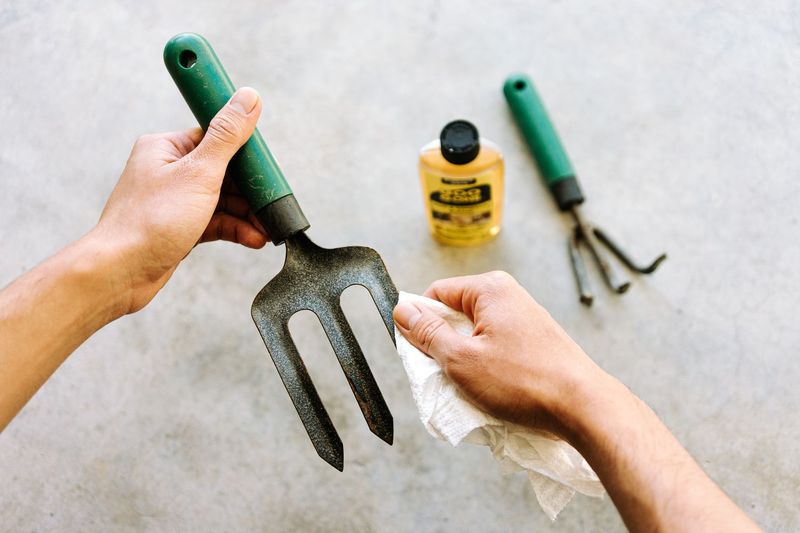
Winter’s indoor time offers the ideal opportunity to give your garden tools the maintenance they need for peak performance next season.
Start by removing dried soil, rust, and plant residue from all metal surfaces using a wire brush, steel wool, or coarse sandpaper.
Wash tools with warm soapy water, dry them thoroughly, then apply a light coat of oil to prevent rust formation during storage.
Sharpen pruning shears, loppers, hoes, and spade edges using a file or sharpening stone, maintaining the original blade angle for best cutting efficiency.
Sharp tools make cleaner cuts that heal faster on plants and require less physical effort, reducing strain on your hands and arms.
Check tool handles for splinters, cracks, or loose connections, and make repairs or replacements before spring work begins.
Wooden handles benefit from light sanding followed by an application of linseed oil to prevent drying and cracking.
Organize your cleaned and sharpened tools in a designated storage area where they’ll stay dry and be easy to find when needed.
This systematic approach extends tool life, improves performance, and saves money by preventing premature replacement due to neglect.
Taking care of your tools during winter ensures they’ll take care of you during the busy growing season ahead.
8. Start Cold-Hardy Seeds Indoors Late Winter

Late winter marks the perfect time to start cold-hardy vegetables and flowers indoors, even while snow still covers your Maine garden.
Plants like broccoli, cabbage, kale, and onions need a head start indoors to reach transplant size by Maine’s late spring planting dates.
Calculate your last expected frost date, then count backward according to each seed variety’s recommended indoor starting time, typically six to eight weeks.
Set up a simple growing station near a sunny window or use inexpensive grow lights to provide adequate light for strong, healthy seedling development.
Use quality seed-starting mix rather than garden soil, as it provides better drainage and reduces disease problems for tender young seedlings.
Keep soil consistently moist but not waterlogged, and maintain temperatures between 65-75 degrees Fahrenheit for optimal germination rates.
Cold-hardy flowers like snapdragons, pansies, and sweet peas can also be started indoors during this period for earlier spring blooms.
Label each tray or pot clearly with variety names and planting dates to avoid confusion as more seedlings join your indoor garden.
Starting seeds indoors saves money compared to buying transplants and gives you access to far more varieties than local garden centers typically stock.
By the time Maine’s soil warms enough for transplanting, your seedlings will be robust and ready to thrive outdoors.
9. Monitor For Animal Damage Hidden By Snow
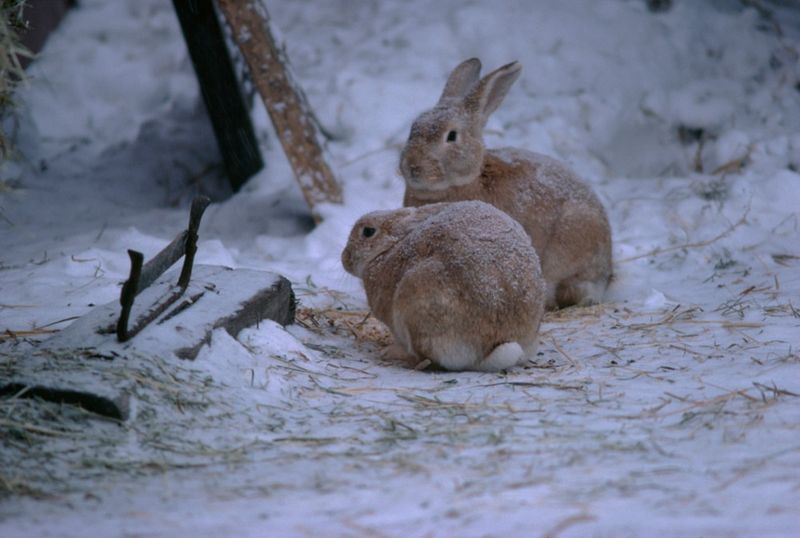
Snow cover creates a hidden highway system for voles, mice, and rabbits that can severely damage trees and shrubs without you noticing until spring.
These small animals tunnel beneath the snow, gnawing on bark at ground level where you can’t see the destruction happening.
Periodically brush snow away from the base of young trees and valuable shrubs to check for chewing marks, stripped bark, or small tunnels.
Voles are particularly destructive because they can completely girdle a tree by eating bark all the way around the trunk, cutting off nutrient flow.
Look for small tooth marks and shredded bark near the soil line, especially on fruit trees, ornamental shrubs, and newly planted specimens.
If you discover fresh damage, install hardware cloth or plastic tree guards around the trunk base, burying the bottom edge several inches below soil level.
Clearing mulch and debris away from trunk bases removes cozy nesting spots that attract rodents to set up residence near your plants.
Deer also browse on shrubs during winter when other food sources become scarce, leaving ragged breaks on branch tips and stripped buds.
Regular monitoring allows you to add protection before damage becomes severe enough to threaten plant survival or long-term health.
Catching problems early means you can take corrective action and potentially save plants that might otherwise be lost to winter animal activity.
10. Build Garden Knowledge For A Better Spring Start
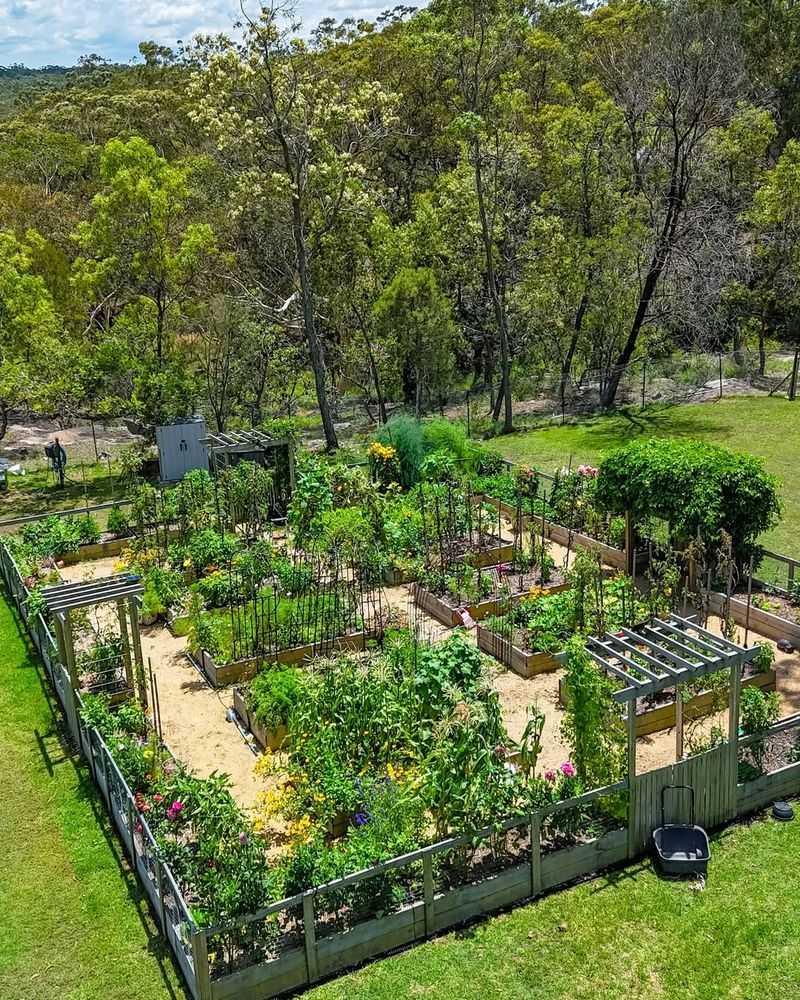
Winter months offer Maine gardeners precious time to expand their knowledge and refine techniques without the pressure of immediate planting deadlines.
Reading gardening books, watching educational videos, or taking online courses helps you learn new methods and solve problems you encountered last season.
Many agricultural extension services and garden clubs offer winter workshops covering topics like soil health, pest management, and season extension techniques specific to Maine’s climate.
Use this quiet season to research unfamiliar plants you’d like to try, learning their specific needs before committing garden space and resources.
Join online gardening communities or local Facebook groups where Maine gardeners share advice, swap seeds, and discuss regional growing challenges.
Review your garden journal from last season, noting what worked well and what needs improvement, then research solutions to recurring problems.
Experiment with new recipe ideas for preserving and using your anticipated harvest, ensuring nothing goes to waste when abundance arrives.
Learning about companion planting, succession planting, and crop rotation strategies helps you maximize production from limited Maine growing season days.
This investment in education pays dividends throughout the growing season as you apply new knowledge to real-world situations in your garden.
When spring finally arrives, you’ll step into your garden with confidence, armed with fresh ideas and proven strategies for your most successful growing season yet.