7 Snow Protection Tricks Trusted By Experienced Utah Gardeners
Snow can be both a blessing and a headache for Utah gardeners.
One storm can help protect plants, while the next can snap branches or smother delicate growth.
Experienced gardeners across Utah have learned that winter success isn’t about fighting snow, but knowing how to work with it.
Small choices made during snowy months can mean the difference between plants that struggle in spring and ones that bounce back strong.
Utah’s winter weather is unpredictable, with heavy snow, bright sun, and sudden temperature swings all packed into the same season.
That’s why seasoned gardeners rely on smart snow protection habits instead of guesswork.
From how snow is piled to when it’s left alone, these tricks help shield plants from damage while locking in moisture and insulation.
New gardeners often learn the hard way, but a little knowledge can prevent costly mistakes.
Paying attention now saves time, money, and frustration once the snow finally melts.
Winter may slow the garden down, but it’s also when good preparation quietly happens.
1. Wrap Evergreen Shrubs With Burlap Screens
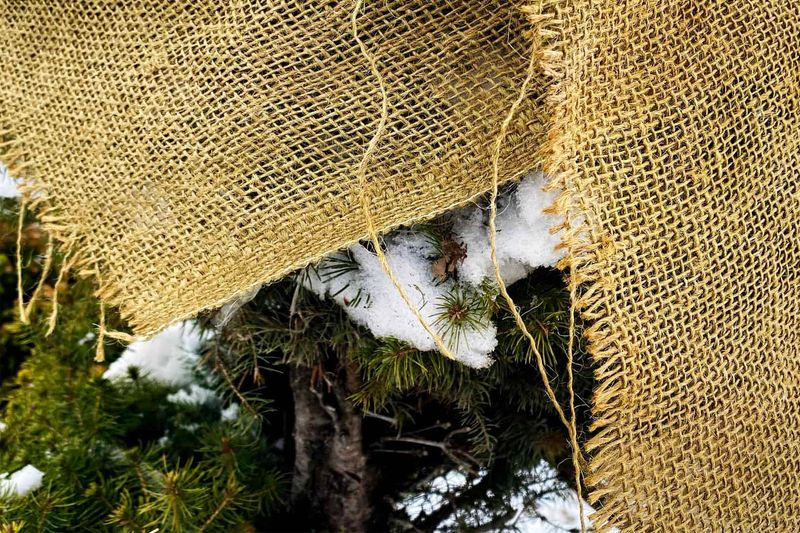
Evergreens face a unique challenge during Utah winters that many gardeners don’t fully understand.
While snow piles up and temperatures drop, these plants continue losing moisture through their needles or leaves.
When the ground freezes solid, roots cannot draw up water to replace what’s lost, leading to a condition called winter burn that leaves foliage brown and damaged by spring.
Burlap screening provides an elegant solution that experienced Utah gardeners swear by.
Create a windbreak by pounding stakes into the ground around vulnerable shrubs like arborvitae, boxwood, or rhododendrons.
Wrap burlap around the stakes to form a protective barrier on the windward side, typically the north and west exposures.
This screen blocks drying winds while still allowing air circulation and light to reach the plant.
For smaller specimens or those in especially exposed locations, you can wrap the entire shrub loosely in burlap.
Never wrap plants tightly or use plastic, which traps moisture and creates a breeding ground for fungal problems.
Secure the burlap with twine, leaving the top open for air exchange.
This technique works particularly well in northern Utah counties where wind speeds increase dramatically during winter storms.
The investment in burlap pays dividends year after year since you can reuse the same material for multiple seasons.
Some gardeners even paint their burlap wraps with decorative designs, turning a practical necessity into a winter garden feature.
Remove the burlap in early spring once temperatures consistently stay above freezing and new growth begins to emerge.
2. Apply A Thick Layer Of Mulch Before The First Freeze
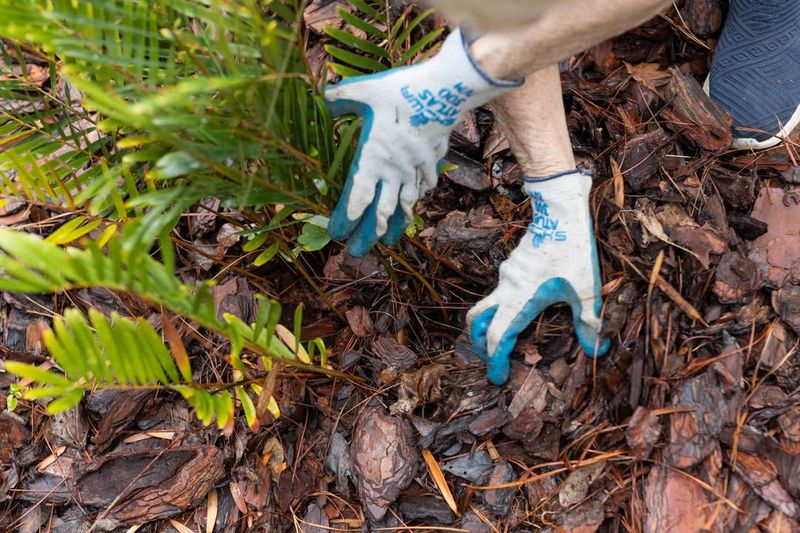
Mulching stands as one of the most effective defenses against winter damage in Utah gardens.
A generous layer of organic material creates insulation that moderates soil temperature fluctuations, preventing the freeze-thaw cycles that can heave plants right out of the ground.
Wood chips, shredded bark, straw, or composted leaves all work wonderfully when spread three to four inches deep around your plants.
Timing matters tremendously when applying winter mulch.
Wait until after the ground experiences its first hard freeze, usually in late October or early November across most Utah regions.
This timing prevents rodents from making cozy nests in the warm mulch while the weather is still mild.
It also discourages plants from producing new tender growth that would be vulnerable to subsequent cold snaps.
Focus your mulching efforts on perennials, roses, and newly planted trees or shrubs.
Keep the mulch pulled back a few inches from plant stems and tree trunks to prevent moisture buildup that can lead to rot or disease.
In areas like Park City or the Wasatch Mountains where winters are especially harsh, you might even go five to six inches deep for extra protection.
The benefits extend beyond temperature regulation.
Mulch retains soil moisture during dry Utah winters when precipitation falls as snow rather than soaking into the ground.
It also prevents soil compaction from heavy snow and reduces erosion on sloped garden areas.
Come spring, that mulch breaks down into valuable organic matter that enriches your soil, giving your garden a head start on the growing season.
3. Build Simple Wooden Frames Over Delicate Perennials
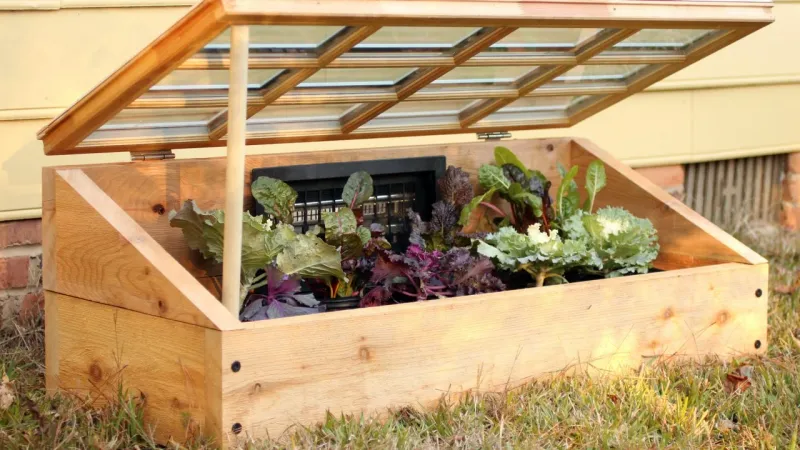
Heavy snow accumulation can snap stems and crush crowns of your favorite perennials, undoing years of careful cultivation in a single storm.
Utah’s wet, heavy snow is particularly destructive compared to the light, fluffy powder found in some other regions.
Gardeners in areas like Sandy, Orem, and other Wasatch Front communities have learned that physical barriers make all the difference for vulnerable plants.
Constructing protective frames is surprisingly straightforward and requires only basic carpentry skills.
Use untreated lumber or PVC pipe to build simple A-frame or box structures that stand over plants you want to protect.
The frame should be tall and wide enough that snow slides off without touching the plant beneath.
For extra protection, drape burlap or frost cloth over the frame, creating a tent-like shelter.
These structures work brilliantly for plants that maintain some foliage through winter, such as hellebores, coral bells, or ornamental grasses.
They’re also essential for protecting the crowns of plants that go dormant but remain susceptible to crushing damage.
Position the frames before the first significant snowfall, typically by mid-November in most Utah locations.
The beauty of this method lies in its versatility and reusability.
Store your frames in the garage or shed each spring, and they’ll be ready to deploy again next winter.
Some creative gardeners paint their frames or add decorative elements, transforming functional protection into attractive winter garden architecture.
You can even string lights on them for holiday displays, making your snow protection efforts serve double duty throughout the season.
4. Water Deeply Before The Ground Freezes Solid
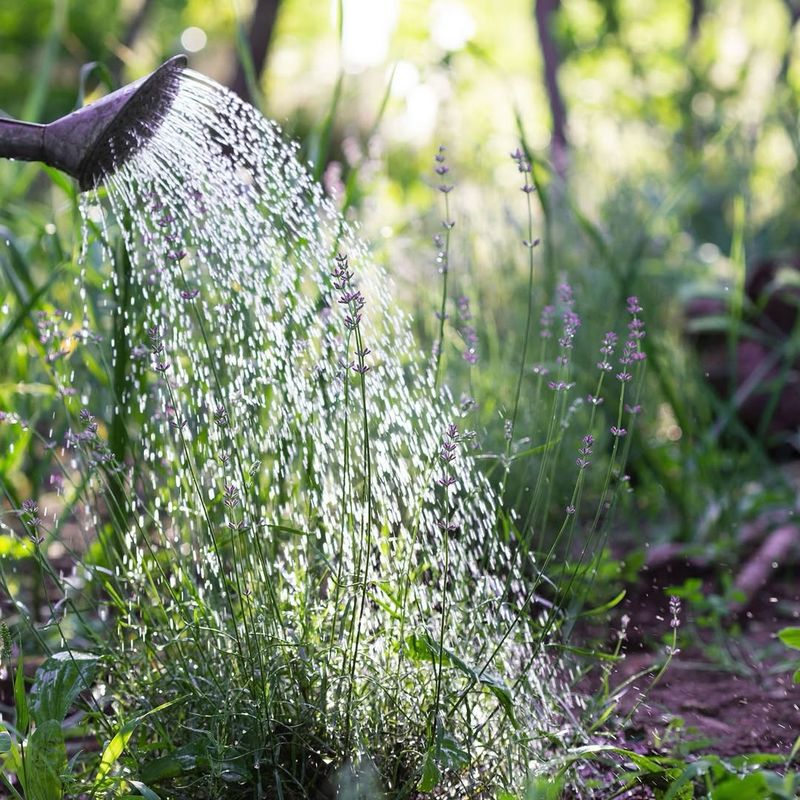
Proper hydration before winter might seem counterintuitive, but it’s absolutely critical for plant survival in Utah’s climate.
Plants enter winter dormancy with whatever moisture reserves they’ve stored, and those reserves must sustain them through months of frozen ground.
Dehydrated plants are far more susceptible to winter damage, especially the desiccation that affects evergreens and the root damage that impacts all species.
Schedule your final deep watering for late October or early November, watching weather forecasts for the arrival of sustained freezing temperatures.
You want to water thoroughly within a week or two before the ground freezes completely.
Apply water slowly so it soaks deep into the root zone rather than running off.
For trees and large shrubs, this means watering for several hours, allowing moisture to penetrate two to three feet down.
Pay special attention to plants on the south and west sides of buildings where reflected heat and winter sun create drier conditions.
Newly planted trees and shrubs need extra attention since their root systems haven’t fully established.
In Utah’s typically dry autumn climate, don’t assume recent precipitation has provided adequate moisture.
Check soil moisture by digging down several inches; if it feels dry at that depth, your plants need water.
This pre-winter watering is especially important along the Wasatch Front where winters can be surprisingly dry despite heavy snow in the mountains.
Urban heat islands in places like Salt Lake City can leave soil drier than in surrounding areas.
Well-hydrated plants enter dormancy stronger and emerge healthier in spring, making this simple step one of the most valuable investments you can make in your garden’s winter survival.
5. Prune Damaged Branches But Wait On Major Trimming
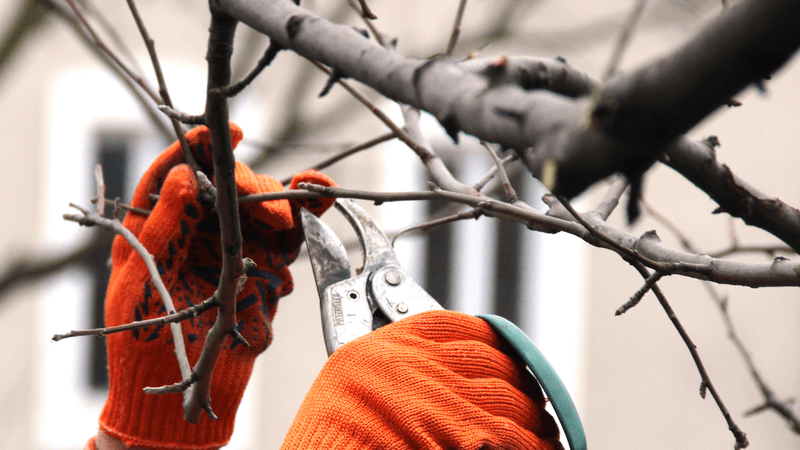
Knowing what to prune and what to leave alone can mean the difference between healthy plants and winter casualties.
Remove any diseased, or damaged branches before heavy snow arrives, as these weak spots can tear and create larger wounds when weighted down.
However, resist the temptation to do major pruning in fall, as fresh cuts expose plants to winter damage and stimulate new growth that won’t survive freezing temperatures.
Focus your fall pruning efforts on removing hazards rather than shaping plants.
Cut away branches that hang over walkways or driveways where snow and ice accumulation could cause them to break and create safety issues.
Trim back any limbs rubbing against your house, garage, or other structures.
These practical cuts protect both your property and your plants without compromising the plant’s winter hardiness.
For perennials, opinions vary among Utah gardeners.
Some prefer cutting back dry foliage in fall for a tidy appearance, while others leave it standing to provide winter interest and natural insulation.
If you choose to cut back, wait until after several hard frosts have fully ended the growing season.
Leave at least four to six inches of stem to mark plant locations and provide some crown protection.
Save major pruning projects for late winter or early spring.
In Utah, late February through early March is typically ideal for pruning most trees and shrubs.
The plants are still dormant, but you can see the structure clearly, and wounds will heal quickly once spring growth begins.
Fruit trees, roses, and ornamental shrubs all benefit from this timing, emerging from winter ready to direct their energy into healthy new growth rather than repairing winter damage.
6. Choose Native And Cold-Hardy Plant Varieties
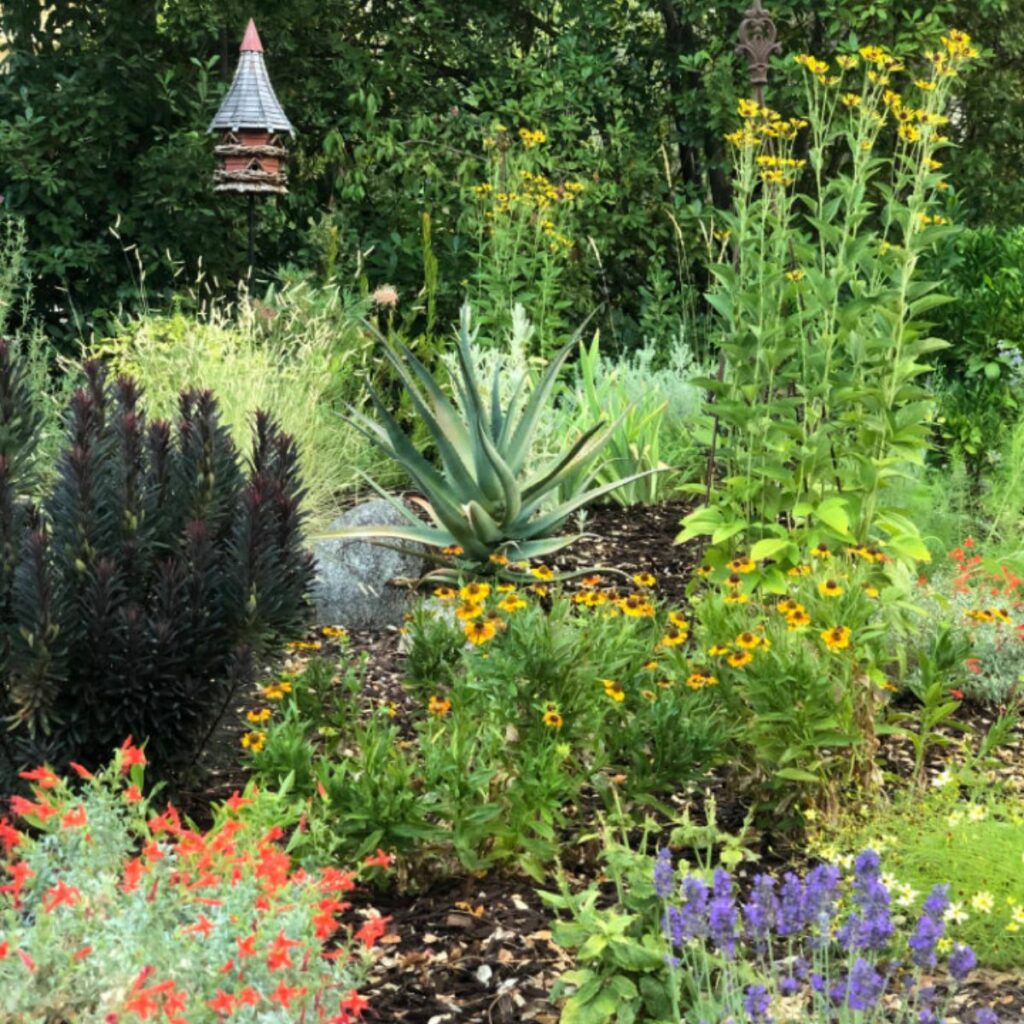
Prevention beats protection every time, and selecting plants adapted to Utah’s climate is the smartest long-term strategy.
Native plants and cold-hardy varieties have evolved to handle temperature swings, heavy snow loads, and the specific challenges of high-altitude or high-desert growing conditions.
These plants require far less winter intervention than species pushing the limits of their hardiness zones.
Utah spans USDA hardiness zones 4 through 8, depending on elevation and location.
Always choose plants rated for at least one zone colder than your actual zone to provide a safety margin.
For example, if you garden in zone 5, select plants hardy to zone 4.
This strategy accounts for microclimates, unusual weather events, and the specific stresses of Utah’s continental climate with its dramatic temperature fluctuations.
Native options like serviceberry, mountain mahogany, and Rocky Mountain juniper thrive with minimal care throughout Utah’s varying elevations.
Perennials such as penstemon, columbine, and blanket flower return reliably year after year without elaborate winter protection.
These plants have adapted over millennia to handle everything Utah winters can deliver, from sudden temperature drops to prolonged snow cover.
When shopping at nurseries, ask specifically about plant origins and winter performance in local conditions.
Plants grown in Utah or similar climates generally acclimate better than those shipped from milder regions.
Many experienced gardeners in communities from Logan to St. George have learned this lesson the hard way.
Building your garden around proven performers means spending less time worrying about winter protection and more time enjoying your outdoor spaces year-round.
7. Clear Heavy Snow From Branches Promptly And Carefully
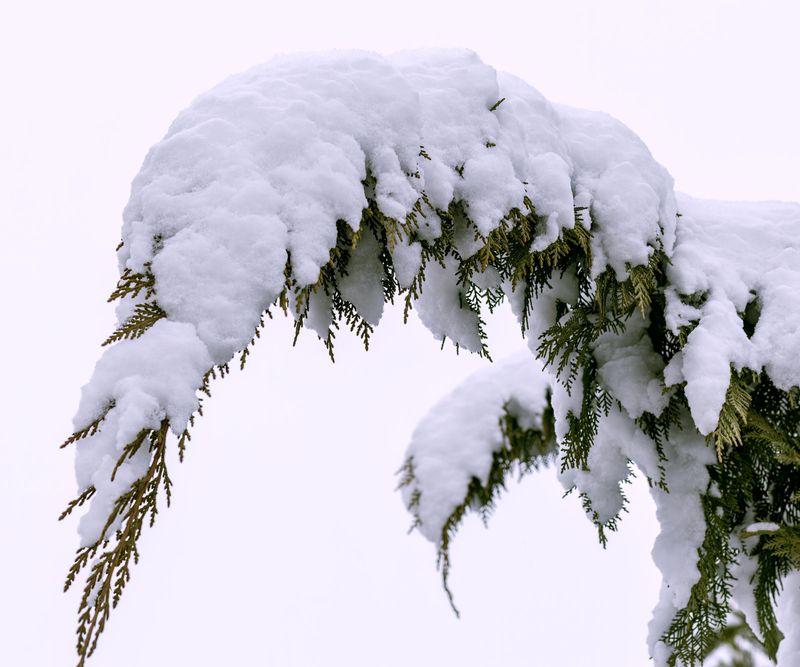
Utah’s heavy, wet snow can accumulate quickly, bending and breaking branches under its substantial weight.
While light, fluffy snow usually slides off or causes minimal damage, the dense snow common along the Wasatch Front and in lower elevation areas can devastate unprepared gardens overnight.
Acting quickly after storms prevents permanent damage, but the technique matters as much as the timing.
Use a soft broom or your hands to gently brush snow from branches, working from the bottom up and from the inside out.
Never shake branches vigorously or whack them with tools, as frozen wood becomes brittle and snaps easily.
Support the branch from underneath with one hand while brushing snow away with the other.
This careful approach protects the branch structure while removing the dangerous weight.
Prioritize evergreens like arborvitae and upright junipers, which are particularly prone to splaying open under snow weight.
Once these plants lose their natural shape, they rarely recover completely.
Also clear snow from multi-stemmed shrubs and young trees whose branches haven’t yet developed the strength to bear heavy loads.
In areas like Draper, Lehi, and other communities receiving frequent heavy snowfall, staying on top of snow removal throughout winter is essential.
If branches have already frozen into bent positions, don’t try to force them back.
Wait for warmer temperatures when the ice melts naturally, then gently guide branches back to their proper positions.
You can use soft ties to hold them temporarily if needed.
This patient approach prevents the cracking and splitting that occurs when you force frozen wood.
Regular snow removal throughout the season keeps your garden looking good and prevents the cumulative damage that multiple storms can cause.