7 Snow-Related Garden Problems Iowa Homeowners Face Every Winter
Iowa winters are tough, and not just on people.
Homeowners across the state face a unique set of garden problems caused by snow, ice, and freezing temperatures year after year.
What looks like a peaceful, white blanket covering your yard can quietly be doing real damage to your plants, soil, and landscaping features.
From heavy snow breaking branches to compacted soil from repeated freeze-thaw cycles, winter weather creates challenges that many don’t notice until spring.
One of the most common issues is snow mold, a sneaky lawn disease that thrives under packed snow.
Then there’s salt damage from treated roads and sidewalks, which can burn plants and affect soil health.
Even well-established shrubs and trees can suffer from broken limbs or moisture loss during cold snaps.
The reality is, your garden doesn’t sleep peacefully all winter long, it struggles in silence.
Knowing what to expect and how to prepare can help you protect your yard before major damage sets in.
A little attention during winter can make a big difference come spring.
1. Heavy Snow Loads Breaking Tree Branches And Shrubs
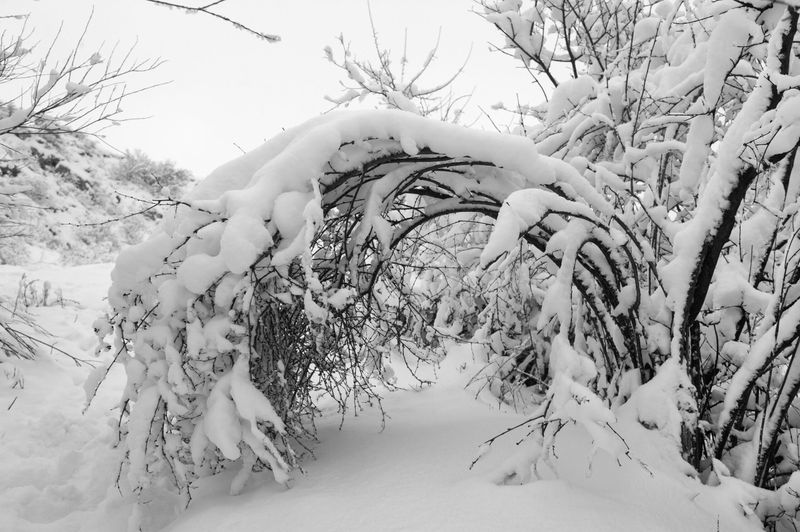
Branches snap under the weight of accumulated snow, especially after Iowa’s notorious wet, heavy snowfalls.
Evergreens like arborvitae and juniper are particularly vulnerable because their dense foliage catches and holds more snow than deciduous trees.
When snow piles up on branches, the extra weight creates stress points that can cause sudden breaks, leaving jagged wounds that invite disease and pests.
Iowa homeowners often wake up after a snowstorm to find their carefully tended shrubs split down the middle or favorite tree limbs lying across the lawn.
The damage happens quickly, sometimes in the middle of the night when temperatures drop and snow becomes even heavier with ice.
Young trees with narrow branch angles are especially at risk because they lack the structural strength of mature trees.
Prevention starts before the first snowflake falls.
Prune weak or crossing branches in late fall to reduce potential breakage points.
For valuable shrubs and small ornamental trees, consider wrapping them loosely with burlap or installing protective frames that deflect snow away from delicate branches.
After heavy snowfall, gently brush off accumulations using a broom with upward sweeping motions.
Never shake branches vigorously or try to remove ice, as frozen wood becomes brittle and breaks easily.
If major damage occurs, make clean cuts below the break to help the plant heal properly.
Throughout Iowa, from Davenport to Sioux City, protecting trees and shrubs from snow load damage saves both money and years of growth that cannot be replaced quickly.
2. Salt Damage Along Driveways And Walkways
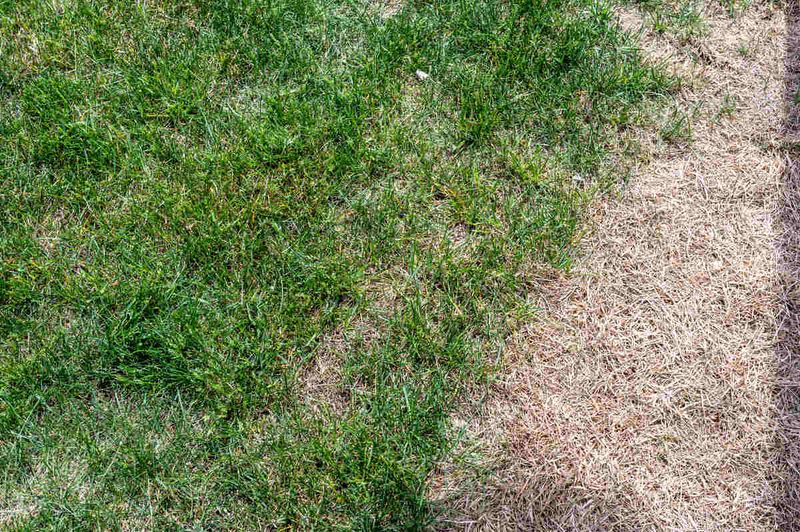
Rock salt and chemical deicers create brown, withered patches on plants bordering driveways and sidewalks throughout Iowa neighborhoods.
These products work great for melting ice and keeping pathways safe, but they wreak havoc on nearby vegetation.
Salt draws moisture out of plant tissues and changes soil chemistry, making it difficult for roots to absorb water even when plenty is available.
Symptoms often appear in late winter or early spring when damaged plants show brown needles, scorched leaf edges, or stunted new growth.
Grass along driveway edges turns yellow and thin, while shrubs develop patches on the sides facing salt-treated areas.
The damage accumulates over multiple winters, weakening plants gradually until they struggle to survive.
Iowa gardeners can minimize salt damage by choosing plants with higher salt tolerance for areas near treated surfaces.
Junipers, potentilla, and certain ornamental grasses handle salt exposure better than sensitive species like yews or rhododendrons.
Creating physical barriers with burlap screens or snow fencing redirects salt spray away from valuable plants.
Better yet, switch to pet-safe and plant-friendly deicing alternatives like calcium magnesium acetate or sand mixed with a small amount of salt.
These options cost more upfront but prevent expensive plant replacement later.
After winter ends, flush affected soil areas with plenty of water to dilute and wash away accumulated salts.
Adding gypsum to salt-damaged soil helps displace sodium and restore healthier growing conditions.
From Ames to Waterloo, protecting plants from salt damage preserves the beauty of Iowa landscapes without sacrificing winter safety.
3. Rodent Damage To Plant Roots And Bark Under Snow
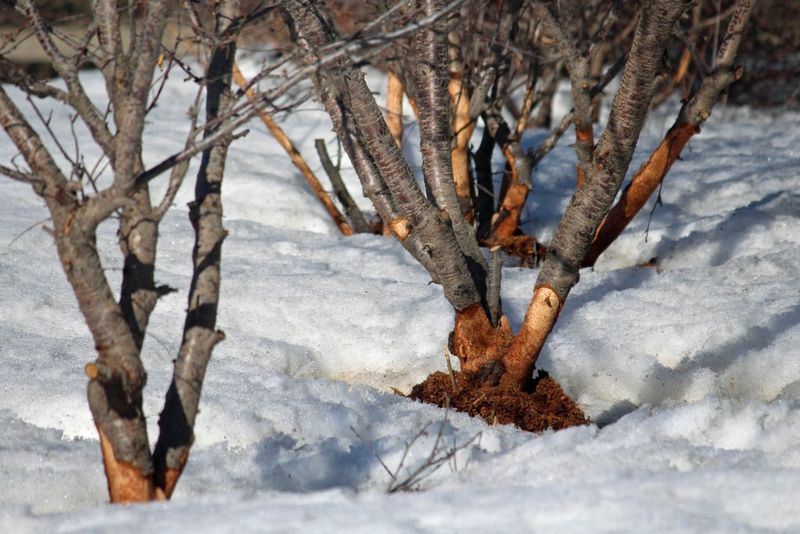
Voles, mice, and rabbits feast on plant bark and roots hidden beneath Iowa’s snow cover, causing damage that homeowners do not discover until spring thaw.
Snow creates protective tunnels where rodents travel safely while gnawing on tender bark at ground level.
They particularly target young trees, fruit trees, and ornamental shrubs, girdling trunks by eating bark in complete circles around the base.
Once bark is removed all the way around a trunk, the plant cannot transport nutrients between roots and leaves, leading to decline or complete loss.
The damage happens silently throughout winter while snow conceals the activity.
Iowa homeowners might notice tracks in the snow but remain unaware of the destruction occurring underneath until temperatures warm and snow melts away.
Protecting plants requires creating physical barriers before heavy snow arrives.
Wrap tree trunks with hardware cloth or commercial tree guards extending from below soil level to at least 18 inches above expected snow depth.
Push mulch and organic matter away from trunk bases since these materials attract rodents looking for food and shelter.
Keep the area around vulnerable plants clear of weeds, fallen fruit, and dense ground covers that provide rodent habitat.
Some Iowa gardeners use repellent sprays containing capsaicin or predator urine, though these need reapplication after each snowfall.
Setting traps around the garden perimeter reduces rodent populations before they cause serious damage.
After discovering rodent damage in spring, assess whether the girdling is complete or partial.
Plants with partial damage often recover with proper care, while completely girdled specimens rarely survive.
Throughout Iowa communities, from Burlington to Council Bluffs, preventing rodent damage protects years of investment in landscape plants.
4. Crown Rot From Prolonged Snow And Ice Sitting On Plants
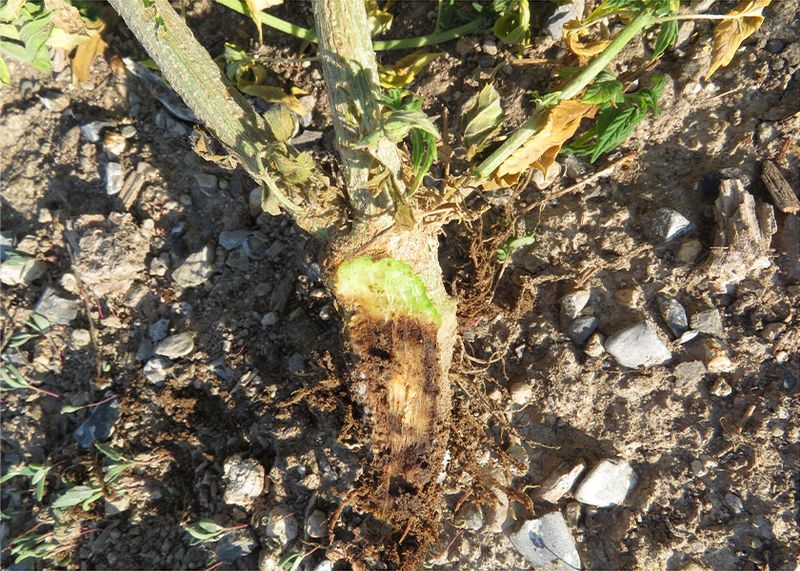
Perennials and ground covers suffer when snow and ice remain piled on their crowns for extended periods during Iowa winters.
The crown is where stems meet roots at soil level, and it is the most vulnerable part of many plants.
Constant moisture from melting and refreezing snow creates ideal conditions for fungal and bacterial diseases that attack dormant plants.
Crown rot develops slowly under snow cover, with infection spreading through plant tissues while homeowners remain completely unaware.
Come spring, affected plants fail to emerge or send up weak, yellowing shoots that collapse quickly.
Hostas, daylilies, coral bells, and other popular Iowa perennials are particularly susceptible when winter conditions keep their crowns constantly wet.
Good drainage is the best defense against crown rot.
Amend heavy Iowa clay soils with compost and plant perennials on slight mounds or raised beds that shed water quickly.
Avoid piling mulch directly against plant crowns in fall, as this traps moisture and encourages rot development throughout winter months.
After heavy snow, gently clear accumulations from areas where valuable perennials are dormant, allowing air circulation around crowns.
Avoid walking on snow-covered garden beds, as compaction damages plants underneath and reduces drainage.
In areas with poor drainage, consider installing French drains or redirecting downspouts away from planting areas.
Spring inspection helps identify crown rot early.
Dig carefully around plants that fail to emerge and check for mushy, discolored tissue at the crown.
Remove affected plants completely to prevent disease spread to healthy neighbors.
Throughout Iowa, from Iowa City to Fort Dodge, managing moisture around plant crowns during winter prevents frustrating spring losses and keeps perennial gardens thriving year after year.
5. Desiccation Of Evergreens From Winter Wind And Sun
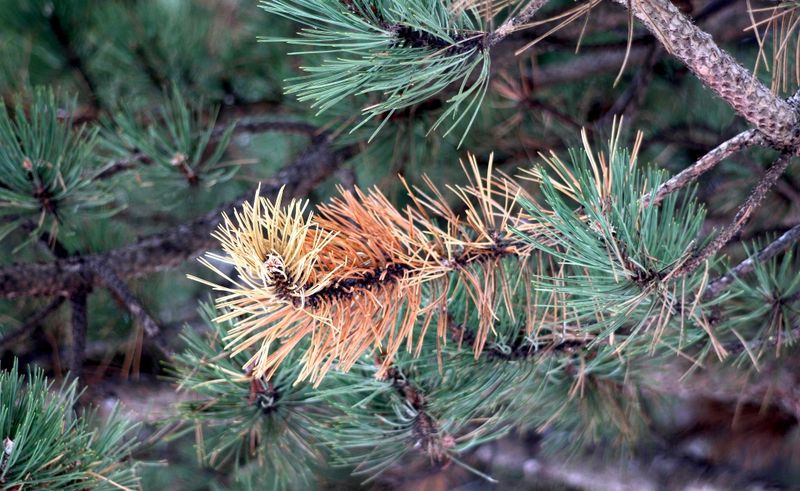
Evergreen needles turn brown and crispy when Iowa’s harsh winter winds and bright sunshine pull moisture from foliage faster than frozen roots can replace it.
This condition, called winter burn or desiccation, affects boxwoods, yews, arborvitae, and other broadleaf and needled evergreens throughout the state.
Snow cover actually provides some protection, but when plants stand exposed to relentless northwest winds, damage occurs rapidly.
Iowa winters combine several factors that contribute to desiccation.
Bright sunny days cause needles to warm up and lose moisture through transpiration, but frozen soil prevents roots from absorbing replacement water.
Strong winds strip away even more moisture while temperatures remain too cold for normal plant processes.
The result is brown, scorched foliage that ruins the appearance of foundation plantings and specimen evergreens.
Location matters significantly when it comes to preventing winter burn.
Evergreens planted on the south or west sides of buildings face the most intense sun and wind exposure.
Those tucked into protected corners or sheltered by fences suffer less damage.
Before winter arrives, water evergreens deeply and thoroughly, especially if fall has been dry.
Moist soil going into winter provides a reservoir that roots can access during brief warm spells.
Apply a thick layer of mulch around the root zone to insulate soil and slow freezing.
For particularly vulnerable plants, install burlap screens on the windward side or wrap entire plants loosely with burlap to reduce wind and sun exposure.
Anti-desiccant sprays create a waxy coating on foliage that reduces moisture loss.
Apply these products in late fall and again in mid-winter during a warm spell.
From Mason City to Ottumwa, protecting evergreens from desiccation maintains Iowa landscape beauty through the toughest winter conditions.
6. Freeze-Thaw Cycles Heaving Plants Out Of The Ground
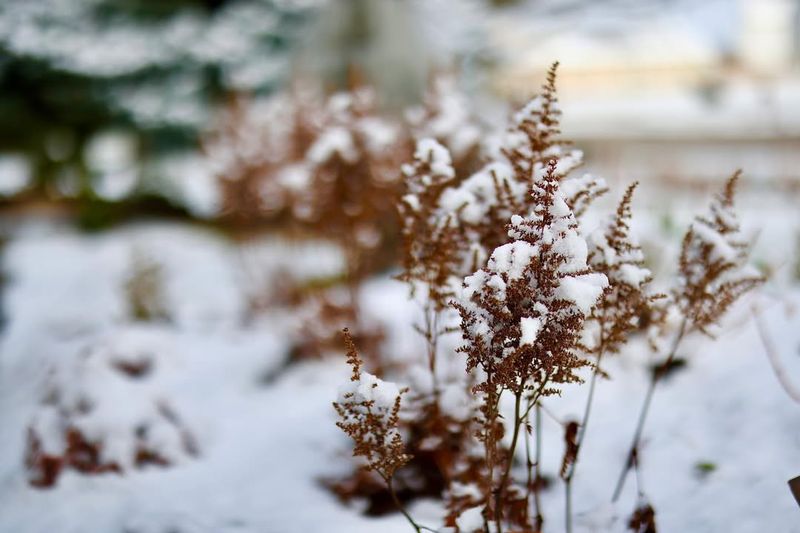
Repeated freezing and thawing throughout Iowa winters literally pushes plants upward out of the soil, exposing roots to damaging cold and drying winds.
This process, called frost heaving, occurs when moisture in the soil freezes, expands, and lifts everything above it.
When temperatures warm slightly, the ice melts and soil settles, but plants do not always settle back into their original positions.
After multiple freeze-thaw cycles, perennials, newly planted shrubs, and even strawberry plants end up sitting above ground level with roots exposed to harsh conditions.
The damage becomes obvious in early spring when gardeners discover plants tilted at odd angles or resting on top of the soil rather than planted in it.
Shallow-rooted plants and those planted late in fall are most vulnerable to heaving.
Iowa’s variable winter temperatures make frost heaving especially problematic.
A warm spell in January followed by a hard freeze creates ideal conditions for severe heaving.
Clay soils hold more moisture and heave more dramatically than sandy soils, putting gardens across much of Iowa at high risk.
Preventing frost heaving starts with proper planting timing.
Get new plants in the ground by early fall so roots establish before soil freezes.
Apply a thick mulch layer after the ground freezes solid, not before.
This timing prevents the soil from warming during mild spells, reducing the number of freeze-thaw cycles.
Check the garden periodically during winter warm spells and gently press heaved plants back into the soil if possible.
In spring, carefully replant any specimens that have heaved significantly, making sure roots are properly covered.
Add organic matter to improve soil structure and drainage, which helps reduce heaving intensity.
Across Iowa, from Dubuque to Des Moines, managing frost heaving protects plants from this unique winter challenge.
7. Snow Mold Damaging Lawns Under Deep Snow Cover
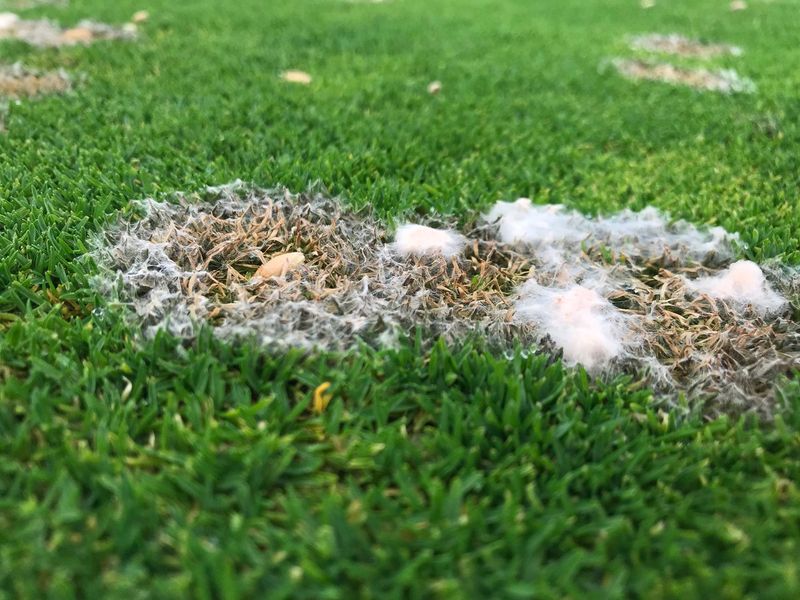
Circular patches of matted, discolored grass appear when snow finally melts from Iowa lawns in spring, revealing snow mold damage that developed under winter’s blanket.
Two types of snow mold affect Iowa turf: gray snow mold and pink snow mold.
Both thrive in cool, wet conditions under snow cover, spreading through grass blades while homeowners remain unaware of the problem developing beneath the white surface.
Gray snow mold creates patches of bleached, straw-colored grass that looks matted down in circular patterns ranging from a few inches to several feet across.
Pink snow mold produces similar symptoms but with reddish or pink fungal growth visible at patch edges.
Both diseases spread most actively when snow covers unfrozen ground or during prolonged periods of snow cover without extreme cold.
Iowa lawns face particular risk when heavy snow arrives before the ground freezes completely or when snow depth remains consistent for many weeks.
Thick thatch layers and excessive fall nitrogen fertilization increase susceptibility by providing abundant organic matter for fungi to feed on throughout winter.
Prevention focuses on fall lawn care practices.
Mow grass shorter than usual for the final cut of the season to reduce the amount of leaf tissue available for disease development.
Rake up leaves thoroughly so they do not mat down under snow and create disease-friendly conditions.
Avoid fertilizing lawns after early September, as lush late-season growth is more vulnerable to snow mold.
When snow melts and reveals damage, rake affected areas gently to break up matted grass and improve air circulation.
Most lawns recover naturally as temperatures warm and grass resumes growth.
Severe cases might require overseeding in spring.
Throughout Iowa communities, from Clinton to Spencer, managing snow mold keeps lawns healthy and ready to green up beautifully when spring arrives.