8 Snow-Related Gardening Mistakes Colorado Gardeners Make Every Winter
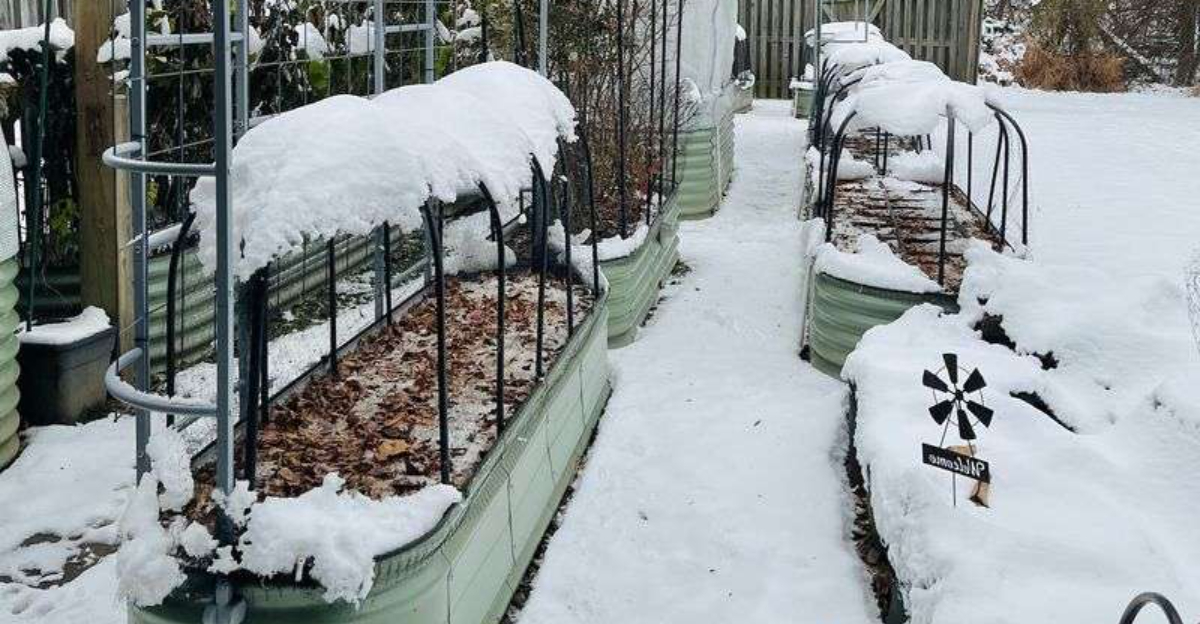
Snow can look magical on a Colorado garden, but beneath the beauty, it hides potential pitfalls for your plants.
Even seasoned gardeners can make costly mistakes this time of year—mistakes that can stunt growth, damage shrubs, or ruin delicate perennials before spring even arrives.
Knowing what not to do is just as important as knowing what to do.
Snow isn’t always your friend—sometimes it’s a sneaky troublemaker for your garden.
From piling snow against plant bases to neglecting protective measures during icy storms, winter missteps can have lasting effects.
Even well-intentioned actions, like early pruning or heavy foot traffic on frozen beds, can stress plants and create openings for disease.
Avoiding these common errors keeps your garden healthy, resilient, and ready to burst into life when the snow finally melts.
One wrong move and months of careful gardening can be set back in a single winter.
For Colorado gardeners, understanding snow’s impact—and how to work with it rather than against it—is key.
These eight mistakes are easy to prevent with a little planning and awareness, ensuring your garden thrives year after year.
Snow may blanket your garden, but smart gardeners know how to protect it beneath the white.
1. Letting Heavy Snow Sit On Shrubs Too Long
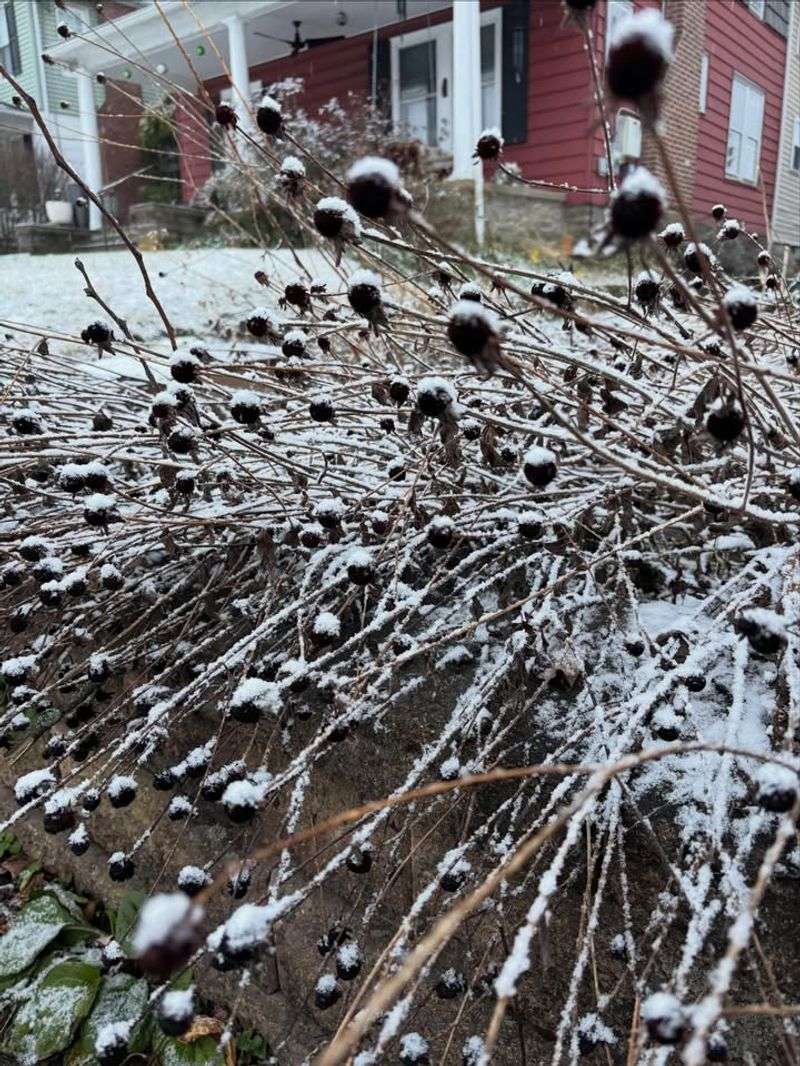
Heavy, wet snow accumulates on branches faster than most people realize, especially during those big Colorado storms that dump several inches overnight.
The weight can bend delicate branches beyond their natural flexibility, causing permanent damage to the structure of your favorite shrubs.
When branches stay bent for too long under snow weight, they develop stress cracks that weaken them for years to come.
Timing matters when removing snow from your plants, and acting quickly after a snowfall prevents most damage.
Use a broom with soft bristles or your gloved hands to gently brush upward from underneath the branches, letting the snow fall naturally.
Never shake branches vigorously or pull snow downward, as this actually increases the stress on already burdened limbs.
Work your way from the bottom of the shrub toward the top, supporting each branch as you clear it.
Focus on evergreens like junipers and arborvitae first since their dense foliage catches more snow than deciduous plants.
Pay special attention to multi-stemmed shrubs where branches meet, as these junction points experience the most pressure.
Check your shrubs after every significant snowfall, especially when temperatures hover near freezing and snow becomes particularly heavy and sticky.
Early morning removal works best before the sun warms and further weighs down the snow with melting moisture.
2. Shoveling Snow Onto Garden Beds
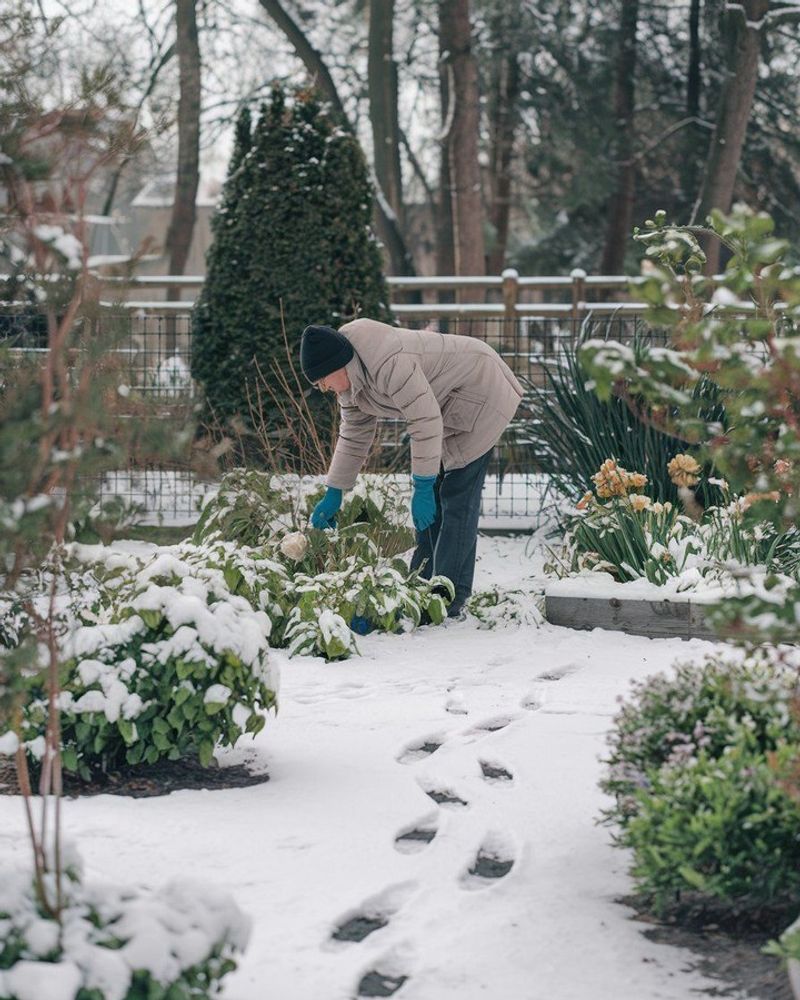
When driveways and walkways need clearing, the easiest solution seems to be tossing that snow onto nearby garden beds.
Unfortunately, this convenient habit causes serious problems that gardeners discover only when spring arrives and plants struggle to emerge.
Road salt, de-icing chemicals, and other contaminants mix into snow piled along driveways, creating a toxic cocktail for your soil.
Compacted snow piles also create their own set of issues beyond chemical damage.
Massive mounds of snow take much longer to melt than naturally fallen snow, keeping the soil beneath frozen well into spring.
This delays warming and prevents early bulbs and perennials from starting their growth cycle at the right time.
The weight of piled snow compresses soil structure, squeezing out air pockets that roots need for healthy development.
Plants buried under these heavy piles can suffer from prolonged darkness and excessive moisture as the snow slowly melts.
Salt concentrations become especially problematic because they leach into the soil and remain there, affecting plant health throughout the entire growing season.
Instead of using garden beds as snow storage, direct your shoveled snow toward open lawn areas away from sensitive plantings.
Choose spots where melting snow can drain naturally without pooling.
Your spring garden will thank you with vigorous growth instead of struggling through salt-damaged, compacted soil.
3. Forgetting To Water Before Deep Freezes
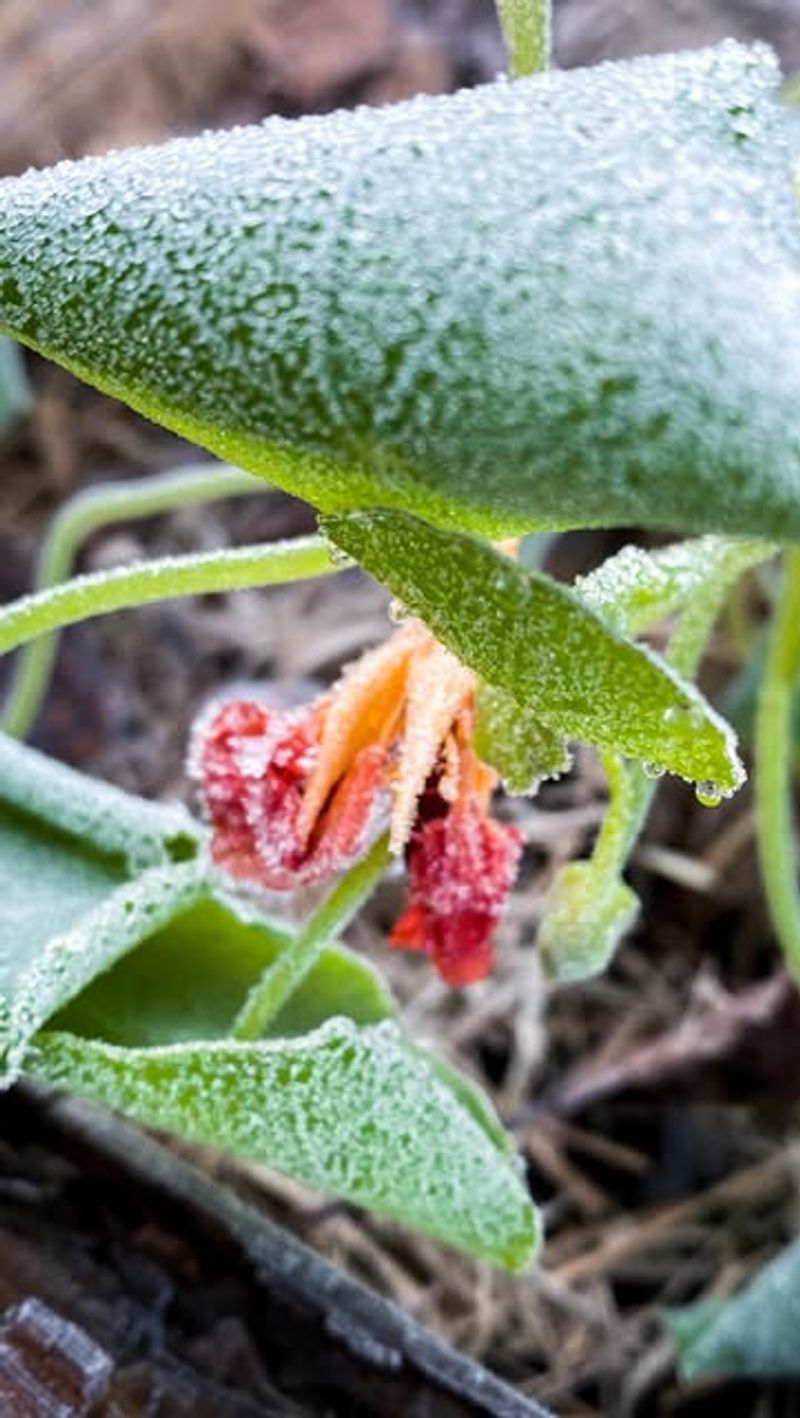
Colorado winters often bring bright sunshine and low humidity, creating conditions that dry out soil faster than gardeners expect.
Plants need moisture even when temperatures drop, and roots continue requiring water throughout the dormant season.
When soil freezes while bone-dry, roots become vulnerable to desiccation damage that weakens plants for the entire following year.
Winter drought stresses evergreens particularly hard since they keep their foliage and continue losing moisture through their needles and leaves.
Frozen ground prevents roots from accessing any water, so plants essentially experience drought conditions even when surrounded by snow.
This combination of dry soil and freezing temperatures creates a perfect storm for root damage.
The best time to water is during late fall before the ground freezes solid, typically from October through early December depending on your elevation.
Choose days when temperatures rise above 40 degrees and the soil remains unfrozen enough to absorb moisture.
Apply water slowly and deeply, allowing it to penetrate at least six to eight inches down where roots actively grow.
Check your garden beds monthly during winter warm spells, especially if Colorado experiences one of its famous dry spells with weeks of sunshine and no precipitation.
Evergreen trees, newly planted specimens, and shallow-rooted perennials need the most attention.
Water thoroughly whenever the soil thaws and stays above freezing for a full day.
4. Trampling Snow-Covered Beds
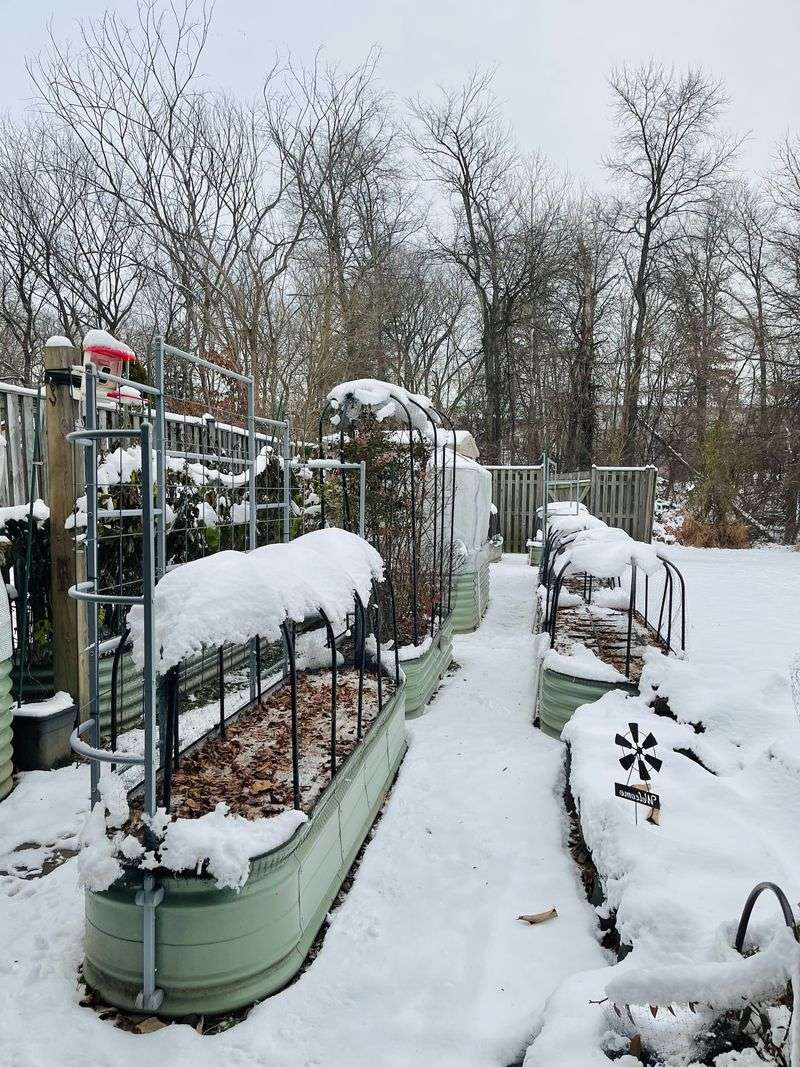
Walking across snow-covered garden beds seems harmless since you cannot see the plants underneath, but each footstep creates lasting damage.
Snow acts as a cushion between your weight and the soil, yet it still transmits enough pressure to compact the earth below.
Compacted soil loses its loose, crumbly structure that roots depend on for accessing oxygen and nutrients.
Hidden beneath that blanket of white, dormant perennials and bulbs rest just below the surface waiting for spring.
Your footsteps can crush their crowns, damage emerging shoots that have already started developing underground, and break delicate root systems.
Even plants that look fine in spring may struggle throughout the season because of winter trampling damage that compromised their root structure.
Soil compaction from foot traffic becomes particularly problematic in areas where people repeatedly walk the same path.
These compressed zones develop hardpan layers that prevent water infiltration and root penetration for years afterward.
Spring bulbs planted in fall are especially vulnerable since they sit close to the surface where footsteps impact them most directly.
Create designated pathways using stepping stones or mulched trails that guide foot traffic away from planting beds.
Mark garden bed edges with stakes or decorative borders that remain visible above snow level.
When you must access planted areas, use wide boards or plywood sheets to distribute your weight more evenly across the surface, minimizing soil compression and protecting plants underneath.
5. Removing Snow That’s Actually Protecting Plants
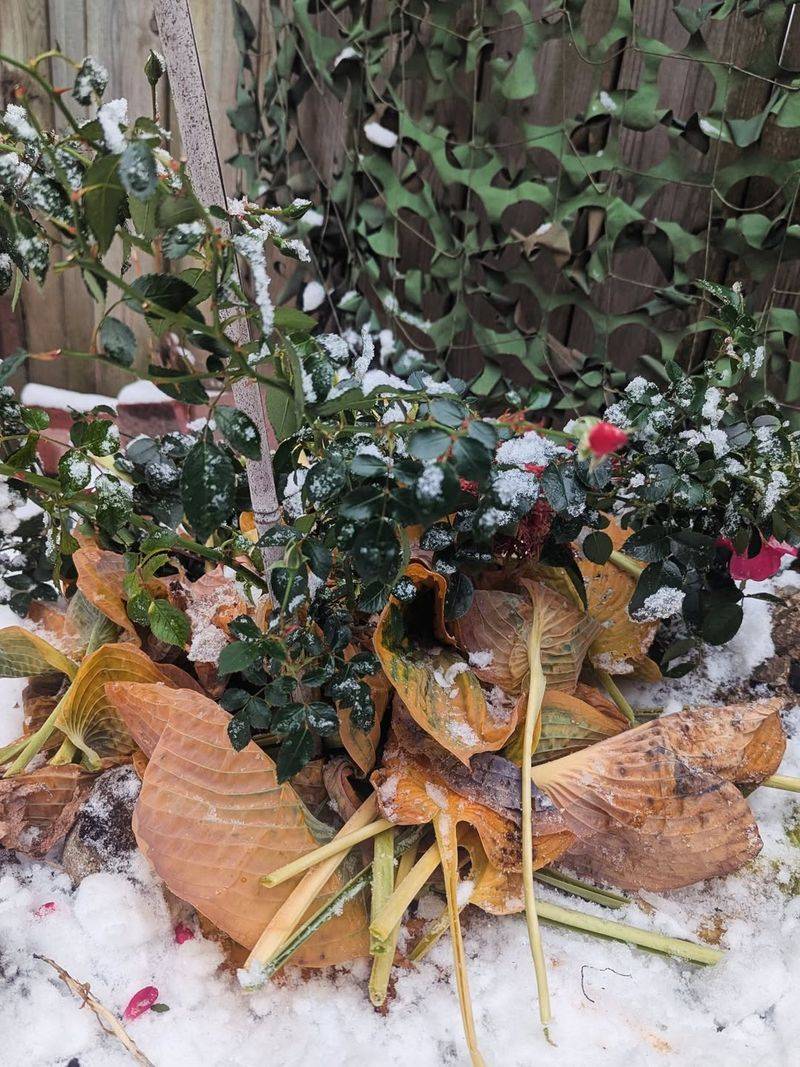
Snow provides natural insulation that gardeners often underestimate, creating a protective blanket that moderates soil temperature fluctuations.
Many gardeners mistakenly clear snow away from plants thinking they are helping, when that snow cover actually shields roots and crowns from harsh temperature swings.
Colorado’s wild weather patterns make this insulation especially valuable since temperatures can plunge dramatically overnight.
A layer of snow keeps soil temperatures more stable than bare ground exposed to frigid air and drying winds.
This stability prevents the freeze-thaw cycles that heave plants out of the ground and damage root systems.
Perennials, bulbs, and even some shrubs benefit tremendously from snow cover that keeps them dormant and protected until spring genuinely arrives.
The key is knowing when to leave snow alone and when removal helps your plants.
Light, fluffy snow on garden beds should stay put since it provides insulation without causing damage.
Snow on paths and hardscapes can be cleared without worry, but resist the urge to expose your planted beds.
Remove snow only when it accumulates heavily on plant branches or when ice forms thick crusts that can damage foliage.
Otherwise, let nature’s blanket do its job.
Some gardeners even add extra mulch or leaves before winter to enhance this insulating effect.
When spring temperatures consistently stay above freezing, the snow will melt naturally at the right pace for your plants to emerge healthy and strong.
6. Ignoring Ice Damage On Trees And Shrubs
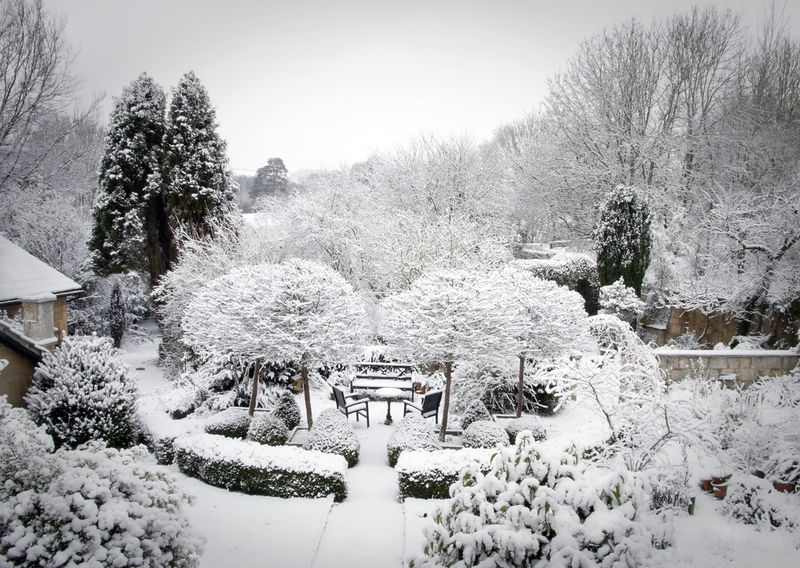
Ice storms create beautiful crystal-coated landscapes, but they also place enormous stress on woody plants that gardeners frequently overlook.
The weight of ice coating branches can be several times heavier than snow, bending limbs and creating tiny cracks in bark that become entry points for disease.
Many gardeners focus on obvious broken branches while missing the subtle damage that causes problems months later.
Look closely at branch junctions where limbs meet the trunk, as these connection points bear the most stress during ice accumulation.
Small splits in bark may not seem serious immediately, but they allow moisture and fungi to penetrate the wood.
Check for bark that appears slightly lifted or separated from the underlying wood, even if no obvious breakage occurred.
Twisted or bent branches that did not snap completely still suffered internal damage that affects their long-term health.
These compromised limbs often struggle to leaf out fully in spring or may decline gradually over the following year.
Ice can also strip protective bark from young trees, especially on the sunny south and west sides where temperature fluctuations cause expansion and contraction.
After ice storms pass, inspect your trees and shrubs carefully in good daylight from multiple angles.
Take photos of questionable areas so you can monitor changes over time.
Prune obviously broken branches using clean cuts, but wait until spring to assess less obvious damage when you can better see which branches recovered and which need removal.
7. Leaving Burlap And Wraps On Too Long
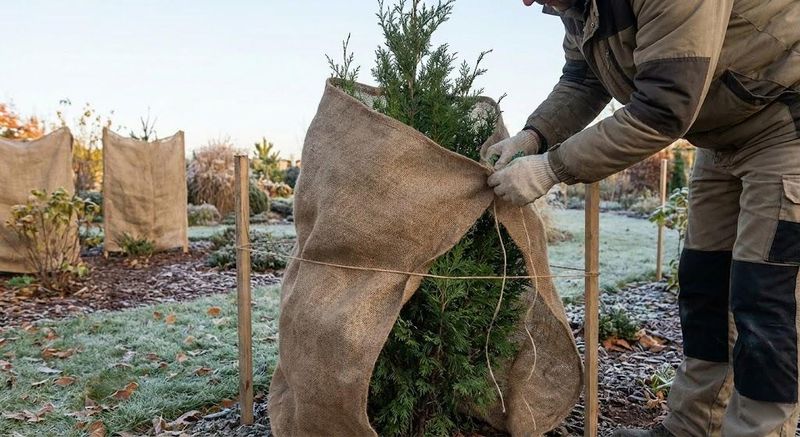
Burlap screens and protective wraps serve important purposes during harsh winter weather, shielding tender plants from drying winds and intense sun.
However, many Colorado gardeners install these protections in fall and forget about them until late spring when damage has already occurred.
As days lengthen and temperatures warm, even brief sunny periods can turn wrapped plants into overheated, moisture-trapped environments perfect for fungal growth.
March and early April bring Colorado’s most unpredictable weather, with warm sunny days followed by cold snaps that tempt gardeners to leave protections in place.
Burlap and fabric wraps trap heat and moisture during those warm spells, creating conditions that encourage mold, mildew, and early bud break.
When cold returns, those prematurely awakened buds suffer damage that affects the entire growing season.
Check your wrapped plants regularly starting in late February, looking for signs that they are getting too warm or developing moisture problems.
Remove wraps on mild days and replace them only if severe cold threatens.
Most plants tolerate Colorado’s late winter weather better than the problems caused by excessive wrapping.
Plan to remove most winter protections by mid-March, even if occasional cold nights still occur.
Hardened-off plants adapted to Colorado conditions handle these temperature fluctuations naturally.
Store your burlap and wraps properly for next season, and mark your calendar to remove them earlier next year.
Your plants will respond with healthy growth instead of struggling with mold or cold damage from mistimed protection.
8. Failing To Prepare For Snowmelt Runoff
Spring snowmelt releases massive amounts of water in short periods, creating runoff patterns that catch unprepared gardeners by surprise.
Heavy snow accumulation that seemed manageable during winter transforms into rushing water that erodes soil, exposes roots, and washes away mulch and topsoil.
Colorado’s clay-heavy soils compound this problem since they absorb water slowly, causing even more runoff and pooling.
Observe your garden during early thaws to identify where water naturally flows and pools.
Low spots collect water that saturates soil and suffocates plant roots, while slopes channel fast-moving water that carves gullies through beds.
Downspouts and roof runoff concentrate water flow, creating erosion channels that deepen with each melt cycle.
Simple fixes make enormous differences in managing snowmelt successfully.
Create shallow swales or berms that redirect water away from foundations and sensitive plantings toward areas where it can soak in slowly.
Add river rocks or gravel to natural drainage paths to slow water flow and prevent erosion.
Consider installing rain gardens in low areas where water naturally collects, planting them with moisture-tolerant perennials that thrive in wet spring conditions.
Extend downspouts away from foundations and garden beds, directing roof runoff toward lawn areas or drainage systems.
Apply fresh mulch in early spring to replace material washed away during winter, creating a protective layer that absorbs water and prevents soil erosion.
These preparations transform potentially damaging snowmelt into beneficial moisture that helps your garden flourish throughout the growing season.