Snowy Owls Are Returning To Wisconsin This Winter And Birders Are Excited
Winter landscapes across Wisconsin feel quieter, yet excitement builds among birders each time snowy owls appear.
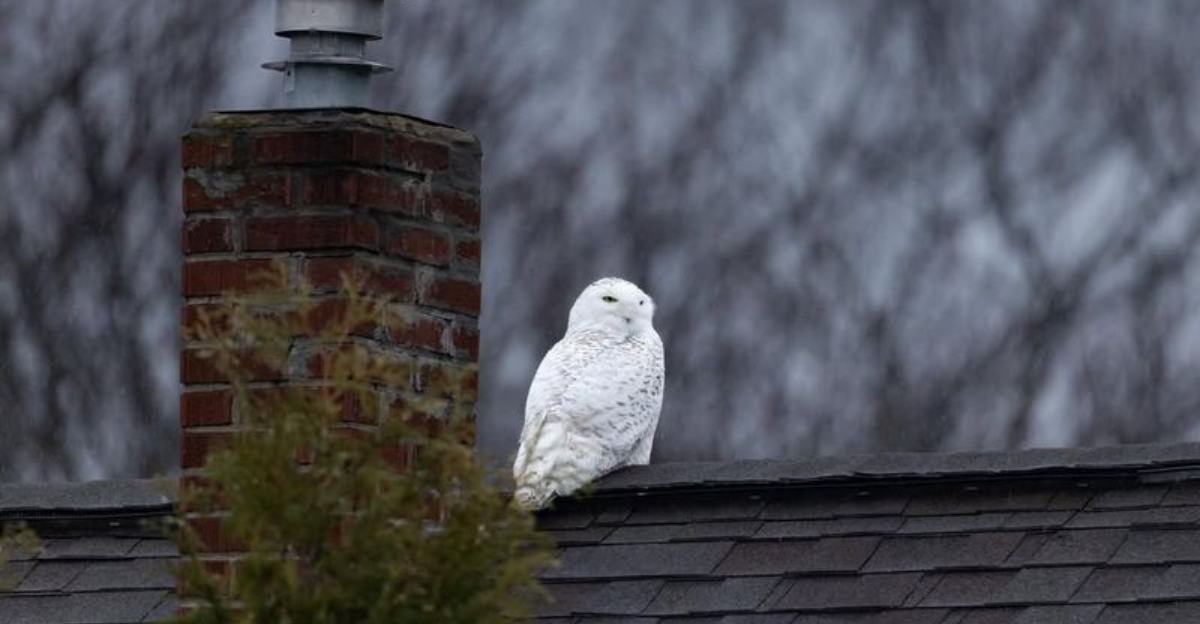
These striking white visitors draw attention wherever they land, often perched in open fields, along shorelines, or near airports.
Their arrival feels like a rare gift, especially during colder months.
Snowy owls travel south when food supplies shrink in the Arctic, and Wisconsin often falls within their winter range.
Their size, bright eyes, and calm presence make sightings unforgettable.
Birders value these visits not only for beauty but also for what they reveal about broader environmental shifts.
Respectful viewing remains essential, as these owls rely on energy conservation to survive harsh conditions.
Each appearance adds wonder to winter and reminds residents that even cold seasons bring moments worth watching closely.
Arctic Nomads Make Their Journey South
Snowy owls undertake one of nature’s most impressive migrations each year.
When winter tightens its grip on the Arctic tundra, these powerful birds head south in search of better hunting grounds.
Wisconsin sits perfectly along their migration route, making it a prime destination for these Arctic wanderers.
Unlike many bird species that follow strict seasonal patterns, snowy owls move based on food availability.
Some years bring just a handful of sightings, while other winters see dozens of birds arriving across the state.
Scientists call these dramatic increases in numbers “irruptions,” and they happen when prey populations crash up north.
Young owls often make up the majority of migrants, venturing away from their birthplace for the first time.
The journey can span over 1,500 miles, with birds traveling from northern Canada and even Greenland.
Wisconsin’s open farmland and frozen lakeshores remind these visitors of their Arctic home.
They perch on fence posts, hay bales, and even rooftops while scanning for their next meal.
Watching one arrive after such an epic journey fills birdwatchers with genuine wonder and respect for these resilient creatures.
Prime Viewing Spots Draw Crowds
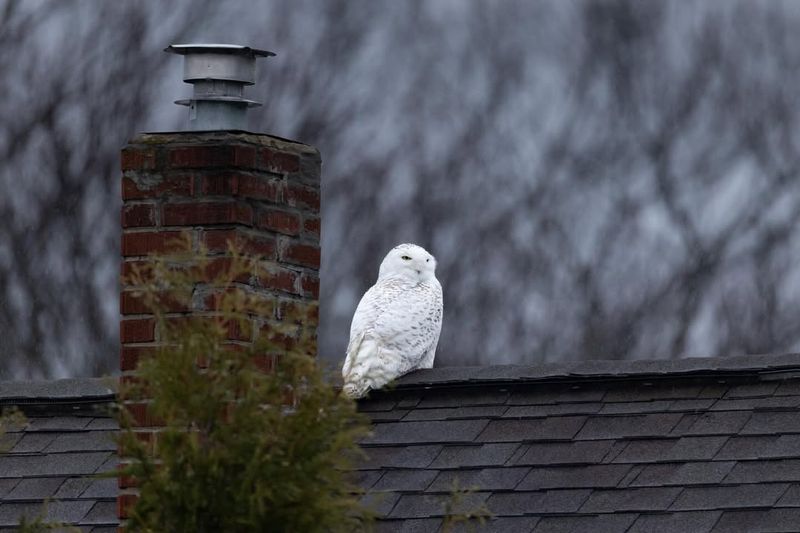
Certain locations across Wisconsin become hotspots when snowy owls arrive.
Coastal areas near Lake Michigan and Lake Superior attract many birds because the landscape mirrors their Arctic habitat.
Wide-open agricultural fields in counties like Fond du Lac, Sheboygan, and Brown also see regular visitors.
Airports have become unexpected owl-watching destinations since the flat, treeless terrain appeals to these ground-loving birds.
Local birding groups often share sighting reports on social media and dedicated websites, helping enthusiasts track where owls have been spotted most recently.
Responsible birdwatchers always maintain respectful distances to avoid stressing the animals.
Many owls rest during daylight hours after hunting all night, so quiet observation works best.
Some popular viewing areas now post guidelines reminding visitors to stay in their vehicles or keep at least 100 yards away.
Photography enthusiasts travel from neighboring states hoping to capture that perfect shot of white feathers against blue sky.
Nature centers and wildlife refuges sometimes organize guided owl-watching tours, providing education alongside the viewing experience.
Finding one of these Arctic visitors in the wild creates memories that last a lifetime.
Distinctive Features Set Them Apart
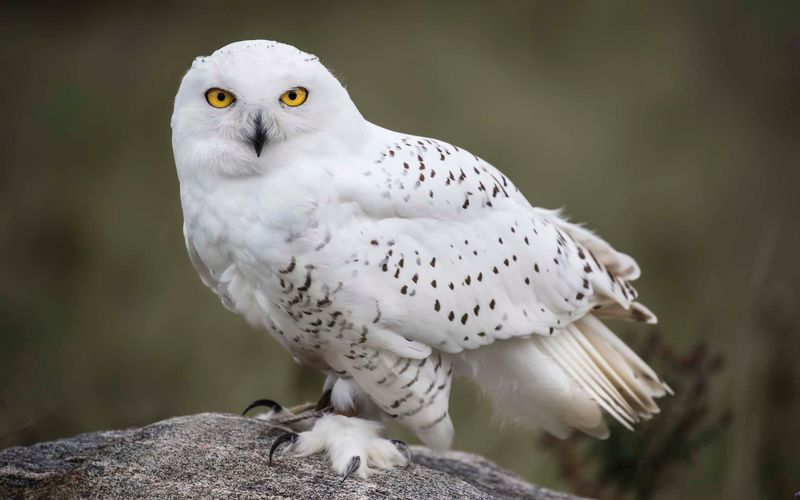
Few birds match the striking appearance of a snowy owl.
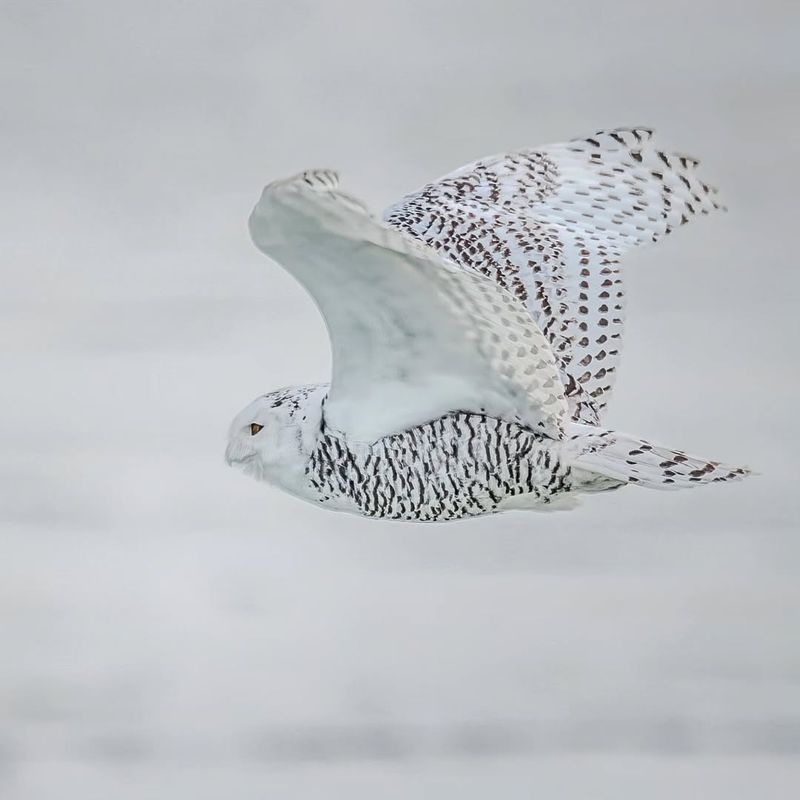
Males tend to be almost pure white, especially older individuals, while females and younger birds display more dark barring across their feathers.
Those piercing yellow eyes can spot a mouse moving under snow from incredible distances.
Heavy feathering covers their entire body, including their legs and feet, providing insulation against brutal cold.
This adaptation makes them one of the warmest-dressed birds on the planet.
Their wingspan stretches over five feet, allowing silent, powerful flight across open spaces.
Unlike most owls that prefer forests, snowy owls thrive in treeless environments where they can scan the ground for prey.
Thick plumage muffles sound during flight, helping them approach prey without warning.
Sharp talons hidden beneath all those feathers can grab rodents with lightning speed.
Even their ear openings are positioned asymmetrically on their skull, creating a natural sonar system that pinpoints sounds with remarkable accuracy.
Spotting one perched motionless on a post, you might mistake it for a snow-covered rock until those golden eyes blink.
Every physical trait serves a purpose honed by thousands of years surviving in one of Earth’s harshest environments.
Hunting Habits Reveal Survival Skills
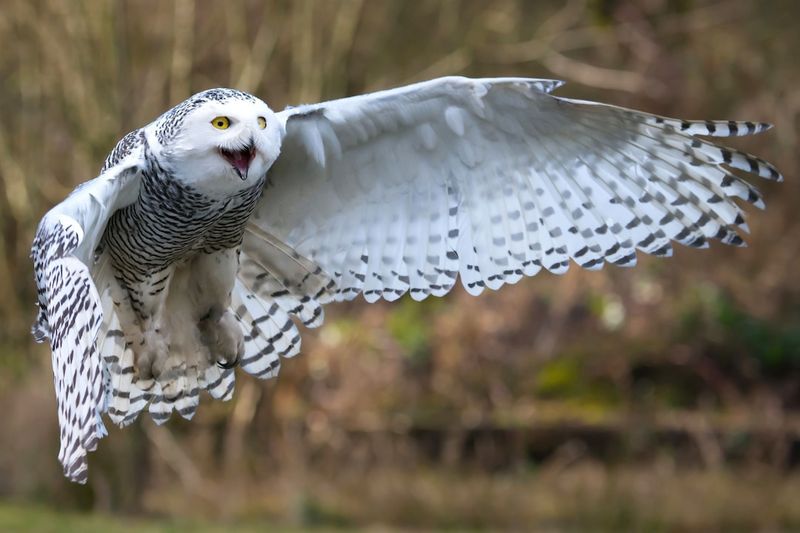
Watching a snowy owl hunt demonstrates pure predatory excellence.
These birds rely primarily on voles, mice, and other small rodents to fuel their energy needs.
During their Arctic summer breeding season, they can consume over 1,600 lemmings per year.
In Wisconsin, they adapt their diet to whatever prey runs abundant in farm fields and grasslands.
Snowy owls hunt both day and night, though they prefer the twilight hours of dawn and dusk.
Their hunting strategy involves patient observation from an elevated perch followed by a swift, silent strike.
Some birds hunt on the wing, flying low over fields while scanning for movement below.
Once prey is spotted, the owl drops with incredible speed, talons extended forward to snatch the victim.
Successful hunts happen more often than you might expect, with experienced birds catching prey in most attempts.
After catching a meal, owls typically swallow it whole, later regurgitating pellets containing indigestible bones and fur.
Scientists study these pellets to understand exactly what the owls have been eating.
Observing this hunting prowess reminds us why these birds have thrived in demanding environments for millennia.
Conservation Status Raises Awareness
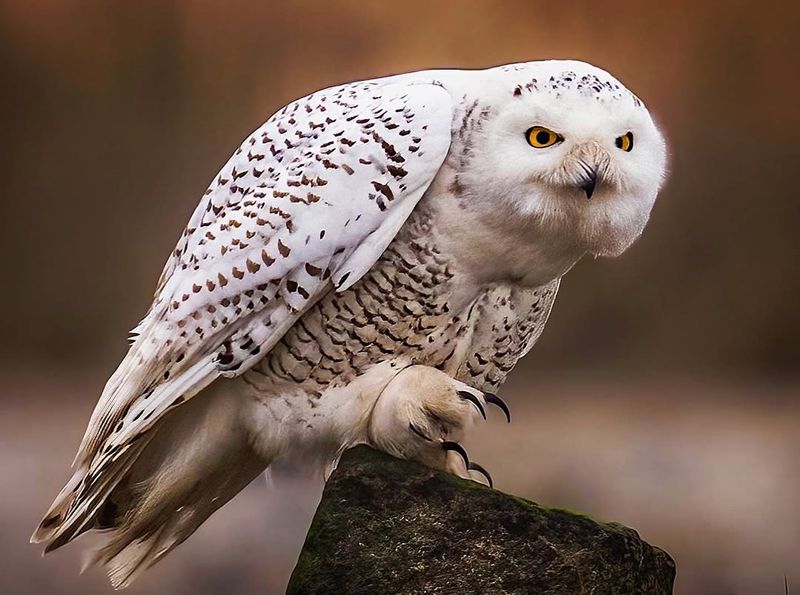
Recent decades have brought growing concerns about snowy owl populations.
Climate change affects their Arctic breeding grounds in ways scientists are still working to fully understand.
Warming temperatures alter the availability of lemmings and other prey species that owls depend on for successful reproduction.
When food becomes scarce, fewer young owls survive to adulthood.
The International Union for Conservation of Nature currently lists snowy owls as “Vulnerable,” meaning they face threats that could lead to population declines.
Habitat loss in both their summer and winter ranges adds additional pressure.
Vehicle strikes pose a significant danger when owls hunt near roadways or rest on highway signs.
Organizations across North America now track snowy owl movements using GPS tags, gathering crucial data about migration patterns and survival rates.
This research helps identify important wintering areas that need protection.
Wisconsin birdwatchers contribute to conservation efforts by reporting sightings to databases like eBird.
Every observation adds to our collective knowledge about where these birds travel and how long they stay.
Protecting snowy owls means preserving the wild spaces they need, both in the Arctic and in places like Wisconsin where they spend their winters.
Photography Ethics Matter More Than Ever
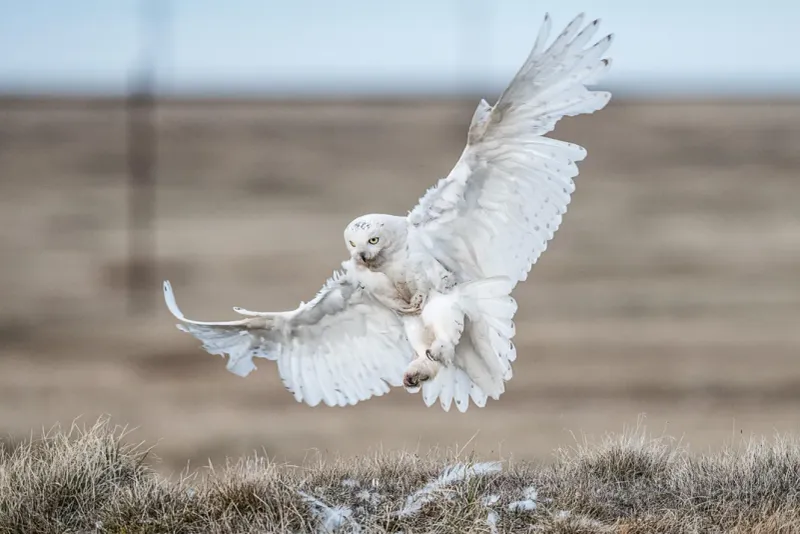
Social media has transformed how people share their snowy owl encounters.
Stunning photographs circulate online within minutes of a sighting, sometimes attracting crowds of eager photographers to a single location.
Unfortunately, this attention can stress the birds and disrupt their essential rest periods.
Responsible photographers follow strict ethical guidelines to minimize their impact.
Maintaining distance prevents owls from feeling threatened and wasting precious energy fleeing from humans.
Professional wildlife photographers use long telephoto lenses that allow close-up shots from far away.
Never approach an owl directly or attempt to make it fly for a better picture.
These birds travel thousands of miles and need to conserve energy for survival and the return journey north.
Wisconsin’s Department of Natural Resources reminds visitors that harassing wildlife violates state laws.
The best photographs come from patient observation, waiting for natural behaviors rather than forcing interactions.
Sharing location information responsibly also matters, as publicizing exact spots can lead to overcrowding and disturbance.
Appreciating these magnificent visitors means putting their welfare above our desire for the perfect shot.
Future Winters Promise More Excitement
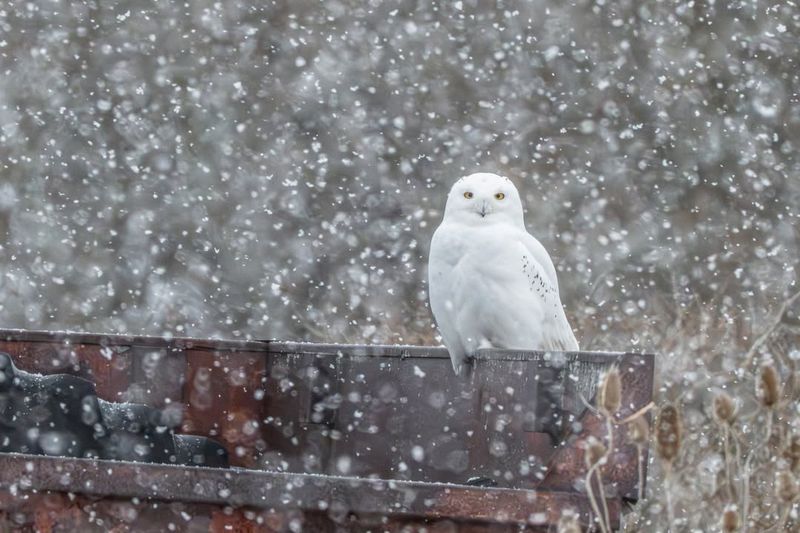
Each winter brings fresh anticipation about whether snowy owls will grace Wisconsin with their presence.
Predicting irruption years remains challenging since it depends on complex Arctic ecosystem dynamics.
Scientists monitor lemming populations in northern Canada to estimate whether food shortages might push owls southward.
When conditions align perfectly, Wisconsin can see remarkable numbers of these Arctic visitors.
The winter of 2013-2014 brought an exceptional irruption, with hundreds of snowy owls reported across the state.
Birdwatchers still talk about that season with excitement, hoping for similar spectacles in coming years.
Young birders discovering snowy owls for the first time often develop lifelong passions for wildlife observation and conservation.
Schools and nature centers use owl sightings as teaching opportunities, connecting students with the natural world.
As climate patterns shift, understanding these migrations becomes increasingly important.
The data collected by citizen scientists helps researchers track long-term trends and population health.
Whether this winter brings a dozen owls or a hundred, each sighting offers a precious glimpse into the lives of these remarkable Arctic ambassadors.
Wisconsin’s birding community stands ready with binoculars and cameras, eager to welcome these white-feathered travelers once again.