Soggy Yard? These 9 Drainage Tips Work In Oregon This January
If you’ve stepped outside lately and felt your boots sink just a little too much, you’re not imagining it. January has a way of turning Oregon yards into soggy obstacle courses, with puddles that linger and soil that never quite seems to dry out.
Maybe you’ve been walking around the same wet spots, wondering why they’re still there and what, if anything, you can do about them right now.
Drainage issues tend to show themselves clearly this time of year. Water collects where it always does, plants struggle in overly wet soil, and the yard feels harder to use or even look at.
It’s frustrating, especially when spring still feels far away. But this is actually one of the best times to notice what isn’t working.
If you’ve been unsure whether winter is the right time to address drainage, you’re not alone. The good news is that small, practical changes made now can really help.
These drainage tips are especially useful for Oregon yards in January, helping you manage excess water and set things up for an easier season ahead.
1. Extend Your Downspouts Away From The House
Rainwater pouring off your roof can quickly overwhelm the ground near your foundation. When downspouts dump water right next to your house, that water has nowhere to go except into your yard or worse, toward your basement.
Moving that water farther away is one of the simplest fixes you can do this month.
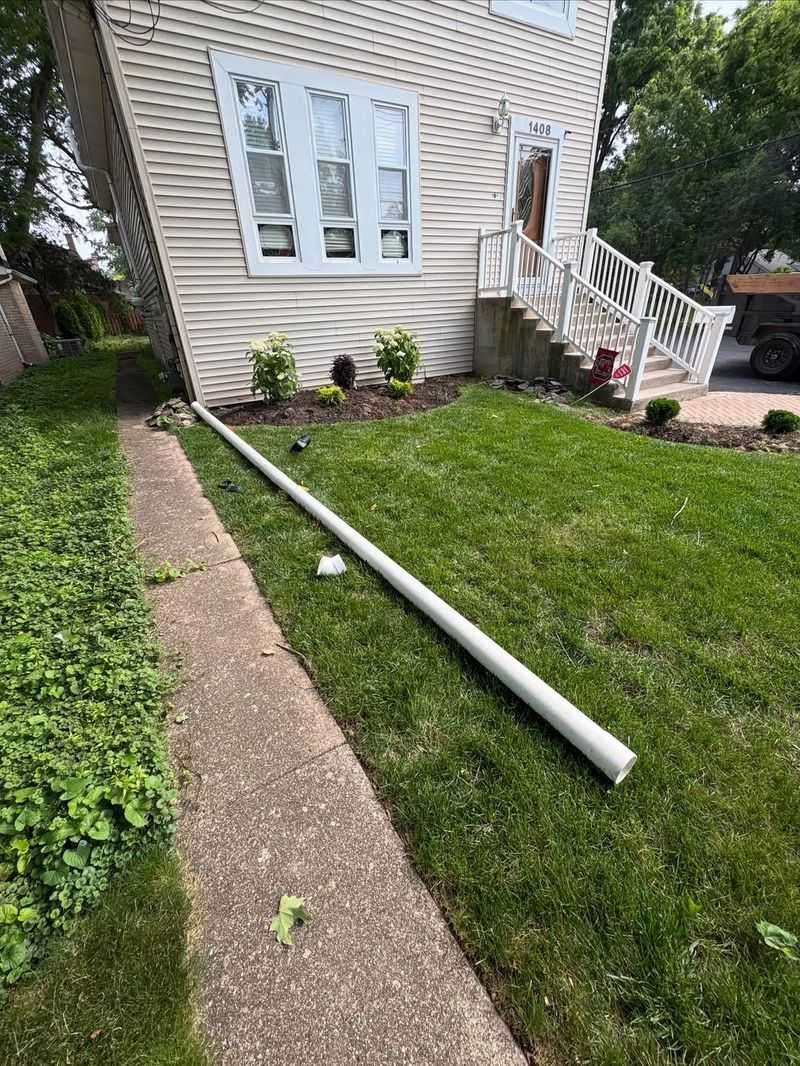
Downspout extensions come in flexible or rigid styles and attach easily to your existing gutters. You want the water to flow at least six to ten feet away from your foundation.
This distance gives the soil time to absorb moisture without flooding one spot. Many hardware stores sell inexpensive extensions that snap right on.
Check where the water exits after you add the extension. Make sure it flows toward a slope or a place that drains well.
You might need to adjust the angle or add a splash block to spread the water out. This small change can prevent big puddles near your house.
Oregon winters mean constant rain, so your downspouts work overtime. Keeping them clear of leaves and debris helps water move freely.
Clean gutters and extended downspouts work together to protect your home and keep your yard from turning into a swamp.
2. Install A French Drain To Redirect Excess Water
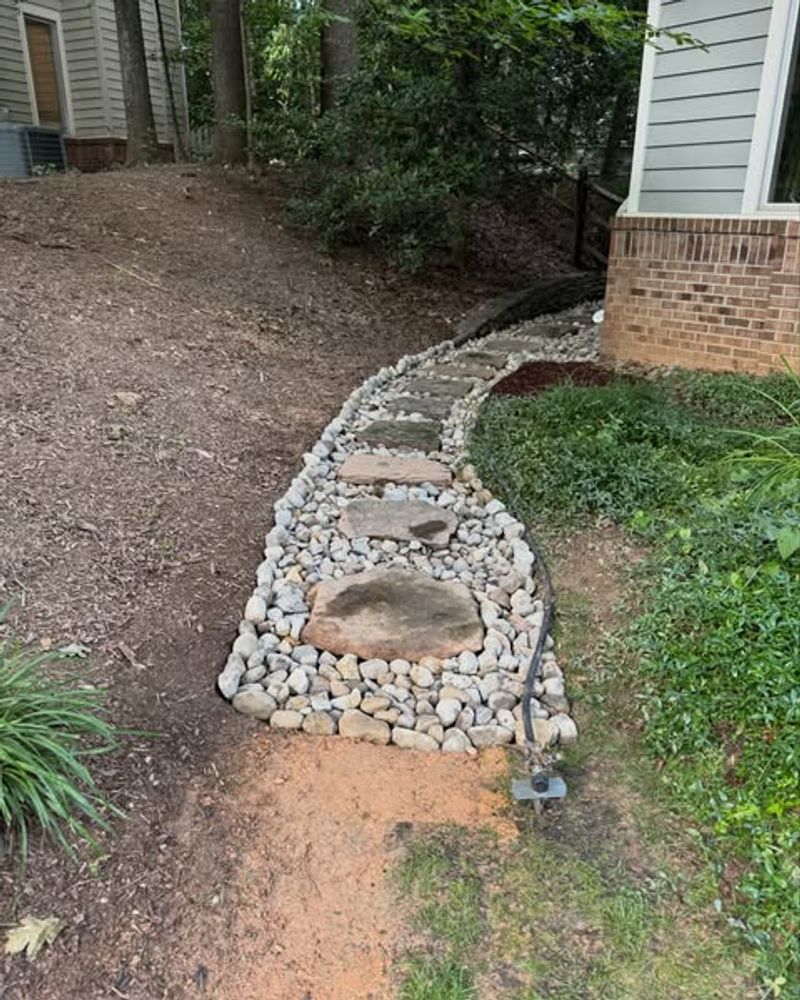
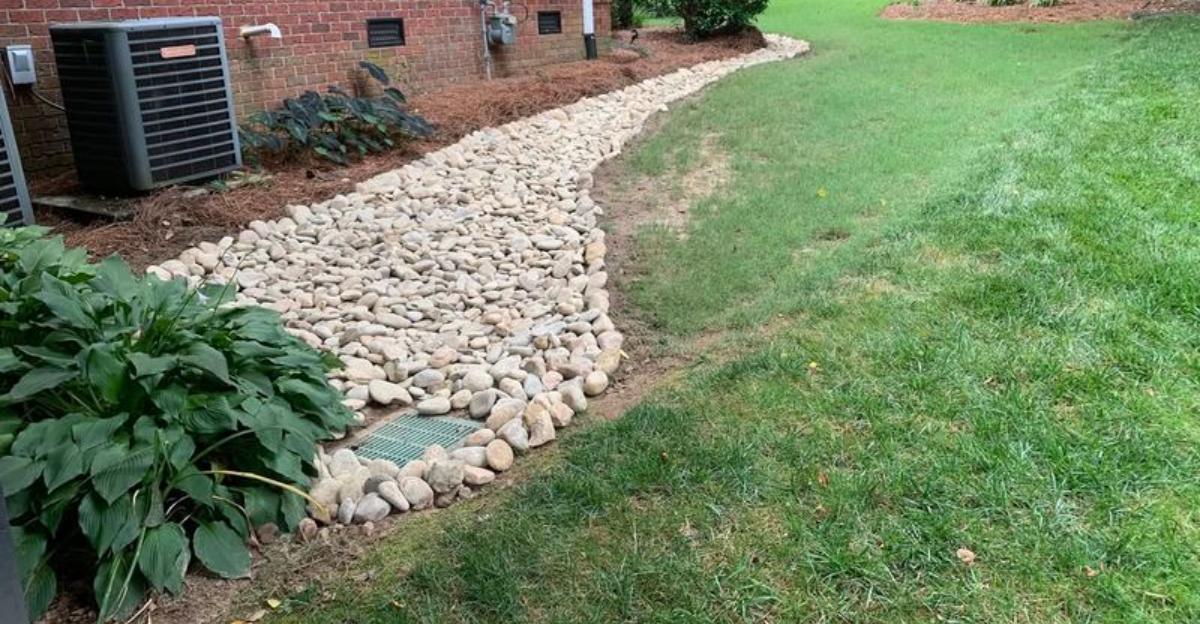
A French drain might sound fancy, but it is really just a trench filled with gravel and a perforated pipe that moves water away from problem areas. Water flows into the trench, travels through the pipe, and drains somewhere safer.
This system works great for yards with persistent wet spots that never seem to dry out.
You dig a shallow trench that slopes gently downhill, line it with landscape fabric, add the pipe, and cover everything with gravel. The fabric keeps soil from clogging the pipe over time.
The slope does not need to be steep—just enough for gravity to move the water along. Most French drains work well with a slope of about one inch per eight feet.
This project takes some digging, but you can do it yourself with basic tools. Pick a route that takes water to a safe spot like a drainage ditch or a dry well.
Avoid directing water toward your neighbor’s yard or any structure. Oregon clay soil can make digging tougher, so plan for a bit of extra effort.
Once installed, a French drain handles heavy rain without much maintenance. Check it once or twice a year to make sure nothing blocks the openings.
This system is one of the most reliable ways to manage serious drainage problems in a soggy yard.
3. Create A Rain Garden To Absorb Runoff Naturally
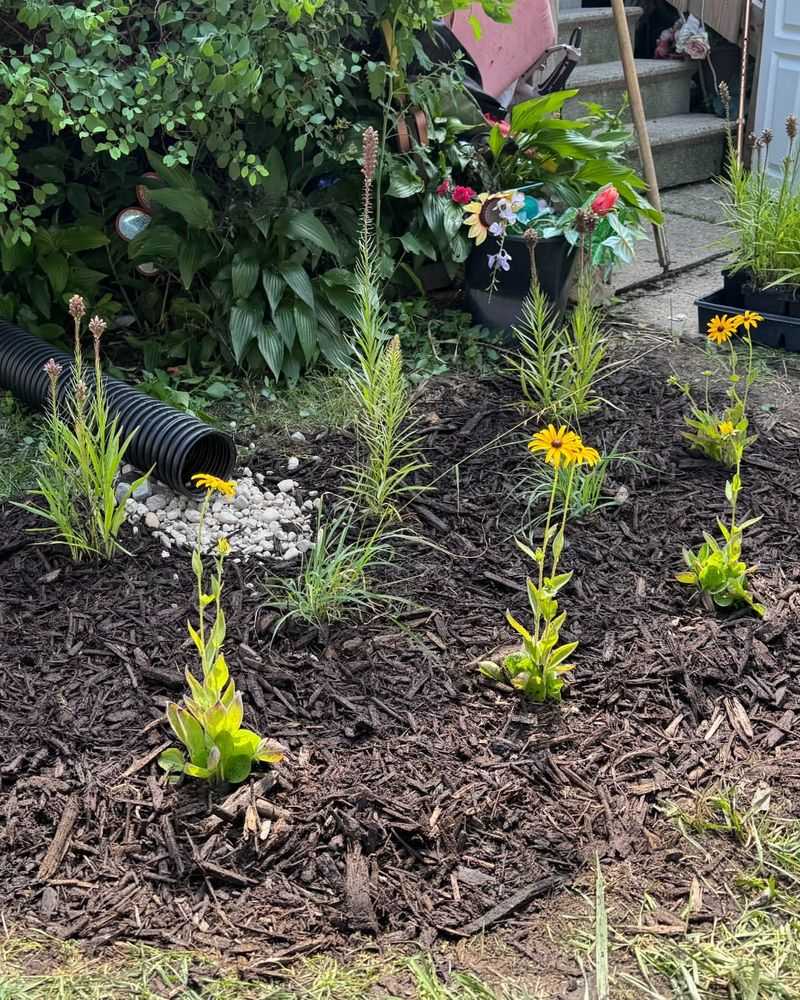
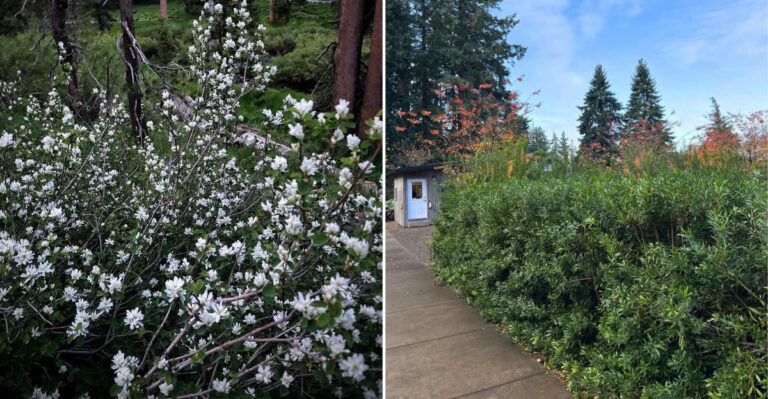
Rain gardens are shallow depressions planted with native shrubs, grasses, and flowers that thrive in wet conditions. They catch runoff from your roof, driveway, or lawn and allow it to soak into the ground slowly.
Instead of fighting the water, you use it to create a beautiful feature that benefits local wildlife and pollinators.
Choose a spot that already collects water but stays at least ten feet from your house. Dig a shallow basin about six inches deep and shape the edges gently.
Fill it with a mix of compost and native soil, then plant species like sedges, sword ferns, red twig dogwood, and Oregon iris. These plants handle wet roots in winter and drier conditions in summer.
Rain gardens filter pollutants and reduce the amount of water running into storm drains. They also add color and texture to your yard year-round.
January planting works well in Oregon because plants establish roots during the cool, moist season. Just make sure the garden drains within 24 hours to avoid standing water that attracts mosquitoes.
Maintenance is low once plants take hold. Mulch helps retain moisture and suppresses weeds.
You might need to water during dry spells in summer, but rain gardens mostly take care of themselves. This natural solution turns a problem into an asset.
4. Grade Your Yard To Encourage Proper Water Flow
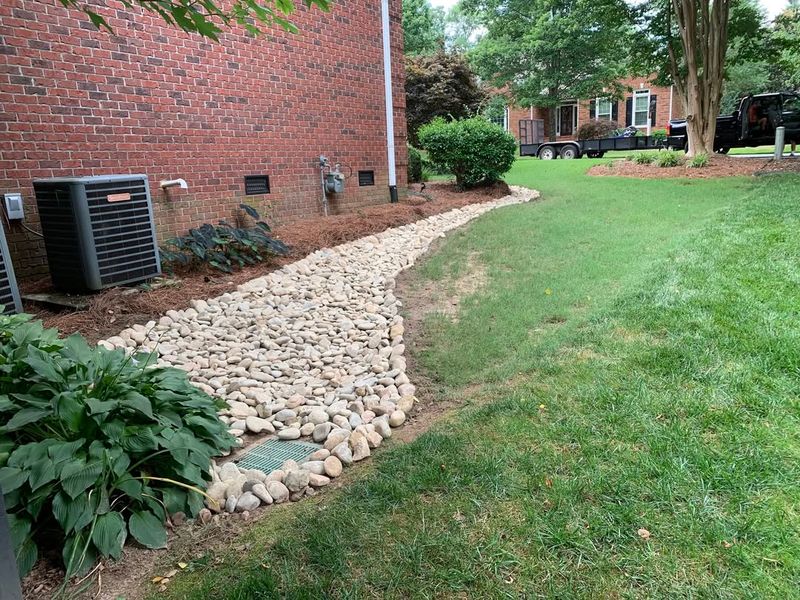
Flat or improperly sloped yards trap water instead of moving it away. Grading means adjusting the slope so water flows toward a safe drainage area rather than pooling near your house or in low spots.
Even a gentle slope makes a huge difference in how quickly your yard dries out after a storm.
Walk your yard during a rainstorm to see where water collects and which way it flows. You want the ground to slope away from your foundation at a rate of about two percent, or roughly one-quarter inch per foot.
This grade is subtle but effective. You can add soil to low areas or remove it from high spots to create the right slope.
Use a rake and shovel to move soil around, then compact it lightly so it does not settle unevenly. Topsoil works well for filling low areas, and you can plant grass seed or lay sod once the grade is set.
Avoid creating slopes that are too steep, as they can cause erosion and make mowing difficult.
Grading is hard work, especially in Oregon clay, but the results last for years. If your yard has major grading issues, you might want to rent equipment or hire help.
Proper grading protects your home, prevents puddles, and makes your yard more enjoyable in every season.
5. Add A Dry Creek Bed For Decorative Drainage
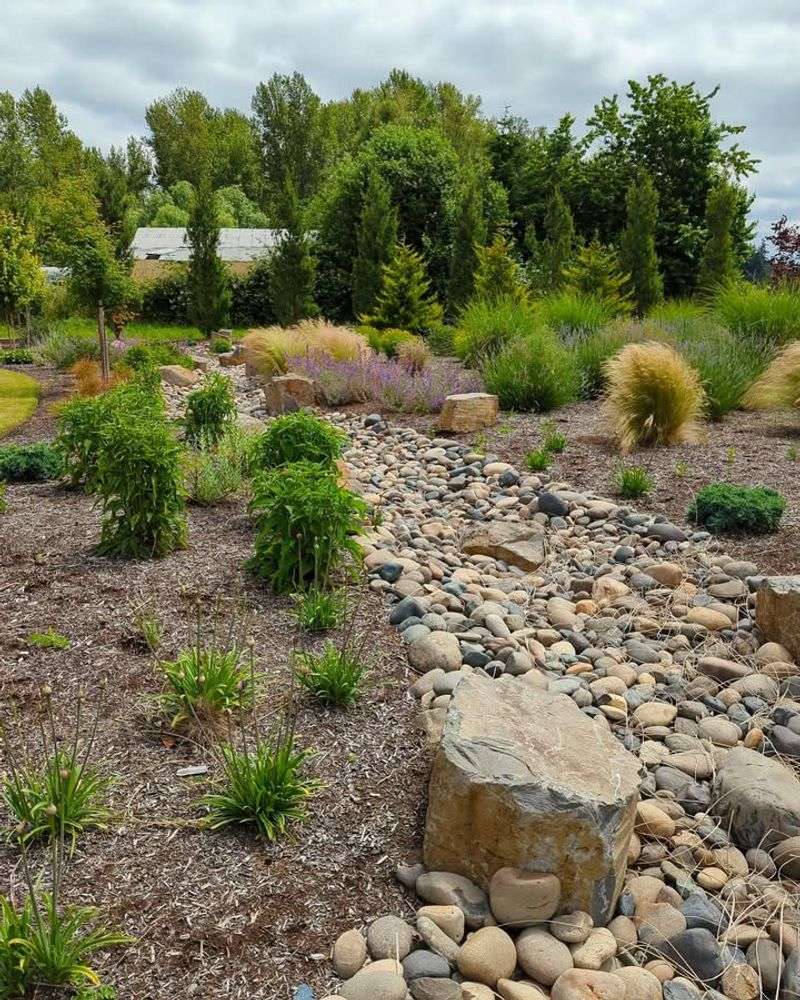
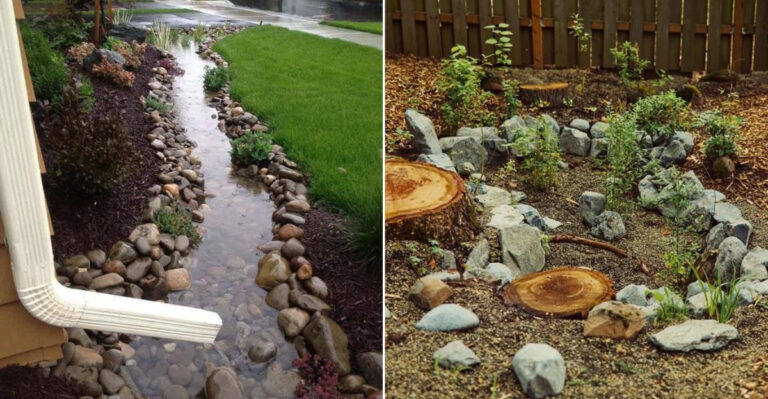
Dry creek beds combine function with beauty by mimicking a natural stream that only flows during rain. You line a shallow channel with rocks and gravel, then add larger stones along the edges.
Water follows the path during storms, and the rest of the time, you have an attractive landscape feature that looks intentional and artistic.
Start by mapping where water naturally flows across your yard. Dig a shallow, winding trench along that path, making it wider in some spots and narrower in others for a natural look.
Line the bottom with landscape fabric to prevent weeds, then add a layer of small gravel. Place larger rocks along the sides and scatter a few in the middle to break up the flow and add visual interest.
Dry creek beds work especially well if you want to hide a drainage problem while adding character to your yard. You can plant low-growing ground covers or ornamental grasses along the edges to soften the look.
Native plants like kinnikinnick or creeping thyme thrive in these conditions and need little care once established.
This project is easier than installing a French drain and offers more flexibility in design. You can adjust the size and shape to fit your space.
Oregon rocks are plentiful and affordable, so you can create a creek bed on a budget. The result is a drainage solution that looks like a design choice.
6. Aerate Compacted Soil To Improve Water Absorption
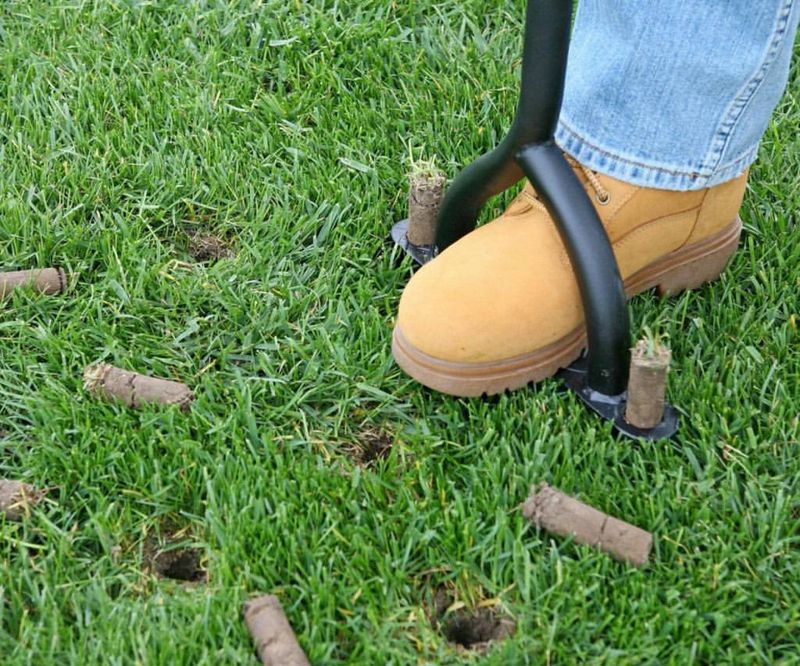
Compacted soil acts like concrete, forcing water to sit on the surface instead of soaking in. Heavy foot traffic, clay content, and rainy weather all contribute to compaction over time.
Aeration breaks up the hard layer and creates space for air, water, and roots to move through the soil more easily.
You can aerate with a manual tool that pulls out small plugs of soil, or rent a powered aerator for larger areas. January is a good time to aerate in Oregon because the soil is moist but not frozen.
The plugs you remove will break down naturally over a few weeks, returning nutrients to the lawn. Focus on areas that feel hard underfoot or where water pools after rain.
After aerating, consider spreading a thin layer of compost or sand to fill the holes and improve soil structure. This step helps even more water soak in and encourages healthier grass roots.
Avoid walking on freshly aerated soil until the plugs break down and the ground settles.
Aeration is not a one-time fix. Plan to do it every year or two, especially if you have clay soil.
The benefits add up over time, making your yard more resilient during heavy rain and dry spells. Healthier soil means less standing water and a greener lawn come spring.
7. Plant Water-Loving Trees And Shrubs Strategically
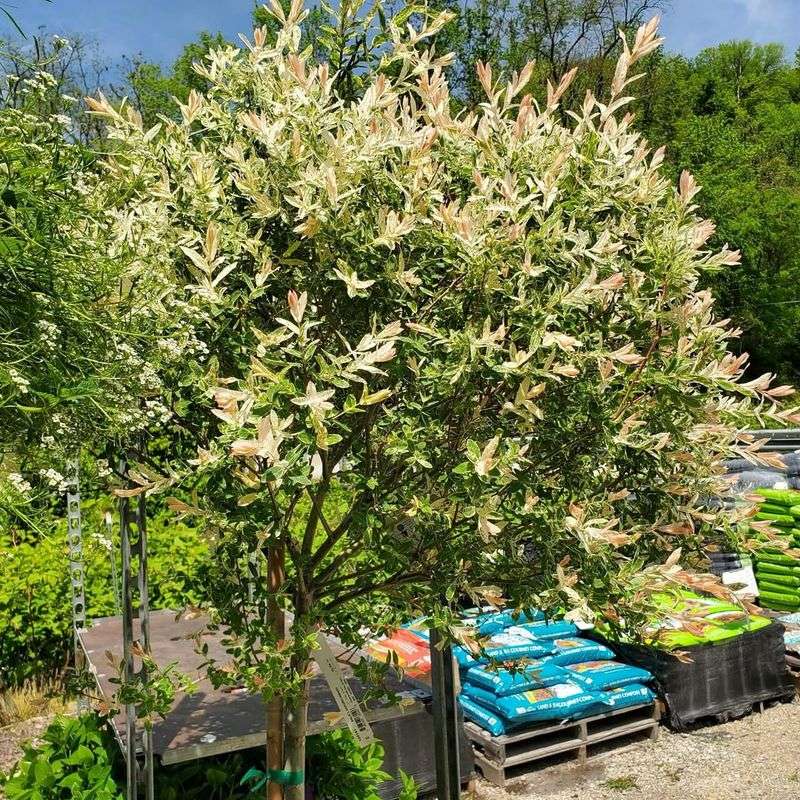
Certain trees and shrubs naturally absorb large amounts of water and can help dry out soggy areas. Willows, red osier dogwood, and Pacific ninebark all thrive in wet soil and pull moisture from the ground through their roots.
Planting these species in problem spots can reduce standing water while adding privacy and habitat for birds.
Choose a location where wet soil is a persistent issue but where a tree or shrub fits into your landscape plan. Dig a hole twice as wide as the root ball but no deeper, and backfill with native soil.
Water thoroughly after planting, even though the ground is already wet, to help roots settle in. Mulch around the base to conserve moisture and suppress weeds.
These plants work best as part of a larger drainage strategy rather than as a standalone solution. They will not fix severe flooding, but they do make a noticeable difference over time.
Oregon natives adapt quickly and need little maintenance once established. Avoid planting too close to structures, as roots can spread widely in search of water.
Water-loving plants also improve soil structure by adding organic matter as leaves and roots decompose. They create shade, reduce erosion, and attract beneficial insects.
This approach combines drainage improvement with ecological benefits, making your yard more functional and more beautiful at the same time.
8. Use Permeable Pavers For Patios And Walkways
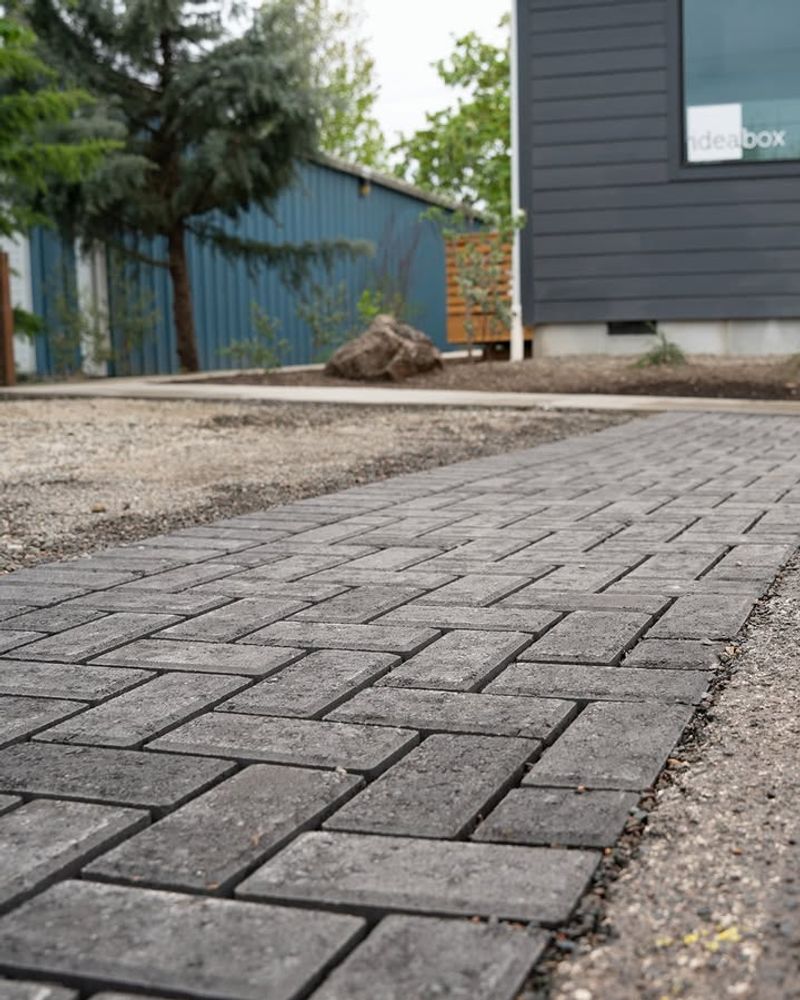
Traditional concrete and asphalt block water from soaking into the ground, forcing it to run off into your yard. Permeable pavers allow water to filter through gaps between stones or through the pavers themselves, reducing runoff and helping manage drainage naturally.
They work well for patios, walkways, and driveways where water tends to collect.
Permeable pavers come in many styles, from gravel-filled grids to interlocking stones with built-in gaps. Installation involves excavating the area, adding a gravel base for drainage, and laying the pavers with space between them.
The gaps fill with gravel or ground cover plants that let water pass through. This system spreads water across a larger area instead of concentrating it in one spot.
Oregon winters put these pavers to the test, and they hold up well as long as the base drains properly. They also reduce ice buildup because water drains away instead of freezing on the surface.
Maintenance is simple—just sweep off debris and refill gaps with gravel if needed. Weeds can grow in the gaps, but pulling them is easy, or you can use a weed barrier during installation.
Permeable pavers cost more upfront than solid concrete, but they offer long-term benefits for drainage and stormwater management. They also add texture and visual interest to your outdoor spaces.
This solution is both practical and attractive, making it a smart choice for wet climates.
9. Maintain Gutters And Drains To Prevent Overflow
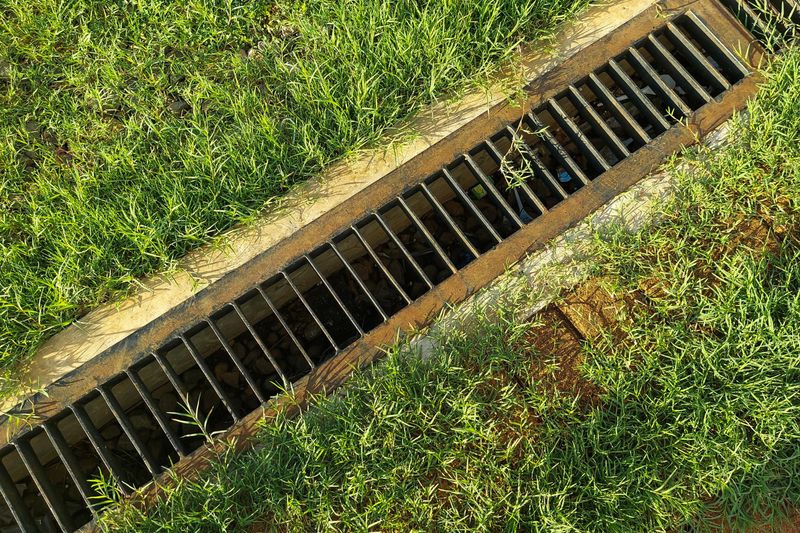
Clogged gutters and drains send water spilling over the sides and straight into your yard instead of directing it safely away. Leaves, twigs, and moss build up quickly in Oregon, especially during fall and winter.
Regular cleaning keeps water flowing where it should and prevents unnecessary flooding around your foundation.
Climb a sturdy ladder and scoop out debris from your gutters at least twice a year—more often if you have trees nearby. Check downspouts for blockages by running water through them with a hose.
If water backs up, use a plumber’s snake or a stiff wire to clear the clog. Gutter guards can reduce the amount of debris that gets in, but they still need occasional cleaning.
Inspect the joints and seams in your gutters for leaks or damage. Small holes can be patched with gutter sealant, but larger issues might require replacement sections.
Make sure gutters slope slightly toward the downspouts so water does not pool in the middle. Even a small amount of standing water can freeze and cause damage over time.
Drainage grates and storm drains on your property also need attention. Clear away leaves and dirt so water can enter freely.
A few minutes of maintenance now can save you from dealing with flooded flower beds or a soggy lawn later. Clean gutters are one of the easiest ways to protect your yard from excess water.