South Carolina Homeowners Are Finding A Strange Metallic Bug In Their Yards And Here’s What It Is
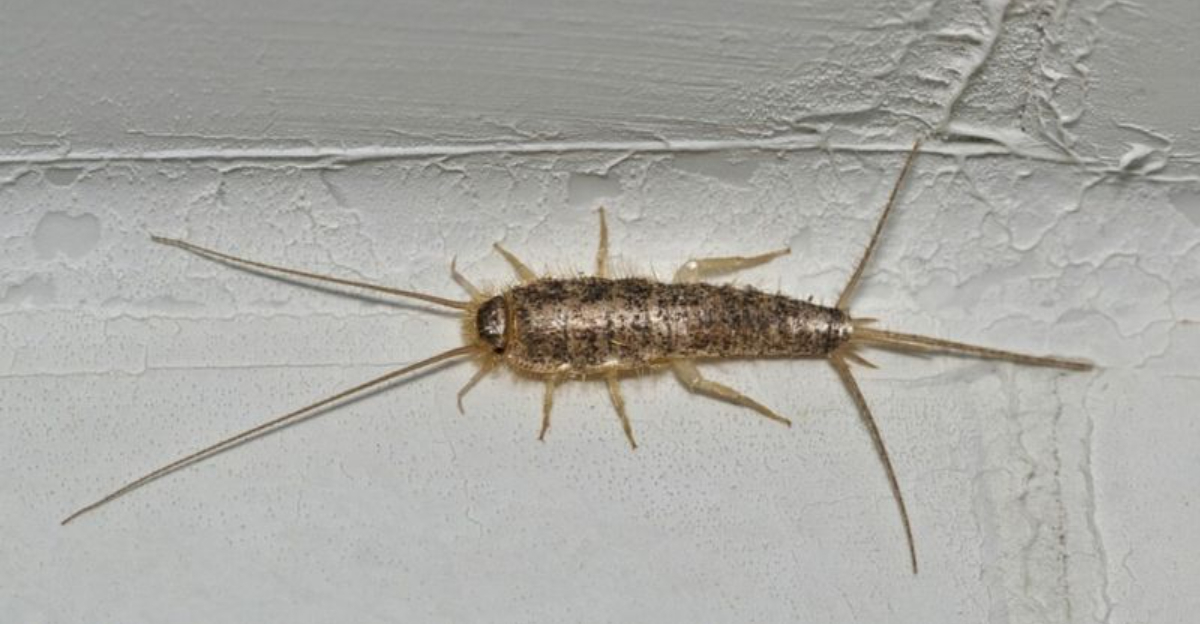
Across South Carolina, homeowners are spotting something that looks more like jewelry than an insect: tiny bugs flashing metallic greens, blues, or bronzes in the sunlight.
At first glance, they seem exotic—or even invasive—but their true identity is often misunderstood.
These metallic insects tend to appear suddenly, especially during warm, humid stretches.
Their shiny bodies make them stand out against soil and foliage, sparking concern about plants, pets, and property.
In many cases, these insects are native or harmless visitors drawn to specific environmental conditions.
Some are even beneficial, quietly controlling pests or aiding decomposition.
Understanding what they are—and what they aren’t—can save homeowners from unnecessary panic or pesticide use.
Sometimes, nature’s flashiest visitors are simply doing their job.
It’s A Silverfish (Lepisma Saccharina Or Related Species)
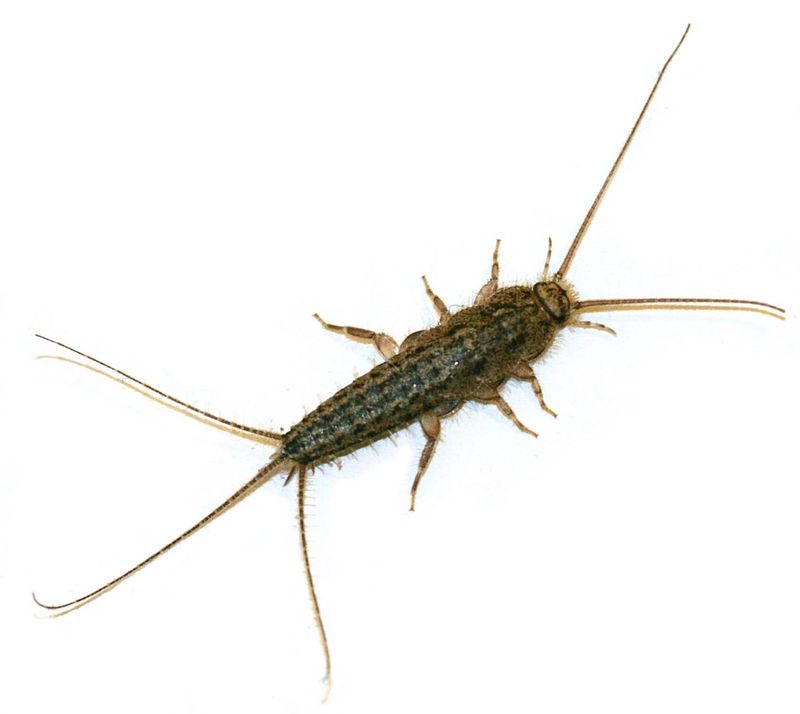
That strange, shimmering bug darting across your patio or bathroom floor is most likely a silverfish, one of the most ancient insects still around today.
Silverfish belong to a group of primitive, wingless insects that have existed for over 400 million years, long before dinosaurs walked the earth.
In South Carolina, the species you’re encountering is typically Lepisma saccharina, though related species also thrive in the region’s warm and humid environment.
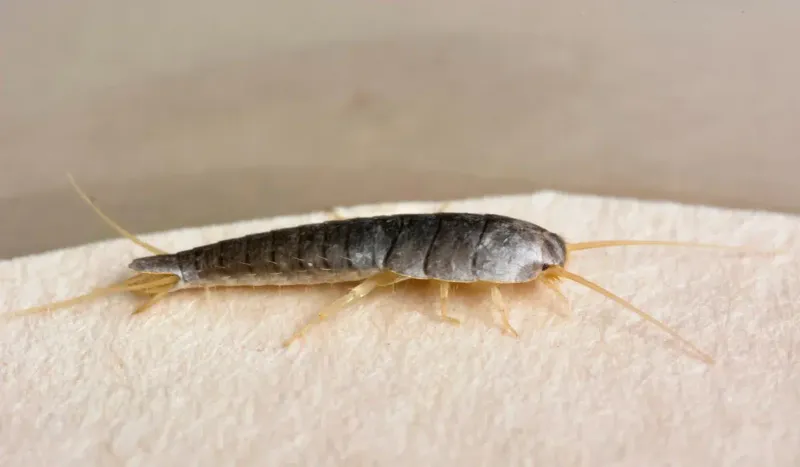
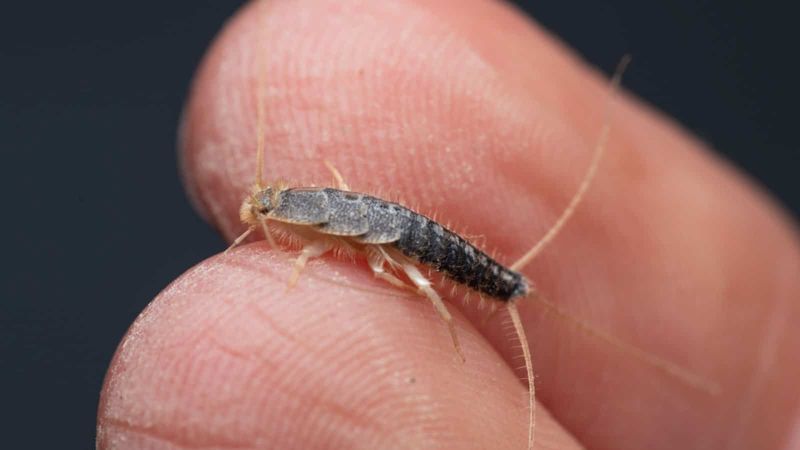
These insects are small, usually measuring between half an inch to three-quarters of an inch in length.
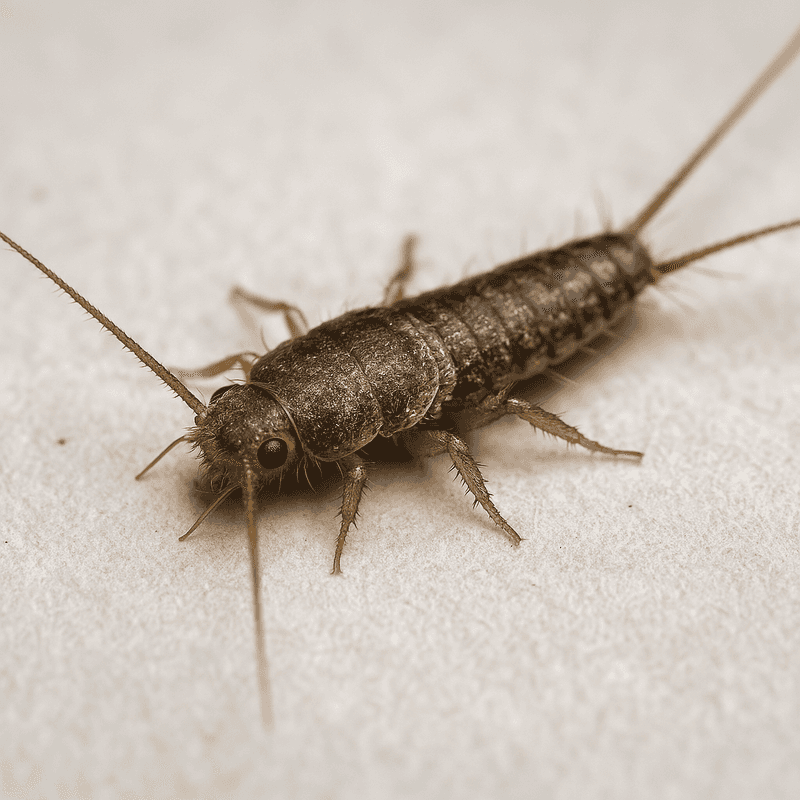
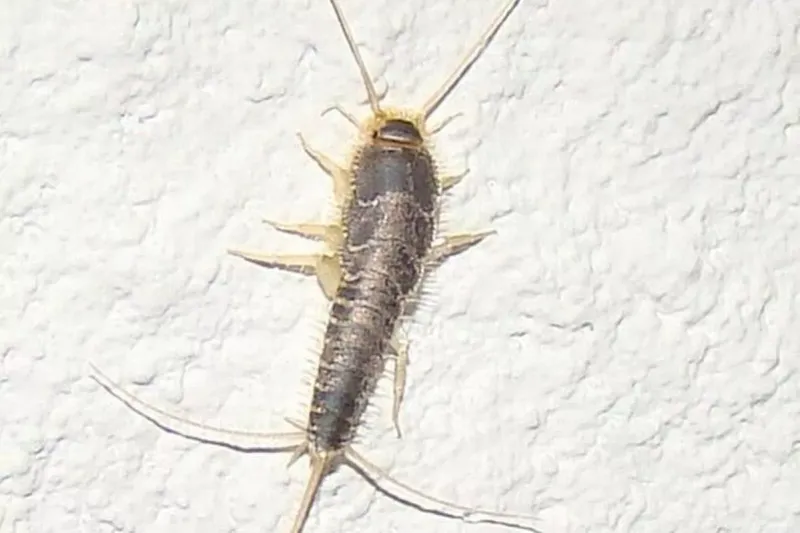
Their bodies are elongated and tapered, resembling a tiny fish, which is exactly how they got their common name.
Silverfish have three long, tail-like appendages at their rear end, which help them sense their surroundings and navigate tight spaces.
They lack wings entirely, so they move by wiggling their bodies in a fish-like motion across surfaces.
Because they prefer dark, damp areas, silverfish often go unnoticed until homeowners stumble upon them during late-night trips to the kitchen or while organizing storage spaces.
Their sudden appearance can be startling, but recognizing them as silverfish is the first step toward understanding and managing their presence effectively.
The Metallic Shine Comes From Tiny Body Scales
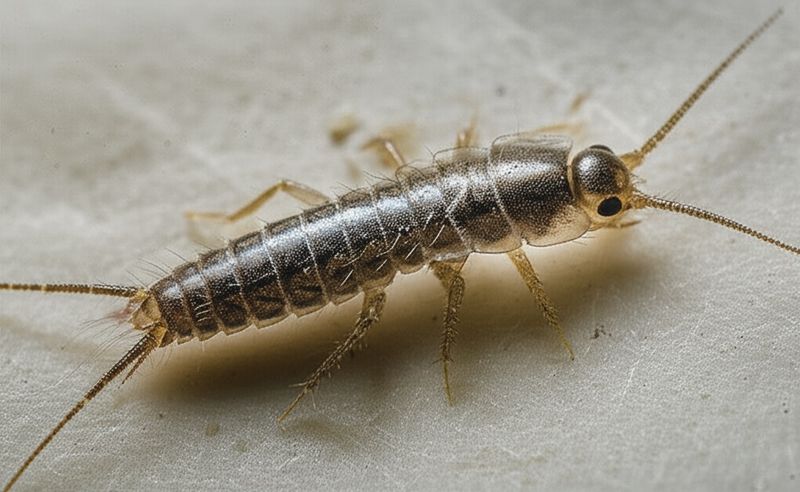
One of the most distinctive features of silverfish is their eye-catching, metallic appearance that makes them look almost otherworldly.
This shimmering effect isn’t paint or pigment—it comes from thousands of microscopic scales covering their entire body.
These scales overlap like roof shingles, creating a smooth, reflective surface that catches and bounces light in fascinating ways.
When a silverfish scurries across your floor under a lamp or flashlight, the scales reflect the light, giving the insect a silvery, chrome-like glow.
Some species may appear more bronze or gray, depending on the angle of the light and the specific type of silverfish.
The scales serve more than just an aesthetic purpose—they also help the insect slide through narrow cracks and crevices with ease.
Because the scales are so delicate, they can rub off if the silverfish squeezes through particularly tight spaces, leaving behind a faint, glittery residue.
This shimmer is what often catches homeowners’ attention first, especially when the bug moves suddenly across a dark surface.
Understanding that this metallic look is simply a natural adaptation can help demystify the insect and reduce any alarm you might feel upon seeing one.
South Carolina’s Humidity Creates Ideal Conditions
South Carolina’s climate is a paradise for silverfish, offering exactly the kind of environment these moisture-loving insects need to thrive.
With hot summers, mild winters, and consistently high humidity levels, the state provides year-round comfort for silverfish populations.
These insects prefer environments where the humidity stays above 75 percent, which is common in many South Carolina homes, especially in basements, crawl spaces, attics, and garages.
Even outdoor areas like shaded gardens, mulch beds, and leaf piles offer the damp conditions silverfish seek.
When outdoor humidity drops or temperatures fluctuate, silverfish instinctively migrate toward more stable environments—often right into your home.
Poorly ventilated bathrooms, laundry rooms, and kitchens become attractive destinations because of the moisture from showers, sinks, and appliances.
Coastal areas and regions near rivers or wetlands see even higher silverfish activity due to elevated moisture levels in the air and soil.
Homeowners who notice silverfish frequently should consider this a clue that indoor humidity might be higher than ideal.
Addressing moisture problems not only helps control silverfish but also protects your home from mold, mildew, and wood rot, making it a win-win for your household’s health and comfort.
They Live Outdoors Before Moving Indoors
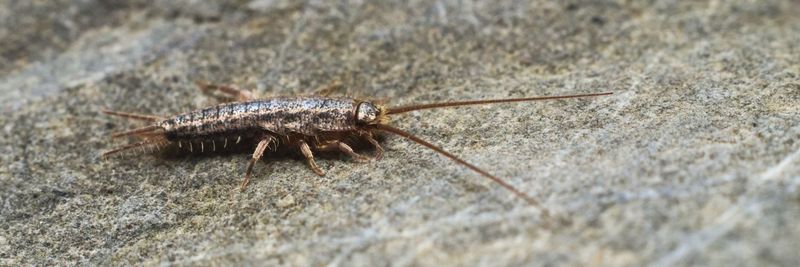
Before silverfish ever set foot—or rather, leg—inside your home, they live perfectly content lives outdoors in natural habitats.
You’ll find them hiding beneath rocks, logs, and piles of leaves, where moisture levels remain high and sunlight rarely penetrates.
Mulch beds, compost piles, and dense ground cover plants also provide excellent shelter and food sources for silverfish.
These insects are scavengers by nature, feeding on decaying plant material, fungi, and other organic matter found in soil and leaf litter.
As the seasons change or outdoor conditions become less favorable, silverfish begin searching for new places to settle.
Cracks in your home’s foundation, gaps around windows and doors, and openings where utility lines enter the house all serve as convenient entry points.
Once inside, they quickly adapt to the indoor environment, especially if they find moisture and food sources.
Homes with landscaping that includes heavy mulch right up against the foundation are especially vulnerable to silverfish migration.
Keeping mulch, leaf piles, and firewood at least a foot away from your home’s exterior can reduce the chances of silverfish making the journey indoors.
Regular inspection and sealing of entry points can further protect your living spaces from these uninvited guests.
They Are Most Active At Night
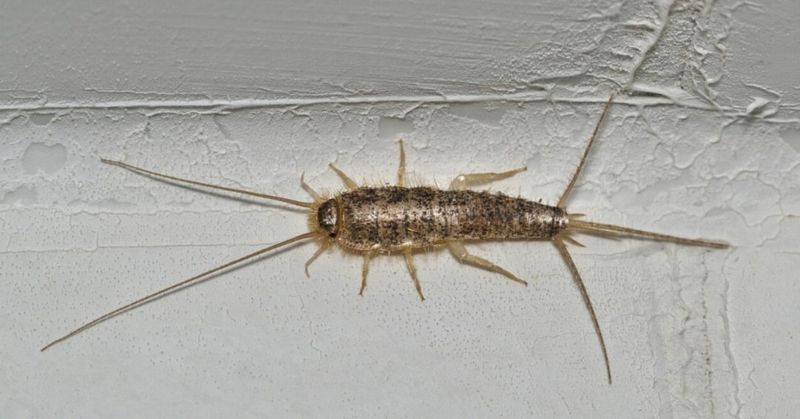
Silverfish are classic nocturnal creatures, meaning they prefer to stay hidden during the day and come out to explore and feed after the sun goes down.
This nighttime behavior is why many homeowners only notice silverfish when they flip on a bathroom light in the middle of the night or open a closet door unexpectedly.
During daylight hours, silverfish tuck themselves into dark, secluded spots like behind baseboards, inside cardboard boxes, or beneath sinks.
Their sensitivity to light drives this behavior—silverfish instinctively avoid bright areas because they feel exposed and vulnerable.
When you suddenly illuminate a room, a silverfish will often freeze for a split second before darting away in a zigzag pattern, which can be quite startling.
Their rapid, erratic movements are a defense mechanism designed to confuse predators and make them harder to catch.
If you’re seeing silverfish regularly at night, it’s a sign that there’s likely a stable population living somewhere in your home.
Checking for them with a flashlight in areas like laundry rooms, basements, and under kitchen sinks can help you identify their favorite hiding spots.
Knowing their nocturnal habits can help you plan your inspection and control efforts more effectively.
Silverfish Are Fast But Harmless
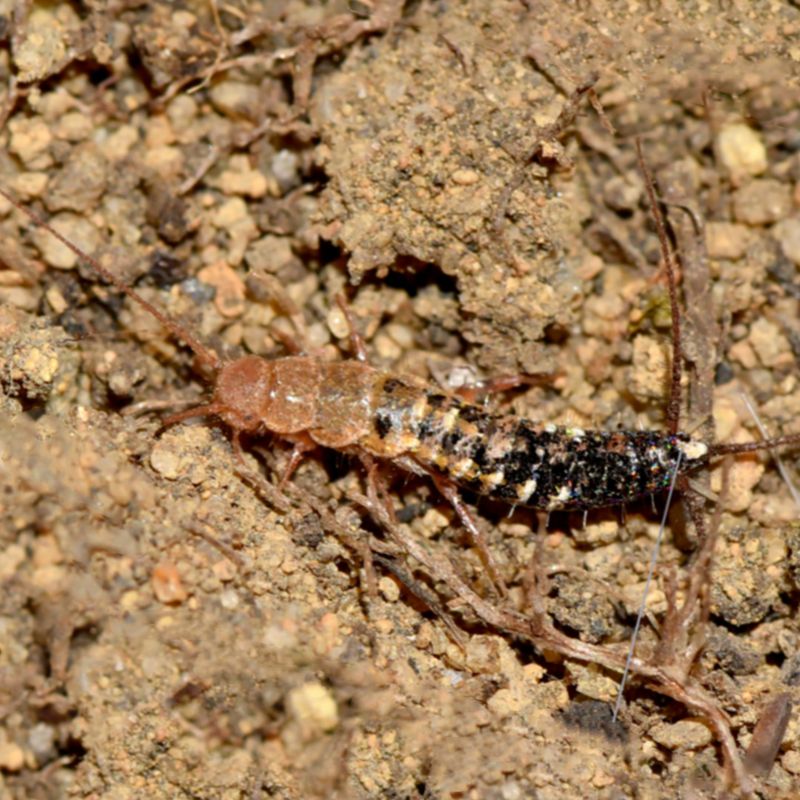
Despite their alarming speed and somewhat unsettling appearance, silverfish pose absolutely no threat to humans or pets.
They do not bite, sting, or carry diseases that can be transmitted to people.
Unlike some household pests, silverfish have no venom, no aggressive behavior, and no interest in interacting with humans at all.
Their quick, darting movements are purely defensive—silverfish are prey animals, and their speed is their primary survival tool.
When threatened, they can move at surprising velocities, zigzagging across floors and walls to escape danger.
This sudden burst of movement often startles homeowners, leading to misconceptions about the insect being dangerous or aggressive.
In reality, silverfish are more afraid of you than you are of them.
They prefer to avoid contact and will flee immediately if they sense vibrations or changes in light.
While they won’t harm you physically, silverfish can become a nuisance if their population grows unchecked, as they may damage household items.
Understanding that they’re harmless can help you approach silverfish management with a calm, practical mindset rather than panic.
There’s no need for alarm—just a bit of prevention and moisture control to keep them in check.
They Feed On Starches And Organic Materials
Silverfish have a surprisingly diverse diet, though they show a particular fondness for starchy and carbohydrate-rich materials.
In nature, they feed on decaying leaves, fungi, and plant matter, but indoors, they adapt their menu to include items commonly found in homes.
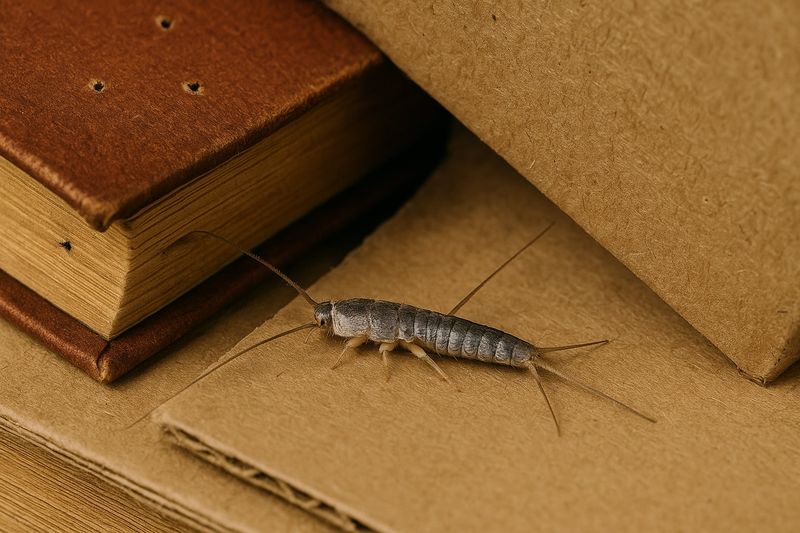
Paper products like books, magazines, wallpaper, and cardboard boxes are among their favorite snacks because of the starches and glues used in their production.
Fabrics made from natural fibers, such as cotton, linen, and silk, also attract silverfish, especially if the materials are stored in damp areas.
They’ll munch on clothing, curtains, and upholstery if given the opportunity.
Silverfish also consume dried goods like cereal, flour, oats, and pasta, which is why pantries and kitchen cabinets sometimes become hotspots for activity.
Even glue, including the paste used in book bindings and wallpaper, provides a tasty meal for these insects.
Their feeding habits can lead to noticeable damage over time, such as irregular holes in paper, yellow stains on fabrics, and surface scraping on book covers.
While the damage is usually cosmetic rather than catastrophic, it can be frustrating, especially if cherished books or important documents are affected.
Storing vulnerable items in airtight containers and reducing humidity can help protect your belongings from silverfish appetites.
Their Presence Signals Moisture Problems
Spotting a silverfish in your home is often less about an insect infestation and more about an underlying moisture issue.
These insects are excellent indicators of high humidity, poor ventilation, or water leaks that might otherwise go unnoticed.
If you’re seeing silverfish regularly, it’s worth investigating areas where moisture might be accumulating.
Check under sinks for dripping pipes, inspect your basement or crawl space for standing water, and look for signs of condensation on windows or walls.
Bathrooms without proper ventilation, laundry rooms with poor airflow, and kitchens with leaky appliances are all common culprits.
Silverfish need moisture to survive, so their presence is a clear signal that conditions in your home are wetter than they should be.
Addressing these moisture problems not only helps control silverfish but also prevents more serious issues like mold growth, structural damage, and wood rot.
Installing dehumidifiers, improving ventilation with exhaust fans, and repairing leaks can make a significant difference.
Once you reduce indoor humidity to below 50 percent, silverfish will find your home far less appealing and will either leave or struggle to survive.
Think of silverfish as helpful messengers, alerting you to conditions that need your attention for a healthier, more comfortable home.
They Are Often Confused With Firebrats Or Roach Nymphs
At first glance, silverfish can easily be mistaken for other household insects, leading to confusion and sometimes unnecessary worry.
Firebrats, close relatives of silverfish, look remarkably similar but prefer even warmer environments, such as near furnaces, ovens, and hot water heaters.
While silverfish have a silvery-gray color, firebrats tend to be more mottled with brown and gray patterns.
Both insects share the same elongated, tapered body shape and three tail-like appendages, making them hard to distinguish without close inspection.
Young cockroaches, or nymphs, are another common source of confusion because they’re small, fast-moving, and sometimes found in similar damp areas.
However, cockroach nymphs have a more oval, flattened body shape and lack the fish-like wiggle and metallic sheen of silverfish.
Experts recommend looking closely at the insect’s movement, body texture, and tail structure to make an accurate identification.
Silverfish move in a characteristic side-to-side wiggle, while cockroaches scurry in a more straightforward manner.
If you’re unsure, taking a clear photo and consulting with a pest control professional or extension service can provide clarity.
Proper identification is important because control methods and prevention strategies can vary depending on the pest you’re actually dealing with.
Reducing Humidity Is The Most Effective Control
Pest control experts and entomologists agree that the most successful long-term strategy for managing silverfish is simply making your home less hospitable to them.
Chemical treatments and traps can provide temporary relief, but without addressing the root cause—excess moisture—silverfish will likely return.
Lowering indoor humidity to below 50 percent creates an environment where silverfish struggle to survive and reproduce.
Using dehumidifiers in basements, crawl spaces, and other damp areas is one of the most effective steps you can take.
Improving ventilation by installing exhaust fans in bathrooms and kitchens helps moisture escape rather than accumulate.
Sealing cracks and gaps around doors, windows, and foundations prevents silverfish from entering your home in the first place.
Reducing clutter, especially in storage areas, eliminates hiding spots and makes your home less attractive to these insects.
Storing paper goods, fabrics, and dry foods in sealed plastic containers protects them from silverfish damage.
Fixing leaky pipes, clearing clogged gutters, and ensuring proper drainage around your home’s foundation also contribute to a drier, less inviting environment.
These practical, non-toxic measures not only control silverfish but also improve overall air quality and protect your home’s structure, making them a smart investment for any homeowner.