Southern Black Widow Spiders May Still Be Active Around Georgia Homes In November
Black widow venom is highly potent, but comparisons with rattlesnake venom vary depending on the species and how toxicity is measured. The amount in a single bite is tiny, which is why serious harm is rare.
Still, that fact made me pause the first time I read it.
Here in Georgia, many of us treat November like a clean slate. The tomatoes are pulled, the mosquitoes finally ease up, and the garden gloves come out for one last big tidy-up.
I used to reach into flower pot stacks and firewood without a second thought. Now I take a quick peek first, and you should too.
Our mild fall days give certain shy, glossy neighbors plenty of time to settle into the very spots we love to clean.
Who exactly is hiding under your patio chair right now, and how worried should you be?
1. That Shiny Spider Under The Patio Chair Hasn’t Packed Up For Winter
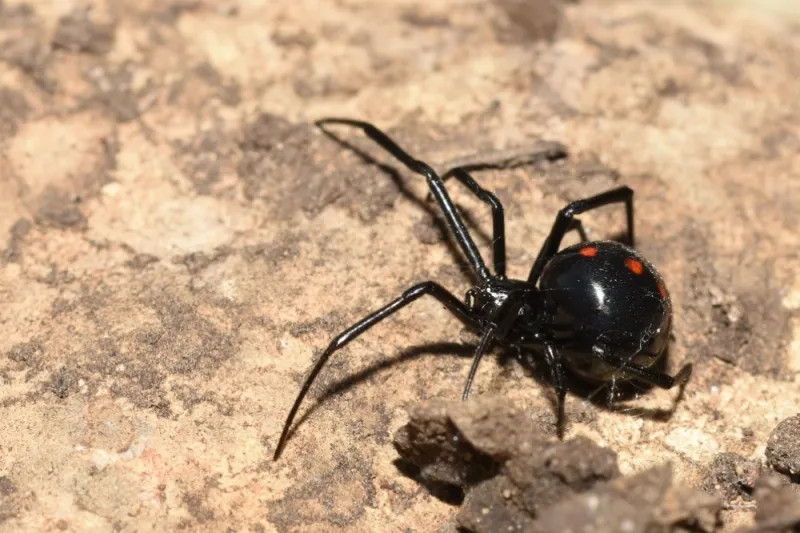
Fall cleanup surprised me one year when I flipped an old resin chair and found a glossy black spider tucked in a messy web. It was mid-November, and she looked perfectly comfortable.
Southern black widows live across all of Georgia, from the mountains to the coast. They do not follow a strict calendar the way some insects do.
Many adult females survive well into fall, and some live through winter in sheltered spots.
Pest experts and extension sources note that spider sightings often peak from September through October. Activity usually fades as real cold settles in, but that can take until December or later in much of the state.
November in Georgia is a mixed bag. North Georgia may see hard frosts, while south Georgia can stay mild for weeks.
Warm afternoons keep insects moving, and that means widows keep finding meals.
A few chilly mornings do not mean spiders have vanished. They often slow down, hide deeper, and wait for warmer days to stir again.
So when you tackle late-season chores, assume a widow could still be home. A little caution now saves you a nasty surprise later, especially around furniture and pots that sat untouched all summer.
2. Cooler Nights Push Black Widows Into Garages And Sheds
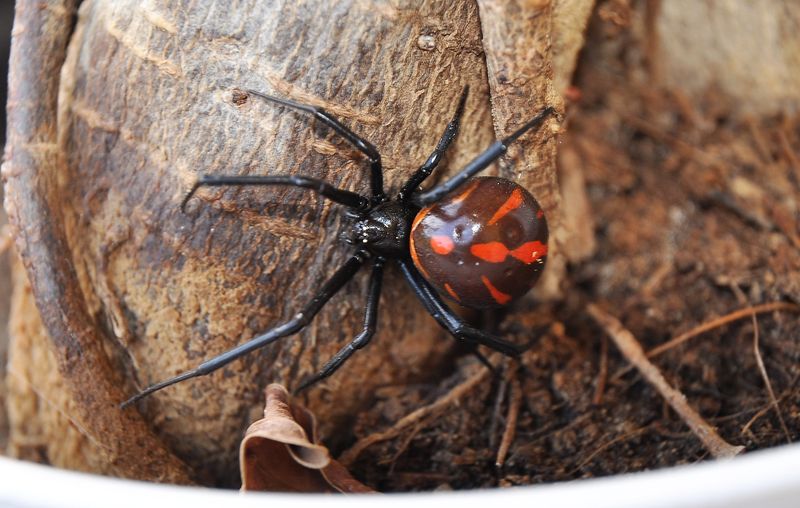
Cold snaps change the game for these spiders. As temperatures drop, black widows often seek sheltered, undisturbed places close to buildings, and our garages and sheds fit the bill nicely.
They are not storming the living room. Most widows prefer dark corners with very little foot traffic, like under shelves, behind paint cans, or inside forgotten boxes.
Crawl spaces and the gap under a deck work just as well.
Here is something I find funny. Your shed probably feels like a five-star resort to a spider in November, with stable temperatures, lots of hiding spots, and crickets wandering in for shelter too.
Drought can push them in the same direction. Dry spells send insects toward buildings for moisture, and widows follow the food.
You can make these spaces far less inviting with a few habits:
Store items in sealed plastic bins instead of cardboard. Keep things off the floor when possible.
Sweep corners and knock down webs with a long broom every few weeks.
Before you grab the leaf blower or holiday decorations, shine a flashlight into the corners first. That quick glance takes only seconds, and it helps you spot a web before your hand finds it.
3. Firewood Stacks Make A Cozy Black Widow Hideout
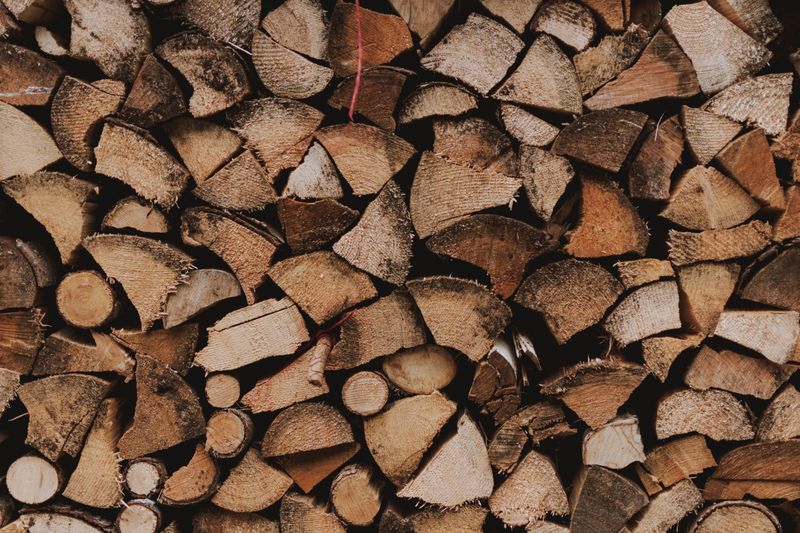
Nothing says cozy like a fire on a crisp November evening. Unfortunately, the firewood stacked by your back door may already have a tenant.
Woodpiles are textbook black widow habitat. They offer dark gaps, little disturbance, and plenty of beetles and other insects to catch.
University of Georgia entomologists list woodpiles, rock piles, and debris among the spots where widows commonly settle.
Personally, I learned to slow down here. Grabbing logs bare-handed in the dark is one of the most common ways people get bitten, since a spider pressed against skin will defend itself.
A few smart changes make a real difference:
Stack wood at least 20 feet from your house if you can, and keep it raised off the ground on a rack. Wear thick leather gloves every time you gather logs.
Bring in only what you plan to burn that day.
Give each log a firm tap or shake before carrying it inside. That small motion often encourages a hidden spider to drop off.
Skip spraying pesticides on firewood, since treated wood should not be burned indoors. Good stacking habits and gloves handle the job far better.
4. Look For The Red Hourglass On A Glossy Black Belly
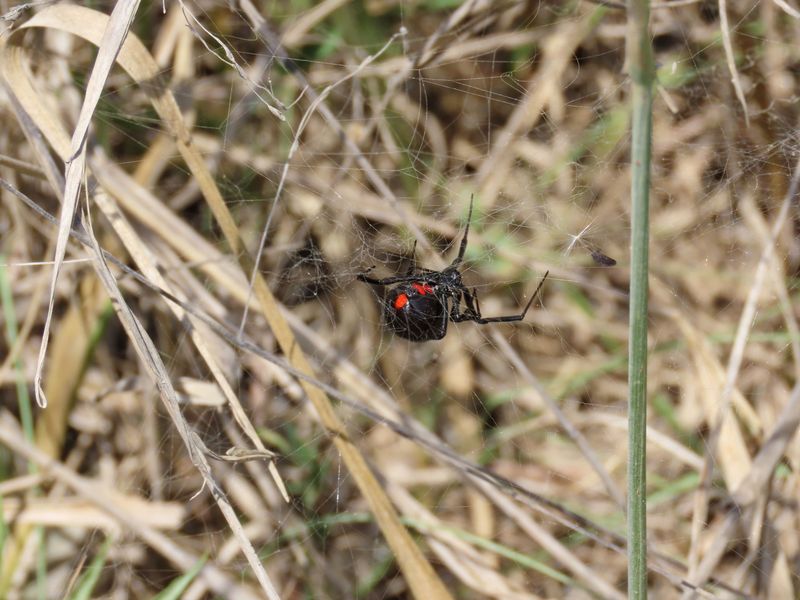
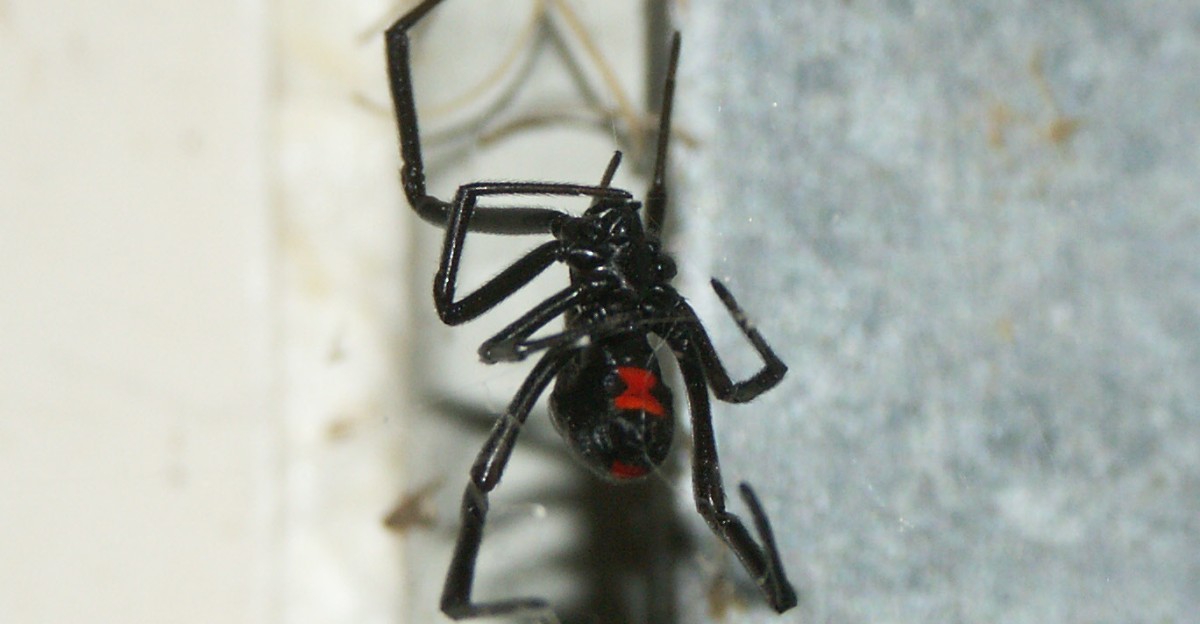
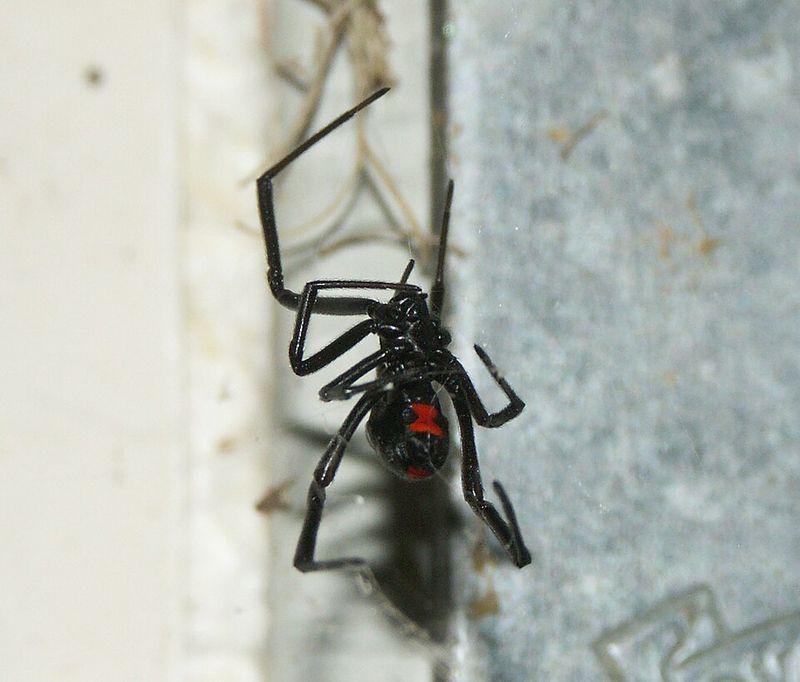
Shiny as a patent leather shoe, the adult female southern black widow is hard to mistake once you know what to look for.
She has a round, glossy black abdomen about a half inch long, with slender legs. Flip her view over, and you will usually see a red hourglass on the underside.
In the southern species, that hourglass is often split into two triangles with a small gap between them.
Many females also show a small red spot near the spinnerets on top of the abdomen. Since widows hang upside down in their webs, the hourglass often faces you.
Males are a different story. They are much smaller, lighter colored, and carry tan or reddish markings, and they rarely bite people.
Young widows can look surprisingly colorful too, with orange, white, and brown patterns before they darken with age.
The web itself gives clues. Instead of a neat wheel shape, widows spin a tangled, strong, messy web, usually low to the ground.
Not every black spider is a widow, though. Plenty of harmless lookalikes, such as false widows, live around homes, so check for that hourglass before panicking.
5. A Black Widow Bite Needs Prompt Attention
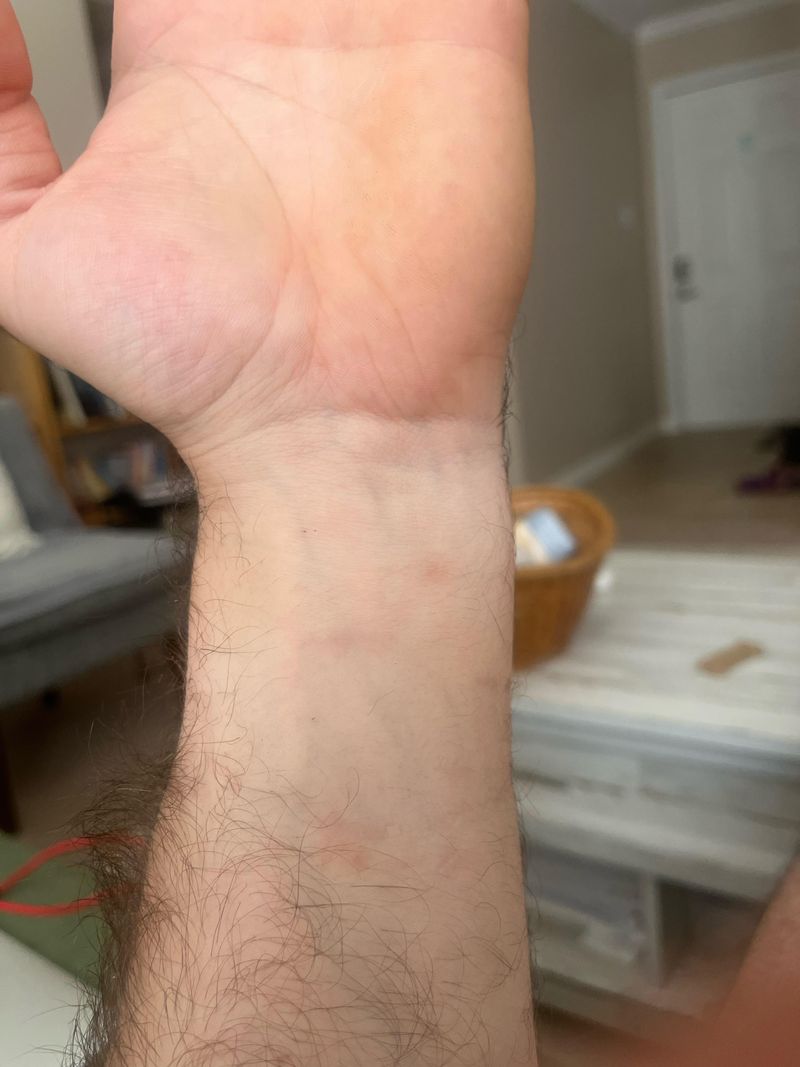
Let me be honest about this part, because it matters most. Black widows are shy and not aggressive, but their venom is a neurotoxin, and a bite deserves real attention.
Most bites happen by accident, when a spider gets pinched against skin inside a glove, boot, or woodpile. Females guarding egg sacs are also more defensive.
The bite itself may feel like a small pinprick, or you may not notice it. Within an hour or so, symptoms can include muscle cramps, stomach pain, sweating, and nausea.
If you suspect a bite, stay calm and act quickly:
Wash the area with soap and water. Apply a cool compress and keep the limb still.
Call Poison Control at 1-800-222-1222 or seek medical care.
Get help right away for young children, older adults, and anyone with heart or health conditions, since they face the highest risk of serious reactions. Doctors can treat pain and muscle spasms effectively, and antivenom exists for severe cases.
If possible, safely capture or photograph the spider for identification. Serious outcomes are rare in healthy adults, but quick action keeps an uncomfortable bite from becoming a bigger problem.
6. Papery Black Widow Egg Sacs Tell You A Spider Is Nearby
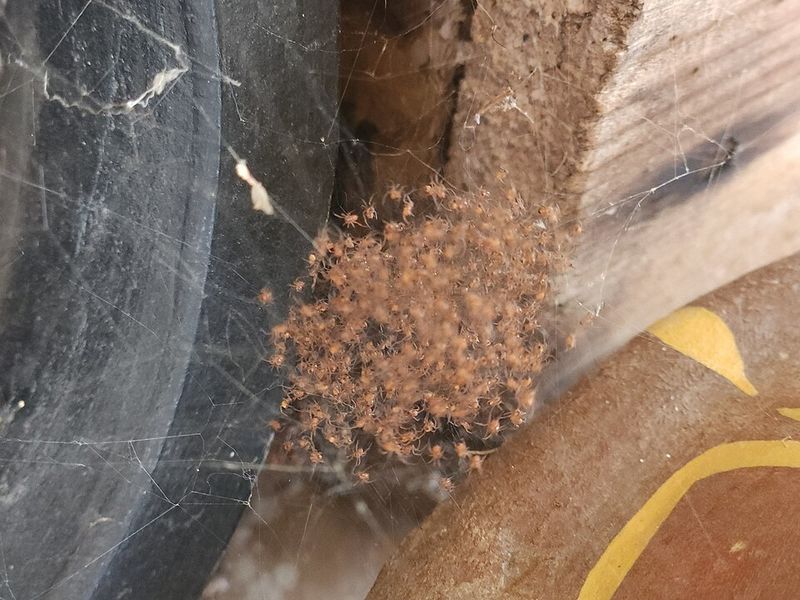
Ever found a tiny tan ball tucked into a web and wondered what it was? It could be a black widow egg sac, and it tells you a female is close by.
These sacs are round or slightly pear shaped, about a half inch across, and look papery. Colors range from cream to tan.
Each one can hold a few hundred eggs.
Females usually produce several sacs during the warm months. Some laid late in the season may still be hanging around in fall, and spiderlings can stay inside before emerging.
Here is the part worth remembering. A female guarding her sac is more likely to bite if disturbed, so do not reach toward one with bare hands.
Removing sacs is simple with the right approach. Use a long stick, broom, or vacuum hose to pull the web and sac away.
Seal vacuum contents in a bag and toss it in an outdoor trash can.
Fun fact for curious kids: many tiny spiderlings eat each other after hatching, so only a small fraction of each batch grows up. Nature keeps those numbers in check better than you might expect.
7. Tidy Up Your Foundation And Gloves Before Winter Chores
My favorite fall ritual is a slow walk around the house with a flashlight, a broom, and a pair of gloves. It takes under an hour and makes the whole property less welcoming to widows.
Start at the foundation. Rake away leaf piles, clear old pots and boards, and trim shrubs so they do not touch your siding.
Next, seal the easy entry points. Caulk cracks, add door sweeps, and repair torn window screens.
Check meter boxes, water valve covers, and outdoor faucets, since widows love those tight spaces.
Outdoor lights attract insects, which then attract spiders. Switching to yellow bug lights or motion sensors can reduce that buffet.
Make gloves part of every winter chore. Shake out boots, gardening gloves, and jackets left in the garage before putting them on.
Remember that most spiders around your home are helpful pest controllers. Widows are worth managing, but a blanket spray of the whole yard is rarely needed.
Targeted cleanup works better.
If you see repeated widows near doors or play areas, a licensed pest professional can help. Otherwise, these simple habits keep your November garden peaceful and enjoyable.