Southern California Gardeners Love These 10 Reliable Plants
Southern California gardeners know the secret to a great garden is simple. Choose plants that love the sunshine as much as you do.
The real stars are the reliable ones that keep growing, blooming, and looking fresh even when the weather turns hot, dry, and unpredictable. Imagine colorful flowers, vibrant foliage, and easy going greenery that brighten your yard without constant fuss.
These trusted favorites handle heat, tolerate dry soil, and bounce back beautifully season after season.
No drama, no endless watering, just strong, steady garden performance.Planting a front yard, refreshing a patio, or filling bare spots becomes simpler and more enjoyable with dependable plants that truly perform.
These tough yet beautiful favorites are the ones Southern California gardeners trust season after season to keep outdoor spaces lively, colorful, and effortlessly stunning all year long under that famous golden sun.
1. Agave
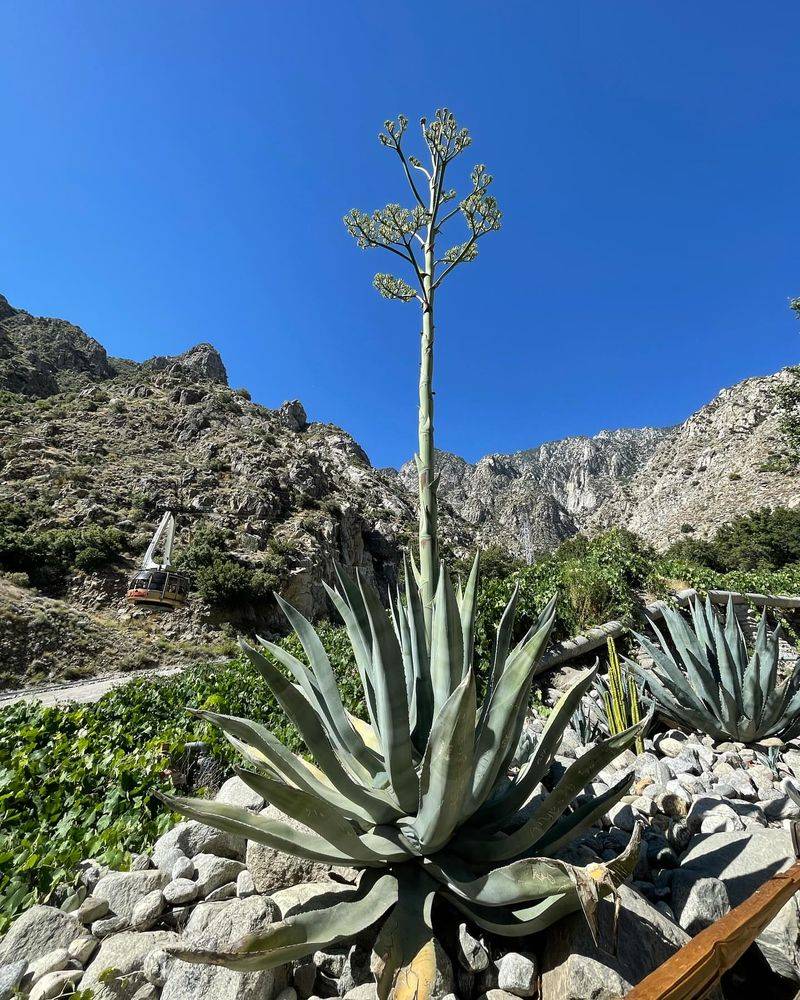
Sculptural shapes and architectural presence make agave a standout choice for water-wise gardens. These succulents store water in their thick leaves, allowing them to survive long periods without irrigation.
Their bold forms create focal points that look intentional and artistic rather than accidental.
Dozens of agave species work well in Southern California gardens. Some stay compact while others grow several feet across.
The blue-gray, green, or variegated leaves often have sharp spines along the edges and tips. Gardeners plant them away from pathways to avoid accidental encounters with those points.
Agaves thrive in full sun and rocky or sandy soil. They actually perform better with neglect than with too much attention.
Overwatering causes root rot, so less is definitely more. These plants evolved in desert conditions and bring that toughness to urban landscapes.
Eventually, mature agaves send up tall flower stalks that can reach 15 feet or higher. After flowering, the main plant completes its life cycle, but it usually produces baby plants called pups around its base.
These offsets continue the cycle, ensuring the garden never loses its agave presence. This makes them both low-maintenance and self-renewing.
2. Bougainvillea
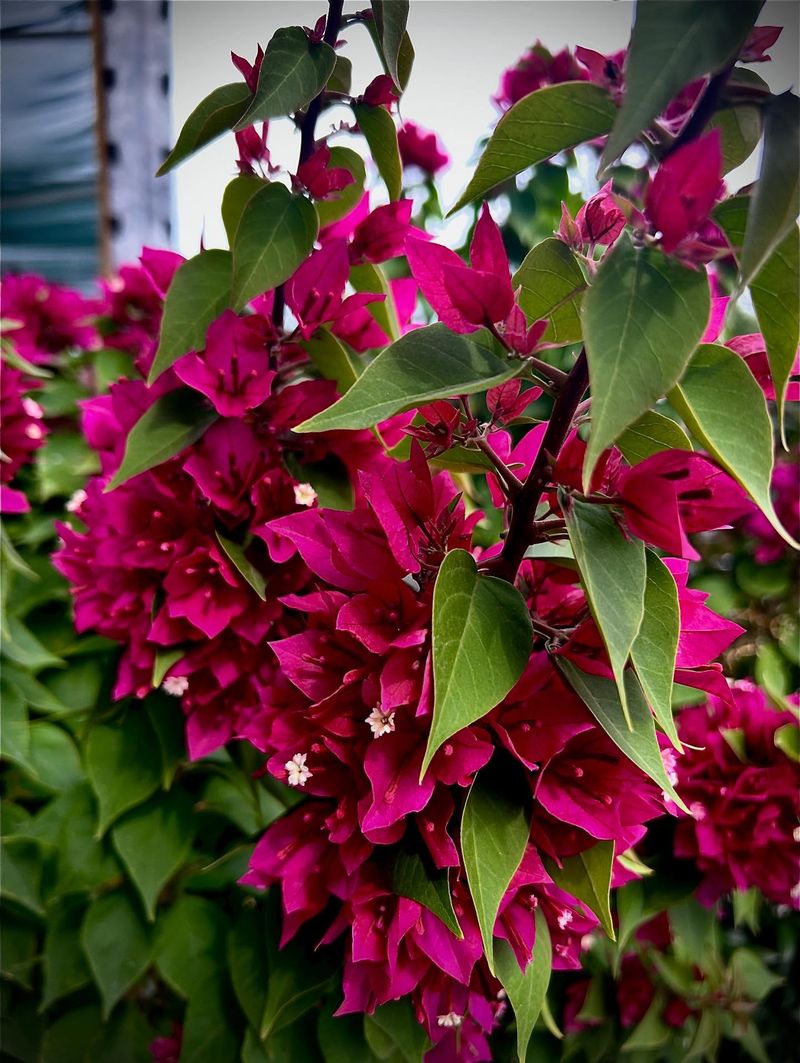
Bright papery blooms covering walls and fences make this plant a Southern California icon. Bougainvillea brings explosive color to gardens across the region, with shades ranging from hot pink and purple to orange, red, and white.
Once established, it tolerates heat and drought like a champion.
The plant grows fast and can cover large areas quickly. Many gardeners use it to hide unsightly walls or create living privacy screens.
The colorful parts are actually modified leaves called bracts, not true flowers. The real flowers are tiny and tucked inside those papery bracts.
Bougainvillea needs full sun to produce its best color display. It prefers well-draining soil and doesn’t appreciate wet feet.
After the roots settle in, it needs very little water. Occasional deep watering during extended dry spells keeps it happy.
Pruning helps control its enthusiastic growth habit. Gardeners in Southern California often shape it into hedges, topiaries, or train it along arbors.
It blooms heaviest in spring and fall when temperatures moderate slightly. This reliable performer brings tropical vibes without tropical maintenance requirements, making it perfect for busy gardeners who want maximum impact with minimum effort.
3. Lavender
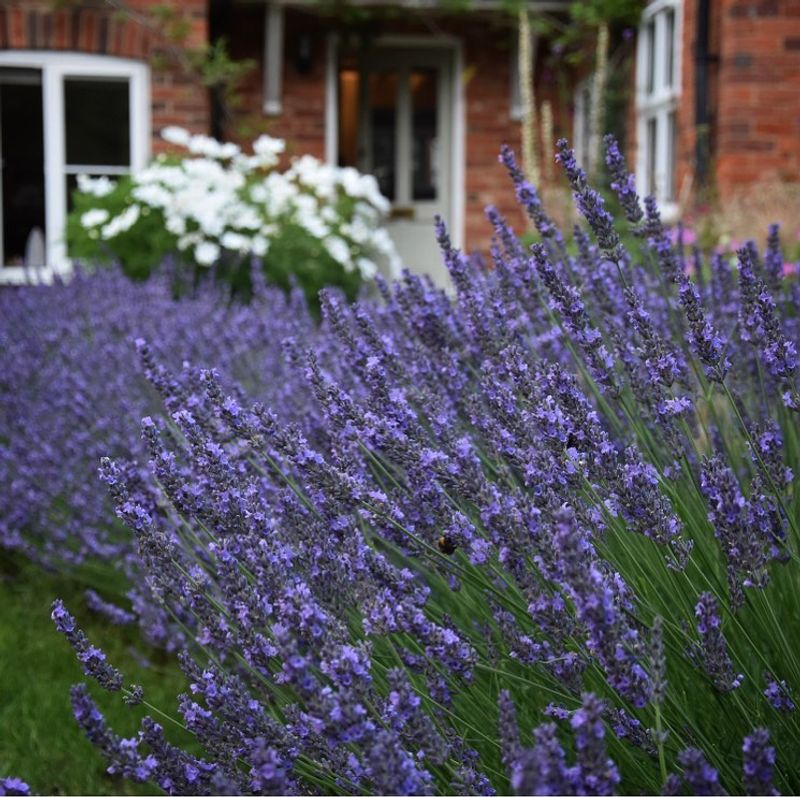
Fragrant purple spikes attract bees and butterflies while releasing a calming scent across the garden. Lavender brings both beauty and function to Southern California landscapes.
The Mediterranean origins of this plant make it perfectly suited to the region’s similar climate patterns.
Several lavender varieties flourish in local conditions. Spanish lavender handles heat especially well, while English lavender offers the most fragrance.
French lavender sits somewhere in between. All types prefer full sun and excellent drainage.
The silvery-green foliage looks attractive even when flowers aren’t blooming. Lavender makes excellent border plants or can fill entire beds for dramatic effect.
Many gardeners plant it near patios and walkways where people brush against it, releasing bursts of scent. The aromatic oils also discourage deer and rabbits from nibbling.
Regular pruning keeps plants compact and encourages more blooms. Cut back spent flowers and shape plants after the main flowering period ends.
Lavender tolerates dry conditions beautifully once established. In Southern California, it often blooms multiple times throughout the year rather than just once.
Harvested flowers dry easily for sachets, crafts, or culinary uses. This multipurpose plant delivers far more value than its simple care requirements suggest.
4. Rosemary
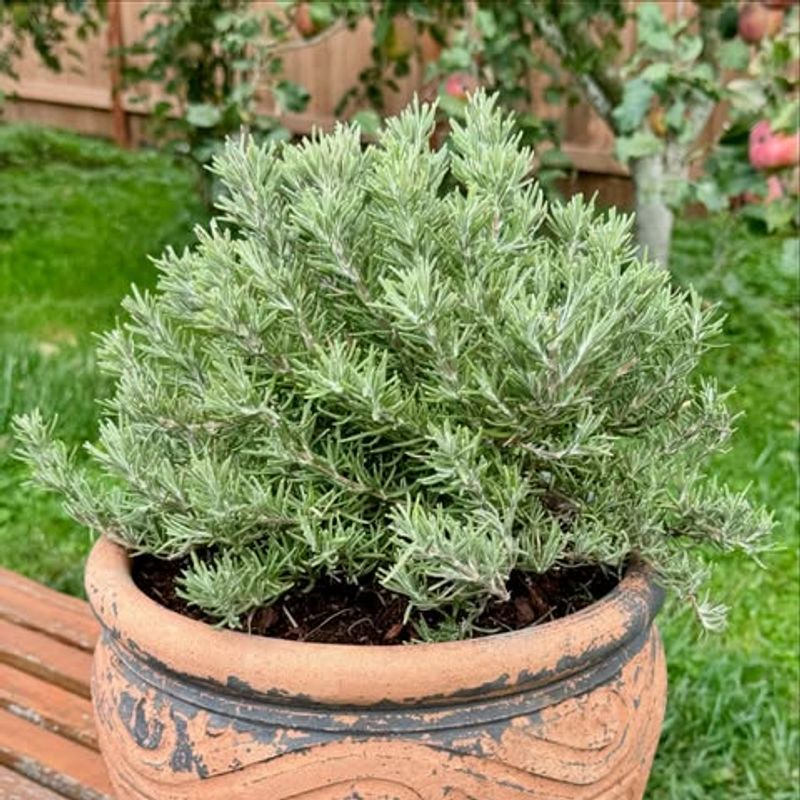
Needle-like leaves release a pine-fresh scent when touched, making this herb both practical and ornamental. Rosemary grows as happily in Southern California as it does in its native Mediterranean homeland.
The similarity in climate means gardeners can grow impressive specimens with almost no effort.
This versatile plant works as a low hedge, groundcover, or upright shrub depending on the variety chosen. Prostrate types spread horizontally and cascade over walls.
Upright forms can reach six feet tall and create informal screens. Small blue, purple, or white flowers appear throughout the year, with heaviest blooming in winter and spring.
Rosemary handles poor soil, heat, and drought without complaint. It actually struggles more with rich soil and frequent watering than with neglect.
Full sun produces the most compact growth and strongest flavor in the leaves. Many Southern California gardeners plant it near outdoor kitchens for easy snipping while cooking.
The aromatic oils in the foliage deter many common pests. Deer typically avoid it, making rosemary useful in areas where wildlife browsing causes problems.
Pruning after flowering keeps plants shaped and prevents them from becoming woody. Fresh or dried, the leaves add flavor to countless dishes while the living plant adds structure to the garden year-round.
5. Lantana
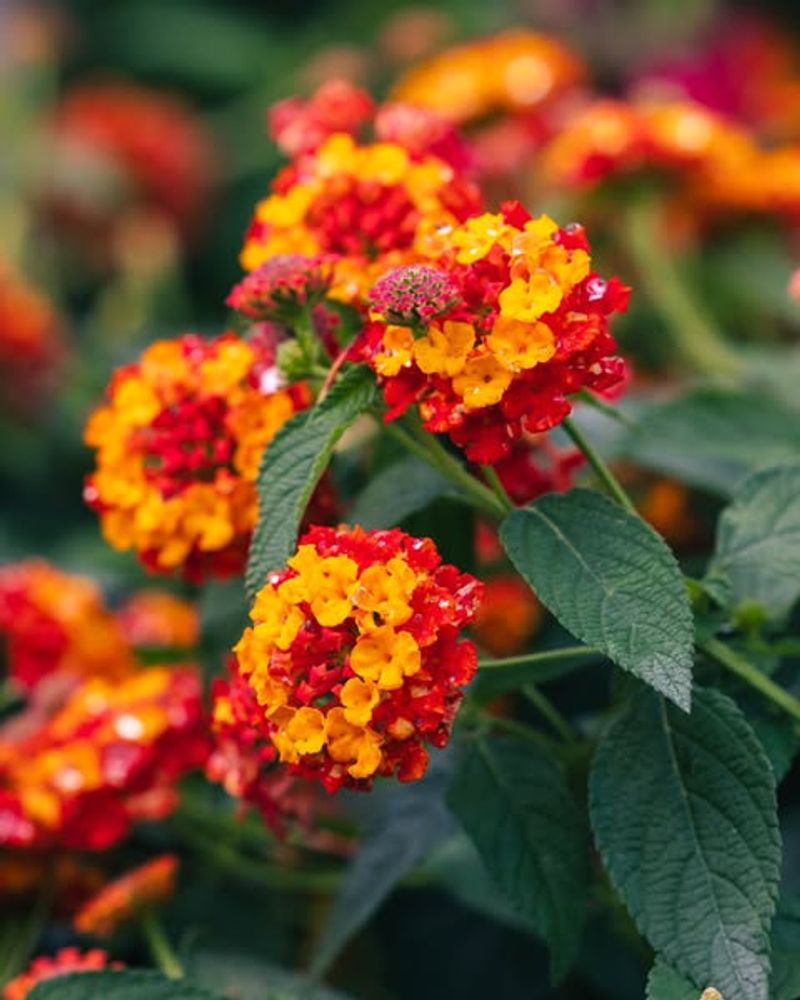
Clusters of tiny flowers change color as they age, creating a multicolored effect on each bloom head. Lantana performs like a champion in Southern California heat, blooming continuously from spring through fall and often into winter.
Butterflies flock to the nectar-rich flowers, turning gardens into active wildlife habitats.
Color options range from yellow and orange to pink, purple, red, and white. Some varieties display several colors simultaneously as individual flowers mature and shift hues.
The plants grow as low groundcovers or taller shrubs depending on the type selected. Trailing varieties work beautifully in containers and hanging baskets.
Full sun brings out the best flowering performance. Lantana tolerates poor soil and needs very little water once established.
In fact, too much irrigation reduces blooming and can cause root problems. The slightly rough-textured leaves have a distinctive scent that some people love and others find less appealing.
Pruning controls size and encourages bushier growth with more flower clusters. In Southern California’s mild climate, lantana rarely stops blooming completely.
It provides reliable color when many other plants take seasonal breaks. The flowers attract hummingbirds along with butterflies, adding movement and life to the garden.
This tough performer keeps going through heat waves that would stress less adapted plants.
6. Kangaroo Paw (Anigozanthos)
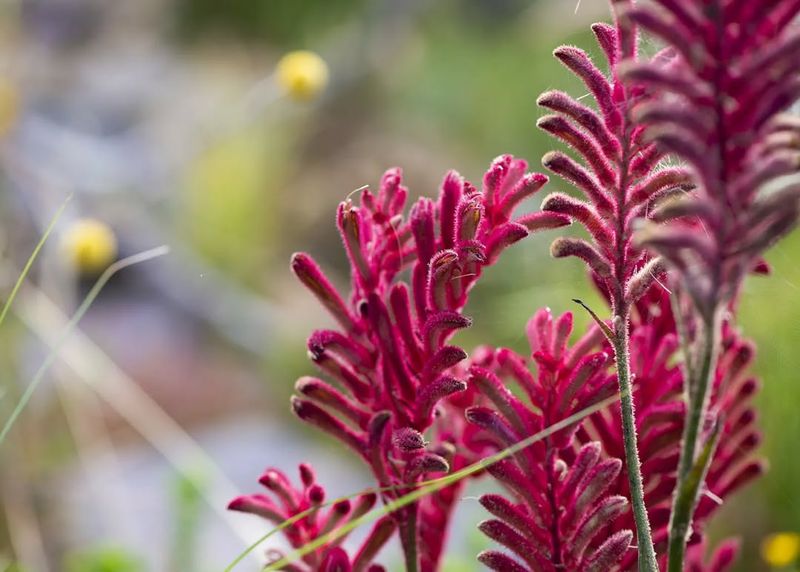
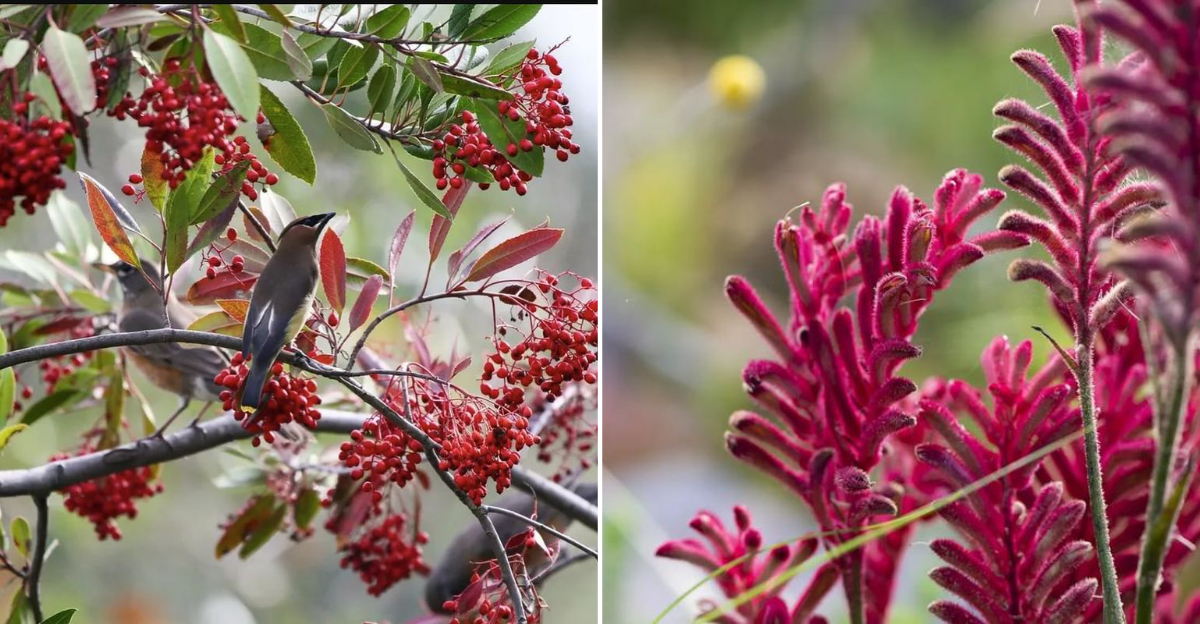
Fuzzy tubular flowers really do resemble the paws of kangaroos, making this Australian native an instant conversation starter. The unusual blooms sit atop tall stems that rise above grass-like foliage.
Colors include red, orange, yellow, pink, and green, often with contrasting fuzzy coating on the outside.
Kangaroo paw adapted to Australian conditions remarkably similar to Southern California’s climate. It handles heat, sun, and dry periods with ease.
The plant blooms heavily in spring and often continues producing flowers sporadically through summer and fall. Hummingbirds investigate the tubular blooms, adding entertainment value to the unique appearance.
Well-draining soil is essential for success. Kangaroo paw tolerates clay if planted on slight mounds or slopes where water doesn’t collect.
Full sun produces the most flowers, though plants appreciate some afternoon shade in the hottest inland areas of Southern California. Established plants need only occasional deep watering during extended dry spells.
Removing spent flower stems keeps plants looking tidy and encourages more blooms. The foliage stays evergreen, providing structure even when flowers aren’t present.
Kangaroo paw works beautifully in contemporary gardens where its architectural form complements modern design. It also fits naturally into Australian-themed or water-wise landscapes.
This distinctive plant proves that low-water gardens don’t have to sacrifice visual interest or unique character.
7. California Lilac (Ceanothus)
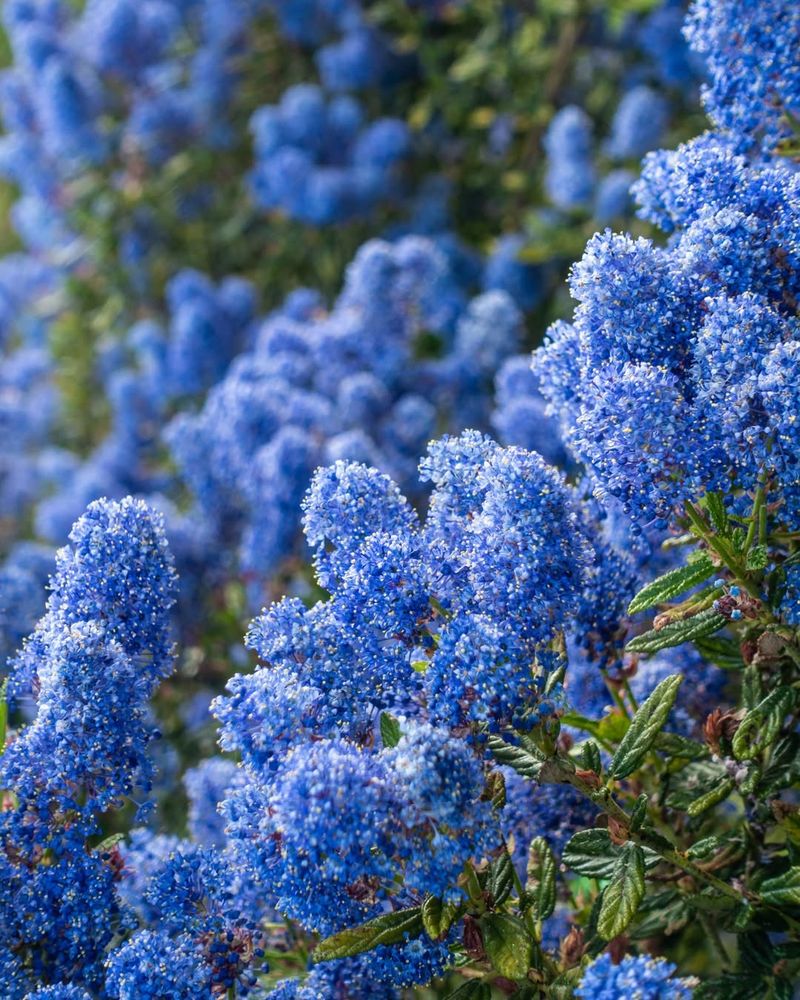
Clouds of blue flowers transform these native shrubs into stunning focal points each spring. California lilac isn’t actually related to true lilacs, but the flower clusters create a similar visual impact.
This plant evolved specifically for California conditions, making it naturally suited to local gardens.
Many different ceanothus species and cultivars offer options for various garden situations. Some grow low and spreading while others reach tree-like proportions.
Flower colors range from pale powder blue to deep navy, with some white-flowered varieties available. The blooms attract native bees and other beneficial insects that support healthy garden ecosystems.
Once established, California lilac needs no supplemental water in most Southern California locations. In fact, summer irrigation often causes problems rather than helping.
These plants evolved with the region’s pattern of wet winters and dry summers. The evergreen foliage looks good year-round, and the spring flower show is spectacular.
Full sun and excellent drainage produce the healthiest plants. Avoid planting in heavy clay or low spots where water collects.
California lilac doesn’t need fertilizer and actually prefers lean soil. Pruning should happen right after flowering ends, as next year’s flower buds form on new growth.
Using native plants like ceanothus creates gardens that work with nature rather than against it, resulting in landscapes that thrive with minimal intervention.
8. Toyon (Heteromeles arbutifolia)
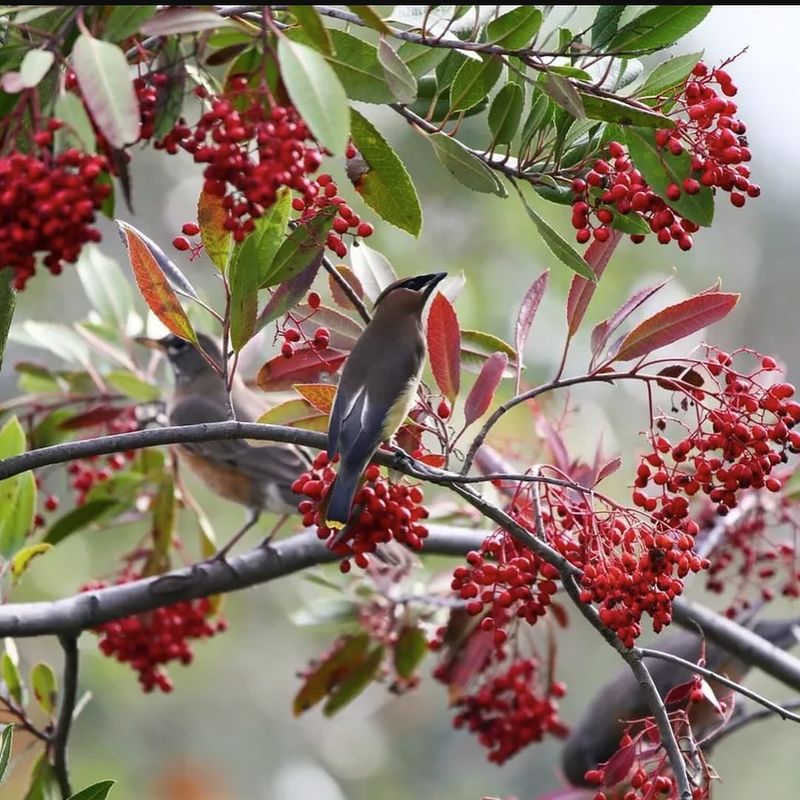
Bright red berries light up the winter garden when most other plants look dormant. Toyon, also called California holly, is a native evergreen that played an important role in the region’s history.
Hollywood actually got its name from the groves of toyon that once covered those hills.
White flower clusters appear in summer, providing nectar for bees and butterflies. By late fall and winter, those flowers transform into brilliant red berry clusters that birds devour.
Cedar waxwings, mockingbirds, and robins feast on the fruits, making toyon an excellent choice for wildlife-friendly gardens in Southern California.
This adaptable shrub handles full sun or partial shade. It grows naturally in canyons and on hillsides throughout the region, proving its toughness.
Once established, toyon survives on rainfall alone in most areas. The dark green leathery leaves create a handsome backdrop for other plants year-round.
Toyon can grow quite large, reaching 15 feet tall and wide if left unpruned. It also accepts pruning well for gardeners who need to control size.
The plant works as a screen, hedge, or specimen depending on how it’s used. Growing California natives like toyon creates habitat for local wildlife while reducing water use and maintenance.
The winter berries provide crucial food for birds when other natural food sources become scarce, making this plant both beautiful and ecologically valuable.
9. Aloe
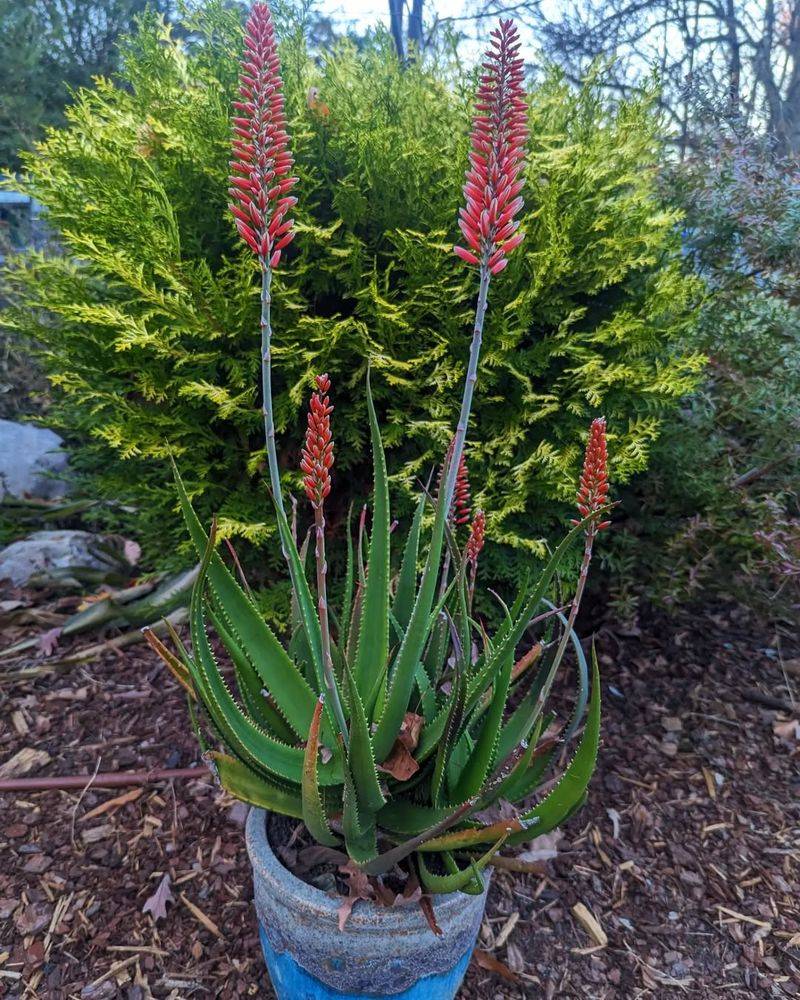
Thick fleshy leaves store water and healing gel, making aloe both practical and attractive. These succulents range from tiny three-inch plants to tree-sized specimens over 30 feet tall.
Most garden varieties stay manageable at two to four feet. The rosette growth pattern creates sculptural forms that look intentionally designed.
Aloe thrives in Southern California’s climate with minimal care. Full sun produces the most compact growth, though plants tolerate some shade.
Well-draining soil is essential since soggy roots quickly lead to problems. Once established, aloes need very little water and actually look better when slightly stressed than when pampered.
Tubular flowers appear on tall spikes above the foliage, usually in winter or early spring. Colors include orange, red, yellow, and coral.
Hummingbirds love the nectar-rich blooms. Many aloes produce offsets or pups around the base, creating clusters over time.
Gardeners can separate these babies to start new plants or leave them to form impressive colonies.
The gel inside aloe vera leaves soothes minor burns and skin irritations. Having a plant growing near the kitchen provides immediate first aid for cooking accidents.
Beyond the practical uses, aloes add architectural interest to gardens with minimal water requirements. They combine beautifully with other succulents or stand alone as focal points.
This reliable performer handles neglect better than most plants handle attentive care.
10. Mexican Sage (Salvia leucantha)
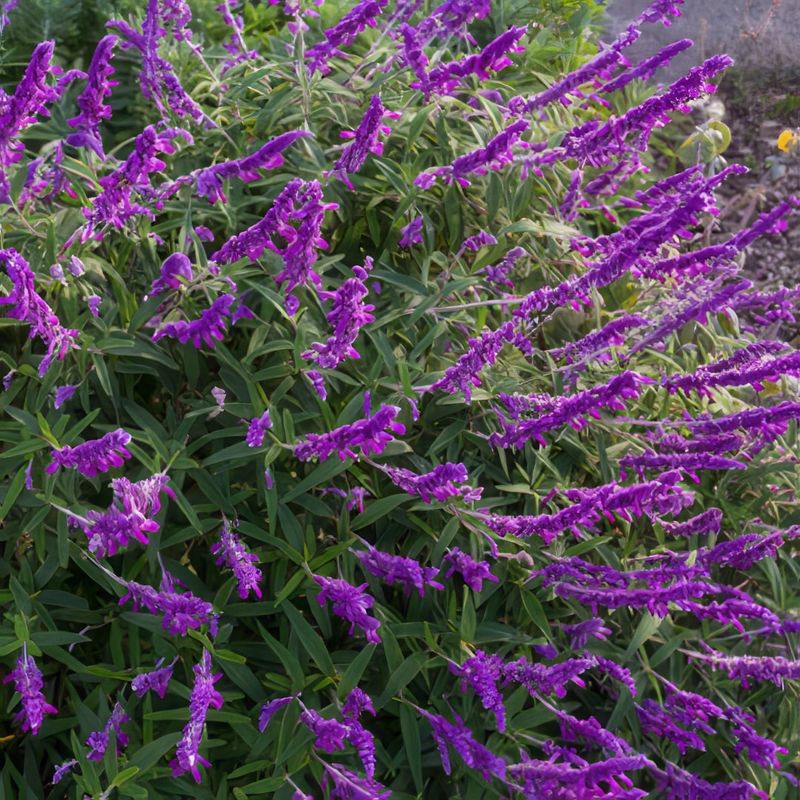
Velvety purple flower spikes create a soft, touchable texture that draws people closer for a better look. Mexican sage brings late-season color when many gardens start looking tired.
The long blooming period extends from late summer through fall and often into winter in Southern California’s mild climate.
Gray-green foliage forms a mounding shrub that reaches three to four feet tall and equally wide. The fuzzy purple calyxes hold small white or purple flowers, creating a two-toned effect.
Butterflies and hummingbirds visit constantly during the blooming season. The plant creates a soft, romantic look that contrasts nicely with more architectural succulents and cacti.
Full sun produces the best flowering, though plants tolerate light afternoon shade in the hottest inland areas. Mexican sage handles dry conditions well once established but looks fuller and blooms more heavily with occasional deep watering.
It doesn’t need fertilizer and actually prefers lean soil over rich amendments.
Cutting plants back hard in early spring keeps them compact and prevents them from becoming floppy. Fresh new growth quickly covers the stubby stems.
The flowers dry beautifully, maintaining their color for arrangements. Mexican sage works wonderfully in informal cottage gardens or more structured landscapes.
This dependable performer provides months of color and pollinator activity while requiring very little from gardeners. In Southern California, it fills the gap between summer and winter bloomers perfectly.