Spider Plant Mistakes Michigan Gardeners Should Stop Making
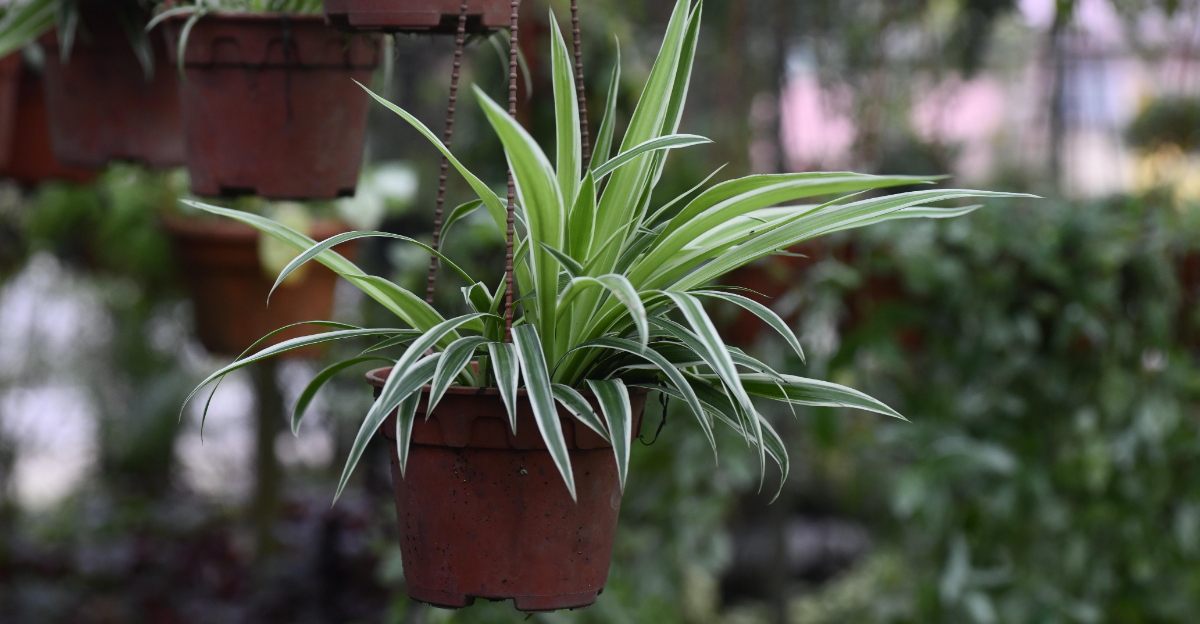
Spider plants have fooled a lot of people over the years. They look easygoing, they show up in waiting rooms and grandma’s kitchen windows, and they give off that unbeatable I-can-handle-anything energy.
So when one starts turning brown, drooping, or looking thin and tired, it can feel downright insulting.
In Michigan homes, a few everyday habits tend to trip them up more than people expect. Dry indoor air, heavy watering, harsh sun, mineral buildup, and crowded roots can all chip away at that healthy, fountain-like look spider plants are supposed to have.
The tricky part is that the damage often builds slowly. You do not notice it much at first, then one day the tips are crispy, the color looks off, and the whole plant seems grumpier than it did last month.
The good news is that these mistakes are easy to spot when you know what to look for.
1. Keeping It In Light That Is Too Low
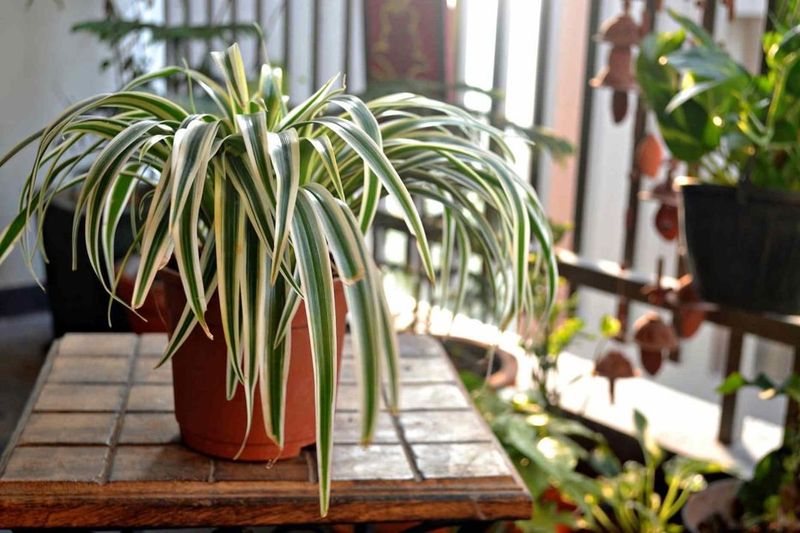
Picture a spider plant shoved into the darkest corner of a Michigan basement or tucked behind furniture where barely any light reaches it. That plant is not going to be happy.
Spider plants need bright, indirect light to produce their signature bold stripes and those fun little plantlets that dangle like tiny green fireworks.
When light levels drop too low, the plant starts to look washed out. The leaves fade from vibrant green and white to a dull, yellowish green.
Growth slows down dramatically, and new leaves come in thin and weak. Over a Michigan winter, when daylight hours shrink and skies stay gray for weeks at a time, this problem gets even worse.
A smart fix is to move your spider plant closer to a bright east or west-facing window where it gets several hours of natural light each day. If your home does not get much natural light during those long Michigan winters, a simple grow light placed a few feet above the plant can work wonders.
Even a basic LED grow light on a timer set for 12 to 14 hours a day will keep your plant looking lush and healthy. Rotating the pot every couple of weeks also helps all sides of the plant receive even light exposure, which leads to fuller, more balanced growth.
Giving your spider plant the light it truly needs is one of the easiest ways to see a dramatic improvement fast.
2. Letting The Roots Stay Overcrowded Too Long
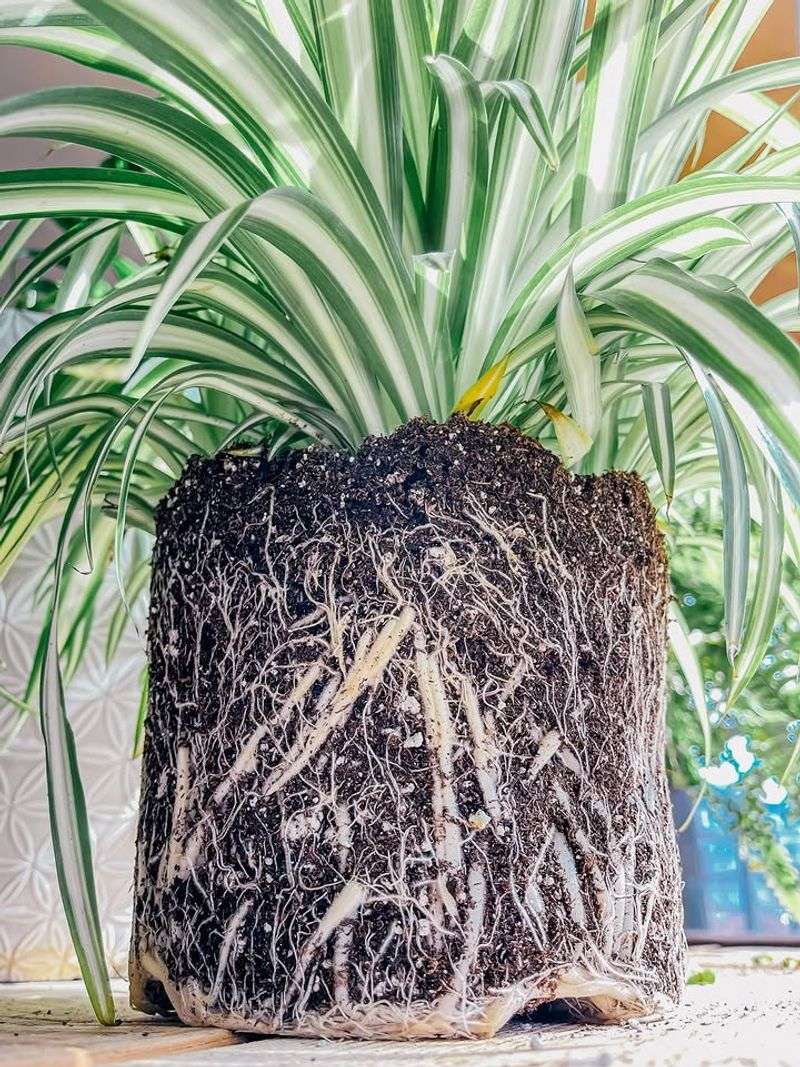
Roots pushing out of drainage holes, water rushing straight through the pot without soaking in, and a plant that looks stressed no matter how well you water it. Sound familiar?
These are classic signs that your spider plant has been sitting in too small a pot for way too long.
Spider plants grow surprisingly fast. In Michigan homes where indoor temperatures stay warm and consistent, they can fill up a pot within a single growing season.
Once the roots run out of room, the plant cannot absorb water or nutrients properly, which leads to stunted growth, browning tips, and an overall unhealthy appearance. The roots essentially choke themselves out, leaving no space for fresh soil to hold moisture.
Your Michigan Garden Changes Every Week. Your Plan Should Too.
Gardening in Michigan changes quickly throughout the season. Every Friday you’ll receive a simple weekly plan showing exactly what to plant, prune, fertilize, harvest, and protect so you never miss the right timing.
Repotting is the straightforward solution, and it does not have to be stressful. Choose a new pot that is just one to two inches wider in diameter than the current one.
Going too large too fast can actually cause problems because excess soil holds moisture that the roots cannot use, which may lead to rot. Use a well-draining potting mix, gently loosen the root ball before placing it in the new container, and water it thoroughly after repotting.
Spring is the ideal time to repot in Michigan because the plant is entering its active growing season and will bounce back quickly. Checking your spider plant for root crowding every year or two is a simple habit that pays off with a much healthier, more vigorous plant all year long.
3. Overfertilizing
More fertilizer does not always mean a better plant. In fact, with spider plants, too much fertilizer is one of the fastest ways to cause visible damage.
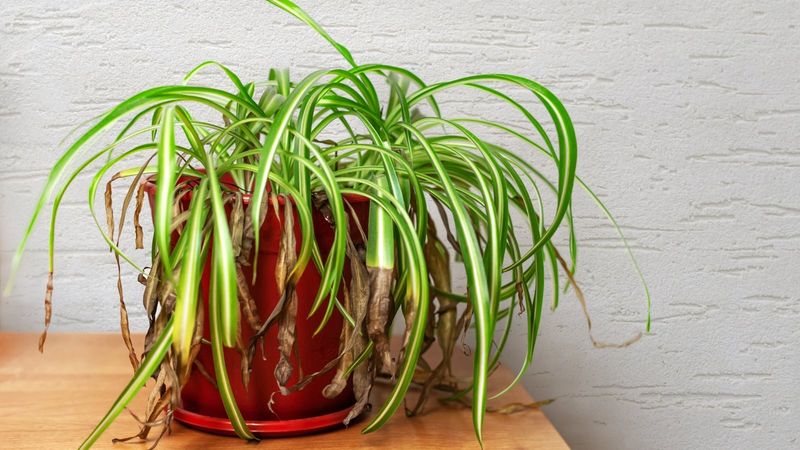
A lot of Michigan gardeners, eager to help their plants grow big and full, end up overdoing it with plant food and then wonder why the leaf tips are turning brown and crispy.
When you fertilize too often or use too strong a concentration, salts from the fertilizer build up in the soil over time. These salt deposits pull moisture away from the roots instead of feeding the plant, causing the tips and edges of the leaves to brown and dry out.
You might even notice a white crusty layer forming on top of the soil or around the edges of the pot, which is a telltale sign of salt buildup.
Spider plants actually prefer light feeding. A balanced, water-soluble houseplant fertilizer diluted to half the recommended strength, applied just once a month during spring and summer, is more than enough.
During fall and winter in Michigan, when the plant slows its growth due to lower light levels, you can skip fertilizing altogether. If you suspect salt buildup is already an issue, flush the soil thoroughly by running water through the pot for several minutes, allowing the excess salts to drain out completely.
Letting the soil dry slightly between waterings after flushing helps reset things. Being a little less generous with fertilizer is genuinely one of the kindest things you can do for your spider plant.
4. Using Hard Or Fluoridated Water Without Adjusting Care
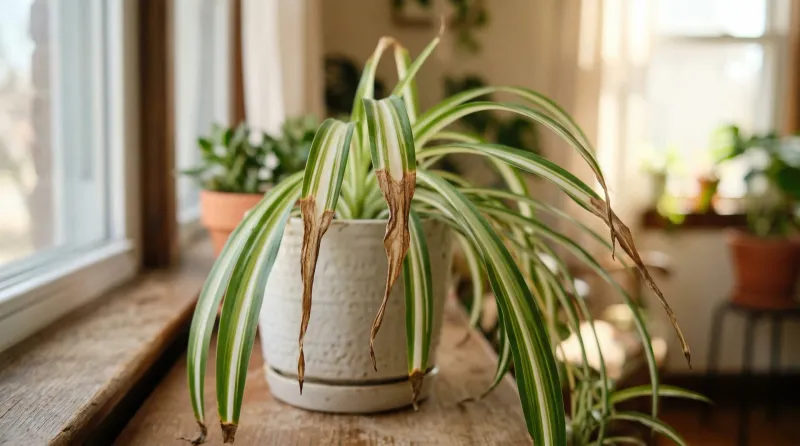
Many Michigan cities and towns have tap water that contains fluoride, chlorine, or high mineral content, and spider plants are surprisingly sensitive to these additives. If you have been watering your spider plant straight from the tap and noticing that the leaf tips keep turning brown even when everything else seems fine, the water itself might be the problem.
Fluoride in particular is known to cause tip burn in spider plants. The plant absorbs the fluoride through its roots, and over time it accumulates in the leaf tissue, causing those familiar crispy brown tips that so many Michigan gardeners struggle with.
Hard water, which is common in many parts of the state, brings extra calcium and magnesium into the soil that can interfere with the plant’s ability to absorb nutrients properly.
Switching to filtered water or distilled water is the most reliable solution. You can also fill a watering can with tap water and let it sit uncovered overnight, which allows some of the chlorine to evaporate before it reaches your plant.
Collecting rainwater during Michigan’s spring and summer months is another excellent and free option that spider plants absolutely love. If you cannot switch water sources easily, flushing the soil with clean water every month or two helps rinse out accumulated minerals before they cause serious damage.
Paying attention to your water quality is a small adjustment that can make a surprisingly big difference in the long-term health and appearance of your spider plant.
5. Watering Inconsistently
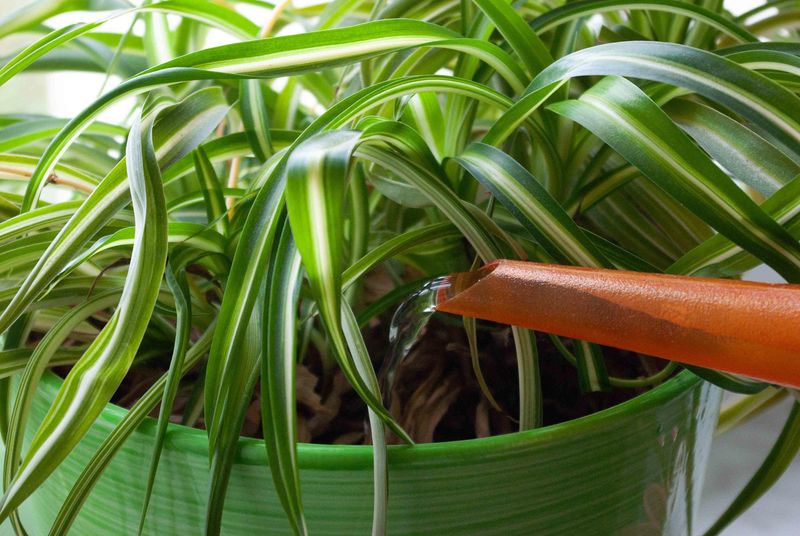
Watering a spider plant here and there whenever you remember is one of those habits that seems harmless but adds up to real trouble over time. Spider plants are forgiving, no doubt about it, but consistently swinging between bone-dry soil and soggy overwatered conditions puts the plant under constant stress that weakens it over the long run.
Overwatering is actually the more common mistake in Michigan homes, especially during winter when the plant is not actively growing and does not need as much moisture. Soggy soil cuts off oxygen to the roots, which leads to root rot, a condition that can quietly destroy a healthy plant before you even notice anything is wrong above the soil.
On the flip side, letting the soil stay completely dry for too long causes the leaf tips to brown and the whole plant to droop and look exhausted.
Finding the right rhythm is simpler than it sounds. Stick your finger about one to two inches into the soil before watering.
If it feels dry at that depth, it is time to water. If it still feels moist, wait a day or two and check again.
During Michigan summers, you may find yourself watering every five to seven days, while in winter that schedule might stretch to every ten to fourteen days. Always water thoroughly until it drains from the bottom, and never let the pot sit in standing water.
A consistent routine based on actual soil moisture rather than a fixed calendar schedule keeps your spider plant steady and strong all year.
6. Skipping Pest Checks
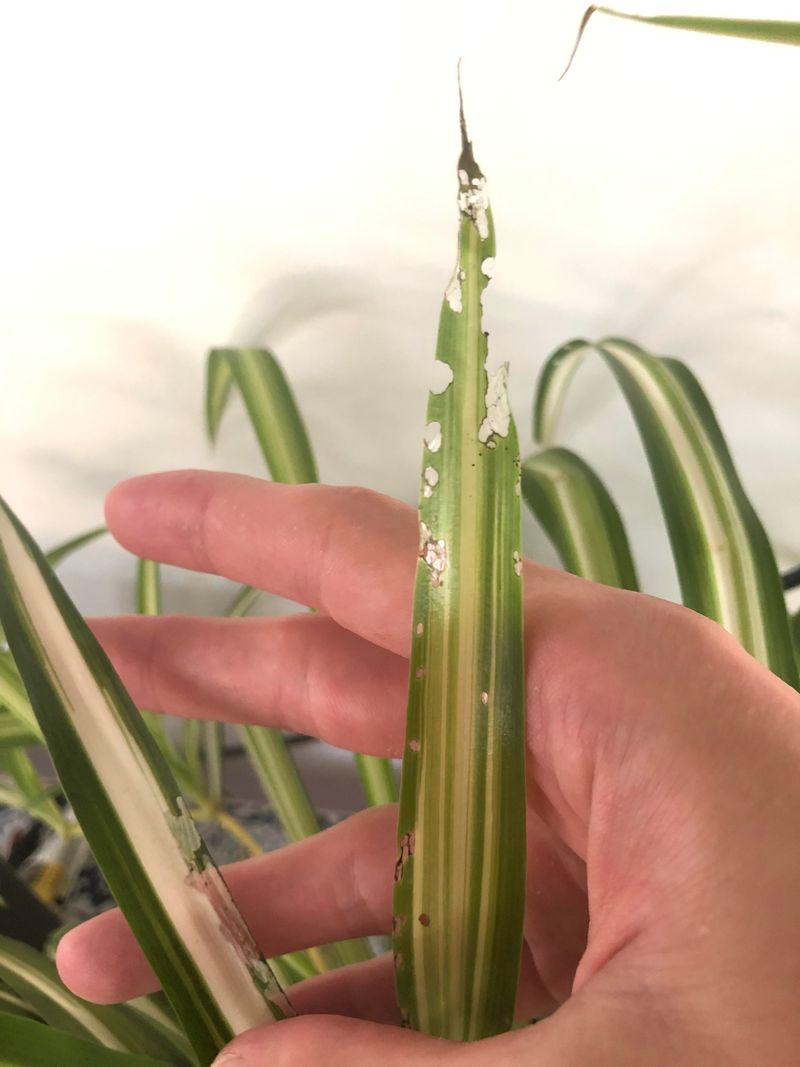
Out of sight, out of mind is a dangerous approach when it comes to houseplant pests. Spider plants might have a reputation for being tough, but they are not immune to unwanted visitors.
Spider mites, mealybugs, and aphids can quietly set up shop on your plant, especially during dry Michigan winters when indoor humidity drops and plants are already under a bit of stress.
Spider mites are particularly sneaky. They are so tiny that most people do not notice them until fine webbing starts appearing on the undersides of the leaves or the foliage begins to look faded and stippled with tiny yellow or white dots.
Mealybugs leave behind a cottony white residue, usually tucked into leaf joints and along stems. By the time these pests become obvious, the infestation has often been going on for a while.
Making pest checks a regular part of your plant care routine takes less than a minute and can save you a lot of frustration. Every week or two, flip a few leaves over and run your fingers along the stems to feel for any unusual texture or stickiness.
Catching a problem early means you can usually handle it with a simple spray of neem oil solution or insecticidal soap before it spreads to other plants in your Michigan home. Isolating any plant that shows signs of pests right away is also a smart move, since many common houseplant pests spread quickly between plants that are placed close together on windowsills or shelves.
7. Moving It Into Direct Sun Too Fast
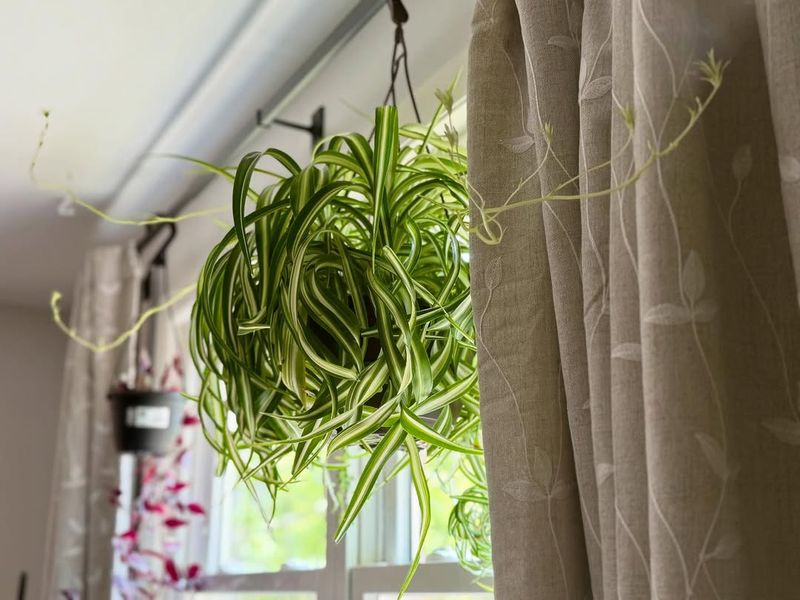
Spring arrives in Michigan and suddenly the sun is stronger, the days are longer, and every plant lover wants to give their houseplants a boost of that gorgeous natural light. Moving a spider plant into a sunny window or taking it outside onto a porch after months of low winter light seems like a loving gesture, but doing it too quickly can seriously scorch the leaves.
Spider plants that have been growing in lower light conditions indoors all winter are not prepared for intense direct sunlight. Their leaves have essentially adapted to gentler conditions, and when they suddenly get blasted with strong, direct rays through a south-facing Michigan window or from outdoor sun exposure, the tissue burns.
You will see pale, bleached patches or brown, papery spots appear on the leaves within just a day or two. That damage is permanent and the affected leaves will not recover their color.
The right approach is to transition your plant gradually over a period of two to three weeks. Start by placing it in a spot with just a little more light than it was getting before, then slowly move it closer to a brighter location every few days.
If you are moving it outdoors for the warmer Michigan months, begin with a shaded porch spot and work toward a brighter area over several weeks. Bright, indirect light is truly the sweet spot for spider plants, and they will reward your patience with lush, vibrant growth all through the warm season without any of that frustrating sun damage.